




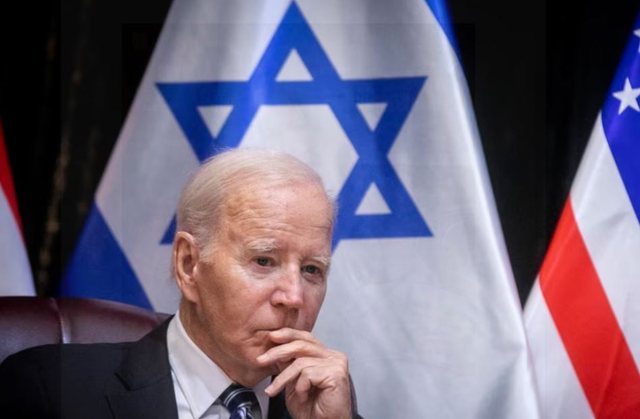
According to experts in Israel, today's visit of President Biden to Tel Aviv aims to prevent the conflict between Israel and Hamas from expanding into a regional conflict. In an interview for the Voice of America, political analyst Dahlia Scheindlin, from Tel Aviv, says that while President Biden's visit is extremely important for the morale of Israelis, the great danger of regional escalation continues to reign in the Middle East. In an interview, Israeli expert Scheindlin, a columnist in the Israeli daily Haaretz, says that the war between Israel and Hamas requires a comprehensive political solution and not continuous conflict management.
Journalist: How is President Biden's visit to Israel being interpreted and what is it expected to achieve?
Dahlia Scheindlin: There is no doubt that the Israelis see it as a great gesture of solidarity. It is very important for the morale of the Israelis, who are going through the biggest shock in the history of the state, are feeling overwhelmed and in a state of war, so the visit of President Biden is a great morale boost and makes Prime Minister Netanyahu look as an important statesman. This is a prime minister who is highly criticized in Israel. Throughout the year, he has been criticized for the policies followed, which the Israeli public strongly opposes. Therefore, the Israeli public sees it as solidarity, but also as a support that the American president gives to the (Israeli) prime minister. While not entirely unprecedented, it is nonetheless unusual for a US president to undertake such a visit to an active war zone on such short notice. So it makes a lot of sense.
The visit aims to clarify the next steps and coordination with the United States. The United States has already sent significant weapons, sent aircraft carriers to the region, to try to prevent a regional escalation. But I think there is a big risk of a regional escalation. There are divided opinions on whether such a demonstration of weaponry by the United States in the region will prevent or encourage escalation. We cannot know this at present. I know the United States is more committed to de-escalation, but I think the Israelis are not currently committed to de-escalation. So it remains to be seen if the United States can do so given what happened last night with the massive explosion at the Gaza hospital that left hundreds dead. Both sides blame each other for the responsibility. And as a result, Palestinian leader Mahmoud Abbas canceled the meeting with President Biden, and that makes it difficult for many Arab states to work with President Biden on this (goal).
Journalist: Do you think that the cancellation of the meeting between Palestinian President Abbas and President Biden represents a step backwards?
Dahlia Scheindlin: The step behind would mean that there was the possibility of progress. The situation here is so gloomy that even if the meeting had been held, it would be difficult for any dramatic change to occur, which would lead to the reduction of tensions or the cessation of fighting. President Abbas is a very problematic figure at the moment. One media outlet referred to him as someone who represents the Palestinians. It's not true. He is not chosen. He has not been elected since 2006. Palestinian society is very angry with him. Therefore, whatever agreement he could reach with the President of the United States would have no impact on the Palestinians. Of course, Israel has been delegitimizing him for years in the eyes of the Israeli public. Under these conditions, it would hardly be possible to make any progress towards improving the situation.
Journalist: This is the fifth escalation between Israel and Gaza that you have witnessed. You are an opponent of the occupation policy and a critic of Prime Minister Netanyahu. Are we likely to see the end of this tragedy?
Dahlia Scheindlin: Edhe nëse përfundon kjo tragjedi nesër, është shumë vonë. Me fjalë të tjera, numri i civilëve izraelitë që u masakruan, të vrarëve palestinezë, ka aq shumë civilë të vrarë dhe shkatërrim të infrastrukturës civile, ndërkohë që pjesa jugore e Izraelit është evakuuar plotësisht si dhe gjysma e Gazës, mbi 700,000 njerëz që janë evakuuar, apo që kanë provuar të largohen në kushte të tmerrshme. Dëmi është aq i madh dhe më duhet të sqaroj se nuk bëhet fjalë thjesht për kufizimin e një politike të keqe në të ardhmen. Tani bëhet fjalë për rimëkëmbjen nga përmasat e dëmit që është shkaktuar. Ndërsa sa i përket aspektit politik, okupimi nuk do të përfundojë. Nuk do të përfundojë së shpejti. Ai po kthehej në një politikë të përhershme para këtij sulmi. Izraeli ka ndjekur politikën e pushtimit të përhershëm të territoreve palestineze, të Gazës dhe të Bregut Perëndimore, që nga viti 1967 në forma të ndryshme. Qeveria e Izraelit dëshiron ta bindë botën se ai është larguar nga Gaza më 2005, pasi u tërhoq nga vendbanimet dhe tërhoqi ushtrinë nga brendësia e Gazës. Por në fakt, në shumë forma, Izraeli ushtronte kontroll të gjerë mbi jetën në Gazë duke kontrolluar kalimet tokësore, detare e ajrore. Por Izraeli kontrollon lëvizjen e njerëzve, të cilët kanë nevojë leje speciale. Sa njerëz mund të vinë në Izrael të punojnë ? Të shumtën e kohës, vetëm disa prej tyre, me disa përjashtime në dy vitet e fundit. Izraeli kontrollon të gjitha importet dhe eksportet, gjë që e ka mbajtur Gazën në një gjendje të përkeqësuar, në pamundësi të zhvillojë kapacitetet e veta apo të zhvillohet. Dhe ka pasur arsye për këtë politikë. Nuk ka mëdyshje që Hamasi qeveris si një organizatë autoritare, teokrate, jodemokratike dhe abuzive, sepse të hedhësh raketa në zona të banuara me civilë për tërë këto vite, është krim lufte. Dhe tani ka pak dyshime se Hamasi është organizatë që mbështet terrorin në kuptimin më të keq të fjalës. Prandaj, pa dashur të minimizoj kompleksitetin e politikave të Izraelit, ato kanë pasur një ndikim shkatërrues ndaj civilëve gjatë tërë kësaj kohe. Kjo është arsyeja pse disa prej nesh, që mendojnë se mënyra e vetme për të shënuar përparim, është gjetja e një zgjidhjeje gjithëpërfshirëse politike, besojmë se ideja e menaxhimit të konfliktit pa një zgjidhje politike, nuk funksionon. Dhe tani të gjithë po e shohim rezultatin.
Gazetarja: A ka gjasa të shohim një zgjidhje politike gjatë javëve në vijim?
Dahlia Scheindlin: Jo, nuk ka gjasa të shohim një zgjidhje politike gjatë javëve apo viteve në vijim. Mund të shpresojmë që të paktën të kemi një shtensionim të luftimeve të tanishme, për t’i dhënë fund kësaj gjendjeje lufte....
One of the biggest concerns is that the government of Israel has no idea what its intention is in the coming days. Many Israelis, despite the fact that some of them are suffering, are shocked by the terrible attack 11 days ago, are wondering if the government really expects through this war, in the future, to reoccupy Gaza and 2 million Palestinians there, who have a hostile relationship with Israel. No one wants that, no matter how radical they may be. The other possibility is that the Palestinian Authority, which governs the West Bank, albeit to a limited extent, since Israel exercises significant control in that part, would also govern Gaza, but this does not seem a realistic possibility, due to the forces that exist within Gaza and militant groups there. It will be impossible to destroy all the militant groups and they hate the Fatah party and the Palestinian Authority. So, this is not a real possibility. If the Americans want to achieve anything of weight, they must not be content with managing the current war. America should work very closely with the Israelis and all other partners in the region, to think about what should be done next. We cannot manage this conflict without a political solution. So far I haven't heard any significant ideas from politicians about Gaza in particular, but I think the solution must involve some kind of international engagement and cannot be seen in isolation from the rest of the Palestinian community in the region, in the West Bank and East Jerusalem . It should be seen comprehensively./ VOA









Monique Jeremiah has chosen a special way to earn money. ...
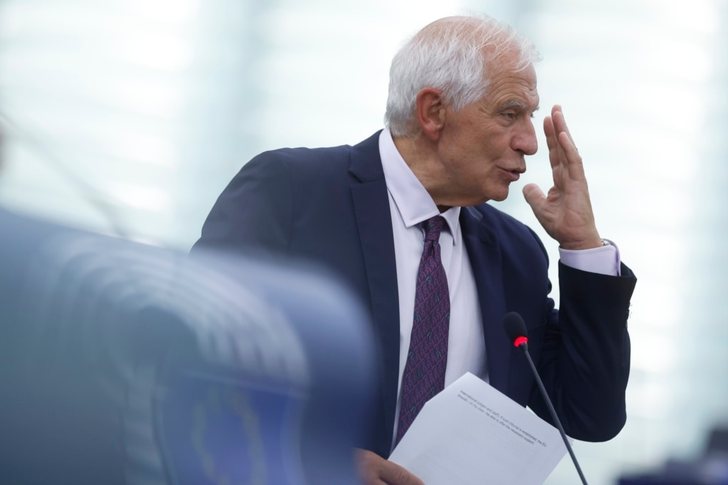
EU foreign policy chief Josep Borrell said today that ...
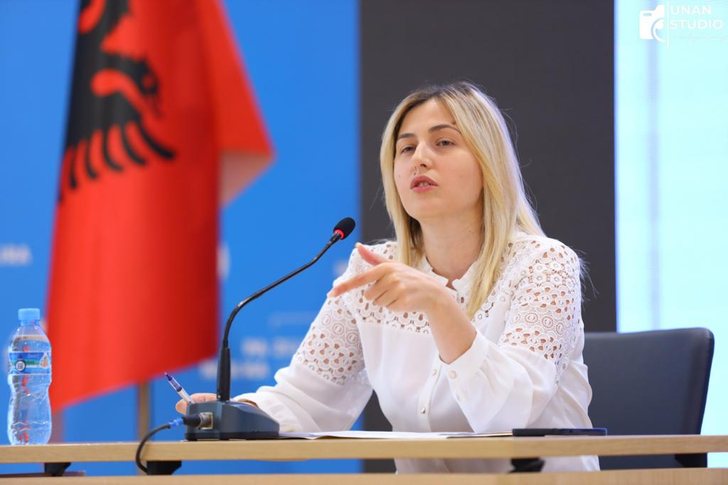
The deputy of the Democratic Party, Ina Zhupa, has rea...
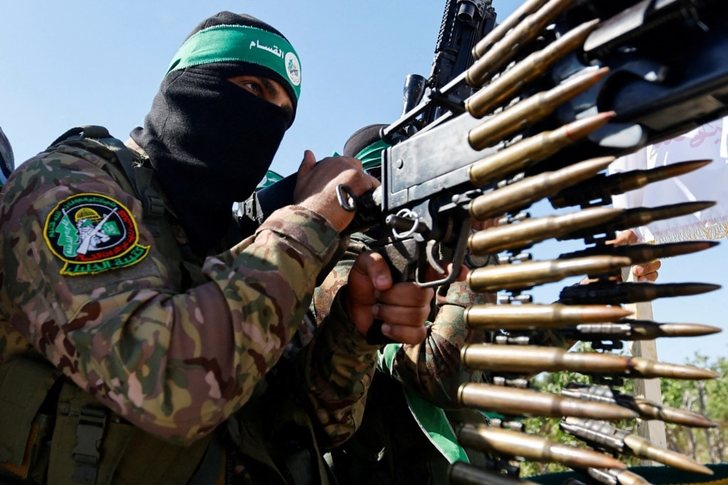
The United States announced on Wednesday that it had impos...

This year the Frankfurt Fair gathers more than 4,200 p...
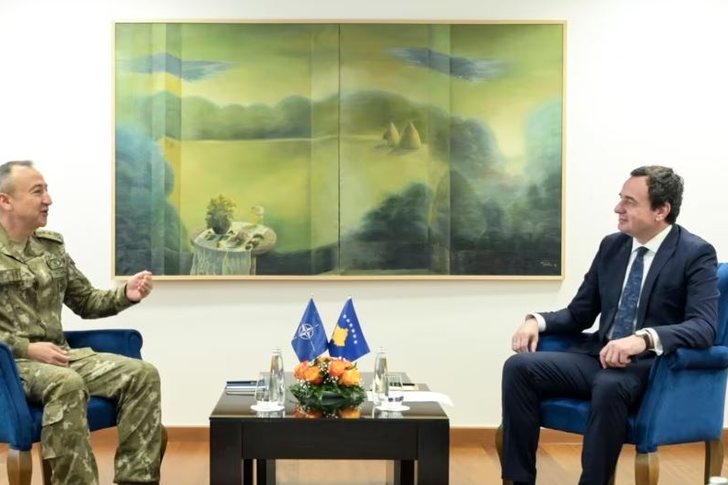
The Prime Minister of Kosovo, Albin Kurti, has requested t...
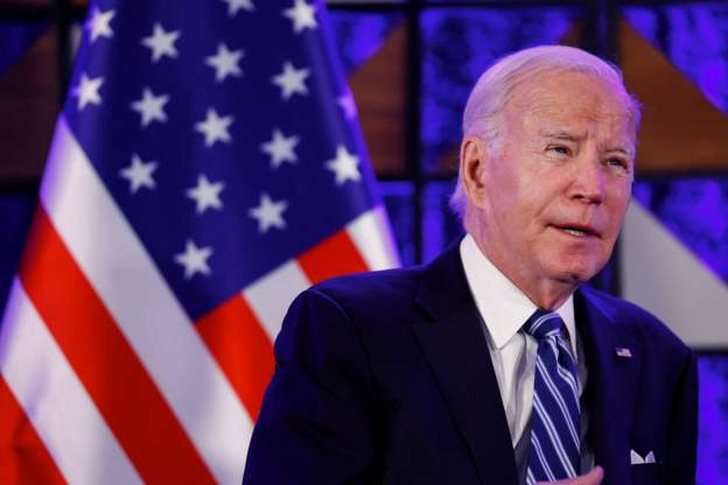
The American president, Joe Biden, is in Israel, where...

One of the world's largest platforms for world travelers, ...
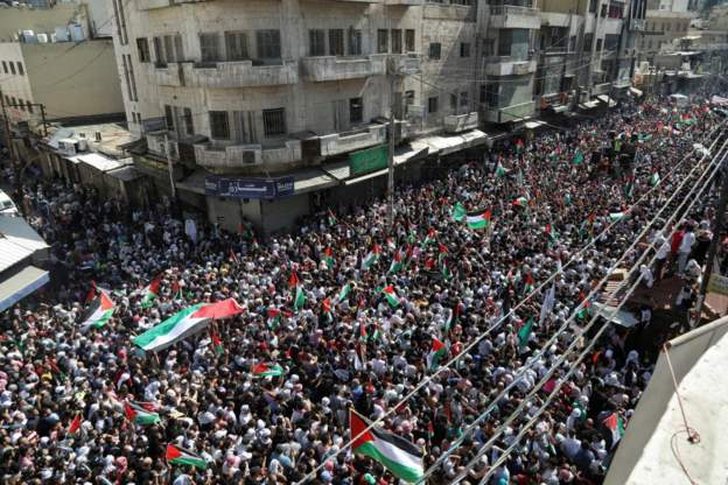
Disa vende në Lindjen e Mesme dhe Afrikën e Veriut po ...
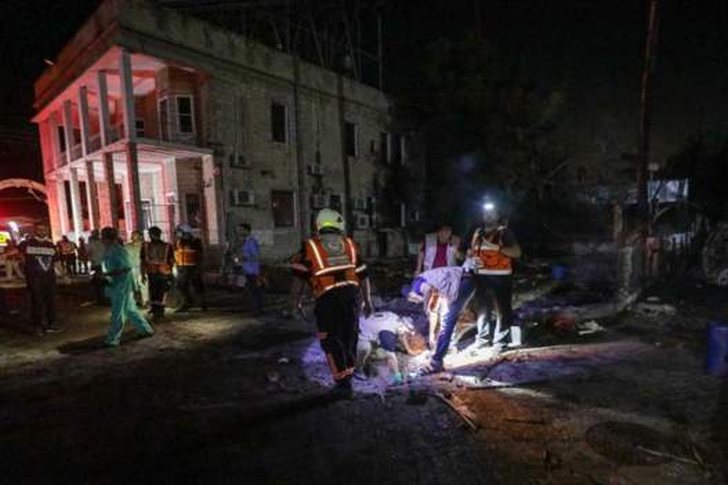
A rocket attack on a hospital in Gaza City risks undermini...

The border crossing point between Kosovo and Serbia in...
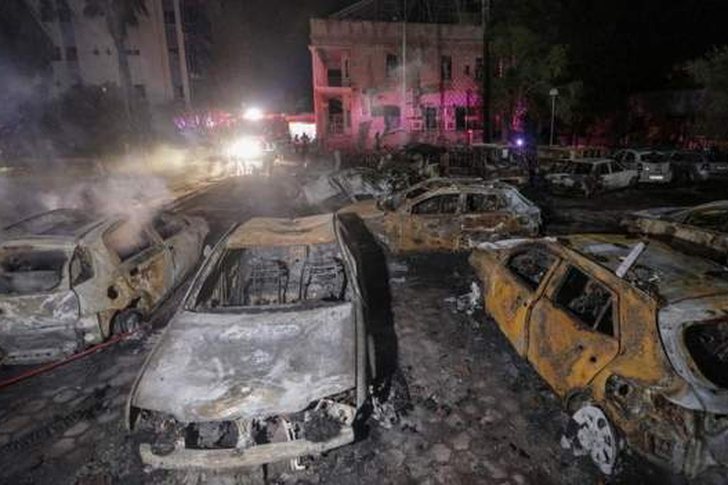
Hundreds of Palestinians are suspected to have lost their ...
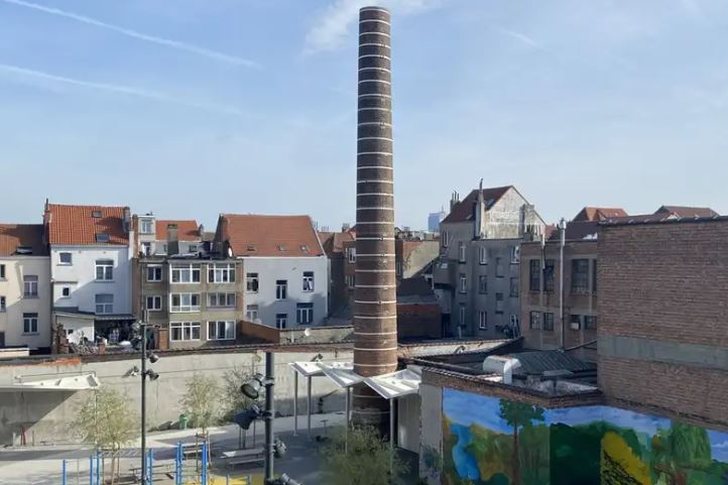
In Brussels again there was a terrorist attack against...
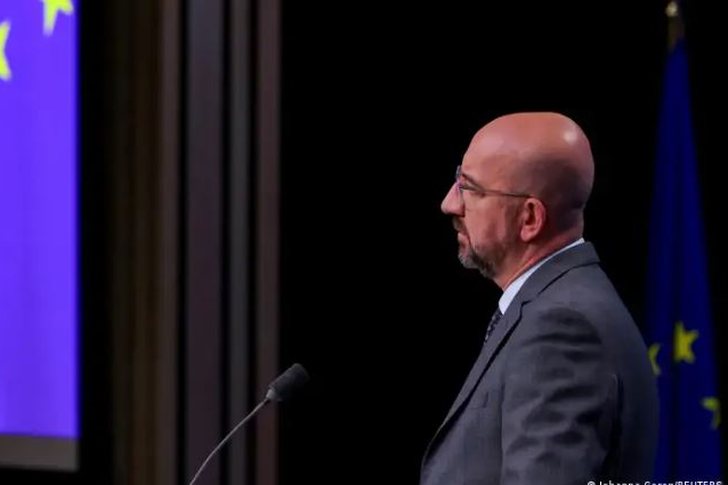
The President of the EU Council, Charles Michel, consi...
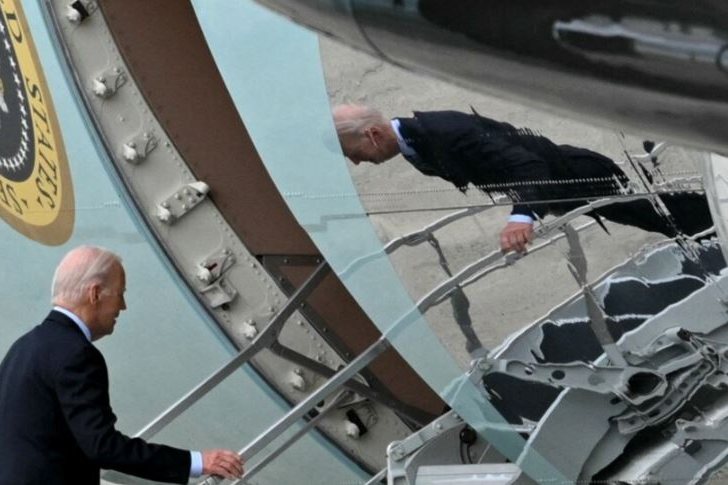
US President Joe Biden visits Israel on Wednesday in a...
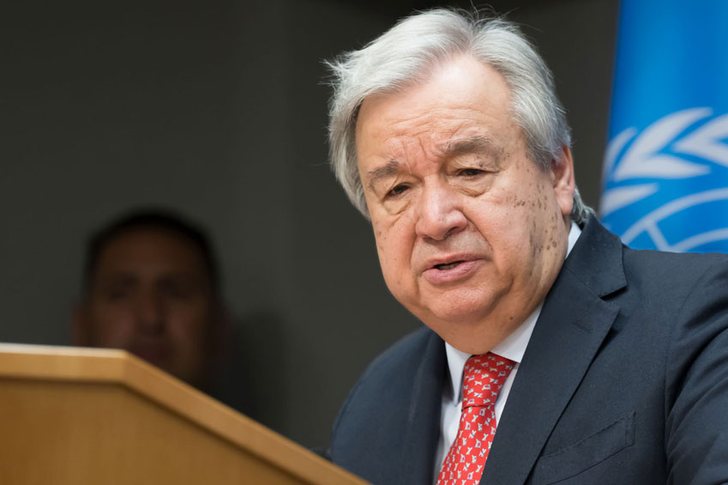
Sekretari i Përgjithshëm i OKB-së, António Guterres ka...
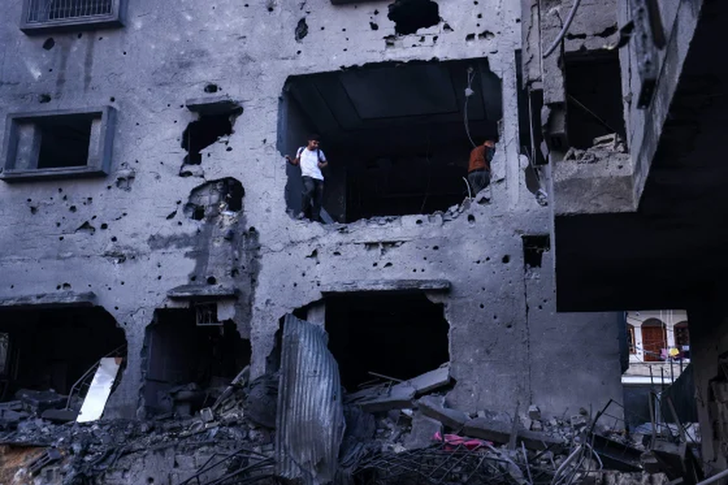
A senior official of the terrorist organization Hamas has ...
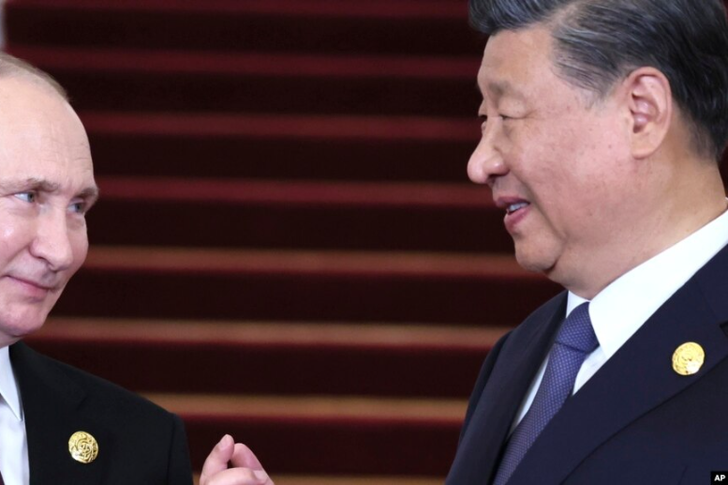
Russian President Vladimir Putin arrived in Beijing on...
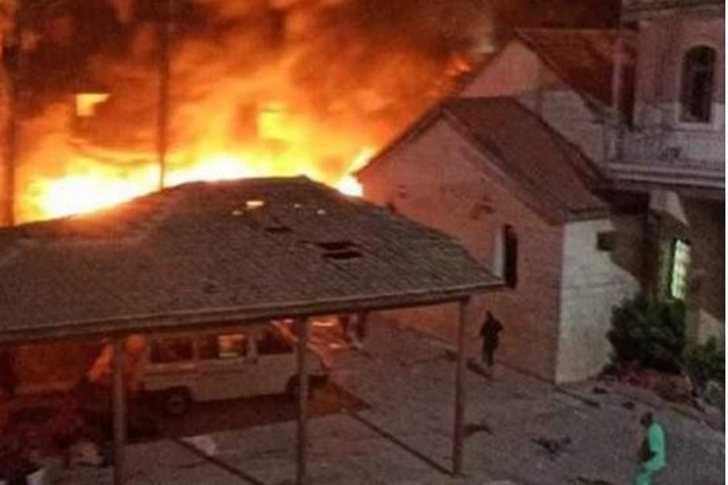
An airstrike in Gaza on the hospital where Palestinians we...
Canadian Prime Minister Justin Trudeau said a reported...

The 50 million euro tender for the maintenance of national...

Today we will bring another article that breaks down the w...
CNA has put under scanner the assets of Sokol Sadushi, the...

A 39-year-old citizen has been arrested in Lezha, after se...

The Special Board of Appeal (KPA) decided this Monday ...

The KPA vetting decided this Thursday to dismiss the p...

Suela Salavaçi, a prosecutor in the Prosecutor's Offic...

The Special Board of Appeal reinstated the prosecutor ...

During the checks carried out by the State Police for envi...

Police have revealed details of the incident that occurred...

According to preliminary information, a person in his 60s ...

A triple accident occurred on the Peqin-Elbasan axis n...

The public sector took the lead in absorbing the workforce...

Today, our country will be under the influence of unstable...

The Institute of Geosciences has today shared a forecast r...

Company leaders can improve productivity by investing in a...

Oil prices fell in early trading on Monday, falling furthe...

Although Albania does not have a developed industry on the...
North Korea is said to have achieved some impressive resul...
US Ambassador to the United Nations, Mike Waltz, said toda...
Two windows, a century of history and the metaphysics of p...

In my research at the Central State Archives, specifically...

At a time when industrial products are increasingly taking...

Trust among people is not just a three-syllable word. It c...

After strong savings growth in the years following the pan...

This Monday, one US dollar is bought for 81.5 lek and sold...

This Sunday, one US dollar is bought for 81.5 lek and sold...

This Saturday, one US dollar is bought for 81.7 lek and so...