

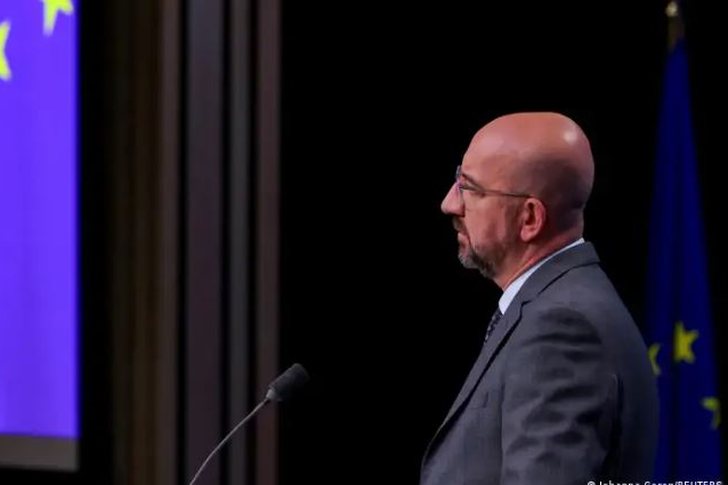
EU Summit: Charles Michel criticizes Israel
The President of the EU Council, Charles Michel, consi...


In Brussels again there was a terrorist attack against two Swedes. But in recent years, after the terrorist attacks in Paris in 2015, it has invested in improving the image of Brussels.
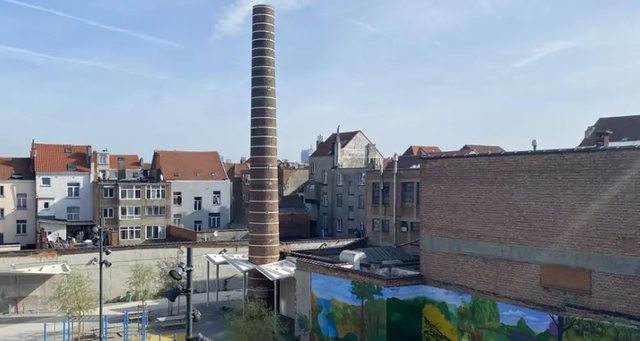
The investigations at the time concluded that the initiators and perpetrators of the attacks in France were residents of Molenbeek, radicalized extremists. Eight years later, everything here seems calm, but the neighborhood continues to remain one of the most stereotyped. The Grande Halle project, the former industrial building, has today been transformed into a social center for the locals.
Hundreds of car repair shops line up in the Molenbeek district of Brussels. There are so many eyes that it seems like the residents of this area don't know how to do anything other than fixing broken cars. Midday here is nothing like midday in the center of Brussels, full of life and crowded streets. Although almost 15 minutes from the center, Molenbeek is quiet and without much movement. For this reason, the bus with journalists who have come to visit the Grande Halle center attracts attention here first.
The Grande Halle is a former post-industrial building built around the 1920s, which served as a vehicle warehouse. Today it is a renovated social center, with the aim of creating joint activities for the community and providing public services for it, such as a nursing home, kindergarten and social housing.
Transformation of the "Grande Halle"
"From a social point of view, since we are in a 'grey area', the surrounding population is considered fragile. It consists of early but also recent immigrants. They should be supported, not rejected. You should make a public space dedicated to them" - says one of the architects of this project, Olivier Bastin, to "Deutsche Welle". In 2016, he and his colleague Karel Petermans won the project to transform the 1,638 m2 area of ??the Grande Halle and started work on the revitalization of the center. The study of theirs lasted until 2020, when they had the new concept of the space ready and started the reconstruction, which was completed a year ago, at a cost of about 4 million euros, with funds from the European Union and the Brussels region. Bastin points out that the biggest challenge of this project has been the decontamination of the area. "The whole area depended on the construction of the Canal and it was built in 1930, but the construction of its bank required water, which was brought from coal mines. Of course, it was very dirty. It took us a lot of work to isolate him, in order to protect the children and the people of this area," says Bastin.
Trying to leave the past behind
"We didn't want to have a fence, but unfortunately we had to build one. If we were to create an uncovered building, the night would be difficult, considering the current migration situation. And we can't to ask the families who live here – there are 9 of them who have benefited from social housing – to take care of all this big space and what can happen. That's why we designed the fence but thankfully the center is open during all day" - explains the architect Bastin.
But is this fence part of the bias for the area? "I live here and I can tell you that life is very calm, we have no problems" – says the center's other architect, Karel Petermans, as he accompanies us to the interior of the nursing home and kindergarten. He speaks with conviction when describes the Molenbeek neighborhood as quiet, which despite the "fame" of the name, tries to continue in the normal course of daily life.
Jasmina is a public primary school teacher in Molenbeek and was raised here by immigrant parents. She does not prefer to say her country of origin. The fear of stigmatization is more important than the interest of journalists. In this social center, she brings her little daughter to play with the toys. "My daughter often comes to play at this center. My mom brings her while I'm at work. Recently, I've started going there myself, because it's good and I've even started recommending it to my students" - he says that for "Deutsche Welle". A few meters away, on the pavement on the other side of the street, the eyes of curious car repair shops flash away as soon as they realize you're approaching them to ask. They're probably tired of the heavy weight of the name of their neighborhood. Maybe on days when journalists are not there, they try with all their might to live normally./ DW

The President of the EU Council, Charles Michel, consi...
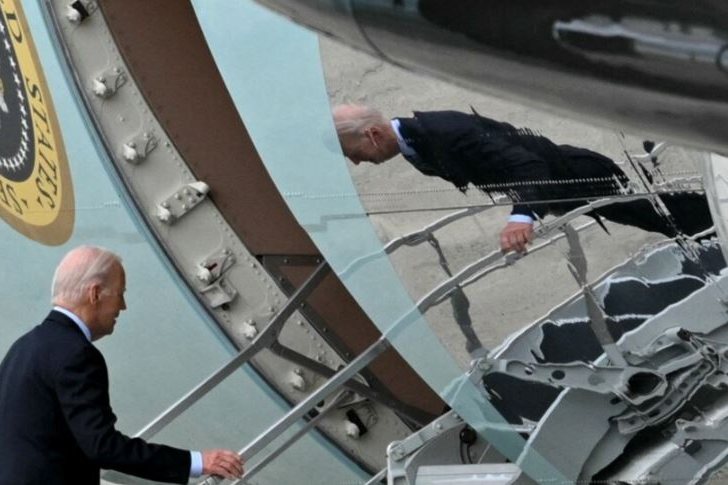
US President Joe Biden visits Israel on Wednesday in a...
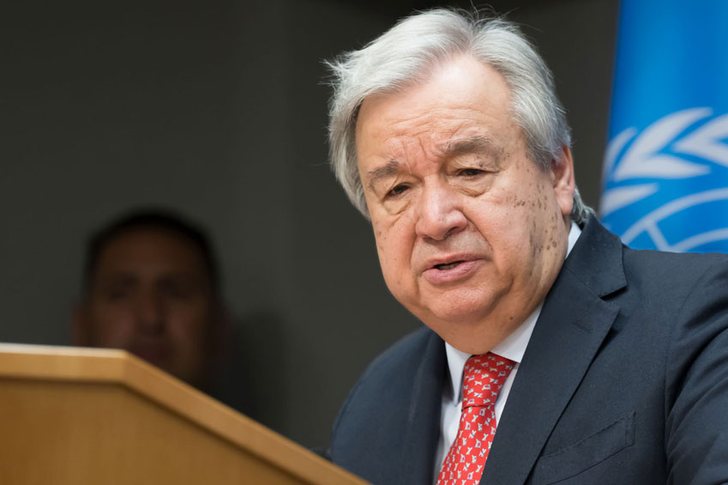
Sekretari i Përgjithshëm i OKB-së, António Guterres ka...
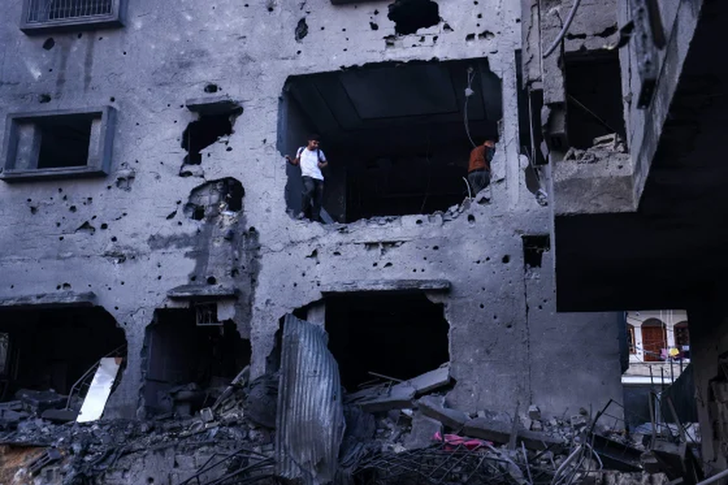
A senior official of the terrorist organization Hamas has ...
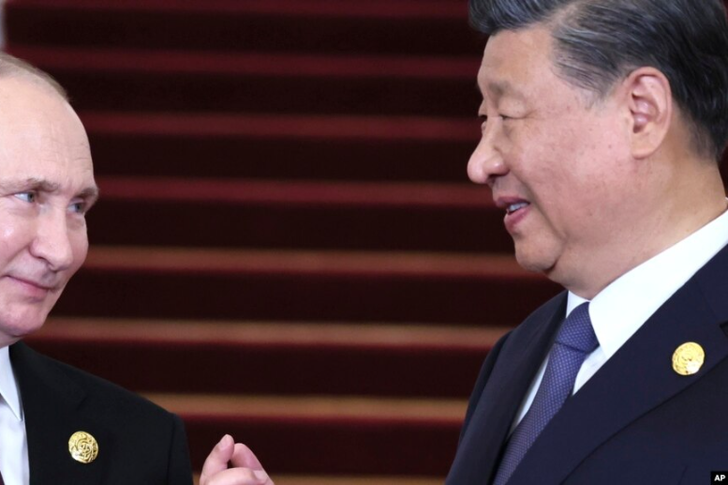
Russian President Vladimir Putin arrived in Beijing on...
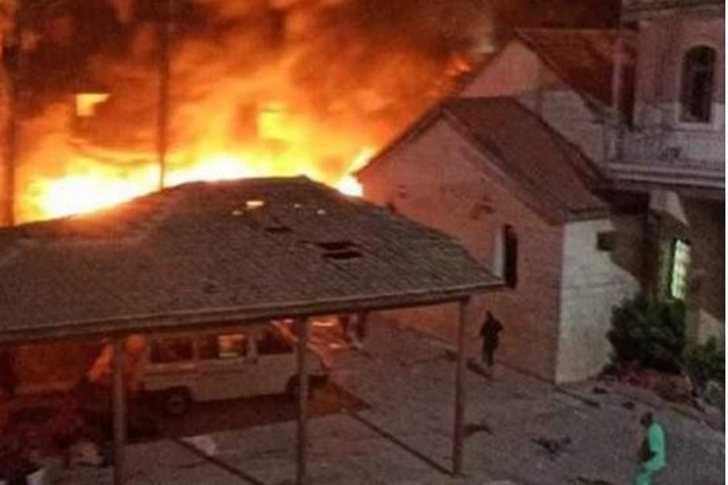
An airstrike in Gaza on the hospital where Palestinians we...
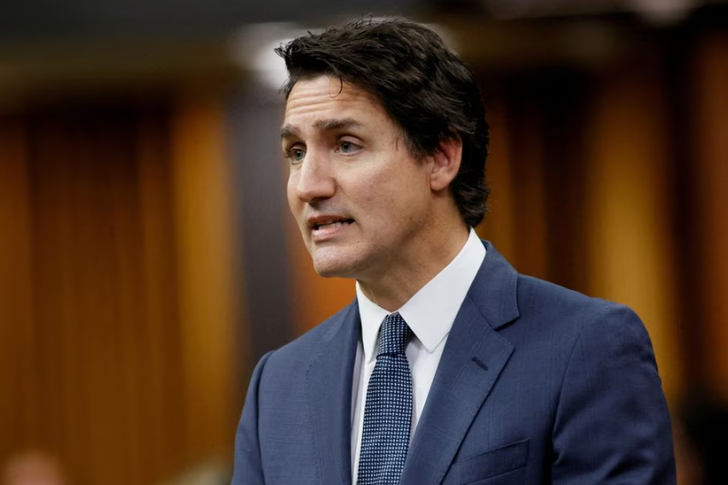
Canadian Prime Minister Justin Trudeau said a reported...
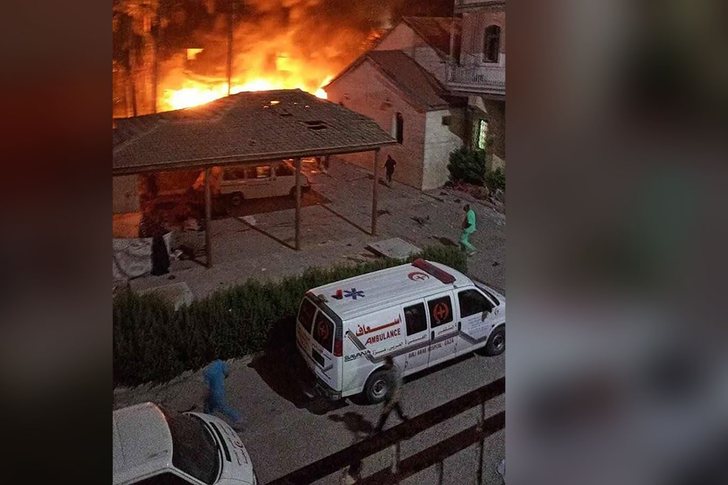
A hospital was bombed this Tuesday in Gaza, as the fightin...
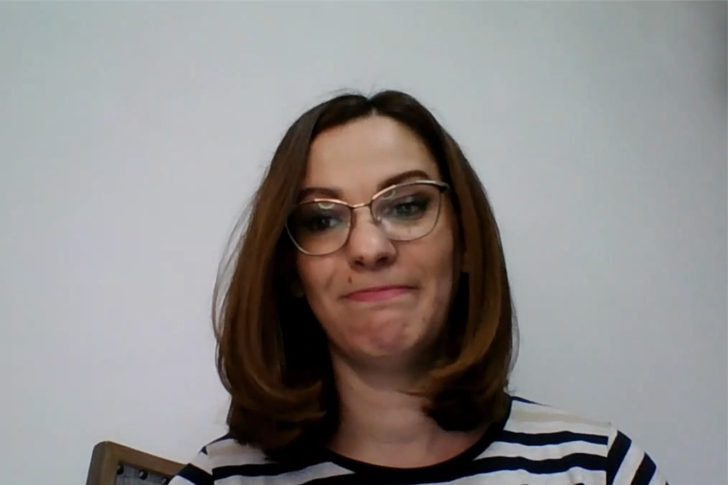
Palestinian journalist Reem Al Omari says in an interview ...
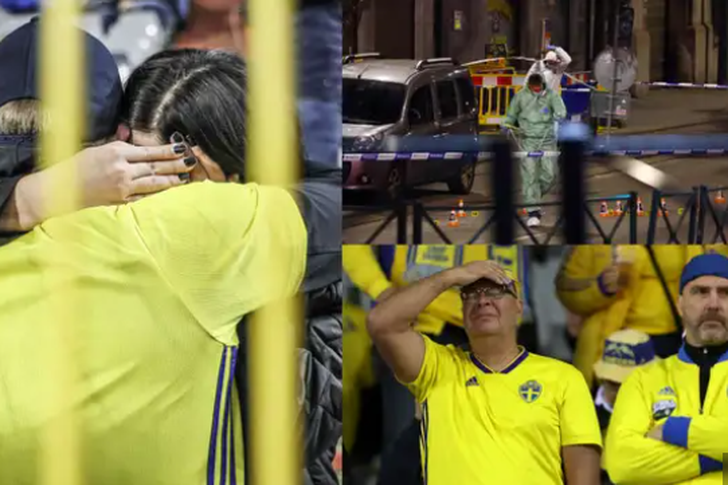
Police in Brussels have shot dead the man who killed two S...
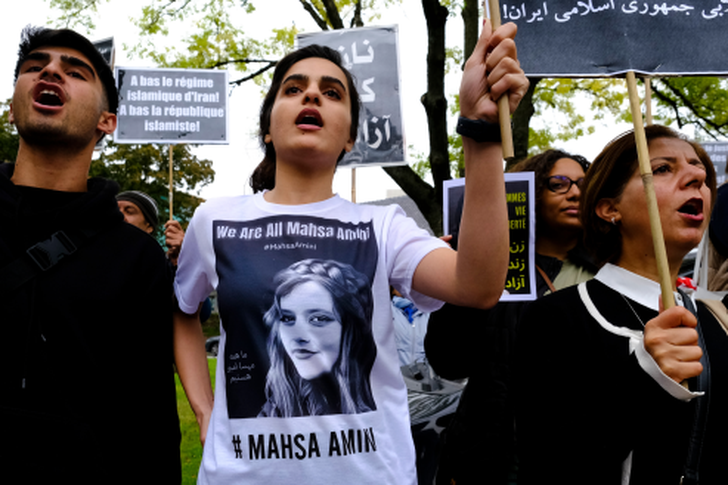
The lawyer of Mahsha Amini, the young woman who died i...
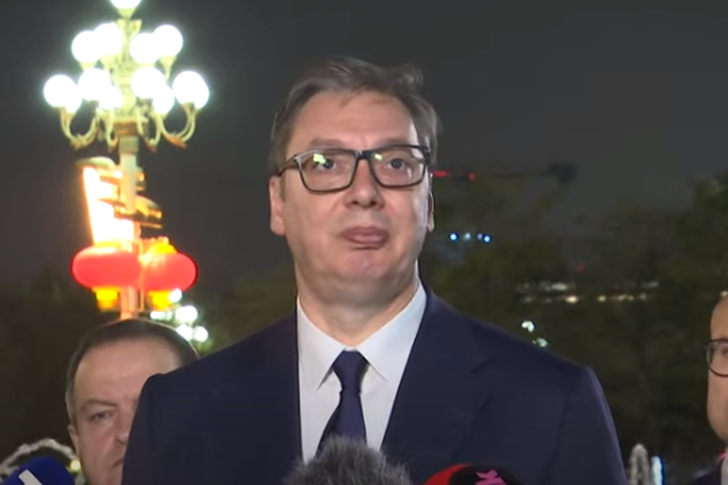
Serbian President Aleksandar Vucic said that he met wi...
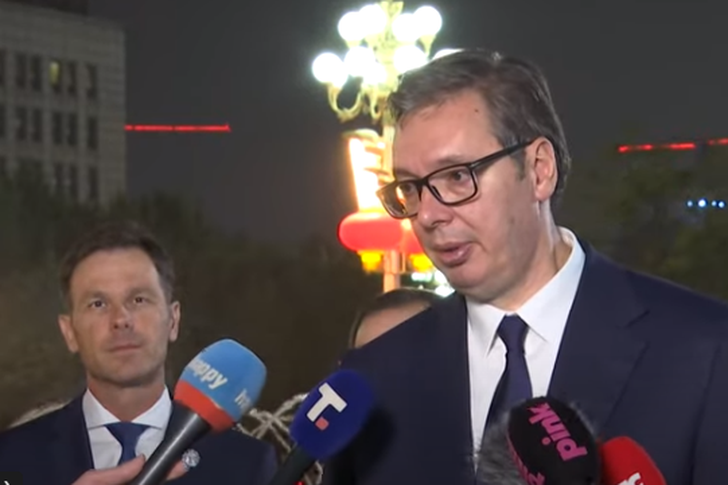
Serbian President Aleksandër Vucic has thanked Preside...
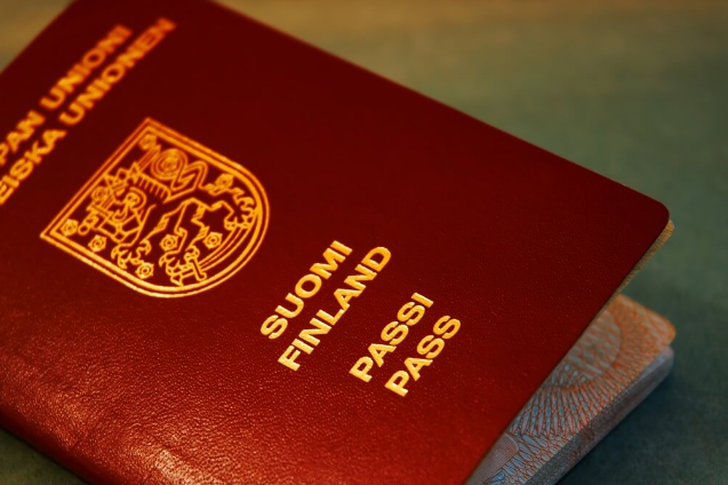
Finnish authorities have revealed that the country wan...
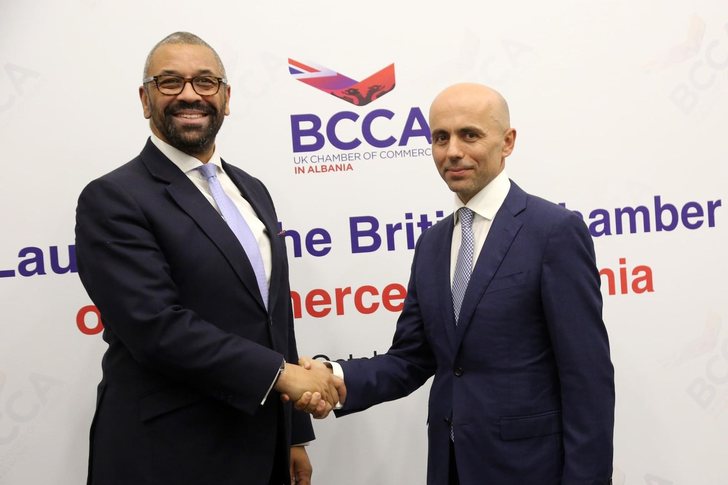
During the official visit to Tirana, the Foreign Secre...
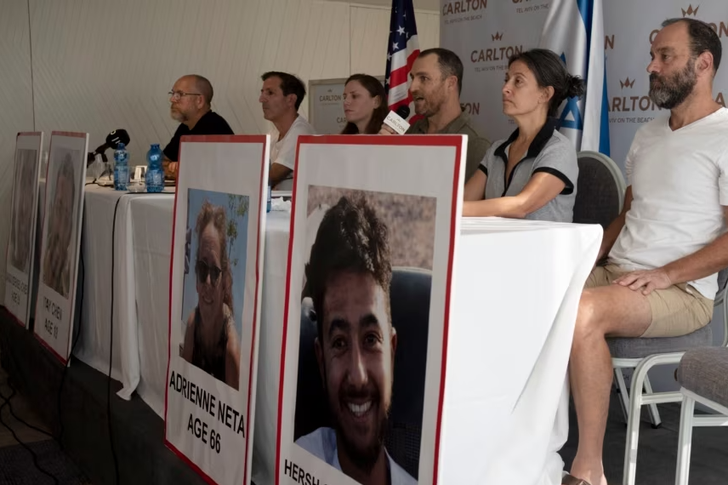
The International Committee of the Red Cross is pressuring...
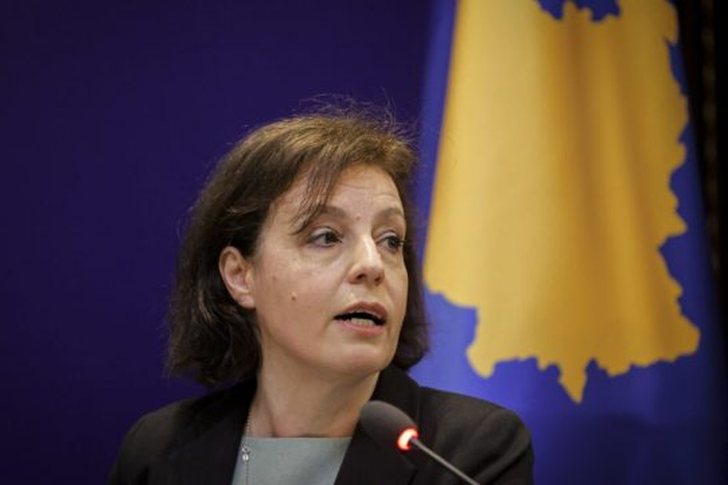
Ministria e Punëve të Jashtme të Kosovës, Donika Gërva...
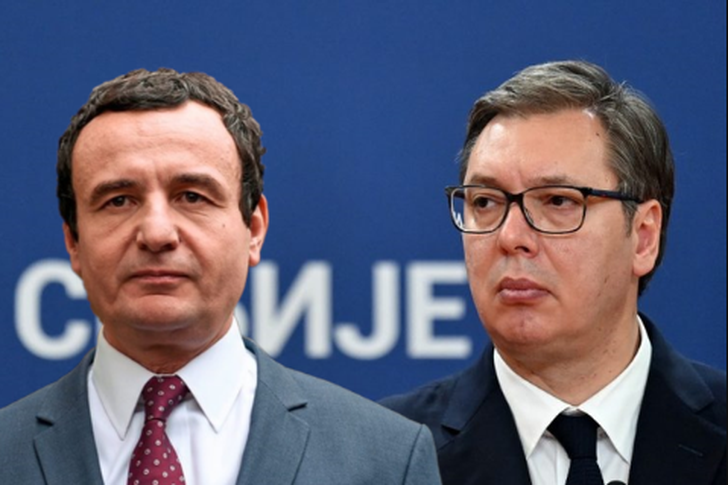
The Guardian has dedicated an article to Kosovo-Serbia...
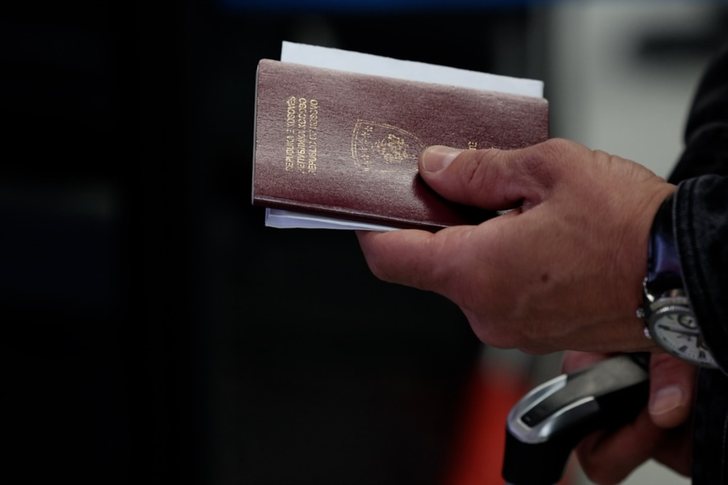
Some diplomatic sources within the European Union (EU)...
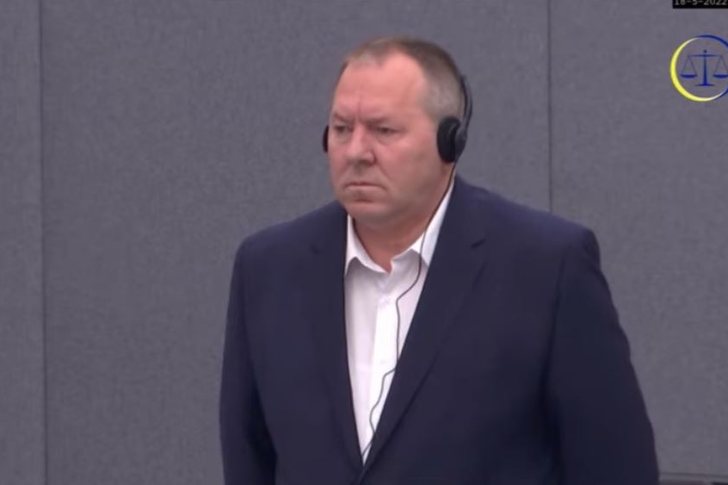
The Specialized Chambers of Kosovo have confirmed the ...
The 50 million euro tender for the maintenance of national...
Today we will bring another article that breaks down the w...
CNA has put under scanner the assets of Sokol Sadushi, the...
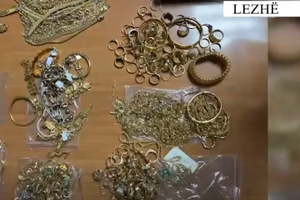
A 39-year-old citizen has been arrested in Lezha, after se...

The Special Board of Appeal (KPA) decided this Monday ...

The KPA vetting decided this Thursday to dismiss the p...

Suela Salavaçi, a prosecutor in the Prosecutor's Offic...

The Special Board of Appeal reinstated the prosecutor ...
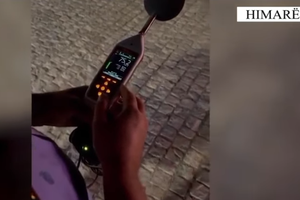
During the checks carried out by the State Police for envi...
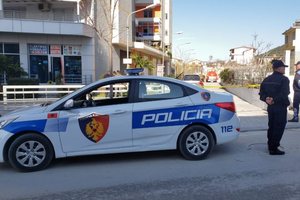
Police have revealed details of the incident that occurred...
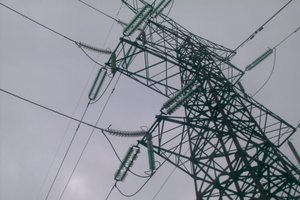
According to preliminary information, a person in his 60s ...
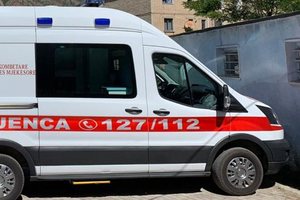
A triple accident occurred on the Peqin-Elbasan axis n...
The public sector took the lead in absorbing the workforce...
Today, our country will be under the influence of unstable...
The Institute of Geosciences has today shared a forecast r...
Company leaders can improve productivity by investing in a...
The Competition Authority, at the conclusion of the in-dep...
Oil prices fell in early trading on Monday, falling furthe...
Although Albania does not have a developed industry on the...
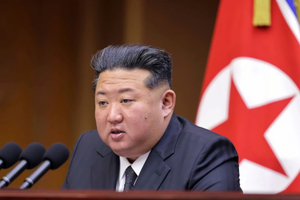
North Korea is said to have achieved some impressive resul...
Two windows, a century of history and the metaphysics of p...
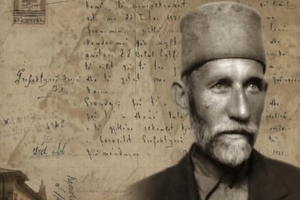
In my research at the Central State Archives, specifically...

At a time when industrial products are increasingly taking...

Trust among people is not just a three-syllable word. It c...
After strong savings growth in the years following the pan...
This Monday, one US dollar is bought for 81.5 lek and sold...
This Sunday, one US dollar is bought for 81.5 lek and sold...
This Saturday, one US dollar is bought for 81.7 lek and so...