

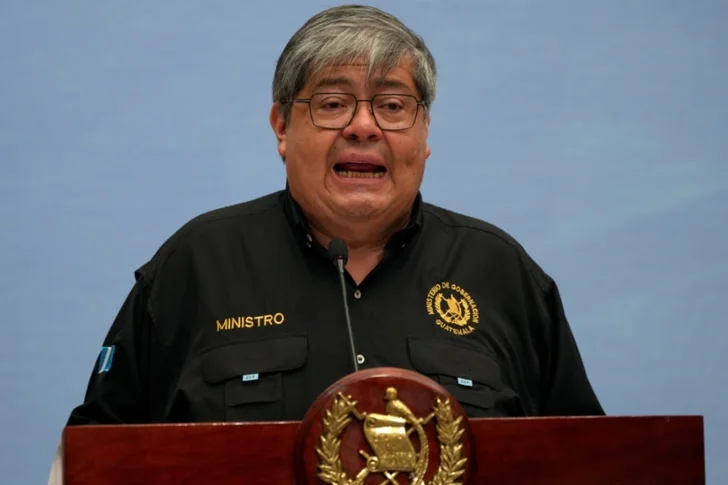
20 members of one of the most dangerous gangs escape from prison/ Guatemala's Interior Minister dismissed
The escape of 20 members of a notoriously dangerous gang h...


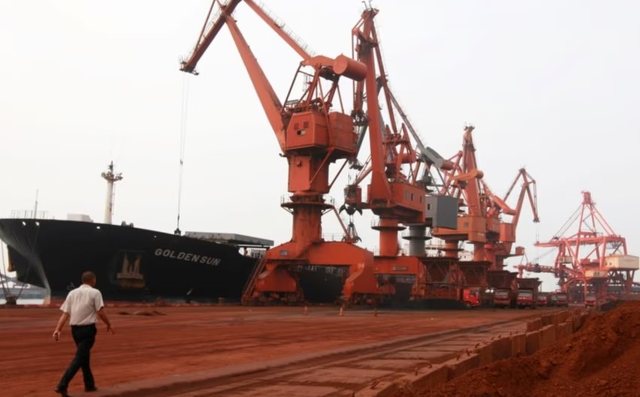
The latest restrictions imposed by China on exports of rare earth minerals not only risk reigniting the trade war with the United States, but could also have major consequences for efforts to rearm Ukraine and develop infrastructure in Central Asia.
Tensions between Beijing and Washington flared again on October 9 over rare earths, when China added new export restrictions on five rare earth metals, in addition to seven others that had been restricted since April.
Rare earth minerals are essential for producing everything from smartphones and electric vehicles to military equipment and renewable energy technologies.
Then, on October 10, United States President Donald Trump vowed to impose an additional 100 percent tariff on imports from China.
"Beijing's action brings attention back to how China uses its influence as the world's largest trading nation and dominance in global production chains to project its power in international affairs," wrote James Kynge, a senior fellow at the Chatham House think tank in London.
The move comes just weeks before a possible meeting between Trump and Chinese President Xi Jinping and is seen by analysts as a sharp escalation of Beijing's strategy to "weaponize" its dominance in the rare earths market.
China accounts for more than 70 percent of global rare earth mining, 90 percent of their separation and processing, and 93 percent of magnet production.
The new restrictions mean that foreign companies will have to get special approval from Beijing if they want to export rare earth magnets and certain semiconductor materials containing at least 0.1 percent of such metals from China.
Under the new rules, companies that have any connection to foreign militaries - including those of the United States - will be denied export licenses.
"The new measures represent China's most significant steps to date targeting the defense sector ," said Gracelin Baskaran, director of the Critical Minerals Security Program at the Center for Strategic and International Studies (CSIS) in Washington.
"Essentially, the policy aims to prevent direct or indirect contributions of Chinese-origin rare earth minerals or related technologies to foreign defense supply chains ," she said.
What does this mean for Europe and the war in Ukraine?
This has caused concerns in Europe that it could hinder efforts to support Ukraine militarily.
The United States has agreed to sell advanced weapons to NATO allies in Europe, who will then send those weapons to Kiev to help it repel the Russian invasion. European governments are also supplying Ukraine with weapons produced in their own countries.
Many advanced military weapons and equipment depend on rare earth elements, including F-35 fighter jets, Virginia- and Columbia-class submarines, radar systems, Predator drones, JDAM-series smart bombs, and Tomahawk missiles, which Trump has said he is considering sending to Ukraine.
While many importers, including the Pentagon, maintain stockpiles of rare earth minerals, the new measures could have long-term impacts on Ukraine's supply, especially given that the US is struggling to keep up with the pace of production of advanced weapons systems, according to CSIS.
The European Chamber of Commerce in China has already said the new restrictions "add further complications to global rare earth element supply chains", while European officials said after the announcement that they were facing a large backlog of export license applications awaiting Beijing's approval, as a result of previous restrictions in April.
Creating a new system to address "constraints" in the supply of rare earth minerals was one of the key announcements by European Commission President Ursula von der Leyen at an EU-China summit in July, but many European companies say the approval process from Beijing is slow and is delaying production.
Can Central and South Asia help reduce China's dominance?
The latest round of export controls will not take effect until December, while Trump's call for additional tariffs is expected to take effect on November 1.
However, China's monopoly on the extraction and processing of rare earth minerals is pushing governments to find alternatives to reduce its dependence.
Pakistan signed a $500 million memorandum of understanding with the private American company, US Strategic Metals, in September, while the first shipment of rare earth minerals arrived in early October.
On the other hand, the United States and the European Union have turned their attention to Central Asia, which is rich in vital minerals and rare earth minerals.
Washington has established the C5+1 Critical Minerals Dialogue, the Partnership for Global Infrastructure and Investment (PGII) of the Group of Seven (G7), as well as bilateral memorandums of understanding with Central Asian countries.
Meanwhile, critical minerals and rare earth minerals were a central part of a historic summit in April in Samarkand, between the EU and the leaders of Kazakhstan, Kyrgyzstan, Tajikistan, Turkmenistan and Uzbekistan.
Kazakhstan also announced in April that it had discovered giant deposits of more than 20 million metric tons of rare earth minerals. The claim is still being verified by international companies, but if confirmed, it would give the Central Asian country the third-largest reserves in the world after China and Brazil.
However, while Kazakhstan is attracting international attention, several factors are preventing Central Asia from becoming a powerhouse in the field of critical minerals and rare earth minerals.
A report by the Atlantic Council, a Washington-based think tank, published earlier this year found that the region is being hampered by high transportation costs, a lack of export infrastructure, and “a high-risk investment environment that significantly reduces the region’s commercial attractiveness.”
The report concluded that the United States should focus on countries with more developed export sectors for mineral resources, such as Canada and Chile, for the short and medium term.
"Securing partnerships for critical minerals quickly is vital to U.S. efforts to reduce dependence on China. However, the United States should be wary of unrealistic expectations about what Central Asia can offer," the report said. /REL

The escape of 20 members of a notoriously dangerous gang h...
US President Donald Trump said yesterday that he has autho...

Hamas has returned eight bodies during this phase of the c...
The plane of US Secretary of War Pete Hegseth made an unsc...

The latest data shows a significant increase in marriages ...
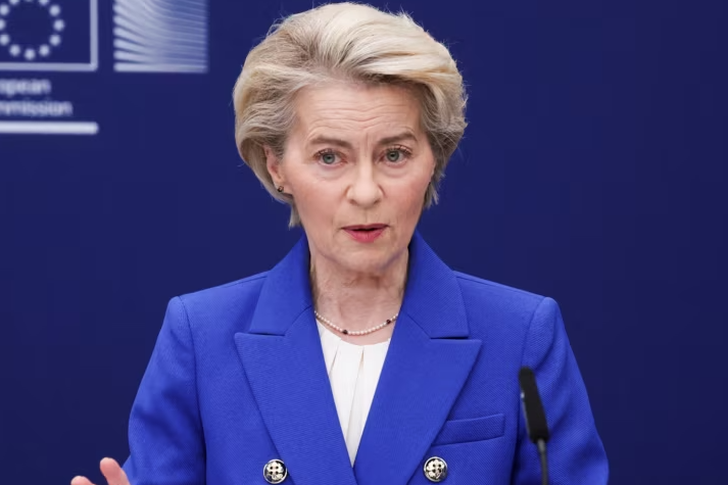
Today, the President of the European Commission, Ursula vo...
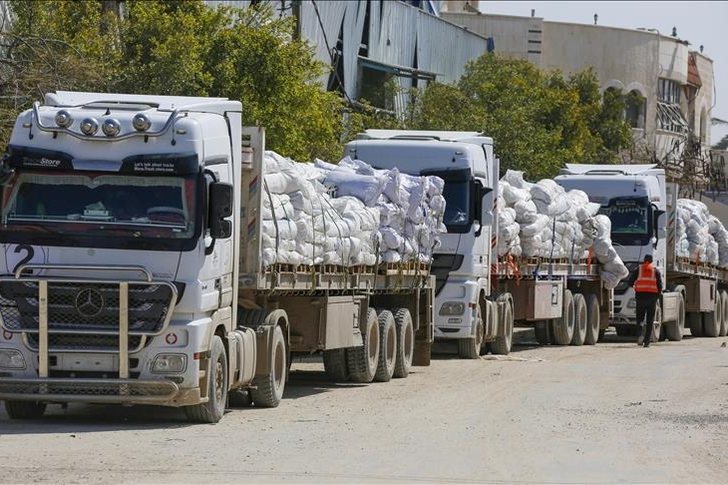
The only border crossing between Gaza and Egypt is expecte...
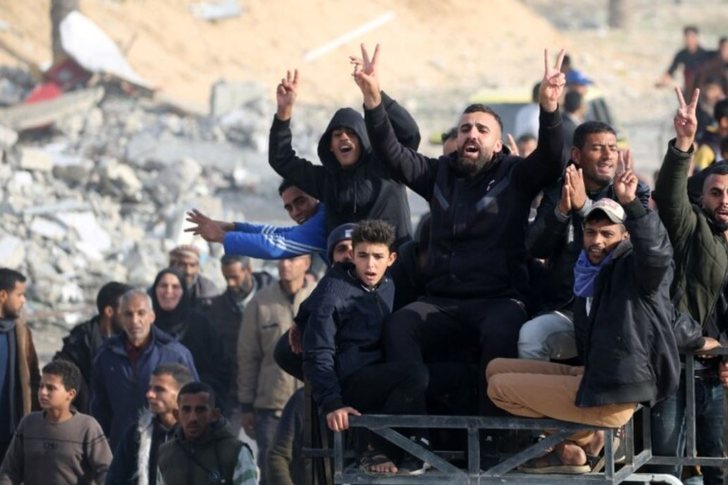
A senior US military leader responsible for operations in ...
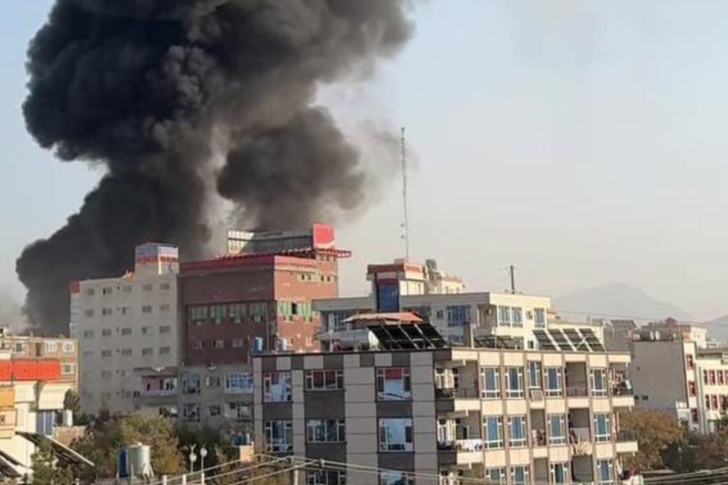
Afghanistan and Pakistan agreed to a temporary ceasefire o...

Iconic movie poster artist Drew Struzan, who drew and pain...

Hamas was asked to return the remaining 48 hostages as par...
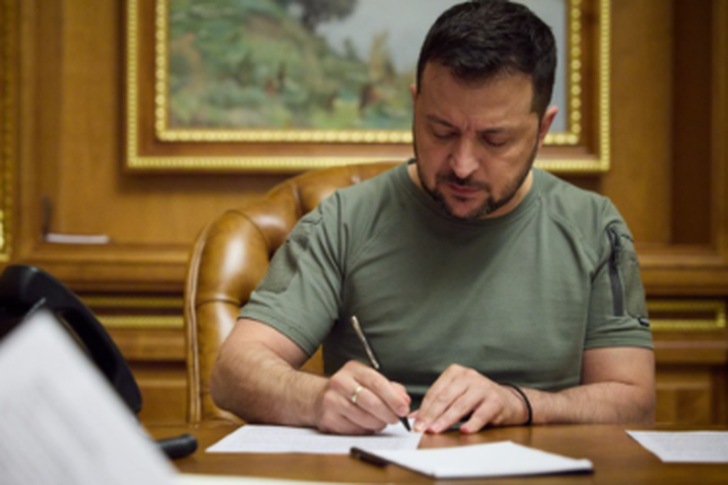
Ukrainian President Volodymyr Zelensky today signed a decr...
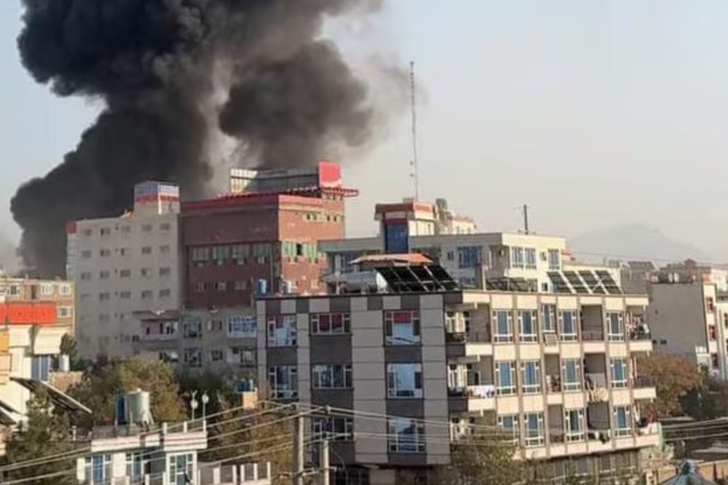
Pakistan has carried out airstrikes in Afghanistan's south...
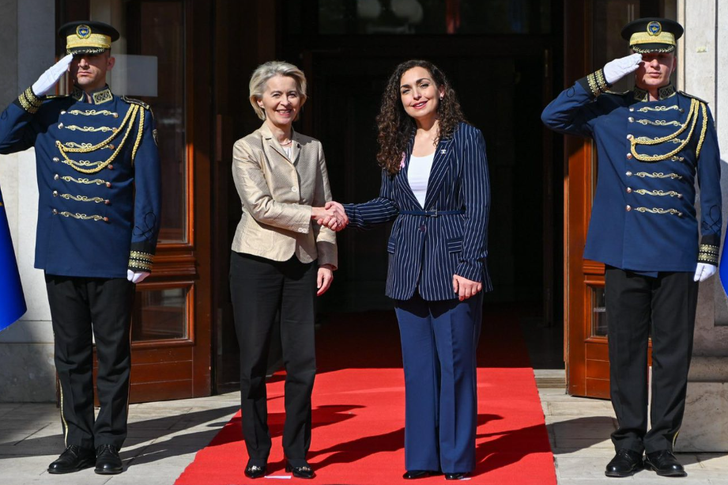
Continuing her tour of the Balkans, EU chief Ursula von de...
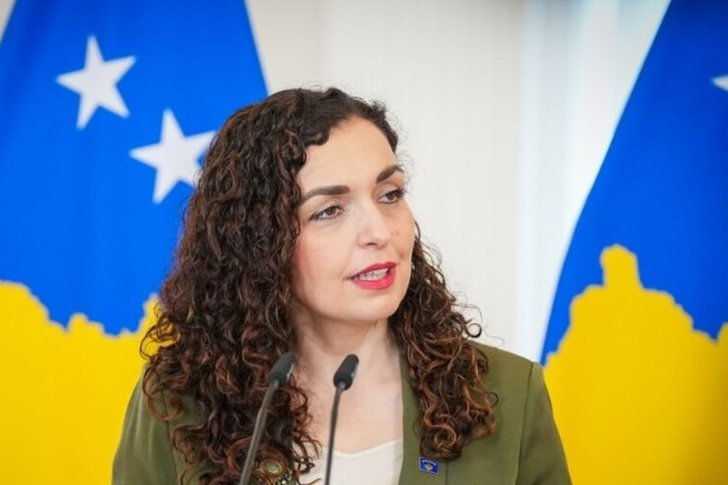
The President of Kosovo, Vjosa Osmani, reacted today regar...
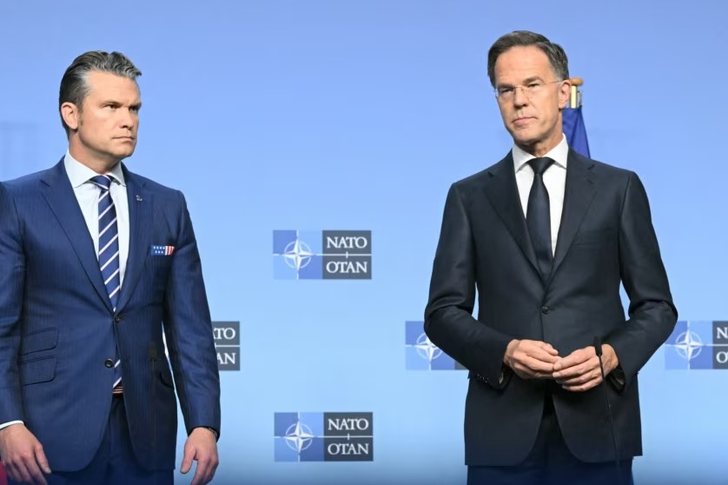
NATO chief Mark Rutte said ahead of a meeting with def...
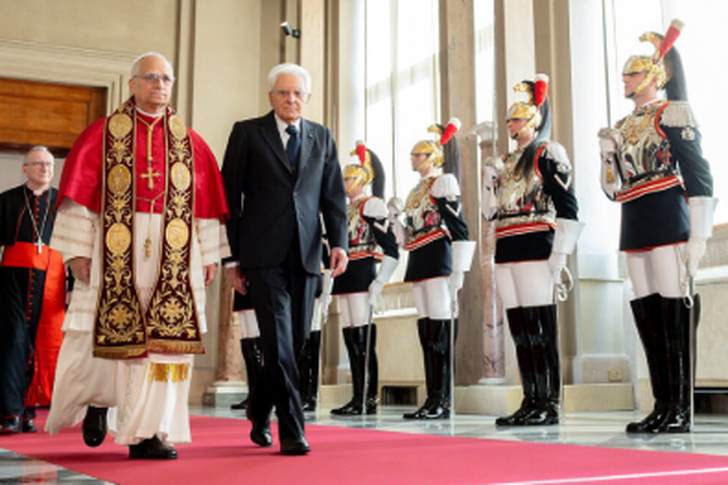
Pope Leo XIV met with Italian President Sergio Mattarella,...
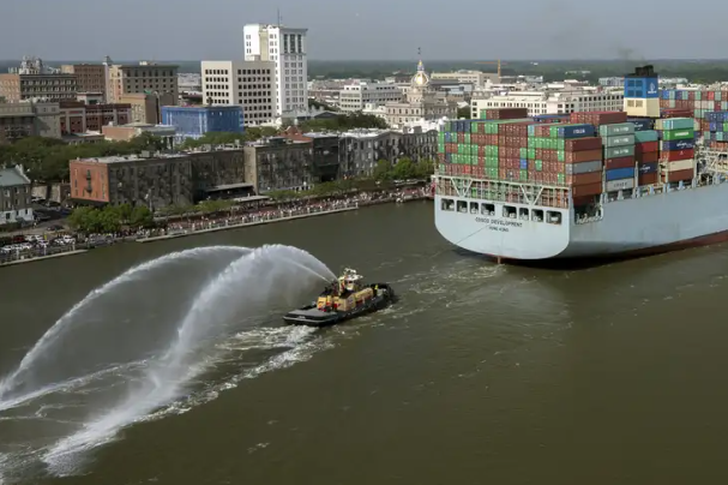
The Beijing government will not back down in the trade con...
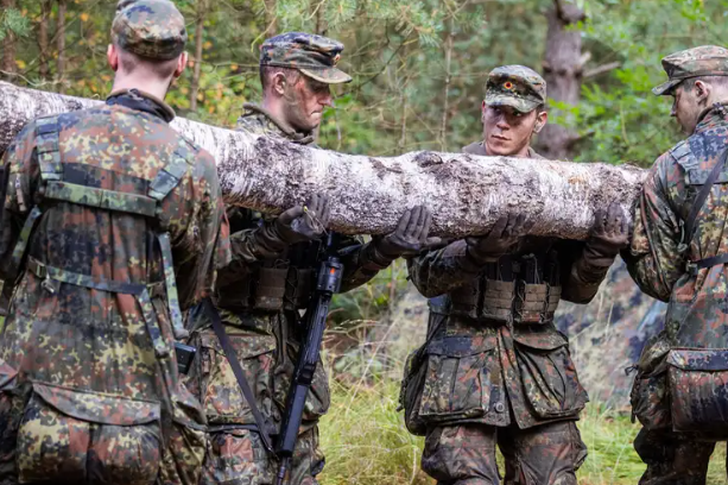
In the debate over military service in Germany, it appears...
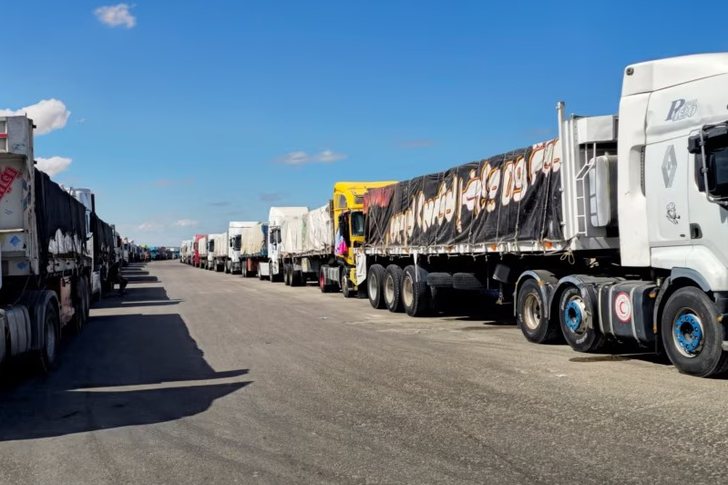
Israel has decided to reopen the Rafah crossing, which con...

CNA has launched another investigation that could lead to ...

Irfan Hysenbelliu is a businessman that we call "Irfan the...

In March 2026, CNA launched another investigation centered...
The arrested mayor of Tirana, Erion Veliaj, with 13 charge...

The Special Board of Appeal (KPA) decided this Monday ...

The KPA vetting decided this Thursday to dismiss the p...

Suela Salavaçi, a prosecutor in the Prosecutor's Offic...

The Special Board of Appeal reinstated the prosecutor ...

A road accident occurred this evening on Nikolla Zoraqi St...

Three people were shot and wounded in Elbasan last night b...

A serious incident occurred this Tuesday in the Yrshek are...

An accident occurred this Tuesday on "Dituria" street in K...

This Wednesday, our country will be under the influence of...
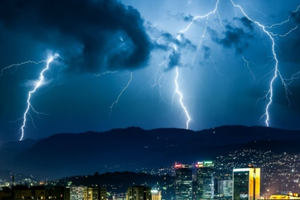
All of Southern Europe will face changing weather conditio...
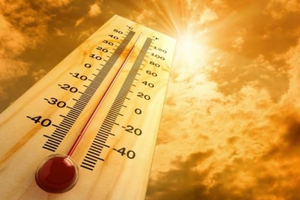
Albania was hit by temperatures significantly higher than ...

For the first time, Pogradec welcomed the Inter-Lake Chess...
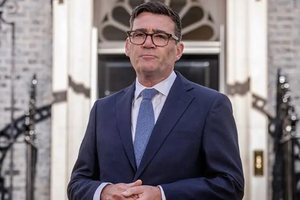
Prime Minister Andy Burnham has announced that most bus fa...

France's parliament has passed a law to ban social media f...
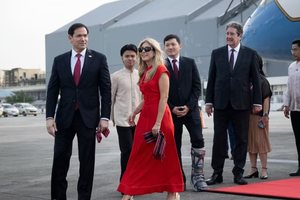
US Secretary of State Marco Rubio arrived in Manila on Jul...
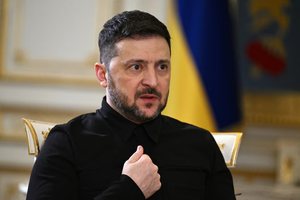
In the space of a few days, Ukrainian President Volodymyr ...

At a time when industrial products are increasingly taking...

Trust among people is not just a three-syllable word. It c...

Master of humor Todi Llupi has passed away at the age of 7...

The ninth edition of "MIK Festival" kicked off with one of...

Businesses will no longer be required to simply register t...

Despite economic growth and income in recent years, Albani...

This Wednesday, one US dollar is bought for 81.4 lek and s...
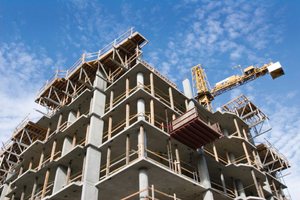
Construction company licenses will have a validity period ...