

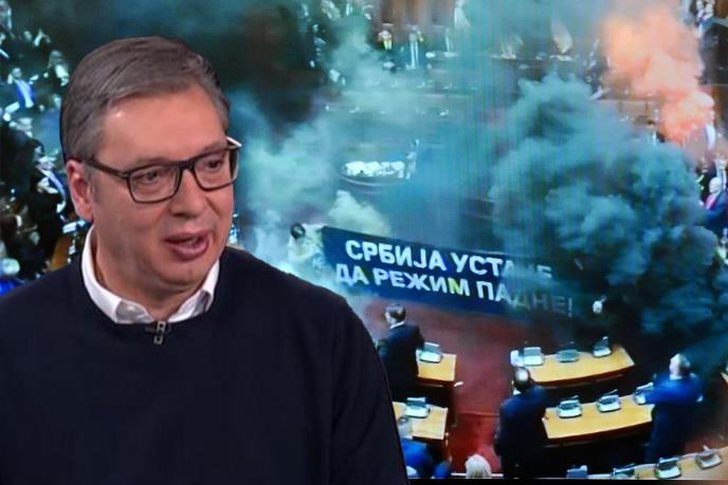
Violence in the Serbian Parliament / Vucic reacts: Difficult day for us, criminal measures should be taken!
The Serbian parliament was engulfed in violence and chaos ...


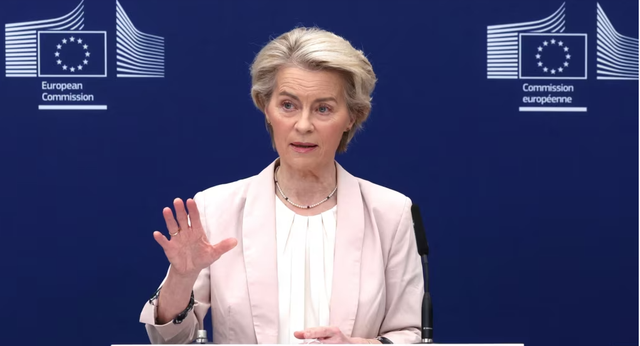
With Washington's sudden decision to suspend military aid to Ukraine in the background, worried European Union leaders will meet in Brussels on Thursday to discuss steps to strengthen the EU's defenses against Russia.
"The question that arises is no longer whether Europe's security is specifically threatened or whether Europe should take more responsibility for its security, the question that arises before us is whether Europe is prepared to act decisively according to the situation - and whether Europe is ready and able to act with the speed and ambition it needs," European Commission chief Ursula von der Leyen said ahead of the meeting, as she unveiled a multidimensional $870 billion defense financing plan for the 27-member bloc.
Such a message is being heard at numerous, urgent meetings of European leaders, concerned about a possible lack of commitment from the United States and leading to a new European commitment to more defense spending. The development comes after years of repeated demands from Washington for the EU to take more responsibility for its defense.
But EU member states are facing profound challenges as they take steps to rearm, from fragile governments and economies to confronting a skeptical population and the rise of far-right parties, often with more favorable views on Russia.
Of particular concern to many of them is the possible departure of President Trump's administration from the traditional transatlantic alliance.
“This creates some very big challenges for the future of the European Union – and I think Europeans are very aware of that,” says Ian Lesser, who heads the Brussels office of the German Marshall Fund.
"Will Europe respond to these challenges, whether those related to trade or defense – collectively? Or will member states act individually?"
Sense of urgency
For many EU leaders, the message seems to be one of unity. At the London meeting, EU states and Britain, which is no longer part of the EU, agreed to draft their own peace plan for Ukraine to present to Washington. France and Britain also backed a so-called “coalition of the willing” to send forces to Ukraine to ensure the implementation of a possible peace deal.
French President Emmanuel Macron – who has long called for a Europe with greater military autonomy – has also suggested offering France's deterrent nuclear shield to other European states.
"Finally, a sense of urgency is catching up with European leaders, but at this moment it is not enough," says analyst Olena Prokopenko from the Marshall Fund.
"We are seeing different levels of understanding of the level of threat that Europe is facing at the moment. I am seeing a degree of - I don't want to say panic - but really alarmed Europeans who are realising that they need to stick together as much as possible," says Elie Tenenbaum, of the Paris-based French Institute for International Relations.
"However, he added, Europe faces a major challenge. "If Europeans want to make up for lost American aid to Ukraine, they must do so now."
"They need to take action, order the defense industries (to produce)."
Beyond Ukraine, the Brussels-based Bruegel Institute for Policy Studies estimates that Europe needs 300,000 additional troops and hundreds of billions of dollars more to deter a potential Russian aggression without the United States.
Europe "lacks the armaments, we lack the parts to replace them, we lack the readiness," says Mr. Tenenbaum.
Former French Ambassador Michel Duclos emphasizes Europe's strengths. "It's true that we are not in a good situation," said Duclos, who works as an analyst at the Institut Montaigne in Paris. "But at the same time, demographically and economically, we (Europe) can be much stronger than Russia if we are able to unite our actions in terms of defense," he stressed.
Resistance from within
Europe's new security ambitions are already facing resistance. For example, France's far-right National Rally party has rejected the idea of ??France including Europe under its nuclear umbrella, and leader Marine Le Pen has called plans for independent European defense an "illusion."
Hungarian Prime Minister Viktor Orban, known for his friendly ties with the Kremlin, has called on Europe to instead enter into direct talks to facilitate a ceasefire between Ukraine and Russia.
Many European economies are facing challenges, while in some countries public support for Ukraine is waning.
Recent polls show that while two-thirds of French citizens believe that Europe should continue to support Kiev, three-quarters do not want the country's military troops deployed on the ground - unless they are going to preserve a possible peace.
"So far, European leaders have tried to be more reassuring than alarmist in their messages to their citizens," says analyst Tenenbaum. "But if they want to justify higher defense spending and risk-taking, they will need to be much more vocal about the risks facing the region," he concludes./ VOA

The Serbian parliament was engulfed in violence and chaos ...
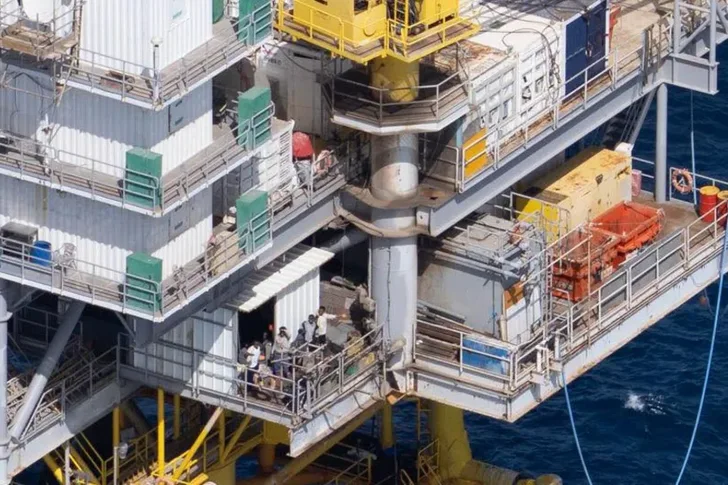
Thirty-two migrants attempting to cross the Mediterranean ...
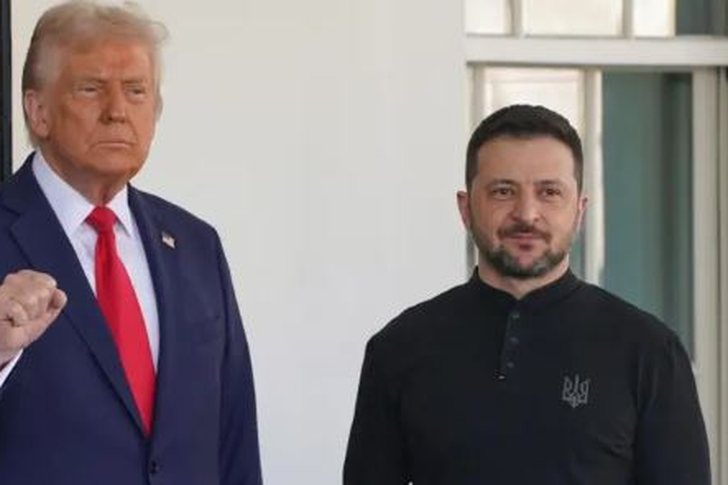
The United States and Ukraine plan to sign the much-debate...
SpaceX is planning to invest at least $1.8 billion to buil...
Komisioni Qendror i Zgjedhjeve (KQZ) në Kosovë, ka bërë të...
Greek Prime Minister Kyriakos Mitsotakis spoke with Ukrain...
Canadian Prime Minister Justin Trudeau responded to U.S. P...
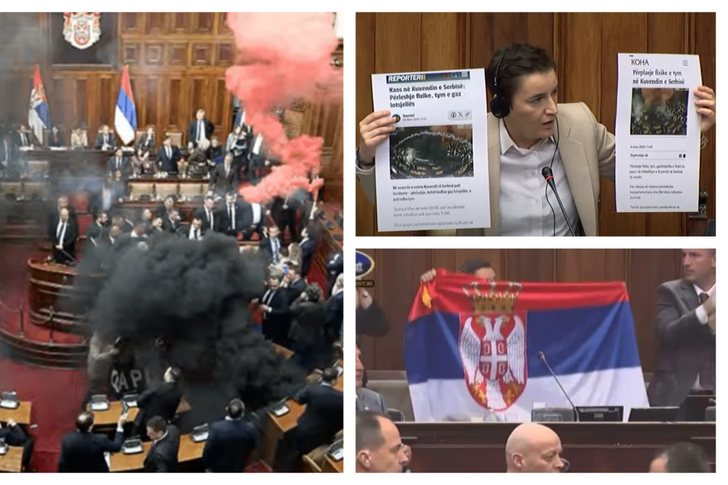
The Serbian parliament was engulfed in violence on Tuesday...
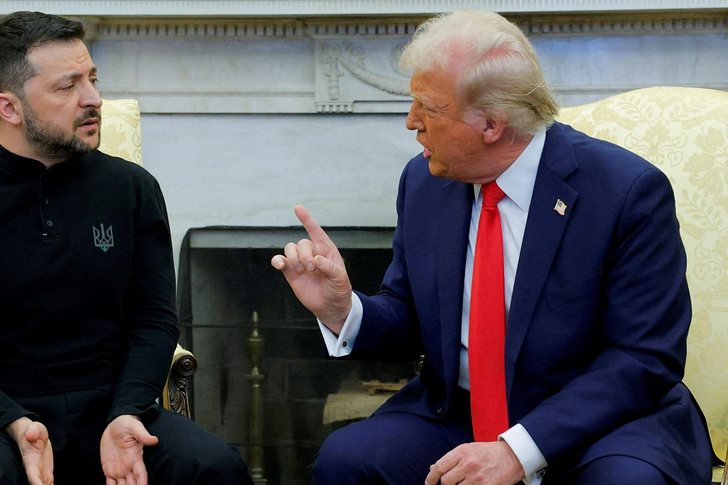
Ukrainian President Volodymyr Zelensky and the President o...
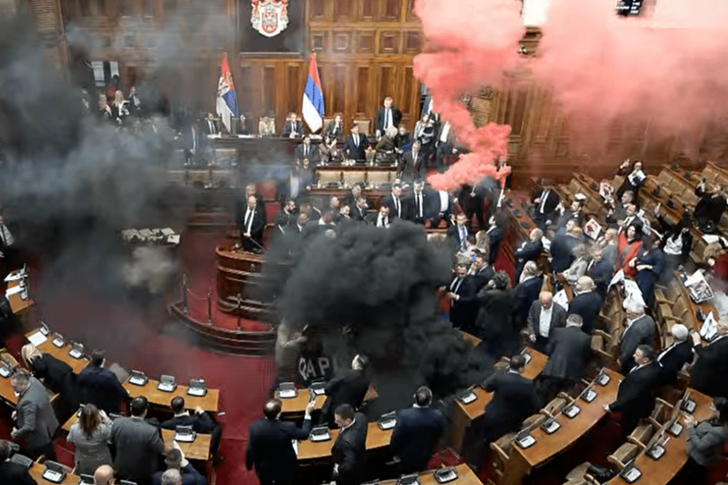
Today at noon, the situation in the Serbian parliament was...
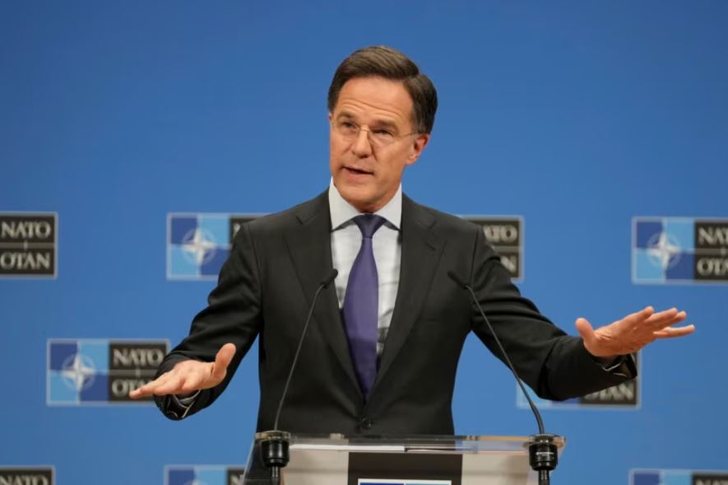
NATO Secretary General Mark Rutte is expected to visit Kos...
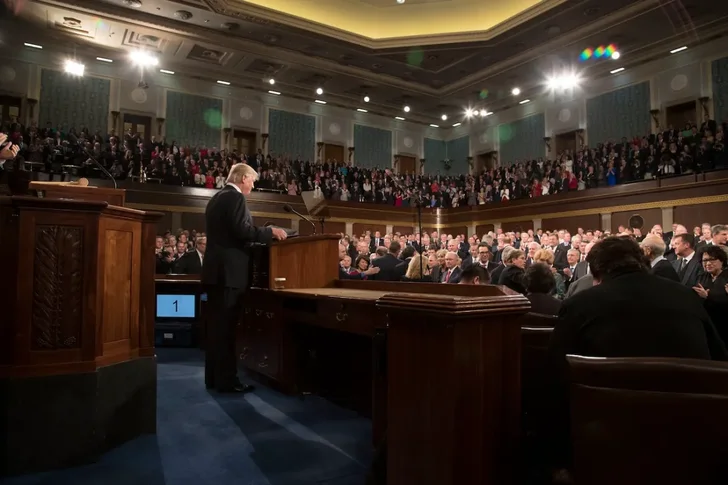
Trump do të mbajë fjalimin e tij të parë në Kongres që nga...
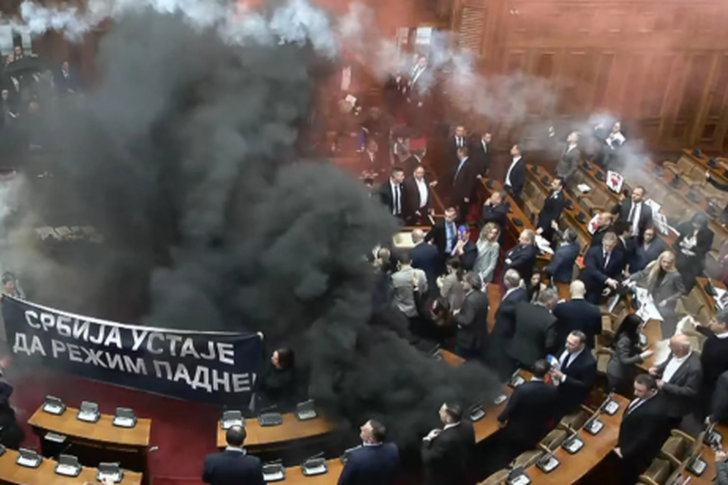
The Serbian Parliament was covered today by smoke from fir...
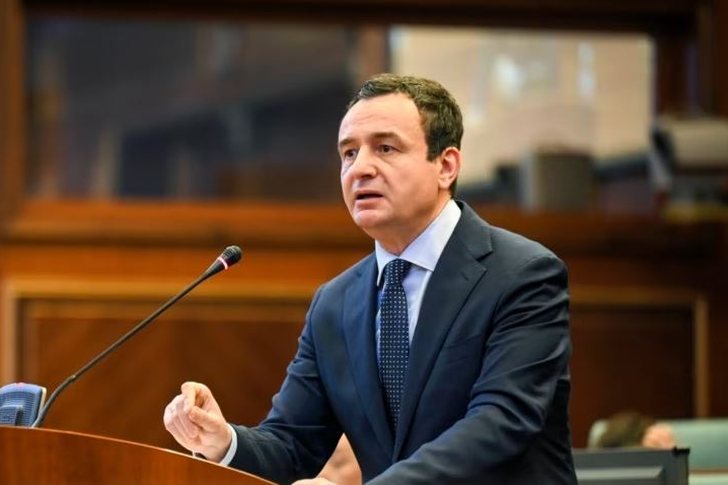
The Prime Minister of Kosovo, and leader of the 'Vetëvendo...
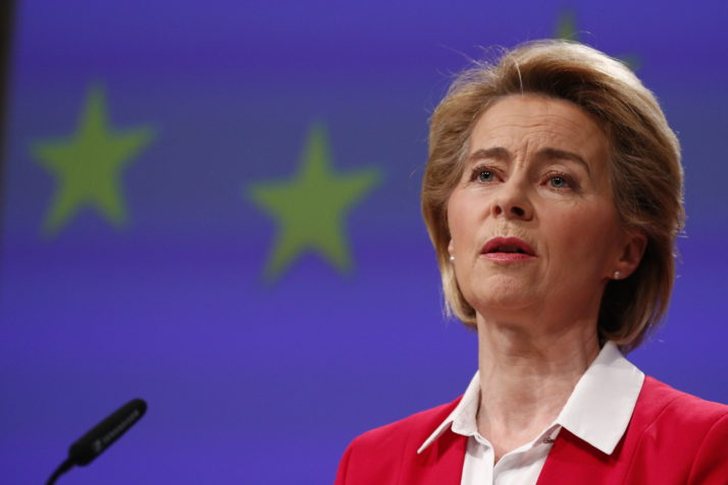
European Commission President Ursula von der Leyen propose...
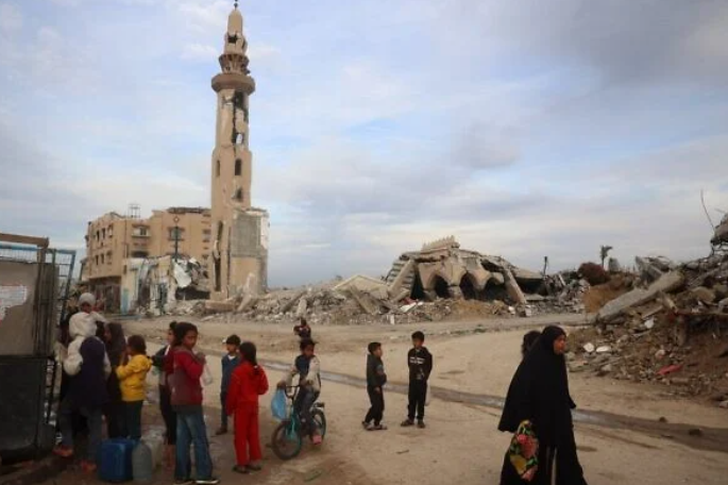
Arab leaders gathered in Cairo today to discuss an alterna...
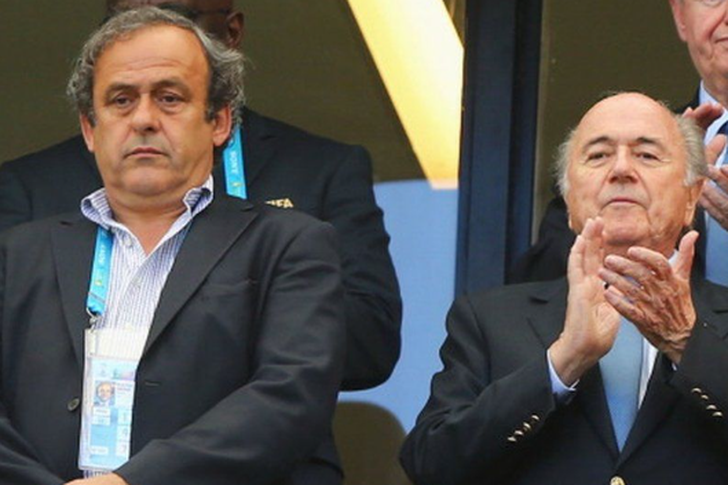
Former FIFA president Sepp Blatter and French footballer M...
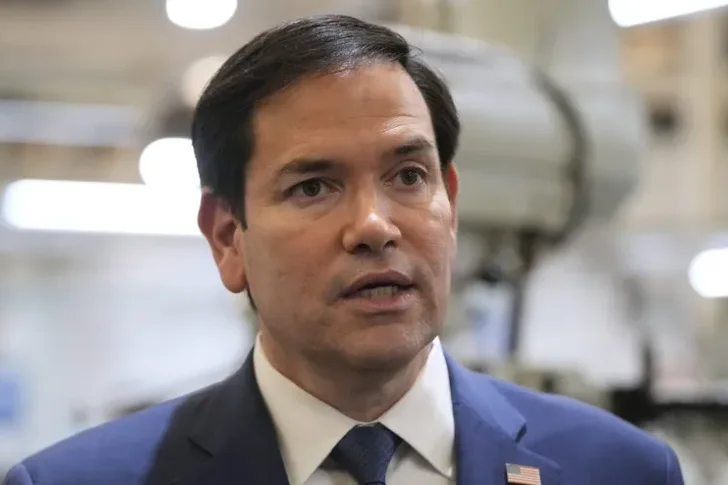
Secretary of State Marco Rubio spoke today with Omani Fore...
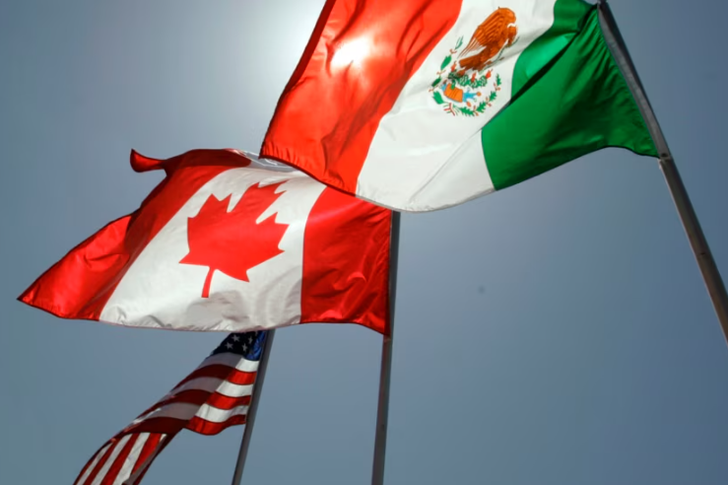
President Donald Trump said there was no chance for Mexico...
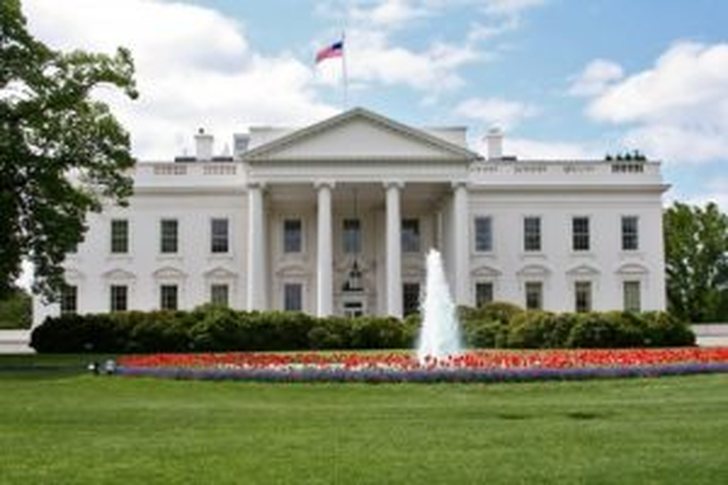
The US has cut off military aid to Ukraine , a White House...
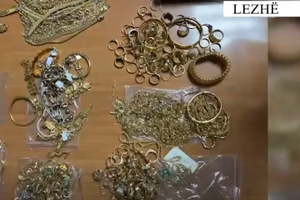
A 39-year-old citizen has been arrested in Lezha, after se...

CNA has launched another investigation that could lead to ...

Irfan Hysenbelliu is a businessman that we call "Irfan the...

In March 2026, CNA launched another investigation centered...

The Special Board of Appeal (KPA) decided this Monday ...

The KPA vetting decided this Thursday to dismiss the p...

Suela Salavaçi, a prosecutor in the Prosecutor's Offic...

The Special Board of Appeal reinstated the prosecutor ...

A conflict for weak motives was recorded today in the vill...

An accident involving three vehicles occurred a few minute...

55-year-old Belere Plaka, who was injured today with a sho...
Police Announcement: Following preliminary information...

By noon, cloudiness is expected to prevail in almost all o...

Children without parental care, for whom alternative famil...

On Thursday, our country will be under the influence of st...

A serious accident that occurred this Wednesday with the c...

Peru and Venezuela will restore diplomatic relations, the ...
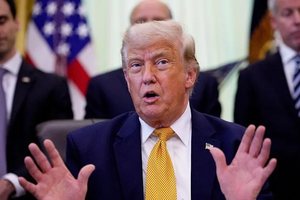
United States President Donald Trump has left open the pos...
Israeli Prime Minister Benjamin Netanyahu will travel to t...
A bipartisan group of US lawmakers is calling for a Europe...

In my research at the Central State Archives, specifically...

At a time when industrial products are increasingly taking...

Trust among people is not just a three-syllable word. It c...

Master of humor Todi Llupi has passed away at the age of 7...
War, weather and supply disruptions could send gas prices ...
The number of active enterprises in Albania continued to g...
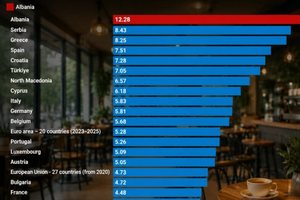
In Albania, the bar-cafe has long become an almost unique ...

This Friday, one US dollar is bought for 81.7 lek and sold...