

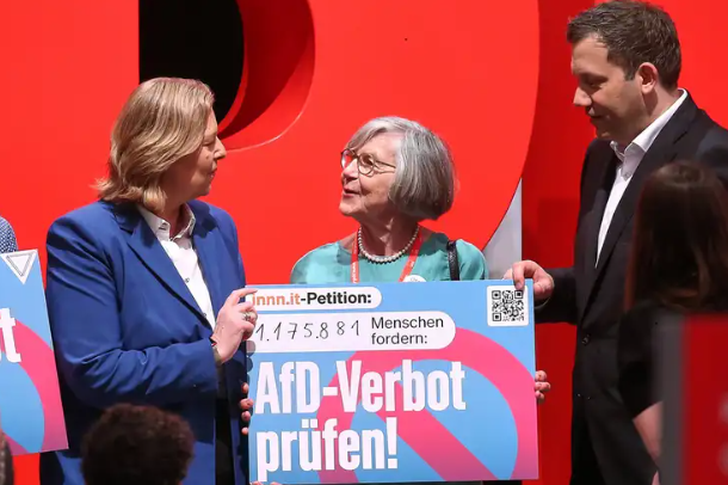
SPD demands preparation of process to ban AfD
The German Social Democratic Party (SPD) congress also cal...


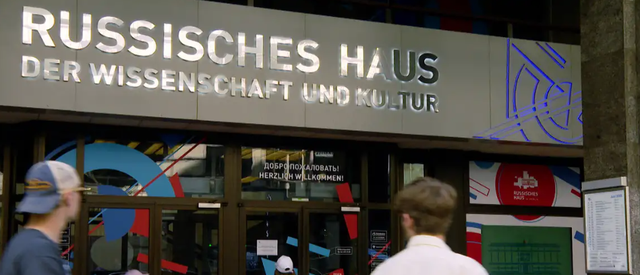
In the heart of Berlin, there is still a "Russian House." Critics say it is used for propaganda for Putin's Russia. Germany pays Moscow a tax of 70,000 euros a year for the land.
It has been hotly debated in the past and is still hotly debated today: the "Russian House" in Berlin. It is located on Friedrichstrasse - in the center of the German capital. It is a massive building with seven floors and almost 30,000 square meters of floor space.
It opened in 1984. Back then, during the GDR, it was supposed to foster friendship with the Soviet Union - with concerts, film screenings and literary evenings. And with its own small bookstore.
Today's managers still claim that friendship between the two countries is nurtured here: "The 'Russian House' is an embassy of Russian culture in the heart of Berlin," the website of the Russian Embassy in Germany states.
But many critics say: The events, which, according to the management of the Russian House, attract about 200,000 visitors a year, serve mainly as propaganda for Vladimir Putin's Russia.
Selling soap in the form of tanks
Berlin media regularly report on events at the cinema located in this institution, where, for example, a film about the Holocaust was shown, in which Ukrainian citizens were portrayed as Nazis. And if Robin Wagener, an environmentalist member of the Bundestag, is to be believed, at the "Russian House" parents can buy their children soap in the shape of tanks there.
Wagener told DW: "It's time to understand that this is not about cooperation and mutual cultural work, but about Russian and Putin's war propaganda in Germany."
That's why Wagener now wants to examine a particularly strange detail: The land on Friedrichstrasse is owned by Germany, while the facility is managed by the Russian state agency "Rossotrudnichestvo," which translates as "Federal Agency for Affairs of the Commonwealth of Independent States, Compatriots Living Abroad, and for International Humanitarian Cooperation."
The organization "Rossotrudnichestvo", which is supposed to promote the Russian language abroad, is currently present in 62 countries around the world through 73 similar institutions like the one in Berlin. Since 2022, following the Russian attack on Ukraine, the agency has been on the EU sanctions list.
At the time, Brussels stated that the agency's goal was to "strengthen public acceptance of the occupied Ukrainian territories as Russian." It further states that the director and deputy director clearly expressed their support for Russia's aggressive war against Ukraine.
German taxpayers' money for Putin's propaganda?
However, the German federal government, as the de facto owner of the land, pays up to 70,000 euros in property tax to the Tax Administration. This stems from an old agreement between Germany and Russia, by which they mutually recognized their cultural cooperation.
Wagener wants the €70,000 land tax to be waived during the upcoming budget negotiations. He floated the idea a year ago, but due to chaotic disagreements within the so-called traffic light coalition (SPD, Greens, FDP), it was not possible to pass the budget at that time.
But now there is a possibility of budget approval. Wagener explains his request as follows: "The original meaning of the Russian House, which was to promote mutual cultural exchange, has long been lost... Russia is constantly escalating the situation and thereby further straining relations. Even the basis of the cultural agreement was mutual cultural and scientific exchange."
Wagener sent an official question to the federal government on the matter. The answer, in a somewhat bureaucratic manner, states: "In relation to the facility, which is located on the aforementioned land and which is owned by the Russian Federation, the Federal Republic of Germany pays property tax on behalf of the Russian Federation due to a legal obligation arising from the bilateral German-Russian agreement on property issues of cultural institutions from 2013." So this is an agreement that was concluded before the annexation of Crimea by Russia.
Fear of Russian reaction
Whether these funds will actually be stopped is extremely uncertain. The German Foreign Ministry has repeatedly emphasized that the staff of the "Russian House" in Germany have diplomatic status.
It has long been considered an open secret in political circles that the federal government fears an open conflict over the "Russian House" because it fears that the Russian government might react by closing the Goethe Institute in Moscow.
But Wagener will continue his fight for closure: "I believe that the 'Russian House' has no future as a cultural intermediary. If someone seriously wants to deal with Russian culture - which I sincerely welcome - there are also civil meeting places for those people who are mainly persecuted in Russia and who now live here in Germany because they cannot freely live their culture in their own country."
However, the "Russian House" will, in all likelihood, continue its activities in the heart of Berlin, on one of the most famous streets of the German capital./ DW

The German Social Democratic Party (SPD) congress also cal...
Two areas targeted for deep-sea mining in the Pacific Ocea...
US President Donald Trump rejected accusations of hostile ...
The head of the UN nuclear watchdog, the IAEA, Raphael Gro...
On Monday and Tuesday next week, Skopje will host a meetin...
US Ambassador to the Republic of Turkey, Thomas Barrack, s...
Originally adopted by the Council of Europe thirty years a...
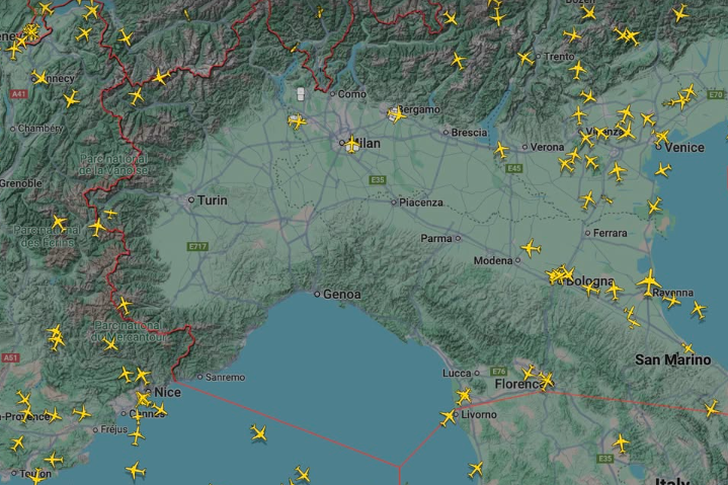
This weekend, 320 flights were canceled in northeastern It...
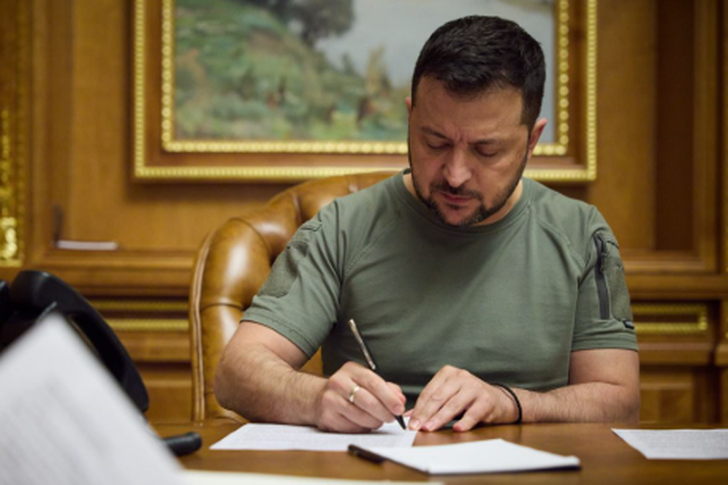
Ukrainian President Volodymyr Zelensky signed a decree on ...
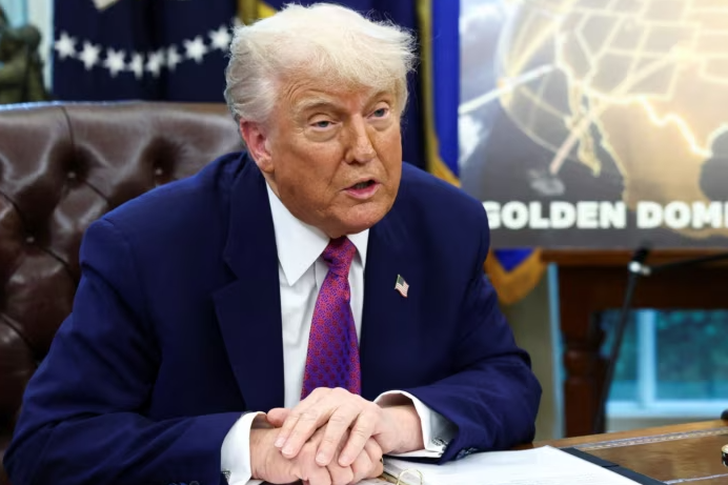
US President Donald Trump called on Sunday for progress in...
Following massive protests in Serbia, President Aleksandar...
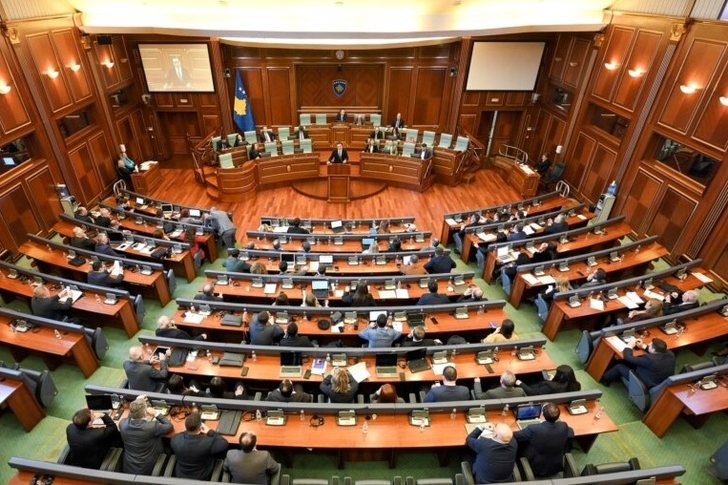
Kosovo MPs have not reached an agreement on the constituti...
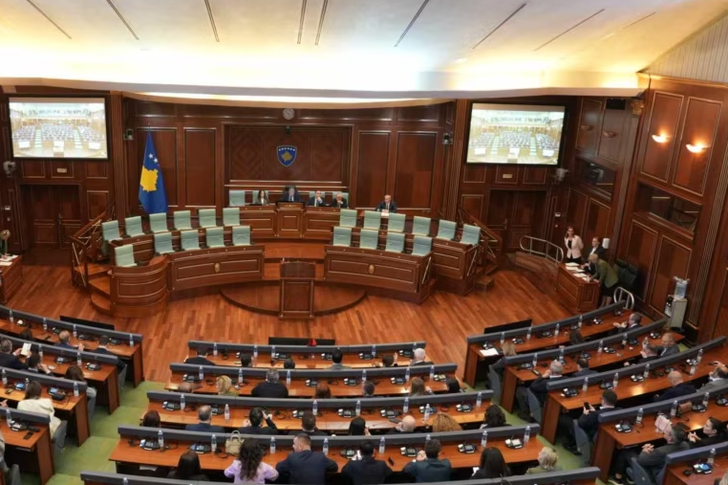
Members of the Kosovo Assembly will gather on Sunday in an...
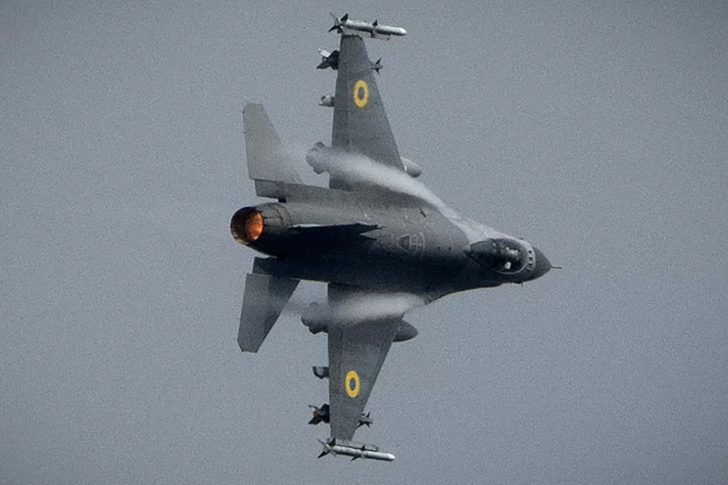
Russia has launched its largest air strike against Ukraine...
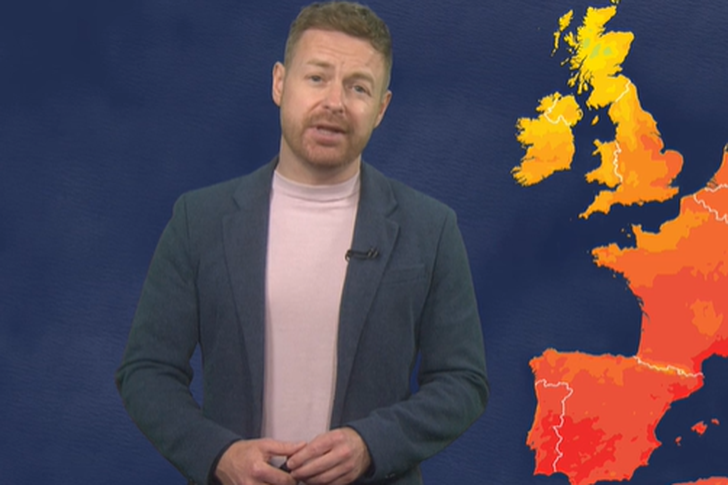
Health and fire warnings have been issued across southern ...
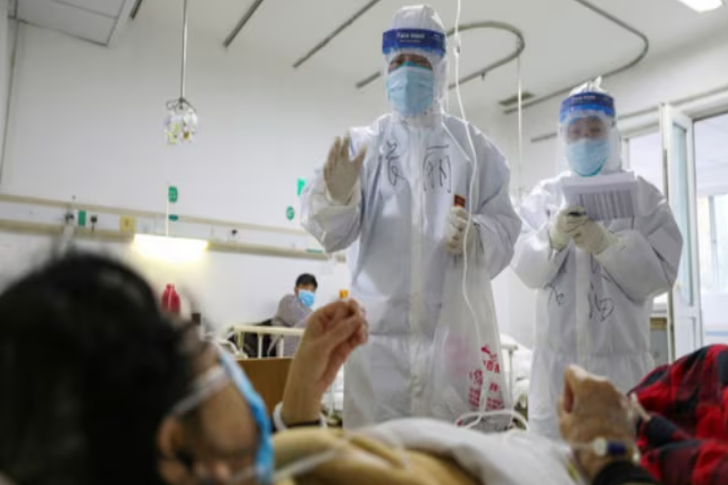
A group of experts tasked by the World Health Organization...
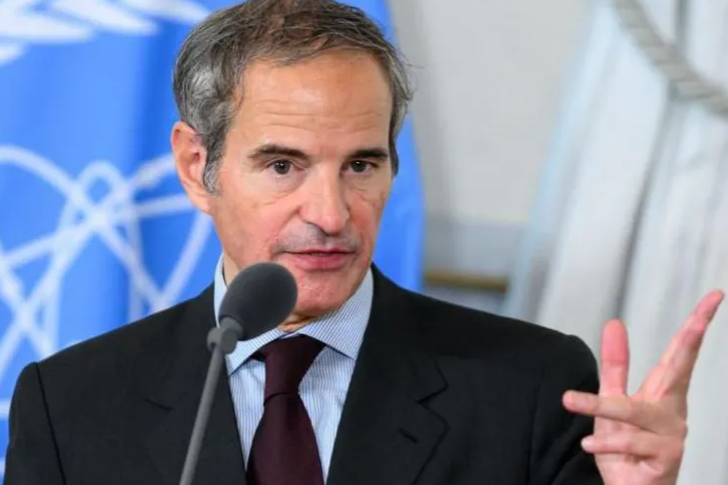
Iran has the capacity to begin enriching uranium again, fo...

Nuclear waste has been dumped into the Atlantic for decade...
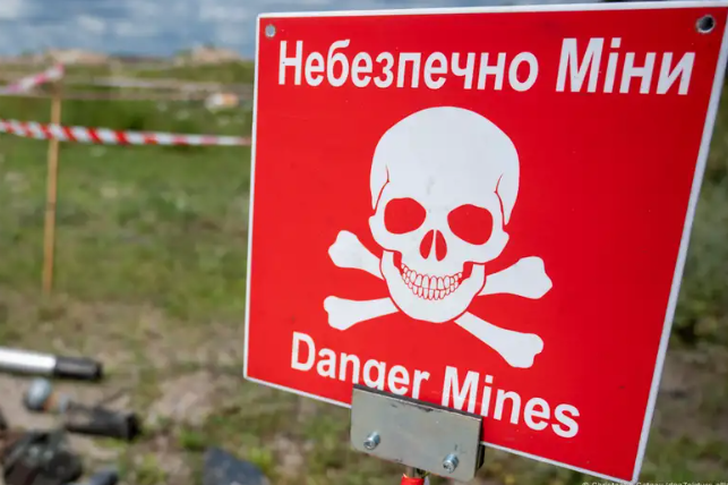
Several Eastern European countries are planning a minefiel...
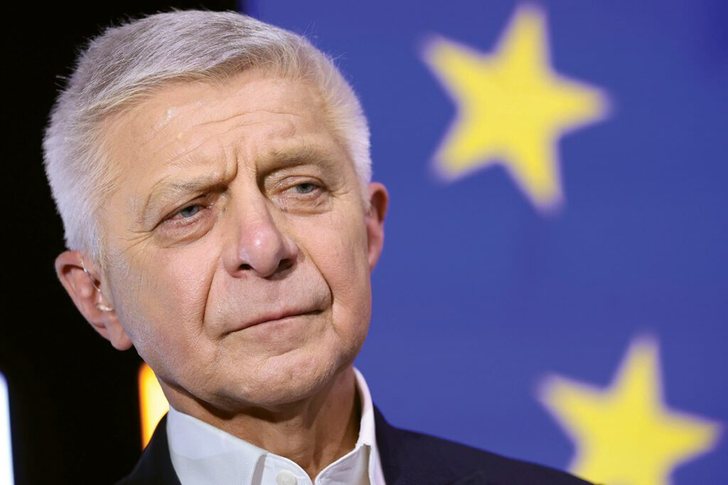
Interview with Marek Belka, former Prime Minister of Polan...

CNA has launched another investigation that could lead to ...

Irfan Hysenbelliu is a businessman that we call "Irfan the...

In March 2026, CNA launched another investigation centered...
The arrested mayor of Tirana, Erion Veliaj, with 13 charge...

The Special Board of Appeal (KPA) decided this Monday ...

The KPA vetting decided this Thursday to dismiss the p...

Suela Salavaçi, a prosecutor in the Prosecutor's Offic...

The Special Board of Appeal reinstated the prosecutor ...

Footage emerges from the serious accident that occurred th...

A Shkodra traffic police officer was hit with hard objects...
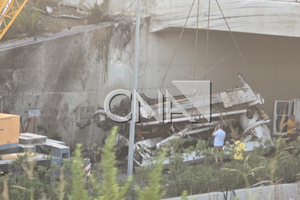
This Wednesday, around 4:00 PM, a serious accident occurre...

Tirana Police have shared details regarding the accident t...

A serious accident that occurred this Wednesday with the c...

The Institute of Geosciences has shared a forecast for wea...

Rising energy and fertilizer prices are expected to contin...

Over 18,000 foreign citizens from 140 countries have appli...

The trial of ousted Venezuelan President Nicolas Maduro on...

US President Donald Trump has issued another warning to Ir...

Prime Minister Andy Burnham has announced that most bus fa...

France's parliament has passed a law to ban social media f...

At a time when industrial products are increasingly taking...

Trust among people is not just a three-syllable word. It c...

Master of humor Todi Llupi has passed away at the age of 7...

The ninth edition of "MIK Festival" kicked off with one of...

The price of diesel reached 206 lek per liter from 198 lek...

Businesses will no longer be required to simply register t...

Despite economic growth and income in recent years, Albani...

This Wednesday, one US dollar is bought for 81.4 lek and s...