


Human trafficking crisis/ New York ranks fourth in the US
New York ranks fourth for human trafficking cases in the U...


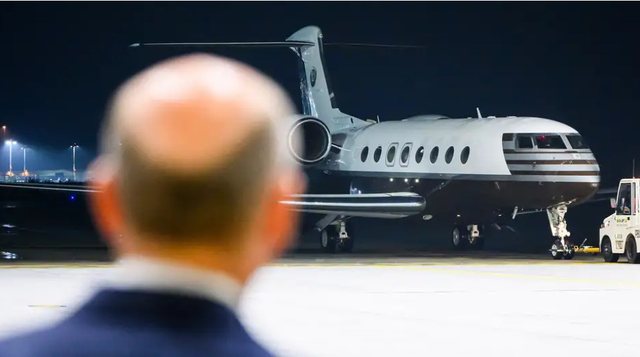
Chancellor Olaf Sholc was quite relieved when he received twelve of the freed people at Cologne/Bonn airport. Unlike in the USA, where US President Joe Biden and Vice President Kamala Harris hugged journalist Evan Gershkovic in front of the cameras, the reception in Germany took place quietly and cautiously.
Sholci said that the exchange of prisoners became possible only "through intensive cooperation with many European countries and especially with the United States of America" ??adding that he believes that in the end this was the right decision.
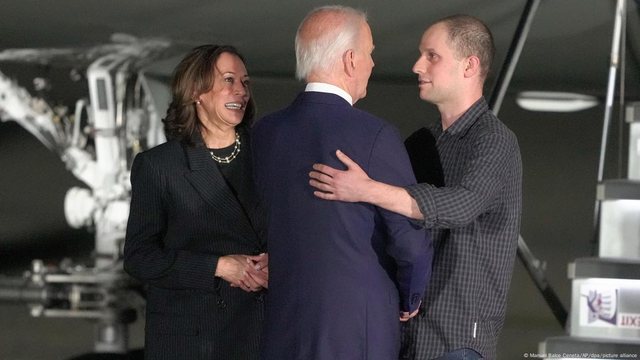
In fact, the exchange of prisoners was spectacular and a great diplomatic achievement between Western countries and Russia, regardless of any moral or ethical assessment.
Russia released 16 prisoners, including four with German passports. In exchange, eight Russians were released, including Vadim Krasikov, who was sentenced to life in prison in Germany at the end of 2021 because, according to a Berlin court, he had killed a Georgian of Chechen origin in a park in the capital in August 2019. .
The debate in Germany revolves largely around the question of whether a country governed by the rule of law can free a convicted murderer. But unlike many debates on current political issues, this debate is characterized by prudence and moderation.
CDU foreign policy expert Norbert Röttgen told Deutschlandfunk radio that Germany has accepted a "serious disadvantage": "But this is justified by the human benefit, by the freedom and saving 16 people from torture."
SPD foreign policy expert Michael Roth summed up the German dilemma clearly. He wrote on Platform X that sometimes you have to "make a deal with the devil for the sake of humanity." He was talking about Russian President Vladimir Putin.
International civil justice contains rules for the exchange of prisoners of war, explained to DW Christian Mihr, deputy secretary general of Amnesty International in Germany. The exchanged persons were not prisoners of war and there are no specific legal provisions for this case.
Even in German legislation there are no rules for the exchange of prisoners. The German government and the Minister of Justice, Marco Buschmann, relied in this case on Article 456a of the Code of Criminal Procedure, according to which the execution of a prison sentence can be suspended under certain conditions.
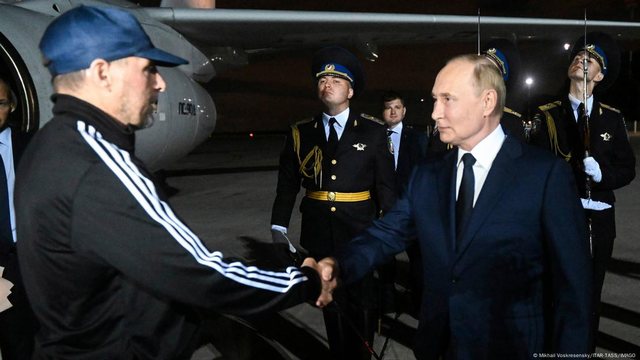
It is clear that the exchange of prisoners took place because Putin wanted first of all to release the murderer Krasikov, who was imprisoned in Berlin. And US President Joe Biden was persistently demanding Gershkovic's release.
Does the successful prisoner exchange mean that new diplomatic lines of communication have now been established with the Kremlin that could possibly help end the war in Ukraine?
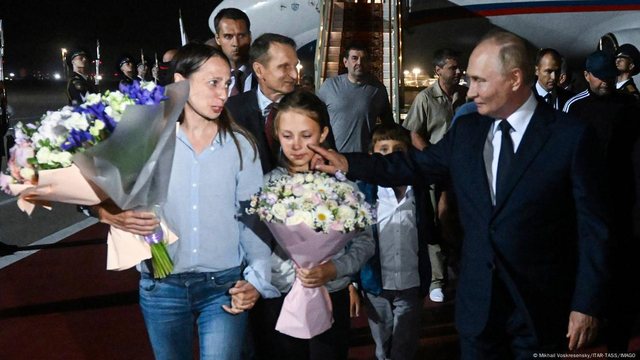
Political scientist David Sirakov, director of the Atlantic Academy in Rhineland-Palatinate, disagrees. He told the German Press Agency that "this is neither a confidence-building measure nor does it raise hopes for a better relationship with Moscow or Minsk."
On the contrary, it shows that the familiar Cold War strategy of releasing their nationals, who often work in the security and secret service sectors, exerting pressure by imprisoning foreign nationals in Russia and Belarus, continues to be part of the diplomatic repertoire of these states./ DW

New York ranks fourth for human trafficking cases in the U...
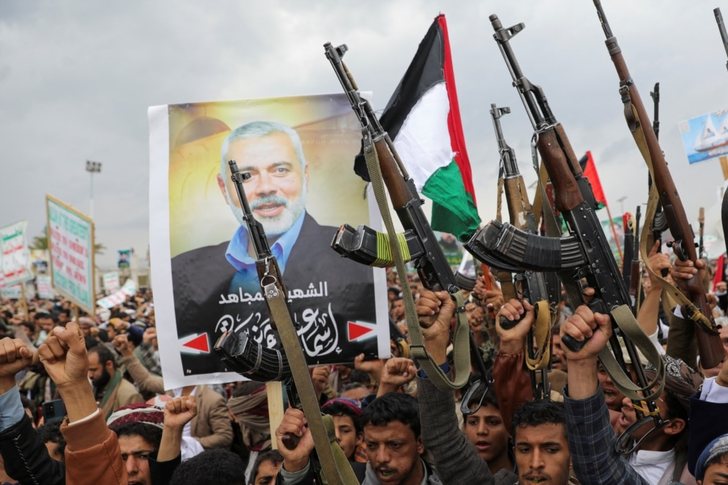
Tensions in the Middle East intensified as Western countri...
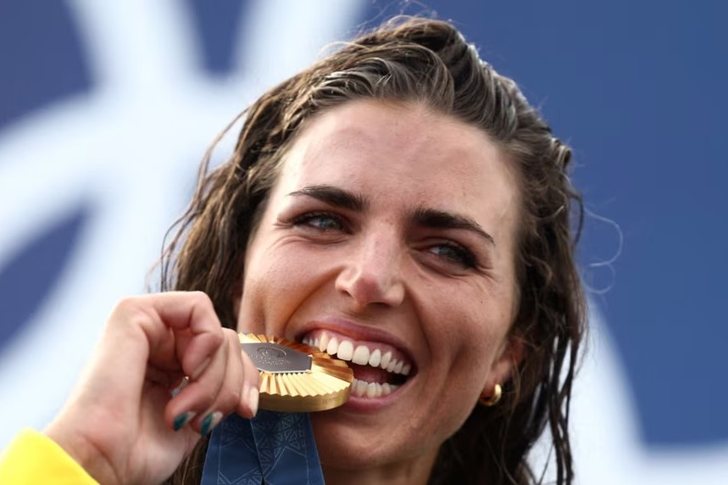
The iconic photos of Olympians biting into their Olymp...
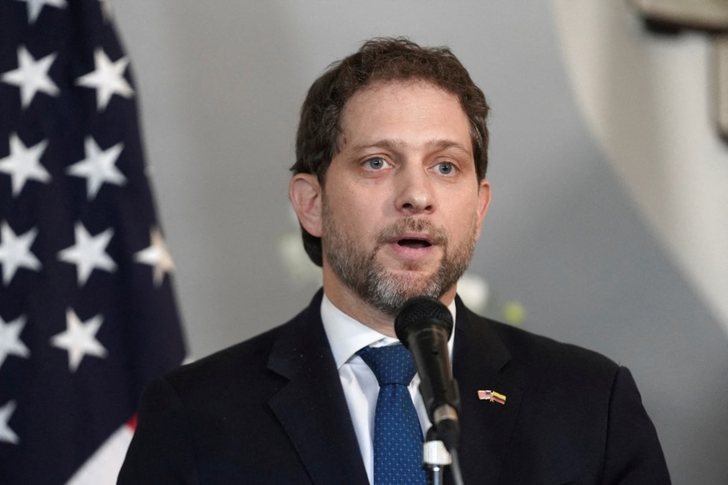
The United States is increasing its military presence in t...
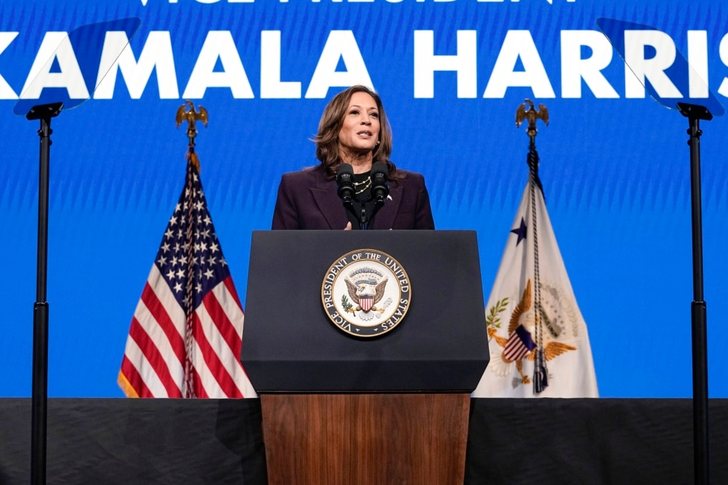
While Democratic presidential candidate Kamala Harris ...
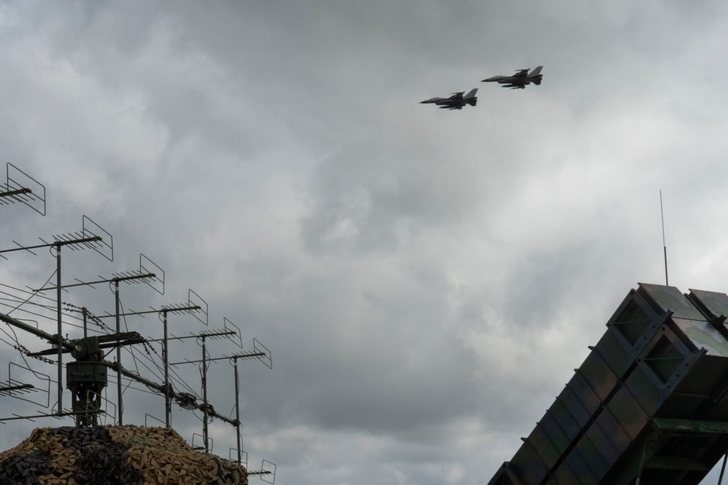
Ukrainian pilots have begun using F-16 jets for operations...
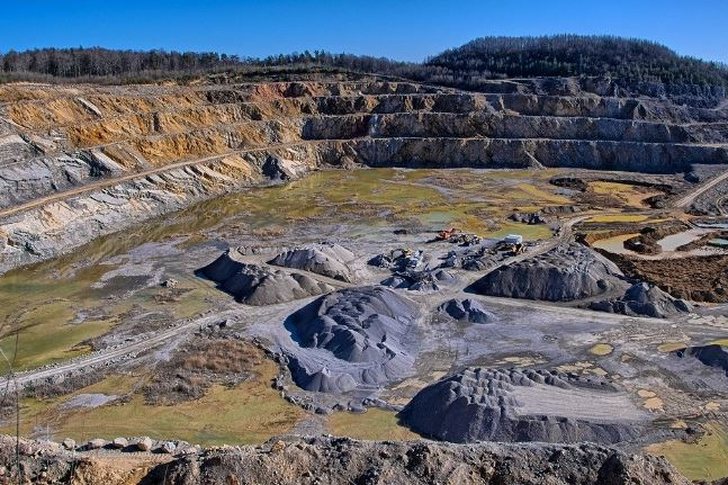
"We will not open a lithium mine until the Germans guarant...

Due to massive threats of attack from its sworn enemies, I...

A Palestinian attacker killed two people and wounded two o...

France called on its citizens in Lebanon on Sunday to ...
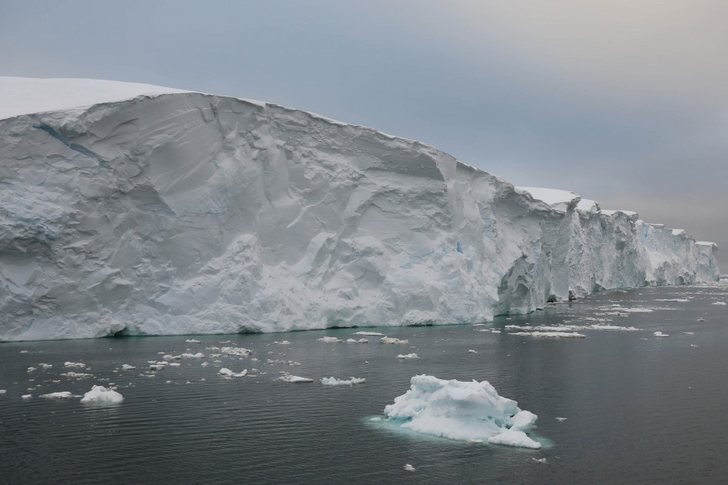
Land temperatures across large parts of the Antarctic ice ...

Riots continue in Great Britain. More than 90 people wer...
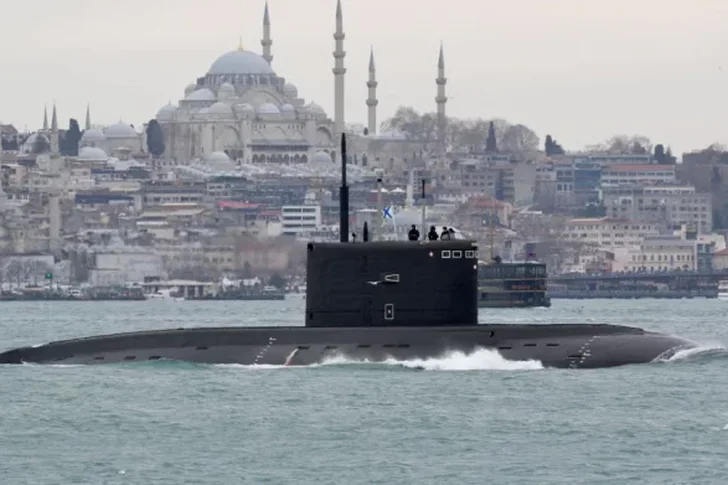
Ukrainian forces hit a Russian submarine in the Black Sea ...
The risk of a regional war breaking out in the Middle East...

Republican presidential candidate Donald Trump propose...

Violence resurfaced on the streets of British cities on Sa...

Çdo të mërkurë, një klub vrapimi në qytetin e Nju Jork...
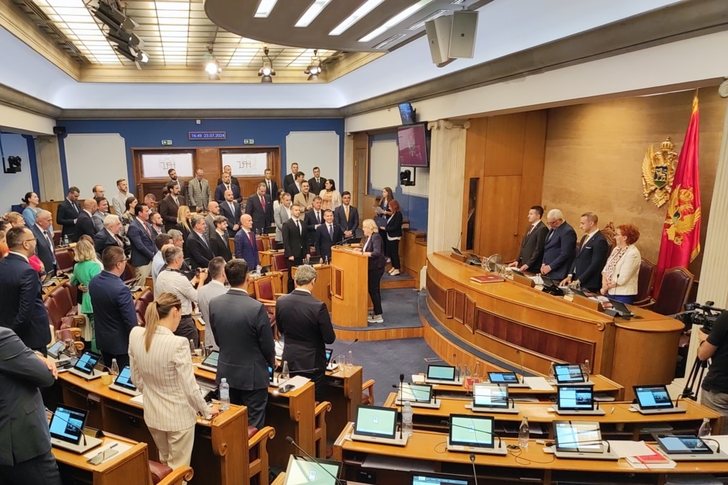
Analysts and experts in the political situation in Montene...
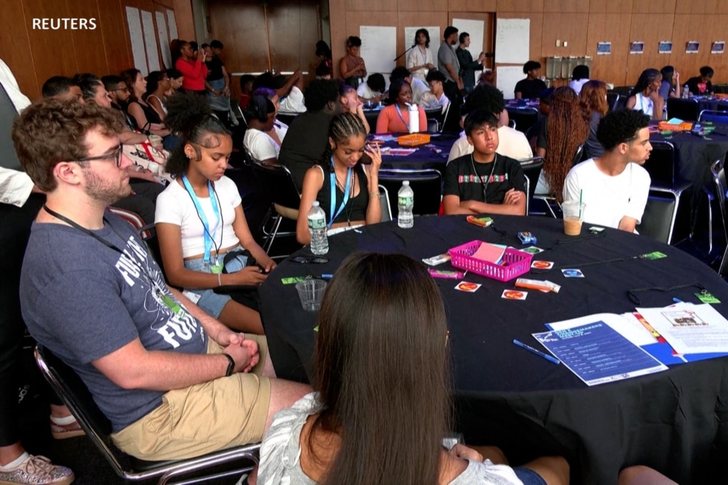
The Republican vice presidential candidate is the first pe...
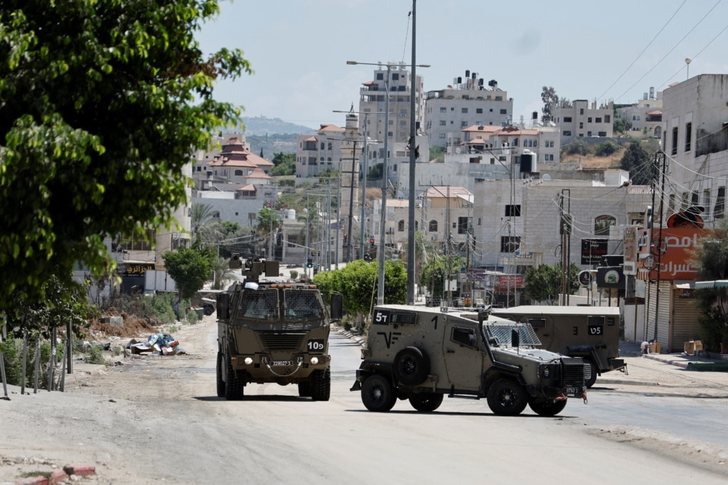
Two Israeli airstrikes in the northern West Bank killed ni...

CNA has launched another investigation that could lead to ...

Irfan Hysenbelliu is a businessman that we call "Irfan the...

In March 2026, CNA launched another investigation centered...
The arrested mayor of Tirana, Erion Veliaj, with 13 charge...

The Special Board of Appeal (KPA) decided this Monday ...

The KPA vetting decided this Thursday to dismiss the p...

Suela Salavaçi, a prosecutor in the Prosecutor's Offic...

The Special Board of Appeal reinstated the prosecutor ...

New details have emerged regarding the accident that occur...

New details have emerged from the serious accident that oc...
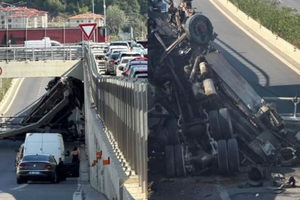
A serious accident occurred this Wednesday on the Elbasan-...
Citizen MH, 61, a fisherman, was found dead near the islan...
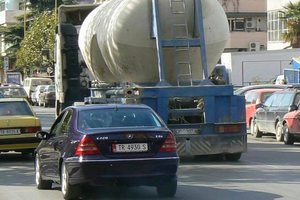
A serious accident that occurred this Wednesday with the c...

The Institute of Geosciences has shared a forecast for wea...

Rising energy and fertilizer prices are expected to contin...

Over 18,000 foreign citizens from 140 countries have appli...

US President Donald Trump has issued another warning to Ir...

Prime Minister Andy Burnham has announced that most bus fa...

France's parliament has passed a law to ban social media f...

US Secretary of State Marco Rubio arrived in Manila on Jul...

At a time when industrial products are increasingly taking...

Trust among people is not just a three-syllable word. It c...

Master of humor Todi Llupi has passed away at the age of 7...
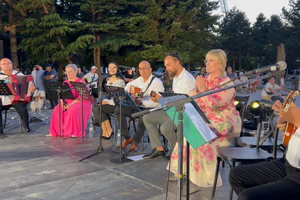
The ninth edition of "MIK Festival" kicked off with one of...

Businesses will no longer be required to simply register t...

Despite economic growth and income in recent years, Albani...

This Wednesday, one US dollar is bought for 81.4 lek and s...

Construction company licenses will have a validity period ...