


Territorial Reform/ Berisha warns Rama: We will get Albania back on its feet
DP leader Sali Berisha has spoken about extending the dead...

DP leader Sali Berisha has spoken about extending the dead...

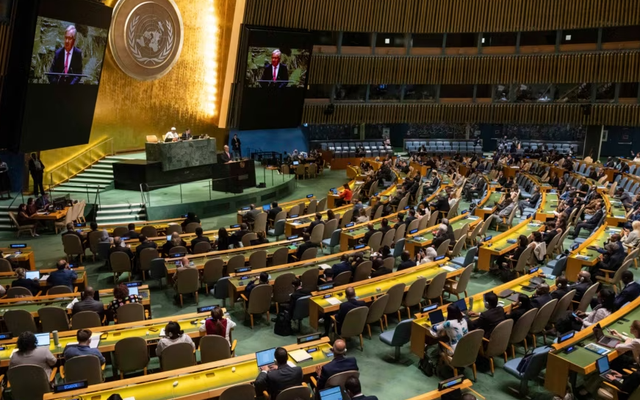
The United Nations on September 22 adopted a "Pact for the Future" aimed at addressing the century's many challenges, from conflict to climate change and human rights, despite last-minute objections from a group of countries led by Russia.
Secretary-General Antonio Guterres, who organized the Summit for the Future, described it as a "once-in-a-generation opportunity" to rewrite human history by fostering international cooperation.
As an opening act for the high-level week of the UN General Assembly, which begins on September 24, dozens of heads of state and government gathered to sign the text.
In the adopted version, the leaders pledged to strengthen the multilateral system to "keep pace with a changing world" and to "protect the needs and interests of present and future generations" in the face of "ongoing crises".
"We believe there is a path to a brighter future for all humanity," the document says. The pact contains 56 "actions", including commitments to multilateralism, the protection of the UN Charter and the maintenance of peace.
It also calls for reforms in international financial institutions and the UN Security Council, along with renewed efforts to combat climate change, promote disarmament and lead the development of artificial intelligence.
Adoption of the text faced a brief delay when Russia's deputy foreign minister, Sergey Vershinin, tabled an amendment emphasizing "the principle of non-interference in the internal affairs of states".
Russia's objections were supported by its allies, including Belarus, North Korea, Iran, Nicaragua and Syria, but its amendment was overwhelmingly rejected. From words to actions
During the negotiation phase, Guterres had urged nations to show "vision" and "courage", calling for "maximum ambition" to strengthen international institutions to respond effectively to today's threats.
However, while there are some "good ideas", the text "is not the revolutionary document that reforms all multilateralism, as Antonio Guterres had originally requested", Richard Gowan, from the International Crisis Group, told AFP.
Many diplomats echoed the same sentiment, expressing disappointment when discussing the ambition and impact of the text, describing it as "tepid", "lowest common denominator" and "disappointing".
"Ideally, we would like new ideas, fresh ideas," said one diplomat.
The fight against global warming was one of the points of contention in the negotiations, with references to the "transition" away from fossil fuels disappearing from the draft text a few weeks ago, before being reinstated.
Despite the criticism, the pact is still "an opportunity to affirm our collective commitment to multilateralism, even in the current difficult geopolitical context," said one Western diplomat, stressing the need to rebuild trust between the Global North and South.
Developing countries have been particularly vocal in demanding concrete commitments to reform international financial institutions, aiming to ensure easier access to preferential financing, especially considering the impacts of climate change. The text does include "significant commitments to economic justice and reforming the international financial architecture," Human Rights Watch (HRW) commented, also praising the "focus on human rights."
However, world leaders "still need to show that they are willing to act to protect human rights," said Louis Charbonneau, HRW's UN director.
Despite its content, the pact and its annexes — a Global Digital Compact and a Declaration on Future Generations — are not legally binding, raising concerns about implementation, especially since some principles — such as the protection of civilians in conflicts — are violated on a daily basis. . "Our next task is to give life to them, to turn words into actions", said Guterres./ Rel

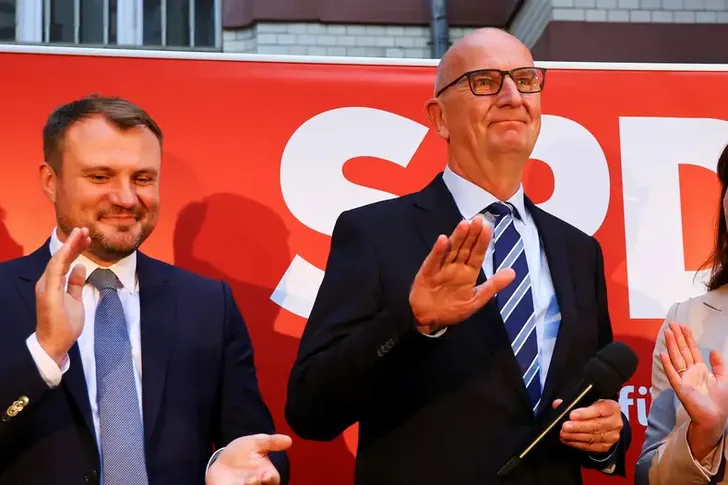
The Social Democrats in Brandenburg should feel liberated ...
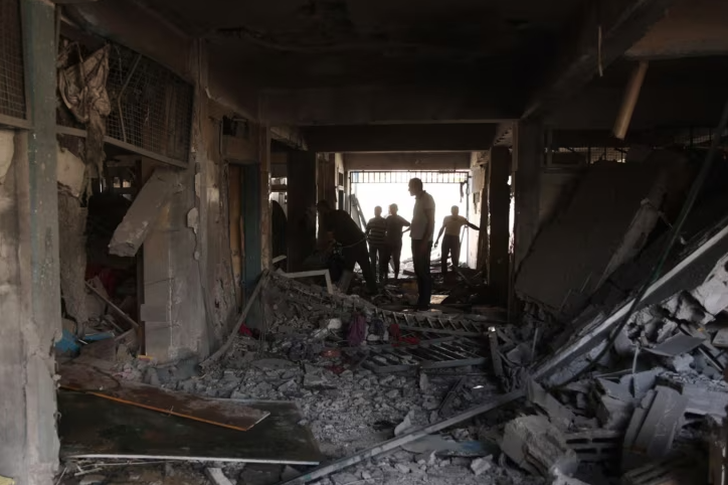
An Israeli attack on a school that had been converted to s...

A massive brawl took place at midnight in Grigoriou Lambra...
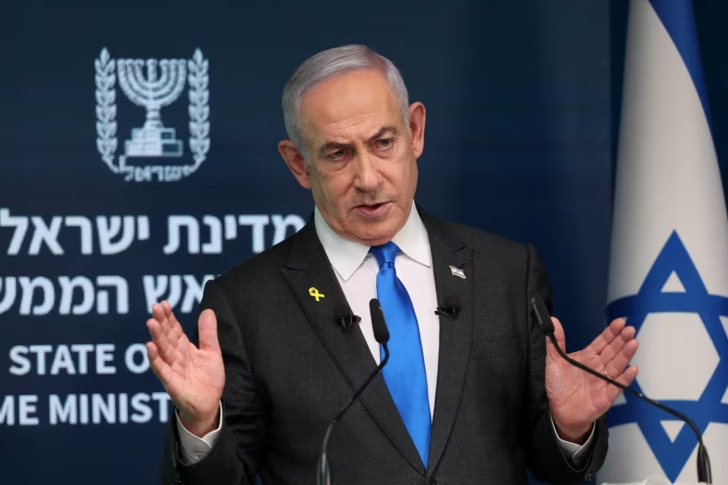
Israel's Prime Minister, Benjamin Netanyahu, said that Isr...
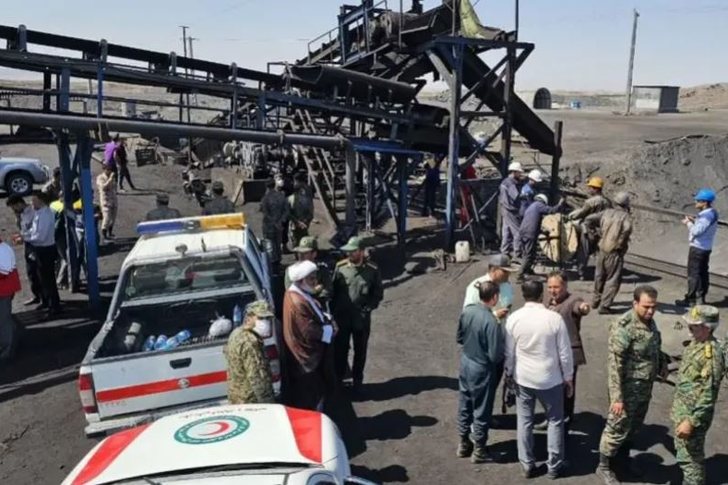
50 people have lost their lives and 20 others have been in...
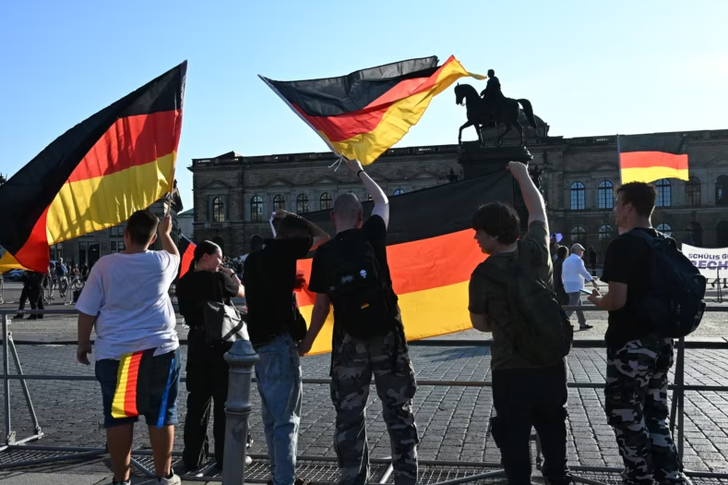
State elections are being held in Germany's Brandenburg on...

A 4-year-old girl and her 6-year-old brother died as a res...
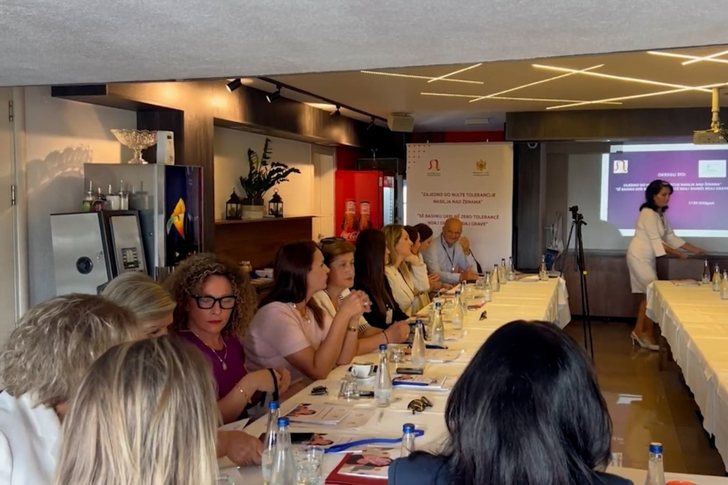
At the table with the theme "Together to zero tolerance to...

The Hispanic population in the United States relies on soc...
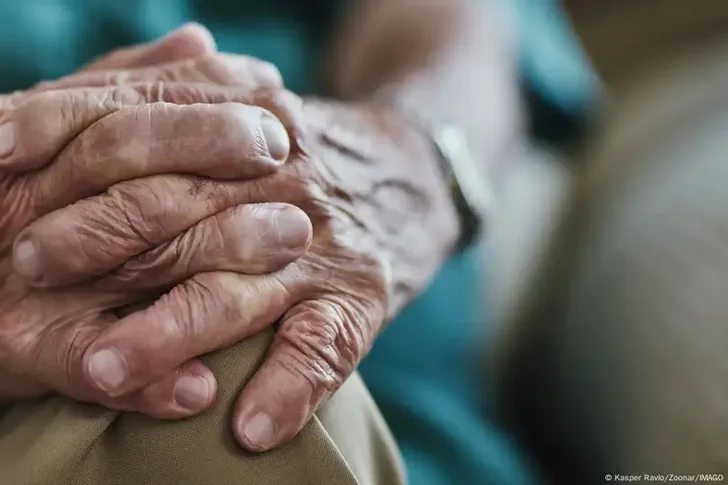
Inga, who doesn't want to give us her full name, is go...
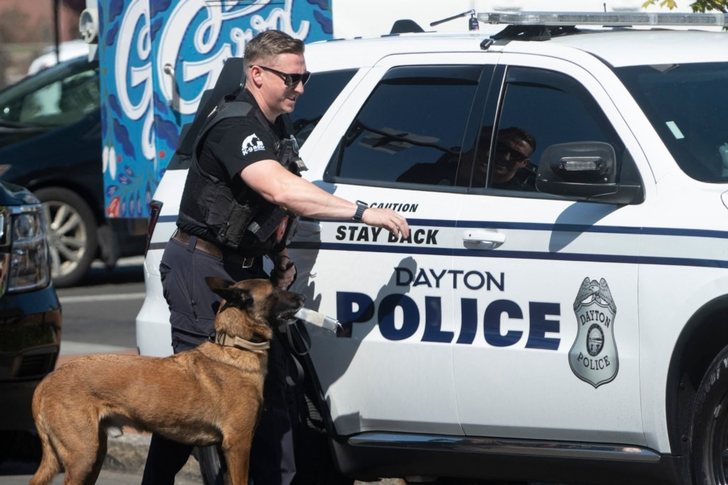
During the presidential election campaign, Republican cand...
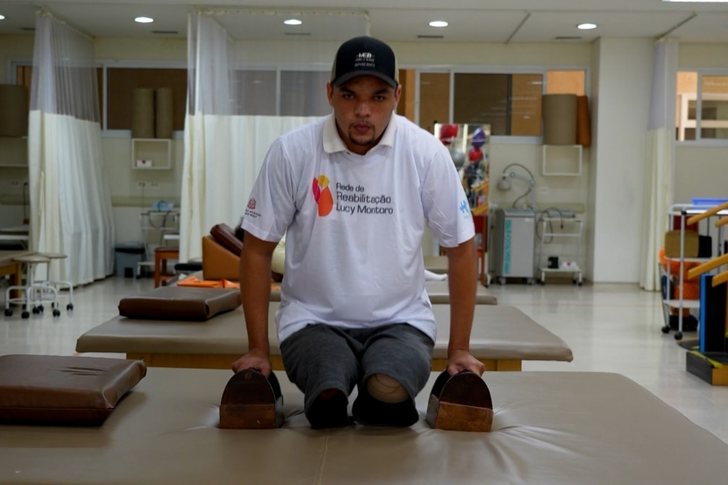
The first months of 2024 have been the deadliest for motor...
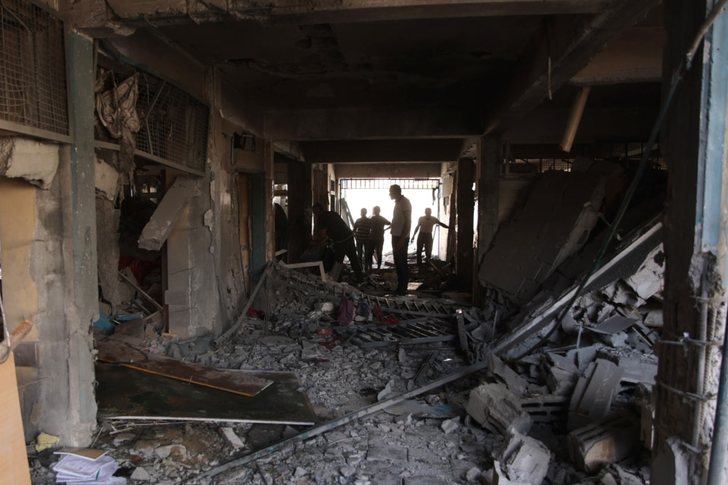
An Israeli attack on a school in northern Gaza killed at l...
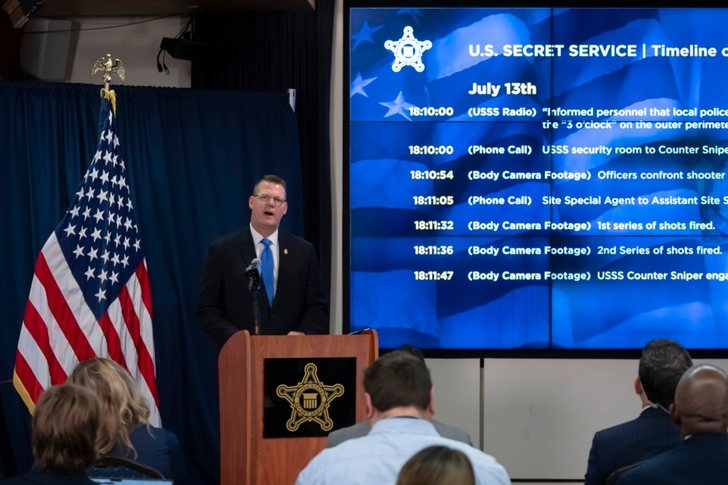
The Secret Service says the opportunity for a lone gunman ...
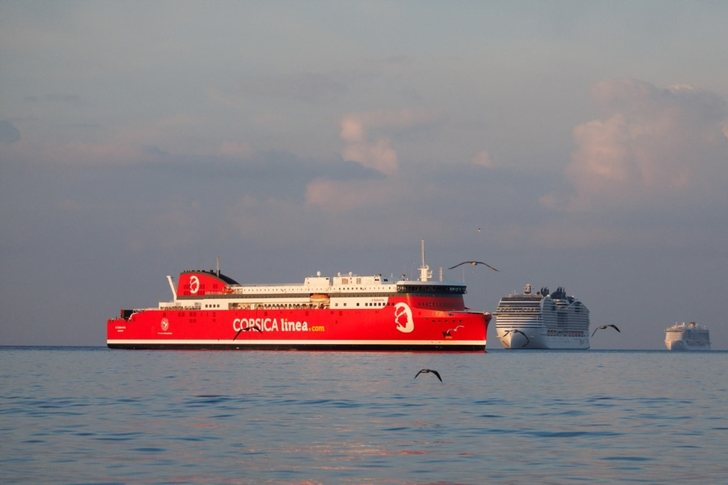
Environmental activists blockaded France's main cruise shi...
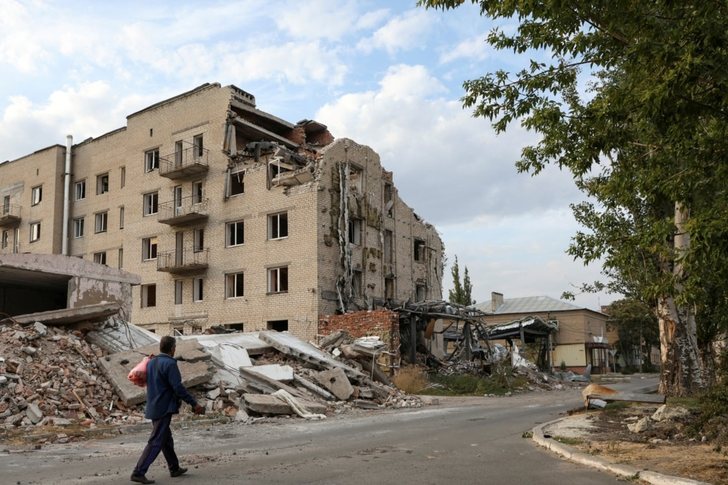
Three people lost their lives as a result of Russian attac...
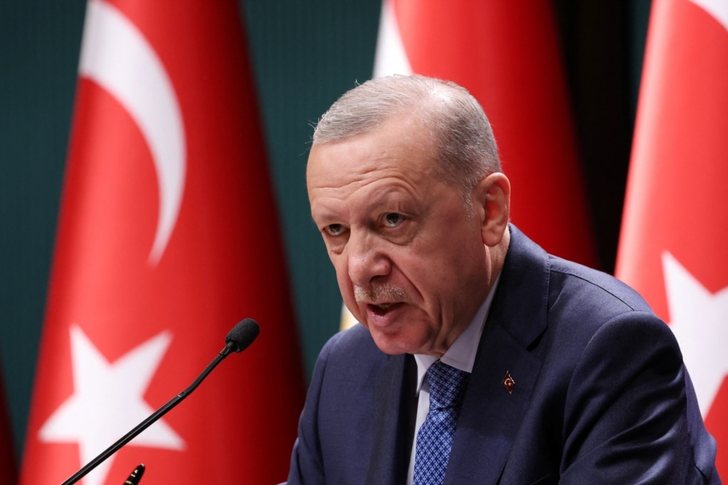
Attacks on Lebanon this week showed that the Israeli g...
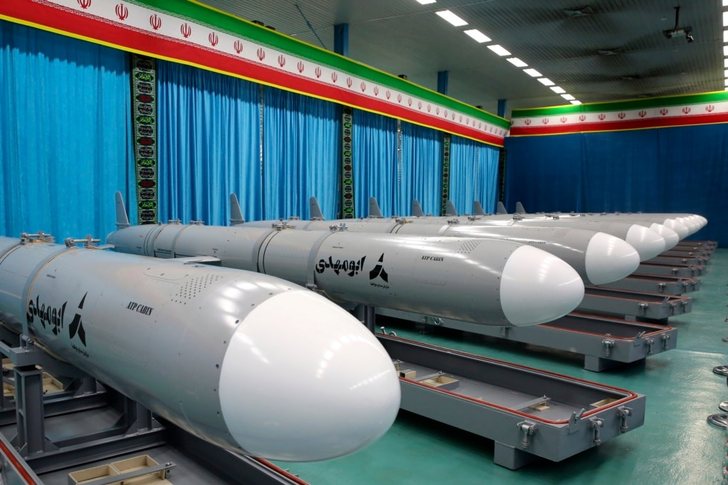
Iran unveiled a new ballistic missile and an upgraded atta...
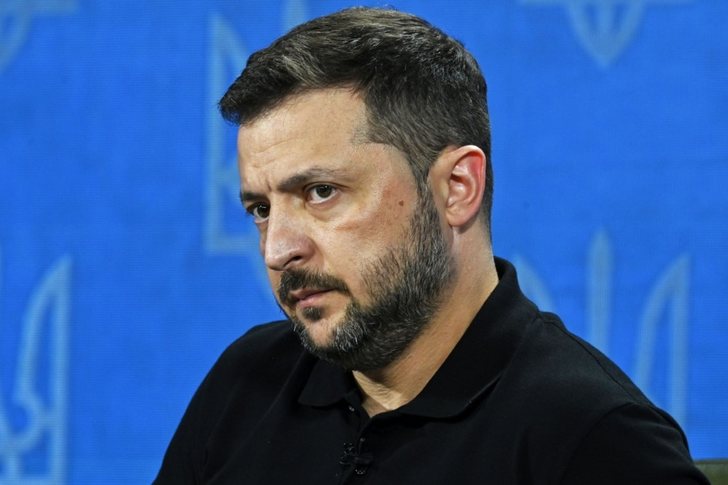
Ukrainian President Volodymyr Zelensky said the United...
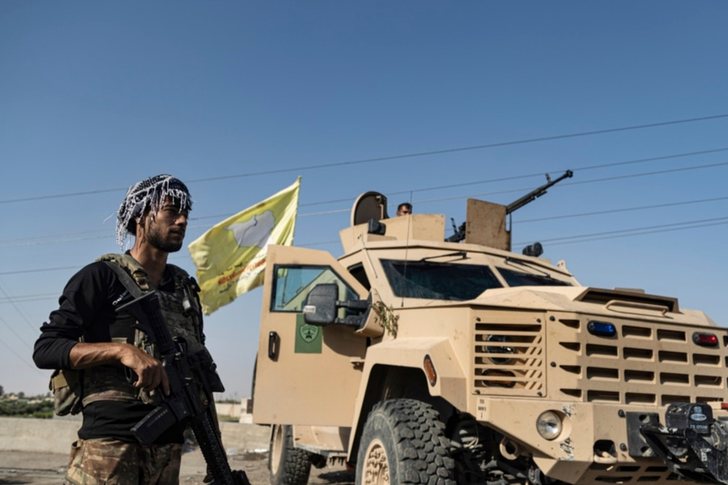
Fresh fighting broke out on Friday between the US-backed S...

CNA has launched another investigation that could lead to ...

Irfan Hysenbelliu is a businessman that we call "Irfan the...

In March 2026, CNA launched another investigation centered...
The arrested mayor of Tirana, Erion Veliaj, with 13 charge...

The Special Board of Appeal (KPA) decided this Monday ...

The KPA vetting decided this Thursday to dismiss the p...

Suela Salavaçi, a prosecutor in the Prosecutor's Offic...

The Special Board of Appeal reinstated the prosecutor ...
Citizen MH, 61, a fisherman, was found dead near the islan...
Another phase of the international operation, codenamed "T...
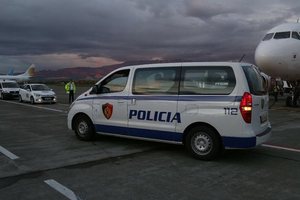
Police have arrested a 34-year-old woman at Rinas Airport ...
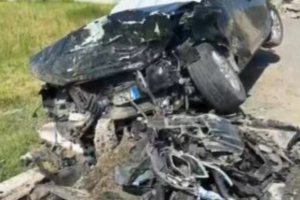
A serious accident has occurred on the Lezhë-Shëngjin axis...
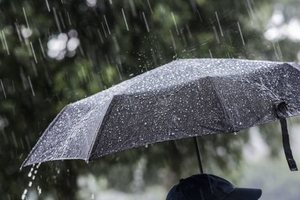
This Wednesday, our country will be under the influence of...
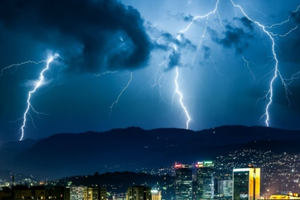
All of Southern Europe will face changing weather conditio...
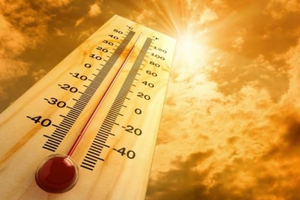
Albania was hit by temperatures significantly higher than ...

For the first time, Pogradec welcomed the Inter-Lake Chess...
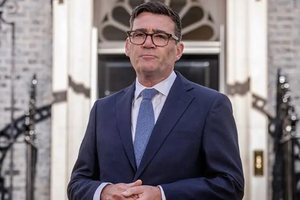
Prime Minister Andy Burnham has announced that most bus fa...

France's parliament has passed a law to ban social media f...

US Secretary of State Marco Rubio arrived in Manila on Jul...
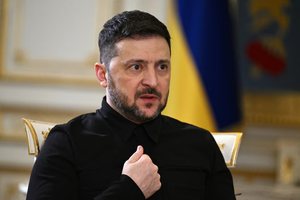
In the space of a few days, Ukrainian President Volodymyr ...

At a time when industrial products are increasingly taking...

Trust among people is not just a three-syllable word. It c...

Master of humor Todi Llupi has passed away at the age of 7...

The ninth edition of "MIK Festival" kicked off with one of...

Businesses will no longer be required to simply register t...

Despite economic growth and income in recent years, Albani...

This Wednesday, one US dollar is bought for 81.4 lek and s...

Construction company licenses will have a validity period ...