


Territorial Reform/ Berisha warns Rama: We will get Albania back on its feet
DP leader Sali Berisha has spoken about extending the dead...

DP leader Sali Berisha has spoken about extending the dead...


The Hispanic population in the United States relies on social media to stay informed. As VOA correspondent Cristina Caicedo reports, misinformation on social media spreads rapidly. Newsrooms and media outlets are scrambling to find new ways to combat the spread of fake news and keep the public well-informed ahead of the November US election.
In the United States, Hispanic news media are trying to combat fake news and explain to communities how and where to vote.
"This election year people are looking to be more informed and have a lot of questions. When we share a news, we always have questions about it", says Claudia Ginestra with the weekly newspaper "El Tiempo Latino" published in the American capital.
The newspaper reports news that affects the interests of the Hispanic community and uses social media to communicate with the audience.
"Currently, the short videos we post are attracting a lot of people. This is the fastest and most efficient way to communicate with the audience", says journalist Claudia Ginestra for Voice of America.
Pew Research Center surveys show that Hispanics are informed primarily through the Internet and social media. They use the apps WhatsApp, Telegram and Instagram, according to media company Nielsen.
To provide the community with the information they need, the newspaper "El Tiempo Latino" uses fact-checking tools or enlists the help of the partner organization "Factchequeado".
Founded in 2022, the nonprofit monitors misinformation and disinformation in the Latino and Hispanic community in the United States.
"As the November elections approach, the community faces many challenges. Likewise, we who try to inform them have many challenges," says Laura Zommer, founder of the fact-checking organization "Factchequeado".
One of the challenges is artificial intelligence.
"For example, on TikTok we see a video published with a disinformation story and then we see two other videos with the same story from different users but saying the same thing," says Ms. Zommer.
Disinformation aims to spread fake news.
"A fake news story that gets spread a lot is the conspiracy theory that claims non-US citizens are voting."
Speed ??is key to combating the spread of fake news, which spreads quickly on social media, Ms Zommer says.
But the "Factchequeado" organization has at its disposal a powerful tool, the cooperation with dozens of partners in 22 countries. Newsrooms such as "El Tiempo Latino" use the "Factchequeado" organization to verify data.
“The Hispanic community is being misinformed or misinformed when it comes to politics. But we are seeing that our audience wants to be informed and learn", says Marcos Porras with the newspaper "El Tiempo Latino".
Among other things, the newspaper posts on social media explanatory videos on the electoral process in the United States. The aim is to fill the lack of data that can be used by negative elements to spread fake news or disinformation./ VOA


Inga, who doesn't want to give us her full name, is go...

During the presidential election campaign, Republican cand...

The first months of 2024 have been the deadliest for motor...

An Israeli attack on a school in northern Gaza killed at l...

The Secret Service says the opportunity for a lone gunman ...

Environmental activists blockaded France's main cruise shi...

Three people lost their lives as a result of Russian attac...
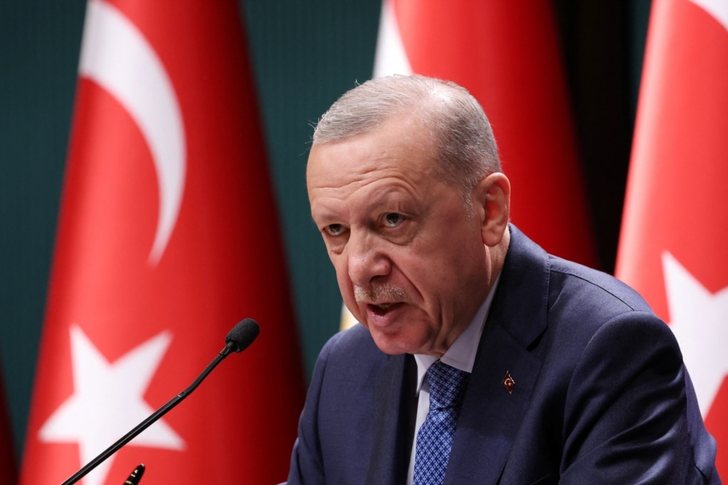
Attacks on Lebanon this week showed that the Israeli g...

Iran unveiled a new ballistic missile and an upgraded atta...

Ukrainian President Volodymyr Zelensky said the United...

Fresh fighting broke out on Friday between the US-backed S...
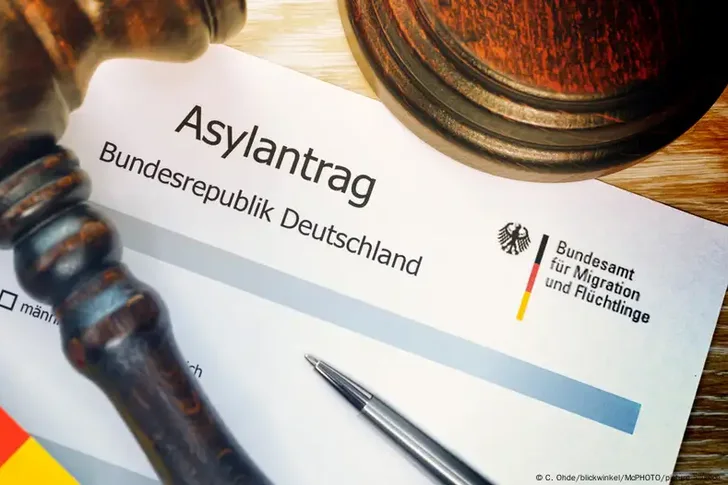
Today, more refugees live in Germany than ever before. Acc...

Leaders from around the world will attend the annual meeti...
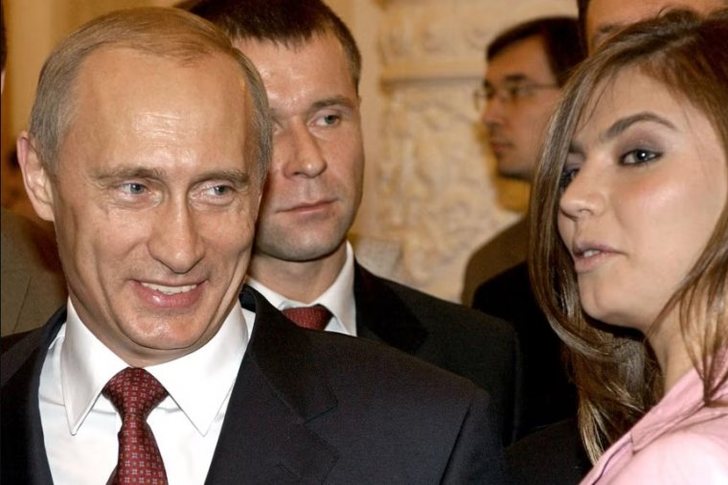
In June, Russia's Radio Free Europe Service reported that ...

Two Russians on Friday set a record for the longest no...

The American Secretary of Defense, Lloyd Austin, expressed...
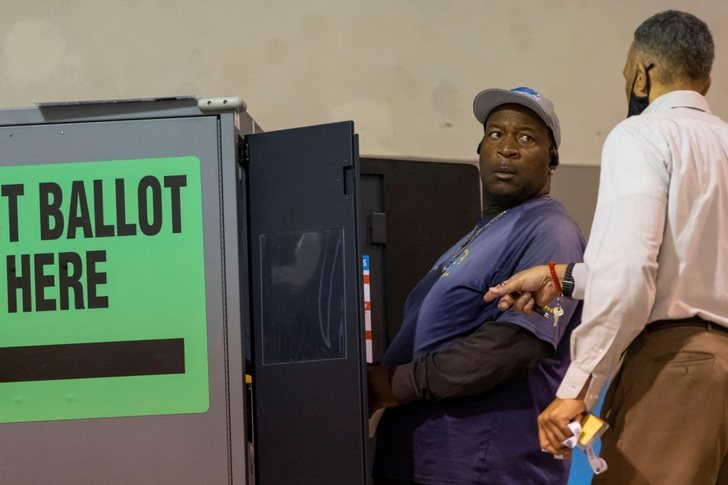
Georgia's Republican-controlled state election commission ...

German diplomats committed to the Balkans and experts on E...

North Carolina Republican gubernatorial candidate Mark Rob...

A new poll shows that neither Kamala Harris nor Donald Tru...

CNA has launched another investigation that could lead to ...

Irfan Hysenbelliu is a businessman that we call "Irfan the...

In March 2026, CNA launched another investigation centered...
The arrested mayor of Tirana, Erion Veliaj, with 13 charge...

The Special Board of Appeal (KPA) decided this Monday ...

The KPA vetting decided this Thursday to dismiss the p...

Suela Salavaçi, a prosecutor in the Prosecutor's Offic...

The Special Board of Appeal reinstated the prosecutor ...

Citizen MH, 61, a fisherman, was found dead near the islan...

Another phase of the international operation, codenamed "T...

Police have arrested a 34-year-old woman at Rinas Airport ...

A serious accident has occurred on the Lezhë-Shëngjin axis...

This Wednesday, our country will be under the influence of...

All of Southern Europe will face changing weather conditio...

Albania was hit by temperatures significantly higher than ...

For the first time, Pogradec welcomed the Inter-Lake Chess...

Prime Minister Andy Burnham has announced that most bus fa...

France's parliament has passed a law to ban social media f...

US Secretary of State Marco Rubio arrived in Manila on Jul...

In the space of a few days, Ukrainian President Volodymyr ...

At a time when industrial products are increasingly taking...

Trust among people is not just a three-syllable word. It c...

Master of humor Todi Llupi has passed away at the age of 7...

The ninth edition of "MIK Festival" kicked off with one of...

Businesses will no longer be required to simply register t...

Despite economic growth and income in recent years, Albani...

This Wednesday, one US dollar is bought for 81.4 lek and s...

Construction company licenses will have a validity period ...