


Territorial Reform/ Berisha warns Rama: We will get Albania back on its feet
DP leader Sali Berisha has spoken about extending the dead...

DP leader Sali Berisha has spoken about extending the dead...

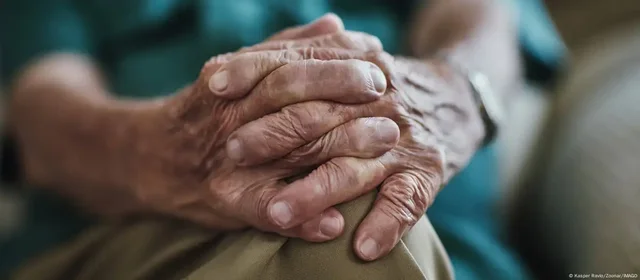
Inga, who doesn't want to give us her full name, is going to have a free lunch at the Lichtblick club in Munich. The 67-year-old receives only a small pension and lives below the poverty line.
"I have to be careful when I go to buy food, because I don't have money. In fact, I don't eat that much anymore, because when you don't have money, you forget how to eat, for example, a goose or fish."
One in five pensioners in Germany is in Inga's situation. They are at risk of poverty in old age, because their pension is lower than 60% of the average German income. More than food, Inga enjoys meeting new people during lunch.
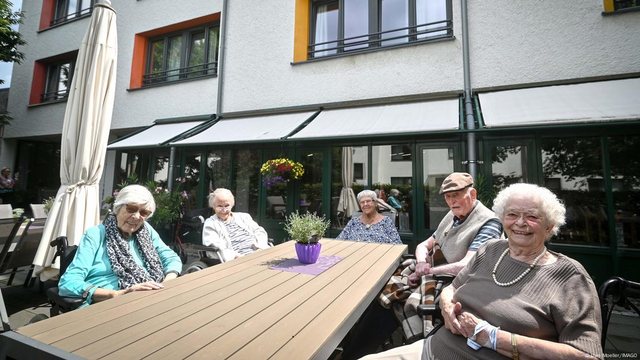
Inga never thought that one day she would need help from a non-profit organization for poor pensioners. She has worked as a kindergarten teacher for a long time. But a stroke of luck changed everything: in a traffic accident she was seriously injured, through no fault of her own, and then she was unable to work. Thus he fell into the trap of poverty.
"I did not fall into poverty because I did not like to work, but because of a situation, for which I am not at all responsible. And so my whole life went after that. Working from time to time, surviving, fighting, working , survived, fought I don't know anything else." - she says.
Her pension of 800 euros is only enough to cover rent and fixed expenses. To buy food, she works privately as a caregiver in a family with children.
"I just can't do it anymore. And I want to shout so that the world knows. We Germans are not doing well either. Please, look at this! I speak so openly, it's because I can't do it anymore. "I can't do it anymore. And I'm not the only one. that's how i feel. Millions of pensioners and retirees are in my situation," says Inga.
Even Uli has to make do with a little. After deducting fixed expenses, the 72-year-old pensioner has about 300 euros per month. To take his mind off money worries, he often goes for walks by a lake and meditates.
Uli lives in a small one-room apartment near Munich. The bed is in the living room. He can't do more with his pension. It used to be different. Uli pioneered digital video streaming and had his own firm.
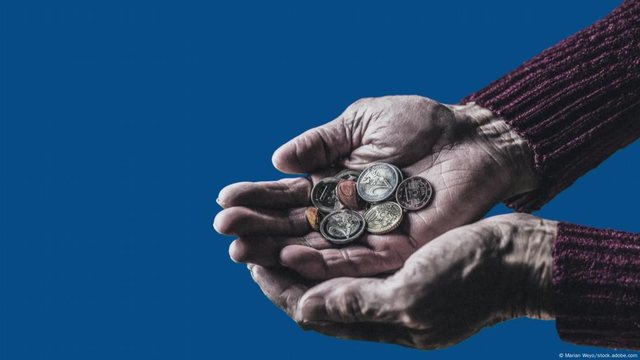
"I used to earn up to 10,000 marks a month. I lived in a house with 180 square meters of living space and had a nice life." - tells Uli. But soon the firms start to produce their parts more cheaply abroad and from the competition he went bankrupt and lost everything.
Who is self-employed is not obliged to pay contributions to the statutory pension fund in Germany. Pension insurance is private and voluntary. There are many people who happen to like Ulit, they do not pay at all or a very small amount for their pension and as a result in old age they end up in poverty.
In the case of Gisela Breuhaus it was neither self-employment nor accident. She studied business administration, but now lives in poverty because she took care of her father for eleven years.
"The father was always close to the family and did everything for the family. This was also the reason for me, why I felt it as self-evident, to take care of my parents and I never thought twice about such a thing." - she says.
Gisela's case is not the only one. One in five caregivers in Germany is at risk of ending up in poverty in old age. For women, the figure is one in four, because during the period when they take care of someone, they do not make any contribution to the pension fund, except for a small amount that is paid to them by the state.
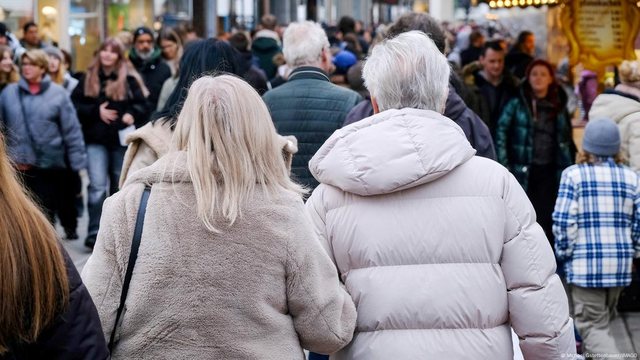
This causes their pensions to be low.
"They are not enough to live on, so often family and friends, who care for the elderly, live in old age in poverty." - says the 75-year-old who lives today in a social apartment in Bonn with two cats, her most loyal companions.
After fixed expenses, she has 600 euros left.
Both Gisela and Ulli are used to living with little. But they hope for change and want politicians to distribute the money more fairly.
"I hope that the policy will offer compensatory justice, so that those who have worked and created the basis of the economy in Germany can now rest. At the moment, I don't think that is really the case. On the contrary, the gap is getting bigger and bigger." ./ DW

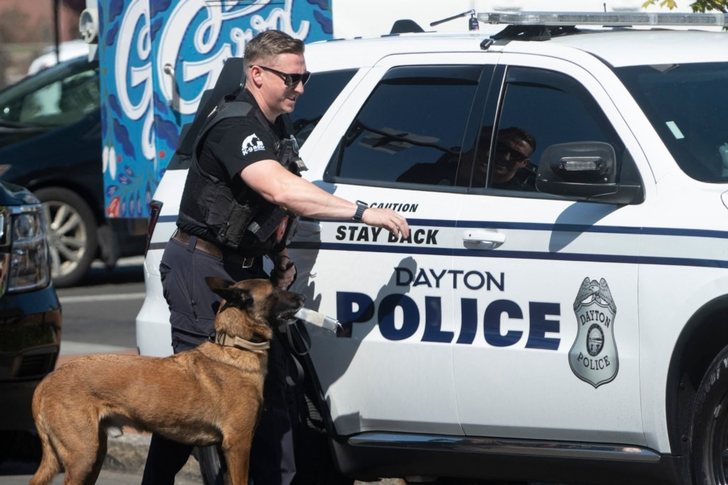
During the presidential election campaign, Republican cand...
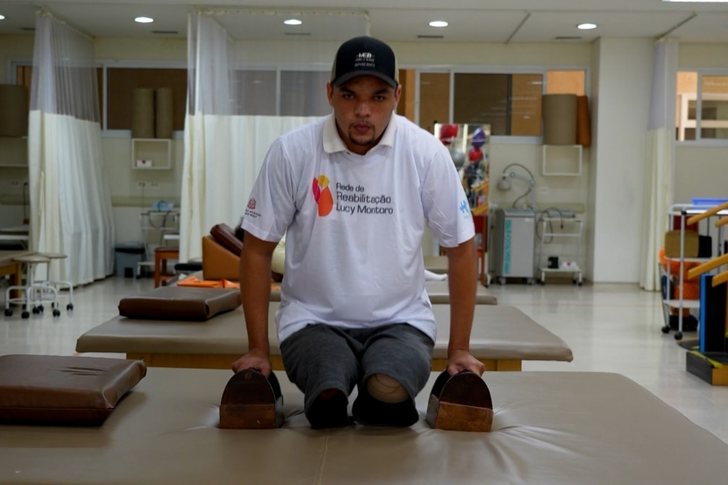
The first months of 2024 have been the deadliest for motor...
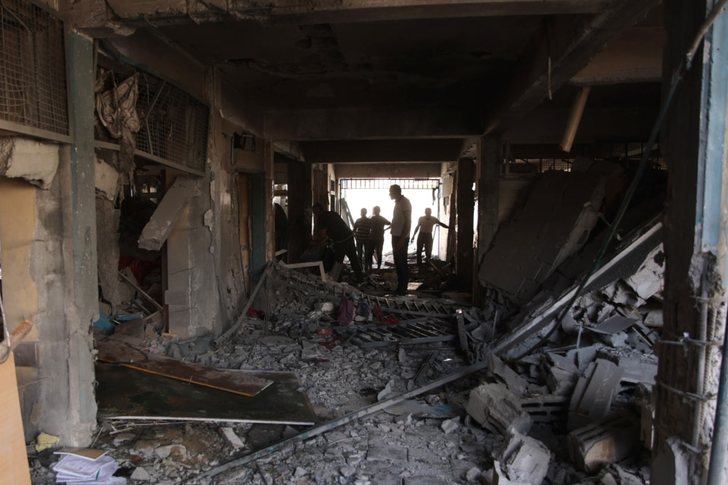
An Israeli attack on a school in northern Gaza killed at l...

The Secret Service says the opportunity for a lone gunman ...

Environmental activists blockaded France's main cruise shi...
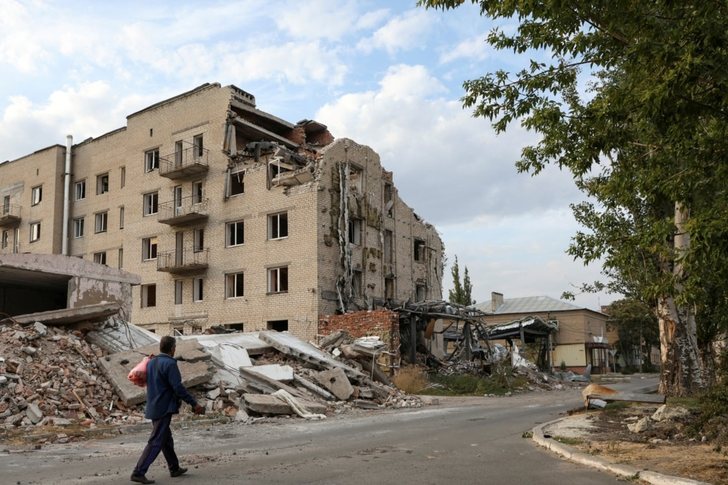
Three people lost their lives as a result of Russian attac...
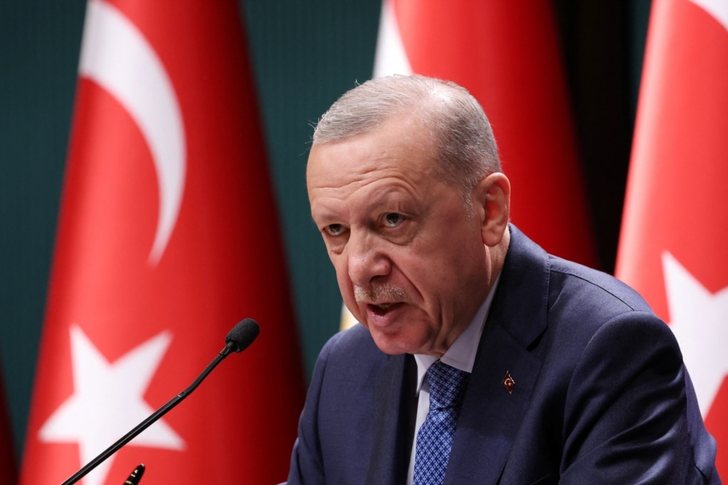
Attacks on Lebanon this week showed that the Israeli g...

Iran unveiled a new ballistic missile and an upgraded atta...
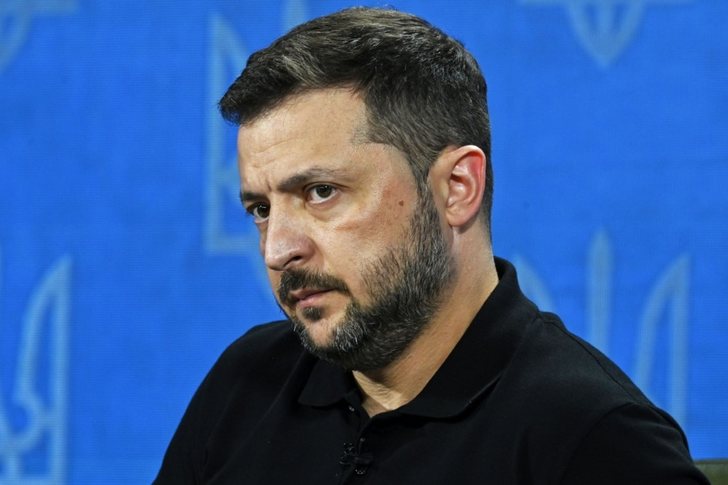
Ukrainian President Volodymyr Zelensky said the United...
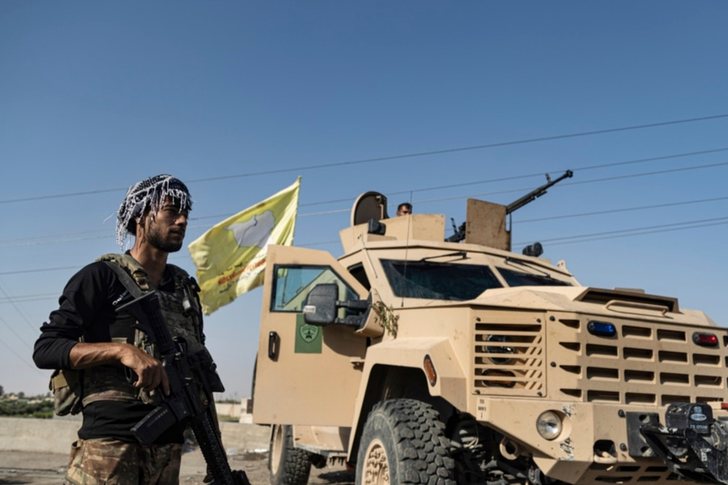
Fresh fighting broke out on Friday between the US-backed S...
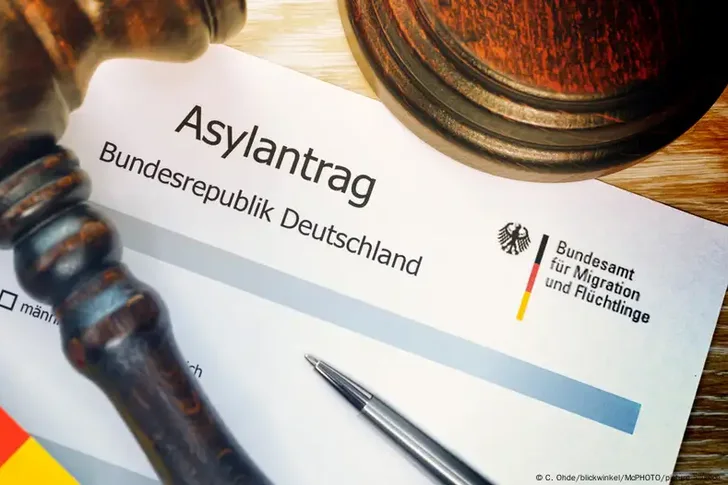
Today, more refugees live in Germany than ever before. Acc...
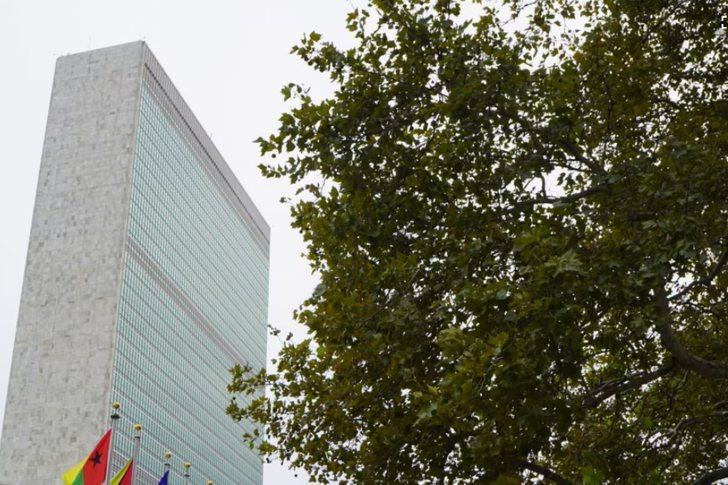
Leaders from around the world will attend the annual meeti...
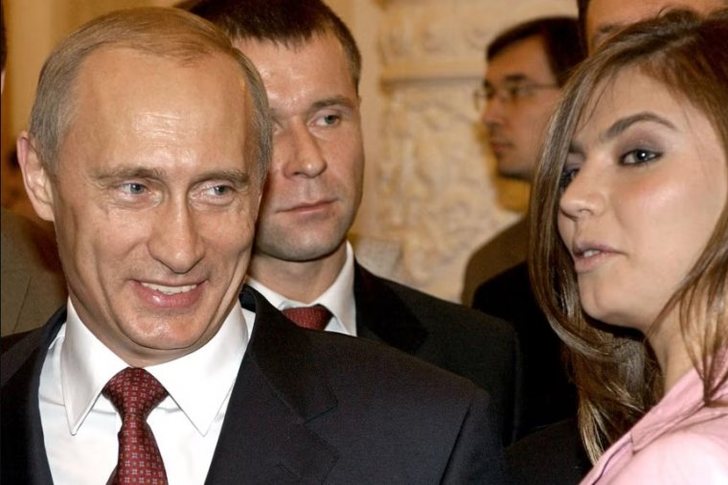
In June, Russia's Radio Free Europe Service reported that ...

Two Russians on Friday set a record for the longest no...
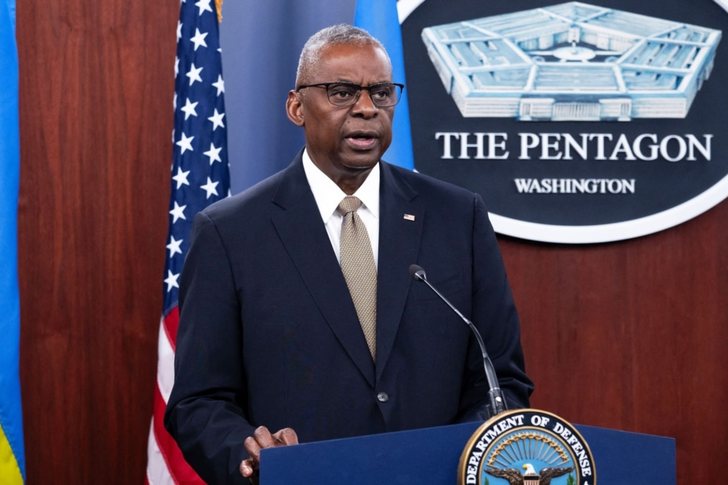
The American Secretary of Defense, Lloyd Austin, expressed...
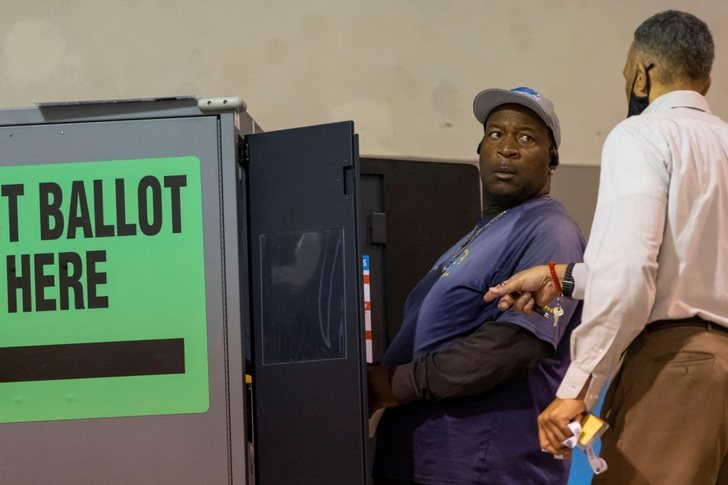
Georgia's Republican-controlled state election commission ...
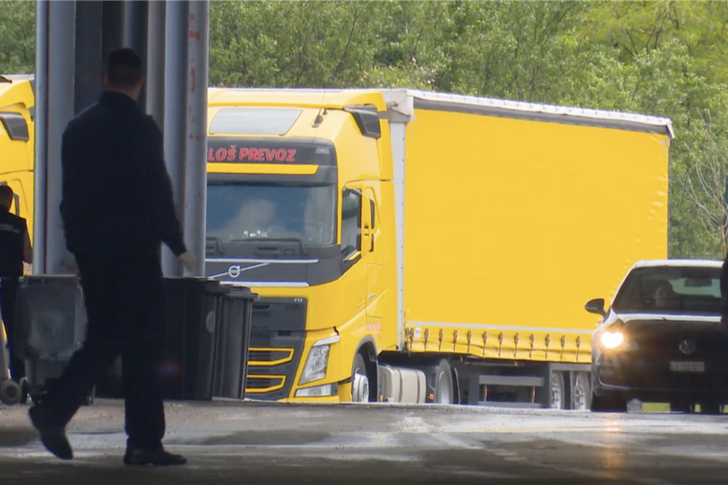
German diplomats committed to the Balkans and experts on E...

North Carolina Republican gubernatorial candidate Mark Rob...

A new poll shows that neither Kamala Harris nor Donald Tru...

The chairman of the Democratic Party, Sali Berisha, pr...

CNA has launched another investigation that could lead to ...

Irfan Hysenbelliu is a businessman that we call "Irfan the...

In March 2026, CNA launched another investigation centered...
The arrested mayor of Tirana, Erion Veliaj, with 13 charge...

The Special Board of Appeal (KPA) decided this Monday ...

The KPA vetting decided this Thursday to dismiss the p...

Suela Salavaçi, a prosecutor in the Prosecutor's Offic...

The Special Board of Appeal reinstated the prosecutor ...
Citizen MH, 61, a fisherman, was found dead near the islan...
Another phase of the international operation, codenamed "T...
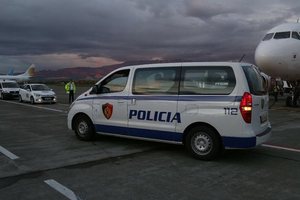
Police have arrested a 34-year-old woman at Rinas Airport ...

A serious accident has occurred on the Lezhë-Shëngjin axis...
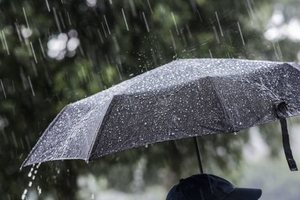
This Wednesday, our country will be under the influence of...

All of Southern Europe will face changing weather conditio...
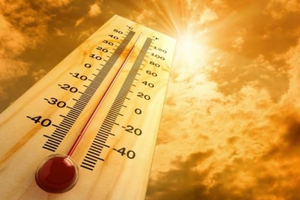
Albania was hit by temperatures significantly higher than ...

For the first time, Pogradec welcomed the Inter-Lake Chess...

Prime Minister Andy Burnham has announced that most bus fa...

France's parliament has passed a law to ban social media f...

US Secretary of State Marco Rubio arrived in Manila on Jul...
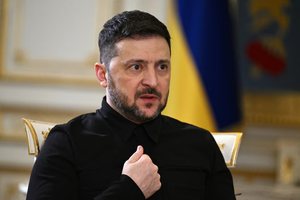
In the space of a few days, Ukrainian President Volodymyr ...

At a time when industrial products are increasingly taking...

Trust among people is not just a three-syllable word. It c...

Master of humor Todi Llupi has passed away at the age of 7...

The ninth edition of "MIK Festival" kicked off with one of...

Businesses will no longer be required to simply register t...

Despite economic growth and income in recent years, Albani...

This Wednesday, one US dollar is bought for 81.4 lek and s...

Construction company licenses will have a validity period ...