


Territorial Reform/ Berisha warns Rama: We will get Albania back on its feet
DP leader Sali Berisha has spoken about extending the dead...

DP leader Sali Berisha has spoken about extending the dead...

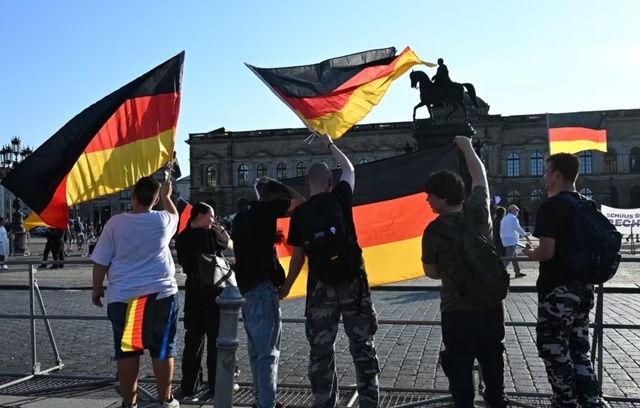
State elections are being held in Germany's Brandenburg on September 22, three weeks after a far-right party surge in two other states in eastern Germany.
About 2.1 million people are registered to vote for a new state parliament in Brandenburg, the state that includes the German capital, Berlin.
Sunday's election is being watched carefully for what it may reveal about Germany's political direction.
Recent polls show the Alternative for Germany (AfD) in a close race with the Social Democrats, the party that has governed Brandenburg continuously since German reunification in 1990.
The Social Democrats, the largest party in Chancellor Olaf Scholz's government, hope to retain control of their stronghold in the face of growing support for far-right and far-left parties. If the Social Democrats lose in Brandenburg, it would be seen as a bad sign for Scholz a year ahead of federal elections to be held on September 28, 2025. Scholz lives in Potsdam, the capital of Brandenburg, and German political observers believe that the political future of the chancellor will depend on the results of Sunday's vote in Brandenburg.
The fate of Brandenburg's governor, Dietmar Woidke, is also in jeopardy. He made it his goal for the Social Democrats to defeat the Alternative for Germany and vowed to resign if the AfD wins.
"If I lose to the AfD, I will leave," said Woidke.
Alternative for Germany won the most votes in the state of Thuringia and also did well in the Saxony election on September 1. A new party founded by a prominent left-wing figure also did well, while the parties in Scholz's national government scored very poorly.
It was the first time the far-right won an election in Germany since World War II, and it dealt a heavy blow to Scholz's centrist coalition. It also raised concerns in Germany and abroad about growing support for the far right in the European Union's largest country and NATO member.
The far-right party has gained support due to dissatisfaction with mass migration to Germany over the past decade. Germany's economy has begun to weaken, adding to the general sense of discontent.
Sunday's vote comes after a heated election campaign focused on issues of migration, homeland security and peace. Both the far right and the new left movement, the Sahra Wagenknecht Alliance, or BSW, want to stop arms shipments to Kiev as Ukraine tries to defend itself from a full Russian invasion.
Even if the Alternative for Germany wins in Brandenburg, it is unlikely to govern as other parties refuse to work with it./ Rel


A 4-year-old girl and her 6-year-old brother died as a res...
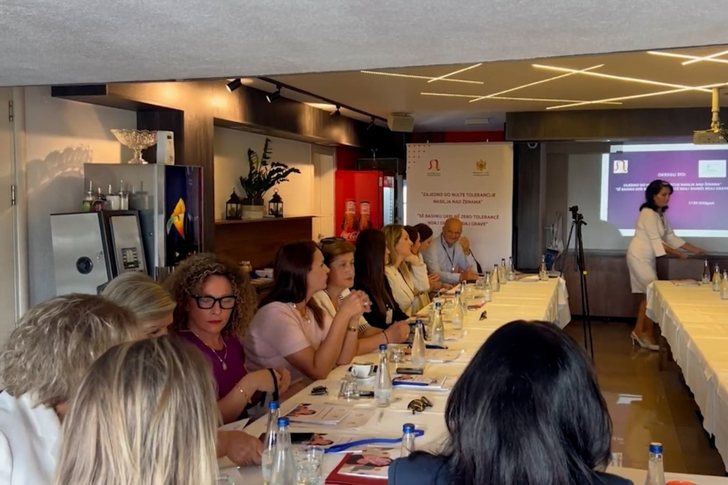
At the table with the theme "Together to zero tolerance to...

The Hispanic population in the United States relies on soc...

Inga, who doesn't want to give us her full name, is go...
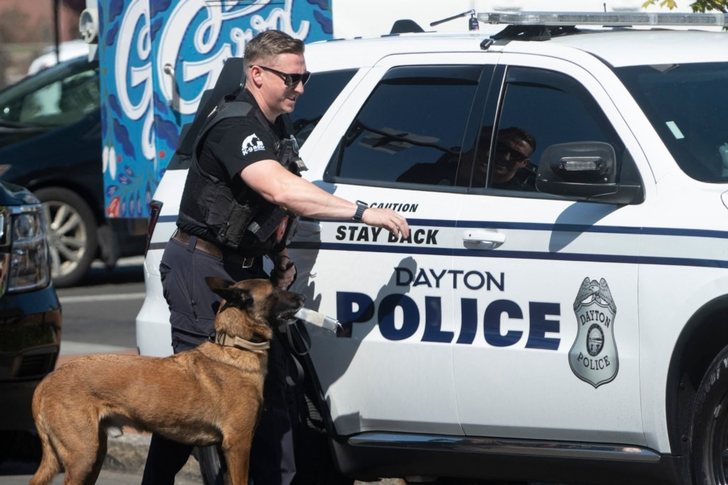
During the presidential election campaign, Republican cand...
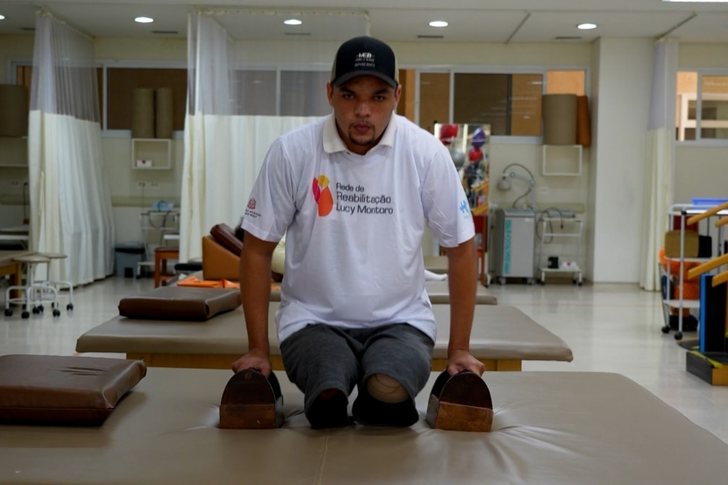
The first months of 2024 have been the deadliest for motor...
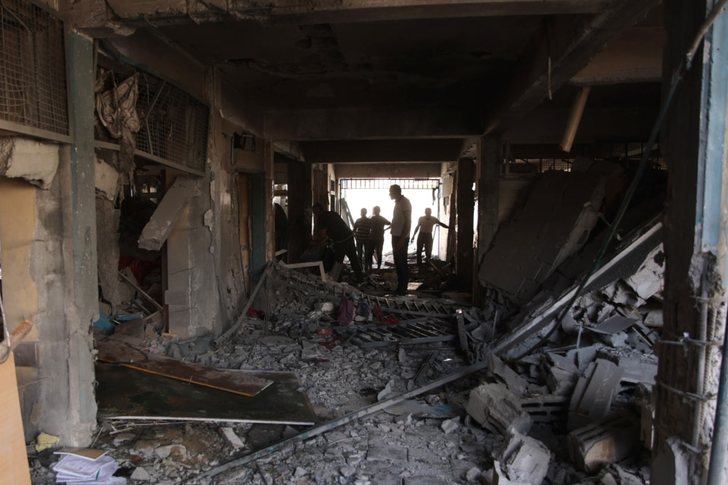
An Israeli attack on a school in northern Gaza killed at l...

The Secret Service says the opportunity for a lone gunman ...
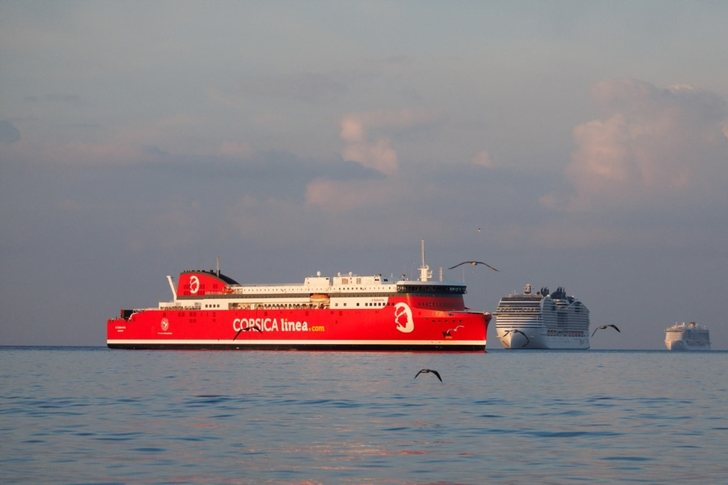
Environmental activists blockaded France's main cruise shi...
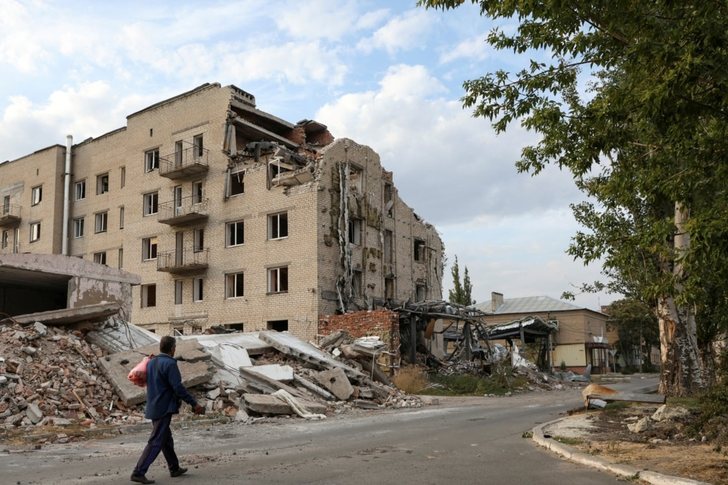
Three people lost their lives as a result of Russian attac...
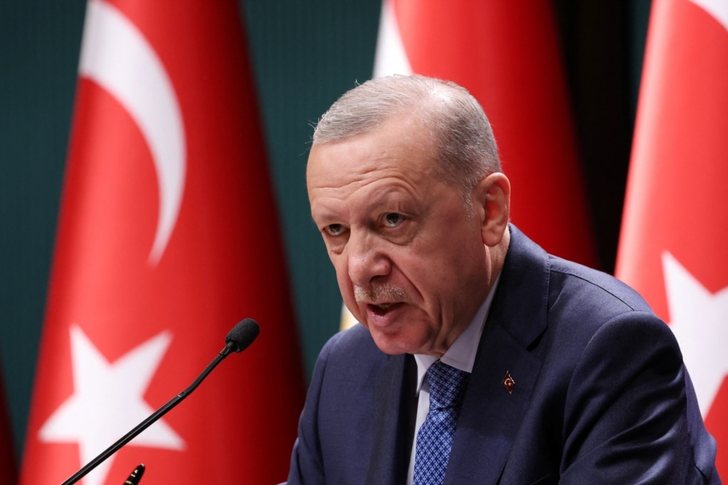
Attacks on Lebanon this week showed that the Israeli g...
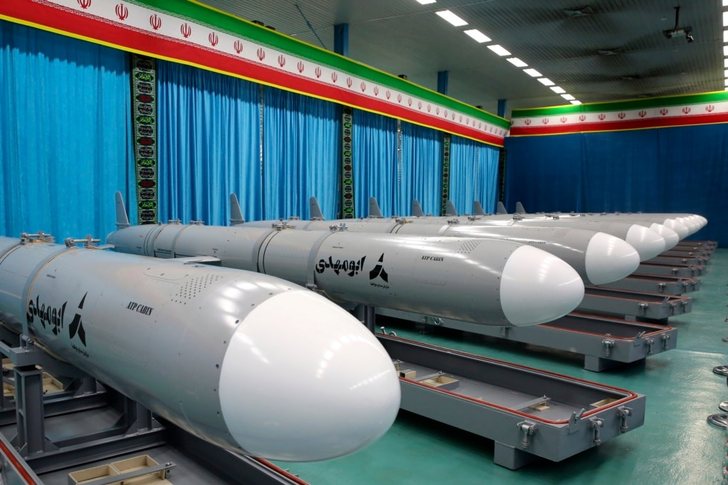
Iran unveiled a new ballistic missile and an upgraded atta...
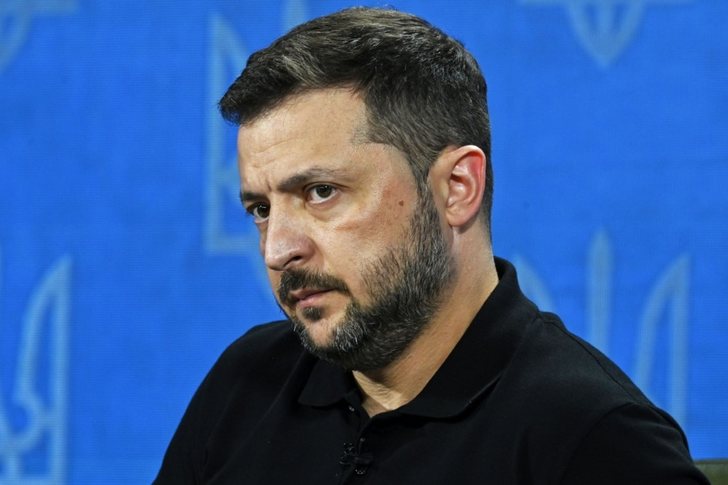
Ukrainian President Volodymyr Zelensky said the United...
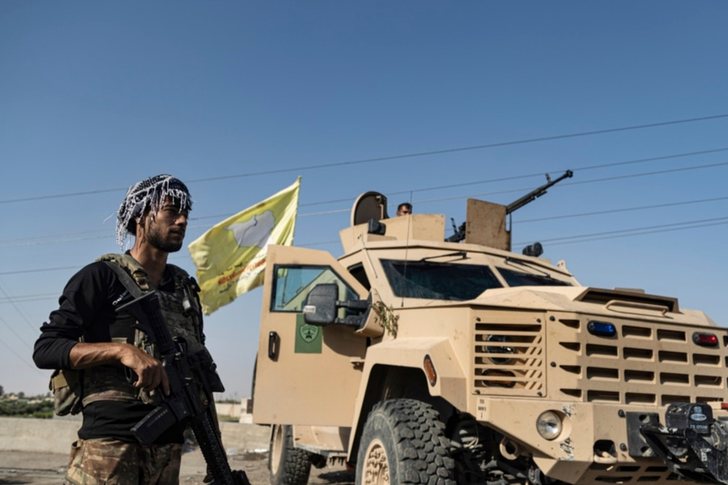
Fresh fighting broke out on Friday between the US-backed S...
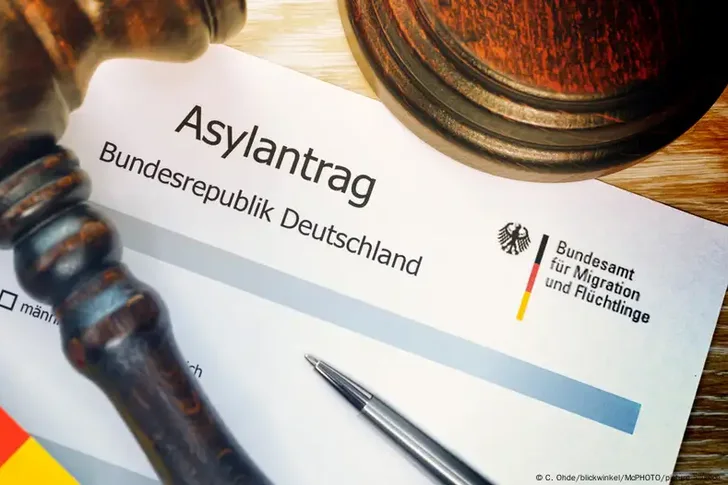
Today, more refugees live in Germany than ever before. Acc...
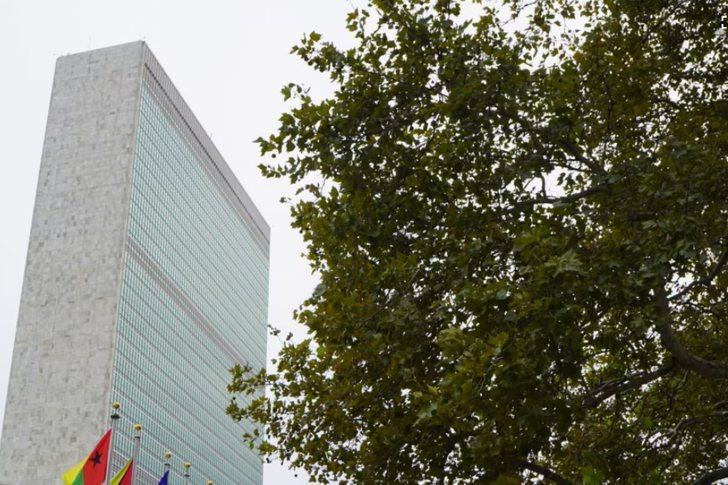
Leaders from around the world will attend the annual meeti...
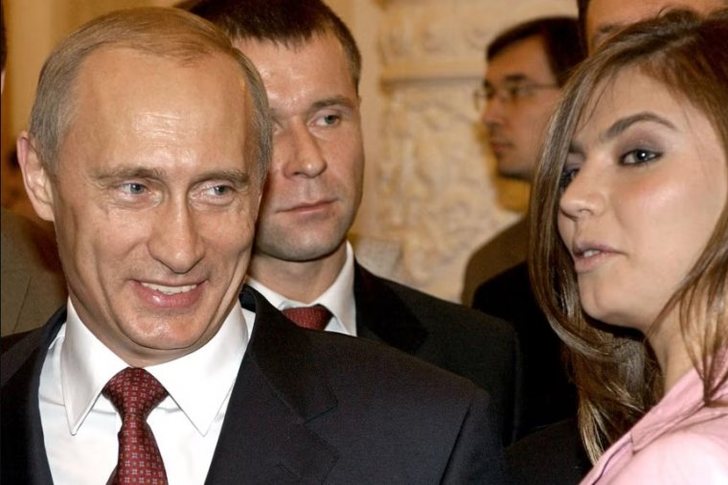
In June, Russia's Radio Free Europe Service reported that ...
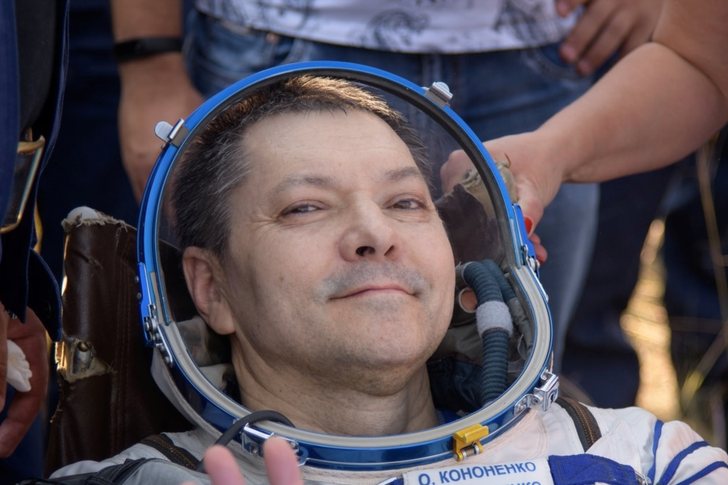
Two Russians on Friday set a record for the longest no...

The American Secretary of Defense, Lloyd Austin, expressed...
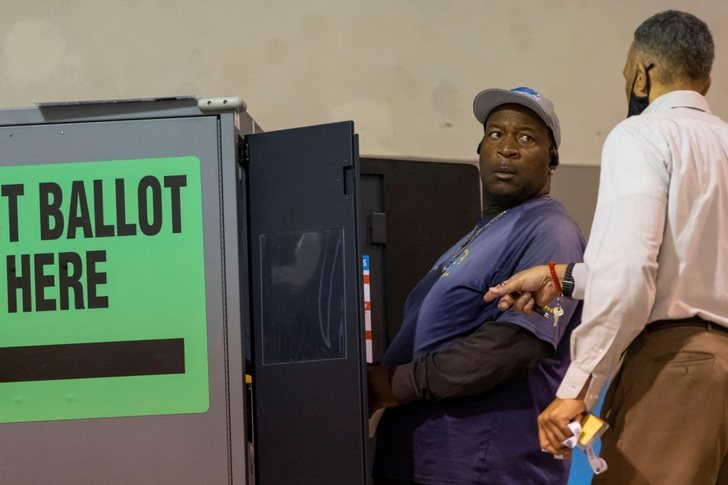
Georgia's Republican-controlled state election commission ...

CNA has launched another investigation that could lead to ...

Irfan Hysenbelliu is a businessman that we call "Irfan the...

In March 2026, CNA launched another investigation centered...
The arrested mayor of Tirana, Erion Veliaj, with 13 charge...

The Special Board of Appeal (KPA) decided this Monday ...

The KPA vetting decided this Thursday to dismiss the p...

Suela Salavaçi, a prosecutor in the Prosecutor's Offic...

The Special Board of Appeal reinstated the prosecutor ...
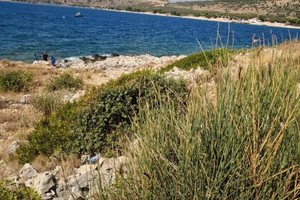
Citizen MH, 61, a fisherman, was found dead near the islan...

Another phase of the international operation, codenamed "T...

Police have arrested a 34-year-old woman at Rinas Airport ...

A serious accident has occurred on the Lezhë-Shëngjin axis...

This Wednesday, our country will be under the influence of...
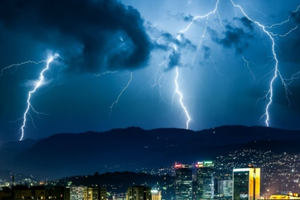
All of Southern Europe will face changing weather conditio...

Albania was hit by temperatures significantly higher than ...

For the first time, Pogradec welcomed the Inter-Lake Chess...

Prime Minister Andy Burnham has announced that most bus fa...

France's parliament has passed a law to ban social media f...

US Secretary of State Marco Rubio arrived in Manila on Jul...
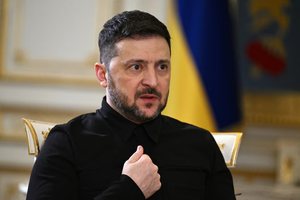
In the space of a few days, Ukrainian President Volodymyr ...

At a time when industrial products are increasingly taking...

Trust among people is not just a three-syllable word. It c...

Master of humor Todi Llupi has passed away at the age of 7...

The ninth edition of "MIK Festival" kicked off with one of...

Businesses will no longer be required to simply register t...

Despite economic growth and income in recent years, Albani...

This Wednesday, one US dollar is bought for 81.4 lek and s...

Construction company licenses will have a validity period ...