

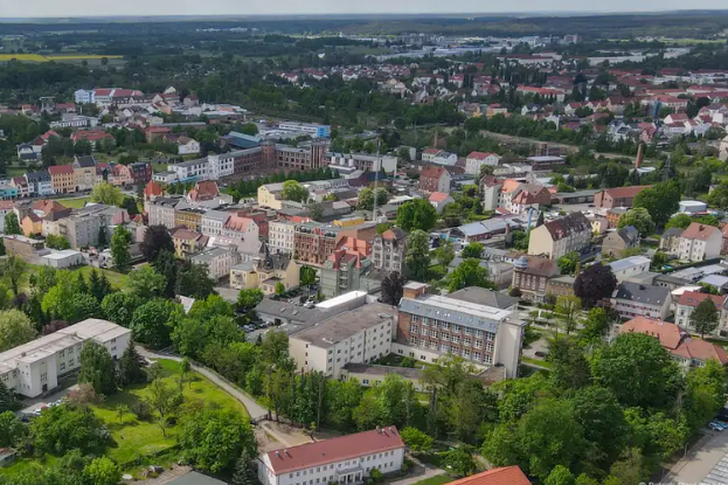
Almost free housing, the German east against depopulation
The population in eastern Germany is shrinking. Affordable...


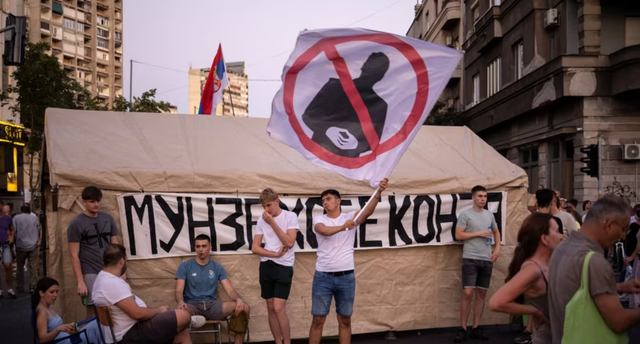
In Serbia, barricades have begun to be removed and traffic normalized, after thousands of anti-government protesters blocked roads in several Serbian cities in the early hours of June 30 and demanded the release of protesters who were detained by police, as the protests increase pressure on populist President Aleksandar Vu?i?.
Protesters, led by students, placed metal barricades and trash cans on the streets of Belgrade and blocked the Gazela Bridge, which is located over the Sava River.
News agencies reported that protesters in Novi Sad – where this wave of anti-government protests began eight months ago – surrounded the offices of Vu?i?'s Progressive Party of Serbia (SNS), pelting the building with eggs.
A website was created by student organizers announcing that barricades had been erected at 30 points in the Serbian capital, adding that similar actions were being carried out in at least 22 other Serbian cities.
The protests intensified after police officers began detaining participants in a mass rally held in Belgrade on June 28.
Vu?i? stated that law enforcement agencies are expected to make "many more arrests."
Anti-government crowds returned to the streets on the evening of June 29, demanding the release of dozens of people detained on the first night of the protest.
"They should release the detainees. It's ugly how the government treats young people. We want to live in a free state, as the students demand," Gordana Atalanc told Radio Free Europe.
"We are calling on the institutions to start doing their job. To arrest those who are truly responsible for the violence. Last night they beat people, they arrested anyone who came across them," Milan Antonijevic told Radio Free Europe.
A REL journalist reported that hundreds of people were blocking the main traffic junction in Autokomanda, in an action organized by residents of the Vozdovac municipality.
Sanja, a student at the Faculty of Law in Belgrade, told Radio Free Europe that she came out to protest again to "continue the fight for a state governed by law."
Prosecutors have stated that the detainees will be held for up to 48 hours, on suspicion of acts of violence and attacks on police in Belgrade during the massive protest organized by students, in which an estimated 140,000 people participated.
Interior Minister Ivica Dacic said on June 29 that police had detained 77 people, and at least 38 of them were still in custody.
In the past eight months, thousands of Serbs, often led by student groups, increasingly joined by other citizens, have protested against Vu?i? and his government.
The protests were sparked after 16 people died when a concrete shelter collapsed at the Novi Sad Railway Station on November 1, 2024.
Protesters said the tragedy was caused by corruption and incompetence by the authorities, and the protests quickly dispersed, reflecting broader anger at Vucic, whose five-year term is due to end in 2027.
Vu?i? has been president of Serbia since 2017 and previously served as prime minister for three years.
Parliamentary elections in Serbia are expected to be held at the end of next year.
Vu?i? and his government have denied the corruption allegations and have stated that they are investigating the tragedy in Novi Sad, where dozens of officials have been arrested as part of the investigation into the event.
Over the weekend, smaller groups of government supporters also protested in Belgrade.
Vucic, who is trying to balance ties with traditional ally Russia and the West - aiming for his country to become a member of the European Union - has accused "foreign powers" - without specifying who he is referring to - of instigating the recent protests.
"The state will be defended and the bandits will face justice," he told reporters after the first night of protests./ Rel

The population in eastern Germany is shrinking. Affordable...
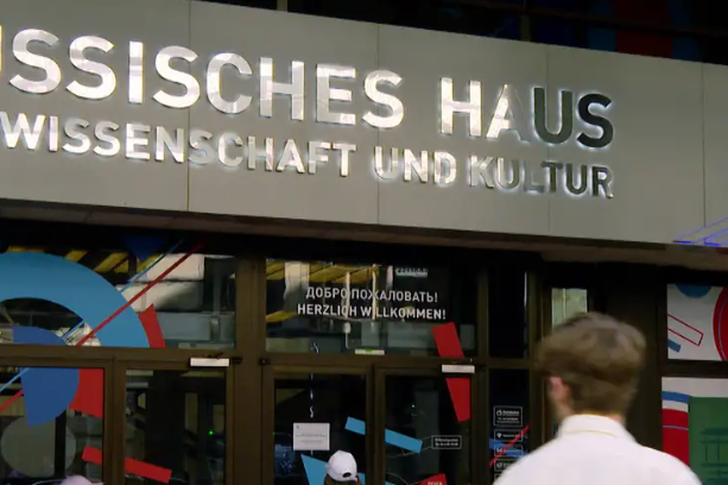
In the heart of Berlin, there is still a "Russian House." ...
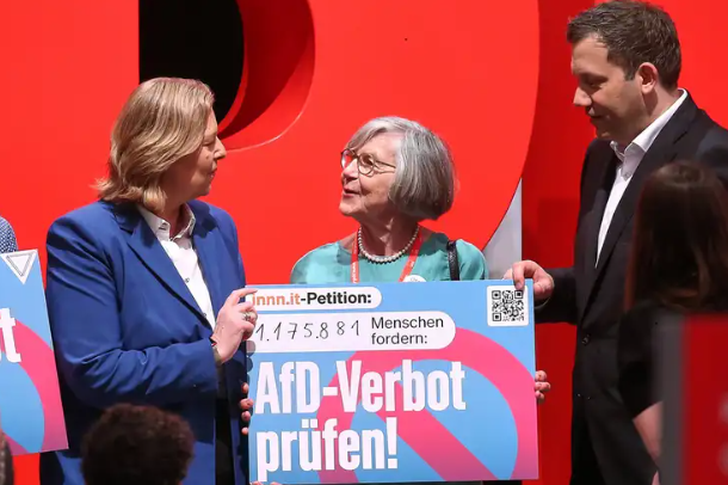
The German Social Democratic Party (SPD) congress also cal...
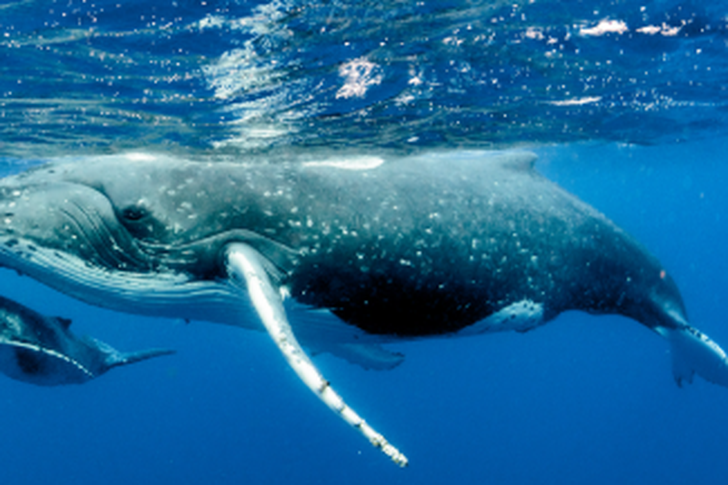
Two areas targeted for deep-sea mining in the Pacific Ocea...
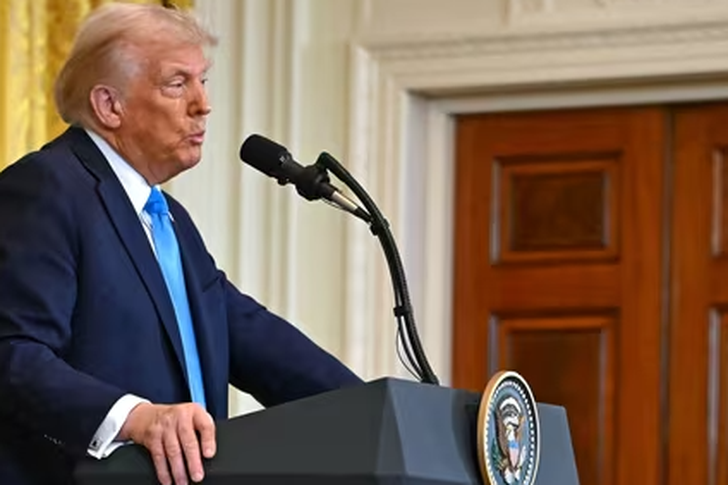
US President Donald Trump rejected accusations of hostile ...
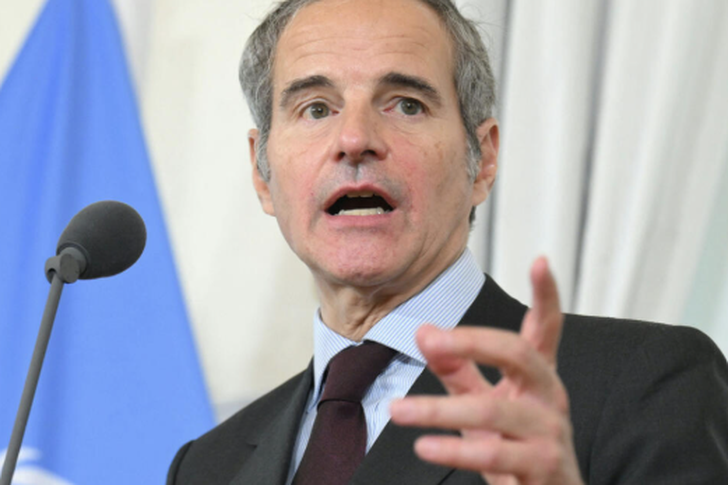
The head of the UN nuclear watchdog, the IAEA, Raphael Gro...
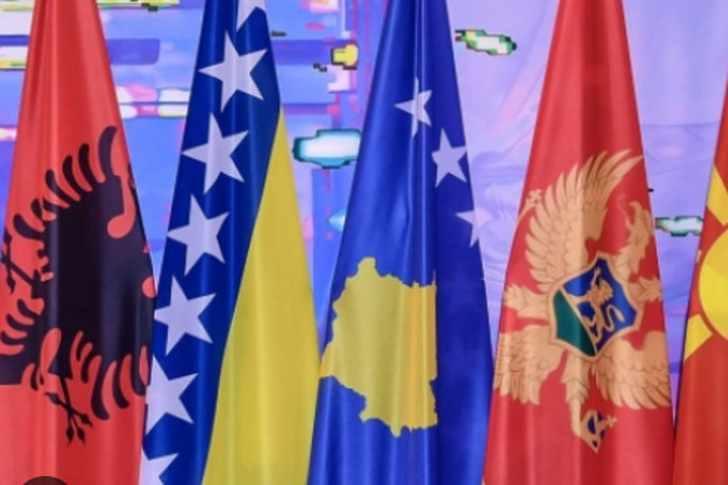
On Monday and Tuesday next week, Skopje will host a meetin...
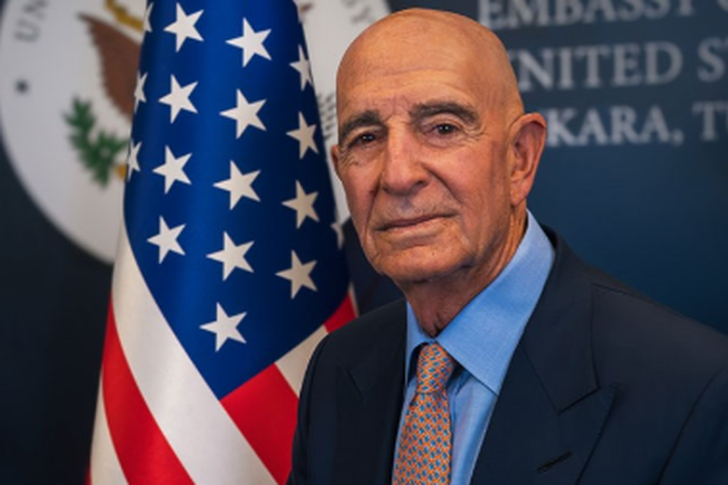
US Ambassador to the Republic of Turkey, Thomas Barrack, s...

Originally adopted by the Council of Europe thirty years a...
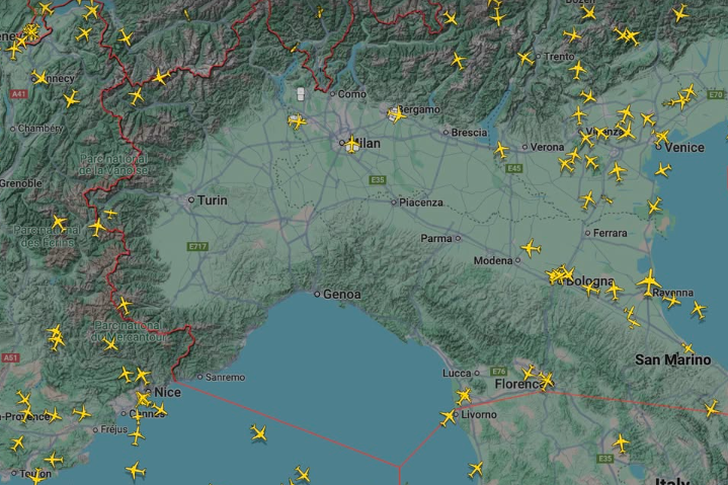
This weekend, 320 flights were canceled in northeastern It...
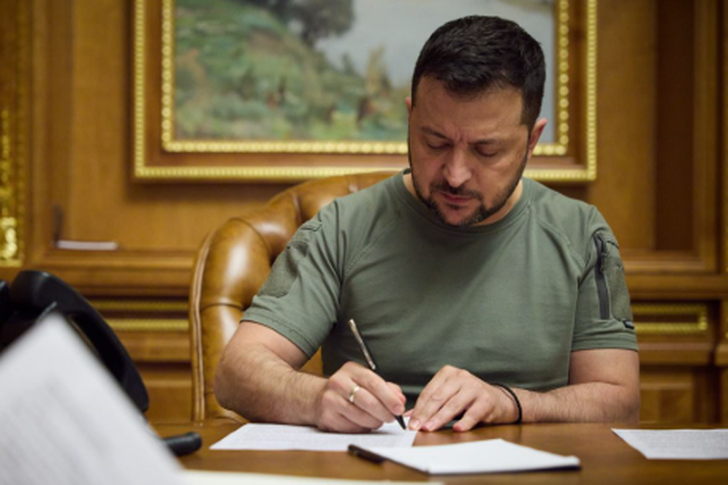
Ukrainian President Volodymyr Zelensky signed a decree on ...

US President Donald Trump called on Sunday for progress in...

Following massive protests in Serbia, President Aleksandar...
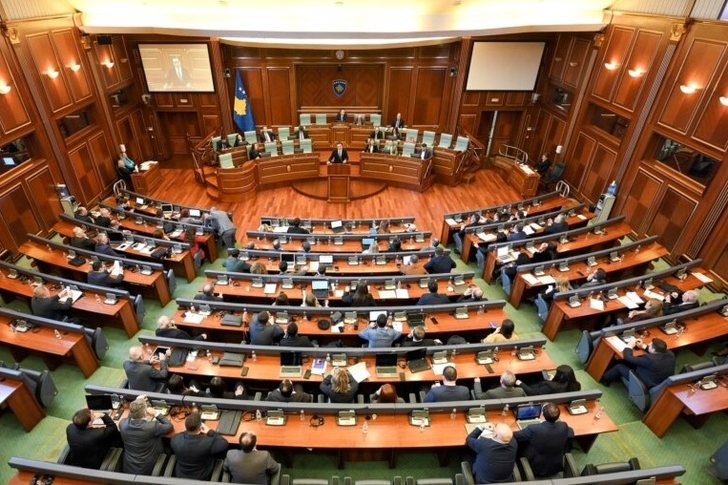
Kosovo MPs have not reached an agreement on the constituti...
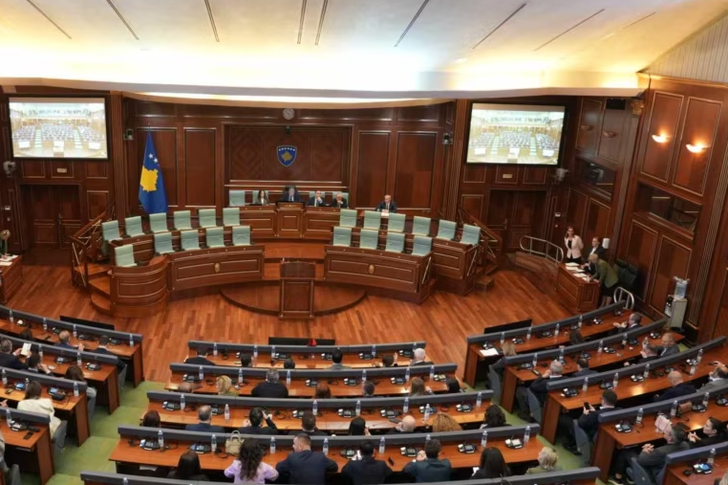
Members of the Kosovo Assembly will gather on Sunday in an...
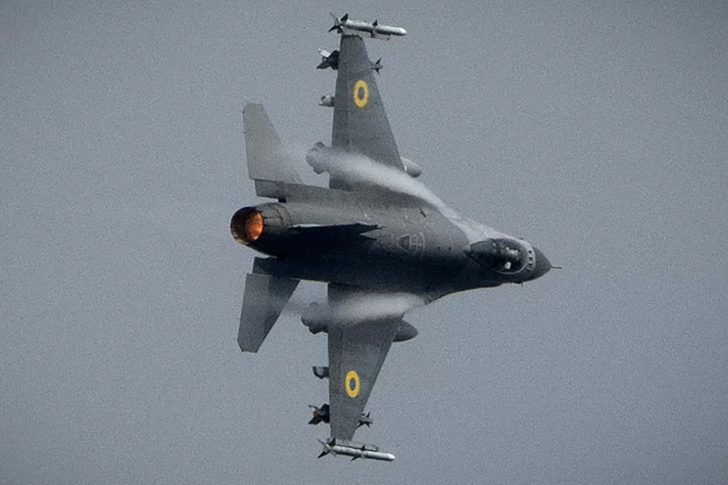
Russia has launched its largest air strike against Ukraine...
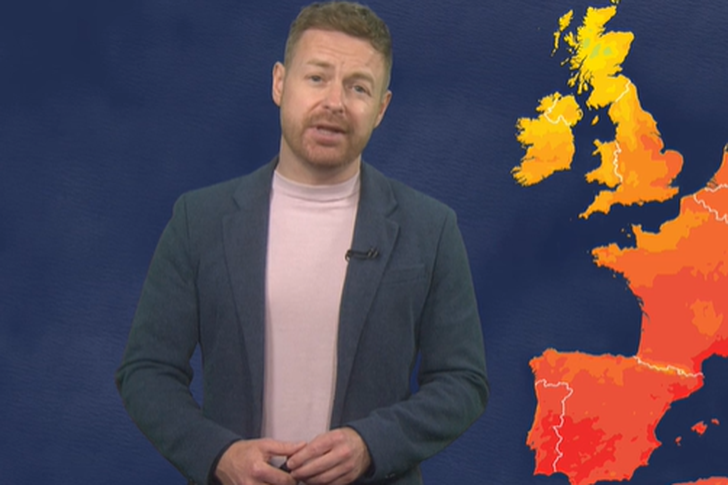
Health and fire warnings have been issued across southern ...
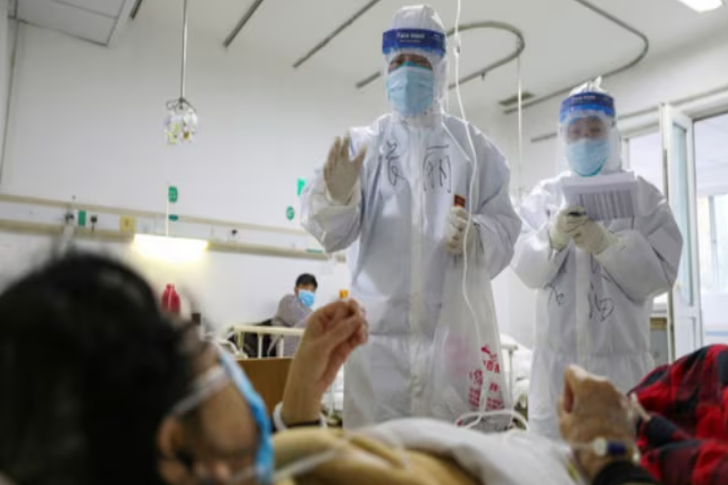
A group of experts tasked by the World Health Organization...
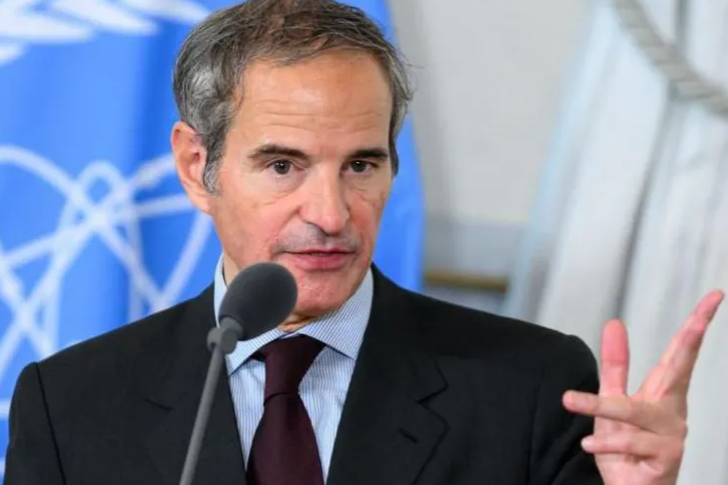
Iran has the capacity to begin enriching uranium again, fo...
Nuclear waste has been dumped into the Atlantic for decade...

CNA has launched another investigation that could lead to ...

Irfan Hysenbelliu is a businessman that we call "Irfan the...

In March 2026, CNA launched another investigation centered...
The arrested mayor of Tirana, Erion Veliaj, with 13 charge...

The Special Board of Appeal (KPA) decided this Monday ...

The KPA vetting decided this Thursday to dismiss the p...

Suela Salavaçi, a prosecutor in the Prosecutor's Offic...

The Special Board of Appeal reinstated the prosecutor ...
Footage emerges from the serious accident that occurred th...
A Shkodra traffic police officer was hit with hard objects...
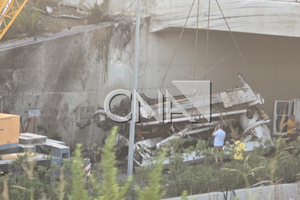
This Wednesday, around 4:00 PM, a serious accident occurre...
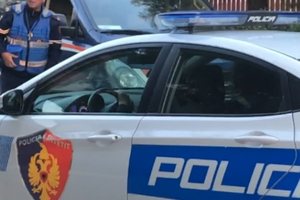
Tirana Police have shared details regarding the accident t...
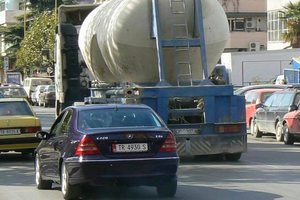
A serious accident that occurred this Wednesday with the c...

The Institute of Geosciences has shared a forecast for wea...
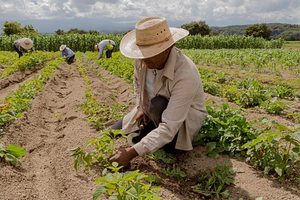
Rising energy and fertilizer prices are expected to contin...

Over 18,000 foreign citizens from 140 countries have appli...
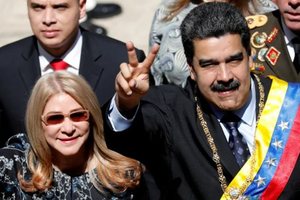
The trial of ousted Venezuelan President Nicolas Maduro on...
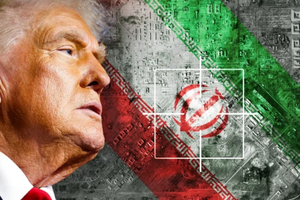
US President Donald Trump has issued another warning to Ir...

Prime Minister Andy Burnham has announced that most bus fa...

France's parliament has passed a law to ban social media f...

At a time when industrial products are increasingly taking...

Trust among people is not just a three-syllable word. It c...

Master of humor Todi Llupi has passed away at the age of 7...

The ninth edition of "MIK Festival" kicked off with one of...
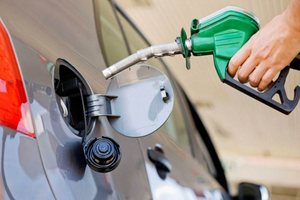
The price of diesel reached 206 lek per liter from 198 lek...

Businesses will no longer be required to simply register t...

Despite economic growth and income in recent years, Albani...

This Wednesday, one US dollar is bought for 81.4 lek and s...