


Plenary sessions resume with debates/ Rama present in Parliament, podium blocked
Plenary sessions have resumed, with Prime Minister Edi Ram...

Plenary sessions have resumed, with Prime Minister Edi Ram...

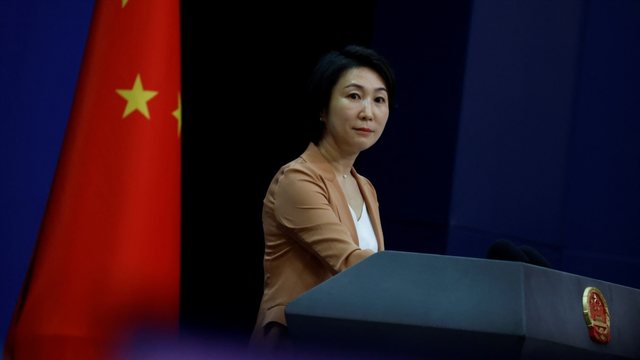
Changes to China's counter-espionage law, which take effect Saturday, could create even more challenges for foreign correspondents reporting from inside the country, journalists and analysts say.
Passed in April, these changes broaden the spectrum of what can be defined as espionage and prohibit the transfer of any information deemed to be related to national security.
Some foreign journalists based in China say they are anxiously waiting to see how these changes will affect their work. Press freedom analysts, on the other hand, predict that they will make it more difficult to secure information to report.
" Many of us are concerned about what these changes are and what they mean. It's a little hard to say right now, as it's not entirely clear what they are and how they will be implemented," a correspondent told VOA . foreigner reporting from Beijing. He asked not to be identified due to concerns for his safety.
" Any action to gather information is likely to be interpreted as a violation of this law ," the journalist added.
The revisions expand the definition of espionage to include access to "documents, data, materials, or objects related to national security and interests."
According to Cedric Alviani, representative of the organization Reporters Without Borders, "basically this means any kind of information".
The changes will also give authorities the ability to bar various people from leaving the country, regardless of their nationality, as well as sweeping powers to investigate anyone suspected of espionage.
In response to a VOA request for comment, the Chinese Embassy in Washington referred to a statement by Chinese Foreign Ministry spokeswoman Mao Ning, who said during a recent press conference that: "It is not necessary to make a connection between the anti-espionage law and the activity of foreign journalists".
" China always welcomes media outlets and journalists from all countries to conduct interviews and write articles in China, in accordance with laws and regulations, and we will provide facilitation and assistance to them," she added . " As long as one respects the laws and regulations, there is no need to worry ," she added.
According to many Chinese analysts, the defining characteristic of these legal changes is their ambiguity. But this is typical of China, they said, where government transparency has never been the norm.
" A state secret has always been a state secret ," the bureau chief of an American newspaper operating in Beijing told VOA. In China, "ambiguity as a weapon has been used for a long time."
He did not have his employer's authorization to speak to other journalists on the subject, due to its sensitivity, and therefore asked to remain anonymous.
Mr Alviani shares a similar view, saying the vague changes turn the law into "a regulation that includes every possible option that can be used as a justification to detain and imprison any person for any reason".
However, James Zimmerman, a partner in the Beijing office of law firm Perkins Coie, a firm that advises foreign companies, does not think the legal changes will have a major impact on press freedom in China.
" The environment continues to be challenging for journalists with or without those changes ," Mr. Zimmerman told VOA. He added that the changes will be used more to encourage self-censorship.
But that does little to assuage the concerns of foreign journalists in China.
" The fact that they felt compelled to make these changes clear and put them into law is definitely troubling ," says the Beijing correspondent. " And it makes us all wonder what's going to happen next. " after ".
For Mr. Zimmerman, who previously served as chairman of the American Chamber of Commerce in China, the revisions reflect that Beijing perceives any challenge to the government's official line as a threat to its legitimacy.
At the same time, he said, Beijing still wants foreign media to write about China's "success stories."
" What the propaganda machine doesn't understand is that scaremongering is counterproductive to the ultimate goal of promoting good things in China and only creates a new flow of events. This is usually negative," Mr. Zimmerman said .
China's press freedom environment is poor, ranking 179 out of 180 countries.
Foreign correspondents often face intimidation, surveillance and difficulty finding sources willing to talk to them.
It can also be difficult to find foreign correspondents based in China to talk to. Several foreign journalists in China told VOA they did not want to comment on the counter-espionage law, even anonymously, because the subject is too sensitive.
Yaqiu Wang, an expert on China at the Human Rights Watch organization, said that Chinese journalists, translators or other people who help foreign media are even more at risk.
" They are usually in the most precarious situation ," she said. " We must not forget them ".
The fact that China is one of the countries that jails more journalists than any other country in the world, most of them Chinese, underscores the dangers, she says.
Journalists who spoke to VOA said they are unsure how the legal revisions will affect them personally and whether they will affect the way they report. For some, this uncertainty has given way to fear and anxiety.
" Working with the uncertainty of whether what you're doing could be interpreted as espionage is very harrowing, adding to the many others we've faced so far ," said the US newspaper's bureau chief.
While the foreign correspondent from Beijing, who also refused to be identified, says that everyone feels threatened in some way, but at the moment it is more that feeling: "we wait and see what happens"./ VOA

Former President Donald Trump said he may not attend t...
The leaders of the member states of the European Union cal...
Turkey condemned the public burning of a copy of the Koran...
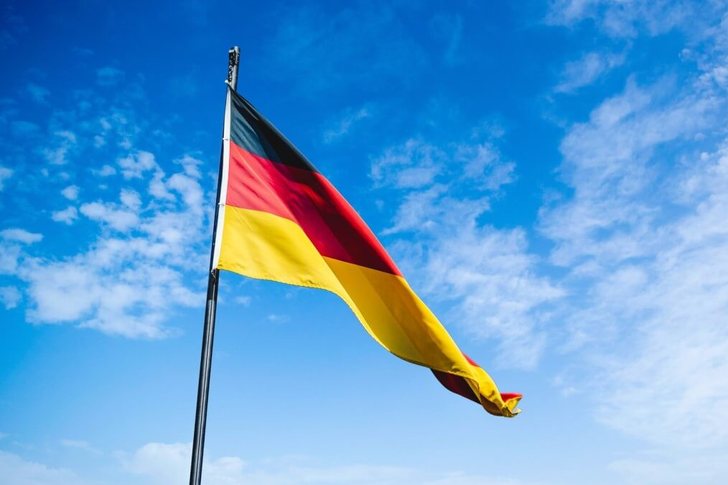
Germany has been critical of the Kosovo government's d...
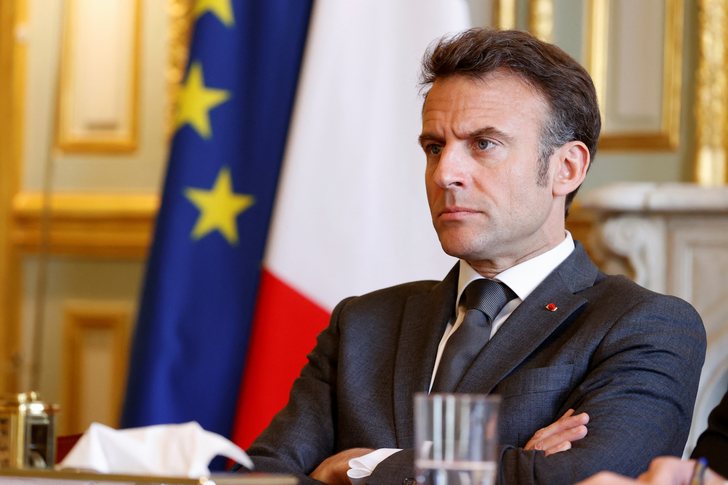
In a press release, French President Emmanuel Macron urged...
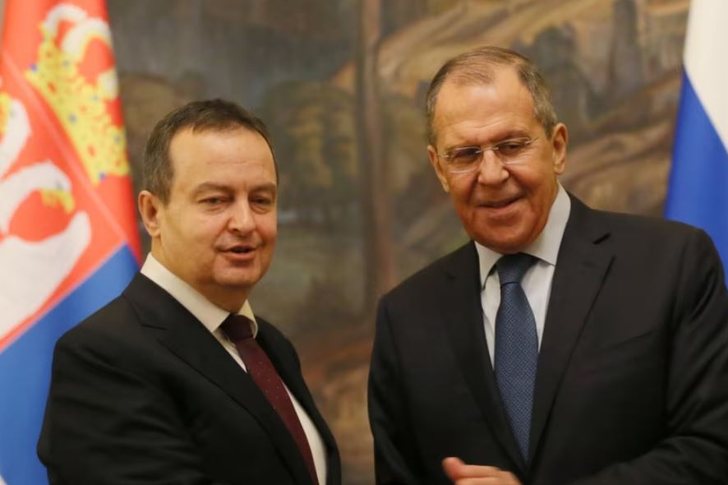
Moscow and Belgrade are coordinating the visit to Russia o...
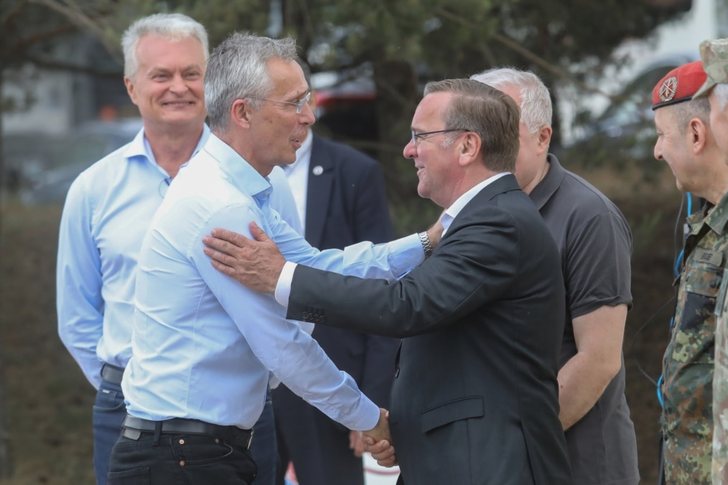
The fallout from the failed rebellion of Wagner boss Yevge...
The decision of the Government of Kosovo to declare the "C...
The bus terminal in Aubervilliers has been targeted by pro...
An earthquake with a magnitude of 4 on the Richter scale h...
French President Emmanuel Macron will hold an emergency go...
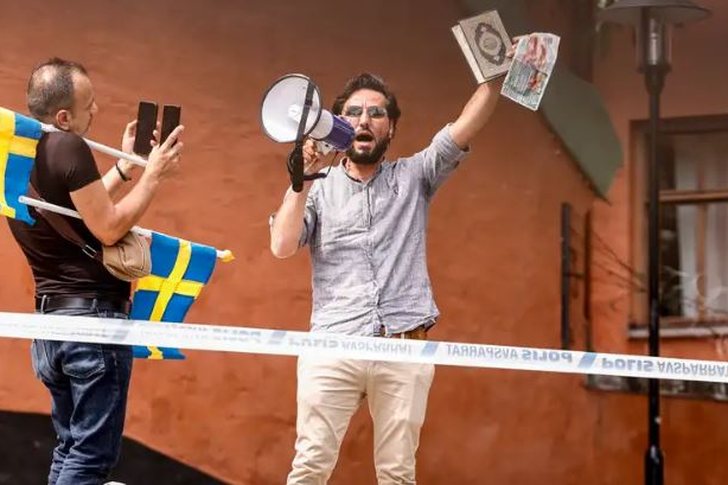
A number of Islamic countries have criticized the burning ...

The European Commission announces plans regarding the intr...
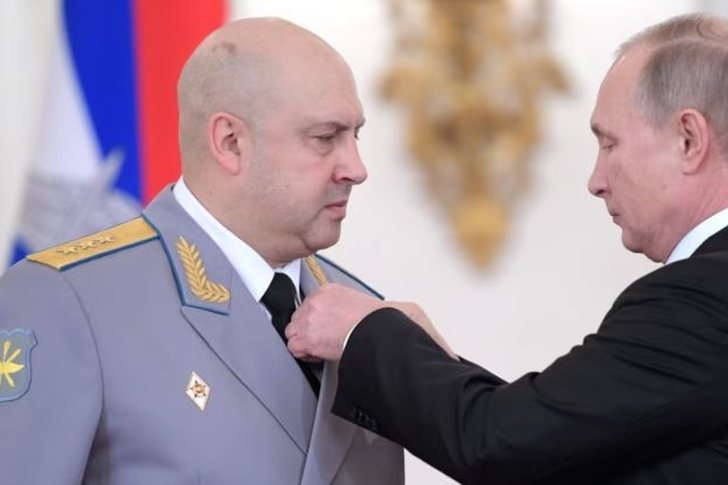
Russian army general Sergei Surovikin is among the top gen...
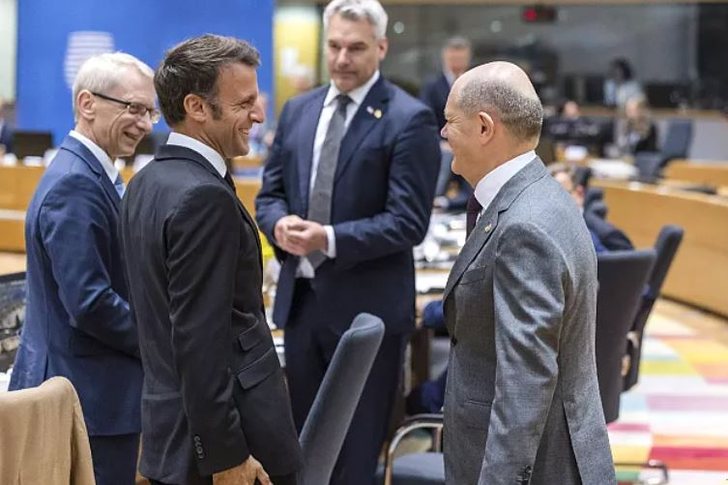
European Union leaders decided in the early hours of Frida...
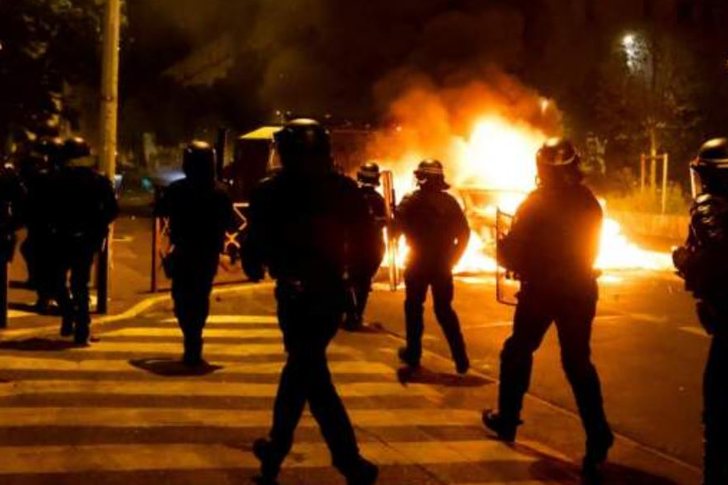
More than 600 people have been arrested as clashes between...

The American State Department told Radio Free Europe that ...
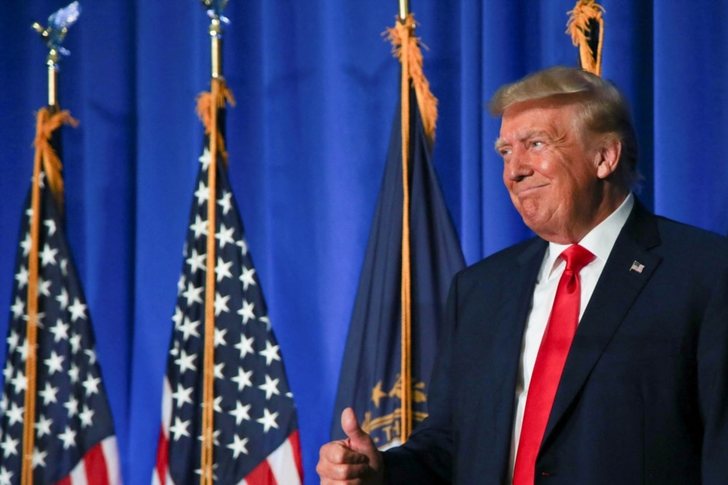
The federal criminal indictment against former President D...
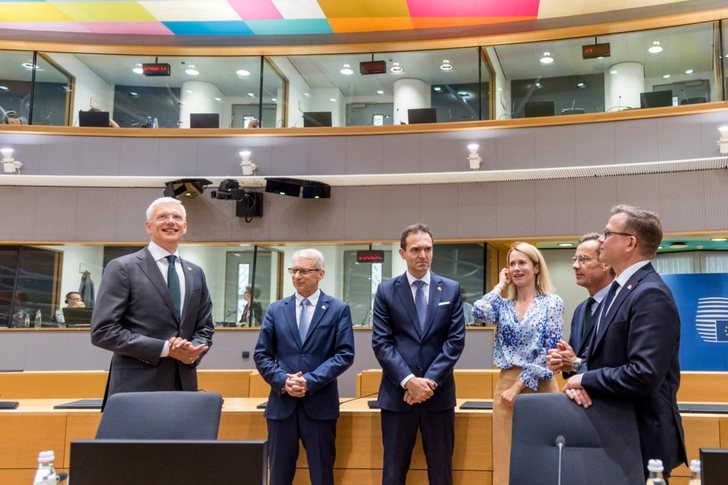
European Union leaders gathered on Thursday in a high-leve...
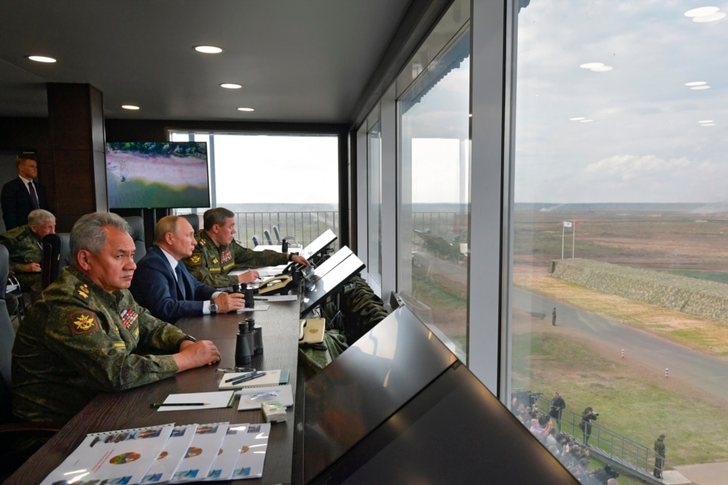
Russia's top generals have not been seen in public since t...

CNA has launched another investigation that could lead to ...

Irfan Hysenbelliu is a businessman that we call "Irfan the...

In March 2026, CNA launched another investigation centered...
The arrested mayor of Tirana, Erion Veliaj, with 13 charge...

The Special Board of Appeal (KPA) decided this Monday ...

The KPA vetting decided this Thursday to dismiss the p...

Suela Salavaçi, a prosecutor in the Prosecutor's Offic...

The Special Board of Appeal reinstated the prosecutor ...
A person has died today on Orikum beach. According to repo...

Footage emerges from the serious accident that occurred th...

A Shkodra traffic police officer was hit with hard objects...
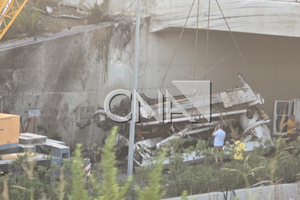
This Wednesday, around 4:00 PM, a serious accident occurre...

Children without parental care, for whom alternative famil...

On Thursday, our country will be under the influence of st...
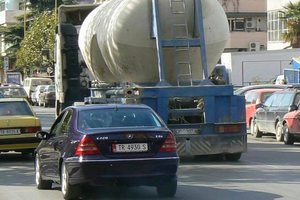
A serious accident that occurred this Wednesday with the c...

The Institute of Geosciences has shared a forecast for wea...

Artificial intelligence (AI) models from the American comp...
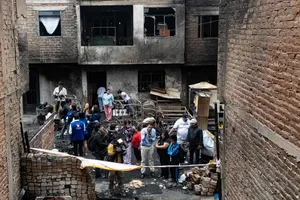
At least 10 people have died after a fire broke out in a h...
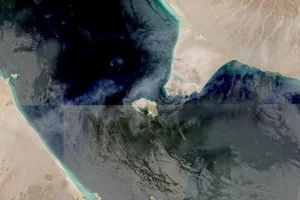
Yemen's Houthis have claimed to have attacked two Saudi oi...
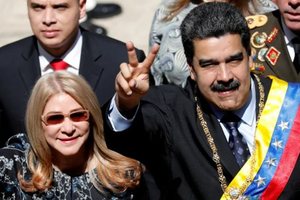
The trial of ousted Venezuelan President Nicolas Maduro on...

At a time when industrial products are increasingly taking...

Trust among people is not just a three-syllable word. It c...

Master of humor Todi Llupi has passed away at the age of 7...

The ninth edition of "MIK Festival" kicked off with one of...
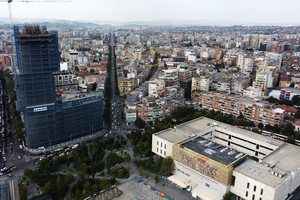
The average sale price of apartments in Tirana reaches rec...

This Thursday, one US dollar is bought for 81.5 lek and so...

The price of diesel reached 206 lek per liter from 198 lek...

Businesses will no longer be required to simply register t...