


Sentenced to 24 years in prison for murder/ 60-year-old arrested in England
Another phase of the international operation, codenamed "T...

Another phase of the international operation, codenamed "T...

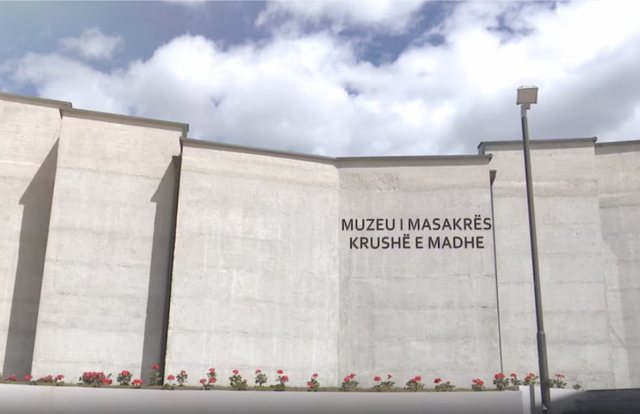
A bag that once belonged to Valon Hoti, a 16-year-old from the village of Krushë e Madhe in the west of Kosovo, is today part of the museum dedicated to the massacre in this village. Valoni dreamed of becoming a doctor, but his dream remained unfulfilled since on March 25, 1999, he and about 250 other people were killed by Serbian forces. The museum is full of artifacts and stories that recall the events of that day.
"Here we have somewhere over 60 artifacts, a few more have been collected, but not all of them are exposed because there is very sensitive material. There are also screens that present the interviews, 202 interviews taken from the villagers by the professors. The interviews are also translated into English and Serbian and everyone has the opportunity to listen to them, three large televisions continuously broadcast these testimonies", says Irfon Ramadani, who works as a cameraman in this museum.
Twenty-five years ago, while NATO was conducting an aerial bombing campaign against Serbian forces, it was used by Serbian forces on the ground for retaliatory attacks against Albanians.
The Krusha e Madhe massacre is one of the worst according to humanitarian activists. The survivor of the massacre, Milazim Duraku, tells the Voice of America about her memories.
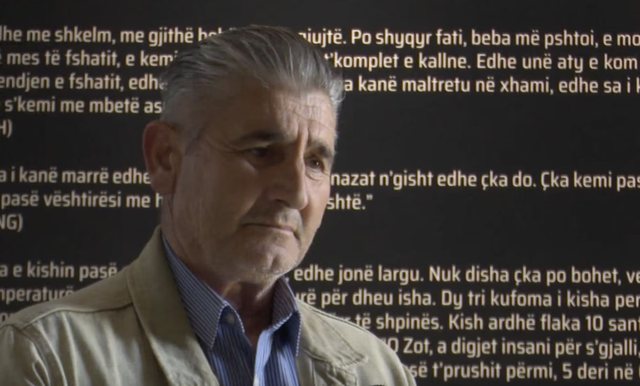
"In those two days, we saw murders, rapes, running, escapes, killings, everything we saw and those are memories that will never be forgotten, never be forgotten," says Milazimi.
He says that Serbian forces entered his house and killed his brother Nuhi and took his other brother, Ali.
Milazim had managed to hide on the half-burnt roof of the house, taking the brothers' seven sons with him.
"We didn't dare to leave the ceiling and the children got tired when they went two days without drinking water or eating. It was the same for three days, the fourth day - they started and closed their eyes. The youngest was 14 years old, he only looked into my eyes when I told him to go out, he looked into my eyes.. and I decided and said, 'Get out, let's go, I'm alive, I'm dead, let's go,' Milazimi confesses.
His primary purpose was to feed the children.
"When I went to a house we found bread, the women had cooked a loaf and left it wrapped. But when I took the bread and gave it to the children, they could not eat. I took a bucket, I couldn't see it in the dark, it had been burned and I filled it with water, the children drank water in it, you got a little spirit," he says.
Milazimi says that amid many difficulties he managed to join the rest of the family, his parents, his wife and his brothers' wives, and together they fled to Albania.
He returned to his village after the entry of NATO troops into Kosovo. He immediately started looking for the brothers' bodies and found one of them near the house.
"We see here on the shore immediately a towel and a wristwatch hanging, this is my brother's watch, I said. The one who buried him is from Pirana - a KLA soldier, he knew his brother because they worked together in the cooperative. He buried it and left the watch for us to see when we return", he confesses.
But, 25 years later, Milazim still knows nothing about the fate of his other brother, Ali, who is among the more than 60 people still missing from this massacre.
"This is the most difficult.. his sons fled through France, Germany and Austria, the daughters as well, the house was emptied. My sister-in-law always asks me if there is anything new, she stays with the girls, I say no sister-in-law, there is nothing, but she always has hope. Until a few years ago, he came here on the anniversary of his other brother's grave, to vent his anger on his brother-in-law together with his daughters. they have been missing a lot", says Milazimi.
Their photographs are part of the museum of the massacre in Kruše e Madhe, which on the day of the inauguration was praised by the American ambassador, Jeff Hovenier, as an essential part of transitional justice which aims to deal with the past and build the foundations for a future of healing and reconciliation.
He said that NATO intervened 25 years ago to end the ethnic cleansing war in Kosovo precisely because of events like the one in Krushë e Madhe.
Kosovo came out of the war with over 10,000 killed and over 5,000 missing. 25 years after it, nothing is still known about the fate of over 1,600 people./ VOA


The European Union (EU) has reiterated on Friday that the ...

The network was discovered by Czech secret service inv...
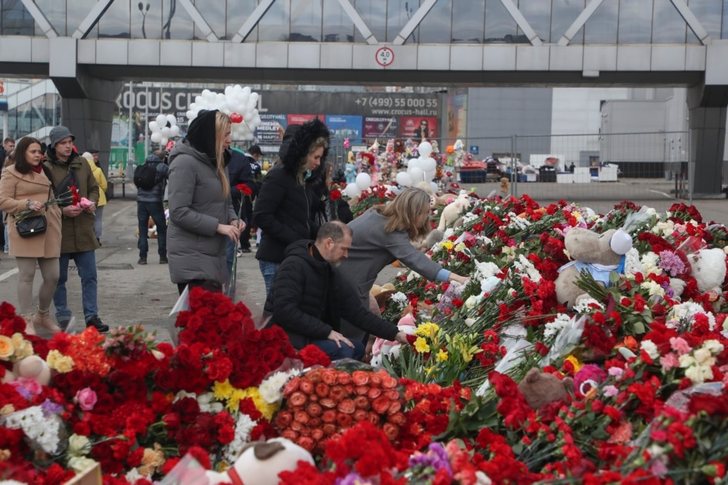
Authorities in Tajikistan have arrested nine people this w...

Barack Obama, Bill Clinton and prominent figures on the sc...
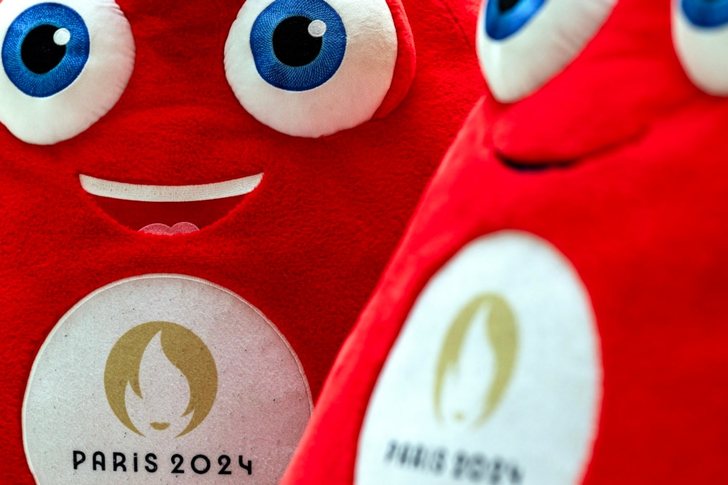
France said on Friday it had asked 46 countries if they co...

Americans are more worried about the possibility of legal ...
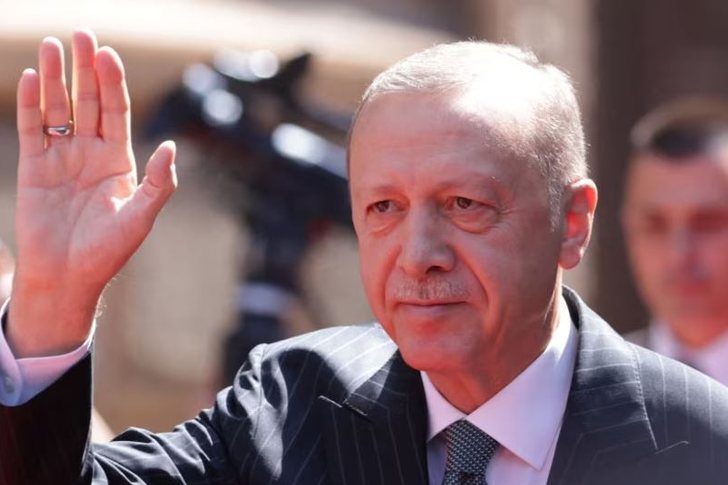
Presidenti i Turqisë, Recep Tayyip Erdogan, do të vizitojë...

Në kuadër të rotacionit të madh në postet diplomatike ...
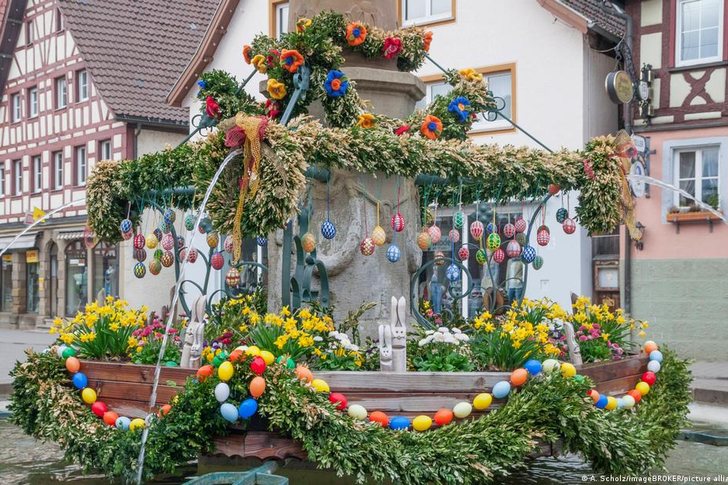
Since February, shops in Germany are filled with chocolate...

Një tërmet me magnitudë 5.9 i shkallës Rihter ka godit...

Former US Senator Joe Lieberman, who was very close to the...

New York - Former President Donald Trump on Wednesday crit...
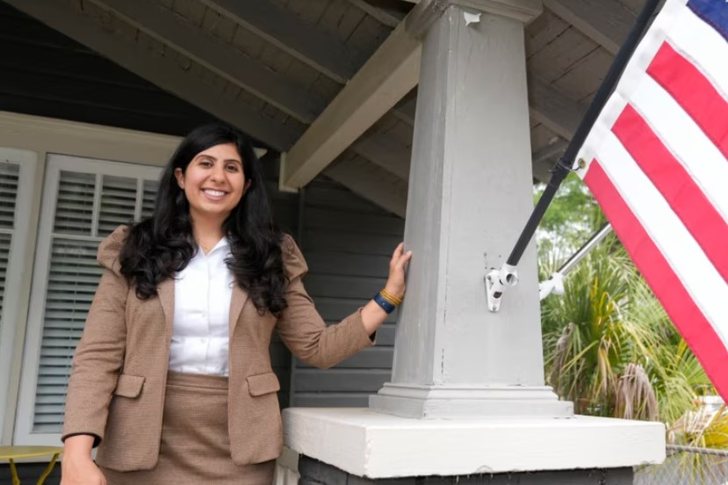
For the first time in 27 years, the United States governme...

Russia has been pushing for a United Nations Security Coun...
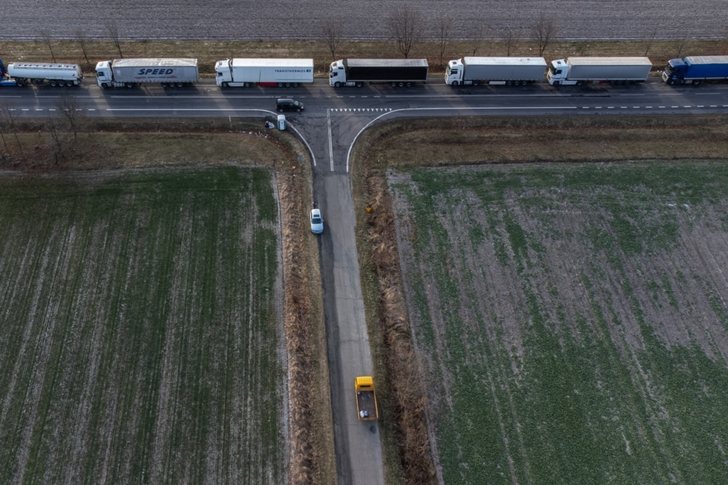
Poland has temporarily opened a border crossing with Ukrai...
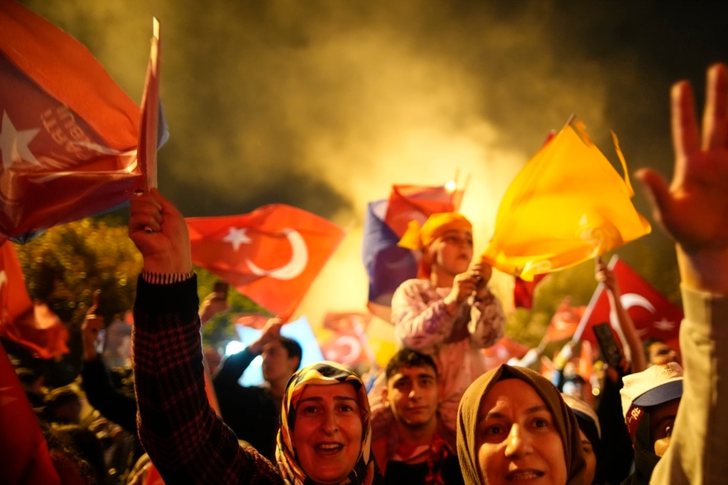
Të dielën në Turqi zhvillohen zgjedhjet lokale që shihen s...

The Minister of Foreign Affairs of Serbia, Ivica Dacic...

Federal investigators have revealed new details about what...

The war in Ukraine is in its 764th day. Ten thousand f...

The bodies of two people have been pulled from a red t...
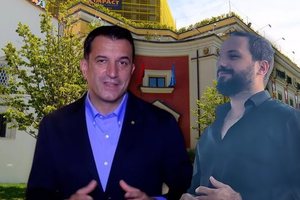
CNA has launched another investigation that could lead to ...

Irfan Hysenbelliu is a businessman that we call "Irfan the...
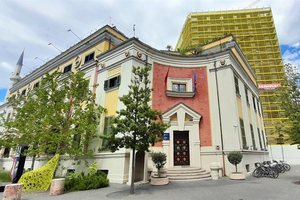
In March 2026, CNA launched another investigation centered...
The arrested mayor of Tirana, Erion Veliaj, with 13 charge...

The Special Board of Appeal (KPA) decided this Monday ...

The KPA vetting decided this Thursday to dismiss the p...

Suela Salavaçi, a prosecutor in the Prosecutor's Offic...

The Special Board of Appeal reinstated the prosecutor ...
Another phase of the international operation, codenamed "T...
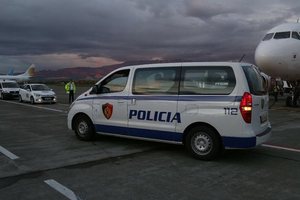
Police have arrested a 34-year-old woman at Rinas Airport ...
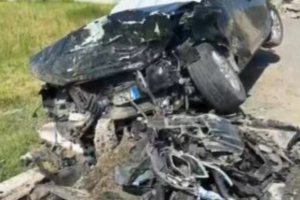
A serious accident has occurred on the Lezhë-Shëngjin axis...
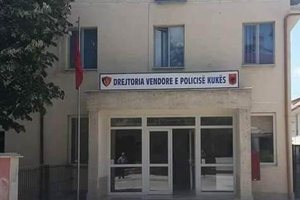
A serious incident has occurred in Morina, Kukes. Citizen...

This Wednesday, our country will be under the influence of...

All of Southern Europe will face changing weather conditio...

Albania was hit by temperatures significantly higher than ...

For the first time, Pogradec welcomed the Inter-Lake Chess...

Prime Minister Andy Burnham has announced that most bus fa...

France's parliament has passed a law to ban social media f...

US Secretary of State Marco Rubio arrived in Manila on Jul...
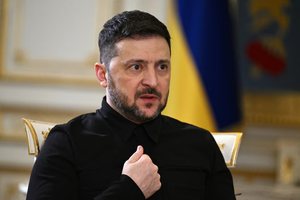
In the space of a few days, Ukrainian President Volodymyr ...
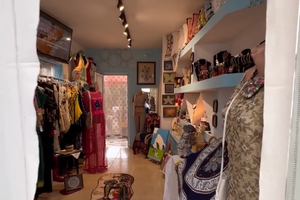
At a time when industrial products are increasingly taking...

Trust among people is not just a three-syllable word. It c...

Master of humor Todi Llupi has passed away at the age of 7...

The ninth edition of "MIK Festival" kicked off with one of...

Businesses will no longer be required to simply register t...

Despite economic growth and income in recent years, Albani...

This Wednesday, one US dollar is bought for 81.4 lek and s...

Construction company licenses will have a validity period ...