



On the banks of the Huangpu River in the Chinese metropolis of Shanghai rises a skyscraper with a green copper roof. Presidents such as Ronald Reagan and Bill Clinton, stars such as Charlie Chaplin and George Bernard Shaw have spent the nights at the Peace Hotel. What is less known is that until 1949 this was called the Cathay Hotel, built in 1929 by the Jewish businessman, Victor Sassoon. For several years it was the tallest building in Shanghai. Sassoon in the 20s lived in Shanghai and set up his own business.
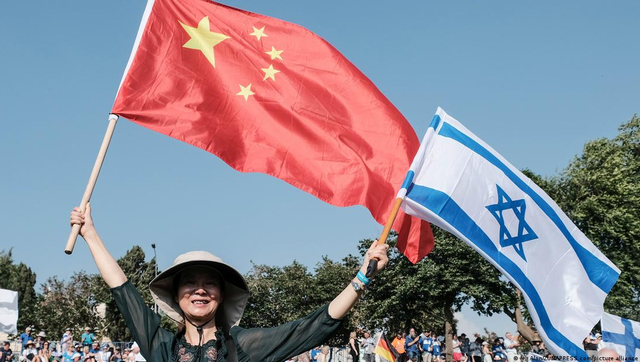
In the Second World War, with his support, a 2.5 square kilometer neighborhood was built, where 20,000 Jews from Europe who escaped Nazi persecution found a place. After the war and the coming to power of the Communists, many Jews left Shanghai. Victor Sassoon was forced to sell off his business to the Communist Party. This case shows how the communists treated the Jews and later the Israeli state: with prejudice. During the Cold War, China regularly showed solidarity with Arab countries and voted against Israel in the UN. It was not until 1992 that China established diplomatic relations with Israel.
Trade with Israel first
Since the normalization of relations with Israel, China has been primarily a trading partner. In 2023, goods worth 22 billion dollars were exchanged with Israel. In October, Prime Minister Netanyahu had planned a trip to China, where a free trade agreement with China was expected to be concluded. After the terrorist attack by Hamas, the visit has been postponed.
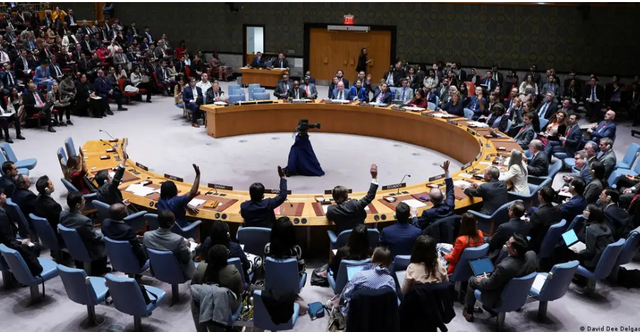
Meanwhile, in political matters, China establishes a straight line of connection from Israel to the USA, China's great geopolitical rival. Chinese ambassador to the UN, Zhang Jun, who took over the presidency of the UN Security Council in November, said: "China calls on the superpower, which has the greatest influence on the affected party, to put aside its own interests and geopolitical balances. and undertake all efforts to end the war and restore peace." Speaking of the US, Zhang Jun indirectly hinted at an interest in the war.
"Israel is a consolidated democracy, based on a strong alliance with the United States of America," Eberhard Sandschneider, political scientist and partner at Berlin Global Advisors, told DW. "For this reason Israel geopolitically in the Chinese view lies under the other side of what China currently has in mind, the strengthening of an anti-Western alliance."
Anti-Israel atmosphere
Në forumet online të mbikqyrura rreptësisht nga censura në Kinë shikohet një atmosferë antiperëndimore. Veprimet luftarake shikohen si "terrorizim i popullit mysliman më të dobët përmes popullit dukshëm më superior të hebrenjve." Ky stereotip me nota raciste gjendet shpesh në mediat sociale kineze. Qindra komente armiqësore ndaj Izraelit u shfaqën tek faqja e ambasadës gjermane në Pekin në platformë Weibo. "Agresorë!", shkruan dikush. Kurse tek një tjetër shkruhet, se "nazistët në Gjermani dhe Izrael janë bërë bashkë dhe dalin kundër njerëzimit." Përgjigja e përfaqësisë gjermane ishtë e qartë: "është budallallëk me brirë të karakterizsoh pa dallim të gjithë njerëzit si nazistë. Kush kombinon në profilin e tij flamurin e Izraelit me një kryq të Rajhut është ose i paditur ose një lloj maskarai pa ndërgjegje. Llogari të tilla tek ne bllokohen."
Palestina relevante për Kinën
Ndryshe nga zërat në opinionin publik, qeveria kineze thotë se është neutrale në konfliktin e Lindjes së Mesme. Megjithatë Kina e kritikon Izraelin. Vang Yi, ministri i Jashtëm kinez i shikon operacionet luftarake të Izrealit si "joproporcionale". Ato kapërcejnë shumë qartë kufirin e vetëmbrojtjes. Njerëzit në Gaza nuk duhet të ndëshkohen kolektivisht, sipas Vang-ut.
Kina nuk mban marrëdhënie të rregullta me organizatën terroriste të Hamasit që ka kontrolluar Rripin e Gazës. Por me PLO, organizatën çlirimtare palestineze në zonat palestineze që është e njohur nga 138 shtete të botës si shtet, por jo nga Izraeli, SHBA apo Gjermania. Kina në verën 2023 përmbylli një "partneritet të zgjeruar strategjik" me Palestinën. Në deklaratën përfundimtare pas bisedimeve mes presidentit kinez, Xi Jinping dhe presidentit Mahmud Abas më 14 qershor 2023 thuhet se "Kina mbështet themelimin e një shteti sovran të Palestinës mbi bazën e kufijve të vitit 1967 dhe me Jeruzalemin lindor si kryeqytet. Kina mbështet rifillimin e bisedimeve të paqes mes Palestinës dhe Izraelit mbi bazën e parimit "tokë për paqe", të rezolutave të qarta të OKB-së dhe zgjidhjes me dy shtete."
Palestinezët heshtin për shkeljet e të drejtave të njeriut në Xinjang
Si shpërblim përfaqësuesit palestinezë mbështesin politikën "një Kinë", sipas së cilës vetëm Republika Popullore është qeveria legjitime e Kinës. PLO ka bërë të sajën narrativin kinez, se në rajonin e banuar me shumicë myslimane, Xinjang "nuk bëhet fjalë për çështje të të drejtave të njeriu, por luftimin e terrorizmit, radikalizimit, separatizmit." Në Xinjang Pekini ka kohë që ka instaluar një sistem përgjimi të fortë për të kontrolluar ujgurët.
Kina ka pasur gjithmonë marrëdhënie të ngushta me PLO, thotë politilogu Sandschneider. "Kjo ka arsye historike. Mbështetja e lëvizjeve çlirimtare bën pjesë në linjat e politikës së jashtme kineze. Por jo kur bëhet fjalë për Xinjang apo Tajvanin".
As of 2019, China has appointed a special envoy for the Middle East. Since the start of the war between Israel and Hamas, the current envoy, Jean Jun, has been on the phone with the conflicting parties and several Arab countries. China is for peace, Jun said, and saw the cause of the conflict in the failure to protect the national rights of the Palestinian people. According to Sandschneider, China stayed out of the conflict in the Middle East for the past decades, but we saw that China was recently positioning itself as a mediator in the rapprochement of Saudi Arabia and Iran. But such a success is not to be repeated in the war between Israel and Hamas. "Credibility in China does not go very far in this particular case between Israel and Hamas."/ DW

US Secretary of State Antony Blinken will visit Turkey...
Një person i armatosur ka shkaktuar panik në aeroportin e ...
Ministri i Brendshëm i Kosovës, Xhelal Sveçla, është zotua...
US officials are making intensive efforts to secure the re...
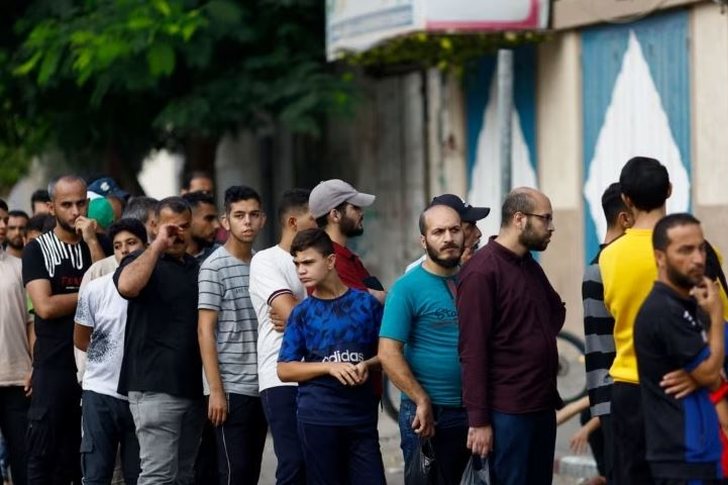
An average Palestinian in Gaza is living on two pieces of ...
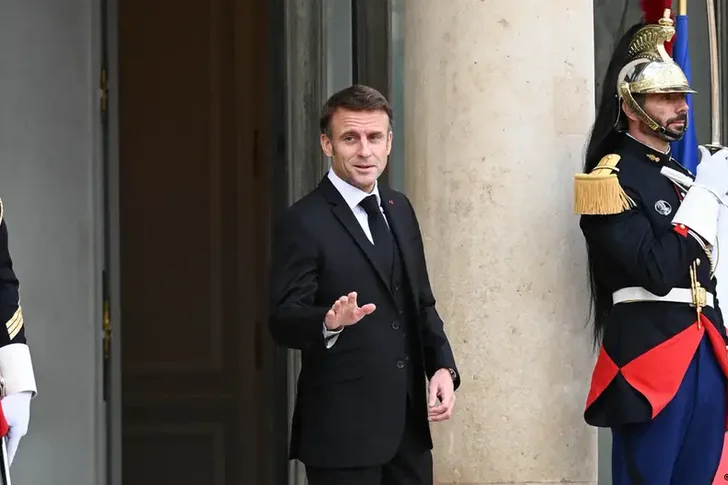
Before the grave situation of the civilian population ...
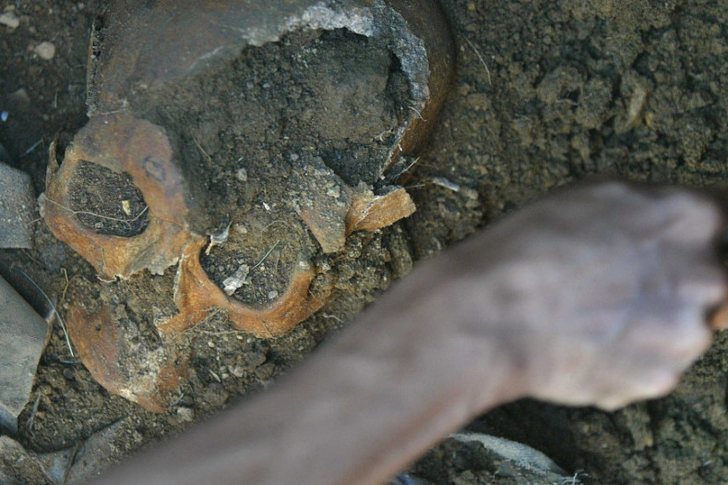
One of the first wars on European soil took place a thousa...
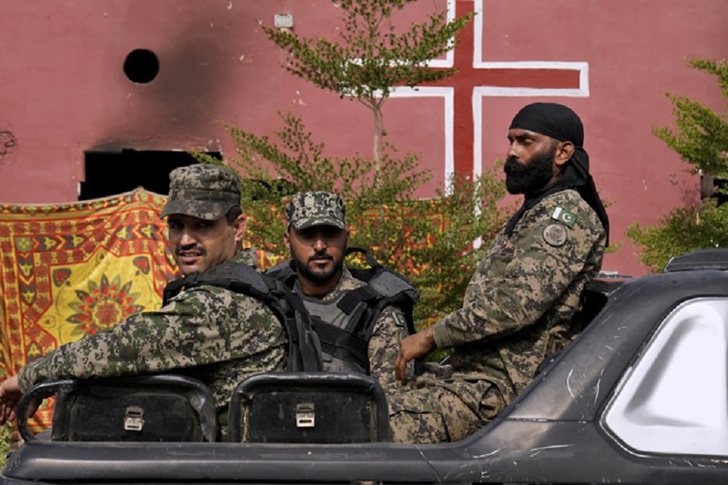
A terrorist attack took place yesterday against Pakistani ...

Robert Habeck, Green politician, Minister of Economy and V...
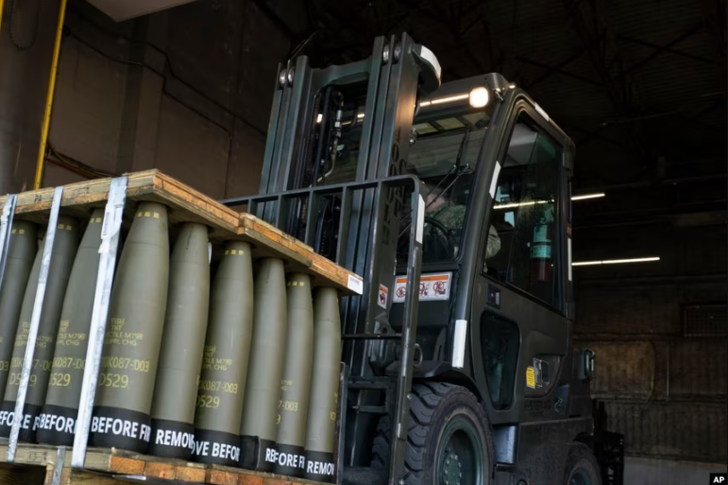
The United States will send weapons and other equipment to...
The Prime Minister of Kosovo, Albin Kurti, said before...
North Korea confirmed on November 3 that it is closing som...
A few days before the crisis meeting between the prime min...
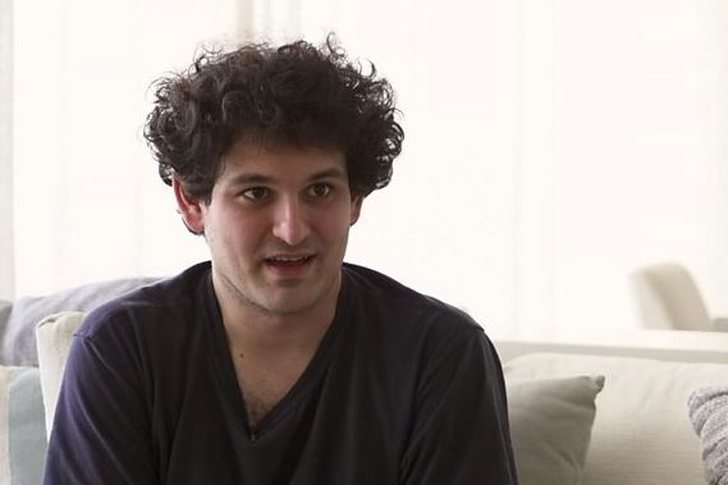
Sam Bankman-Fried, who once ran one of the world's lar...
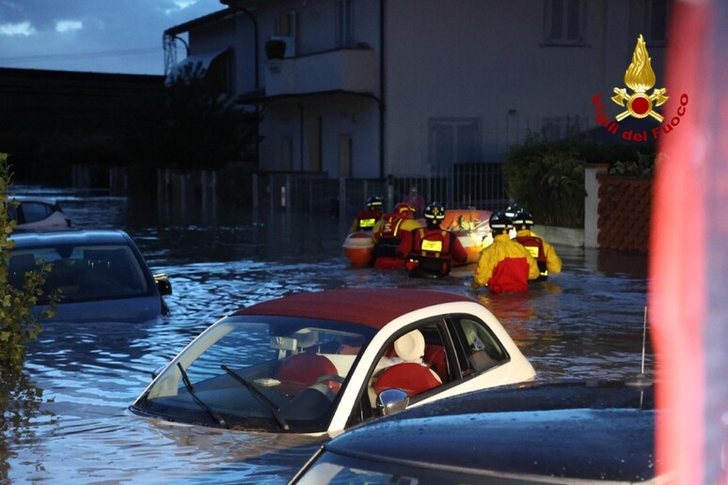
For several days, Italy has been engulfed by bad weather, ...
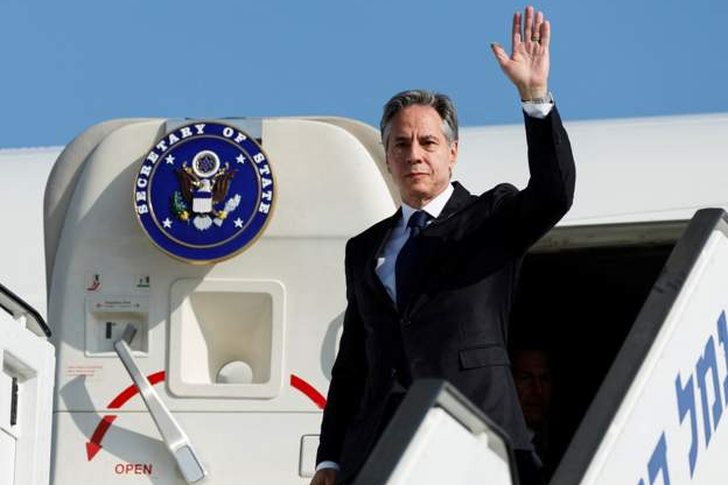
The US Secretary of State, Antony Blinken, arrived thi...
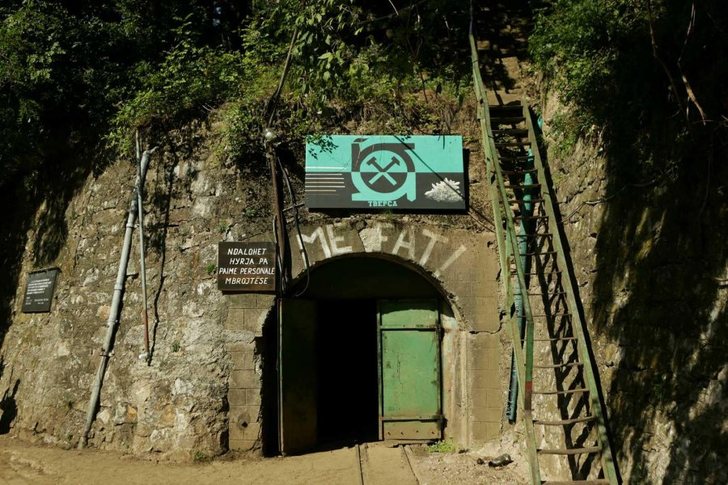
The miners of the Trepça metallurgical plant have stop...
An earthquake with a magnitude of 5.2 on the Richter scale...
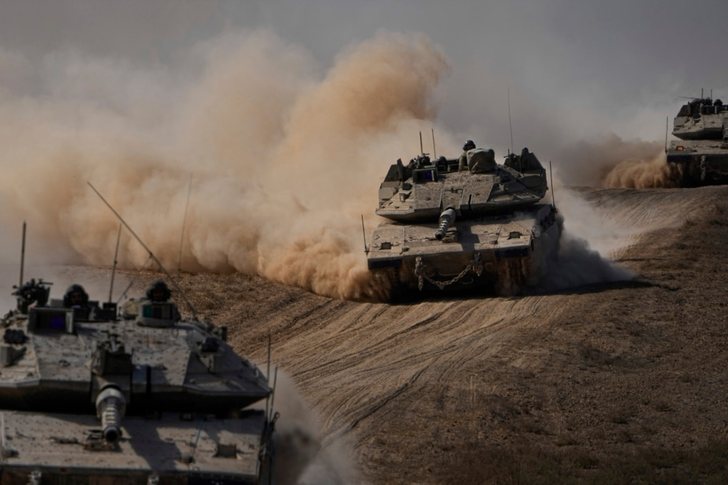
Israeli forces announced on Thursday that they have surrou...
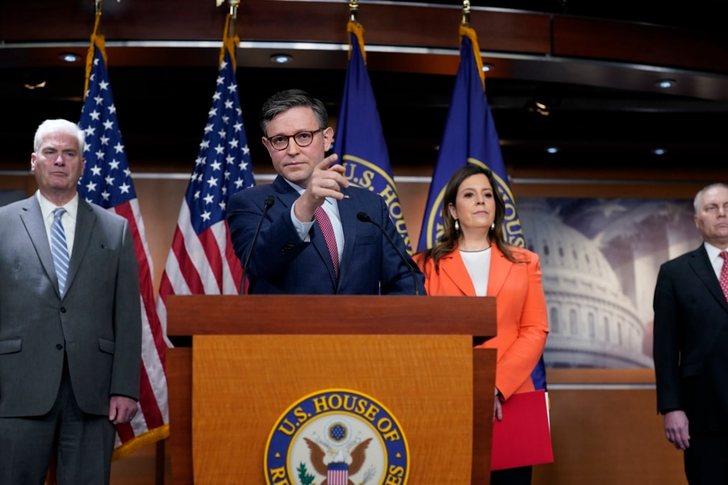
The House of Representatives on Thursday approved a nearly...
A 39-year-old citizen has been arrested in Lezha, after se...

CNA has launched another investigation that could lead to ...

Irfan Hysenbelliu is a businessman that we call "Irfan the...

In March 2026, CNA launched another investigation centered...

The Special Board of Appeal (KPA) decided this Monday ...

The KPA vetting decided this Thursday to dismiss the p...

Suela Salavaçi, a prosecutor in the Prosecutor's Offic...

The Special Board of Appeal reinstated the prosecutor ...

Several gunshots were reported today in the village of Gjo...

Following the successive operations carried out by the ope...

The Police Supervision Agency has seized the service weapo...

A serious incident occurred in Lushnje, where citizen IY, ...

As the year 2026 is in its second half, the world is exper...

Today, our country will be under the influence of stable a...

By noon, cloudiness is expected to prevail in almost all o...

Children without parental care, for whom alternative famil...
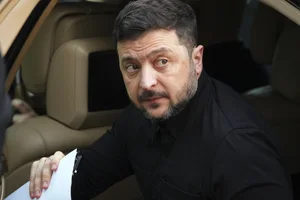
Ukrainian President Volodymyr Zelensky said Russia wants t...
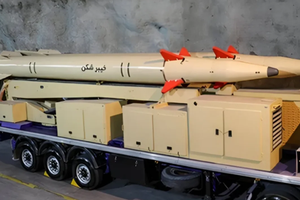
Iran is adapting and enhancing the capabilities of its bal...
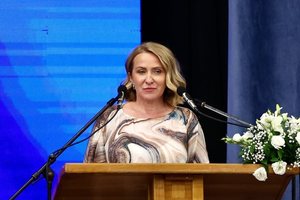
Serbia's Minister of State Administration and Local Self-G...
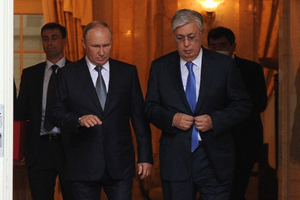
Kazakh President Kassym-Jomart Tokayev shared some critici...
Two windows, a century of history and the metaphysics of p...
In my research at the Central State Archives, specifically...

At a time when industrial products are increasingly taking...

Trust among people is not just a three-syllable word. It c...
This Saturday, one US dollar is bought for 81.7 lek and so...

War, weather and supply disruptions could send gas prices ...
The number of active enterprises in Albania continued to g...
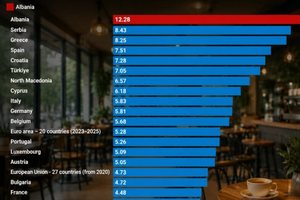
In Albania, the bar-cafe has long become an almost unique ...