


Ex-crypto boss pleads guilty to fraud, betrayed by friends and ex-girlfriend in courtroom
Sam Bankman-Fried, who once ran one of the world's lar...


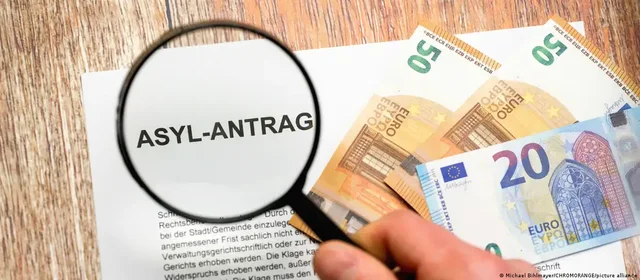
A few days before the crisis meeting between the prime ministers of the states and Chancellor Olaf Scholz on the subject of refugees and asylum seekers, which aims to prevent the arrival of people who do not have the right to asylum, as well as the deportation of those who have been rejected, the German media reports on stories of repeated requests for asylum from citizens of the Western Balkans.
The Berlin newspaper Tagesspiegel and several other German media, including Süddeutsche Zeitung and Bild, write that there are still a large number of citizens of the countries of the Western Balkans, i.e. from Albania, Bosnia-Herzegovina, Kosovo, North Macedonia and Serbia, who are seeking asylum. repeatedly, although it is almost impossible to resolve these requests positively.
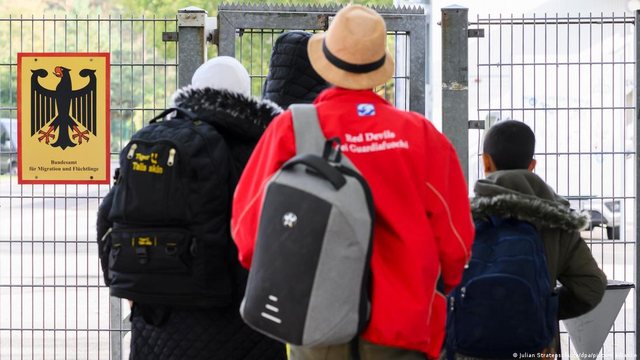
"From a few names, the workers at the refugee reception center in Berlin already know what comes next: zero chance of being granted asylum. But these requests are followed by several months of social assistance and in the end the request is rejected. The year next time, the same story repeats itself," writes Tagesspiegel, citing sources in several German states.
"Mainly in the spring, immigrants return to their countries of origin, spend the summer there and return in the fall to apply for asylum again," writes the German daily. This is possible because of the German asylum law, which does not limits the number of asylum applications for the same person. Because, as argued, since the last application made and rejected, the situation may have changed for the applicant and it is necessary to give him a new opportunity and reconsider the application. " We have cases where the same person makes a request seven or eight times", says an employee of the reception center.
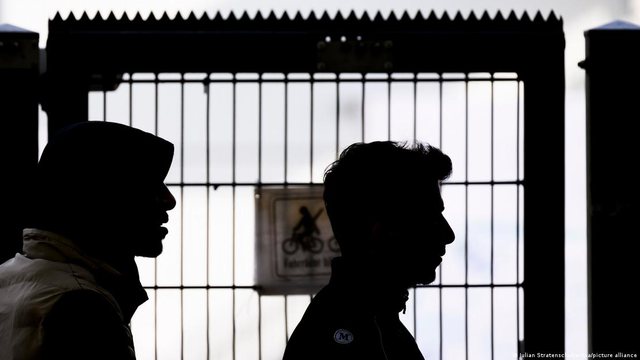
The Federal Office for Migration and Refugees (BAMF) talks about 13,000 repeated applications this year alone. The largest majority of applicants come from the mentioned countries of the Western Balkans, even though these countries have been declared as safe countries of origin since the middle of the last decade. And this makes it almost impossible for a person from these countries to receive a positive response to their asylum request. The percentage of asylum requests resolved positively for the citizens of these countries is below one percent.
"Entire families from these countries move every year between their countries of origin and accommodation for asylum seekers in Germany," an employee of the reception center in the state of Lower Saxony reports to Tagesspiegel. Travel is also possible due to the lifting of the visa regime, because (except for Kosovo) the citizens of these countries can go wherever they want in the countries of the European Union. The number of asylum seekers from the Balkans is still high despite the employment programs for residents of the Western Balkans, which Germany introduced in 2015 and which enable relatively easy employment in Germany.
It is currently being discussed whether refugees and asylum seekers should receive social assistance, and this assistance for families with several children can amount to over two thousand euros per month (in cash), or they also receive vouchers for food and other needs. Removing these aids, as more and more politicians believe, would reduce the attractiveness of Germany for asylum seekers.
Another problem is the fact that these repeated requests burden the services for processing requests, which are already at the limit of their capacity due to the increase in the number of refugees from other countries such as Ukraine, Turkey, Syria and Afghanistan. / DW

Sam Bankman-Fried, who once ran one of the world's lar...

For several days, Italy has been engulfed by bad weather, ...
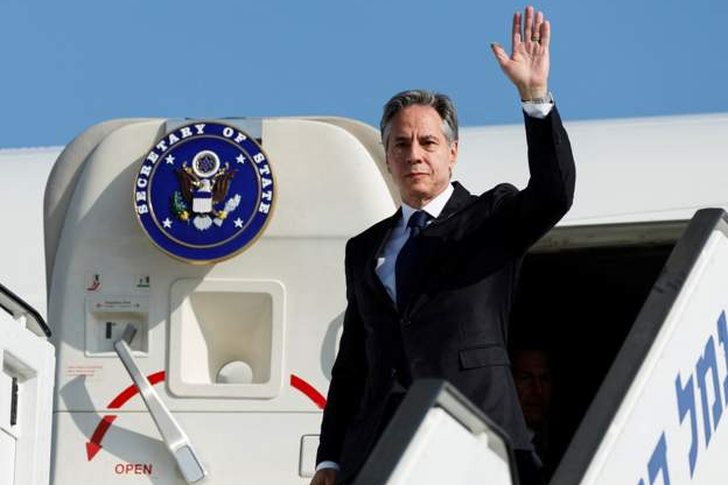
The US Secretary of State, Antony Blinken, arrived thi...
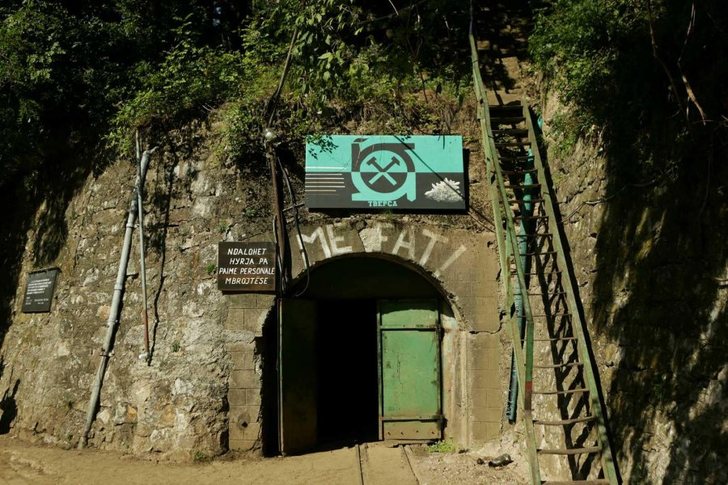
The miners of the Trepça metallurgical plant have stop...
An earthquake with a magnitude of 5.2 on the Richter scale...
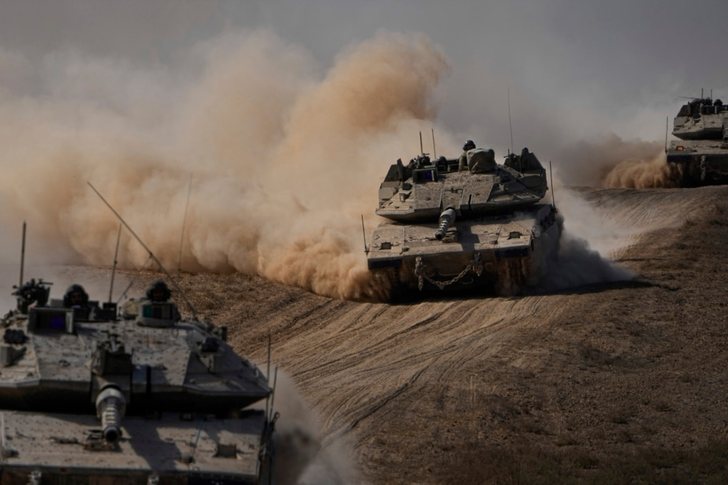
Israeli forces announced on Thursday that they have surrou...

The House of Representatives on Thursday approved a nearly...
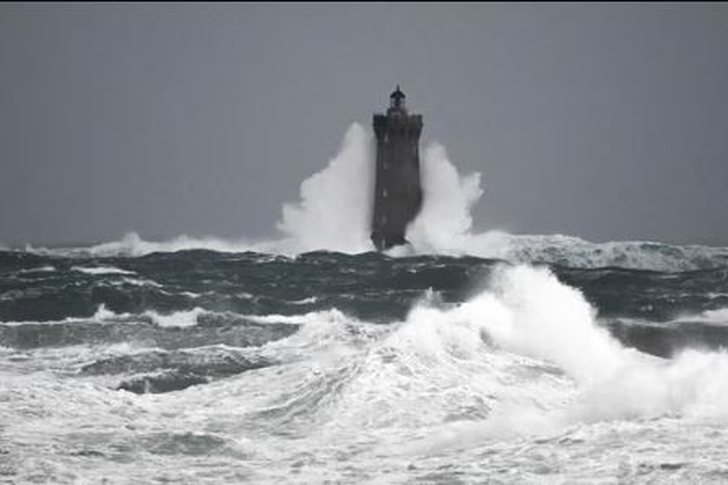
At least seven people have died and dozens have been injur...

According to a new UN report, humans are overexploiting na...
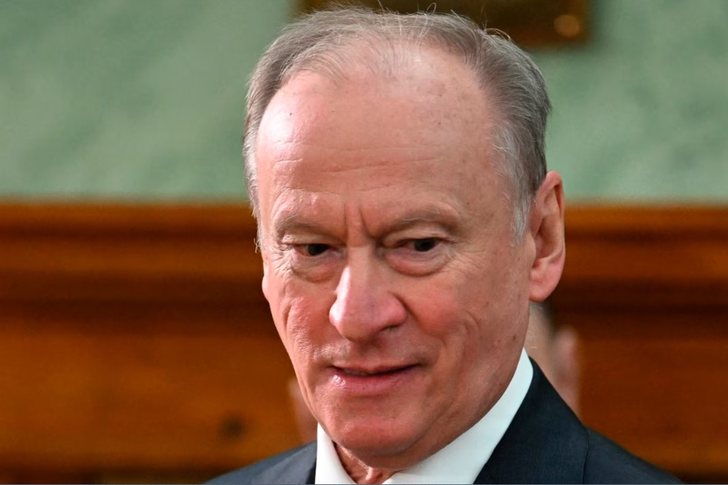
Vladimir Putin is no longer the first. It has been more th...
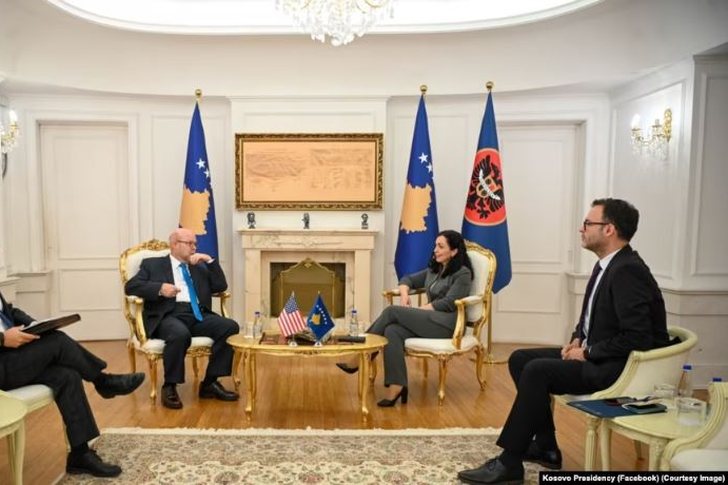
The President of Kosovo, Vjosa Osmani, in a meeting he...

Separation, especially at the end of the year is diffi...

There is a sinister threat from space that actually ha...
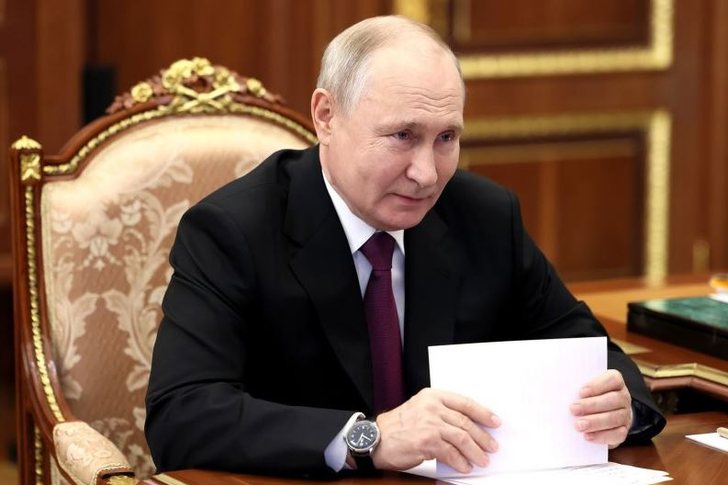
Russian President Vladimir Putin has signed a law with...
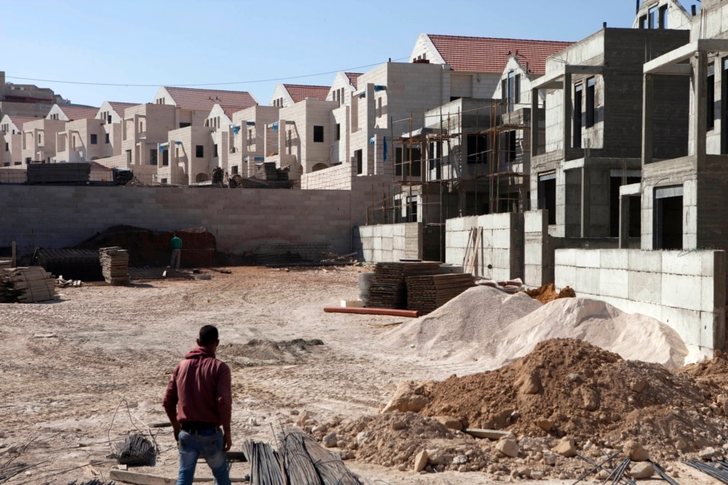
Construction firms in Israel say they have asked the gover...
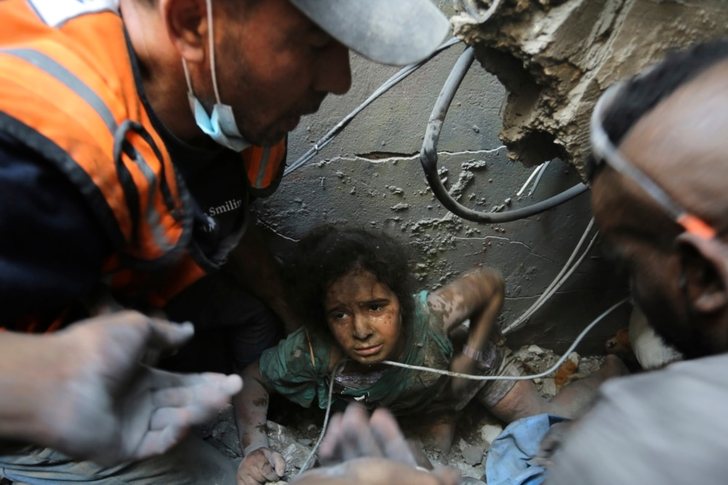
Israeli ground troops continued to advance on Gaza City on...

Secretary of State Antony Blinken will travel to the Middl...
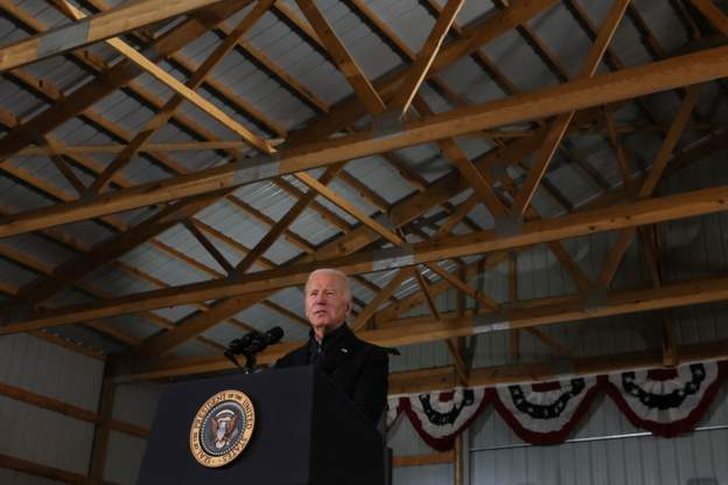
US President Joe Biden has called for a ceasefire between ...

Papa Françesku ka dhënë një zgjidhje për konfliktin mes Iz...
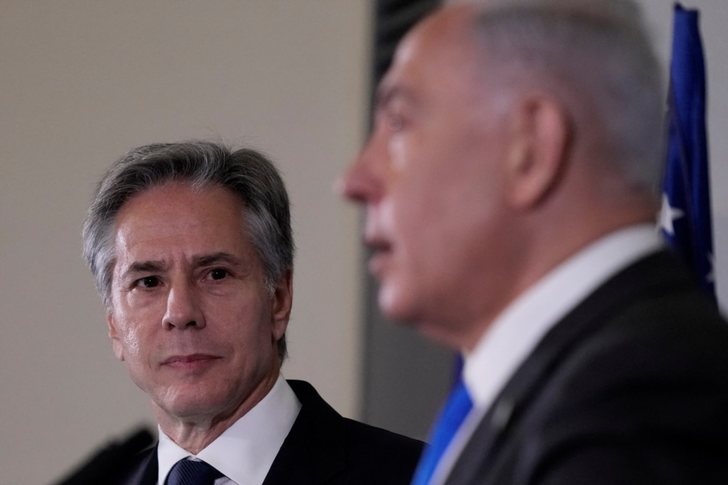
United States Secretary of State Antony Blinken will visit...

A 39-year-old citizen has been arrested in Lezha, after se...

CNA has launched another investigation that could lead to ...

Irfan Hysenbelliu is a businessman that we call "Irfan the...

In March 2026, CNA launched another investigation centered...

The Special Board of Appeal (KPA) decided this Monday ...

The KPA vetting decided this Thursday to dismiss the p...

Suela Salavaçi, a prosecutor in the Prosecutor's Offic...

The Special Board of Appeal reinstated the prosecutor ...

Several gunshots were reported today in the village of Gjo...

Following the successive operations carried out by the ope...

The Police Supervision Agency has seized the service weapo...

A serious incident occurred in Lushnje, where citizen IY, ...

As the year 2026 is in its second half, the world is exper...

Today, our country will be under the influence of stable a...

By noon, cloudiness is expected to prevail in almost all o...

Children without parental care, for whom alternative famil...
Ukrainian President Volodymyr Zelensky said Russia wants t...
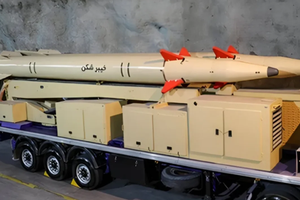
Iran is adapting and enhancing the capabilities of its bal...
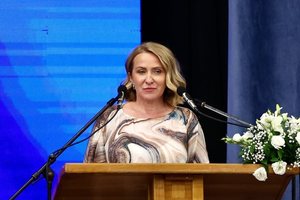
Serbia's Minister of State Administration and Local Self-G...
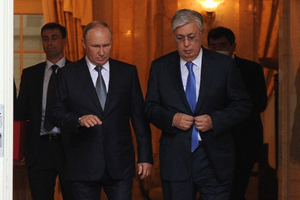
Kazakh President Kassym-Jomart Tokayev shared some critici...
Two windows, a century of history and the metaphysics of p...
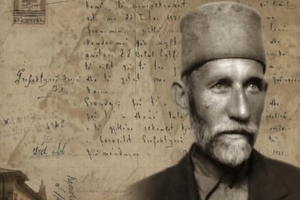
In my research at the Central State Archives, specifically...

At a time when industrial products are increasingly taking...

Trust among people is not just a three-syllable word. It c...

This Saturday, one US dollar is bought for 81.7 lek and so...

War, weather and supply disruptions could send gas prices ...
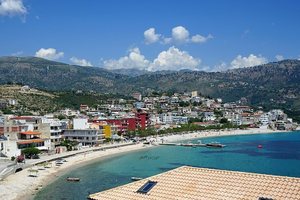
The number of active enterprises in Albania continued to g...
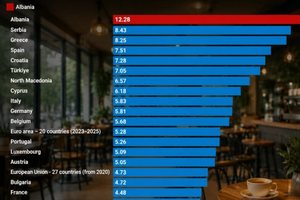
In Albania, the bar-cafe has long become an almost unique ...