

Putin is expected to run again as President of Russia/ If not, who would replace him?
Vladimir Putin is no longer the first. It has been more th...


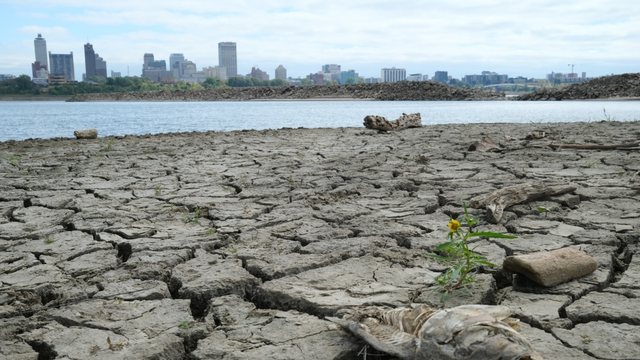
According to a new UN report, humans are overexploiting natural resources at the risk of causing irreversible damage to humanity and the planet. The study by the institute, 'University of the United Nations' says that we need to better manage natural resources to avoid what it calls "catastrophic impacts".
It's not just climate change we need to worry about, according to researchers at the United Nations University institute.
A new UN report says the depletion of natural resources is creating a chain of interconnected risks that, if ignored, will lead us to a tipping point from which recovery may not be possible.
The report says there are many risks, but it singles out six it says are of particular concern.
These are: the warming of the planet, the indiscriminate use of underground water reserves, the melting of glaciers, the extraordinary growth of space debris and the acceleration of the extinction of species and their ecosystems.
The result, the researchers warn, could lead to a tipping point that threatens the very future of humanity.
The report is called "Interrelated Disaster Risks" and says storms, floods and fires are already making many homes uninsurable.
In Australia, for example, over 520,000 properties are predicted to become uninsurable by 2030, mainly due to flooding.
According to the report, we ignore how interconnected these potential disasters are that threaten us.
Researcher and co-author of the report, Caitlin Eberle, says we need to start offering solutions such as planning cities that are better able to mitigate the impact of heat and with urban planning that does not harm the ecosystem.
"This means not thinking of people and nature as separate entities. This means creating more green spaces in our cities, allowing rivers to flow more naturally. That would help some of what the report considers 'tipping points,'” says report co-author Caitlin Eberle.
One of the main concerns is the depletion of groundwater reserves, which are drying up faster than they can be replenished.
Groundwater, according to the UN, supports 40% of the world's agriculture.
The report states that the drying up of these underground water reserves has begun to be felt.
As an example, the report mentions the "High Plains" underwater reserves that lie in several states of the USA from where $35 billion is provided by plants such as wheat and soybeans.
According to the report, from this underground water reserve, $35 billion is provided by plants such as wheat and soybeans. But, by the year 2100, 40% of these water reserves will not be able to support agriculture.
This, the report claims, will affect the food supplies of many countries that rely on US exports
This is also a problem in the northwest region of India, the area that meets most of the country's bread needs.
The report says that this territory supplies 85% of India's rice and 85% of its wheat, but 78% of groundwater reserves are overexploited, which will leave these reserves at critical levels by 2025.
"Imagine if these reserves are a big glass of water. As we use them more and more, the water level in the glass goes lower and lower. At some point, the level will drop so low that we will no longer have access to it. This is one of those risk tipping points mentioned in the report. These reserves are depleting and there is a growing risk that crops will fail, farmers will lose their livelihoods and people will go hungry," says the co-author of the UN report.
The report says another water source is also at risk. Glaciers that provide fresh water are shrinking fast.
A less obvious danger is one that most of us can't see with our eyes.
That danger is the space debris we have left around the planet that provides humanity with vital information about the planet.
The report says thousands of satellites provide us with vital information that enables us to manage our world, such as early warning systems, air traffic and management, and communications.
But, according to the report, the sheer volume of space debris means we are putting our entire space infrastructure at risk.
The European Space Agency says there are more than 170 million objects, and any one of them could disable aircraft and potentially cause a chain effect that could destroy vital satellite systems.
The report says space pollution is also a tipping point.
Dr. Zita Sebesvari is the main author of the report and the deputy director of the 'United Nations University'.
"We use a lot of satellites to observe the earth, the changes in it, as well as the water reserves, or the melting of the glaciers. This information is necessary to better manage natural resources and to create a better plan for the conservation of biodiversity or saving habitats", says the main author of the report of the United Nations University.
Species extinction is also linked according to Ms Sebesvari.
"We are talking about joint extinction of species. It is about ecological networks, species that need each other, species that rely on each other," says Mrs. Sebesvari.
The UN says the interrelated problems need to be solved with the help of different governments.
The report ends by posing the question whether we can change our attitudes./ VOA

Vladimir Putin is no longer the first. It has been more th...
The President of Kosovo, Vjosa Osmani, in a meeting he...

Separation, especially at the end of the year is diffi...
There is a sinister threat from space that actually ha...
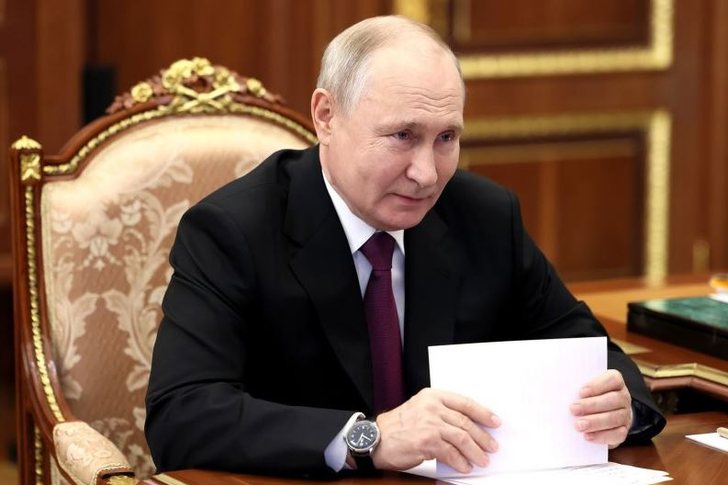
Russian President Vladimir Putin has signed a law with...
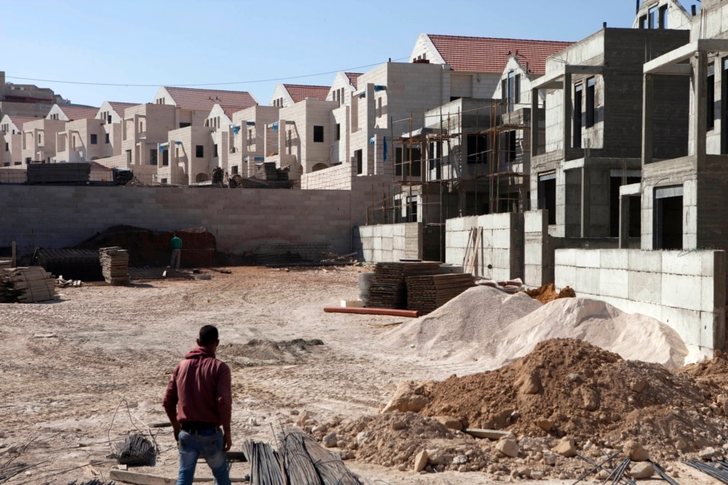
Construction firms in Israel say they have asked the gover...
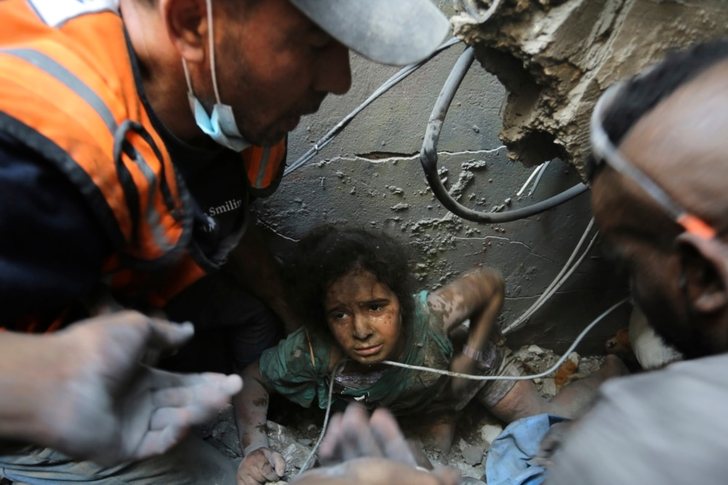
Israeli ground troops continued to advance on Gaza City on...

Secretary of State Antony Blinken will travel to the Middl...
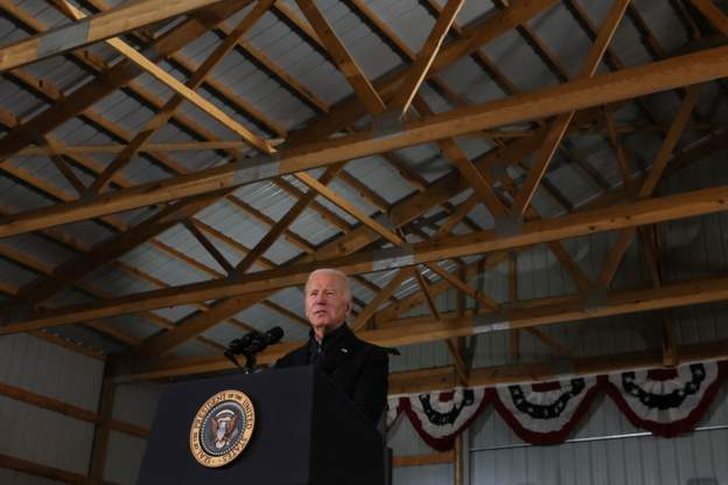
US President Joe Biden has called for a ceasefire between ...

Papa Françesku ka dhënë një zgjidhje për konfliktin mes Iz...
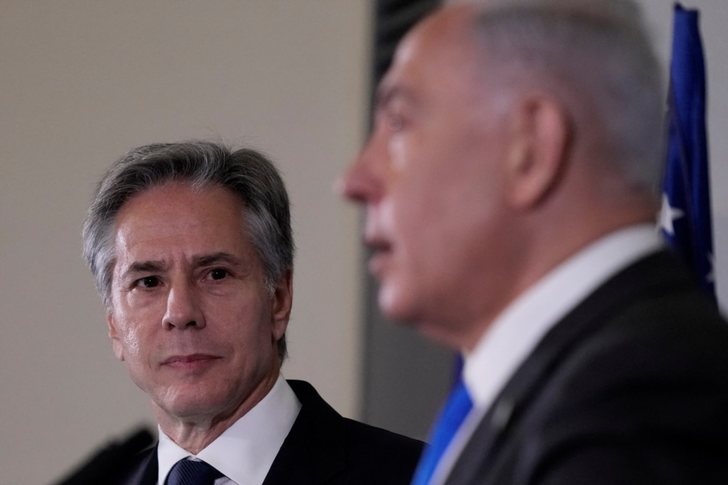
United States Secretary of State Antony Blinken will visit...
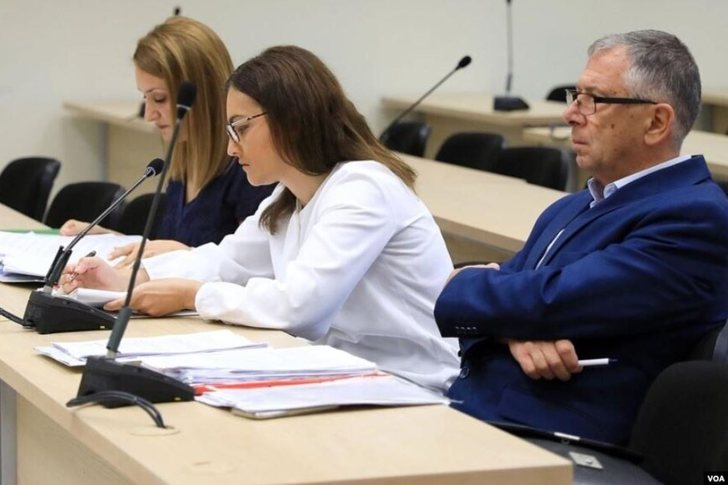
The former Minister of Internal Affairs in North Macedonia...
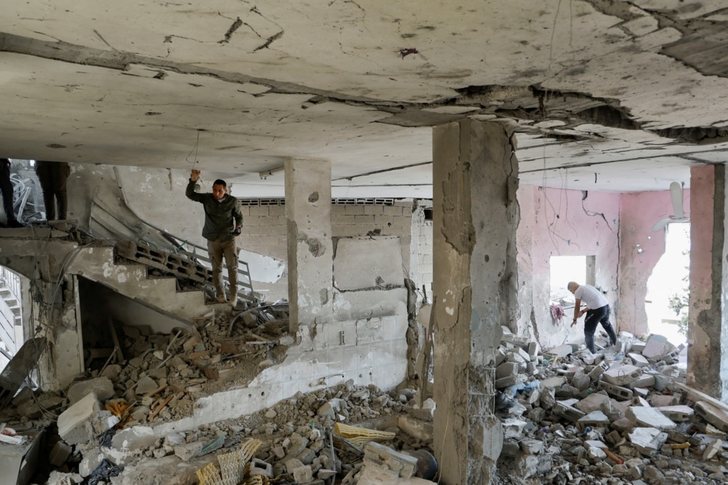
With daily attacks by Israeli forces in recent weeks on Pa...
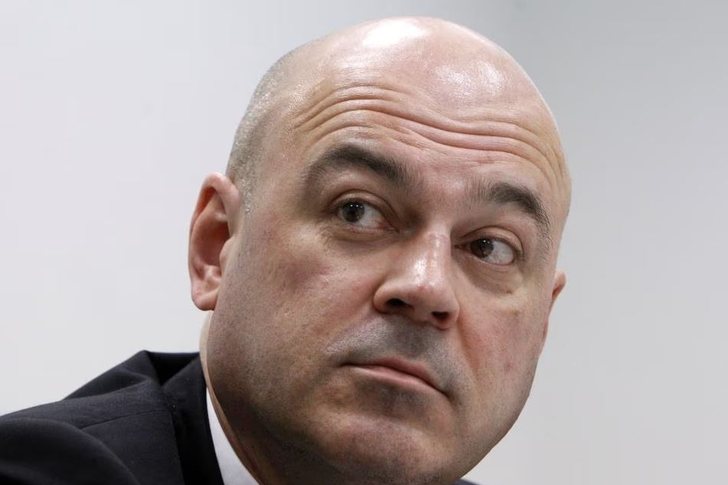
French investigative judges on Wednesday placed Russia...

When Donald Trump became president in 2017, he passed the ...
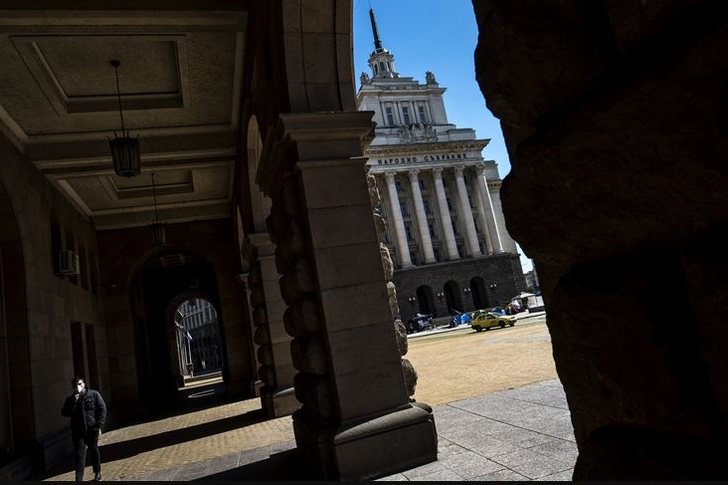
Bulgaria has expelled a Russian journalist. The reason...

Authorities and civil society organizations in many countr...
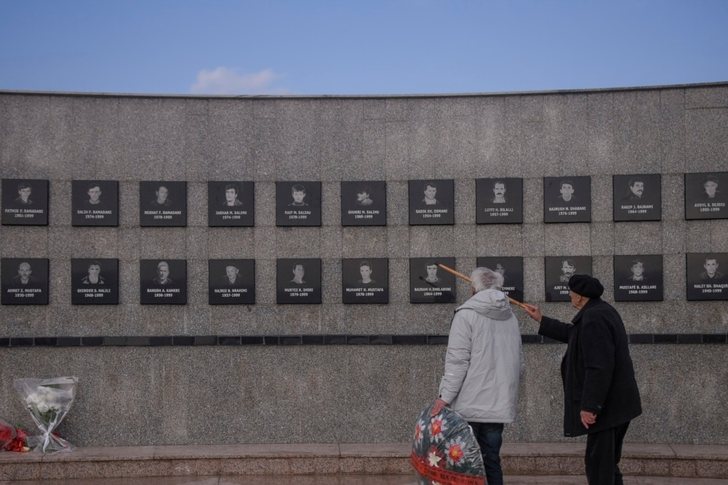
The High Court in Bjello Pole has released from detention ...
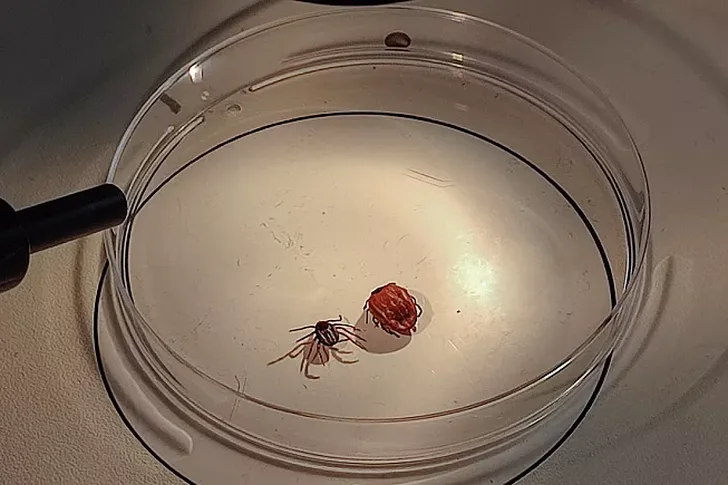
Një virus që shkakton ethe hemorragjike u zbulua për herë ...
Presidenti i Serbisë, Aleksandër Vuçiç, ka shpallur sot zg...
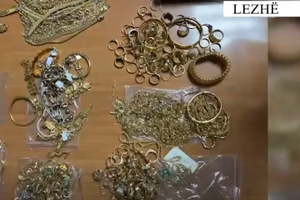
A 39-year-old citizen has been arrested in Lezha, after se...

CNA has launched another investigation that could lead to ...

Irfan Hysenbelliu is a businessman that we call "Irfan the...

In March 2026, CNA launched another investigation centered...

The Special Board of Appeal (KPA) decided this Monday ...

The KPA vetting decided this Thursday to dismiss the p...

Suela Salavaçi, a prosecutor in the Prosecutor's Offic...

The Special Board of Appeal reinstated the prosecutor ...

Several gunshots were reported today in the village of Gjo...

Following the successive operations carried out by the ope...
The Police Supervision Agency has seized the service weapo...
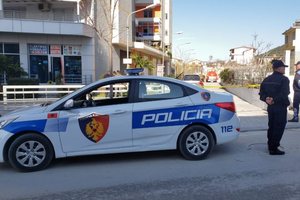
A serious incident occurred in Lushnje, where citizen IY, ...

As the year 2026 is in its second half, the world is exper...
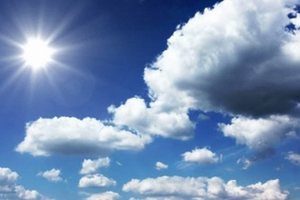
Today, our country will be under the influence of stable a...

By noon, cloudiness is expected to prevail in almost all o...

Children without parental care, for whom alternative famil...
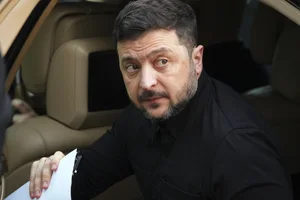
Ukrainian President Volodymyr Zelensky said Russia wants t...
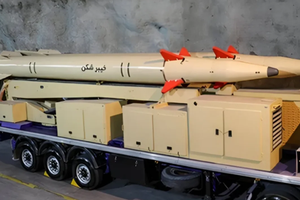
Iran is adapting and enhancing the capabilities of its bal...
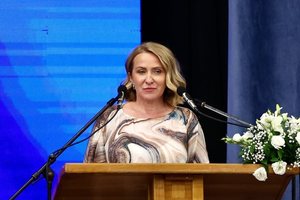
Serbia's Minister of State Administration and Local Self-G...
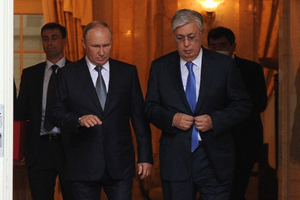
Kazakh President Kassym-Jomart Tokayev shared some critici...
Two windows, a century of history and the metaphysics of p...

In my research at the Central State Archives, specifically...

At a time when industrial products are increasingly taking...

Trust among people is not just a three-syllable word. It c...

This Saturday, one US dollar is bought for 81.7 lek and so...
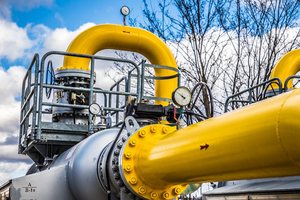
War, weather and supply disruptions could send gas prices ...
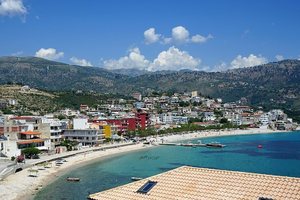
The number of active enterprises in Albania continued to g...
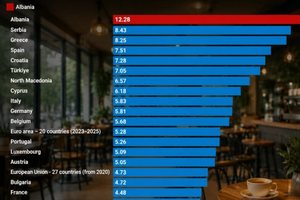
In Albania, the bar-cafe has long become an almost unique ...