


Surprise meeting with MPs?/ What is expected to happen on July 30th
Thursday, July 23, is scheduled as the day when the last p...

Thursday, July 23, is scheduled as the day when the last p...

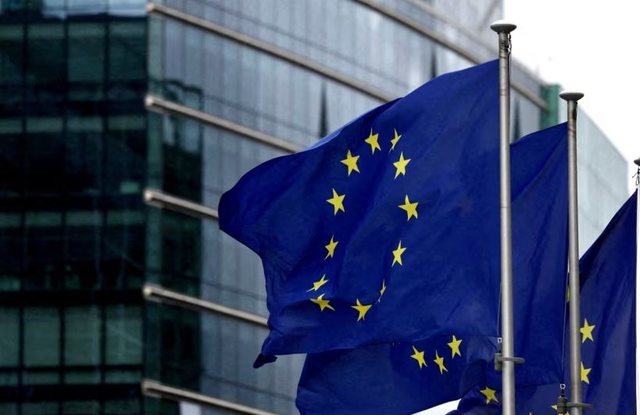
The European Commission (EC) approved on Wednesday a document on reforms within the European Union (EU) before the expansion of the 27-member bloc.
The member countries agreed that the EU should be reformed, so that it is ready for the next enlargement, including in political, legal and financial aspects.
This plan, published after the meeting of the College of Commissioners, also includes proposals for the gradual integration of future member countries, before they formally become member countries of the bloc.
The approved document should contribute to the process of internal reforms of the EU, so that it is ready in time for the acceptance of new members. This, according to the EU, should go in parallel with the preparation of candidate countries to become members. The European Commission's document also analyzes the implications that the bloc's future expansion may have in its main political areas, from the EU's common foreign policy, common values, climate change, the decision-making process, the market common, up to the EU budget.
"The EU must deepen before expanding. We must start preparing for the Union of the future and use enlargement as catalysts for progress. All of Europe has benefited from the enlargement. With it, the EU has become the largest integrated market in the world. This has opened trade and financial channels which have ensured economic growth both in the EU and in the countries in the enlargement process. This has also strengthened the global weight of the EU", this document states.
The European Union today has 27 member states, while the internal reform plan aims to prepare it for more than 30 member states in the future.
Exactly 20 years ago, on May 1, 2004, the EU was simultaneously enlarged by 10 new member states in the largest wave of enlargement in history. A year and a half later, Bulgaria and Romania were also admitted to the EU, while on July 1, 2013, Croatia was also admitted. But, in the meantime, the United Kingdom has left the EU.
At this moment, there are 10 countries in the expansion process. They are six countries from the Western Balkans region - Bosnia and Herzegovina, Montenegro, North Macedonia, Albania, Serbia and Kosovo, then Turkey, Ukraine, Moldova and Georgia.
Nine of them also have the status of candidate countries, while Kosovo remains the only country that has applied for membership in the EU and does not have such a status.
The EC requests in its document that countries aiming for EU membership, before achieving that goal, resolve the bilateral problems they have with their neighbors, because the EU does not want to import such unresolved problems.
Qasja e bazuar në meritat individuale dhe në raportet e mira ndërfqinjësore do të mbeten kushte kyçe në procesin e zgjerimit. “Duhet të vendosën aranzhime të posaçme dhe obligime të pa diskutueshme për t’u siguruar që vendet e ardhshme anëtare të mos jenë në pozitë të bllokojnë anëtarësimin e vendeve të tjera”, thuhet në këtë dokument.
KE-ja kërkon gjithashtu që vendet e ardhshme anëtare t’i përshtatin qëndrimet e tyre në politikën e jashtme me qëndrimet e BE-së. Kjo, sipas Komisionit Evropian, do të dëshmojë më së miri se këto vende janë të përkushtuar fuqishëm për t’i pranuar dhe promovuar vlerat e përbashkëta mbi të cilat është ndërtuar BE-ja. Kjo vlen edhe për mbështetjen e masave kufizuese ndaj vendeve të treta.
“Përderisa disa vende kandidate dhe kandidatë potencialë me përkushtim mbajnë përshtatjen e plotë që tash, rezultatet tek disa të tjera duhet të përmirësohen si prioritet, posaçërisht kur është fjala për Rusinë dhe Bjellorusinë. Përshtatja me politikën e përbashkët të jashtme dhe të sigurisë është një sinjal përmbajtjesor i përkushtimit ndaj vlerave të përbashkëta dhe orientimit strategjik në kontekstin gjeopolitik”, thuhet në dokumentin e Komisionit Evropian.
Deri tash Serbia dhe Turqia janë të vetmet vende nga procesi i zgjerimit të cilat nuk i kanë mbështetur sanksionet e BE-së ndaj Rusisë, përkundër thirrjeve të përsëritura të bllokut që ta bëjnë këtë.
Në dokument Komisioni Evropian përmenden në disa raste përfitimet nga zgjerimi i ardhshëm, për të cilin ajo e pranona se do të ketë edhe pasoja dhe do të jetë sfidë për BE-në në aspektin financiar por edhe politik. Komisioni konstaton se ndikimi i zgjerimit në barrën financiare të BE-së duhet të adresohet kur të jetë më e qartë se në cilin afat kohor mund të ndodhë zgjerimi. Por, gjithsesi paralajmëron se në kornizën e ardhshme financiare shumëvjeçare duhet të merret parasysh edhe pranimi i anëtarëve të rinj.
BE-ja buxhetin e vet financiar vjetor e përshtat me kornizën shtatëvjeçare financiare. Ajo aktuale është caktuar për periudhën nga viti 2021 deri në vitin 2027, ndërsa që nga viti i ardhshëm, kur të krijohet Komisioni i ri Evropian, do të nisin diskutimet për kornizën pas vitit 2027.
Ndonëse nuk ka afate formale, viti 2030 gjithnjë e më shumë po përmendet si afat deri kur BE-ja duhet të jetë e gatshme të pranojë anëtarë të rinj.
Komisioni Evropian në planin e vet të reformave në prag të zgjerimit hap edhe një temë rreth së cilës ka shumë ndasi mes vendeve anëtare. Propozon që në procesin e miratimit të vendimeve në Këshill të kalohet nga vendimet me konsensus në miratimin e vendimeve me shumicë të kualifikuar. Kjo, sipas Komisionit Evropian, në disa raste do të ishte e mundshme edhe pa pasur nevojë që të ndryshohen traktatet themelore të BE-së. Sipas zyrtarëve të Komisionit Evropian, në njërën anë kjo do ta shpejtonte procesin e zgjerimit, por do të sigurohej edhe mbrojtja e interesave vitale të vendeve anëtare.
Against the removal of the right of veto in the foreign and enlargement policy, there are especially the smaller member countries, which fear that they may be outvoted and in this way, they will not be able to protect some specific national interests.
But, on the other hand, examples of the blocking of the integration process of candidates from only one EU member state have increased the demands that, at least in some cases, the veto right be removed.
After the approval in the European Commission for the internal reforms of the EU before the enlargement, it will also be discussed in the Council by the member countries./ Rel

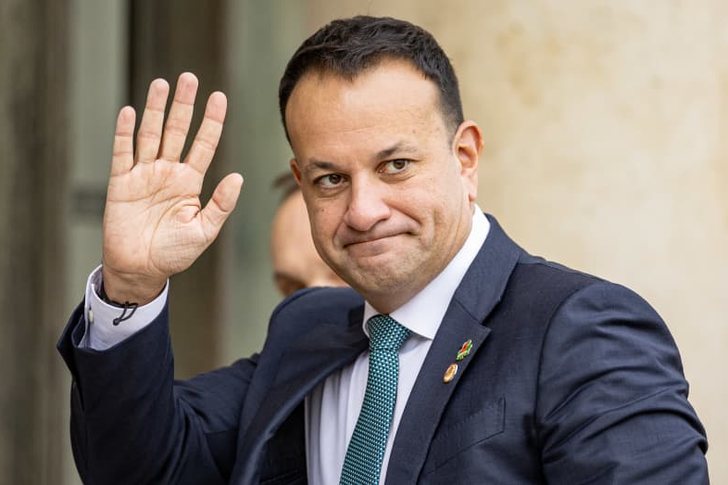
Irish Prime Minister Leo Varadkar has resigned 15 mont...
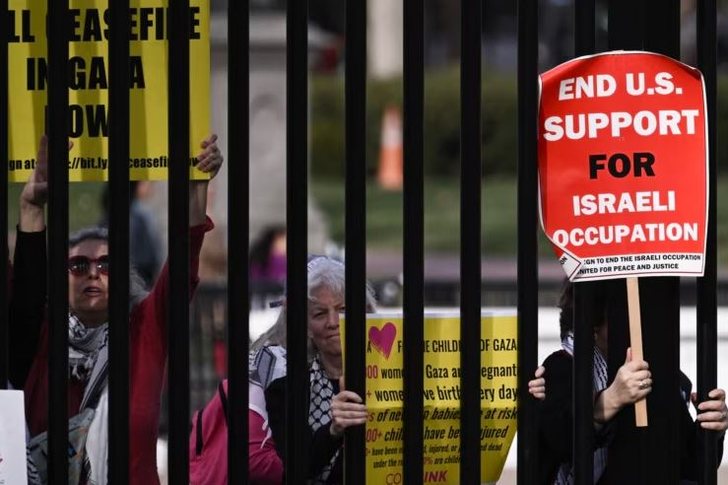
Udhëheqësit e fesë myslimane në Shtetet e Bashkuara, t...
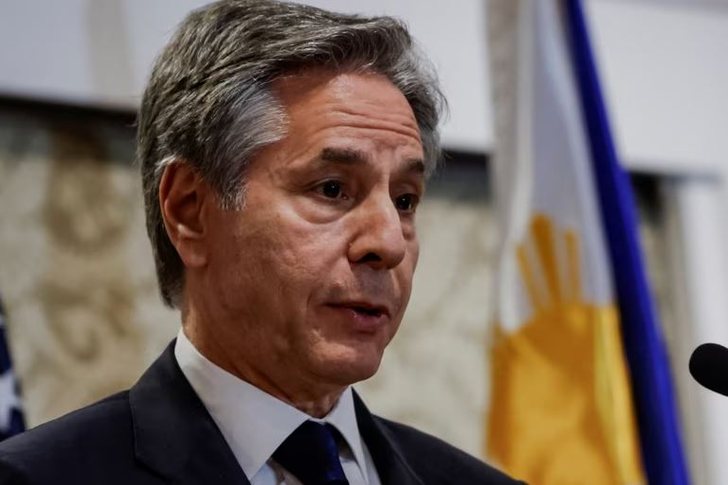
US Secretary of State Antony Blinken began a mission to th...
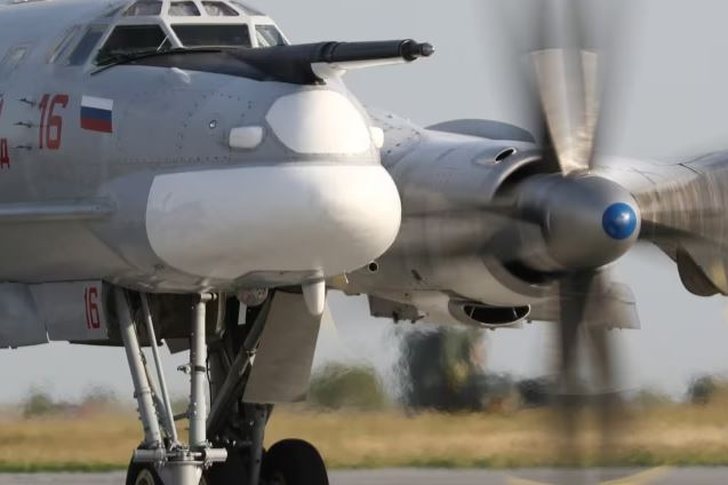
Ukrainian drones on Wednesday attacked an air base of Russ...

Primary elections were held in five American states on Tue...

The American ambassador in Kosovo, Jeff Hovenier, said tha...
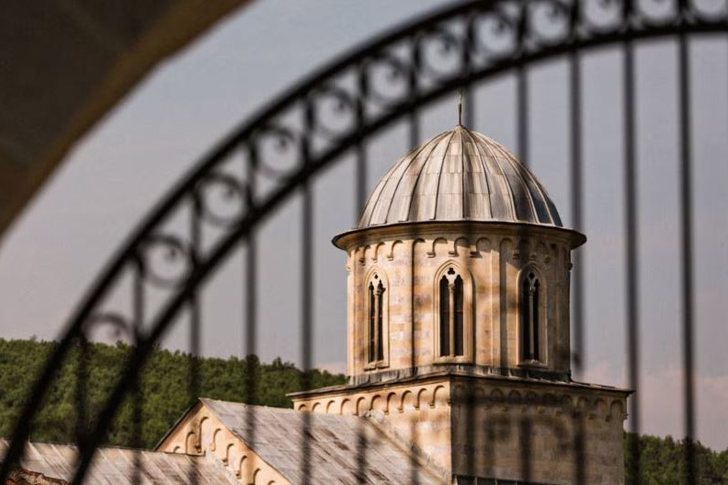
The Diocese of Rashka and Prizren of the Serbian Ortho...
The EU wants to make it easier for foreign workers to ...
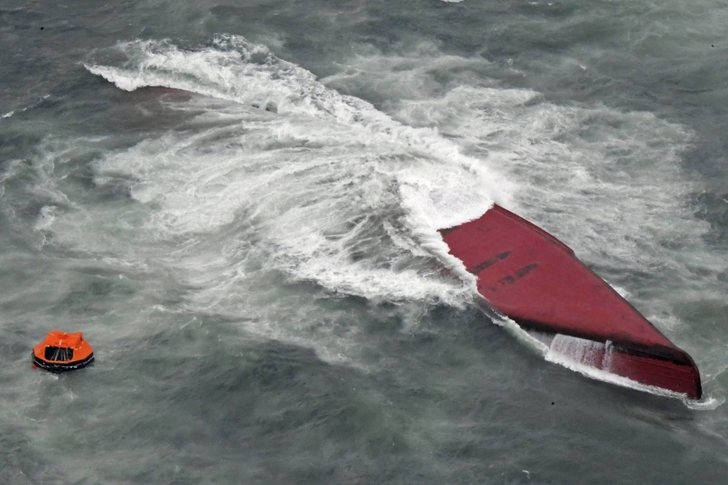
A South Korean-flagged tanker with a crew of 11 sank off t...
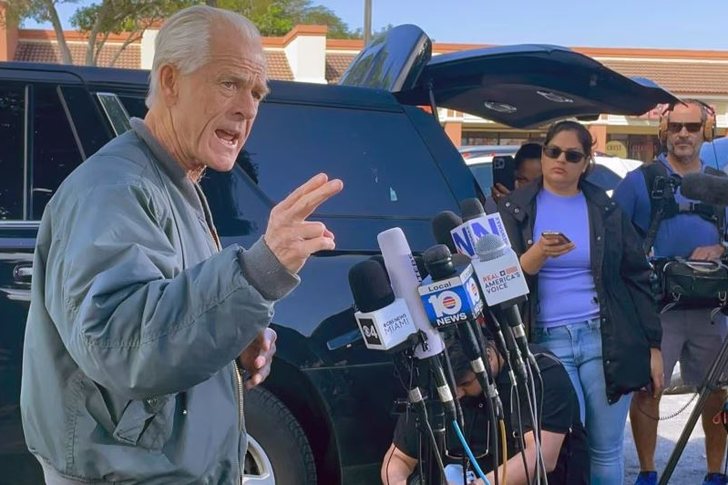
Former White House adviser Peter Navarro reported to p...
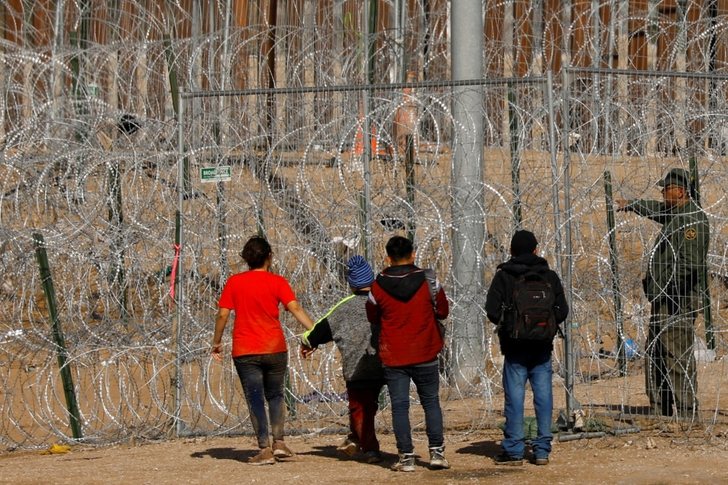
Texas plans to detain immigrants suspected of entering the...

A Council of Europe report on Germany's social policy ...

Turqia është zgjuar këtë të mërkurë nga tërmete të fuqishm...
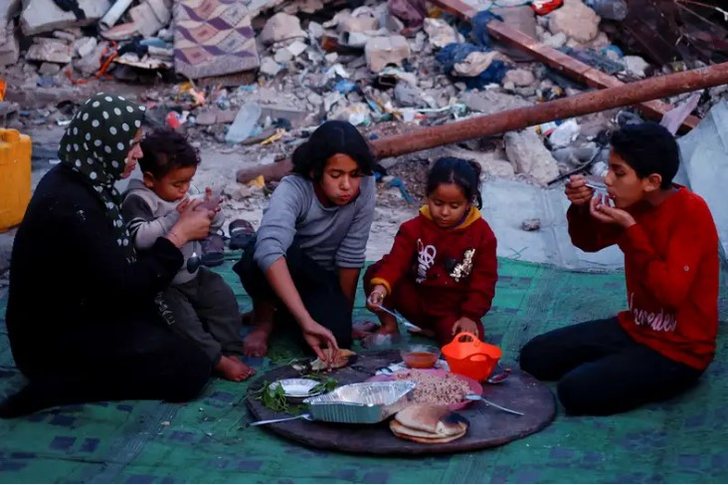
Ministri i Jashtëm i SHBA-së, Antony Blinken, tha se 100% ...
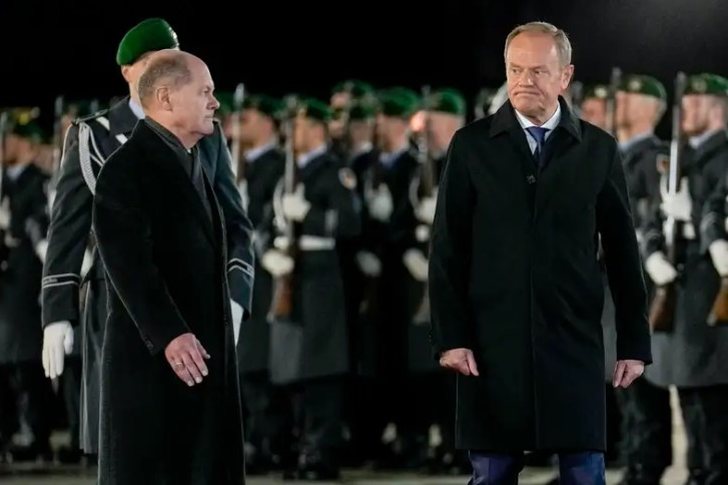
The difficult past is burdening the relations between Pole...
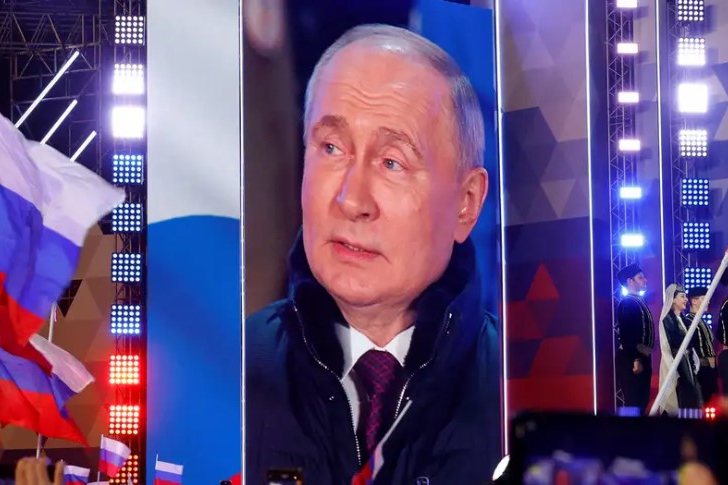
The figures are disillusioning: in 137 countries, which ca...
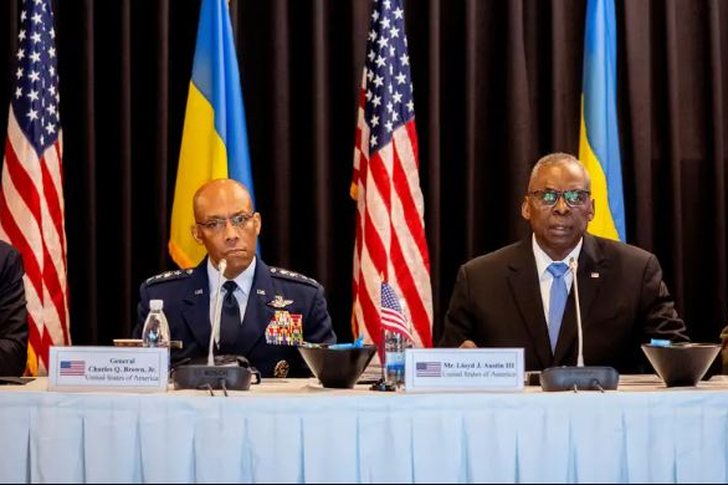
The US and Germany have promised more aid to Ukraine. Defe...
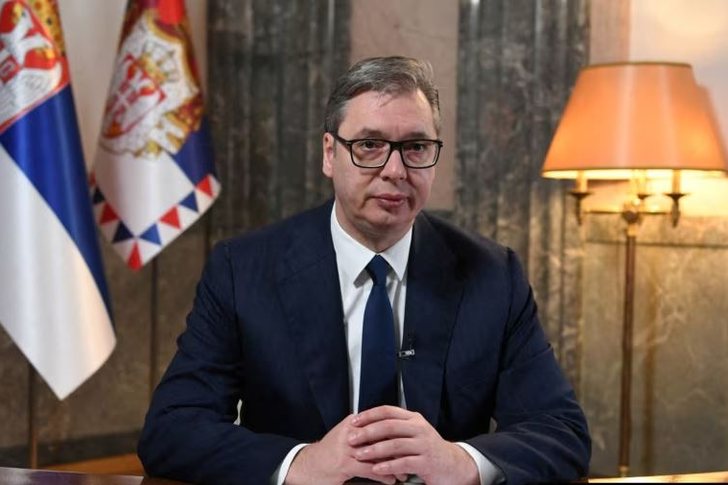
Serbian President Aleksandar Vucic has congratulated his R...
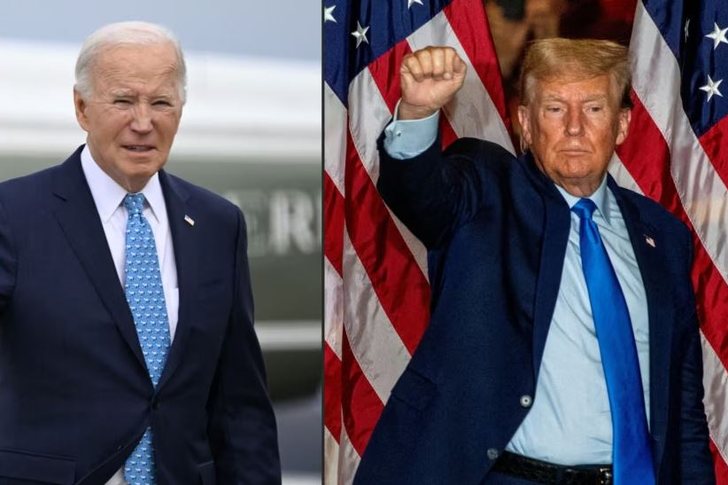
Five states are holding presidential primaries on Tuesday ...

Yulia Navalnaya, the widow of Russian opposition polit...

CNA has launched another investigation that could lead to ...

Irfan Hysenbelliu is a businessman that we call "Irfan the...

In March 2026, CNA launched another investigation centered...
The arrested mayor of Tirana, Erion Veliaj, with 13 charge...

The Special Board of Appeal (KPA) decided this Monday ...

The KPA vetting decided this Thursday to dismiss the p...

Suela Salavaçi, a prosecutor in the Prosecutor's Offic...

The Special Board of Appeal reinstated the prosecutor ...

New details have emerged regarding the accident that occur...

New details have emerged from the serious accident that oc...
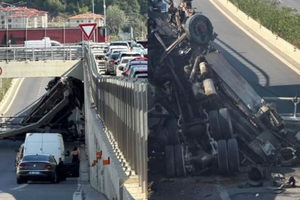
A serious accident occurred this Wednesday on the Elbasan-...
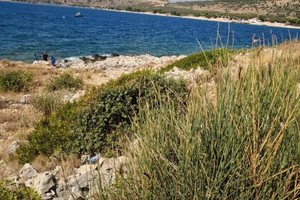
Citizen MH, 61, a fisherman, was found dead near the islan...
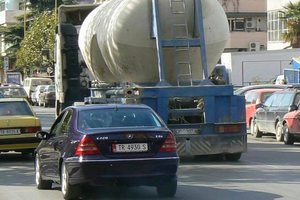
A serious accident that occurred this Wednesday with the c...

The Institute of Geosciences has shared a forecast for wea...
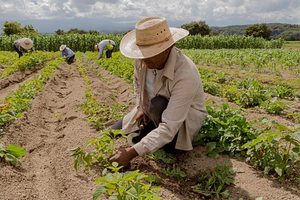
Rising energy and fertilizer prices are expected to contin...

Over 18,000 foreign citizens from 140 countries have appli...
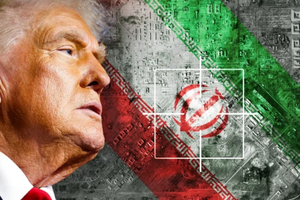
US President Donald Trump has issued another warning to Ir...

Prime Minister Andy Burnham has announced that most bus fa...

France's parliament has passed a law to ban social media f...

US Secretary of State Marco Rubio arrived in Manila on Jul...

At a time when industrial products are increasingly taking...

Trust among people is not just a three-syllable word. It c...

Master of humor Todi Llupi has passed away at the age of 7...

The ninth edition of "MIK Festival" kicked off with one of...

Businesses will no longer be required to simply register t...

Despite economic growth and income in recent years, Albani...

This Wednesday, one US dollar is bought for 81.4 lek and s...

Construction company licenses will have a validity period ...