


Shooting at a school in Sweden / 5 people injured
Five people have been shot at a school in central Sweden. ...


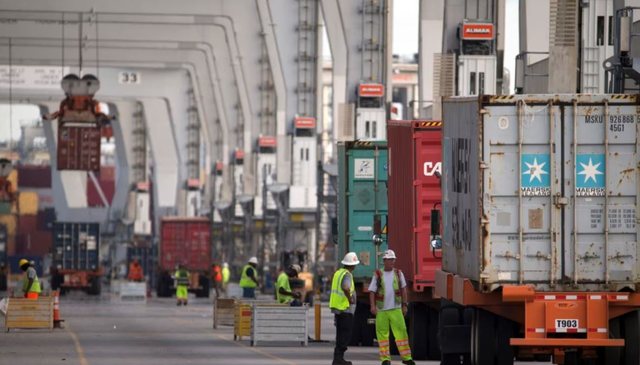
Trade war concerns following President Donald Trump's announcement of tariffs on Canada, China and Mexico were felt on the world's major stock exchanges, where share prices fell sharply on Monday.
Stocks steadied after Mr. Trump announced he would delay the imposition of 25 percent tariffs on Mexican and Canadian goods for a month after speaking with the leaders of the two countries. Meanwhile, China said on Tuesday it was imposing tariffs on the United States in retaliation for those announced by Washington.
China said it would impose a 15% tariff on U.S. coal and liquefied natural gas products, as well as a 10% tariff on crude oil, agricultural machinery and heavy-duty vehicles imported from the U.S. China also announced an antitrust investigation into Google and other trade measures.
China's actions come after President Trump announced over the weekend that he would impose tariffs of 25 percent on Mexico and Canada and 10 percent on China.
"We need to stop the flow of people, and we need to stop the fentanyl, and that includes China. Fentanyl has killed at least 200,000 people this year. It's flowing from China through Mexico and Canada. And they need to stop that. If they don't stop it, the tariffs are going to get really high."
China's ambassador to the United Nations, Fu Cong, said on Monday that Beijing would turn to the World Trade Organization.
"We believe this is in violation of WTO rules. And that is why China is filing a complaint with the WTO. We are also aware that we may be forced to take countermeasures. And let me also emphasize that there are no winners from a trade war."
In the coming days, President Trump is expected to speak with Chinese President Xi Jinping, and experts say that Beijing hopes for a softening of the American stance, as happened towards Mexico and Canada.
The consequences of the tariff announcement were felt in all three countries but also in the United States and other capitals, where the value of shares on the stock exchange fell.
Later in Washington, Mr. Trump said he had agreed to a one-month delay in tariffs with Mexico in exchange for measures by that country to stem the flow of migration and illegal drugs across the southern border. He then announced a similar pause with Canada. Markets recovered somewhat after the announcement.
Mexican President Claudia Sheinbaum reacted with cautious optimism.
"I am sure that this month we will have results, positive results for our peoples, and this was the result of the agreement. It was a good, respectful conversation," she said.
Economic researchers say consumers will start to feel the consequences soon and cite historical parallels.
“This goes back to the 1930s, when trade wars were one of the factors that deepened the Great Depression, as economies around the world put up barriers to keep out imports. In the long run, high tariffs would shrink the overall volume of global trade, which would weaken competition and the worldwide spread of technological innovation. And over time, that could slow U.S. and global economic growth,” says Steve Kamin of the American Enterprise Institute.
Mr. Trump acknowledged that these measures could raise prices, but said the cost of higher tariffs would be worth it because they would strengthen American interests. /VOA

Five people have been shot at a school in central Sweden. ...

Residents of Santorini faced another difficult night as th...
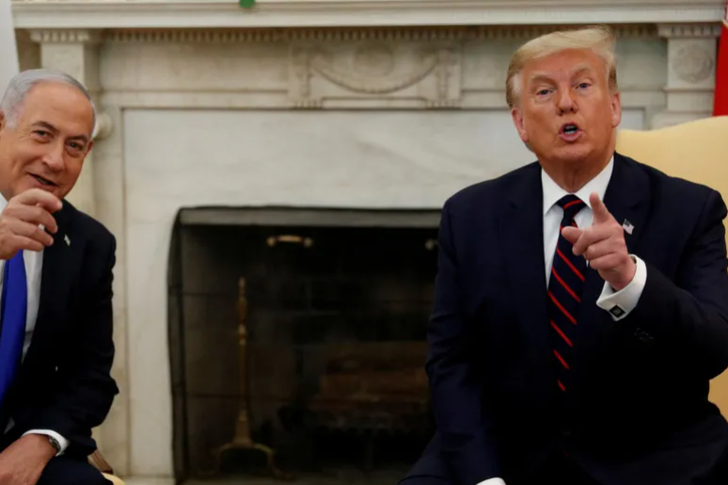
Israeli Prime Minister Benjamin Netanyahu will become the ...

President Donald Trump said Monday that TikTok could be pu...
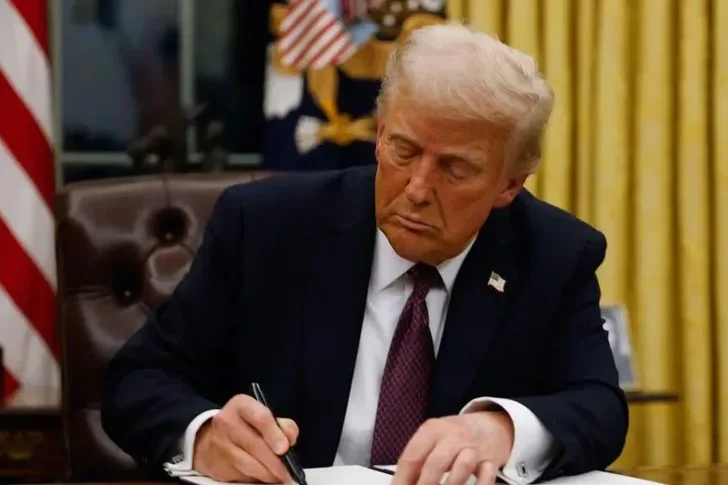
China has announced retaliatory action after new tariffs i...
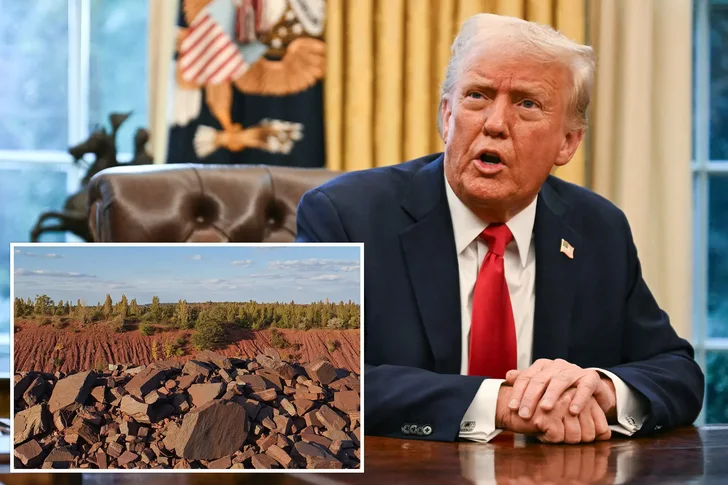
US President Donald Trump revealed that if Ukraine wants t...

Kosovo Prime Minister Albin Kurti recalled the tragic nigh...
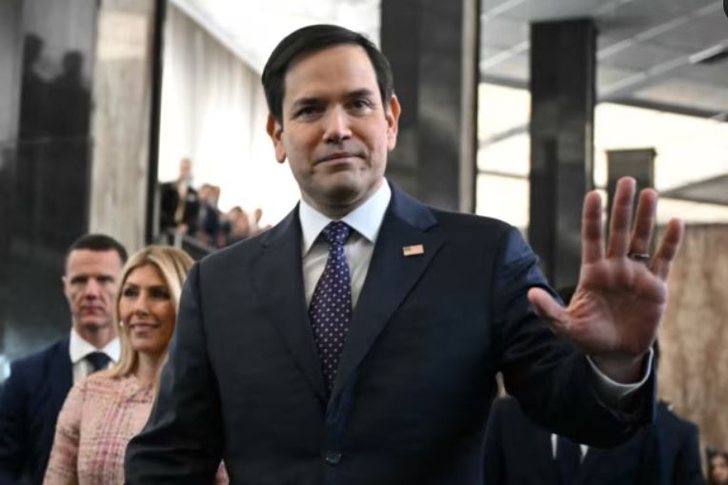
US Secretary of State Marco Rubio has been appointed actin...

Kosovo Prime Minister Albin Kurti continued meetings withi...
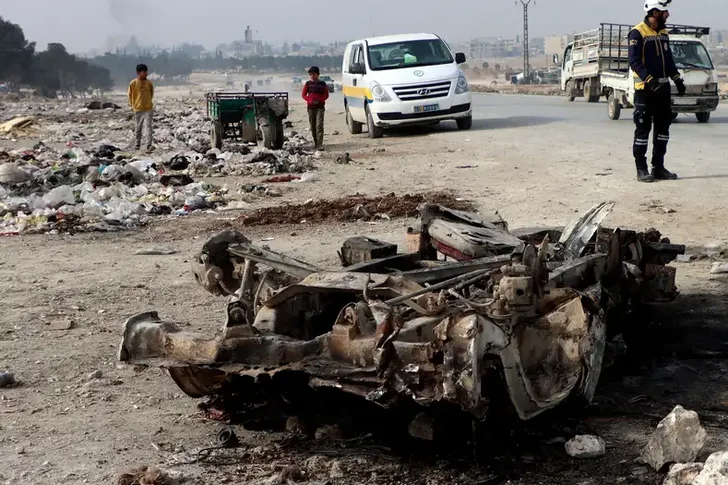
Syria's civil defense said a car bomb exploded on a main r...
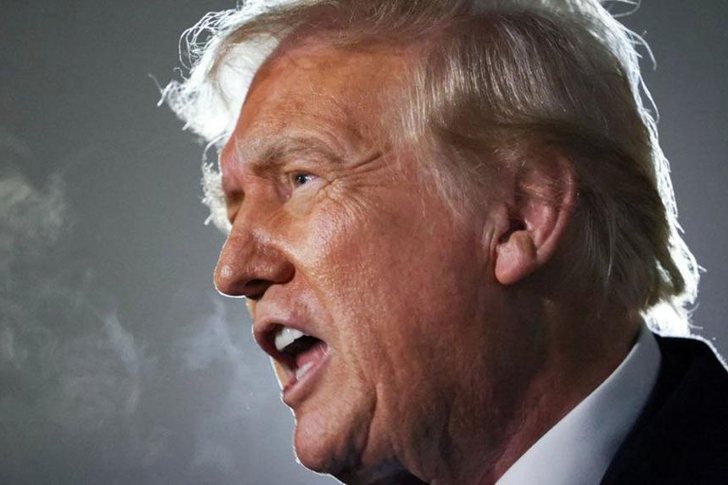
The President of the United States of America, Donald Trum...
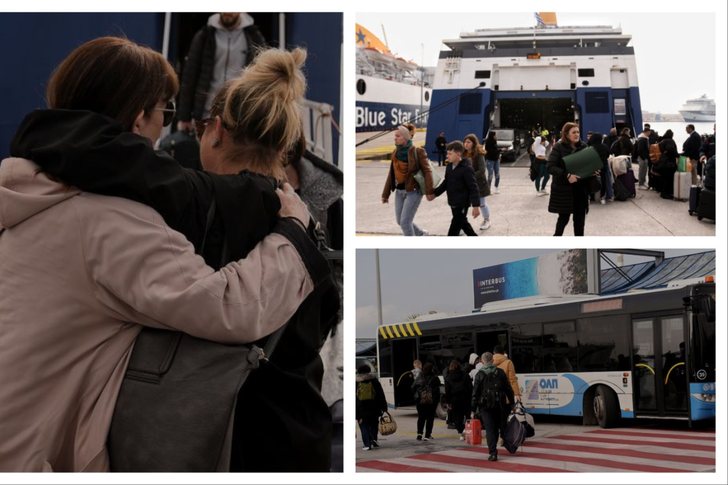
The high seismic activity in recent days in Greece on the ...
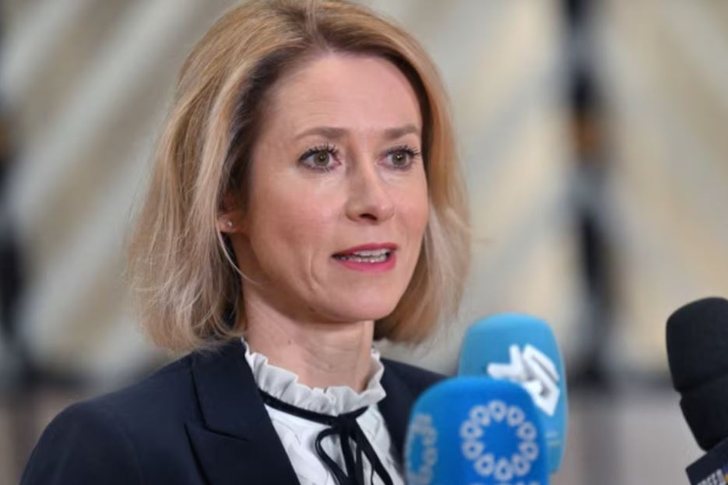
The European Union's foreign policy chief, Kaja Kallas...
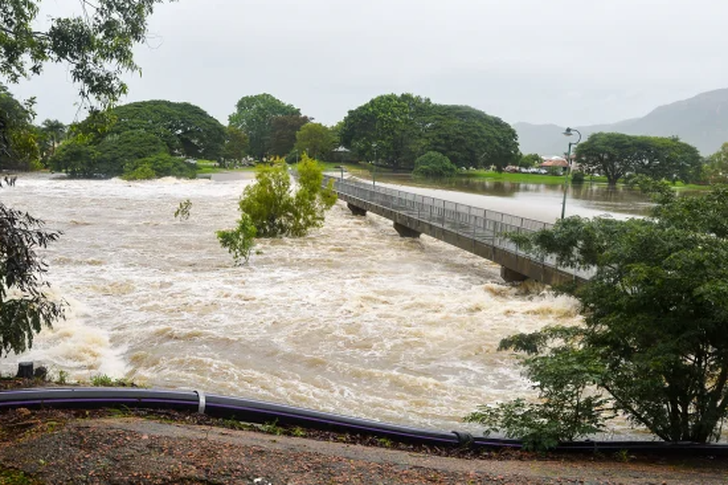
Deadly floods caused by record rainfall have swept across ...

At least 15 people, 14 of them women, have been killed in ...
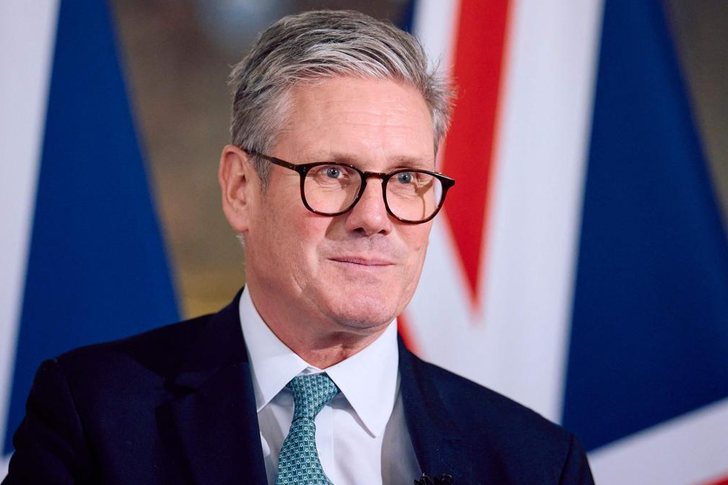
British Prime Minister Keir Starmer is traveling to Brusse...
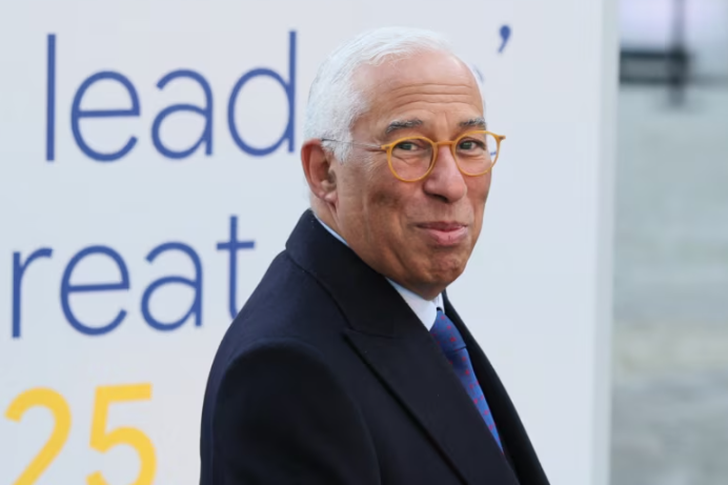
European leaders warned on Monday that US President Donald...
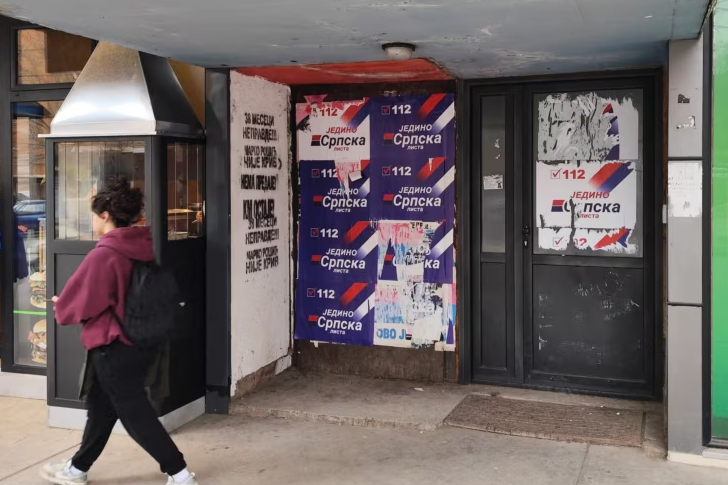
The February 9 parliamentary elections in Kosovo are of gr...
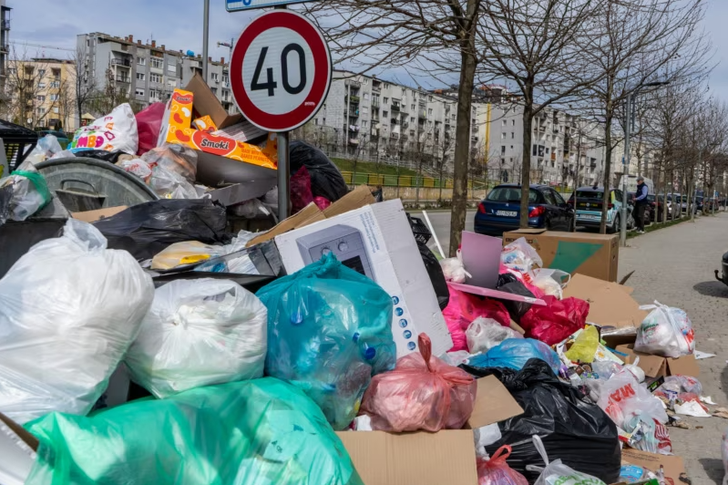
The Mayor of Pristina, Përparim Rama, has declared a state...
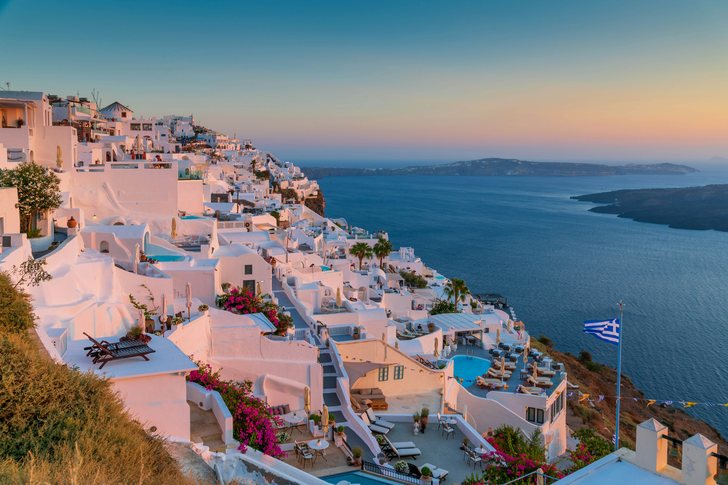
The number of earthquakes recorded this weekend on the Gre...

A 39-year-old citizen has been arrested in Lezha, after se...

CNA has launched another investigation that could lead to ...

Irfan Hysenbelliu is a businessman that we call "Irfan the...

In March 2026, CNA launched another investigation centered...

The Special Board of Appeal (KPA) decided this Monday ...

The KPA vetting decided this Thursday to dismiss the p...

Suela Salavaçi, a prosecutor in the Prosecutor's Offic...

The Special Board of Appeal reinstated the prosecutor ...

Several gunshots were reported today in the village of Gjo...

Following the successive operations carried out by the ope...

The Police Supervision Agency has seized the service weapo...

A serious incident occurred in Lushnje, where citizen IY, ...

As the year 2026 is in its second half, the world is exper...

Today, our country will be under the influence of stable a...

By noon, cloudiness is expected to prevail in almost all o...

Children without parental care, for whom alternative famil...

Ukrainian President Volodymyr Zelensky said Russia wants t...
Iran is adapting and enhancing the capabilities of its bal...

Serbia's Minister of State Administration and Local Self-G...
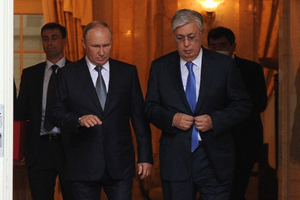
Kazakh President Kassym-Jomart Tokayev shared some critici...
Two windows, a century of history and the metaphysics of p...

In my research at the Central State Archives, specifically...

At a time when industrial products are increasingly taking...

Trust among people is not just a three-syllable word. It c...
This Saturday, one US dollar is bought for 81.7 lek and so...
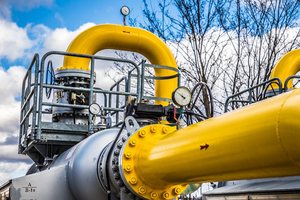
War, weather and supply disruptions could send gas prices ...
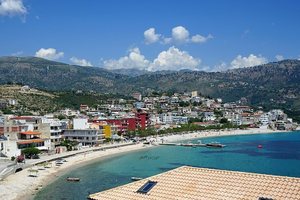
The number of active enterprises in Albania continued to g...
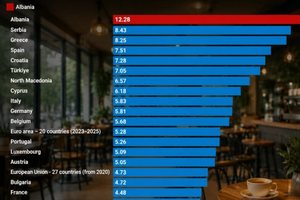
In Albania, the bar-cafe has long become an almost unique ...