

US officials: Putin may scale back some of his Ukraine ambitions
Vladimir Putin may abandon his plans to soon subdue Ki...


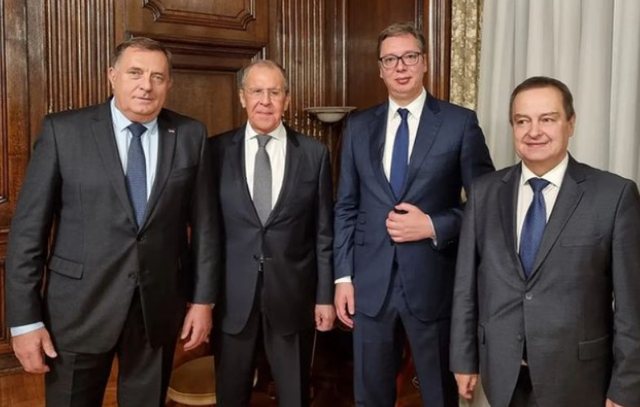
Although it is facing a major military defeat in Ukraine, Moscow continues to sabotage and destabilize vulnerable European regions, especially the Western Balkans. And it is doing this through allies and partners who either have territorial claims to neighboring states, are heavily corrupt with Russian money and resources, or support old friendly networks with Russian officials.
Most European countries have nationalist, ultra-left and populist groups within them that receive Russian money or that see Moscow as an anti-democratic, anti-liberal and anti-American bastion of great value to them. However, only a few countries are governed by such parties or presidents.
In this region, 3 countries currently have leaders who have declared themselves openly pro-Russian; Serbia, Hungary and half of Bosnia and Herzegovina. While 2 other countries, Montenegro and Bulgaria are under pressure from Moscow to follow their example.
Serbia certainly remains the main stronghold of Russian penetration in the Balkans, and therefore constitutes a constant concern for European institutions. Moscow sees President Aleksandar Vucic as the main disruptor against the West and in favor of Russia.
Pursuing the "Serbian world" agenda helps to undermine the independence of the Balkan states that seek closer ties with the US and Western institutions. The Russian secret services have penetrated deep into Serbia, and Vu?i? knows that he would soon be abandoned and even expelled from the Kremlin if he recognized Kosovo's independence, denied the separatist aims of the Serbs in Bosnia-Herzegovina, fully recognized the citizenship of Montenegro and would make an official request for Serbia's membership in NATO.
In fact, Vucic's fear of Putin guarantees Belgrade's submission to the Kremlin's strategy. Russia's state interests are best served in Bosnia-Herzegovina through ethno-nationalist divisions created by Republika Srpska and Croatian nationalist leaders.
Although Moscow aims to corrupt a wide range of politicians and businessmen in the region, regardless of ethnicity, Milorad Dodik has proven to be the main success story. His ambitions and dependence on Russia for political support, diplomatic standing and corrupt financing guarantee his manipulation.
The breakup of RS from Bosnia is likely to happen when Putin needs a major regional crisis, or even another Balkan war, which could involve his allies in Belgrade and Budapest, which will split the position of the West. After all, Dodik is useful to the Kremlin as a provocateur and saboteur.
The Hungarian government is an additional lever for Moscow in promoting the pan-Serbian agenda, and also a valuable source of friction within the EU. Prime Minister Viktor Orbán served Putin loyally by blocking Sweden's admission to NATO, delaying Finland's entry into NATO, and preventing Ukraine from participating in high-level NATO meetings.
Budapest also recently signed an energy deal with Gazprom, and has agreed to Russia building a nuclear power plant there. Meanwhile, Orban has supported Dodik's moves towards secession and has openly favored Vucic's regional program by signing agreements to promote military cooperation with Serbia.
Hungary receives a lot of EU funding even as it undermines Western interests in the face of an aggressive Russia, and is ranked by Transparency International as the most corrupt country in the union. The United States has recently placed under sanctions officials of the Russian-controlled International Investment Bank in Budapest, viewing it as a platform for collecting confidential economic data.
If there was a mechanism to expel Hungary from NATO and the EU, it would be widely supported throughout Europe. Montenegro continues to be seen in the Kremlin as an effective anti-Western tool, through the election of the new government under the influence of Belgrade.
The last presidential and parliamentary elections in June offer a golden opportunity to reverse the western course of Montenegro and create a significant space for the Serbization of this country. Any change in foreign policy in Montenegro will be especially welcomed in Moscow, as revenge against Podgorica for thwarting a coup attempt in October 2016, and as evidence that even NATO members are vulnerable to acts subversive of Russia.
Political instability in Bulgaria is also being promoted by Moscow to keep the government in Sofia unbalanced, to create discord with North Macedonia, and to reduce NATO's effectiveness in the Black Sea region.
The Russians' main asset is President Rumen Radev. The latter's close ties with Moscow are hidden behind his resistance to providing military aid to Ukraine. Also, he has repeatedly called for the lifting of sanctions against Russia for its invasion of Ukraine.
Radev opposes a more effective NATO presence in the Black Sea to deter Moscow's expansionism, and supports nationalist politicians seeking to undermine North Macedonia's statehood. A series of back-to-back parliamentary elections in Bulgaria over the past few years ensure that no administration can operate on a clear pro-Western line.
Moscow has traditionally seen Bulgaria as its loyal representative of the Balkans, but for this there has been resistance from pro-Western parties and politicians. Over the centuries, Russia has presented itself as Bulgaria's defender against Turkish imperialism, while it has appropriated Bulgaria's heritage and religious alphabet as its own.
For the Russian elites, Serbs and Bulgarians are inferior brothers and sisters who must faithfully follow Moscow's leadership. Russia's increasingly overt anti-Westernism, evident in its latest foreign policy doctrine, justifies fomenting Balkan conflicts to undermine Europe's cohesion.
The Balkans will remain a battleground, even as Russia loses its grip on Ukraine and the weak federation begins to crumble. In fact, the peninsula may become the last base of Russophilia, although Moscow is losing allies and influence in the South Caucasus and Central Asia.
If they want the Balkans to be truly included in a secure transatlantic world, Washington and Brussels need a tougher approach. The current governments in Serbia and Hungary that follow Moscow's example cannot be transformed into model and anti-imperialist democracies.
The West's tolerance of them only fuels their ambitions and determination to remain in power. A truly effective policy should focus above all on strengthening the integrity and sovereignty of Bosnia-Herzegovina, Montenegro and Kosovo, while curbing Belgrade's malign regional influences. In contrast, the US and the EU will continue to play in favor of Moscow's dangerous games, and will wonder why a new crisis erupted before their eyes again.
Note: Janusz Bugajski, member at the Jamestown Foundation based in Washington./ Adapted from CNA.al

Vladimir Putin may abandon his plans to soon subdue Ki...
Së paku tetë persona u vranë dhe disa të tjerë u plagosën ...
Disa shpërthime u dëgjuan të enjten për 15 deri në 20 minu...

Members of the Screenwriters Guild of America East, a unio...
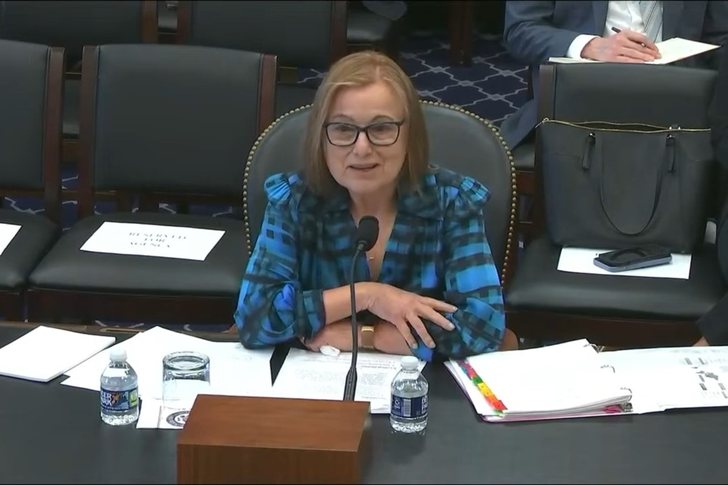
WASHINGTON – The executive director of the United Stat...
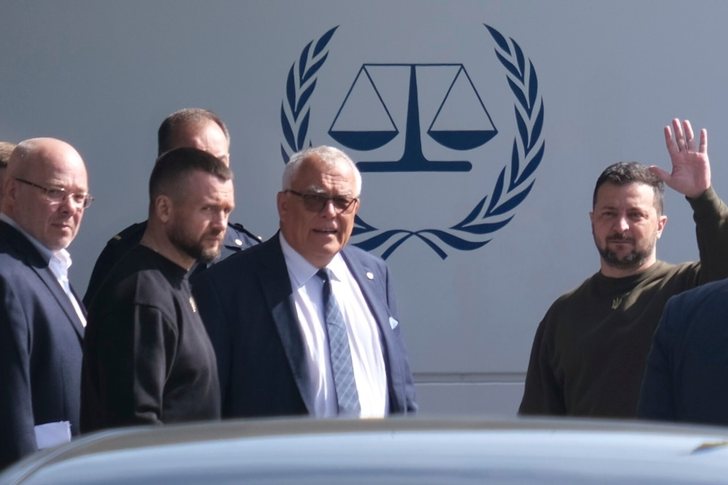
Ukrainian President Volodymyr Zelensky said Thursday t...
Hundreds of Romanians took part in the protest organized i...
A serious event happened again in Serbia this Sunday. A ...
The United Nations announced that the highest press freedo...
Europeans will soon be able to travel to the United St...
Administrata Amerikane e Ushqimit dhe Barnave ka miratuar nj...
The President of Azerbaijan, Ilham Aliyev, has stated ...
The European Commission unveiled on Wednesday a series...
Ish Presdenti i SHBA-ve, Donald Trump ka deklaruar se ...
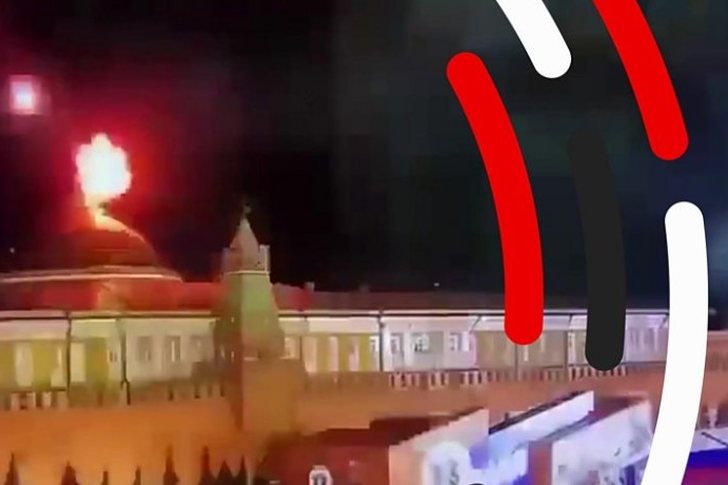
Explosions were heard in Kiev and other Ukrainian cities, ...
UN Secretary-General Antonio Guterres called on Wednes...
Britain's royal family begins a new chapter on Saturda...
Ukrainian officials said 18 civilians were killed in drone...
I dërguari amerikan për Ballkanin Perëndimor, Gabriel ...
Brazilian police raided the home of former Brazilian p...
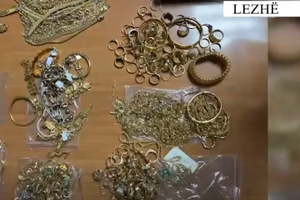
A 39-year-old citizen has been arrested in Lezha, after se...

CNA has launched another investigation that could lead to ...

Irfan Hysenbelliu is a businessman that we call "Irfan the...

In March 2026, CNA launched another investigation centered...

The Special Board of Appeal (KPA) decided this Monday ...

The KPA vetting decided this Thursday to dismiss the p...

Suela Salavaçi, a prosecutor in the Prosecutor's Offic...

The Special Board of Appeal reinstated the prosecutor ...

An accident involving three vehicles occurred a few minute...

55-year-old Belere Plaka, who was injured today with a sho...

Police Announcement: Following preliminary information...

New details from the operation being carried out in Fier t...

By noon, cloudiness is expected to prevail in almost all o...

Children without parental care, for whom alternative famil...

On Thursday, our country will be under the influence of st...

A serious accident that occurred this Wednesday with the c...
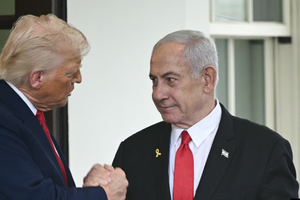
Israeli Prime Minister Benjamin Netanyahu will travel to t...
A bipartisan group of US lawmakers is calling for a Europe...
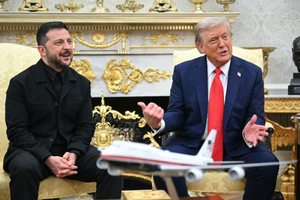
US President Donald Trump will host his Ukrainian counterp...
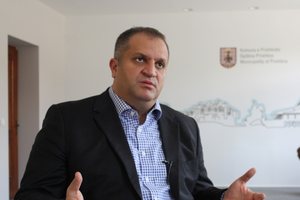
The Basic Court in Pristina found the former mayor of Pris...

In my research at the Central State Archives, specifically...

At a time when industrial products are increasingly taking...

Trust among people is not just a three-syllable word. It c...

Master of humor Todi Llupi has passed away at the age of 7...
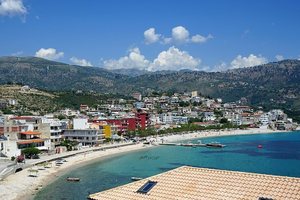
The number of active enterprises in Albania continued to g...
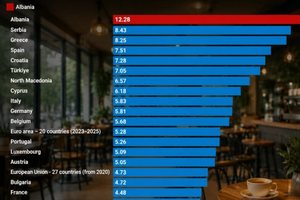
In Albania, the bar-cafe has long become an almost unique ...

This Friday, one US dollar is bought for 81.7 lek and sold...
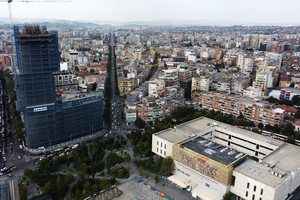
The average sale price of apartments in Tirana reaches rec...