


Exchange rate, July 24, 2026
This Friday, one US dollar is bought for 81.7 lek and sold...

This Friday, one US dollar is bought for 81.7 lek and sold...


The cause of the mass protests was the discovery by investigative journalists of the research institute "Correctiv", that members of the AfD had met on November 25 in Potsdam, to discuss a "re-immigration" plan, if the AfD comes to power in Germany. Austrian right-wing extremist Martin Sellner proposed at that secret meeting a plan to "reverse the settlement of foreigners" in Germany. By foreigners, he meant asylum seekers, people with a residence permit in Germany, but also "non-assimilated" German citizens of foreign origin.
All of these would be deported to a "model state" in North Africa. The extremists euphemistically called the process "reimmigration" (reimmigration = read: expulsion). This is an idea analogous to the idea of ??the Nazis, who had chosen the island of Madagascar as a place of deportation for unwanted persons. AfD representatives at the meeting, not only did they not oppose the plan, but they supported it.
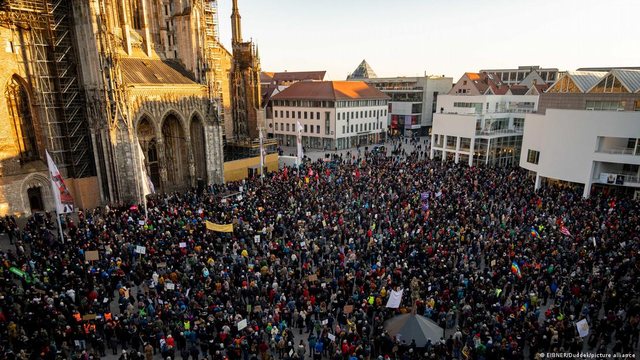
Immediately after the report was published, six associations of German lawyers, among them the Federation of German Judges and the German Bar Association, said that the meeting is an attack against the constitution and the rule of law. They said the meeting could turn into a "second Wannsee conference".
As is known, in 1942, the Wannsee conference (Wannsee-Konferenz), in Potsdam, decided on the so-called "final solution" against the Jews: the coordination of the most efficient extermination of the Jews of Europe.
Within hours of the publication of the investigative article, Chancellor Olaf Scholz declared on the X network that any plan to deport migrants is "an attack against democracy and against all of us". A few days later, Scholzi and German Foreign Minister Annalena Baerbock themselves participated in the protest of over 10,000 people in Potsdam against right-wing extremism. A number of politicians have positioned themselves, with speeches, even as participants in the demonstrations.
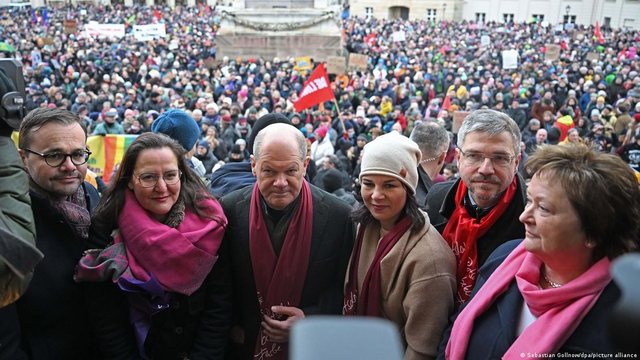
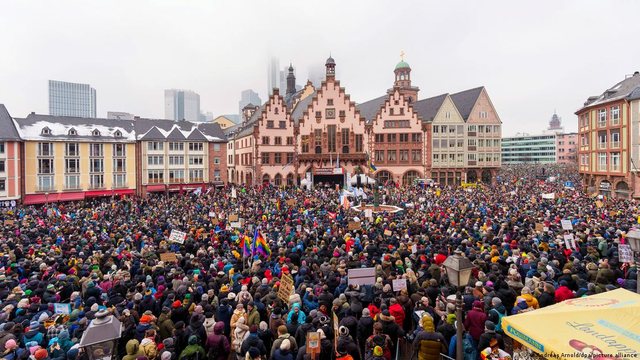
About 1 million people have participated in the protests so far: the Ministry of the Interior spoke about 900,000, the organizers about 1.4 million people. The most massive protests were on 19.01., 20.01. and 21.01. But they continue: 15,000 people have protested in the last few days in the state of North Rhine-Westphalia (NRW).
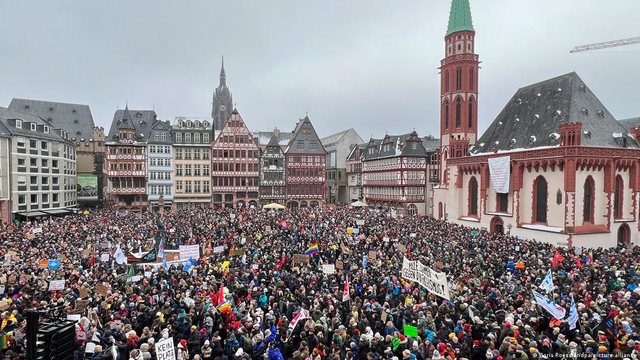
They are the biggest protests in the history of Germany, after the protests against the Vietnam war and the civil movement in the GDR, an expert recalled. In some cities, such as Munich and Hamburg, the organizers were even forced to call off the demonstrations due to the cities being overwhelmed by the overwhelming number of people. 350,000 people demonstrated against the AfD in Berlin, 250,000 people demonstrated in Munich; in Hamburg 160,000 people; 70,000 people demonstrated in Cologne; 60,000 in Leipzig; 50,000 people in Dresden.
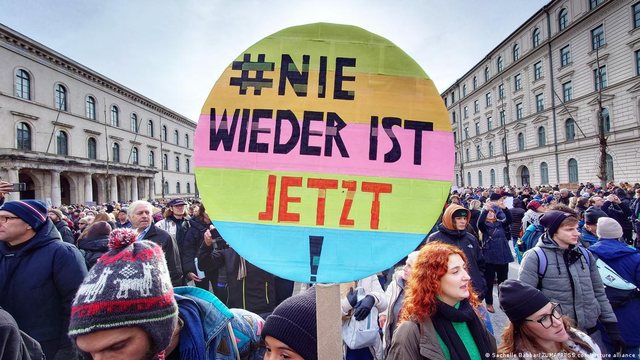
With mass demonstrations, participants convey the message that there is a limit to all extreme fantasies, which can ultimately lead to violence.
These days' demonstrators against the AfD have a very heterogeneous composition: they are young, old; liberals, conservatives; migrants; family, single; East Germans, West Germans; gay couples. They are the opposite of the picture of the homogeneity of the people, which the AfD seeks.
They are often organized in solidarity: protests in one city prompt citizens in other cities to do the same.
Their energetic protest is irrefutable evidence that democracy in Germany continues to be alive and active. This is the conclusion of most German and European experts who analyze the massiveness of the protests. In Europe, the French daily, Le Monde, wrote e.g. that demonstrations are a healthy reaction. There is a big difference, she wrote, from "the French neighbours, who are more passive towards the extreme right, which plays the card of normality... in France". , remains its best asset".
For the first time in Germany, the possibility of banning the AfD is now being widely discussed. But even if the procedure to ban the AfD were to be initiated - for this the request of 37 deputies is enough - its success before the Federal Constitutional Court is unclear. Only two parties have been banned in the FRG to this day: in 1952 the Socialist Reich Party, which gathered Hitler nostalgics, and in 1956 the Communist Party of Germany.
Even in Germany, as in every country, there is a segment of the population that does not appreciate liberal democracy: there are anti-Semites, there are people against foreigners, there are racists. AfD's success is explained on the one hand by the fact that AfD gives political voice to this social segment. The AfD generally gathers emotions of dissatisfaction with the current situation in Germany.

There is, on the other hand, another larger number of people: they feel either violated by the state and the government; or on the contrary, they think that the state is non-existent and inefficient.
Well-known sociologists Steffen Mau and Hartmut Rosa told the SZ newspaper that there are unhappy Germans, because according to them the state interferes too much: sometimes it brings refugees to the countryside, where things are actually good. It seems to them then that the state cares "only about foreigners"; next time, the state will change the type of heating in private homes by law. On the contrary, others feel unhappy that according to them the state does nothing: nothing to protect the environment, nothing against homophobia, etc.
It is a fact that today's world changes quickly and people are very tired. They are excited and set in motion quickly. The AfD promises the tired a return to what they know best, the traditional. But that, in fact, no longer exists, as they have in their memory.
The AfD takes over 22 percent in polls across Germany. In September, in the elections in three eastern countries, where according to polls AfD gets over 35%, it is not excluded that it will emerge as the strongest party. But due to the "sanitary cordon", the decision of all major parties not to cooperate with the AfD, this party is not expected to come to power.

The number of the population of Germany rose this year to 84.7 million inhabitants. Germany is the most populous country in Europe. Germany reached this figure thanks to migration. Without compensation from migrants, Germany would decrease in number, as here too more people die than are born. This would bring great economic problems to the German economy, with a great thirst for workers. It would bring social problems to society.
It is a fact that throughout Western Europe there is currently a large anti-migration movement. Is Germany an exception? Even in Germany, as in Europe, there are discussions about the number of refugees that should be allowed to cross Germany's borders. But its own history prompts Germany at the same time to make an exception: to maintain an active democracy and support European integration.
Germany's economic interests are another reason why the extreme fantasies of the AfD are massively opposed. After coming to power AfD has said that it will organize a referendum to take Germany out of the EU. The ideology of this party scares away foreign investors and skilled workers, which Germany needs. This is unacceptable to many Germans.

The United Nations agency for Palestinians (UNRWA) announc...
The Secretary General of NATO, Jen Stoltenberg, said today...
Authorities in Alabama executed convicted murderer Ken...
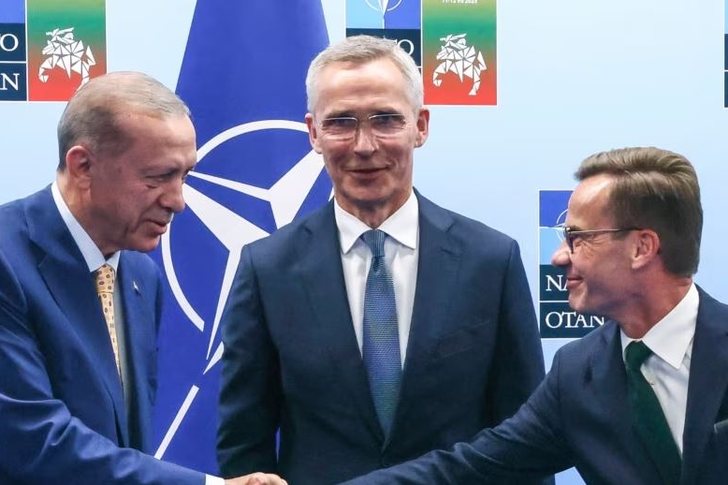
Turkish President Recep Tayyip Erdogan on Thursday approve...
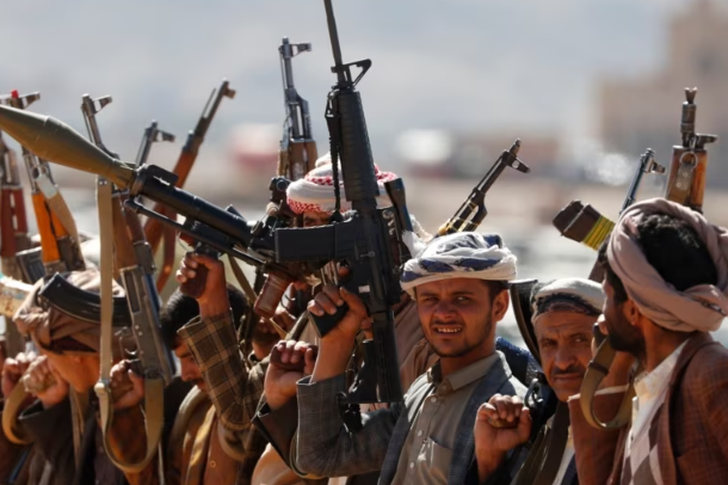
The United States and Britain said Thursday they had impos...

The idea that was heard in Kosovo by Prime Minister Albin ...
Tregu i heroinës me pakicë në Bashimin Europian vlerësohet...

Oficerët në Liqenin Del Valle, Kaliforni, në Shtetet e...
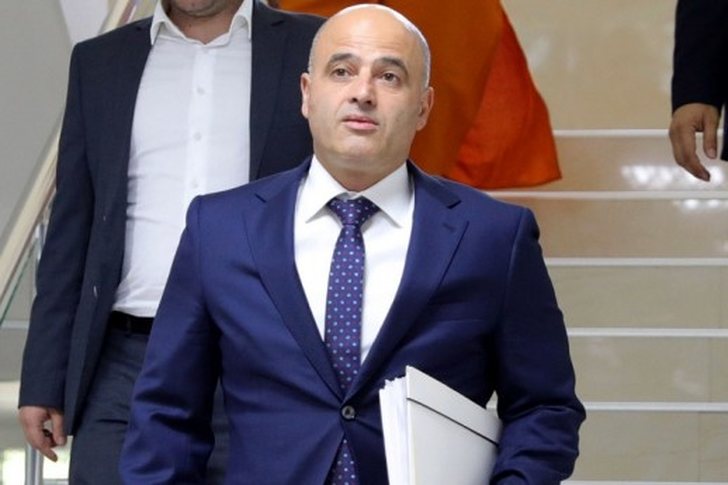
The services of the Assembly of North Macedonia announ...

Adis Dazdarević, senior official and candidate for cou...
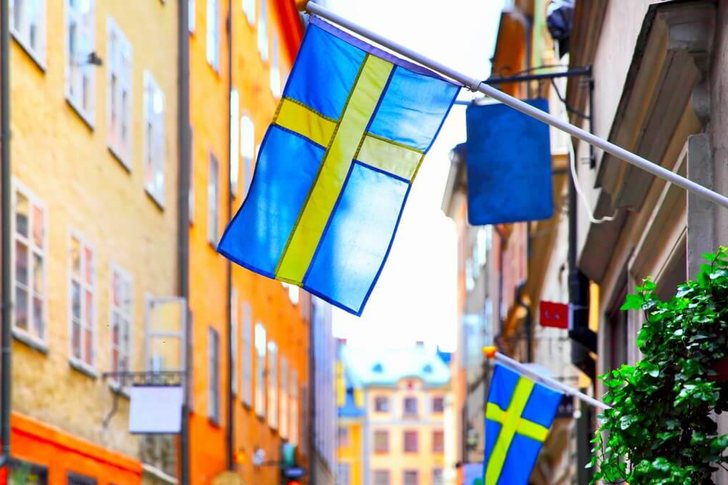
The Swedish government has proposed tightening the req...
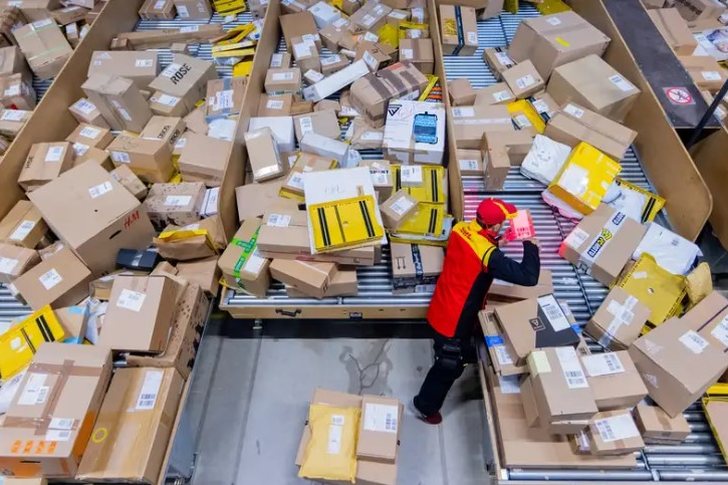
For Christmas it happened like this: The package delivery ...
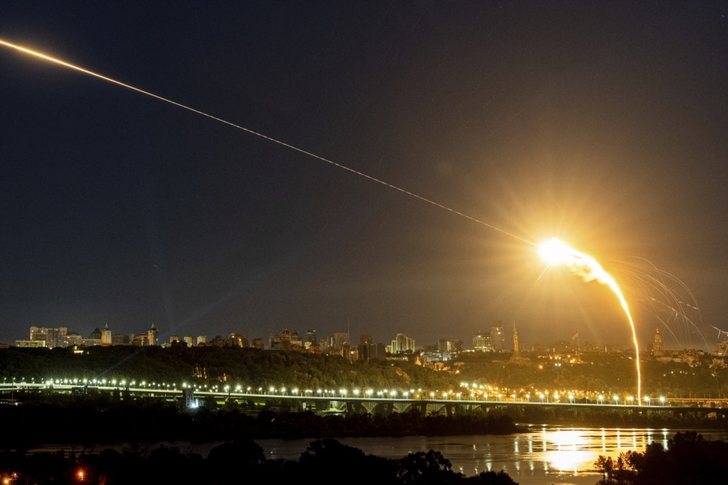
Russia launched fourteen attack drones and five missiles i...
The United States called on North Korea on Wednesday to re...
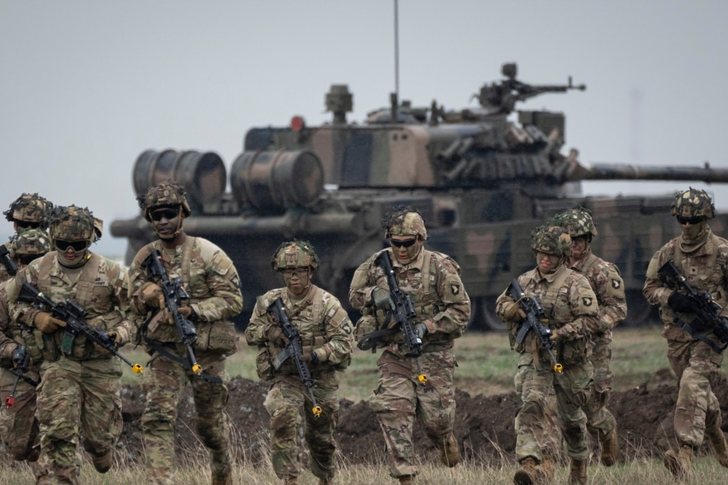
NATO on Wednesday began its biggest military exercise sinc...
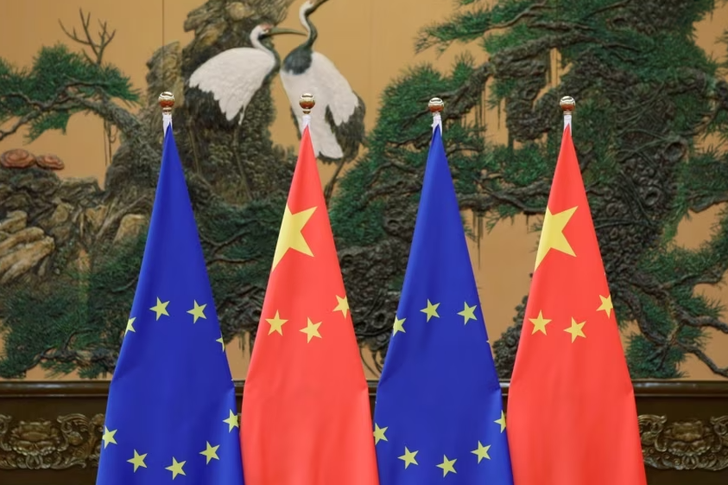
The European Union today announced plans to boost its econ...

The Ministry of Foreign Affairs and Diaspora has given det...
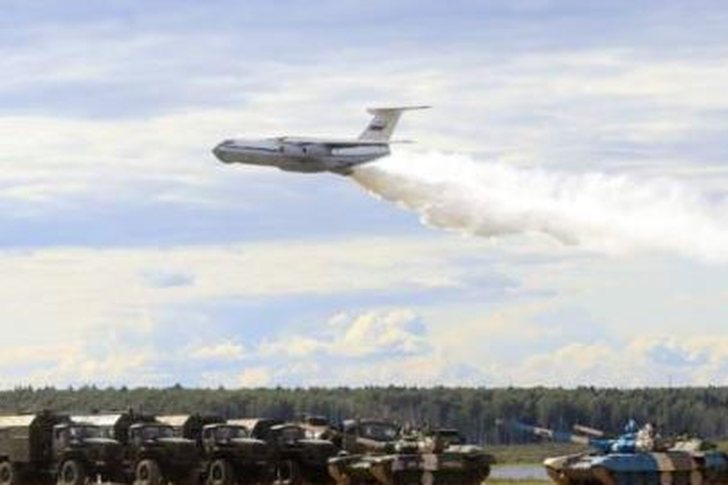
The Russian Ministry of Defense announces that an Il-7...
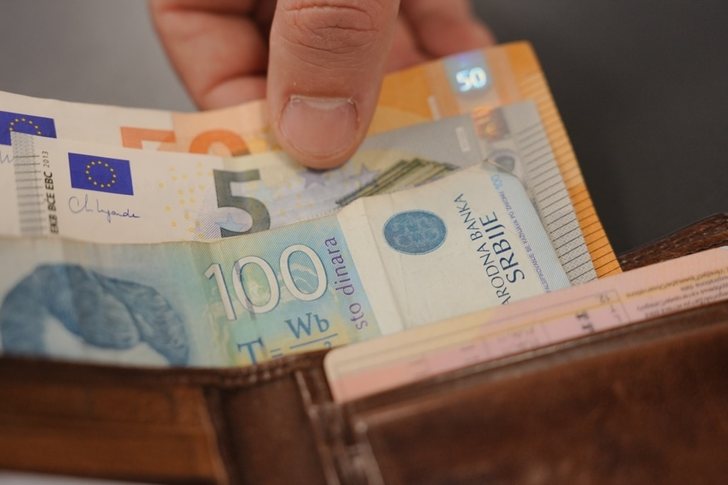
The United States has called on the Government of Kosovo t...
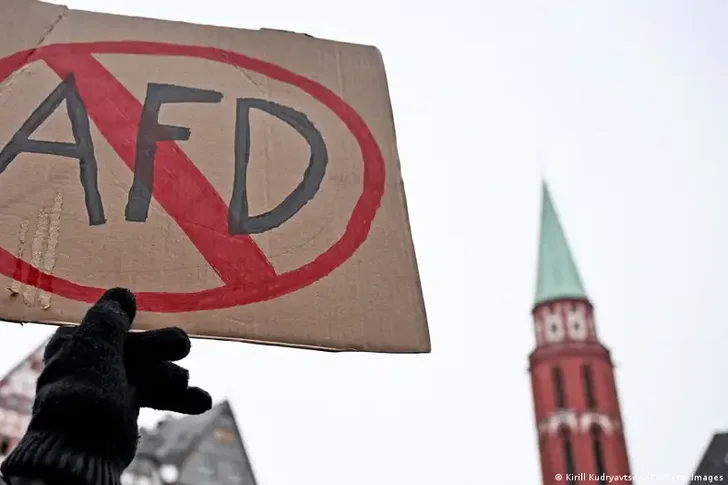
Germany in January 2024: The Alternative for Germany party...

CNA has launched another investigation that could lead to ...

Irfan Hysenbelliu is a businessman that we call "Irfan the...

In March 2026, CNA launched another investigation centered...
The arrested mayor of Tirana, Erion Veliaj, with 13 charge...

The Special Board of Appeal (KPA) decided this Monday ...

The KPA vetting decided this Thursday to dismiss the p...

Suela Salavaçi, a prosecutor in the Prosecutor's Offic...

The Special Board of Appeal reinstated the prosecutor ...

A conflict occurred this Thursday evening in the toy area ...
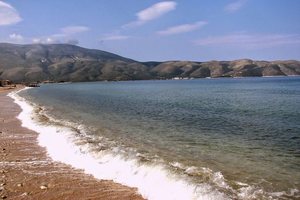
A person has died today on Orikum beach. According to repo...

Footage emerges from the serious accident that occurred th...

A Shkodra traffic police officer was hit with hard objects...

By noon, cloudiness is expected to prevail in almost all o...

Children without parental care, for whom alternative famil...

On Thursday, our country will be under the influence of st...

A serious accident that occurred this Wednesday with the c...

The European Union Office in Kosovo has called on all poli...

Serbian President Aleksandar Vučić, at a press conference ...
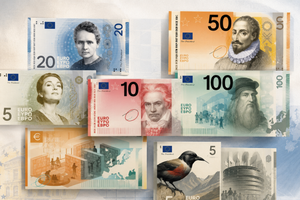
For the first time since the launch of the euro, European ...

Artificial intelligence (AI) models from the American comp...

At a time when industrial products are increasingly taking...

Trust among people is not just a three-syllable word. It c...

Master of humor Todi Llupi has passed away at the age of 7...

The ninth edition of "MIK Festival" kicked off with one of...

This Friday, one US dollar is bought for 81.7 lek and sold...
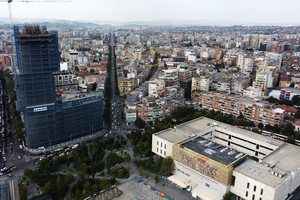
The average sale price of apartments in Tirana reaches rec...

This Thursday, one US dollar is bought for 81.5 lek and so...

The price of diesel reached 206 lek per liter from 198 lek...