


Drunk and at breakneck speed/ Fines are increasing, thousands of measures for drivers
Over the last 24 hours, Traffic Police services across the...

Over the last 24 hours, Traffic Police services across the...

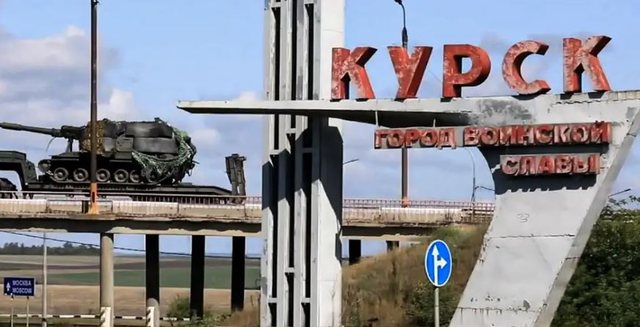
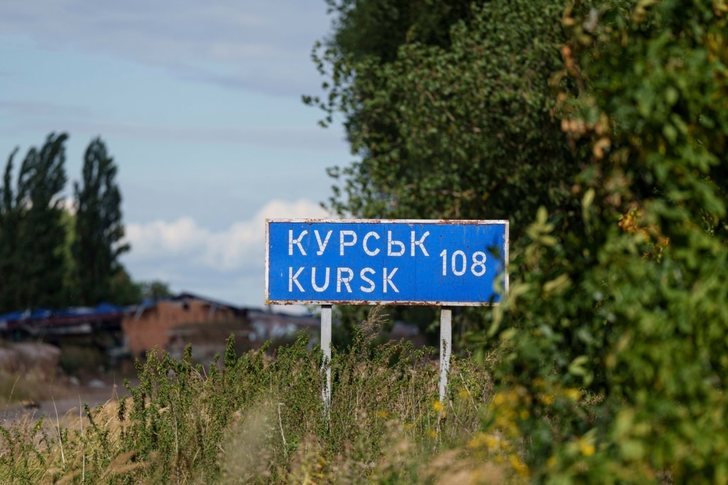
Ukraine these days probably took a "first step" towards changing the military strategy in defense against the Russian invasion. This is what Jen Spindel, a professor at the American University of New Hampshire, says about the recent developments in the Kursk region in western Russia. "Ukraine cannot continue this war as it has done for the past two years. The country simply does not have enough personnel and weapons to do so," said the foreign policy and security expert in an interview with DW.
This would be the shift in strategy Spindel had talked about in May with colleagues in the American magazine Foreign Affairs - "towards a war of attrition instead of a war between equals". The war in Ukraine must become more "asymmetric". This means that the Ukrainian army does not directly confront the Russian army - which is superior in many respects - in the open field, but uses tactics that are better suited to the size of the troops and weaponry of the Ukrainian army. This is exactly what appears to be happening in Kursk. "Ukraine showed that Russian territory is no longer inviolable and that Ukraine is attacking it to distract Russian forces from bombing and destroying Ukraine," Spindel said.
Why did Ukraine attack Kursk?
A week after the attack of the Ukrainian army towards the Russian territory, Kiev still does not express itself very openly. President Volodymyr Zelenskiy has so far only talked about "shifting the war to the territory of the aggressor". A senior Ukrainian military official told AFP over the weekend that "thousands" of Ukrainian soldiers were involved in the plan. The goal is to "disperse" the Russian forces and "destabilize" the situation. This Monday, Oleksandr Syrsky, the commander-in-chief of the Ukrainian army, spoke for the first time about the "offensive operation in the Kursk region". Ukraine controls about 1,000 square kilometers of Russian land, the general told a briefing on the current situation.
Russian President Vladimir Putin also commented on the Kursk fighting on Monday: "The enemy is trying to improve its future negotiating position," Putin said. But this strategy will not succeed. According to the head of the Kremlin, Russia's main goal at the moment is to repel the Ukrainian forces.
Russian media reported that Ukrainian forces entered the Kursk region on August 6 and quickly advanced at least 10 kilometers. Meanwhile, some media are now reporting that the Ukrainian army has advanced about 30 kilometers into Russian territory and that it has occupied small villages. The front line remains dynamic. Meanwhile, the Russian Ministry of Defense claims that the Ukrainian advance has stopped and that fighting is taking place in two small districts on the border. Moscow is particularly concerned about the Kursk nuclear power plant, although according to Russian reports, fighting is still at least 30 km away from the nuclear power plant. This is the first advance of official Ukrainian troops on Russian territory on such a scale. In 2023 there were minor operations in the Belgorod region by Russian opposition formations fighting on the side of Ukraine.
Expert: "Good for morale, irrelevant for war"
The Ukrainian march into Russia is "the result of careful planning" on the Ukrainian side and a "total failure of Russian intelligence work," Austrian military historian Colonel Markus Reisner told DW. He credits Kiev with "clear information wins" because everyone is now looking from Kursk and not from the Donbass, where the Russian army is slowly advancing near towns like Chasiv Yar and Pokrovsk. If Ukraine were able to hold the areas in Kursk longer, it would force Russia to regroup and reduce pressure in the Donbas, Reisner says.
And Gustav Gressel, an expert in Berlin at the European Council on Foreign Relations (ECFR) institute, is more skeptical about the situation in Kursk: "Good for morale, irrelevant for the war", Gressel declared in an analysis for DW in the days of before the advance. "There is no sign that Russia is pulling forces from the east to stop the Ukrainian advance." Meanwhile, there are unconfirmed reports that Russia has moved some troops from northeastern Ukraine. But Gressel says: "By a stretch of the front on Russian territory will primarily benefit Russia, as it would further strain the Ukrainian armed forces."
But Ukraine may also pursue other goals with the advance towards Kursk, experts tell DW. For example - as Putin said - to gain a better negotiating position with Russia. Or to raise the morale of the Ukrainian troops, who "in an exhausting war for a year and a half have only defended their positions," German journalist and Ukraine expert Winfried Schneider-Deters told DW. "It is possible that the Ukrainian leadership wants to demonstrate to Russia, but above all to the West, that Ukraine is not at the end of its powers," Schneider-Deters said, and "that with further supplies of Western weapons it still has options win this war."
What are the US and other partners saying?
Washington, Berlin and other Western governments have long barred Ukraine from using its weapons to attack Russian territory. The green light came only in May 2024 after the Russian offensive near Kharkiv. However, the permit remained limited to the immediate border area. But missiles like ATACMS from the US can still only be used on occupied Ukrainian territory. So far, the US has reacted with restraint to Ukraine's advances in Russia. The expert, Jen Spindel, is of the opinion that there must have been many high-level phone calls between Kiev and Washington to de-escalate.
How far can the Ukrainian troops advance?
Jen Spindel is not of the opinion that the Kursk operation is intended to reach Moscow. No one is interested in this. On the other hand, the more the Ukrainian army advances, the greater the risk that its troops will be cut off from supplies. To achieve its goals, Ukraine does not need to advance "too far" into Russia's interior, the expert says: "It is enough for it to advance in areas that serve as a troop march zone and where Russia stores its weapons. "If Unless Russia gives a "massive response" in the coming days, Ukraine may try to attack further targets in Russia, Spindel says. It also remains to be seen whether Moscow will postpone an "imminent attack from northern Ukraine".
But Ukraine also needs to know how to maintain balance and be attentive to its Western partners, Spindel said. So far, Ukraine has advanced "enough for a clear operation in Russia" but "not enough to cause concern for a much larger operation." Overall, Spindel does not expect any major changes in the war as a result of the Ukrainian advance. The expert is of the opinion that there will be further operations of this type, where Ukraine will rely on the element of surprise. The goal: "to unbalance Russia"./ DW

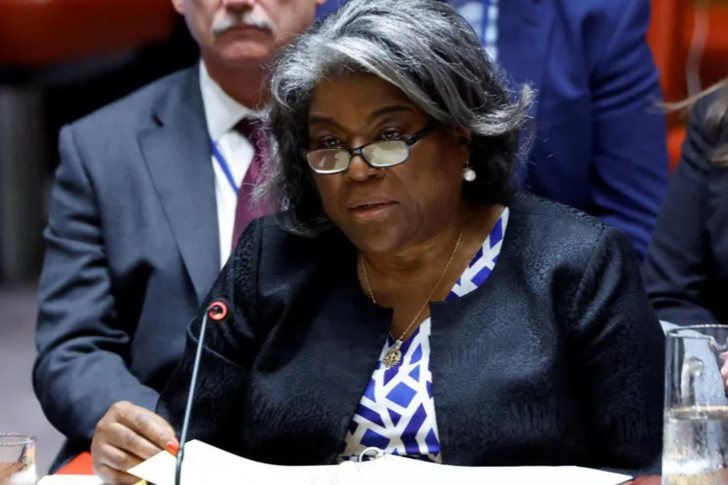
The United States is aiming to "turn down the heat" in...
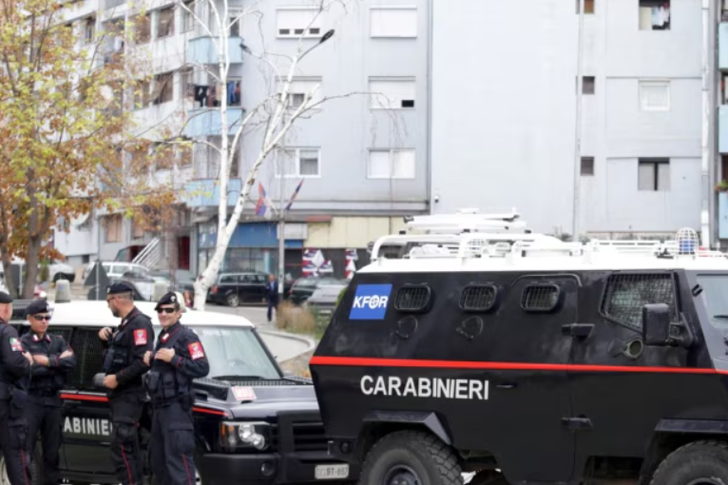
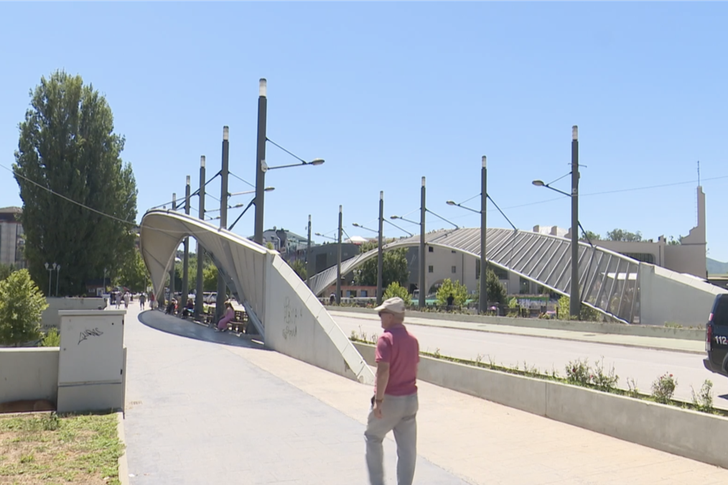
NATO-led peacekeeping forces in Kosovo said on Tuesday...
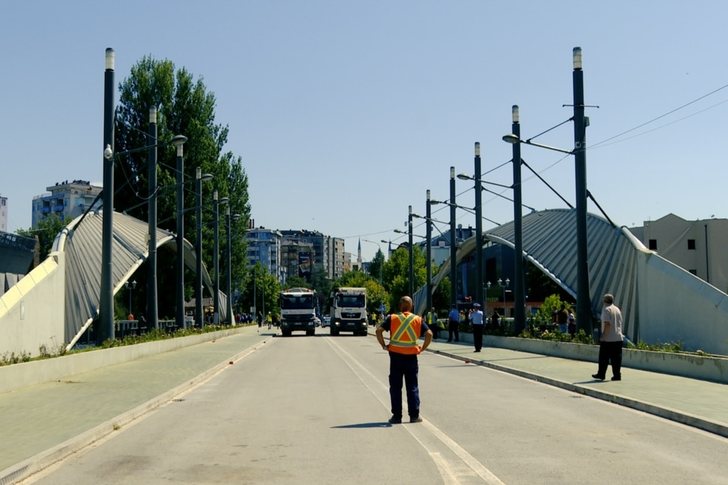
Kosovo's Deputy Minister of Infrastructure, Hysen Durmishi...
The United States was not engaged in any aspect of plannin...
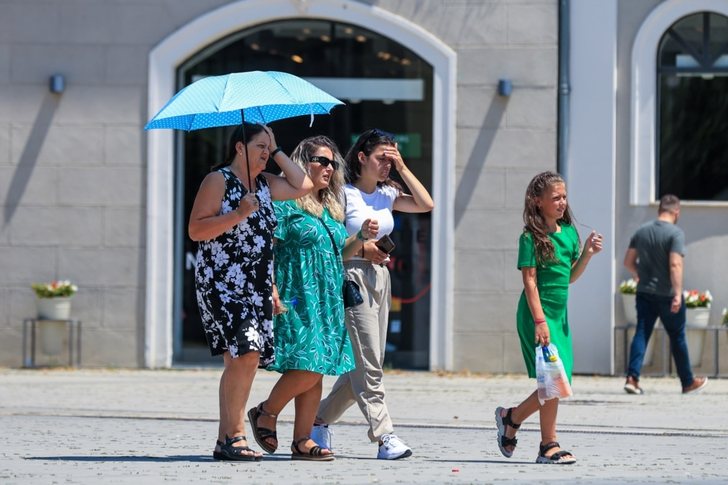
The Ministry of Health of Kosovo has again ordered the...
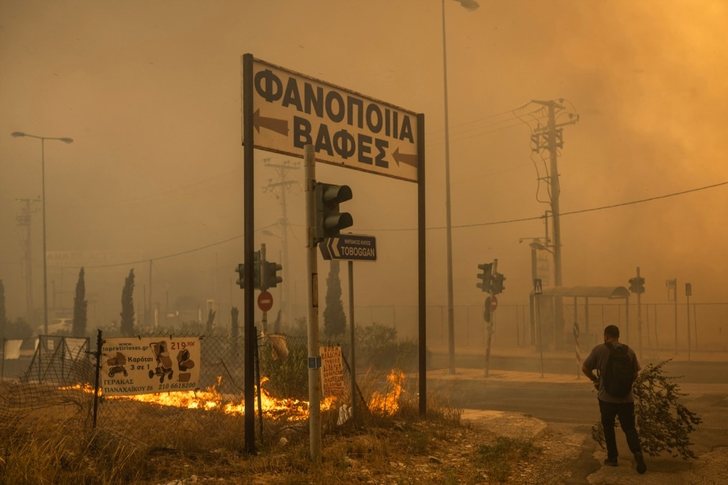
Hundreds of firefighters in Greece continued efforts on Tu...
The European Union said on Tuesday that it plans to decide...
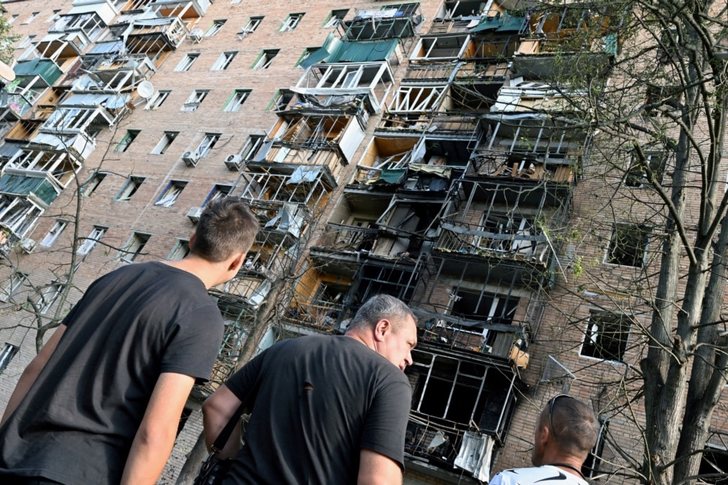
Ukraine moved the war inside Russia in recent days, and Uk...

Norway is facing a shortage of workers in 193 occupati...
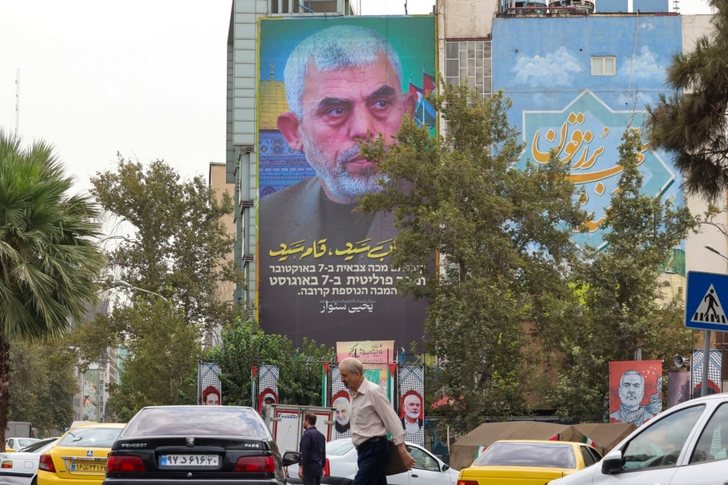
Iran's Foreign Ministry rejected calls for restraint in re...
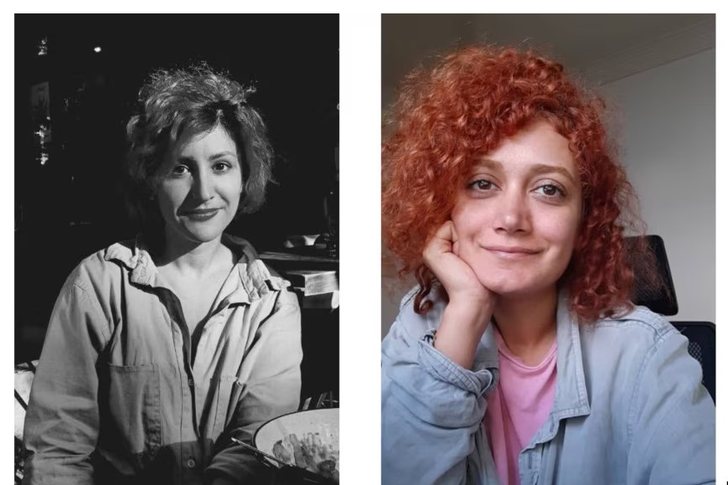
Five Iranian women's rights activists have been senten...
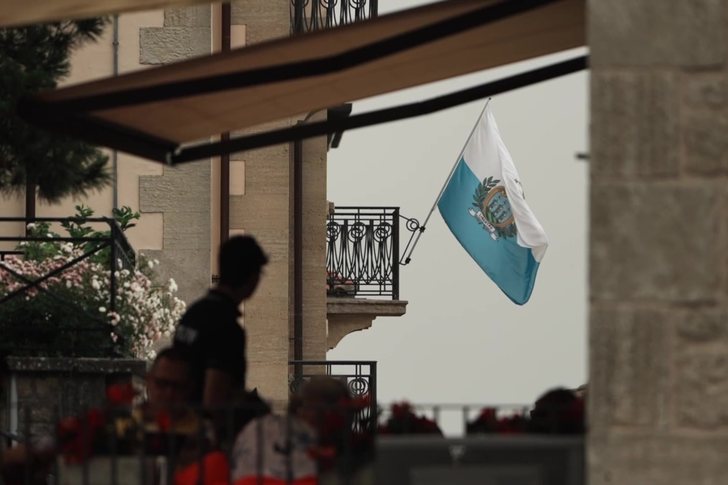
San Marino, an independent landlocked republic surrounded ...
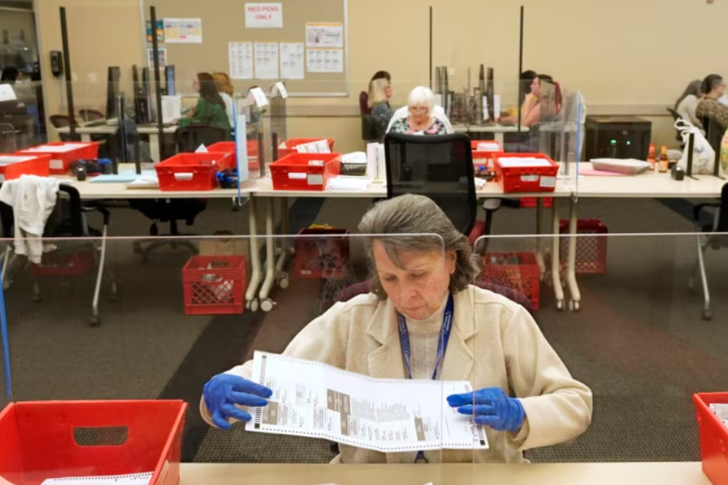
The campaign teams of the two candidates in the United Sta...
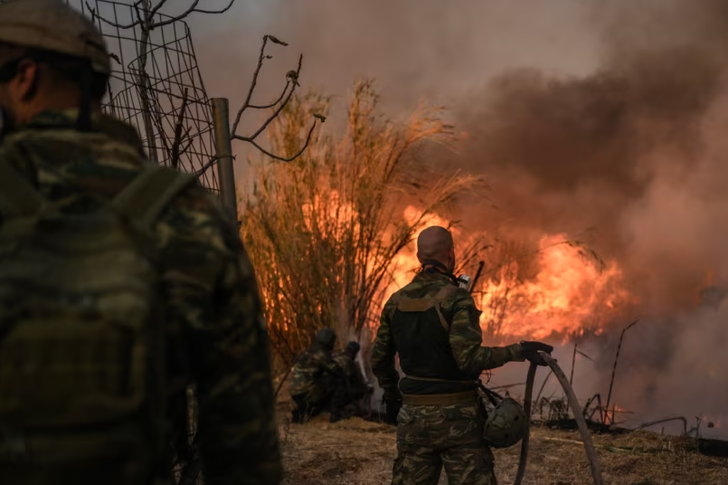
For the third day in a row, Greece is continuing its battl...
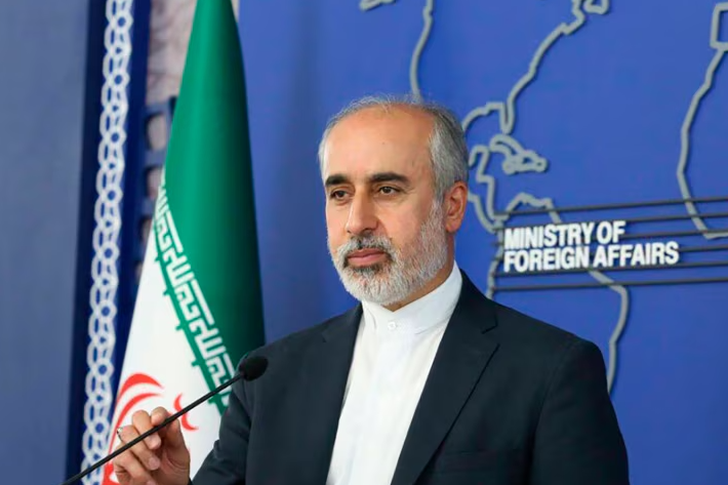
Iran's Foreign Ministry said calls for restraint in an att...
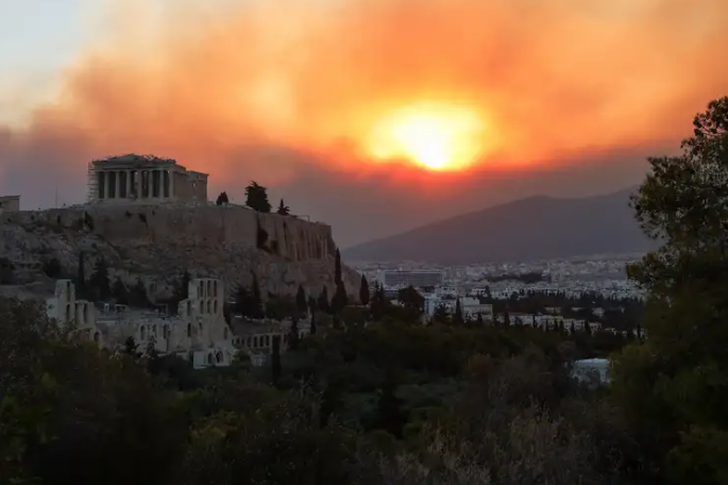
The fight against the flames in Greece continues, the ...
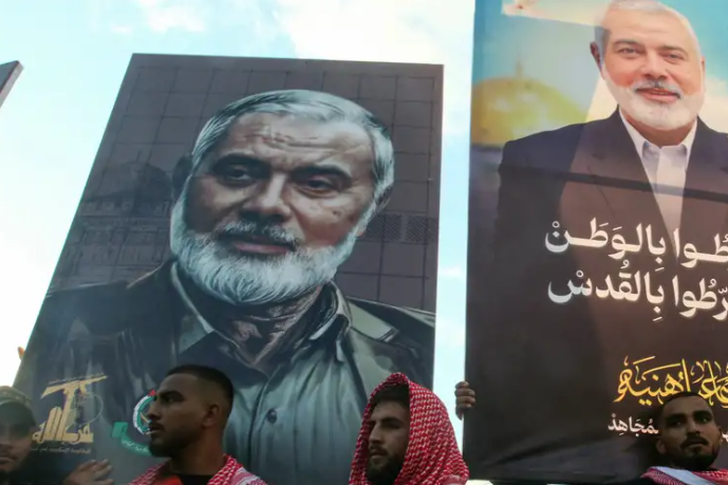
The White House warns of an imminent Iranian attack on...
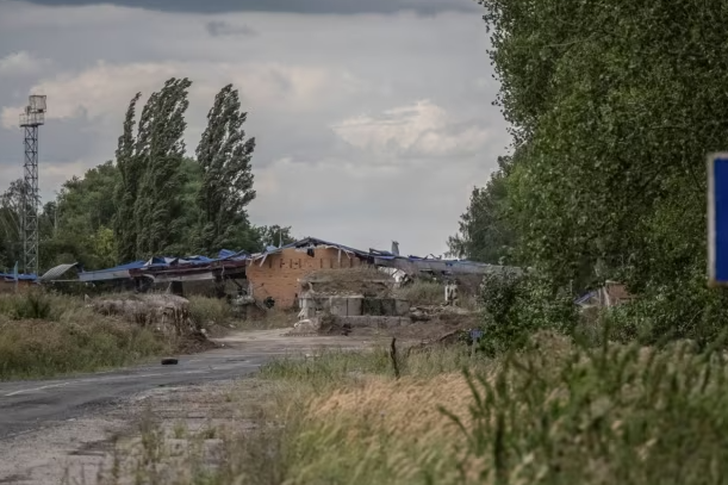
Ukraine carried out new drone strikes in the Russian b...
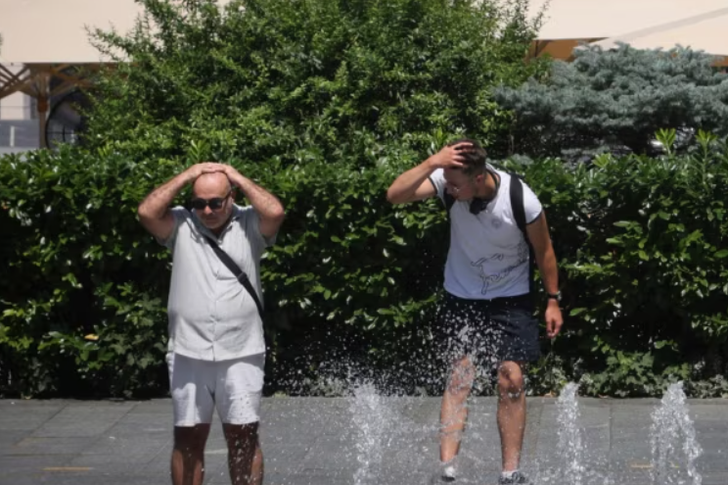
More than 47,000 people died in Europe due to extremely hi...

The FBI said Monday it is investigating after former Presi...

CNA has launched another investigation that could lead to ...

Irfan Hysenbelliu is a businessman that we call "Irfan the...

In March 2026, CNA launched another investigation centered...
The arrested mayor of Tirana, Erion Veliaj, with 13 charge...

The Special Board of Appeal (KPA) decided this Monday ...

The KPA vetting decided this Thursday to dismiss the p...

Suela Salavaçi, a prosecutor in the Prosecutor's Offic...

The Special Board of Appeal reinstated the prosecutor ...

Citizen MH, 61, a fisherman, was found dead near the islan...
Another phase of the international operation, codenamed "T...
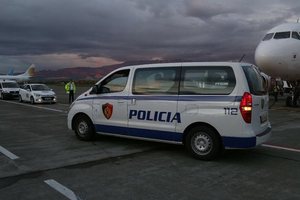
Police have arrested a 34-year-old woman at Rinas Airport ...

A serious accident has occurred on the Lezhë-Shëngjin axis...

This Wednesday, our country will be under the influence of...

All of Southern Europe will face changing weather conditio...

Albania was hit by temperatures significantly higher than ...

For the first time, Pogradec welcomed the Inter-Lake Chess...
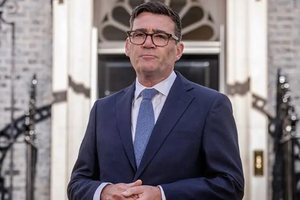
Prime Minister Andy Burnham has announced that most bus fa...

France's parliament has passed a law to ban social media f...

US Secretary of State Marco Rubio arrived in Manila on Jul...
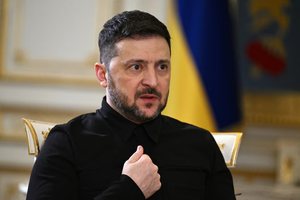
In the space of a few days, Ukrainian President Volodymyr ...

At a time when industrial products are increasingly taking...

Trust among people is not just a three-syllable word. It c...

Master of humor Todi Llupi has passed away at the age of 7...

The ninth edition of "MIK Festival" kicked off with one of...

Businesses will no longer be required to simply register t...

Despite economic growth and income in recent years, Albani...

This Wednesday, one US dollar is bought for 81.4 lek and s...

Construction company licenses will have a validity period ...