

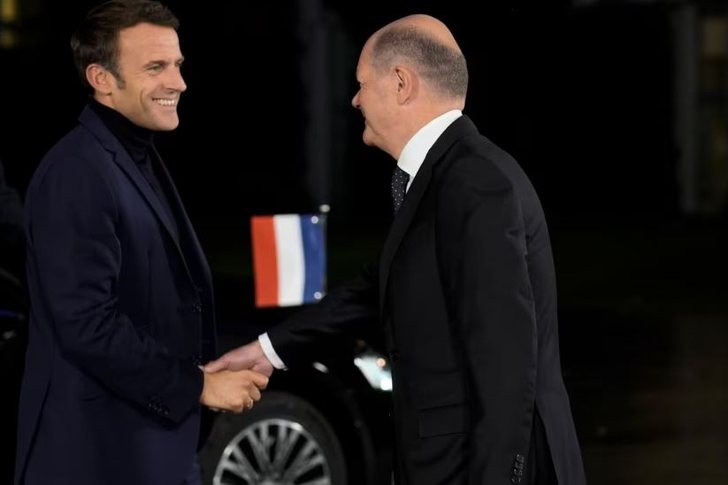
Scholz, Macron and Tusk meet today to discuss Ukraine
The Chancellor of Germany, Olaf Scholz, will meet today in...


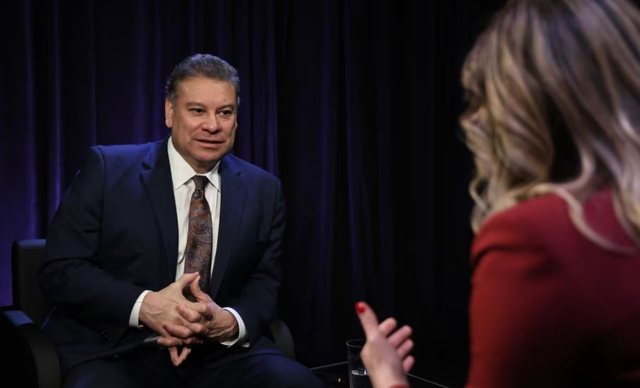
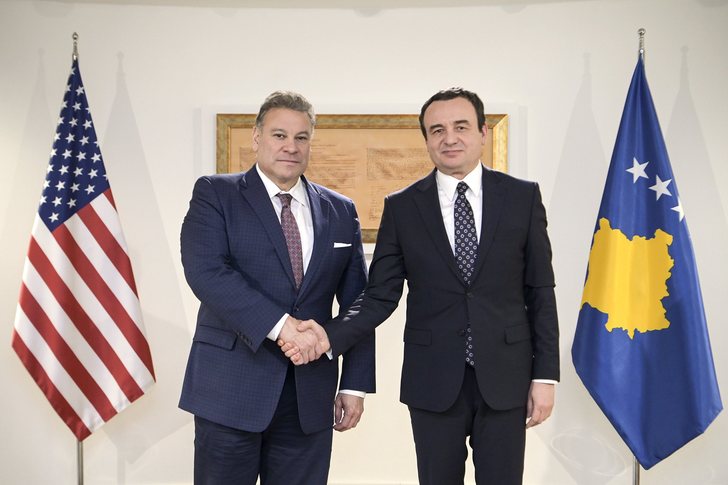
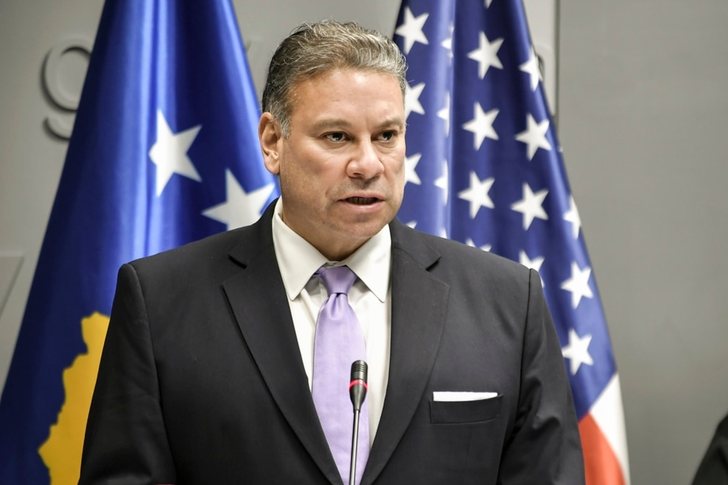
The special envoy of the United States of America for the Western Balkans, Gabriel Escobar, said in an interview for Radio Free Europe that he failed to convince the Prime Minister of Kosovo, Albin Kurti, to address the West's concerns regarding with the ban on the use of the Serbian dinar in Kosovo.
"I asked the prime minister to suspend the decision while we, together with the European Union, the United States and the Government of Kosovo, work on a more long-term solution that suits your needs, that is, electronic transfers in euros through the Kosovo system. But, now, we have to do something urgent. Unfortunately, I didn't succeed in convincing him of this," Escobar declared.
Radio Free Europe: Mr. Escobar, thank you for speaking for Radio Free Europe here in Pristina, at the end of your visit to Kosovo.
Before traveling to Kosovo, you said that the focus of the visit would be on a possible solution to, as you said, the uncoordinated decision to freeze the Serbian dinar. Last night, after the meeting with the Prime Minister of Kosovo, you sounded a bit optimistic about that meeting. You said that you had a good, open discussion, where Prime Minister Kurti said that he would consider some proposals that you gave him. Have you received any response from the prime minister?
Gabriel Escobar : We have, but let me tell you why this is important. The United States is very committed to ensuring that Kosovo remains a multi-ethnic civil democracy and, for this to happen, all ethnic communities must feel safe and live in conditions of safety and dignity. What is happening now with the decision of the Central Bank is that there are many of your citizens who are feeling a lot of pain, people who are not getting their modest wages. We are talking about [people] with disabilities, pensioners, students, the most vulnerable people, and this decision has affected them very deeply. Now, the Government has said that there are many options for them, but the Government has not offered them an option. The government has said that the option... [that] it is their own responsibility to do this and many people are finding it difficult.
Some of the older people do not have the proper documents. Some of the younger people... their documents are not being accepted. Some of the banks are saying that it takes an hour on average to open an account. Not everyone has an account. The banks themselves, regardless of what your Ministry of Finance says... the banks themselves say they need between 30 and 40 thousand accounts, with each account taking an hour. That's 40,000 hours of staff time. Considering that the average person works between 1,000 and 1,500 hours a year, imagine how long it will take to open these accounts.
So, this action, which is uncoordinated and has created divisions, is creating real difficulties for the citizens, some of the citizens of Kosovo. Now, for people who don't receive social assistance from Serbia, they are not noticing how much it is affecting some. For those who work with euros and those who are paid in other ways, they do not understand that there are people among you who are suffering.
So it was good that the prime minister acknowledged that there are people who are suffering. But this is not enough. We need a solution. I asked the prime minister to suspend the decision while we, together with the European Union, the United States and the Government of Kosovo, work on a more long-term solution that suits your needs, that is, electronic transfers in euros through the Kosovo system. But now, we must do something urgent. Unfortunately, I did not succeed in convincing him of this.
Radio Free Europe: Is this the latest news from the prime minister?
Gabriel Escobar: This is the latest news.
Radio Free Europe: Today?
Gabriel Escobar: I'm still hoping that, until the chief negotiators meet in Brussels on Tuesday, they will find an immediate solution to allow cash transfers in euros for these people.
Radio Free Europe: What are the next steps or what was the justification you received from the prime minister?
Gabriel Escobar: Well, the prime minister said that this is a decision of an independent institution, in which he does not want to be involved. Or that this is an inconvenience to the people that can be easily overcome or that can be replaced by payments from the Government of Kosovo. But none of this will happen anytime soon. For this reason, we are asking for a postponement of the implementation. Now, I understand normally that a Central Bank and Ministry of Finance do their best not to create instability and unpredictability in the economy. They did just that.
Tani ka disa jashtë që besojnë që kjo u bë për t’i ndëshkuar serbët. Unë nuk e besoj këtë. Por, unë besoj që - meqë kjo Qeveria e Vetëvendosjes nuk ka një histori të gjatë qeverisjeje - nganjëherë ka njerëz që nuk i mendojnë pasojat deri në fund. Dhe, unë mendoj që kjo është pse unë e karakterizova këtë në Bruksel si paksa jokompetencë, sepse kur flasim për pasojat e padëshirueshme, të gjithë e kuptuan se ka pasoja të padëshirueshme. Por, këto mund të ishin parashikuar dhe do të ishin parashikuar nëse nuk do të ishte [veprim] i pakoordinuar.
QUINT-i ka shumë përvojë në konvertimin e monedhave, duke kaluar nga një monedhë në euro, por iu desh shumë kohë. Ne kishim vetëm pesë javë.
"Ka shumë zhgënjim me këtë Qeveri të Vetëvendosje"
Radio Evropa e Lirë: Pse vendosi kryeministri të vazhdojë me këtë ndalim duke e ditur se kjo çështje mund të ishte zgjidhur përmes Asociacionit?
Gabriel Escobar: Epo, kjo është një pyetje për të, por është e vërtetë. Ajo që ne nuk duam të bëjmë, është ta minojmë potencialin e Asociacionit, që është ende shumë i rëndësishëm. Është shumë i rëndësishëm për të ardhmen e Kosovës.
Radio Evropa e Lirë: Do të flasim për këtë më vonë. Por, si ndiheni si zyrtar i SHBA-së që refuzoheni nga kryeministri?
Gabriel Escobar: Nuk është hera e parë, këtë ua them. Dhe, ka shumë zhgënjim me këtë Qeveri të Vetëvendosje – jo vetëm në Uashington, por në Bruksel, në Romë, Berlin dhe Paris gjithashtu. Ne, përderisa i afrohemi 25-vjetorit të aksionit të NATO-s, është e rëndësishme që njerëzit ta kuptojnë që forca e marrëdhënies ndërmjet Shteteve të Bashkuara dhe Kosovës është mes njerëzve.
Ne gjithmonë do të jemi miq të ngushtë të Kosovës, por kjo nuk do të thotë se nuk do të kemi dallime me individë dhe me qeveri individuale. Dhe, mendoj se këtu jemi tani... po hyjmë në një periudhë të mungesës së komunikimit. Dhe ne, të paktën nga pala amerikane, po bëjmë gjithçka që mundemi për të riparuar këtë marrëdhënie.
Radio Evropa e Lirë: Ky vendim i sotshëm, si do të ndikojë në komunikimin, partneritetin, marrëdhënien që SHBA-ja ka me Kosovën?
Gabriel Escobar: Epo, ju e dini, marrëdhëniet tona bazohen, pothuajse gjithmonë, jo vetëm në interesa të përbashkëta, por në vlera të përbashkëta. Dhe, një nga ato vlera të përbashkëta është përkushtimi ndaj të drejtave të njeriut. Pra, fakti që Qeveria më pro-Kosovës në botë dhe Qeveria më pro-amerikane në botë, pra Shtetet e Bashkuara dhe Kosova, po e kanë këtë vështirësi, nuk është për shkak të politikave tona ndaj Rusisë apo Ukrainës apo Kinës, është për shkak të trajtimit të minoriteteve. Pra, kjo duhet të jetë një thirrje zgjimi për kryeministrin dhe Qeverinë e tij se ku po shkon kjo marrëdhënie.
Radio Evropa e Lirë: A do ta konsideroni [vendosjen e] ndonjë masë ndaj Kosovës për shkak të kësaj?
Gabriel Escobar: No... I mean, the fact is we're trying to help him take care of his citizens. I mean we're almost at a point where we're trying really hard to work with it.
Now, the question is not whether there will be measures, but there are definitely consequences. We are moving into the second year, maybe even the third year, and there have been no high-level meetings between anyone in the Government of Kosovo and anyone in the American administration. So that should also be an indication to people of where the relationship is.
Radio Free Europe: Do you expect that, on Tuesday, Kosovo will however reconsider this? Previously, Kosovo said that it will not take this issue to Brussels. Now, last night, you told us that on Tuesday there will be a dialogue [meeting] at the level of chief negotiators. First, based on your information, will the dinar be part of the discussion?
Gabriel Escobar: Yes, yes, absolutely. Will be. And, so.... look, based on my meetings yesterday, I certainly hope they'll reconsider now. This is not a question, it is not a political issue. We want to do it before it becomes a humanitarian issue. So there is a way forward. So we agree with electronic payments, we agree with the euro, and we agree with a long-term solution that offers you transparency and the capacity to fight money laundering and other forms of illegal transfers. But, this must be done properly, [in a] coordinated manner and in such a way that it is in accordance with European standards and in accordance with the Brussels agreements.
Radio Free Europe: Can this decision... or if Kosovo does not withdraw, can this also affect US support for Kosovo's security, such as the acquisition of the Javelins?
Gabriel Escobar: I don't think so. I will tell you that our support for the independence, sovereignty, territorial integrity and security of Kosovo is strong. Now the question of how to handle this will be within the political sphere, but this will not affect our commitment to Kosovo./REL

The Chancellor of Germany, Olaf Scholz, will meet today in...
Voting has begun for Russia's presidential election, w...
Presidenti i Francës, Emmanuel Macron, e quajti Rusinë...
Europol has supported a large-scale operation led by Belgi...
The father of a Michigan school gunman who killed four...
The Communist leadership in Beijing reacted with harsh cri...
The Prime Minister of Kosovo, Albin Kurti, disclosed the m...
The US ambassador to Hungary warned Budapest about expandi...
In his second year in office, former President Donald Trum...
On March 19, the European Union called a dialogue meeting ...
Washington's envoy for the Western Balkans, Gabriel Escoba...
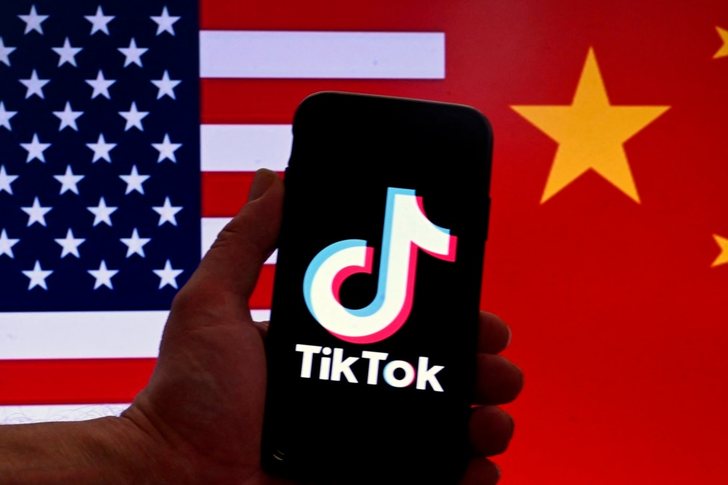
The House of Representatives on Wednesday approved a bill ...
Russia has banned the entry of more than 200 American citi...
The Kremlin said today that comments President Vladimir Pu...
Ukraine is running out of ammunition for the war again...
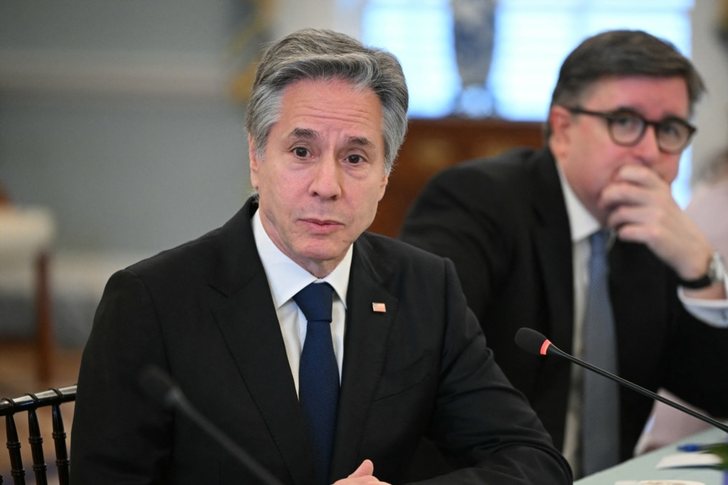
US Secretary of State Antony Blinken said on Wednesday tha...
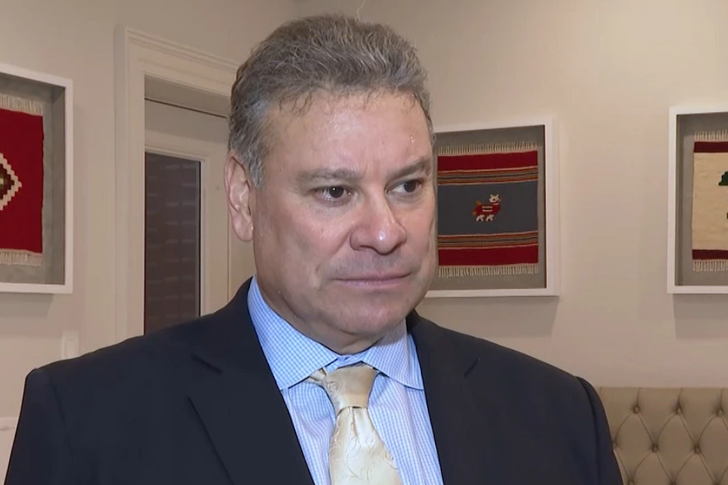
The envoy for the Western Balkans, Gabriel Escobar, visits...
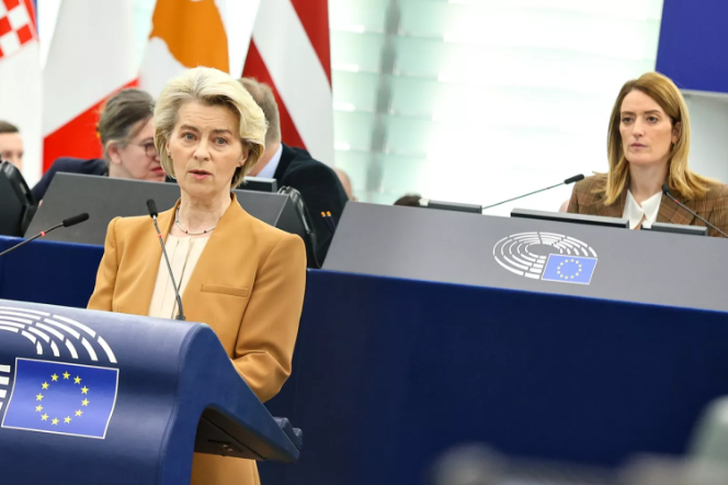
The European Parliament has sued the Commission for 10.2 b...
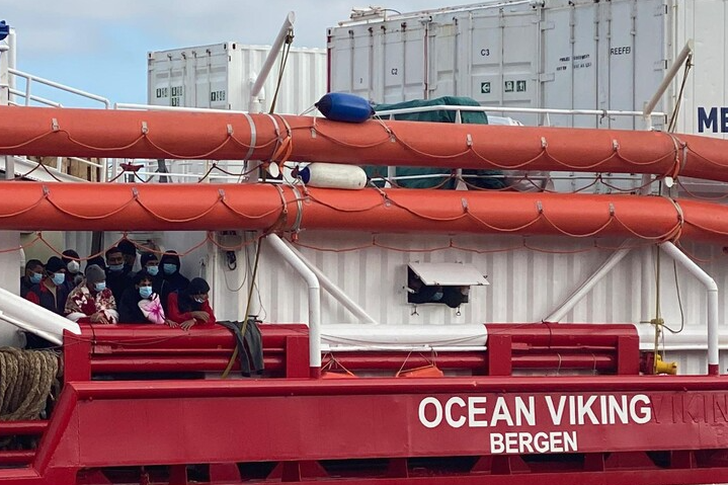
A serious event has occurred in Italy. The media reports ...
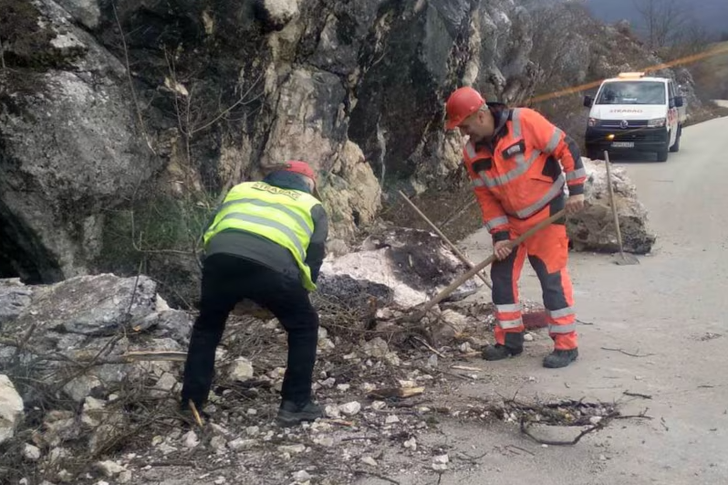
Një tërmet i fortë 5.4 ballësh i ka goditur disa vende të ...

CNA has launched another investigation that could lead to ...

Irfan Hysenbelliu is a businessman that we call "Irfan the...

In March 2026, CNA launched another investigation centered...
The arrested mayor of Tirana, Erion Veliaj, with 13 charge...

The Special Board of Appeal (KPA) decided this Monday ...

The KPA vetting decided this Thursday to dismiss the p...

Suela Salavaçi, a prosecutor in the Prosecutor's Offic...

The Special Board of Appeal reinstated the prosecutor ...
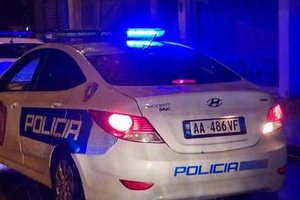
A Shkodra traffic police officer was hit with hard objects...
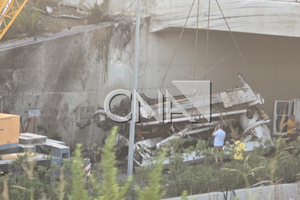
This Wednesday, around 4:00 PM, a serious accident occurre...
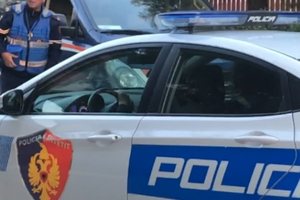
Tirana Police have shared details regarding the accident t...
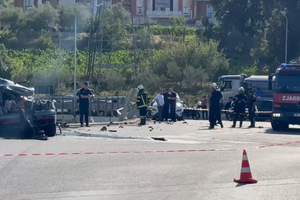
New details have emerged regarding the accident that occur...
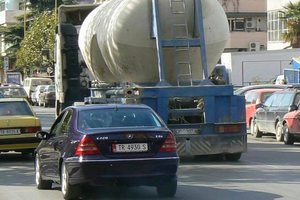
A serious accident that occurred this Wednesday with the c...

The Institute of Geosciences has shared a forecast for wea...
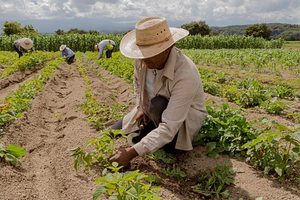
Rising energy and fertilizer prices are expected to contin...
Over 18,000 foreign citizens from 140 countries have appli...
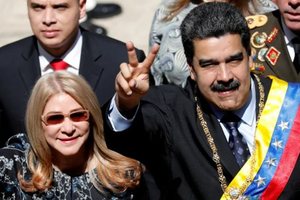
The trial of ousted Venezuelan President Nicolas Maduro on...
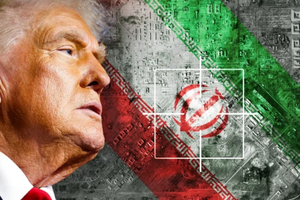
US President Donald Trump has issued another warning to Ir...
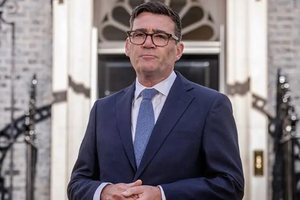
Prime Minister Andy Burnham has announced that most bus fa...
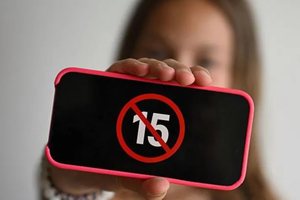
France's parliament has passed a law to ban social media f...

At a time when industrial products are increasingly taking...

Trust among people is not just a three-syllable word. It c...
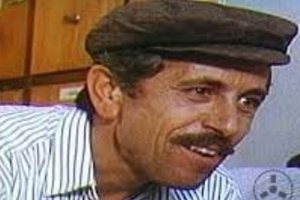
Master of humor Todi Llupi has passed away at the age of 7...
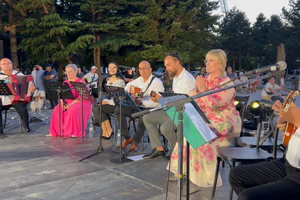
The ninth edition of "MIK Festival" kicked off with one of...
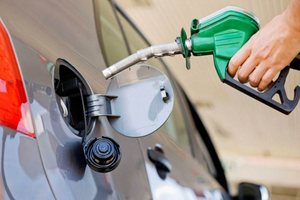
The price of diesel reached 206 lek per liter from 198 lek...

Businesses will no longer be required to simply register t...

Despite economic growth and income in recent years, Albani...
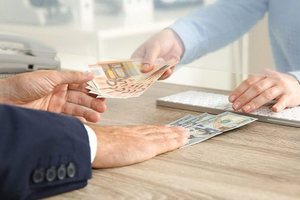
This Wednesday, one US dollar is bought for 81.4 lek and s...