

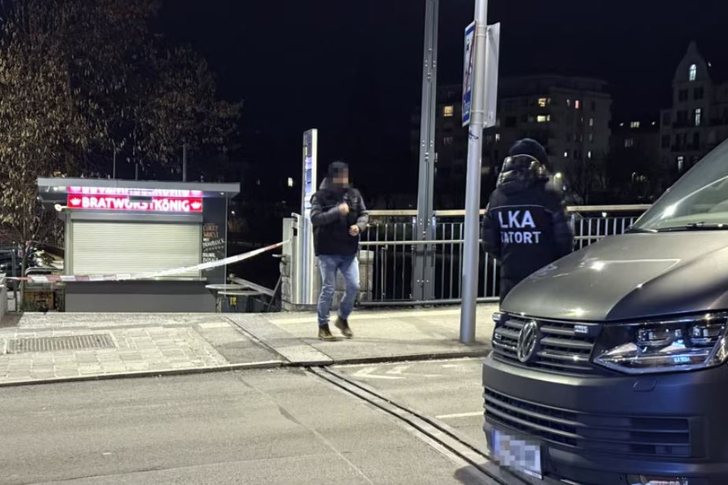
Suspect in deadly attack in Austria had 'Islamic extremist motives,' authorities say
Austrian authorities said on Sunday that the man suspected...


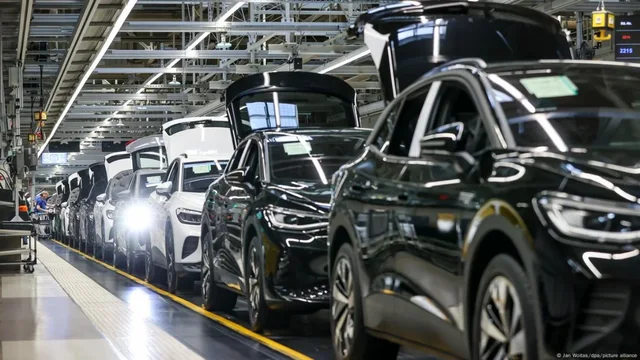
Europe's strongest economy is in crisis. German carmakers have been hit particularly hard. They are now hoping for an improvement after the election.
The German auto industry is in deep trouble and is anxiously awaiting the outcome of the snap elections on February 23. The economy is going through a recession and the so-called traffic light coalition (Social Democrats, Greens, FDP), which was in power until recently, is being held directly responsible for some of the complaints.
A sticking point for all car manufacturers is the move away from the combustion engine and the introduction of alternative models. Like many experts, independent analyst Jürgen Pieper from Frankfurt sees ongoing uncertainty among car manufacturers and customers. The main reason for this is that there is “no clear line on e-mobility.” Initially, politicians promoted the purchase of electric cars, but then changed some things about the purchase.
Dirk Dohse from the Kiel Institute for the World Economy (IfW) also complained in a statement to DW about "stagnation in state support for electric cars." In particular, the "short-term abolition of the so-called environmental bonus in December 2023" has contributed to the uncertainty. In addition, the industry suffers from "high energy costs and excessive bureaucracy."
When asked what is causing the most problems for German car manufacturers, the industry association VDA (Association of the German Automotive Industry) pointed to one fundamental problem: the unfavorable environment for the industry. This reduces the competitiveness of companies. The trend is particularly worrying: “In international rankings for the conditions and environment for industry, Germany is regularly at the bottom.”
Energy is very expensive.
The question of how attractive Germany is as a location for industry is crucial. The VDA therefore wants "Berlin and Brussels to make sure they are much more attractive and are once again at the top of the world." This requires "cheap energy, less regulation and bureaucracy, and a competitive tax system," experts tell DW.
IfW economist Dirk Dohse also observes the influence of the European Union: "Climate targets come from the EU and the federal government has only limited influence there."
In addition, he sees a certain degree of blame on the part of the industry itself for the current crisis: “The necessary structural adjustments were delayed for a long time, so that profit margins have shrunk significantly. It took German companies a very long time to join forces with strong software partners.” The result: German car manufacturers have no real “hit” in the electric car market.
More charging stations
For Dirk Dohse it is clear: “The priority is the rapid expansion of the charging infrastructure for electric cars and the planning of security for electric car buyers.” One can always argue whether purchasing support for electric cars makes sense, but “the rules must be clear and transparent and apply for a certain period of time.” They must be reliable and not be withdrawn again: “Changes depending on the financial situation must be avoided.”
Jürgen Pieper calls for a “clear line for new technologies”. However, it should not be too restrictive, but remain open to different technological solutions. Politicians should “set precisely defined goals, but leave the path open to industry to achieve them”.
Cars and politics
The ties between the automotive industry and politics are close, not only at the federal level. There are major dependencies, especially in state politics. That is why car manufacturers – right down to the local level – depend on favorable tax rates. For state politics, the jobs that the industry provides are very important and worth protecting.
In Lower Saxony, where the SPD-led state government in Hanover sits on Volkswagen's supervisory board, this connection is obvious. But the networks are also closely linked in Baden-Württemberg under Prime Minister Kretschmann (with industrial giant Mercedes and sports car maker Porsche, which belongs to the VW family) and in Bavaria, which has been governed by the conservative CSU for decades, with Audi in Ingolstadt and BMW.
Due to the federal structure of the Federal Republic, it is always important for the automotive industry who is in power. That is why no car manufacturer can afford to ignore politicians. At the same time, corporations must remain open to all political options in order to be able to exert their influence regardless of the election outcome.
Fear of Trump
However, decisions on a new or different industrial policy will not be made only in Berlin and Brussels. The policies of the next US administration will also have a major impact, says Jürgen Pieper: "In view of the economic crisis and the expected pressure from the Trump administration (the threat of higher tariffs), the new federal government is likely to try to make life easier for the German automotive industry. This could lead to a "postponement of the ban on combustion engines for new registrations" or the reintroduction of subsidies for the purchase of electric and hybrid cars.
For independent analyst Jürgen Pieper, the fact that there will be a new industrial policy in Germany from March is as unpredictable as the election result itself./ DW

Austrian authorities said on Sunday that the man suspected...
United States President Donald Trump will send a team ...
Europe may not be at the "table" if the United States medi...
North Macedonian police have arrested a person, who is rep...
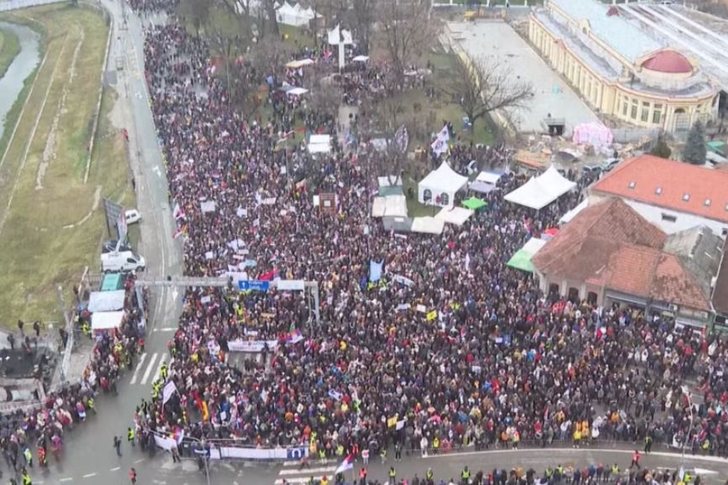
In Serbia, student protesters and supporters of populist P...
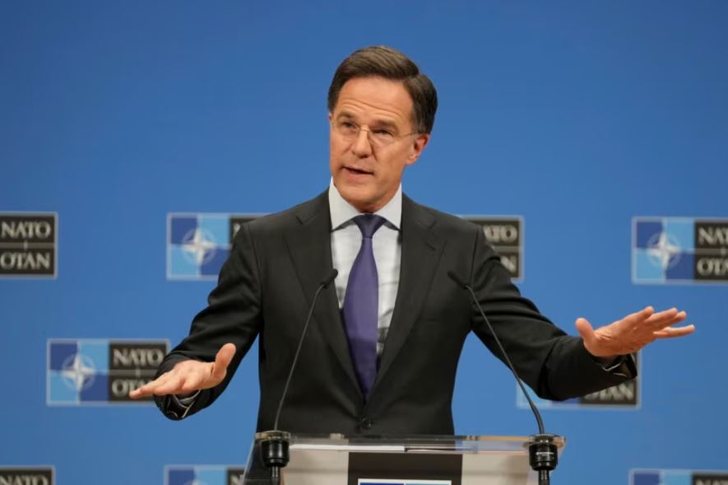
NATO Secretary General Mark Rutte said on Saturday tha...
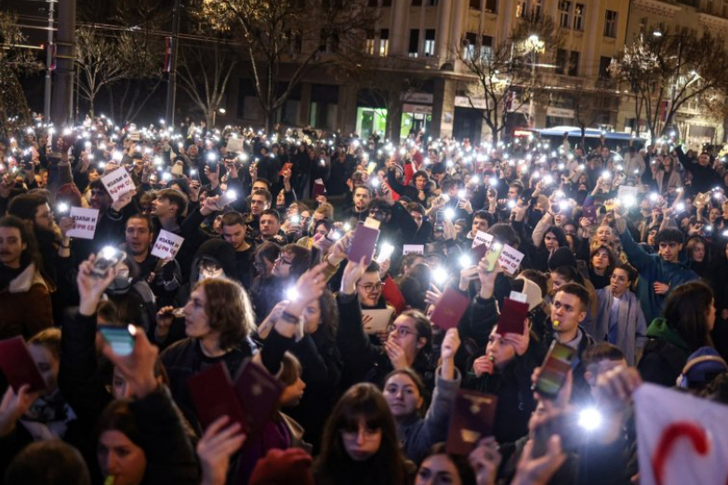
Student protests continue strongly in Serbia. Students fro...
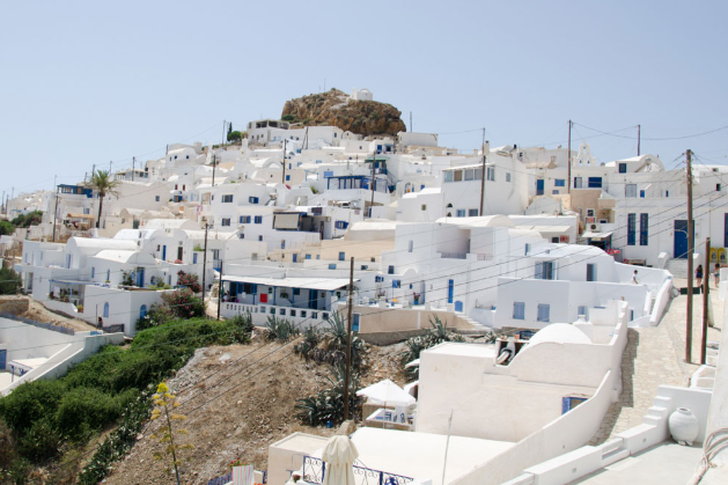
After Santorini, another island in Greece is at risk from ...
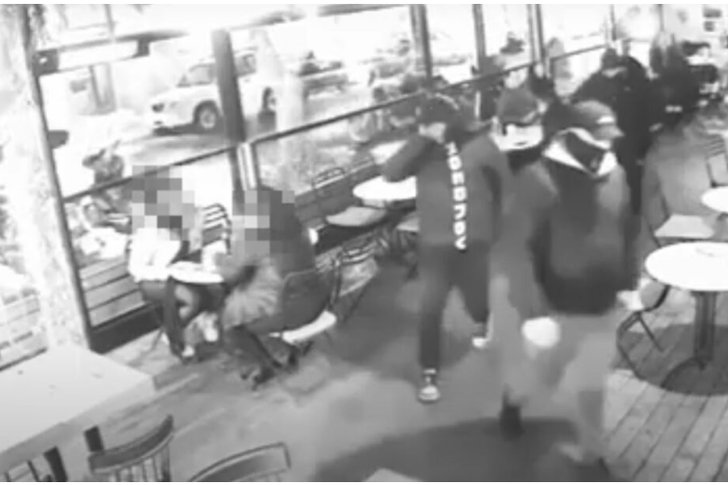
Several people were arrested today in Athens, including 3 ...
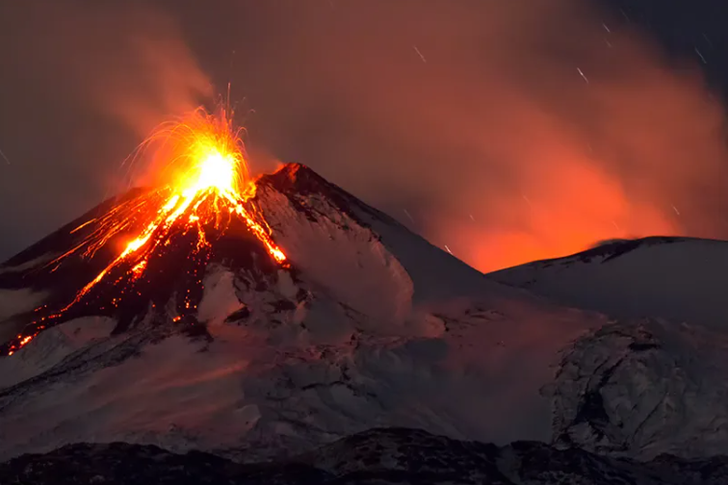
Mount Etna, the highest and most active volcano in Europe,...
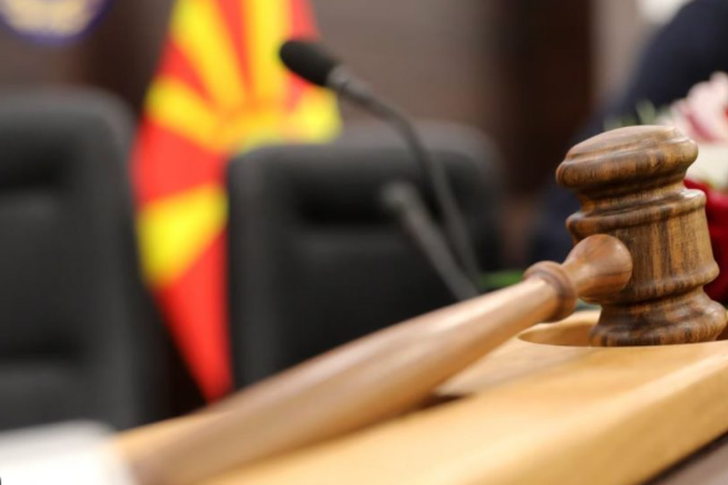
The judicial system in North Macedonia is likely on the ve...
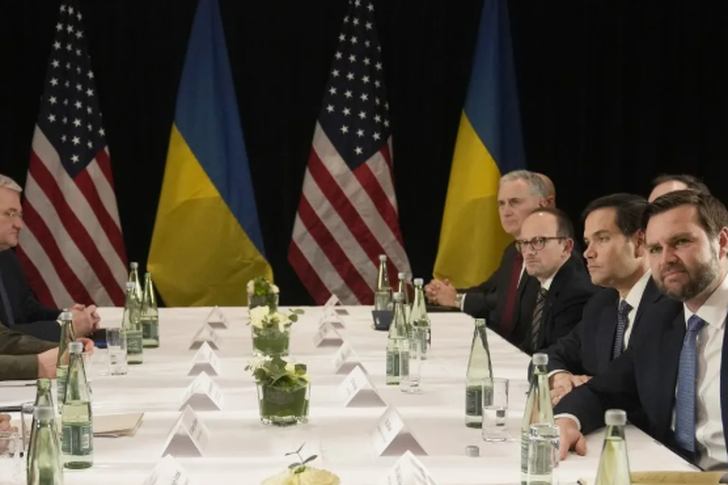
US Vice President JD Vance met with Ukrainian President Vo...
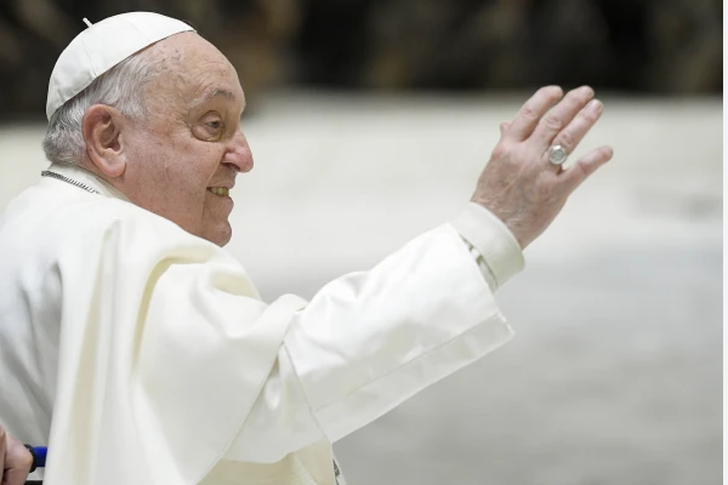
Pope Francis was hospitalized this Friday for tests and tr...

The 61st Munich Security Conference is being held in Germa...
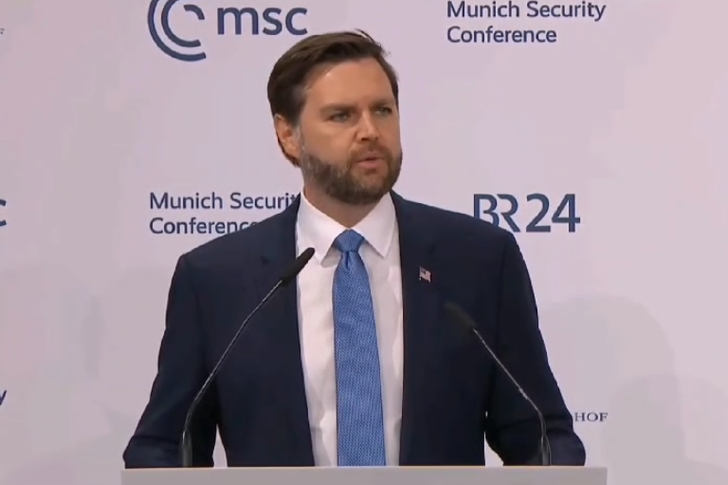
US Vice President JD Vance, in a speech at the Munich Secu...
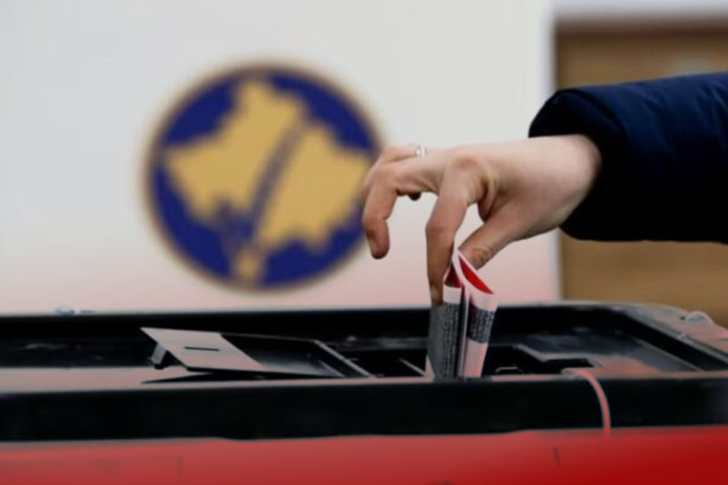
The February 9 elections in Kosovo were successfully conc...
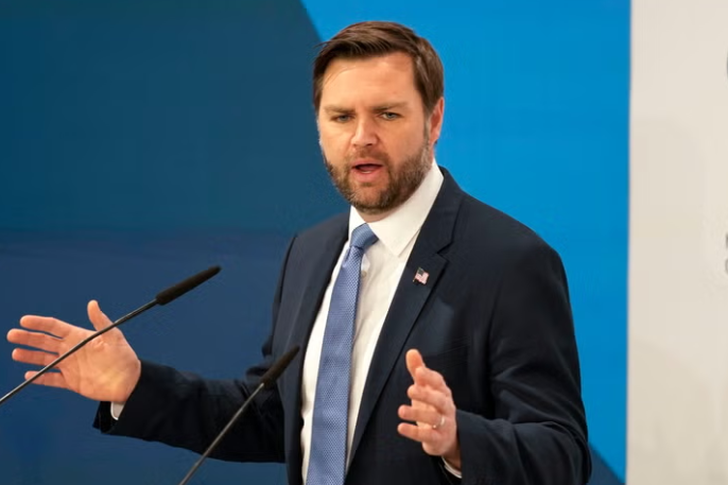
US Vice President JD Vance used his speech at the Munich S...
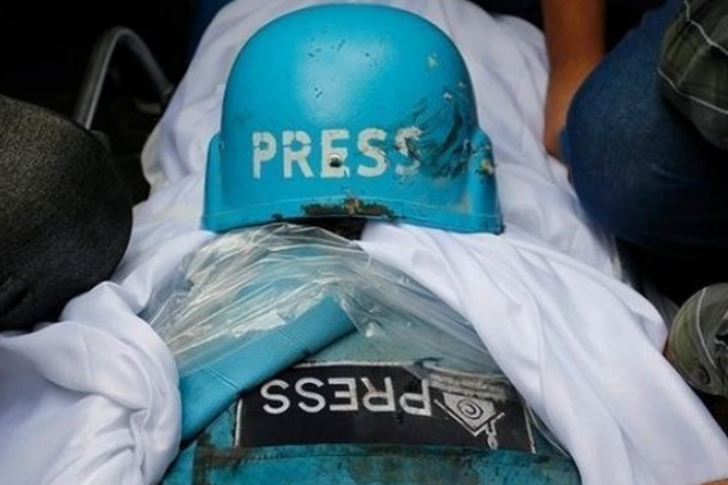
According to a report by the Committee to Protect Journali...
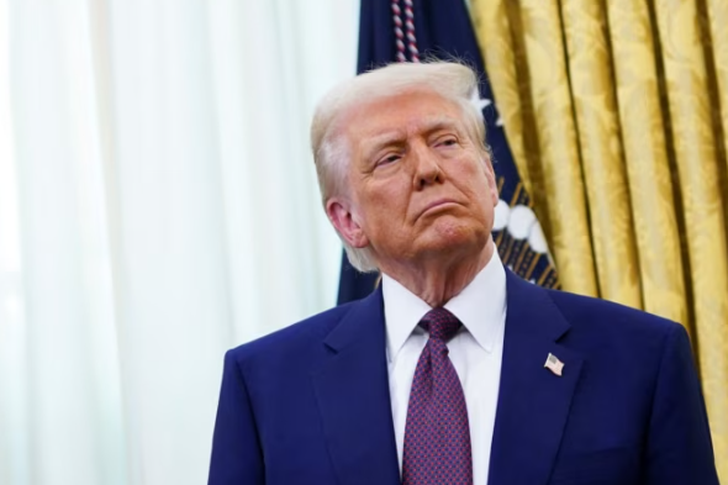
President Donald Trump said Thursday that he wants to rest...
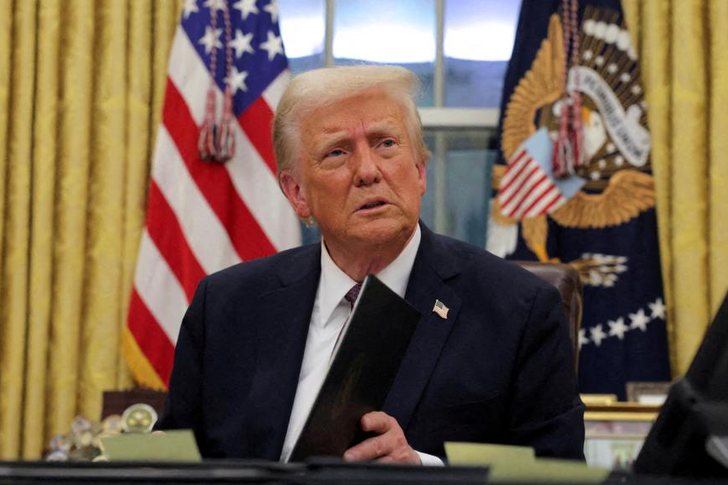
The first 100 days of a presidential term took on symbolic...
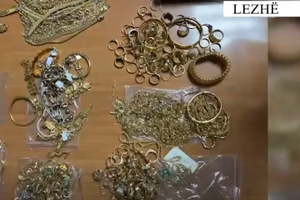
A 39-year-old citizen has been arrested in Lezha, after se...

CNA has launched another investigation that could lead to ...

Irfan Hysenbelliu is a businessman that we call "Irfan the...

In March 2026, CNA launched another investigation centered...

The Special Board of Appeal (KPA) decided this Monday ...

The KPA vetting decided this Thursday to dismiss the p...

Suela Salavaçi, a prosecutor in the Prosecutor's Offic...

The Special Board of Appeal reinstated the prosecutor ...

Following the successive operations carried out by the ope...
The Police Supervision Agency has seized the service weapo...
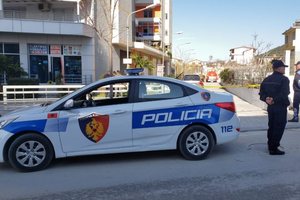
A serious incident occurred in Lushnje, where citizen IY, ...
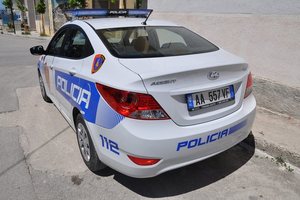
As a result of the investigative and procedural actions ca...

As the year 2026 is in its second half, the world is exper...
Today, our country will be under the influence of stable a...

By noon, cloudiness is expected to prevail in almost all o...

Children without parental care, for whom alternative famil...
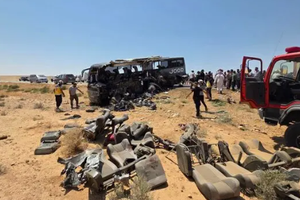
Thirty-five people were killed and 30 others were injured ...
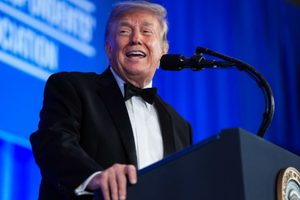
US President Donald Trump has announced that he will seek ...
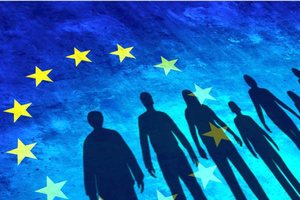
Almost half of people living in France, Germany, Italy and...
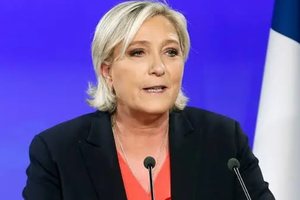
Marine Le Pen is entering the decisive phase of the presid...
Two windows, a century of history and the metaphysics of p...

In my research at the Central State Archives, specifically...

At a time when industrial products are increasingly taking...

Trust among people is not just a three-syllable word. It c...
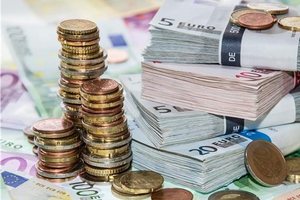
This Saturday, one US dollar is bought for 81.7 lek and so...
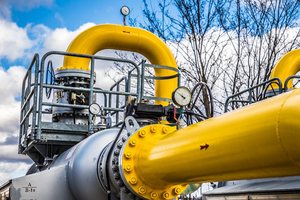
War, weather and supply disruptions could send gas prices ...
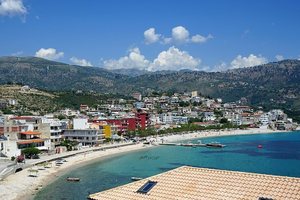
The number of active enterprises in Albania continued to g...
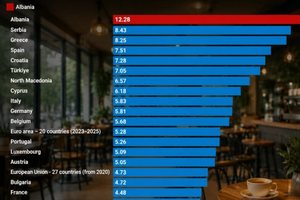
In Albania, the bar-cafe has long become an almost unique ...