

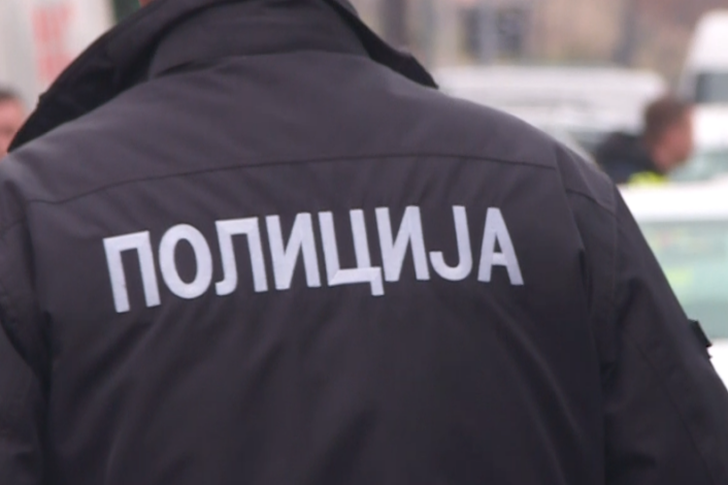
A citizen from Kosovo/ DUI arrested in RMV: Ministry of Interior has not carried out verifications
North Macedonian police have arrested a person, who is rep...


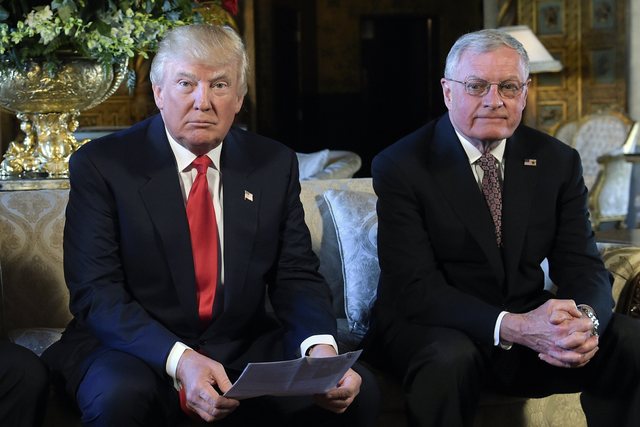
Europe may not be at the "table" if the United States mediates talks to end Russia's war in Ukraine, US President Donald Trump's envoy for Ukraine and Russia said.
Speaking at a lunch panel at the Munich Security Conference on February 15, Keith Kellogg hinted that Washington aims to make significant progress within weeks, stressing that he is acting "on Trump's time."
"He wants to do this job today and tomorrow he's going to want to know why it's not resolved," Kellogg said. "You have to give us some space and time, but when I say that, I'm not talking about six months, I'm talking about days and weeks."
Amid concerns in Kiev and the European Union that they could be sidelined after Trump spoke with Russian President Vladimir Putin this week and said Russia and the United States would immediately begin negotiations, Kellogg stressed that Ukraine and Europe would not be left out.
"You have to involve the allies. Will they play a role? Of course they will. We want to make sure it's a sustainable and long-term peace," he added.
However, when asked if he could guarantee the audience that "the Ukrainians will be at the table and the Europeans will be at the table," Kellogg replied, "Oh, well, you just changed the whole dynamic."
"The answer to the last question... is no," he said, apparently referring to Europe. "The answer to the first part of that question is yes, of course the Ukrainians will be there."
"When you sit down at the table... there are two protagonists and a mediator," Kellogg said, adding that "the fact is that we are looking at - we could have the Ukrainians and the Russians and of course the Americans at the table."
In an interview with Radio Free Europe on the sidelines of the conference, Kurt Volker, Trump's envoy for Ukraine negotiations in 2017-2019, said Kellogg's comments showed "that Ukraine will be on the table and [there is] some uncertainty about how President Trump will deal with Europe."
Earlier, Ukrainian President Volodymyr Zelensky called on European countries to establish a joint army in the event of a possible US withdrawal and in the face of continued threats from Russia.
In his speech on the second day of the Munich Security Conference on Saturday, Zelensky said that "the time has come, the European Armed Forces must be created."
"If the Americans decide to leave, to limit their presence, it's not good, of course, it's dangerous," Zelensky said.
Zelensky made these pleas at an annual conference that, this year, has been dominated by the question of Ukraine and the new US administration's stance on ending the war, as a result of which hundreds of thousands of people have lost their lives since Russia began its full-scale invasion on February 24, 2022.
Delegates in Munich have expressed concerns about statements by senior US officials this week that have suggested Washington is prepared to make major concessions to Russian President Vladimir Putin.
Speaking in Munich, US officials also repeated calls for European states to spend more on defence and take on a greater share of the security burden.
Zelensky suggested that the new US administration has a new approach not only to Ukraine, but to Europe as a whole. "The old days are over," he said, adding that Washington needs Europe as a market, but not necessarily as an ally.
According to him, collective power is the answer.
Speaking to Zelensky, German Chancellor Olaf Scholz said he was pleased that the United States had reiterated its commitment to Ukraine, adding that there should be no agreement without Kiev's involvement.
According to him, there can be no "dictated solution" and "there can be no disconnection" of European and American security.
Scholz added that Germany has provided four times more support than the United States to Ukraine, if support is measured as a percentage of GDP.
The Chancellor, who faces a federal election on February 23, which, according to polls, he will lose, also responded to comments made by US Vice President JD Vance, who yesterday criticized standards of democracy in Europe and levels of immigration there.
"We will not accept that people who look at Germany from outside interfere in our democracy, in our elections," Scholz said.
Vance's speech surprised delegates at the conference, who had expected him to outline details of Washington's plans for peace in Ukraine. Vance was also surprised when he later met Alice Weidel, the leader of the Alternative for Germany (AfD) party./ REL

North Macedonian police have arrested a person, who is rep...
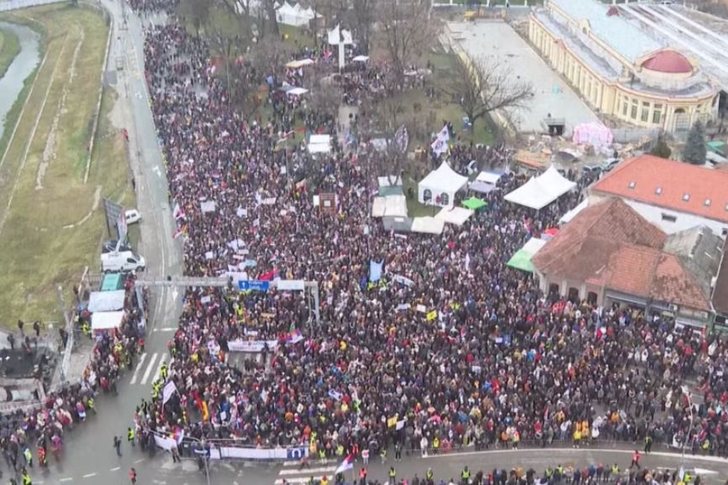
In Serbia, student protesters and supporters of populist P...
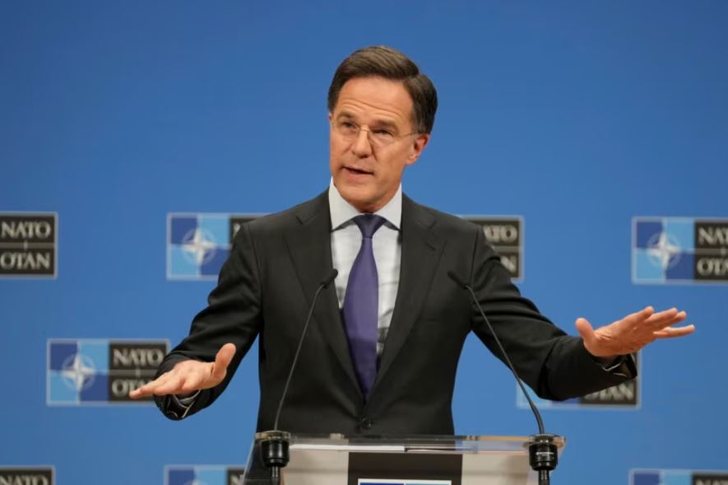
NATO Secretary General Mark Rutte said on Saturday tha...
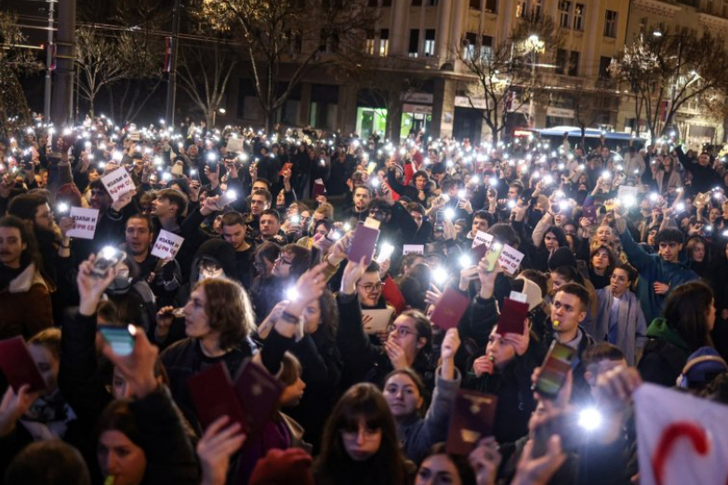
Student protests continue strongly in Serbia. Students fro...

After Santorini, another island in Greece is at risk from ...

Several people were arrested today in Athens, including 3 ...
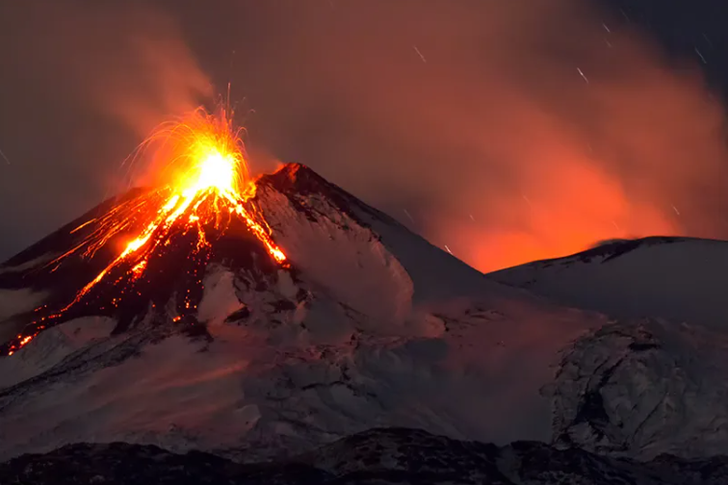
Mount Etna, the highest and most active volcano in Europe,...
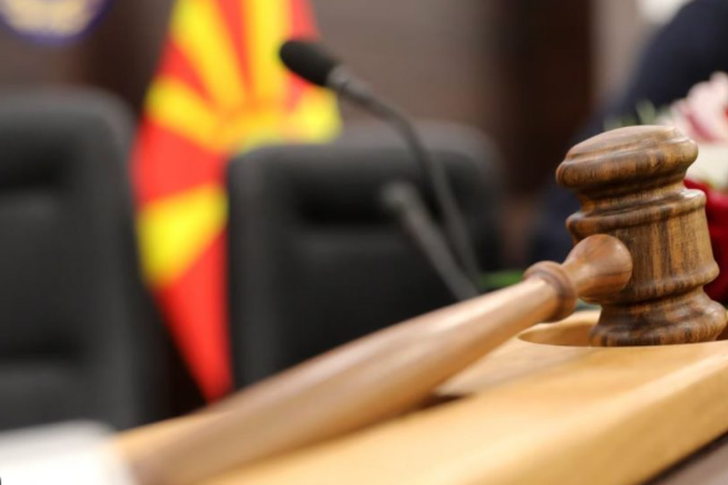
The judicial system in North Macedonia is likely on the ve...
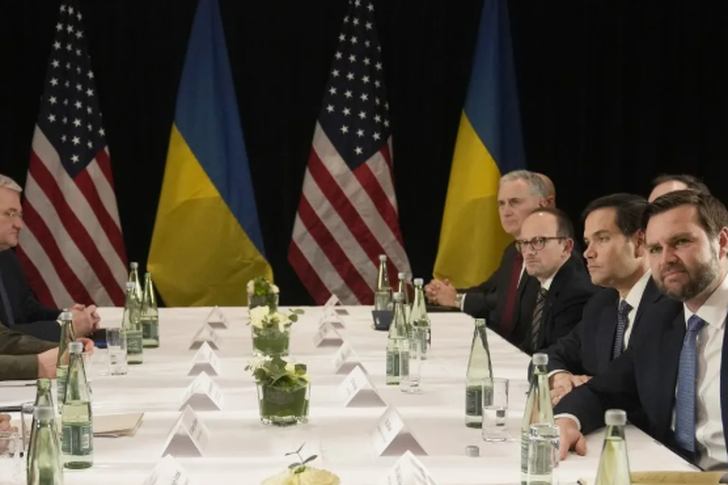
US Vice President JD Vance met with Ukrainian President Vo...
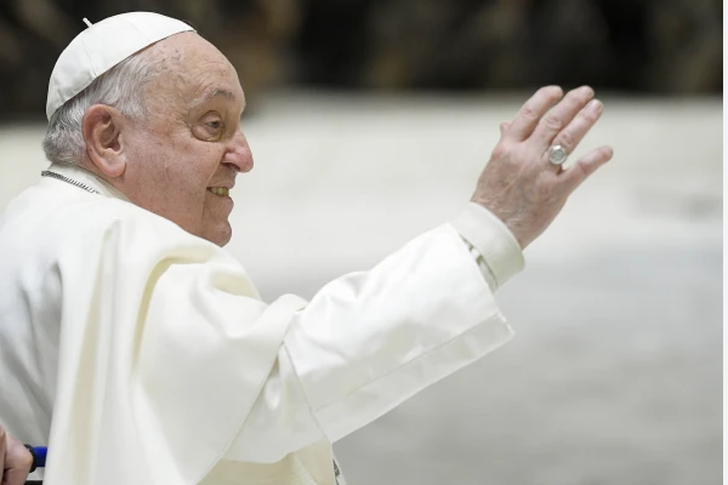
Pope Francis was hospitalized this Friday for tests and tr...

The 61st Munich Security Conference is being held in Germa...
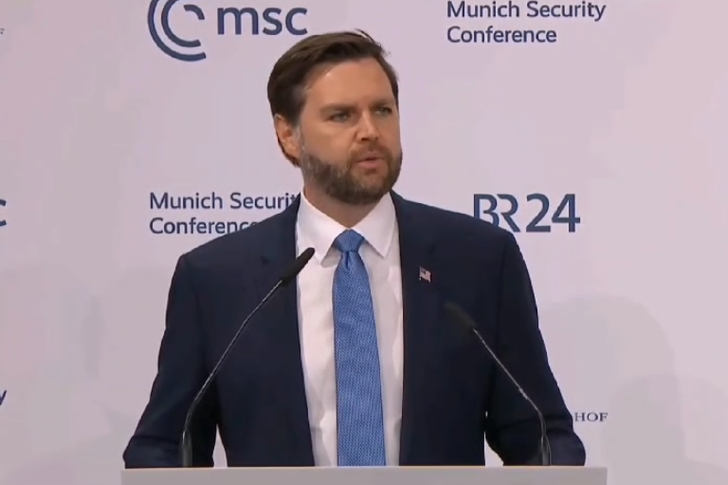
US Vice President JD Vance, in a speech at the Munich Secu...
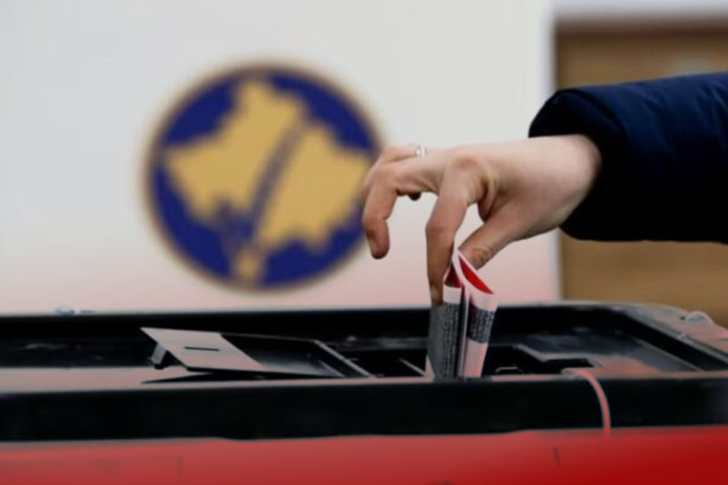
The February 9 elections in Kosovo were successfully conc...
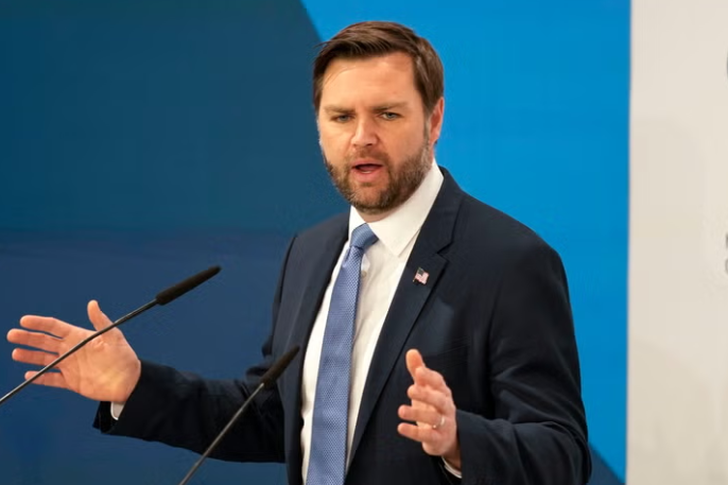
US Vice President JD Vance used his speech at the Munich S...
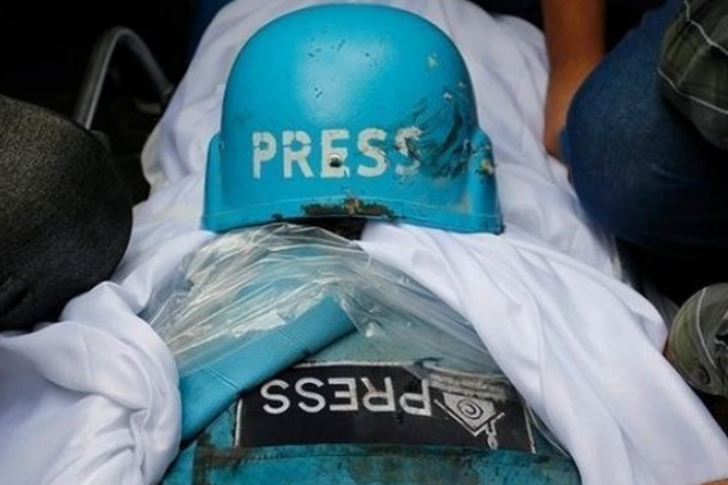
According to a report by the Committee to Protect Journali...
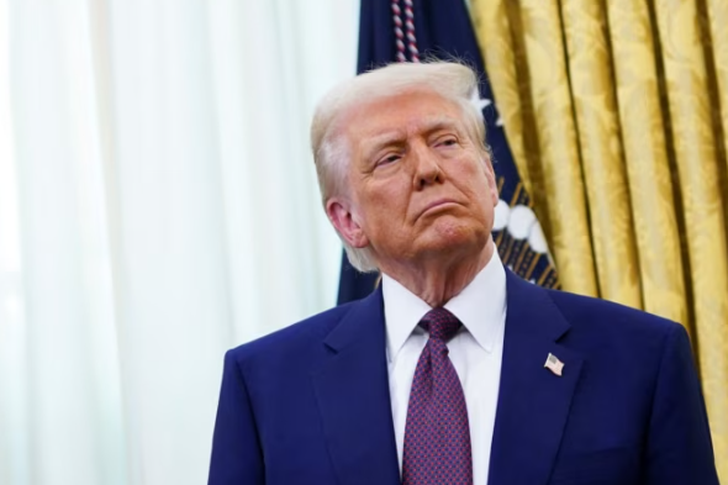
President Donald Trump said Thursday that he wants to rest...
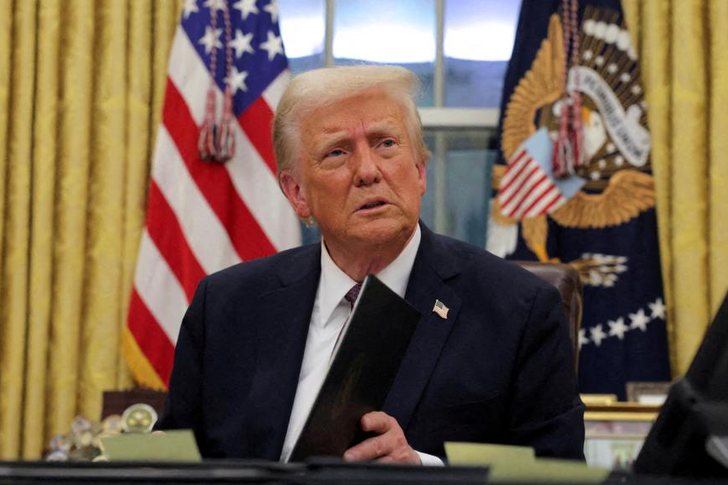
The first 100 days of a presidential term took on symbolic...
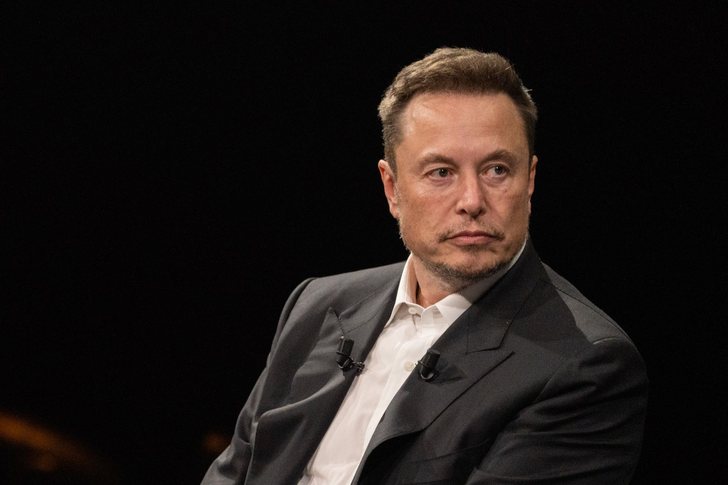
The US Department of Government Efficiency (DOGE), the Elo...
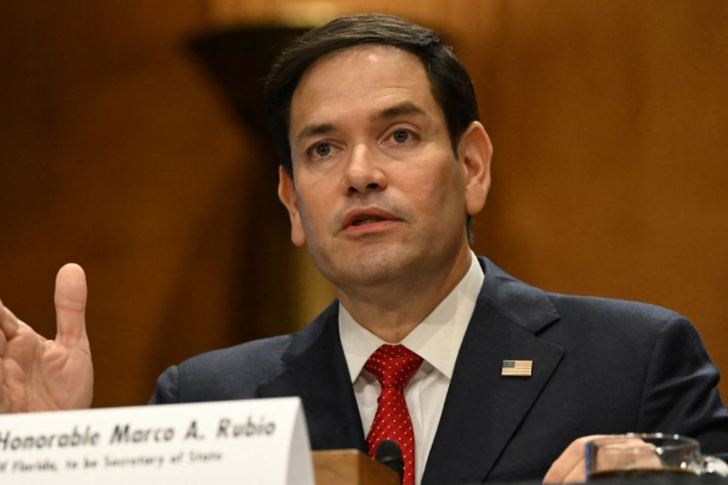
US Secretary of State Marco Rubio left today for Munich, w...
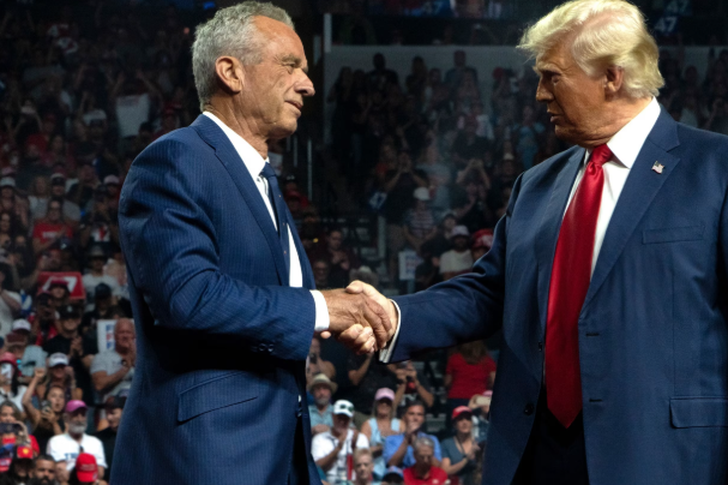
President Trump's nominee, Robert F. Kennedy Jr., was nomi...

A 39-year-old citizen has been arrested in Lezha, after se...

CNA has launched another investigation that could lead to ...

Irfan Hysenbelliu is a businessman that we call "Irfan the...

In March 2026, CNA launched another investigation centered...

The Special Board of Appeal (KPA) decided this Monday ...

The KPA vetting decided this Thursday to dismiss the p...

Suela Salavaçi, a prosecutor in the Prosecutor's Offic...

The Special Board of Appeal reinstated the prosecutor ...

Following the successive operations carried out by the ope...

The Police Supervision Agency has seized the service weapo...

A serious incident occurred in Lushnje, where citizen IY, ...

As a result of the investigative and procedural actions ca...

As the year 2026 is in its second half, the world is exper...

Today, our country will be under the influence of stable a...

By noon, cloudiness is expected to prevail in almost all o...

Children without parental care, for whom alternative famil...
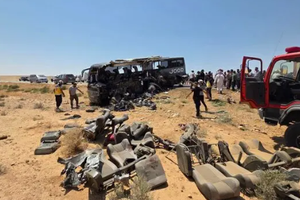
Thirty-five people were killed and 30 others were injured ...
US President Donald Trump has announced that he will seek ...
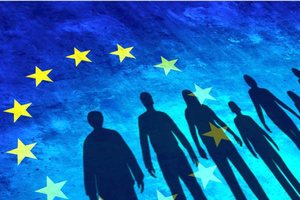
Almost half of people living in France, Germany, Italy and...
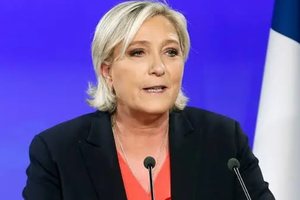
Marine Le Pen is entering the decisive phase of the presid...
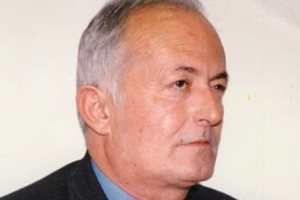
Two windows, a century of history and the metaphysics of p...

In my research at the Central State Archives, specifically...

At a time when industrial products are increasingly taking...

Trust among people is not just a three-syllable word. It c...
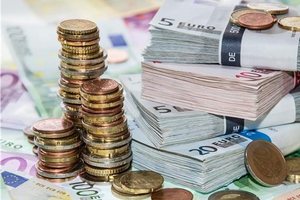
This Saturday, one US dollar is bought for 81.7 lek and so...

War, weather and supply disruptions could send gas prices ...
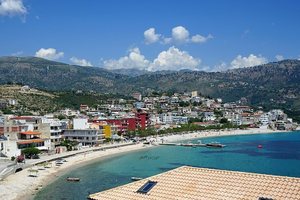
The number of active enterprises in Albania continued to g...
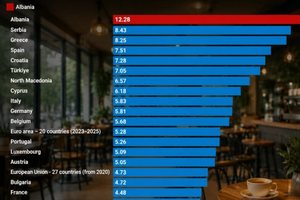
In Albania, the bar-cafe has long become an almost unique ...