


Këlliçi denounces Jet Bank again: Lack of transparency since day one, serious reason for investigations
Democratic MP and DP Vice President, Belind Këlliçi, raise...

Democratic MP and DP Vice President, Belind Këlliçi, raise...

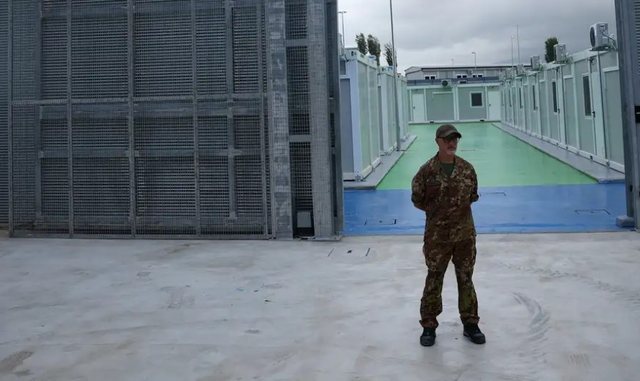
Despite the fact that several Italian courts - first that of Rome and finally that of Catania - are "overturning" the agreement on migrants between Italy and Albania, the right-wing Italian Prime Minister, Giorgia Meloni, seems determined to take it forward. Through a decree a few days ago, Meloni designed the latest Italian government law, which "gives free rein" to the latter, to consider all countries from which illegal immigrants come as safe countries of origin.
The agreement had many voices against it after the moments of its officialization in Rome, where the Italian prime minister and her Albanian counterpart, Edi Rama, signed the agreement with a smile and expressed more optimism than ever about the good neighborliness between the two countries over the centuries.
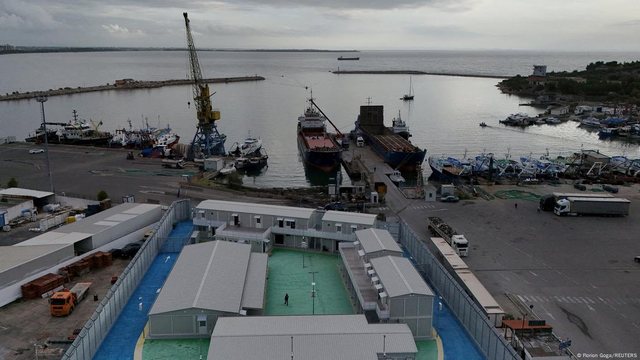
The largest organizations in Europe and the world, which deal with the protection of the rights of immigrants, continue to be against the agreement and the centers set up in Albania, where asylum requests will be processed for male immigrants who come mainly from the Mediterranean.
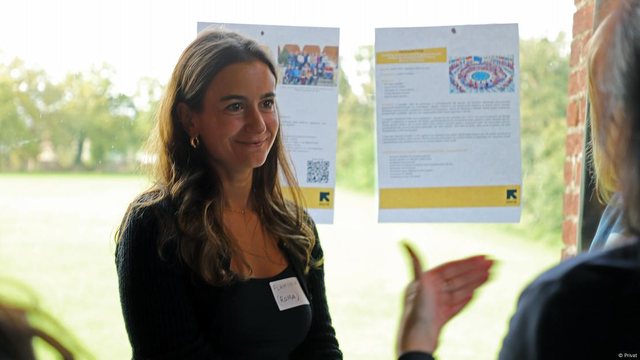
Flaminia Delle Cese, legal advisor at the International Rescue Committee (IRC) for Italy, tells Deutsche Welle that "the decisions of the Italian courts confirmed what the IRC has been saying for months: Italian detention centers in Albania should not exist".
In arguing the decision, the Court of Rome, the first institution to officially oppose this agreement, referred to a previous decision of the Court of Human Rights, according to which "the countries from which these immigrants come can be considered as safe countries origin, only when the respect of human rights and the security of the individual is recognized and accepted in a uniform form".
"This was not the case for the 12 people arbitrarily detained in Albania. This decision is an important reminder that everyone has the fundamental right to seek asylum in Europe, a right that must be respected, regardless of where they come from or where they want to go. reach these immigrants" - says Delle Cese.
The IRC, like many other international organizations dealing with migration issues, is closely monitoring the agreement and its implementation on the ground. Based on these observations, they are concerned that vulnerable categories - such as children, pregnant women or other persons - who theoretically will not be sent to Albania, are not sufficiently safe.
"Of the first 16 migrants who were sent to Albania on October 16, two turned out to be children and two had health problems. All of these were noticed after they arrived in Albania. If the authorities failed immediately to identify children among a the relatively small group of people, who have survived trafficking or torture, or people with disabilities, then imagine how many of them will escape this 'radar', especially when they are on a ship with more people" - says Delle Cece.
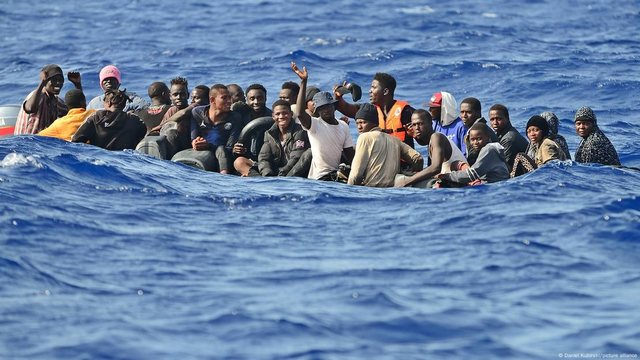
In the last decade, Italy is listed in international reports as one of the most problematic countries in the treatment of illegal immigrants who touch its shores in the most dangerous ways, often losing their lives. Sending them to a country outside the jurisdiction of the EU complicates the issue more in terms of protecting the rights of immigrants, according to international organizations.
"Detaining people who have already experienced a traumatic journey to reach Europe only adds to their suffering" - emphasizes the legal adviser Delle Cese. In addition to the violation of human rights, experts are skeptical if a country like Italy, which within its territory barely manages to meet the basic needs of the emigrants, can succeed by sending them to Albania.
A few days ago, the "European Commission against Racism and Intolerance" (ECRI), a structure of the Council of Europe that monitors issues of discrimination and racism, published the sixth monitoring report for its member countries. In the case of Italy, despite some improvements noted in the report, ECRI again raised major concerns about the issue of immigrants and asylum seekers.
"Public discourse has become significantly more xenophobic and political speeches have taken on distinctly divisive and antagonistic overtones, particularly targeting refugees, asylum-seekers and immigrants, as well as Italian citizens with a migration background, as well as people from the Roma and LGBTI communities. The language of hatred, including high-level politicians, often remains unchallenged" - says the ECRI report, whose findings also emphasize the decrease in trust in the carabinieri and other law enforcement agencies.
Based on the evidence gathered in the field, the experts have observed that the negative political narrative, to a large extent, towards immigrants has created serious obstacles and has also put at risk the work of organizations that support immigrants.
"Immigrant children are more exposed to bullying in schools and leave the education system earlier than Italian children. Forced evictions of Roma, contrary to international standards, have continued. There are a number of files which are drawn up on the basis of racial profiling by of officials of law enforcement bodies, mainly towards the Roma community and people of African origin" - the report states.
Deutsche Welle turned to the Council of Europe to find out if ECRI will have the focus of its next report on the Italy-Albania migrant agreement and specifically the establishment of two camps for asylum seekers. By e-mail, a KiE spokesperson said they could not comment on this matter. They emphasized, however, that they recommend Italy to set up an independent structure to deal with issues based on racial discrimination.
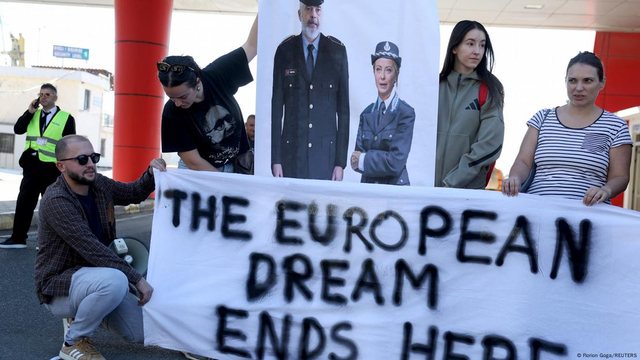
"The agency that currently functions as a body for equality issues, namely the National Office against Racial Discrimination, acts as an excellent governmental coordinating body, but cannot function as an independent body in accordance with ECRI's standards," the sources told DW. .
While the International Rescue Committee has another suggestion for Italy. "To prevent further loss of life in the Mediterranean, the Italian government should not invest in costly and fruitless immigration deals with third countries, but should urgently expand safe routes so that people are not forced to take dangerous journeys" - says Delle Cese.
"Keeping people trapped behind barbed wire - with the aim of keeping them out of sight and out of mind - is not a sustainable solution to Europe's migration challenges. While the number of people arriving in Italy has decreased in recent months, the number of dangerous crossings to Spain has increased. These migration agreements do not prevent people from risking their lives to reach Europe. They simply lead migrants to more and more dangerous routes," the representative argues of the IRC.
She and other similar organizations are afraid of this model, for which other European countries have publicly declared "that they are looking at it as an opportunity", including the head of the European Commission, Ursula von der Leyen./ DW


The United States has imposed sanctions on an individual a...

This move by the chancellor signals deep divisions between...

Like the Democratic candidate, Kamala Harris, the outg...

No business leader did more to support former Presiden...

Democratic candidate Kamala Harris has accepted the de...
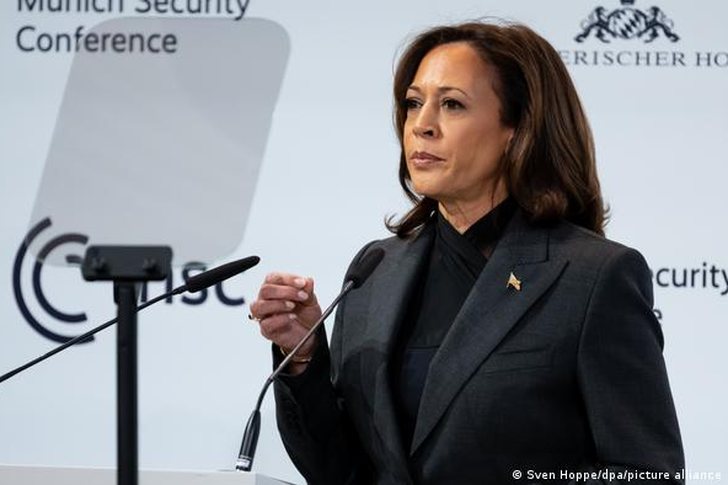
When the index that the New York Times newspaper uses ...

Former President George W. Bush congratulated Presiden...
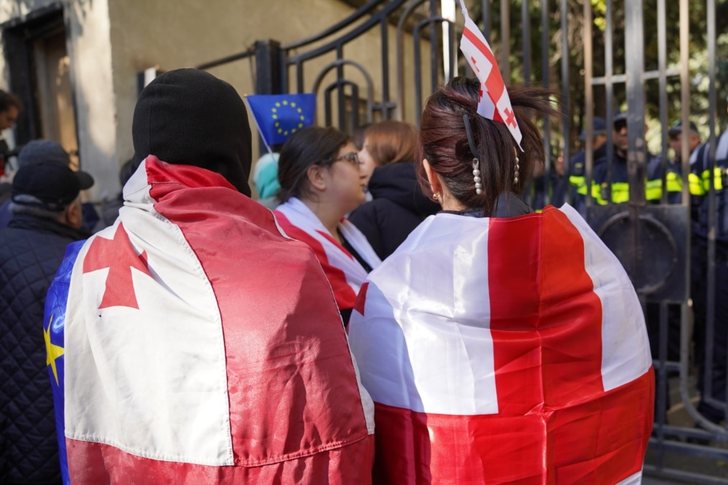
The opposition in Georgia protested for the fourth day in ...
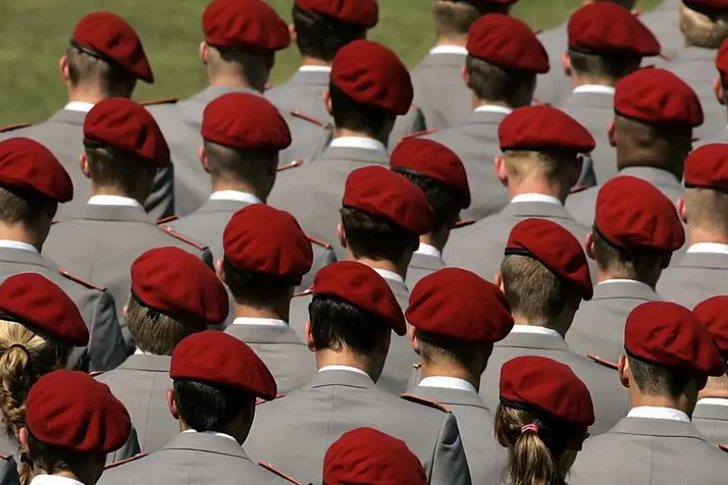
The German Ministry of Defense with a draft law is laying ...
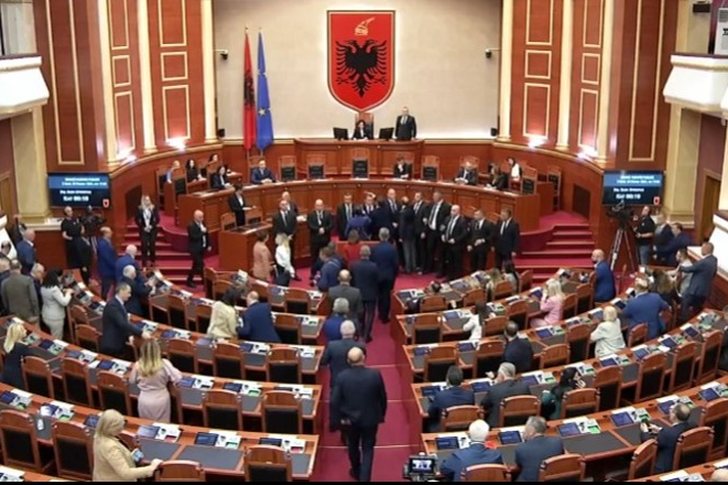
Gjykata Administrative ka shfuqizuar masat disiplinore për...

The US dollar has risen after Donald Trump won the preside...

Donald Trump returns to the White House for a second term ...
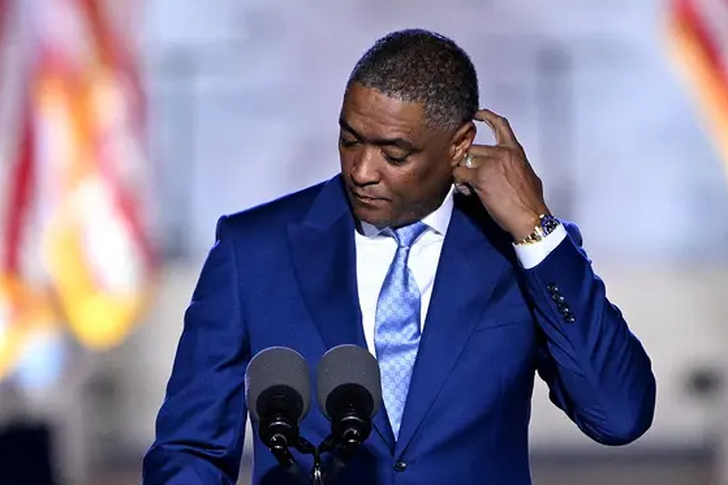
Kamala Harris will not speak to her supporters in Washingt...
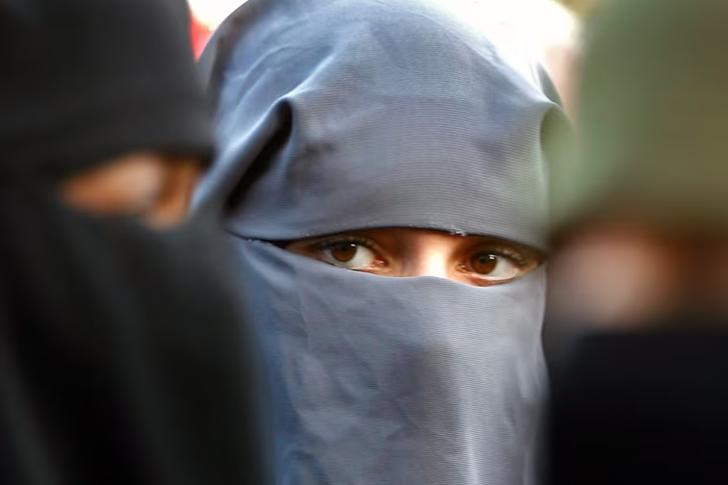
A controversial decision by Switzerland to ban face coveri...
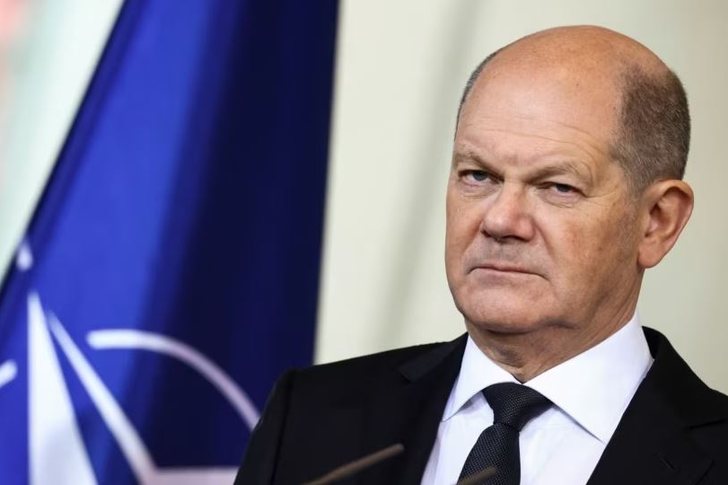
The German Chancellor, Olaf Scholz, has conveyed his c...

Donald Trump has been elected the 47th President of Am...
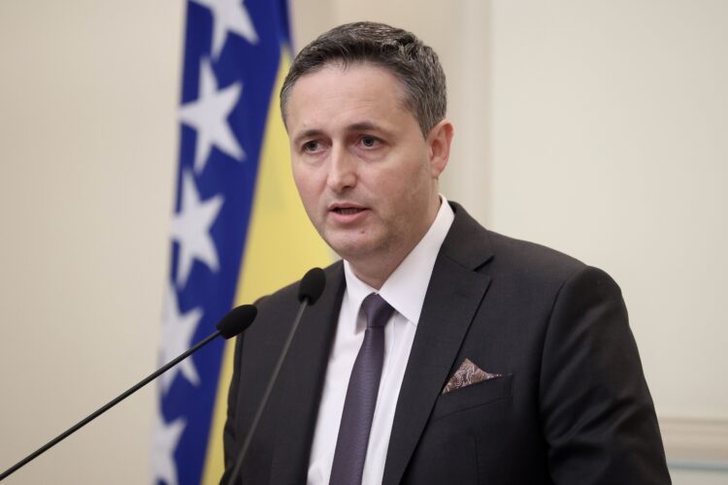
The President of the Presidency of Bosnia and Herzegovina,...
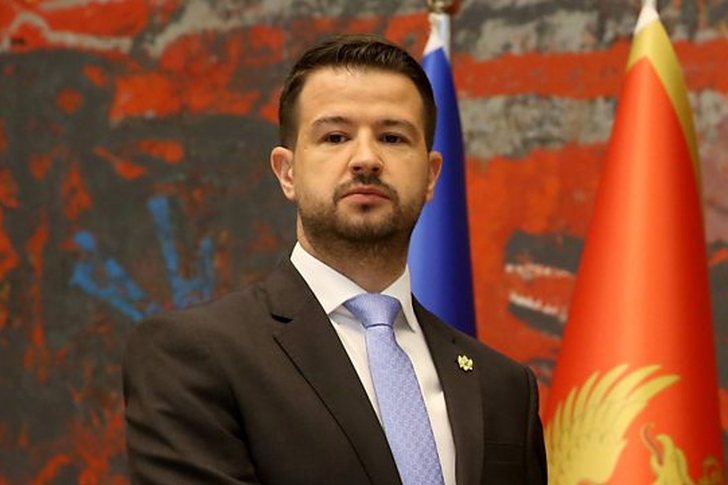
The President of Montenegro, Jakov Millatovic, congrat...
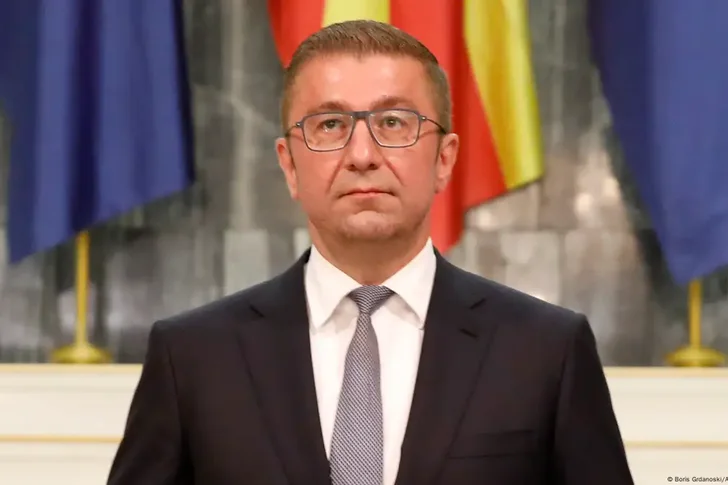
The Prime Minister of North Macedonia, Hristijan Micko...
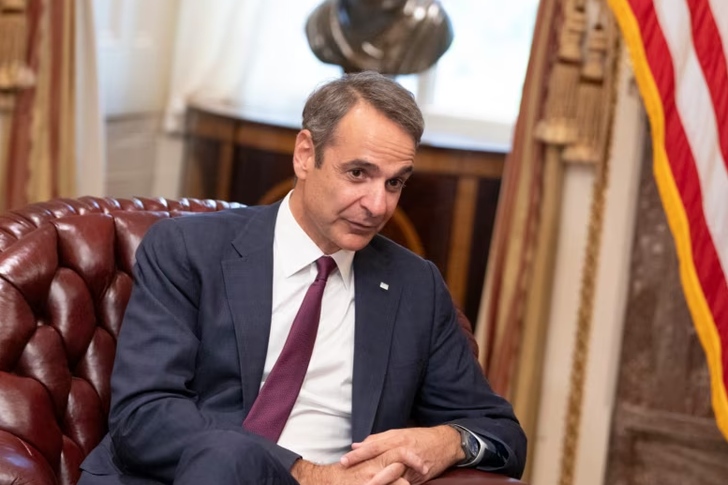
Greek Prime Minister Kyriakos Mitsotakis has congratul...

CNA has launched another investigation that could lead to ...

Irfan Hysenbelliu is a businessman that we call "Irfan the...

In March 2026, CNA launched another investigation centered...
The arrested mayor of Tirana, Erion Veliaj, with 13 charge...

The Special Board of Appeal (KPA) decided this Monday ...

The KPA vetting decided this Thursday to dismiss the p...

Suela Salavaçi, a prosecutor in the Prosecutor's Offic...

The Special Board of Appeal reinstated the prosecutor ...

New details have emerged from the serious accident that oc...
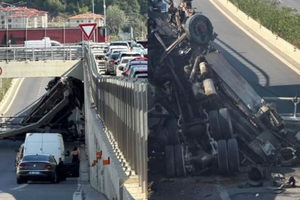
A serious accident occurred this Wednesday on the Elbasan-...
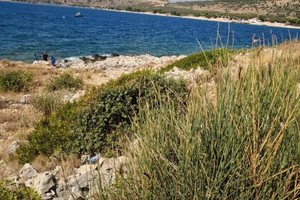
Citizen MH, 61, a fisherman, was found dead near the islan...

Another phase of the international operation, codenamed "T...

The Institute of Geosciences has shared a forecast for wea...
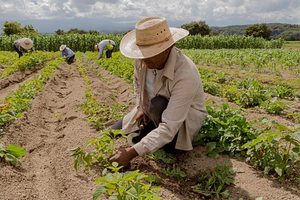
Rising energy and fertilizer prices are expected to contin...

Over 18,000 foreign citizens from 140 countries have appli...

This Wednesday, our country will be under the influence of...

Prime Minister Andy Burnham has announced that most bus fa...

France's parliament has passed a law to ban social media f...

US Secretary of State Marco Rubio arrived in Manila on Jul...

In the space of a few days, Ukrainian President Volodymyr ...

At a time when industrial products are increasingly taking...

Trust among people is not just a three-syllable word. It c...

Master of humor Todi Llupi has passed away at the age of 7...

The ninth edition of "MIK Festival" kicked off with one of...

Businesses will no longer be required to simply register t...

Despite economic growth and income in recent years, Albani...

This Wednesday, one US dollar is bought for 81.4 lek and s...

Construction company licenses will have a validity period ...