

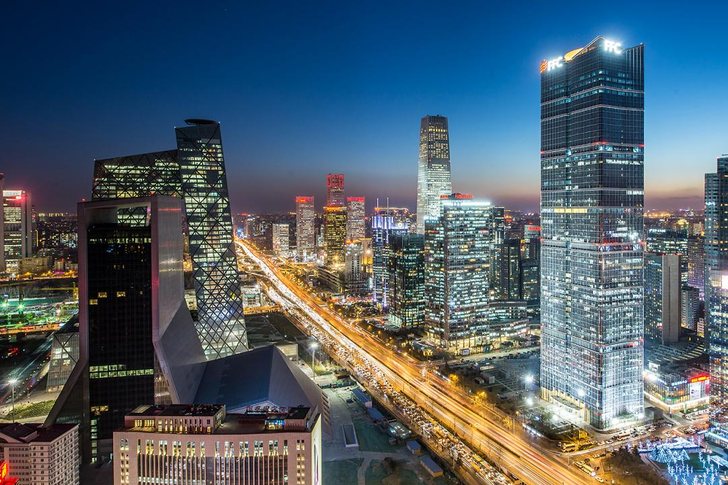
IMF to closely monitor China's economic growth amid trade tensions
The International Monetary Fund and the official Bureau of...


Until recently, the entrance to the Troyarova mine was open. The abandoned tunnel was a very popular tourist destination in the Little Carpathians. This forest-covered hill range is located just a few kilometers northeast of the Slovak capital, Bratislava. But for several months, the area has been cordoned off.
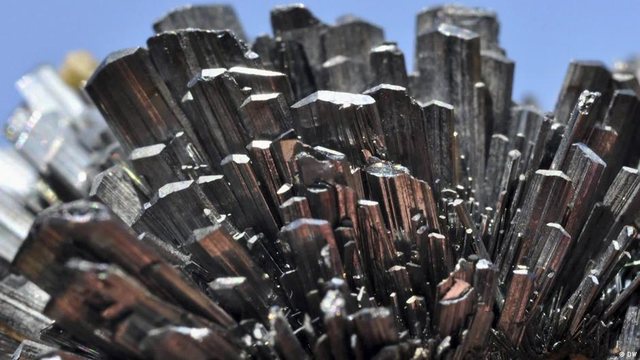
The Canadian mining company Military Metals wants to mine gold and, above all, antimony here. This silvery-white semimetal is very rare but essential for the production of batteries, semiconductors and weapons. It is needed, for example, to strengthen ammunition, for precision weapons or for thermal imaging cameras.
After test surveys, Military Metals in April spoke of the largest antimony deposit in the entire EU. It is said to be 67,000 tons or up to a third of the EU's annual antimony consumption. "Last year, the price of antimony increased by 200 percent. This means that the value of antimony is about two billion US dollars," explains Martin Lendik, mayor of the neighboring municipality of Pernek.
The Troyarova antimony mine was explored in the 1980s, but was closed after the political changes of the mid-1990s. Many people in the region hope it stays that way.
"The extracted rock has to be crushed. Antimony and gold are what attract investors, but they also contain mercury and arsenic – metals that can destroy our environment," says Roman Macs, the mayor of Pezinok. The former mining area continues to face the environmental impacts of centuries of gold, pyrite and iron ore extraction. Now there are concerns about further contamination of the soil and groundwater.
The Little Carpathians attract visitors in winter with their ski slopes and in summer with their hiking trails. This romantic mountain range is also the most important wine-growing region in Slovakia. 3,000 residents signed a petition and the district capital, Pezinok, has taken legal action.
Michal Lukac, spokesman for Pezinok, explains: "We have well-founded suspicions that the exploration works have not been carried out to the indicated extent. Therefore, we have filed complaints with the General Prosecutor's Office. We demand the suspension of the works and a transparent investigation." Little attention is paid to the former miners, who are publicizing the creation of new jobs.
Slovakia included the antimony project two years ago on its list of critical raw materials for exploration and notified the European Commission. In June, Military Metals had planned to launch a feasibility study.
But now the Minister of Environment, Tomas Taraba, has bowed to public pressure and abruptly withdrawn the exploration license from the company: "I myself am from Pezinok. I have no interest in antimony being mined there." Officially, it is claimed that the public interest must be protected.
The antimony company is preparing an appeal. It considers the ban on the project to be unfounded and incompatible with the European Union's raw materials strategy.
The EU wants to become more independent from countries like China and Russia. China controls over 70% of antimony production and has restricted exports for two years. Since then, prices have risen sharply. However, according to Military Metals, Slovakia's indecision is damaging the country's reputation as an investment destination, as well as Europe's credibility.
Slovakia's Ministry of Economy is currently planning to speed up the extraction of raw materials and simplify procedures. However, the Ministry of Environment is controlled by a small right-wing party that supports a destructive policy and, moreover, is at odds with its minister.
There is another large antimony deposit in Slovakia, in the southeast of the country. This is also a former mining area with long-standing environmental problems and new concerns. This makes it even more important that the parties involved do a better job of raising awareness, urge geologists such as Peter Kodera of Comenius University in Bratislava.
He considers the ban on exploration work an ill-considered measure: "Exploration is not synonymous with extraction. Knowing one's own mineral resources should be a priority for a country." Especially when it comes to a raw material that the world undoubtedly needs./DW

The International Monetary Fund and the official Bureau of...
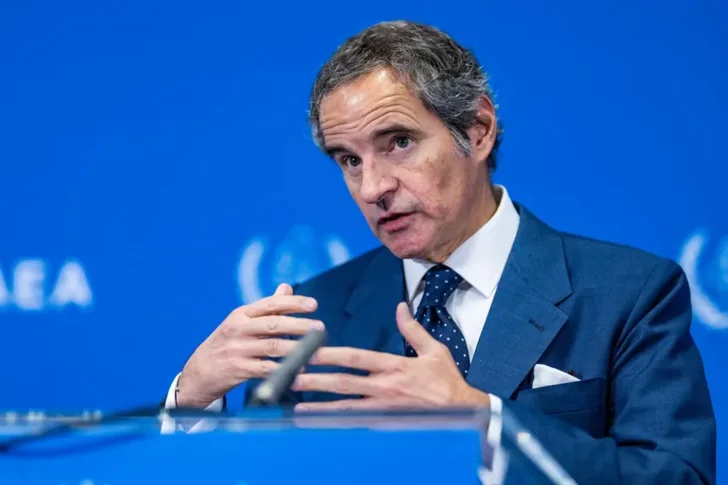
The head of the global nuclear watchdog agency has said it...
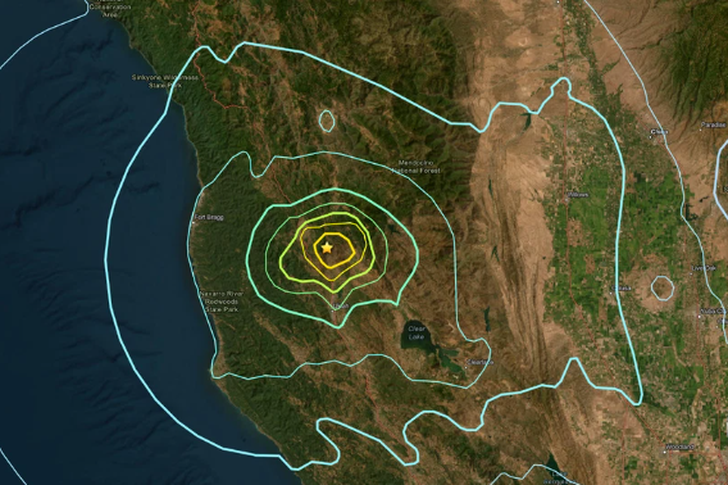
A magnitude 5.6 earthquake struck Mendocino County and was...
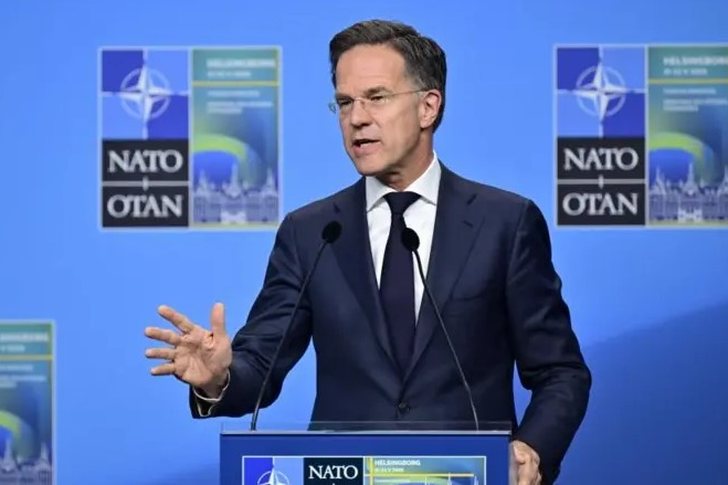
NATO Secretary General Mark Rutte praised President Donald...
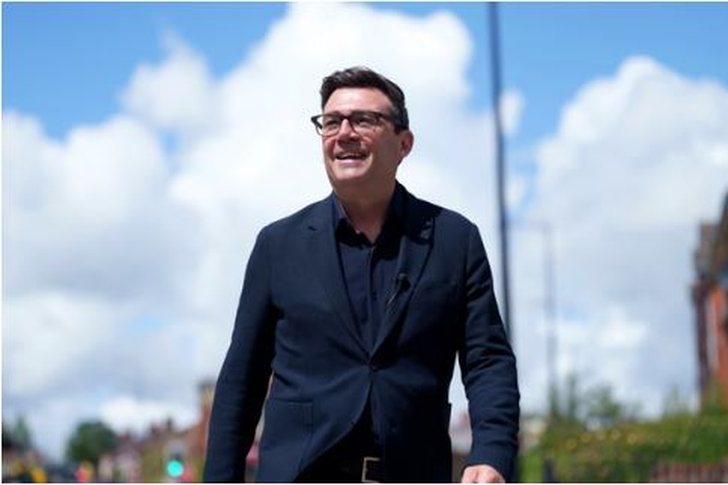
Andy Burnham is planning to move parts of the No. 10 opera...
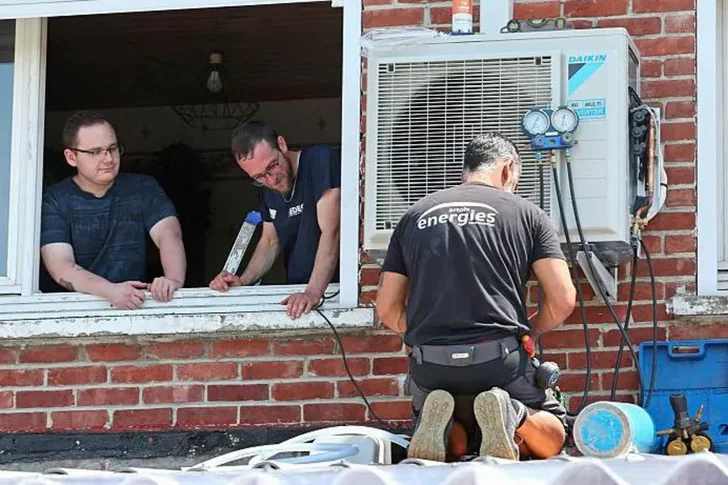
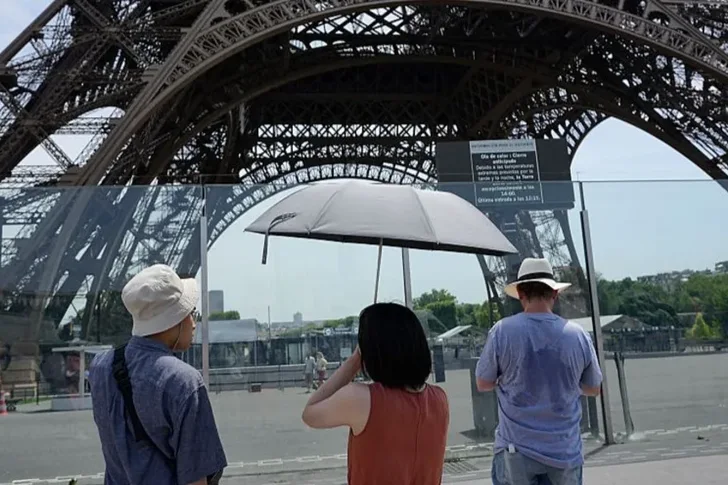
With temperatures rising sharply, France is being forced t...
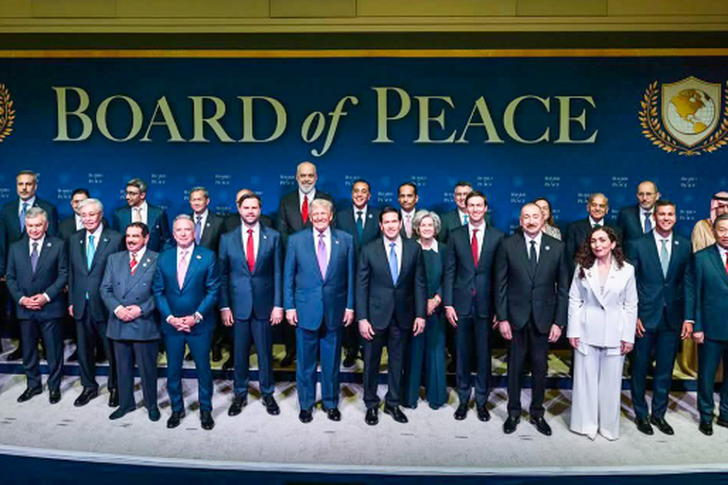
Representatives from the various bodies of the Peace Board...
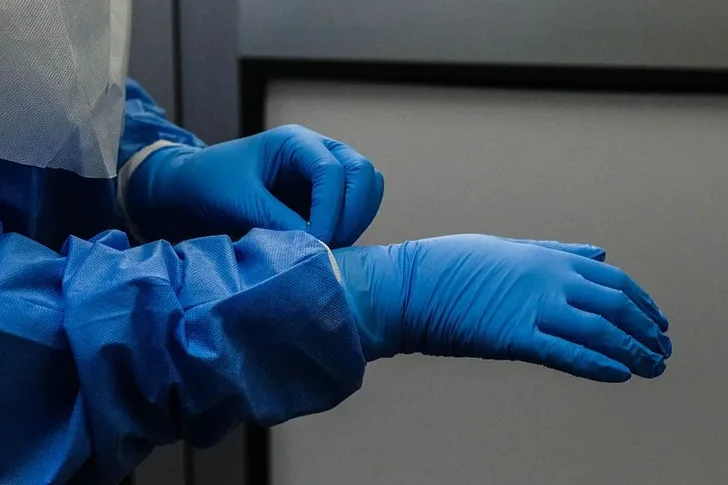
France has confirmed its first case of Ebola - a doctor wh...
The Democratic League of Kosovo (LDK) could unify and offe...
Tens of thousands of homes are without power in western Fr...
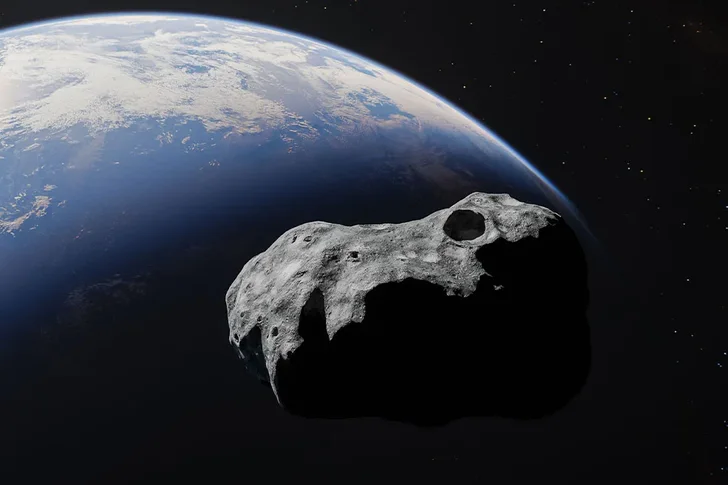
A large asteroid will pass close to Earth this Saturday, p...
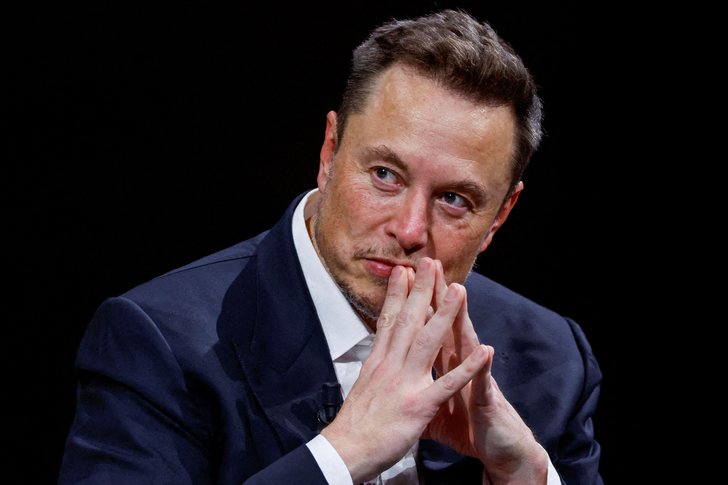
Elon Musk ka humbur statusin e trilionerit. Sipas analizav...
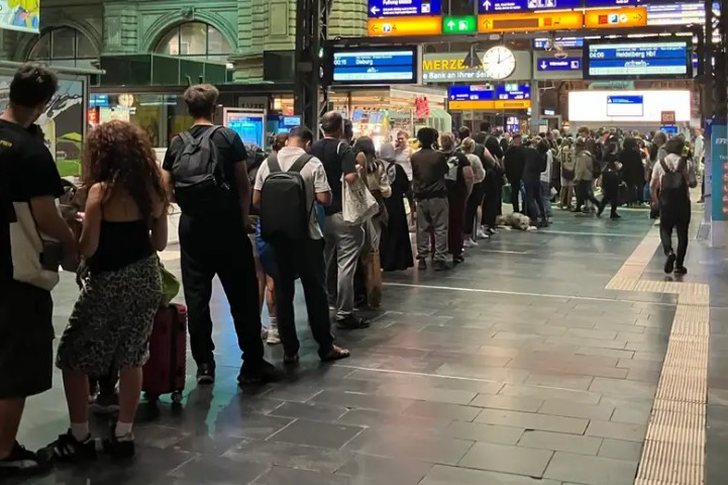
German railway company Deutsche Bahn has resumed rail serv...
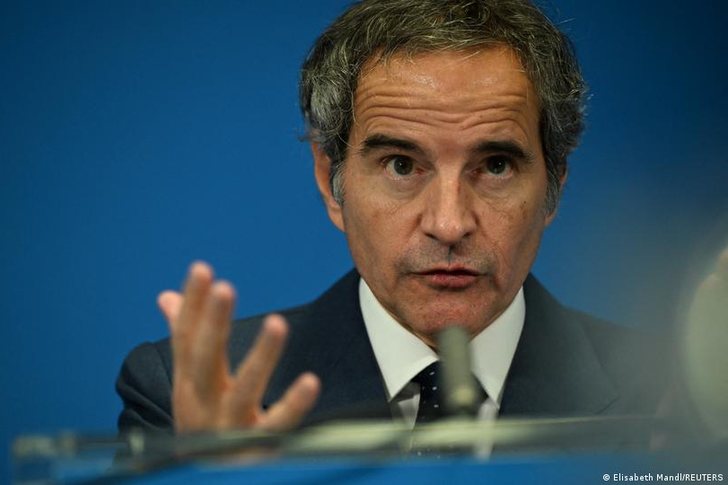
The head of the International Atomic Energy Agency, Rafael...
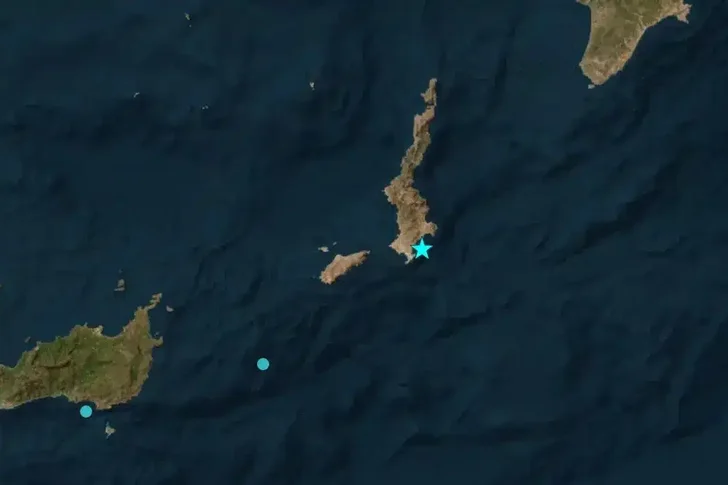
A powerful earthquake with a magnitude of 5.1 on the Richt...
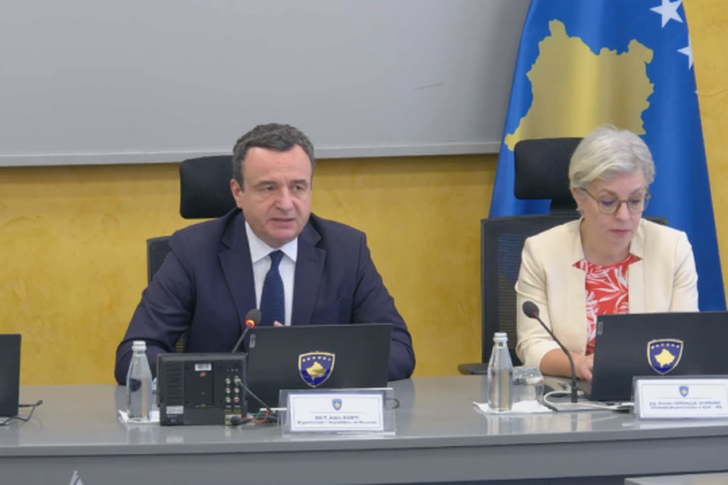
Kosovo's acting Prime Minister, Albin Kurti, stated at the...

European Union citizens are increasingly supporting the id...
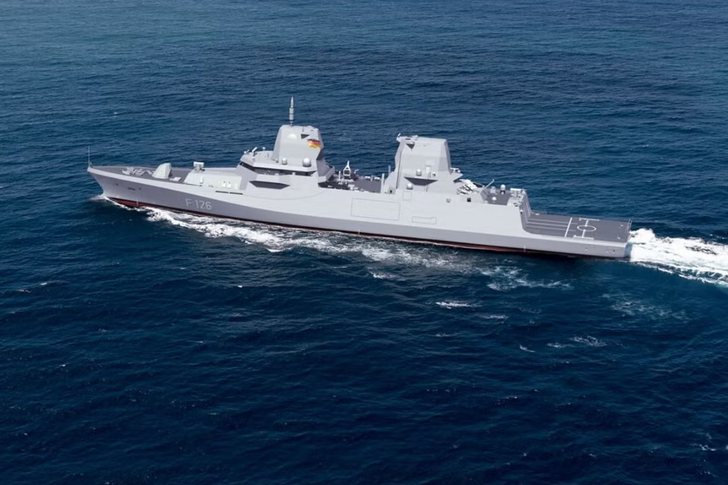
Germany is planning to cancel the construction of six F126...
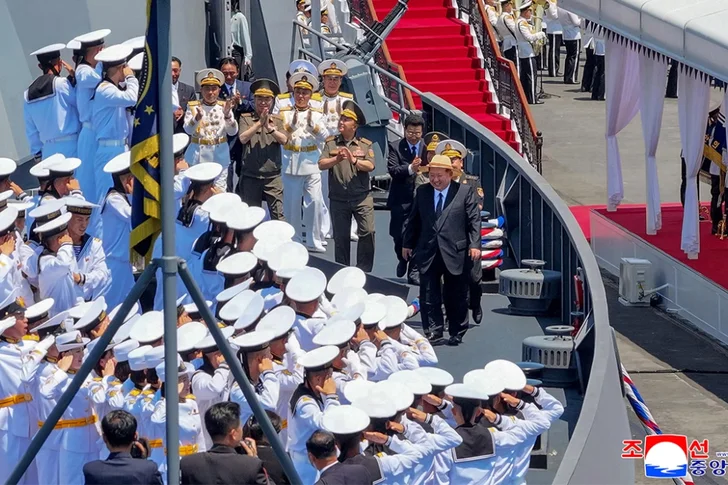
North Korean leader Kim Jong Un has stated that the countr...
Europe today is religiously diverse. Interfaith dialogue b...
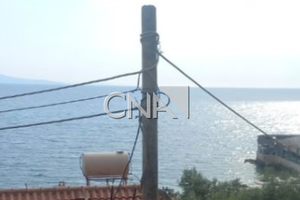
Today, CNA has published a complaint from residents of the...
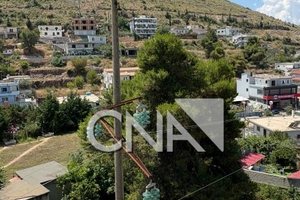
A complaint from residents of the village of Gjashtë in Sa...

A complaint to CNA also led to the publication of several ...
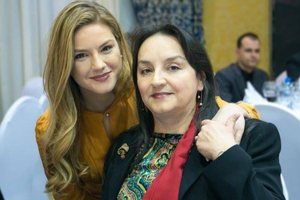
A mountain of documents for a flagrant case, in the na...

The Special Board of Appeal (KPA) decided this Monday ...

The KPA vetting decided this Thursday to dismiss the p...

Suela Salavaçi, a prosecutor in the Prosecutor's Offic...

The Special Board of Appeal reinstated the prosecutor ...
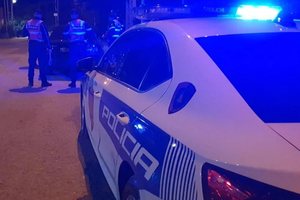
A tragic event occurred this evening in the village of Ago...
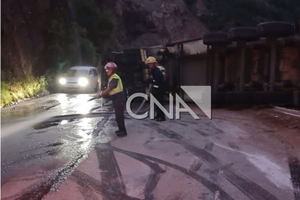
A truck overturned today on the Librazhd-Prrenjas axis, in...
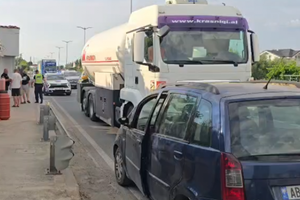
A serious accident was recorded this afternoon in the Shko...
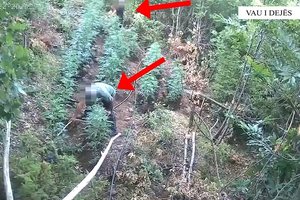
Two people have been arrested in Vau i Dejës for cultivati...

As climate change warms coastal waters in northern Europe,...
Today, our country will be affected by almost the same met...

Turkish police said on Tuesday they had arrested more than...

Today, our country will be affected by relatively stable w...
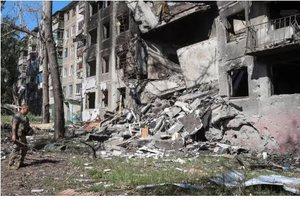
Russia is still advancing slowly in the Donetsk region of ...
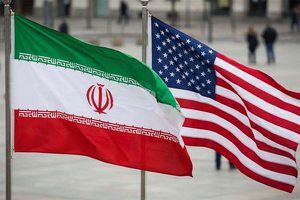
Iran's Foreign Ministry has criticized the US government f...
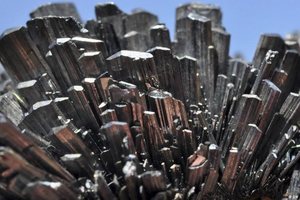
Until recently, the entrance to the Troyarova mine was ope...
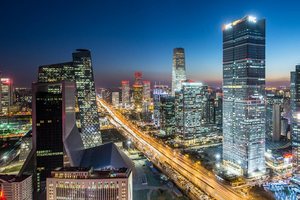
The International Monetary Fund and the official Bureau of...
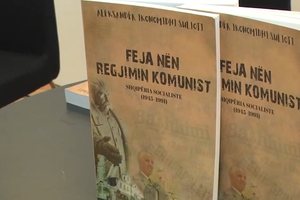
The promotion of the book by author Aleksandër Ikonomidhi ...
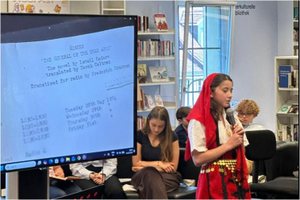
The Albanian Embassy in Switzerland has organized an eveni...

This Wednesday, the prominent actor of Albanian cinema, Gj...
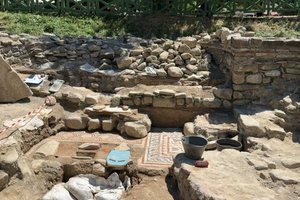
Several archaeological excavations conducted during this s...
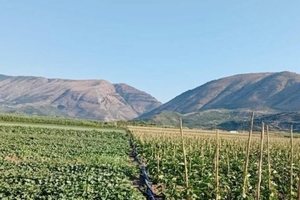
In 2025, agriculture made a negative contribution to econo...
Fuel doesn't just affect drivers. This is the part that's ...
The pump changes a few lek and the effect is felt immediat...
Albania has a low weight of gold in its foreign exchange r...