


US special envoy and Kushner part of talks in Egypt
US special envoy Steve Witkoff and US President Donald Tru...


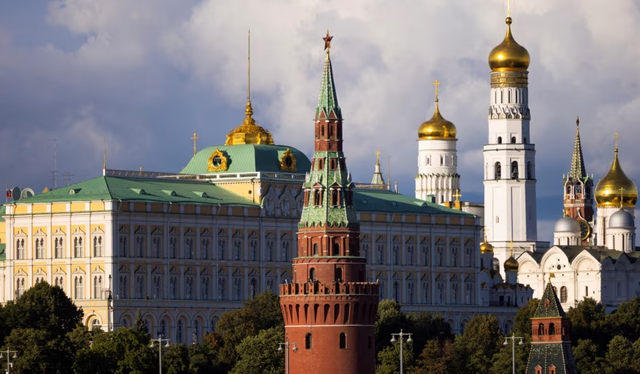
Russian President Vladimir Putin signed a decree last week that appears to target assets of foreign companies that continue to operate in Russia and that have not yet been seized by the Russian government.
The decree calls for accelerating the privatization process of state property to ensure the country's defense capacity, but directly refers to the hostile actions of the United States and other countries and organizations associated with them, which are aimed at imposing restrictive measures against citizens of the Russian Federation and Russian legal entities.
This decree also establishes a special procedure for the registration, sale and transfer of assets, including an accelerated deadline, and appoints PSB Bank (formerly known as Promsvyazbank) as the sole organizer of property sales.
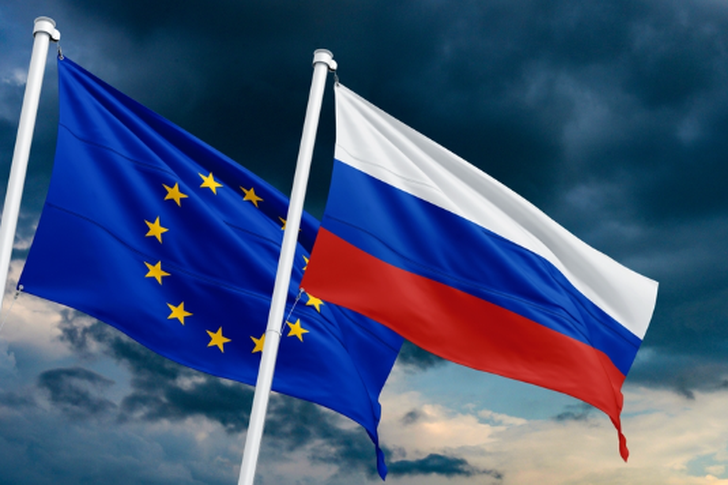
Putin signed the decree in response to the EU's review of a scheme to provide Ukraine with billions of dollars in loans based on frozen Russian assets in the EU, which have been blocked since Moscow began its invasion of Ukraine in early 2022.
European Commission President Ursula von der Leyen raised the idea of ??a reparations loan in the European Parliament in early September.
With the United States hinting that it may not be willing to fund Ukraine's defense needs for the long term, the European Union is considering ways to cover a larger share of the costs in 2026 and 2027, assuming the war continues.
Von der Leyen made her case to EU leaders, who met with Ukrainian President Volodymyr Zelensky at an informal summit in Copenhagen on October 1 to discuss Ukraine.
EU finance ministers are expected to discuss more details about this plan when they meet in Luxembourg next week.
Although not all the mechanisms of the loan have yet been defined, some elements are already clear.
Russian assets frozen since the full occupation in 2022 will be used to issue bonds. The proceeds from these bonds will be used for the reconstruction of Ukraine in the form of a reparations loan.
Ukraine would be obliged to return the money only after Russia has paid war damages, according to a UN General Assembly resolution.
Ukraine would repay the EU the reparations loan to repay bondholders, and then the assets would be unlocked. If the scheme is implemented, Ukraine could receive 170 to 180 billion euros in installments over 2026 and 2027, according to a discussion paper prepared by the Commission for EU member states, which Radio Free Europe (RFE/RL) has seen.
The Kremlin has called the European initiative a form of confiscation and threatened a "symmetrical response."
However, there are fundamental differences between the EU plan for a reparations loan and the confiscation of the assets of European companies that continue to operate in Russia, along with their immediate privatization.
While the European measure does not include any nationalization of Russian federal assets, Putin's decree appears to aim at nationalizing the properties of private companies.
It is estimated that around 800 Western European companies continue to operate in Russia.
Several of them are named in the decree, including the Russian branch of Austria's Raiffeisen Bank International, Italy's UniCredit and German chocolate maker Ritter Sport.
European regulators have been pushing Raiffeisen Bank to exit the Russian market since 2022, but it has been reluctant to give up the huge profits it has enjoyed until recently as a near-monopoly financial institution that enables payments from Russia to Europe.
It has also been reluctant to miss the opportunity to count its Russian branch as a loss.
A sale initiated by the bank itself is virtually impossible due to conditions that define how foreigners can sell their assets in Russia. Another decree signed by Putin requires a 50 percent write-off and a mandatory 10 percent contribution to the Russian budget./ REL

US special envoy Steve Witkoff and US President Donald Tru...
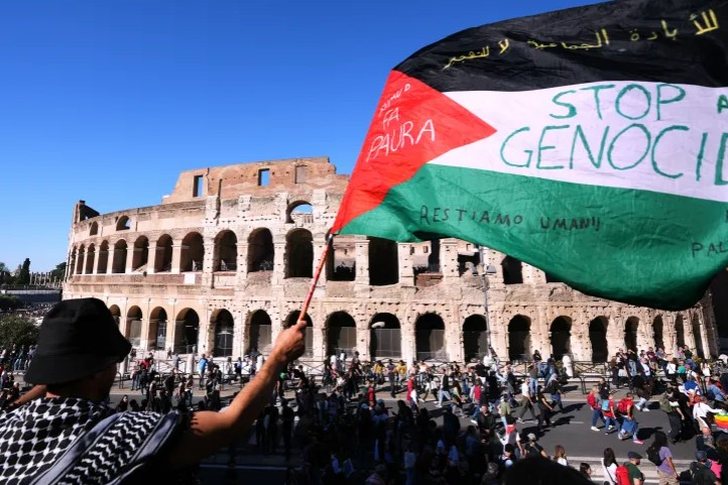
The football match between Italy and Israel will take plac...
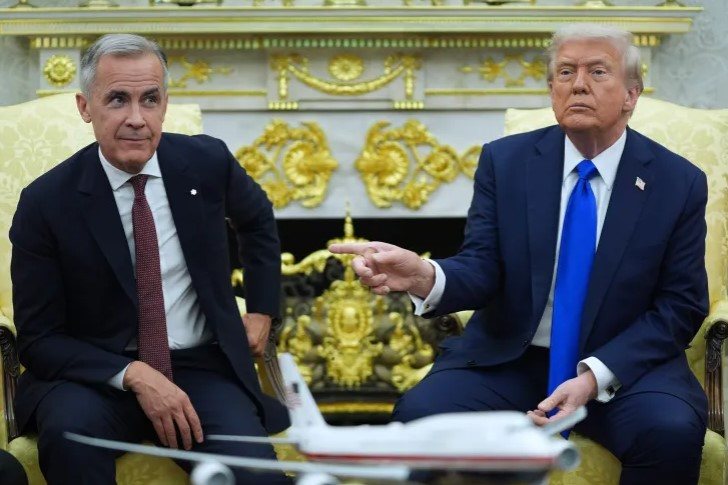
Canadian Prime Minister Mark Carney met with US President ...
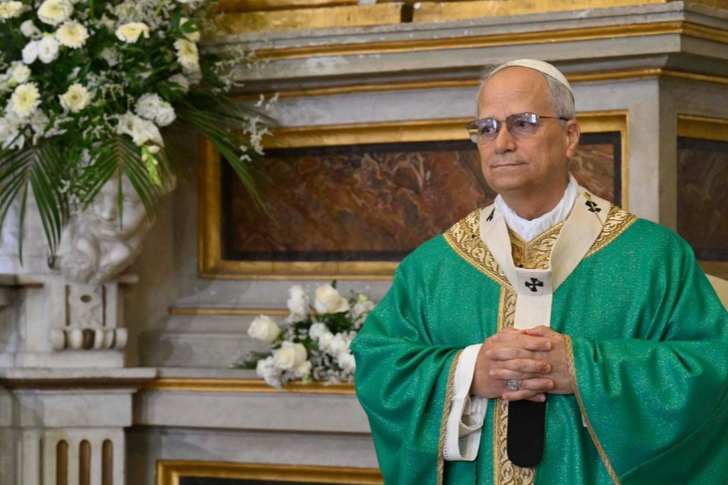
Pope Leo XIV will make his first apostolic journey outside...

Greta Thunberg, the 22-year-old Swedish activist, arrived ...
Turkish President Recep Tayyip Erdogan and his Russian cou...
The European Union is considering a proposal that could re...
Gunfire was reported in Kumanovo, North Macedonia, today. ...
Finnish President Alexander Stubb and Prime Minister P...
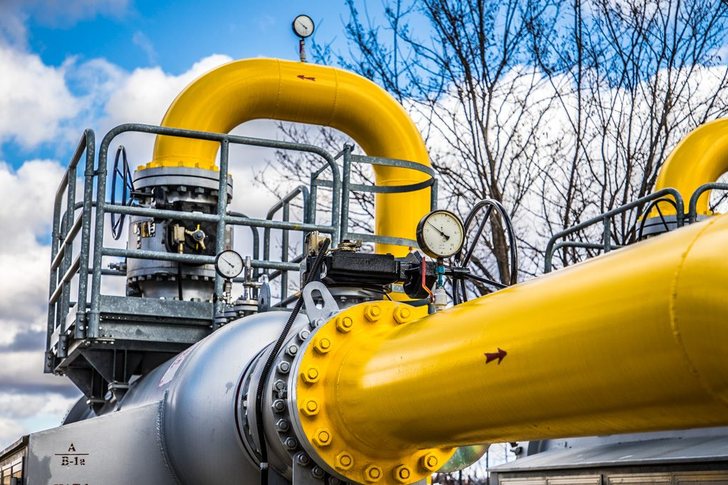
Ukraine's Energy Minister Svitlana Hrynchuk said the count...
A newly elected mayor was found injured in western Germany...
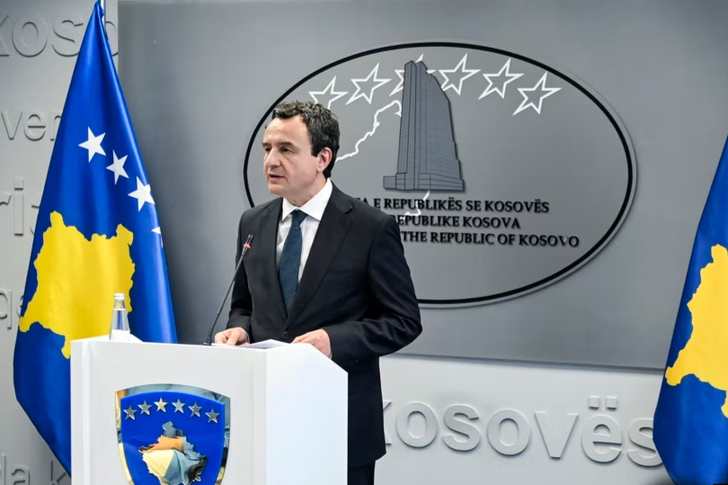
Kosovo's acting Prime Minister, Albin Kurti, accuses Serbi...
Today marks 2 years since Hamas's attack on Israel on Octo...
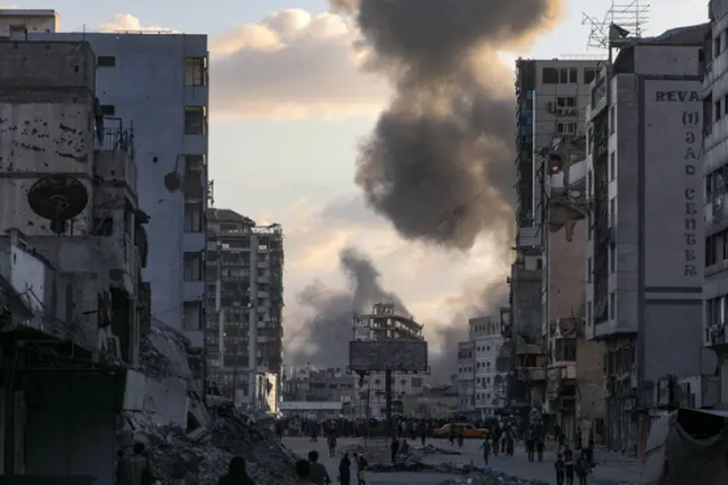
Today marks two years since Hamas' attacks on Israel on Sa...
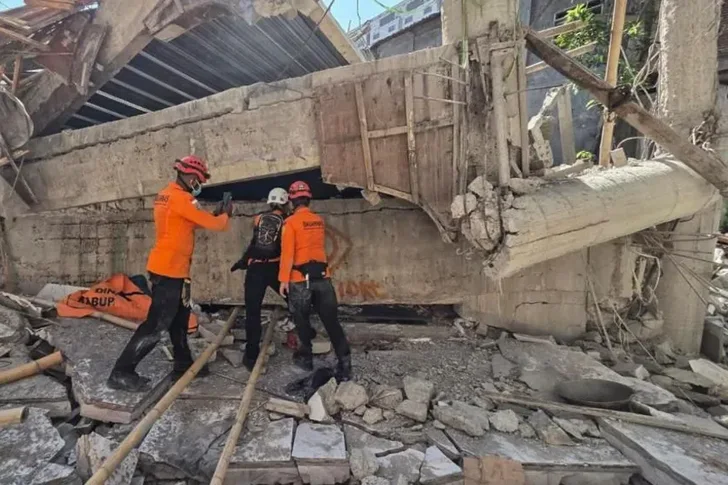
Authorities confirmed that the death toll from last Monday...
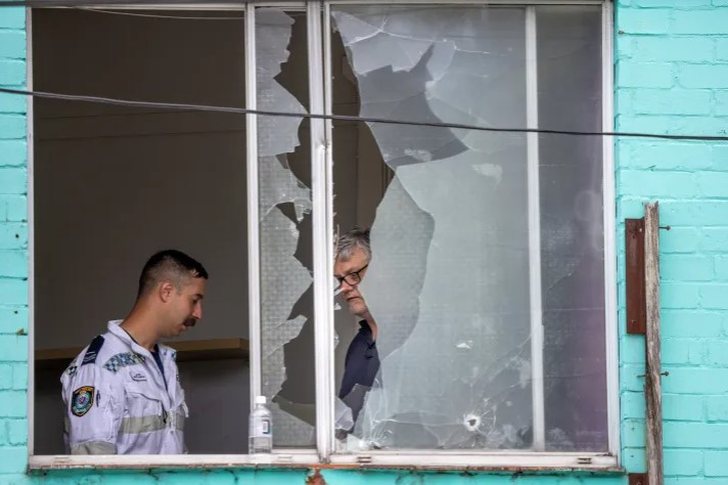
Sydney police have stated that they continue to hold in cu...
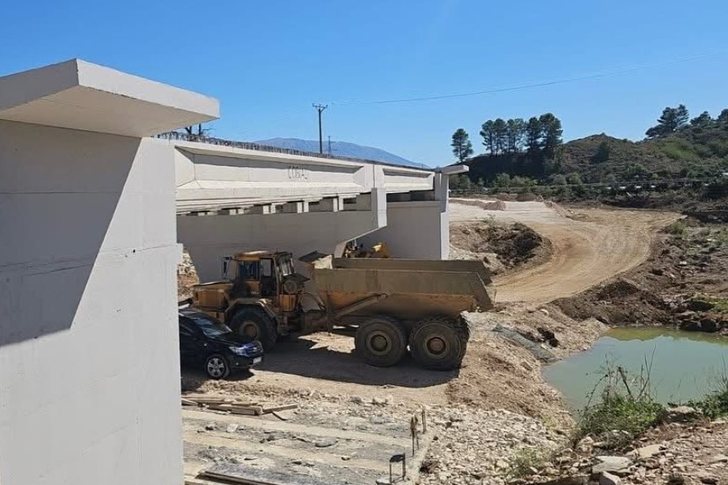
Prime Minister Edi Rama, through a post on social networks...

Twenty-one activists, detained by Israel after blocking ai...

Artur Tushi, 44, was killed on El Poblado Avenue, in Medel...
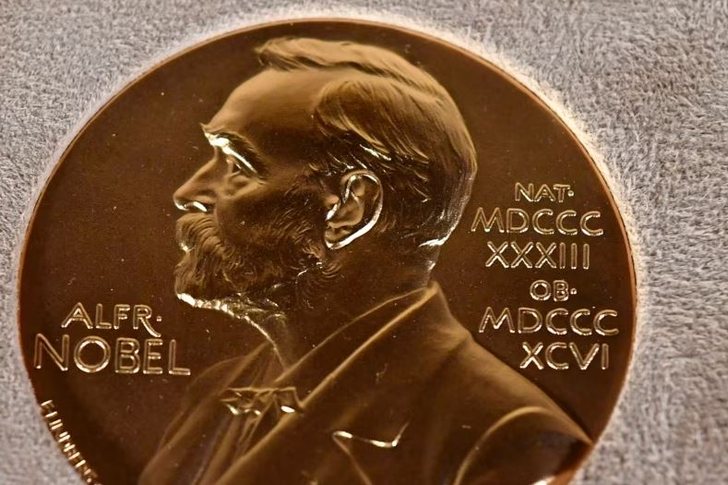
The Nobel Prize in Medicine for 2025 has been awarded to s...

CNA has launched another investigation that could lead to ...

Irfan Hysenbelliu is a businessman that we call "Irfan the...

In March 2026, CNA launched another investigation centered...
The arrested mayor of Tirana, Erion Veliaj, with 13 charge...

The Special Board of Appeal (KPA) decided this Monday ...

The KPA vetting decided this Thursday to dismiss the p...

Suela Salavaçi, a prosecutor in the Prosecutor's Offic...

The Special Board of Appeal reinstated the prosecutor ...

New details have emerged regarding the accident that occur...

New details have emerged from the serious accident that oc...
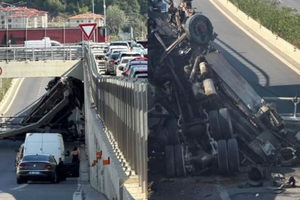
A serious accident occurred this Wednesday on the Elbasan-...
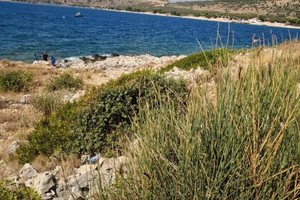
Citizen MH, 61, a fisherman, was found dead near the islan...

The Institute of Geosciences has shared a forecast for wea...
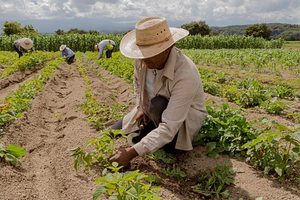
Rising energy and fertilizer prices are expected to contin...

Over 18,000 foreign citizens from 140 countries have appli...

This Wednesday, our country will be under the influence of...
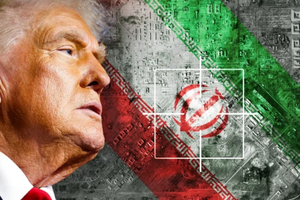
US President Donald Trump has issued another warning to Ir...
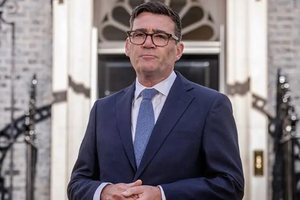
Prime Minister Andy Burnham has announced that most bus fa...

France's parliament has passed a law to ban social media f...

US Secretary of State Marco Rubio arrived in Manila on Jul...

At a time when industrial products are increasingly taking...

Trust among people is not just a three-syllable word. It c...

Master of humor Todi Llupi has passed away at the age of 7...

The ninth edition of "MIK Festival" kicked off with one of...

Businesses will no longer be required to simply register t...

Despite economic growth and income in recent years, Albani...

This Wednesday, one US dollar is bought for 81.4 lek and s...

Construction company licenses will have a validity period ...