


Why are Hollywood screenwriters on strike and how will its effect be felt on television screens?
LOS ANGELES - Screenwriters for movies and TV shows are no...


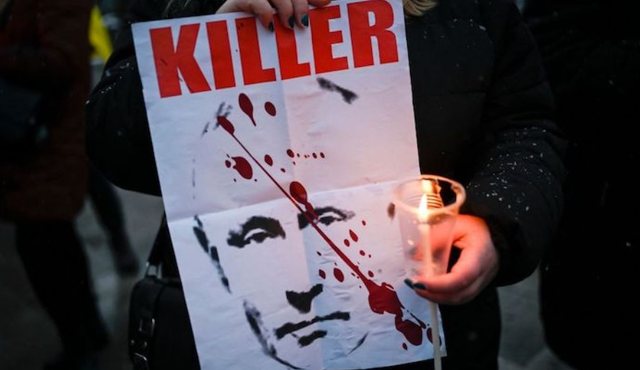
In a historic address to the US Congress on March 12, 1947, President Truman addressed the threatening spread of communism and the influence of Soviet power in Eastern Europe. Also known as the "Truman Doctrine", it described the battle lines of the Cold War as a struggle between autocracy and democracy, something that still resonates surprisingly in Ukraine today.
"The Soviet way of life is based on the will of a minority, imposed by force on the majority. It relies on terror and repression, on a controlled media, on elections with a fixed result and on the suppression of personal freedoms... The free peoples of the world ask us for support to preserve their freedoms" - declared Truman, among other things .
Today, the European Union country that most closely resembles that oppressive authoritarian state is Bulgaria, which is currently facing an existential crisis. It has slipped into an autocracy ruled by a political elite, which has usurped the judiciary and entrenched a culture of impunity.
It is essentially the new Russia. Given its historical ties to Russia, it is not surprising that Bulgaria takes a duplicitous and reluctant approach in its support for Ukraine. For the EU and the Council of Europe, Bulgaria represents a major reputational and credibility problem.
It is the most corrupt member state, says Transparency International. According to the US Department of State, this country has "serious problems with respect for human rights as well as with the independence of the judiciary and government corruption". Like Russia, Bulgaria has turned into a mafia state.
It is currently ruled by an autocratic kleptocracy and a group of oligarchs whose origins can be traced back to the Communist-era secret service, the Committee for State Security (CSS), the Soviet equivalent of the KGB, and the privatization of state assets.
According to the former Bulgarian Minister of Justice, Hristo Ivanov, this crisis is undermining the credibility of the EU because Brussels has failed to react properly to the escalation of corruption in its poorest state. He claims that the EU has been complacent in overseeing judicial reforms in Bulgaria, while at the same time fueling corruption with European funds.
"If the EU is unable to guarantee minimum standards of the rule of law in a member state as weak as Bulgaria... then what is it capable of? This level of state capture in Bulgaria was made possible only by the ease of receiving EU funds" - emphasizes Ivanov.
At the heart of the crisis is the lack of judicial independence. "The problem is that the Prosecutor General in Bulgaria has a lot of power and, as a result, a disproportionate influence within the Supreme Judicial Council and over the judges," says Tobi Kadman, a lawyer who has worked in Bulgaria.
Sipas tij “konsolidimi i këtij pushteti të pakontrolluar, ka shkaktuar gërryerjen e pavarësisë së gjyqësorit”. Dhe ashtu si Rusia, erozioni i shtetit të së drejtës është viktima e parë e një prejardhjeje në autokraci. Prokurori i Përgjithshëm, Ivan Geshev, u zgjodh në këtë detyrë në vitin 2019.
Në mënyrë të pazakontë, emërimi i tij shkaktoi protesta të forta të qytetarëve çdo mbrëmje, për shkak të akuzave se atij i mungonte pavarësia dhe integriteti për të mbajtur një post kaq të rëndësishëm. Protestuesit kërkuan dorëheqjen e tij duke pretenduar se “një mafia oligarkike ka kapur shtetin dhe ka shtrirë tentakulat e saj në institucione të tilla si gjyqësori, media dhe shërbimet e sigurisë” duke qëndruar mbi ligjin.
Sondazhet e fundit treguan se 80 për qind e bullgarëve e konsideronin korrupsionin si një dukuri të përhapur në vend. Në korrikun e vitit 2020, mijëra protestues u rikthyen në rrugët e Sofjes kur prokurorët e shtetit shkuan për një kontroll në zyrat e presidentit.
Ata e konsideruan këtë bastisje të paprecedentë ndaj kreut të shtetit si një dredhi për të larguar vëmendjen nga mungesa e hetimeve ndaj oligarkëve për korrupsion dhe hakmarrje për përpjekjet e tij për të bllokuar emërimin e prokurorit të përgjithshëm një vit më parë.
“Një Prokuror i Përgjithshëm në detyrë mund të abuzojë me detyrën e tij ose të kryejë krime të tjera pa u ndëshkuar. Ky organ përbën në thelb një nga kërcënimet kryesore për sundimin e ligjit në Bullgari”- thotë juristja bullgare Radosveta Vasileva.
Roli i plotfuqishëm i Prokurorit të Përgjithshëm ilustrohet nga goditja e Nexo, një kompani lider në botën e financave që menaxhon mbi 2 miliardë dollarë asete për 5 milionë njerëz në 200 vende. Që nga janari i këtij viti, Nexo dhe punonjësit e tij në Bullgari janë vënën nën shënjestrën e kryeprokurorit bullgar.
“Është një sulm i koordinuar me pretendime për sjellje kriminale, të bazuara në akuza të fabrikuara dhe të motivuara politikisht. Prokurori i Përgjithshëm u përpoq të rekrutonte partnerë ndërkombëtarë të zbatimit të ligjit për të mbështetur legjitimitetin e hetimit kundër Nexo dhe drejtorëve të tij në një proces të pahijshëm”- thotë Tobi Kadman.
Taktika e “bashkëpunimit ndërkombëtar” dështoi dhe Prokurori i Përgjithshëm reagoi duke pretenduar një komplot të orkestruar brenda vendit. “Ata bënë akuza shumë të rreme, duke shkelur prezumimin e pafajësisë dhe duke zhdukur çdo shans që ata që janë nën hetim t’i nënshtrohen një gjykimi të drejtë. Realiteti është se drejtorët e Nexo-s u vunë në shënjestër për shkak të mbështetjes së tyre për opozitën politike, reformën dhe fundin e korrupsionit”- thekson Kadman.
Bullgaria përballet aktualisht me një moment kritik, i cili ka pasoja serioze për besueshmërinë e BE-së. Kongresmeni amerikan Uorren Dejvidson e quajti Prokurorin e Përgjithshëm në Bullgari një kërcënim “për stabilitetin e NATO-s”.
Bulgaria is a country that bears a striking resemblance to Russia in the early years of Putin's rule, when the rule of law was misused to target businessmen who opposed his political agenda. Now that the Cold War has revived, Bulgaria has become like Russia, a mafia state./ Adapted from CNA.al

LOS ANGELES - Screenwriters for movies and TV shows are no...
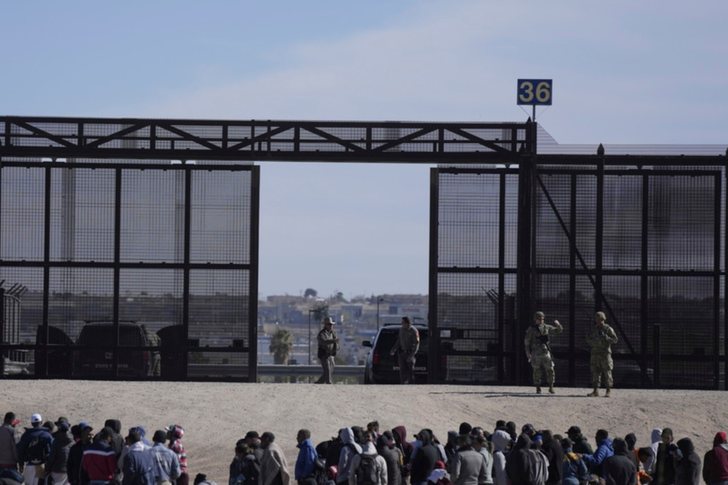
President Biden's administration will send 1,500 military ...
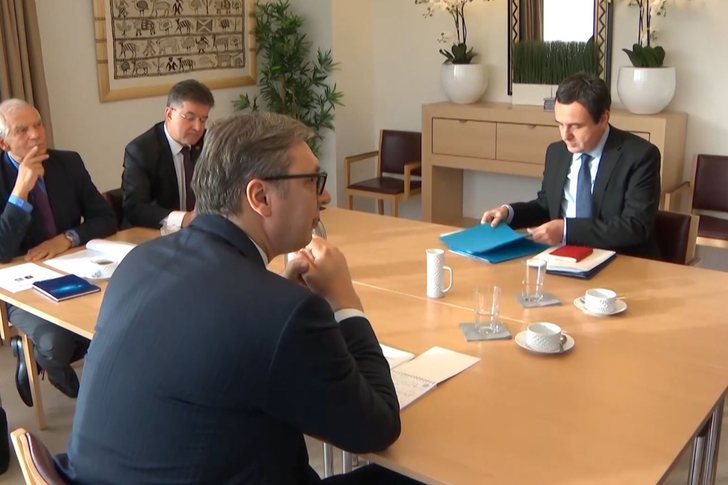
Just a few minutes ago, the meeting in Brussels between th...
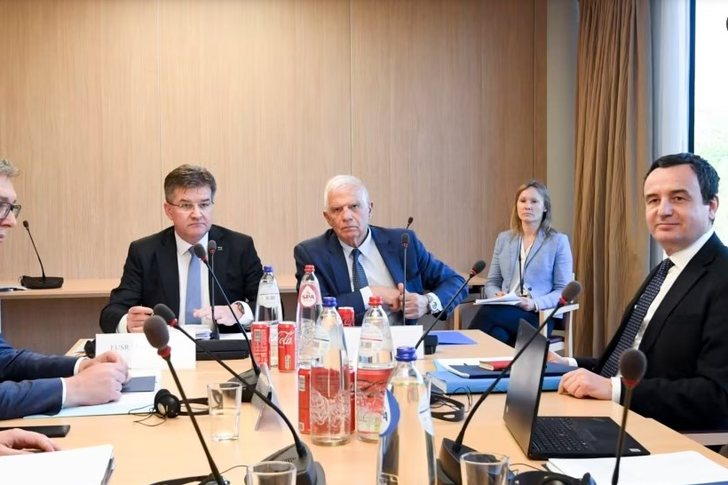
The Prime Minister of Kosovo, Albin Kurti, and the Preside...
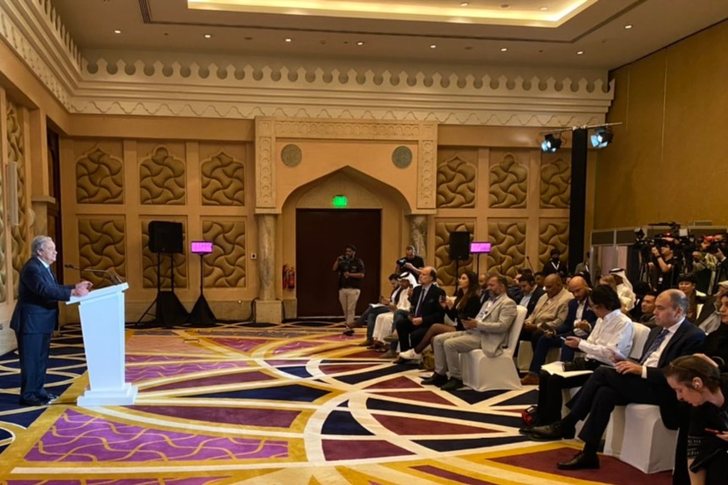
The United Nations will remain in Afghanistan to provi...
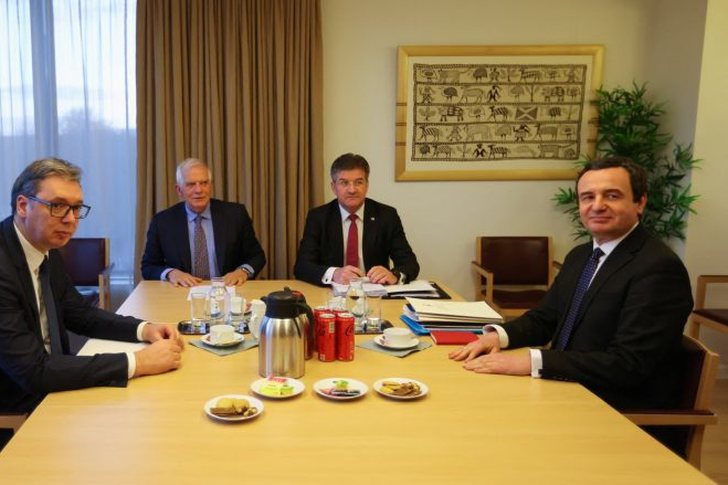
The Prime Minister of Kosovo, Albin Kurti, and the Pre...
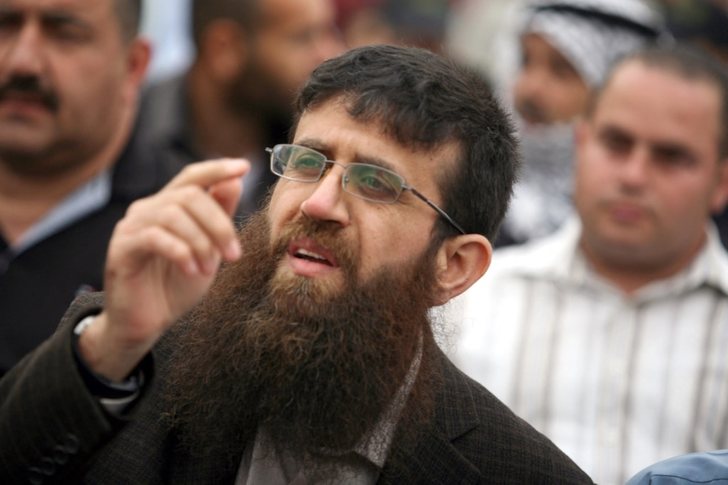
Khader Adnan, leader of the Islamic Jihad militant group, ...
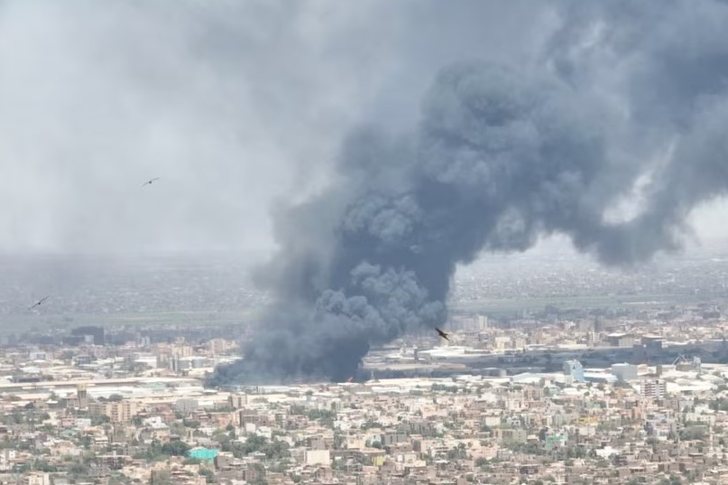
The United Nations warned that more than 800,000 peopl...
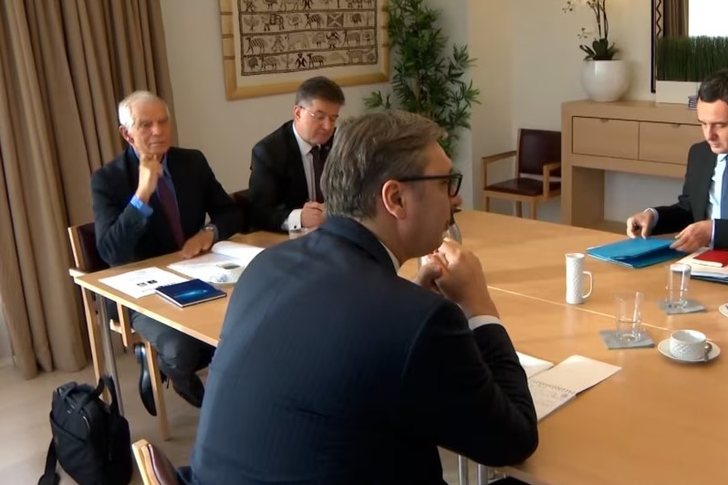
The Prime Minister of Kosovo, Albin Kurti, and the Pre...
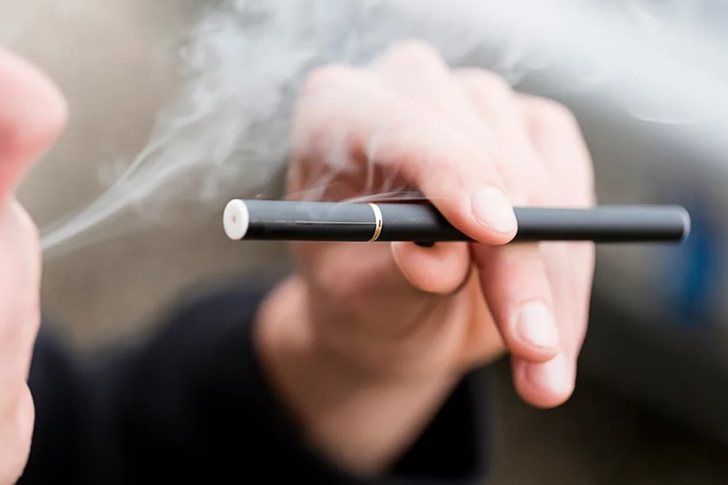
Qeveria australiane do të ndalojë cigaret elektronike ...
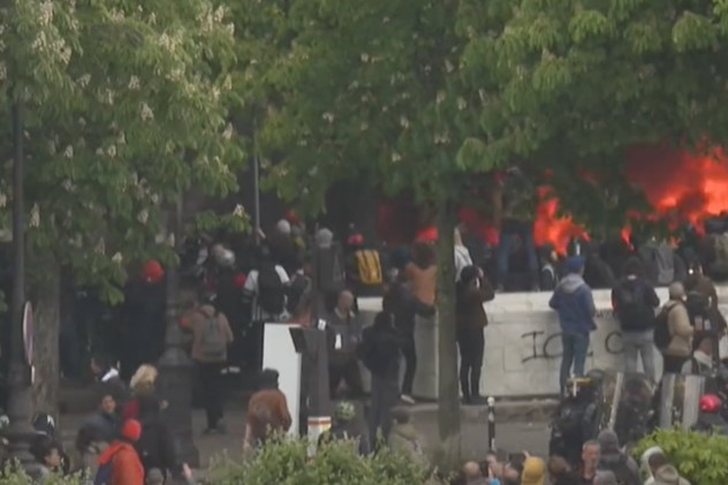
At least 108 police officers have been injured in Fran...
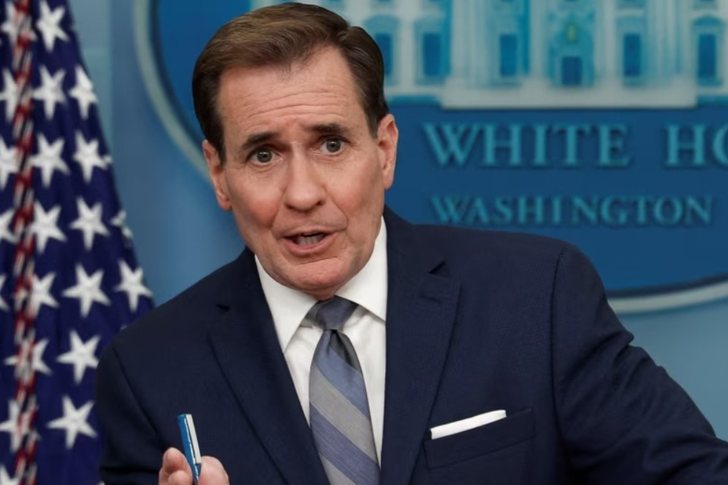
The White House said Monday that it now estimates that...
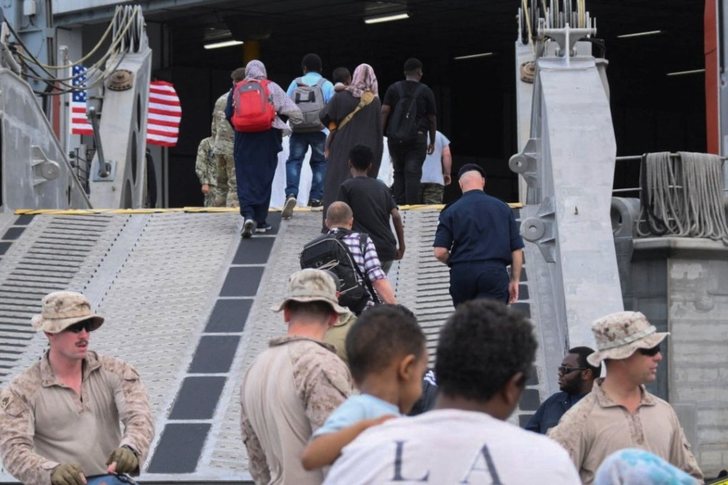
A US Navy transport ship arrived off the coast o...
When it comes to the media's influence on democracy and po...
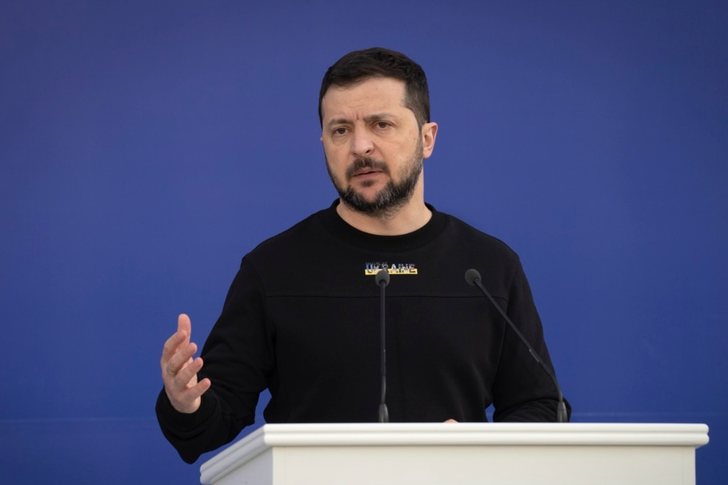
Russia fired 18 missiles at the Ukrainian capital on M...
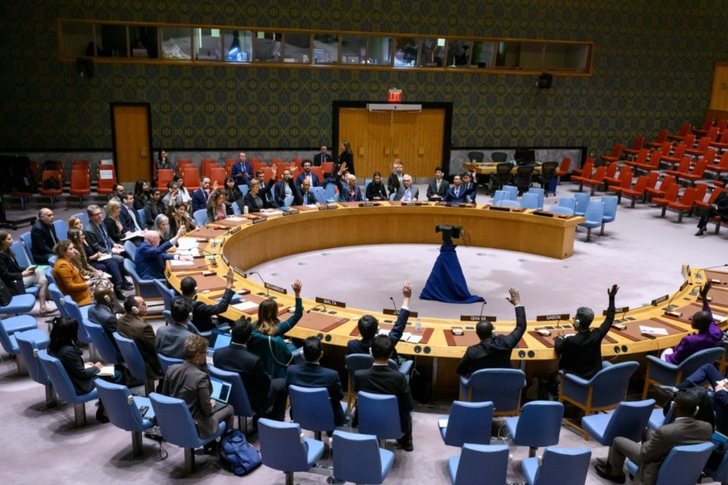
Afghanistan's Taliban authorities will be absent from talk...

A spectacular robbery took place in Paris by three armed a...
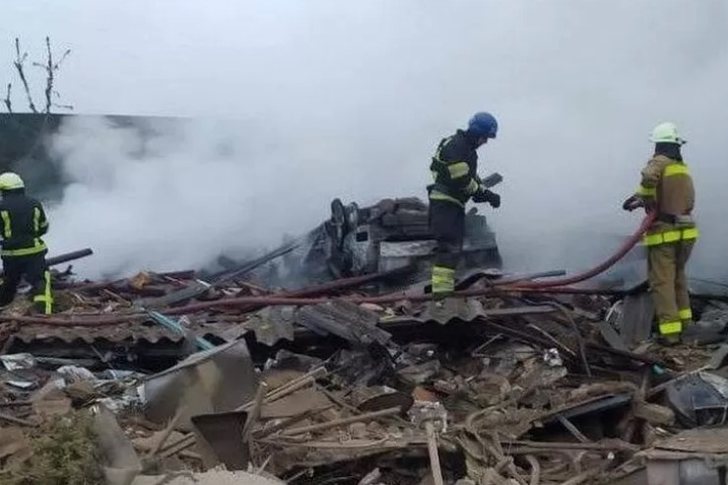
Russia has launched a series of missile and artillery ...
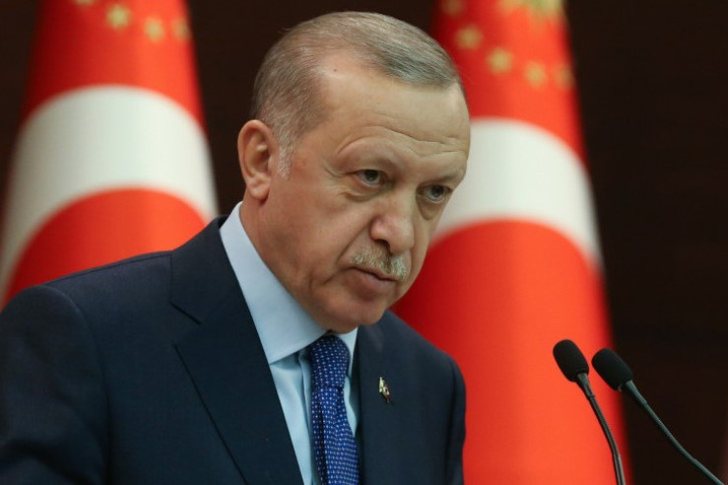
Turkish President Recep Tayyip Erdogan has declared th...
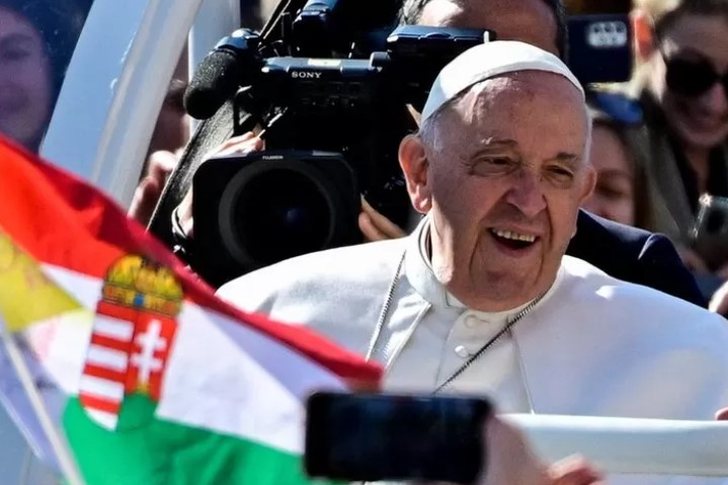
Pope Francis has urged Hungarians to open their doors ...
A 39-year-old citizen has been arrested in Lezha, after se...

CNA has launched another investigation that could lead to ...

Irfan Hysenbelliu is a businessman that we call "Irfan the...

In March 2026, CNA launched another investigation centered...

The Special Board of Appeal (KPA) decided this Monday ...

The KPA vetting decided this Thursday to dismiss the p...

Suela Salavaçi, a prosecutor in the Prosecutor's Offic...

The Special Board of Appeal reinstated the prosecutor ...
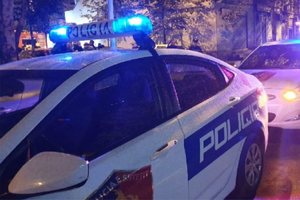
A conflict for weak motives was recorded today in the vill...

An accident involving three vehicles occurred a few minute...

55-year-old Belere Plaka, who was injured today with a sho...
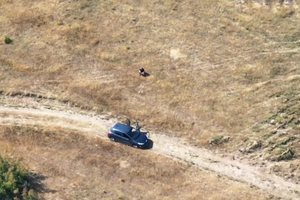
Police Announcement: Following preliminary information...

By noon, cloudiness is expected to prevail in almost all o...

Children without parental care, for whom alternative famil...

On Thursday, our country will be under the influence of st...
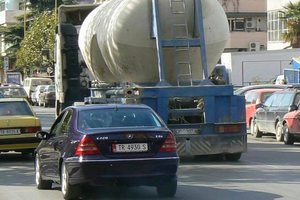
A serious accident that occurred this Wednesday with the c...

Peru and Venezuela will restore diplomatic relations, the ...
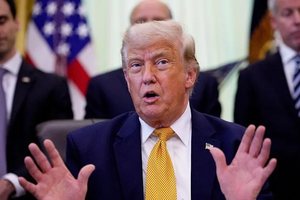
United States President Donald Trump has left open the pos...
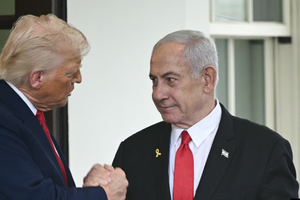
Israeli Prime Minister Benjamin Netanyahu will travel to t...
A bipartisan group of US lawmakers is calling for a Europe...
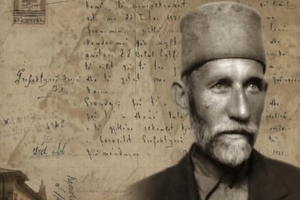
In my research at the Central State Archives, specifically...

At a time when industrial products are increasingly taking...

Trust among people is not just a three-syllable word. It c...

Master of humor Todi Llupi has passed away at the age of 7...
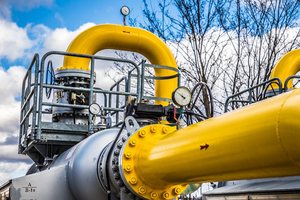
War, weather and supply disruptions could send gas prices ...
The number of active enterprises in Albania continued to g...
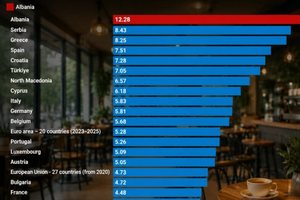
In Albania, the bar-cafe has long become an almost unique ...

This Friday, one US dollar is bought for 81.7 lek and sold...