

Ukraine's spring counteroffensive, without Western fighter jets
Russia fired 18 missiles at the Ukrainian capital on M...


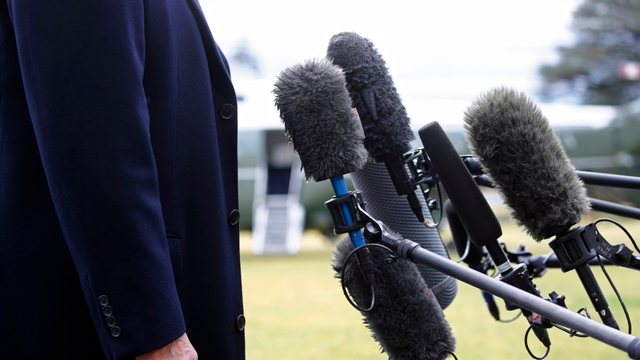
When it comes to the media's influence on democracy and political polarization in the country, Americans are more likely to say they are playing a harmful role than helping.
Nearly three-quarters of American adults (18 and older) say the press is increasing political polarization in the United States, and just under half say they have little or no confidence in the media's ability to report the news fairly and accurately.
These are the findings of a new survey conducted by the news agency 'The Associated Press', the 'NORC' Center for Research on Public Affairs and the 'Robert F. Kennedy Human Rights' organization, which is published two days before May 3. World Press Freedom Day.
The survey shows that Americans have significant concerns about misinformation and the role that the mainstream media, along with politicians and social media platforms, play in spreading it. Likewise, many Americans are concerned about the growing threats to the safety of journalists.
"The news upsets people ," said Barbara Jordan, 53, a Democrat from Hutchinson, Kansas. Ms Jordan says that instead of following what's on TV, she does her own research online. " I trust the Internet more than TV ," she adds.
A lack of trust may lead many Americans to reject mainstream news outlets, focusing on social media and unreliable websites that spread false claims, leading to further polarization.
A small majority of Americans say they have some confidence in the media's ability to report fully and accurately, and only 16% say they are very confident they can do so. Forty-five percent of Americans say they have little or no faith.
The poll reveals the complicated relationship many Americans have with the mainstream media. And while overall trust in the media is low, most respondents say the media is doing at least somewhat well in covering the issues they care about.
40% of Americans say the press is playing more of a damaging role in democracy, about 20% say the press is protecting it. Another 40% do not agree with any of the positions.
The partisan media and social media platforms have fueled the problem, causing many Americans to see each other as enemies, says Joe Salegna, a Republican who lives in Long Island, New York.
"I think they are dividing this country," 50-year-old Salegna told the AP agency. "Since the 2016 elections, the situation has worsened a lot ," he adds.
Republicans have a less favorable attitude toward television media than Democrats. 61% of Republicans say the media is hurting democracy, compared to 23% of Democrats and 36% of independents who don't lean toward either party. Majorities of Americans across the political spectrum say the media fuels political division, and the majority of those who believe this are Republicans.
The poll shows that a large number of Republicans think the news is strongly influenced by the government and the political views of journalists.
Coverage of the recent presidential election, the coronavirus pandemic, protests against police killings of members of the African-American community, and other events, are reasons for Ms. Janis Fort not to trust the media. A TV station covers an event that others ignore, she says, leaving viewers unsure of who to believe.
"Everyone tells a different story. The media does nothing but instill fear ," said Ms. Fort, a 71-year-old retired Republican who lives in Navarre, Florida. "I and most people I know feel like we're completely in the dark."
Research has shown that the fragmentation of the media ecosystem, driven largely by the Internet, has contributed to polarization. Experts say that the increased political divisions in the United States have a number of causes.
They cite as examples the practices of administrative divisions in constituencies that give advantage to one party at the expense of another, reducing political competition, or politicians that inspire fear and distrust, but media fragmentation and misinformation also have an impact clearly.
"We should be concerned about the health of democracy ," says Joshua Tucker, a policy expert at New York University who studies issues of bias in favor of a particular cause.
Concern about the threat posed by misinformation unites Americans on both sides of the aisle. About 9 in 10 American adults say misinformation is a problem. A third of them say they hear false claims from politicians or misleading newspaper headlines every day.
"There's still good journalism, it's just that the Internet has made it so that anyone can act like one ," said Chris Nettell of Hickory Creek, Texas, who says he leans Democratic. " Some media reports only on a certain segment of society, and those who follow these news believe that everyone else thinks the same."
As for social media's role in misinformation, nearly two-thirds of respondents say that when they see a news story on them, they expect it to be incorrect. As for those who say they regularly rely on social media for information, they were more likely to trust it than other sources of information.
Overall, about 60% of Americans say that the media has the main responsibility for spreading false and inaccurate information, and a similar percentage think that the media has a large responsibility for dealing with this problem. Most also think that social media companies and politicians are also responsible for spreading misinformation and stopping it.
"A lot of people get their information from social media and people believe what they want to believe ," said Araceli Cervantes, a 39-year-old Chicago mother of four who says she has Republican leanings.
When it comes to protecting press freedom, 44% of respondents say the US government is doing a good job, more than 24% say it is doing a bad job. However, most Americans are somewhat concerned when it comes to the safety of journalists. Approximately one third say they are very or extremely concerned about attacks on the press./ VOA

Russia fired 18 missiles at the Ukrainian capital on M...
Afghanistan's Taliban authorities will be absent from talk...

A spectacular robbery took place in Paris by three armed a...
Russia has launched a series of missile and artillery ...
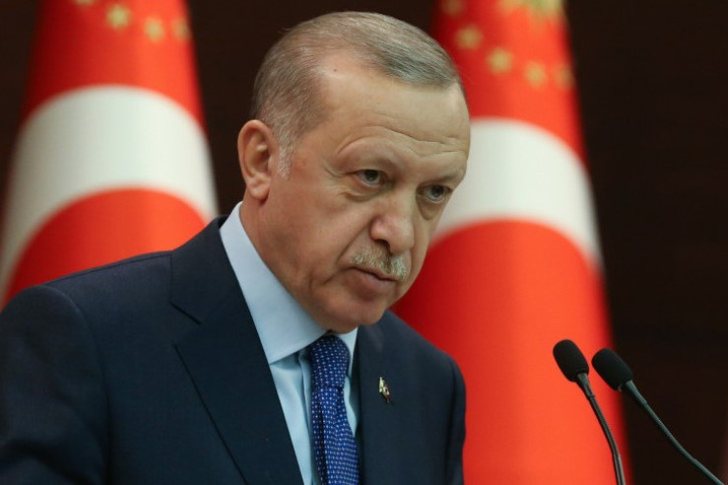
Turkish President Recep Tayyip Erdogan has declared th...
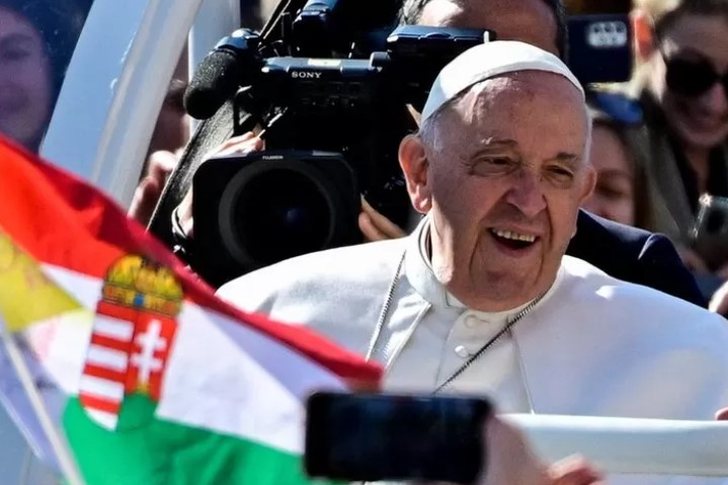
Pope Francis has urged Hungarians to open their doors ...
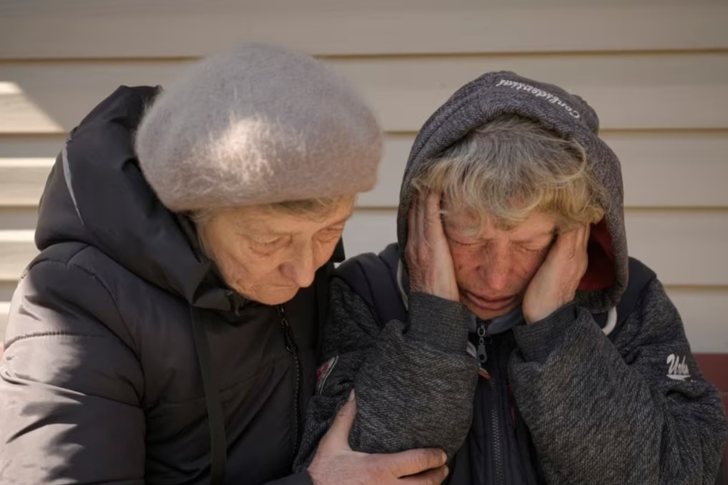
A high-level Russian delegation of 36 legal experts has fa...
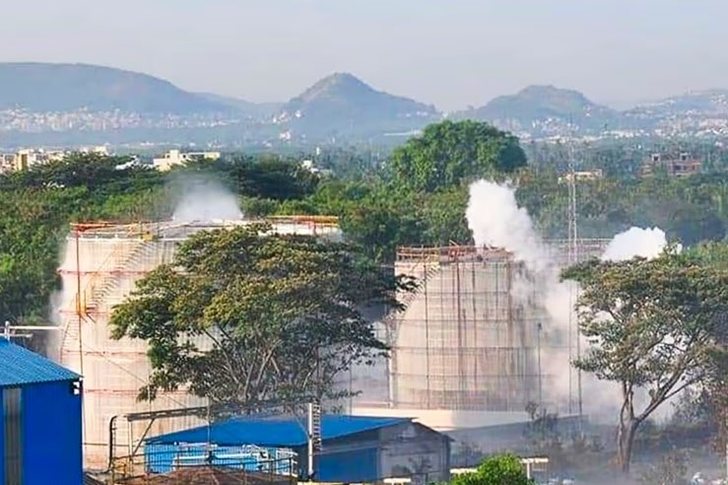
A gas leak killed 11 people in India on Sunday, in the lat...
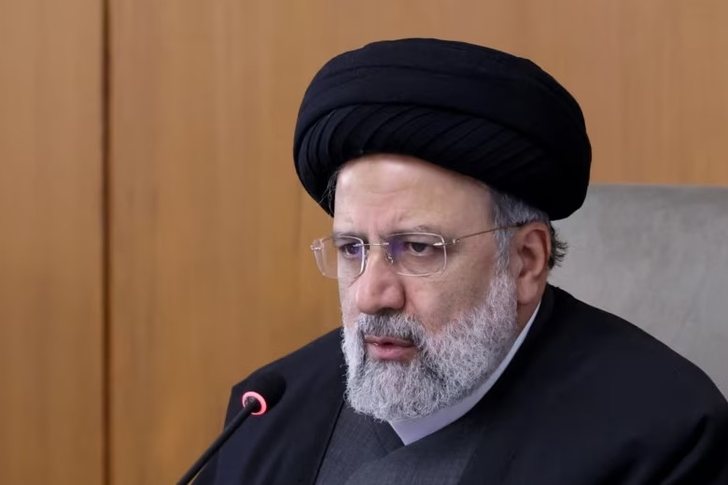
Presidenti iranian do të vizitojë Sirinë të mërkurënPr...
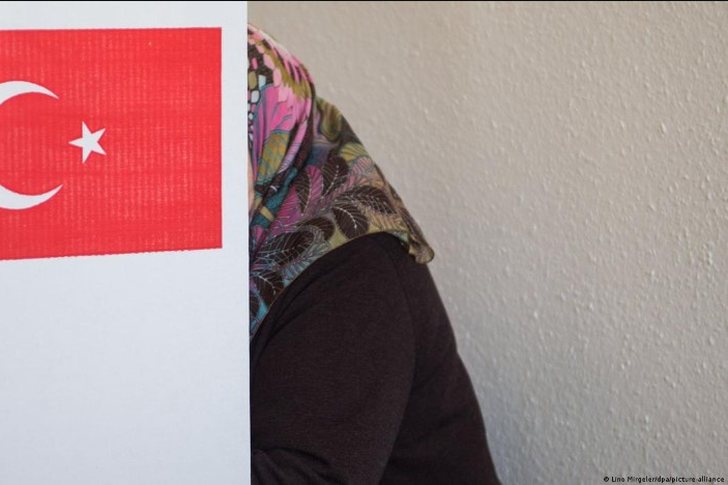
Turkey has a long way to go to true gender equality. B...
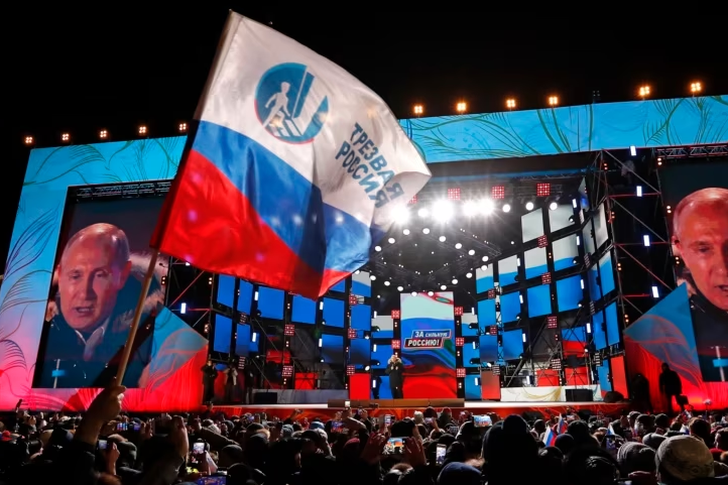
According to a survey conducted by the "Gallup" organizati...
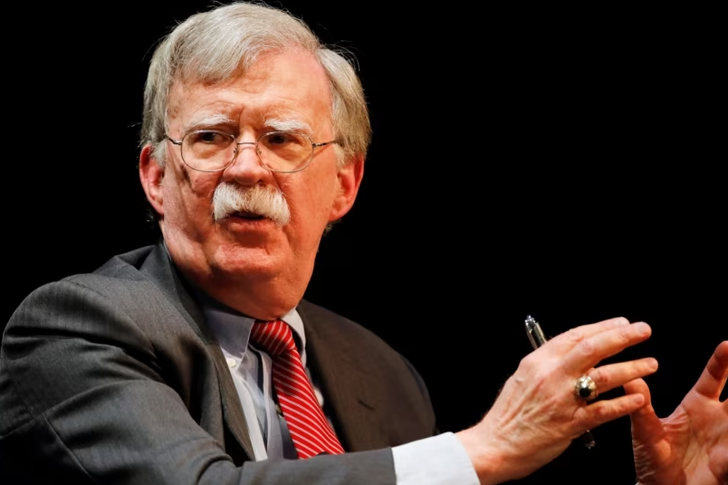
Former national security adviser John Bolton said Saturday...
Five people, including an 8-year-old child, were killed in...
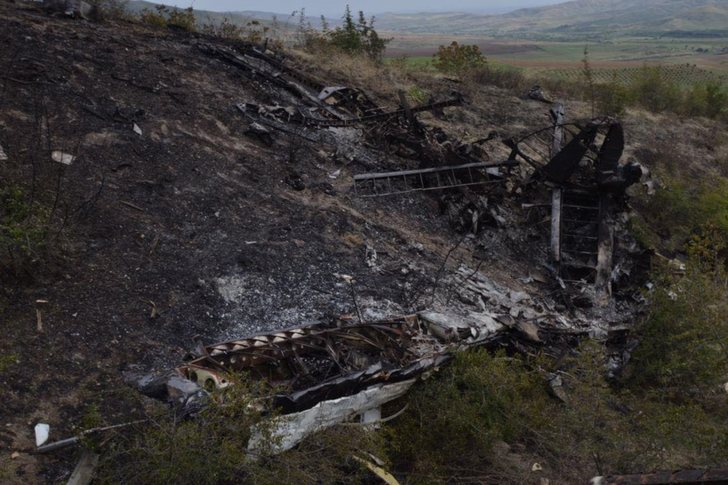
Armenia and Azerbaijan will hold a new round of talks ...
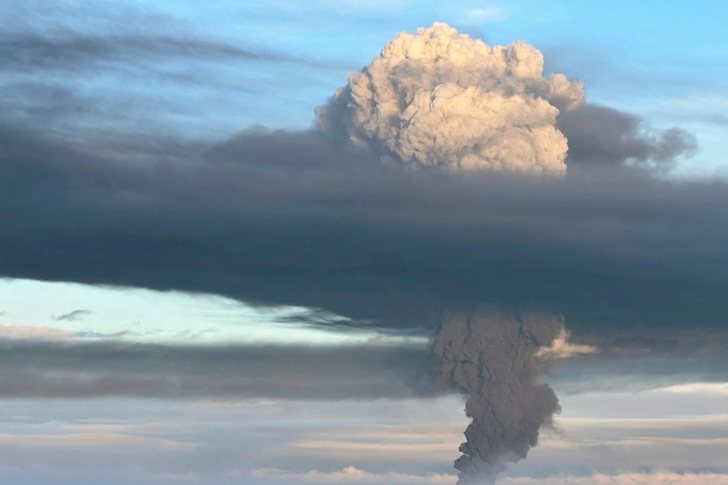
A huge fire broke out on Saturday at a fuel depot in Sevas...
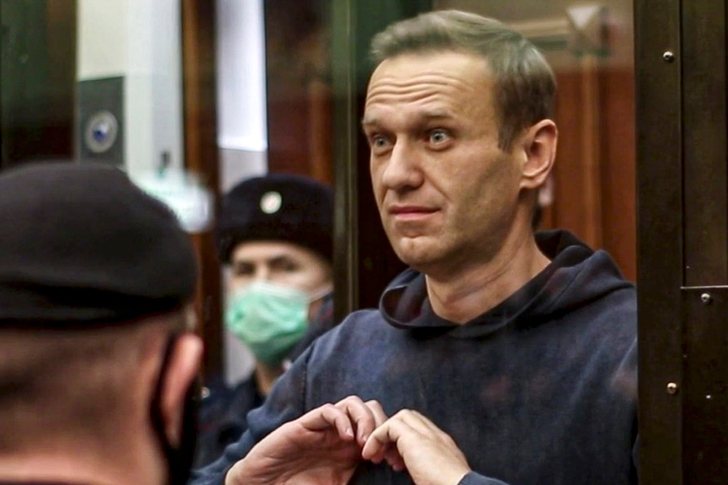
More than 130 internationally renowned writers, artist...
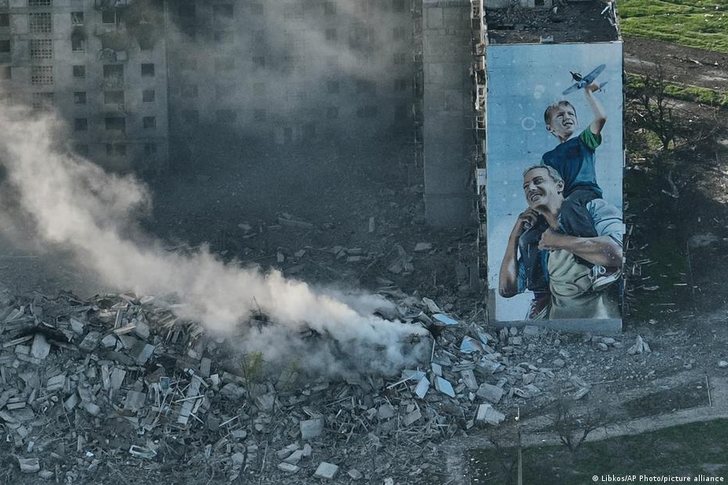
Russia is to blame for the war in Ukraine. Almost 40 perce...
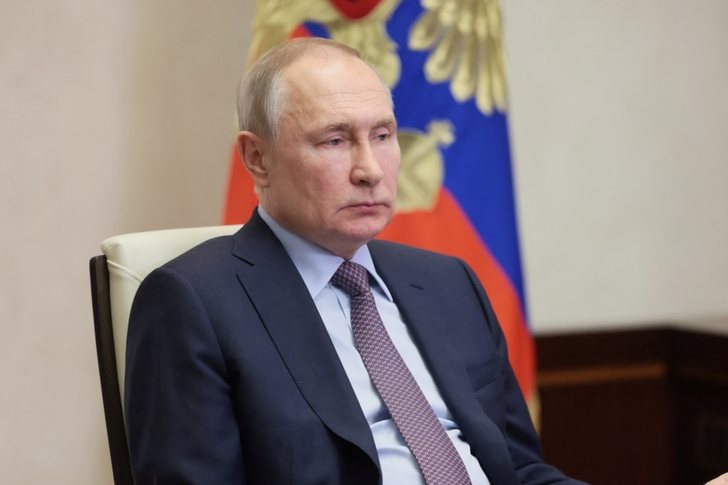
Russian President Vladimir Putin signed a decree Frida...
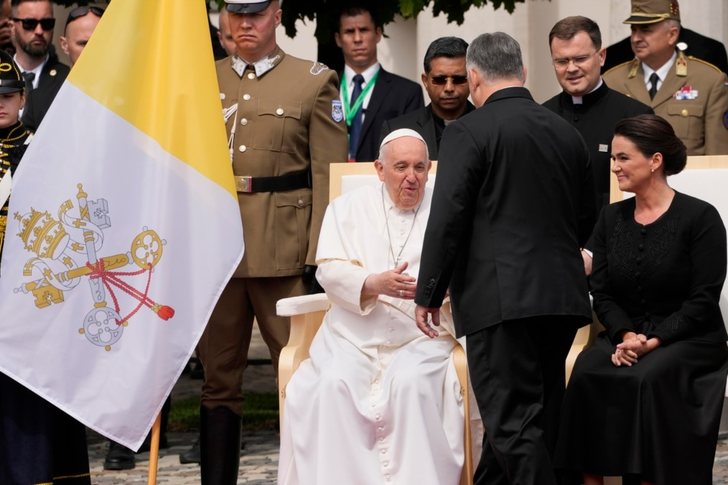
BUDAPEST, Hungary – Pope Francis on Friday criticized ...
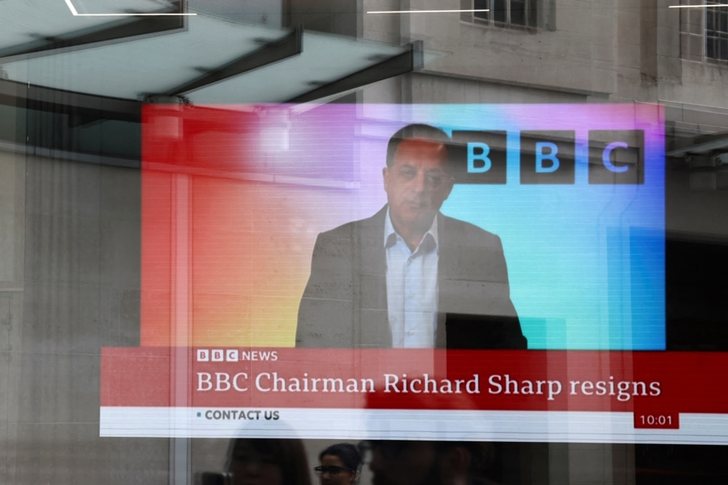
BBC chief Richard Sharp resigned on Friday after an in...
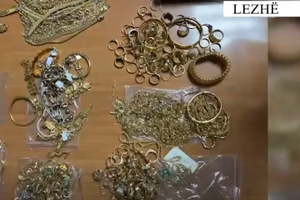
A 39-year-old citizen has been arrested in Lezha, after se...

CNA has launched another investigation that could lead to ...

Irfan Hysenbelliu is a businessman that we call "Irfan the...

In March 2026, CNA launched another investigation centered...

The Special Board of Appeal (KPA) decided this Monday ...

The KPA vetting decided this Thursday to dismiss the p...

Suela Salavaçi, a prosecutor in the Prosecutor's Offic...

The Special Board of Appeal reinstated the prosecutor ...

A conflict for weak motives was recorded today in the vill...
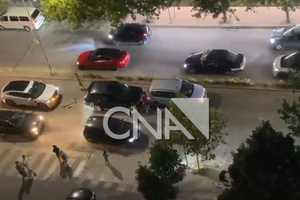
An accident involving three vehicles occurred a few minute...

55-year-old Belere Plaka, who was injured today with a sho...

Police Announcement: Following preliminary information...

By noon, cloudiness is expected to prevail in almost all o...

Children without parental care, for whom alternative famil...

On Thursday, our country will be under the influence of st...

A serious accident that occurred this Wednesday with the c...

Peru and Venezuela will restore diplomatic relations, the ...
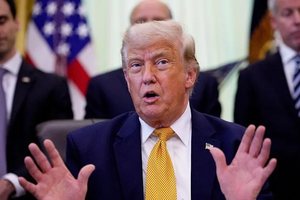
United States President Donald Trump has left open the pos...
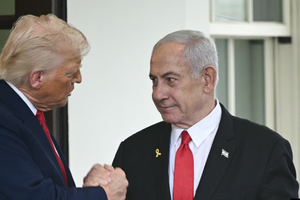
Israeli Prime Minister Benjamin Netanyahu will travel to t...

A bipartisan group of US lawmakers is calling for a Europe...

In my research at the Central State Archives, specifically...

At a time when industrial products are increasingly taking...

Trust among people is not just a three-syllable word. It c...

Master of humor Todi Llupi has passed away at the age of 7...

War, weather and supply disruptions could send gas prices ...
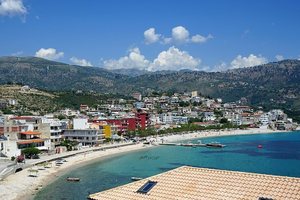
The number of active enterprises in Albania continued to g...
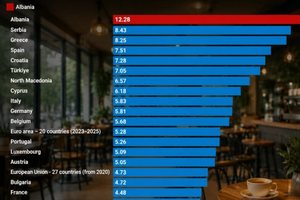
In Albania, the bar-cafe has long become an almost unique ...

This Friday, one US dollar is bought for 81.7 lek and sold...