


Fier/ The perpetrator releases the ex-wife he was holding hostage, the police call for her surrender
New details from the operation being carried out in Fier t...

New details from the operation being carried out in Fier t...

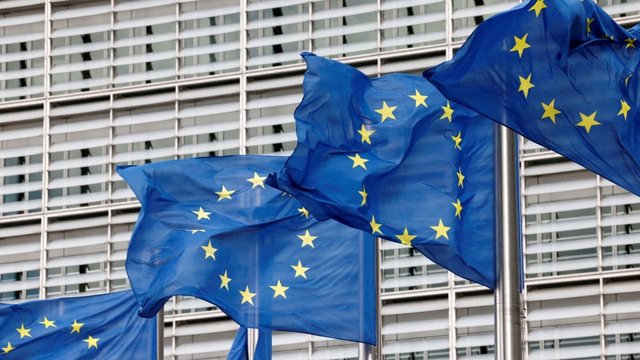
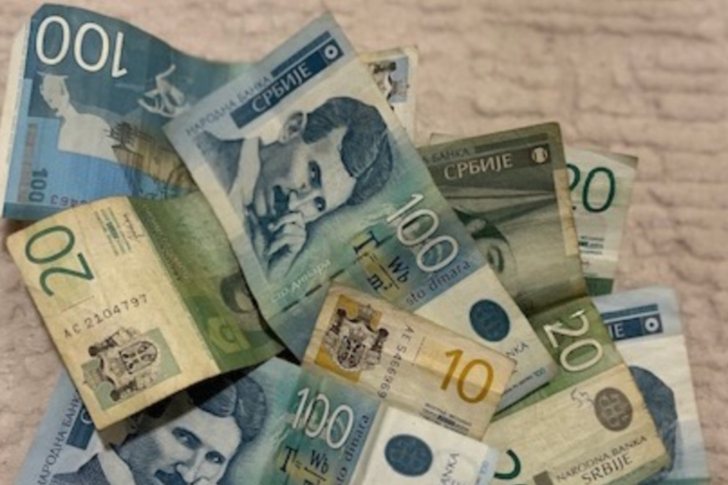
The European Union said on Friday that it is analyzing the decision of the Central Bank of Kosovo to make the euro the only currency for making cash payments in the country, a decision that prompted concern and reaction from Belgrade.
The spokesperson of the European Union, Peter Stano, said today in a press conference that the bloc calls on Kosovo and Serbia to avoid uncoordinated actions that could undermine stability on the ground.
"We are still analyzing and seeking clarification on the reasons, motives and possible impacts of this decision. But in general, we expect Kosovo and Serbia to avoid untrustworthy actions, which do not help the process of normalization of relations between them, which may even have a negative impact on stability on the ground. We encourage and call on both sides to address this issue within the dialogue facilitated by the European Union", he said.
Serbian citizens living in Kosovo receive their salaries and pensions from Serbia in Serbian dinars, which are used for payments in Serb-majority areas, especially in the north.
The decision of the Central Bank of Kosovo raised the concern of the leaders of Serbia who said that its purpose is to ban the use of the Serbian dinar in areas inhabited by Serbian majority in Kosovo.
Serbian President Aleksandar Vucic has said that this is an attempt to destroy the dialogue.
However, the Deputy Prime Minister of Kosovo, Besnik Bislimi, said that with the new regulation, the transparency of sending money will be increased and the large space for, as he said, misuse in the name of support and social assistance, will be reduced, underlining that it is not a product of political negotiations. in Brussels and there is no way to have an impact on the completion of the process of normalization of relations between Kosovo and Serbia.
Sasha Sekuli?, from the Association of Entrepreneurs in Graçanica, a municipality with a Serbian majority near Pristina, estimates that this decision represents additional pressure for the Serbian community in Kosovo.
"Citizens are confused about how they will receive their salaries, if they have to travel miles to the nearest city in Serbia to receive their salary. Another concern is how retirees will receive their pensions. They are the most vulnerable because until now they have received their pensions at home through the mail. However, the Serbian political representatives are still silent, they should come out and explain to the people what is happening", he said.
But expert in the field of economics, Lekë Musa, evaluates the decision as completely fair.
"It should be seen from the economic point of view as a process which brings a kind of long-term stability of the country's economy because we are moving in the direction of creating a normal economic system where everything works, just as other economies in the west work. Any investor who considers a place to invest would find something not very stable to have two payment systems and does not convey a positive message," he says.
However, Mr. Musa says that the implementation of this decision must be done very carefully, to avoid informality.
"Don't allow spaces for the dinar to behave in an illegal or illegal way because, as you know, there are many payment options that can be made through a non-banking system. Payments can be made in cash and it is very difficult to stop circulation in businesses and in this way we can stimulate informality in the north. The goal is always for the north and other areas where the Serbian community lives to join the formal system of Kosovo and, in addition to carrying out transactions through the banking system as in the whole country, also start paying taxes. Because the greater the informality, the greater the tax evasion will be," he says.
Mr. Musa insists that the Kosovo authorities must fully coordinate with the European Union to implement the new regulation, since, he says, a direct agreement with the Serbian authorities is difficult to achieve.
Since 2011, Kosovo and Serbia have been involved in the dialogue facilitated by the European Union, within which a number of agreements have been signed - the implementation of which continues to be a challenging process./ VOA

Divisions are emerging among senior Israeli officials over...
NATO will next week begin one of its biggest military exer...
Sulmet iraniane në Irak, Siri dhe madje edhe Pakistan janë s...
Italy wants to open two refugee camps on the territory...
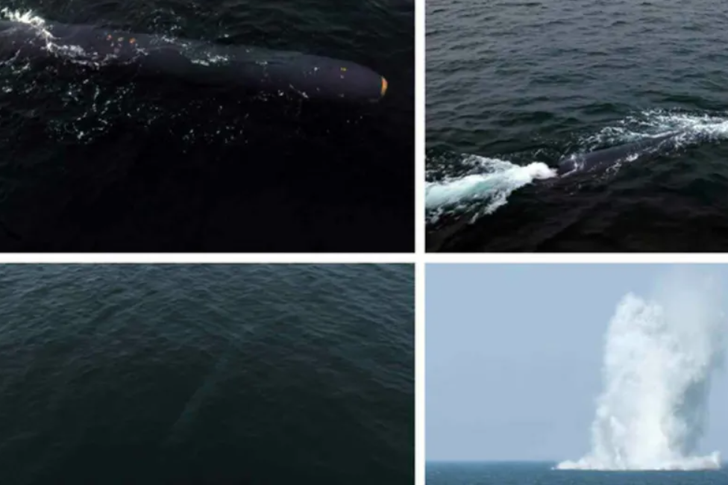
North Korea has conducted a test of its underwater nuclear...
Israeli Prime Minister Benjamin Netanyahu has responded to...
President Joe Biden said Thursday that US military strikes...
The state of the economy often affects how Americans vote ...
The Central Bank of Kosovo issued a new regulation accordi...
President Joe Biden and former President Donald Trump are ...
The European Union has asked Serbia to allow the visit...
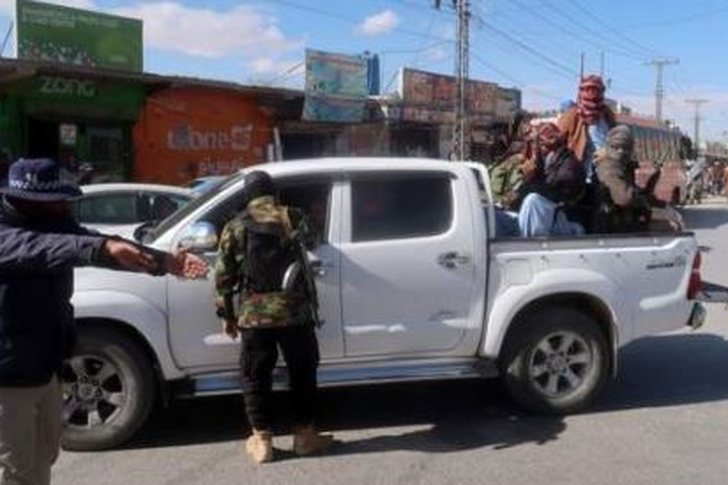
During the last few hours, Pakistan has carried out missil...
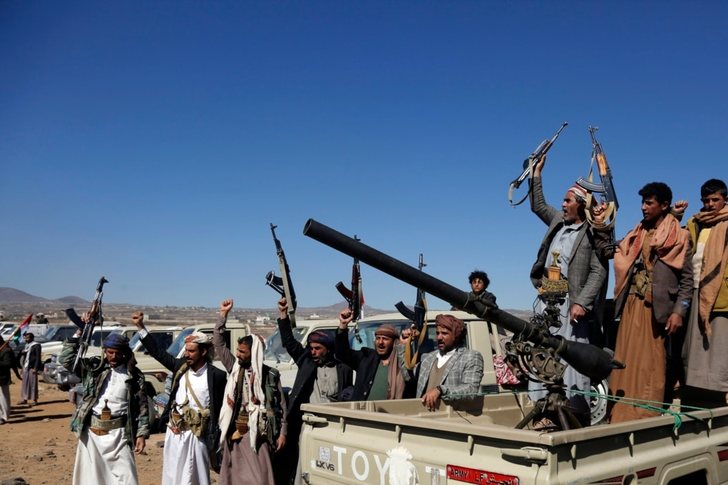
President Joe Biden's administration put the Yemen-based H...
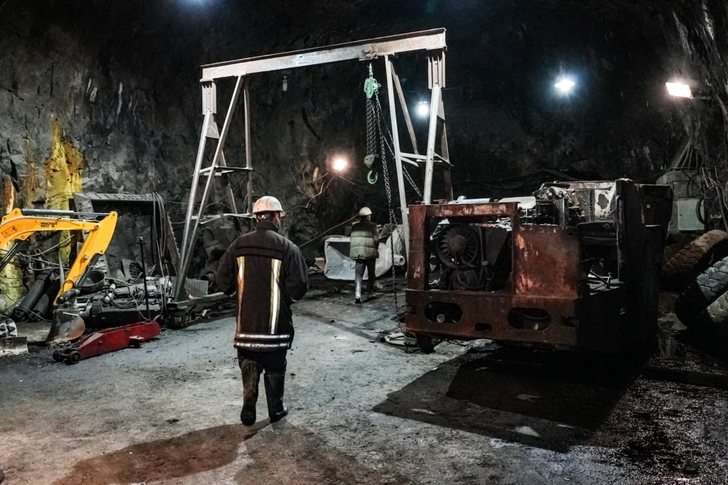
Twelve miners of the Trepça metallurgical plant were injur...
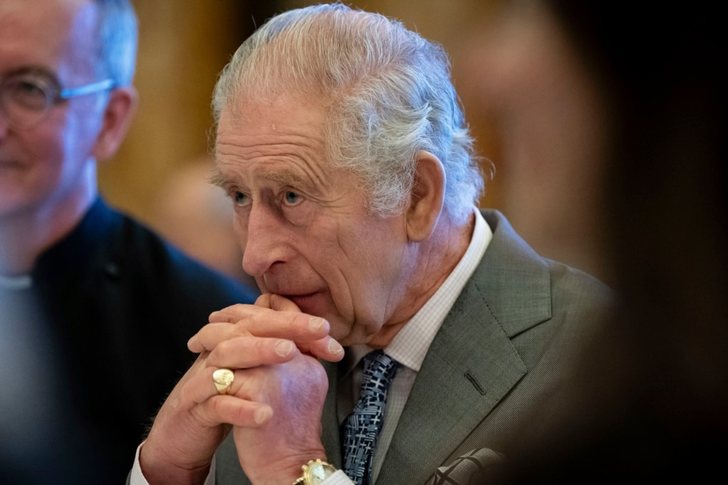
King Charles III is expected to be hospitalized next week ...
Washington is stepping up efforts to tighten sanctions on ...
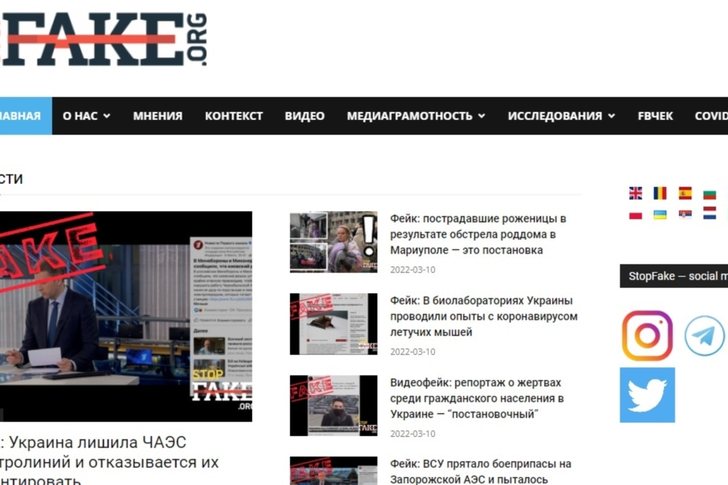
Since Russia launched its full-scale attack on Ukraine, ex...
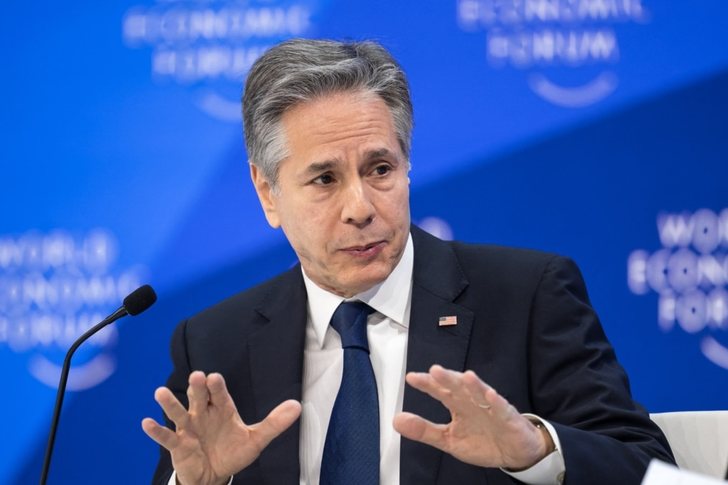
US Secretary of State Antony Blinken reiterated on Wednesd...
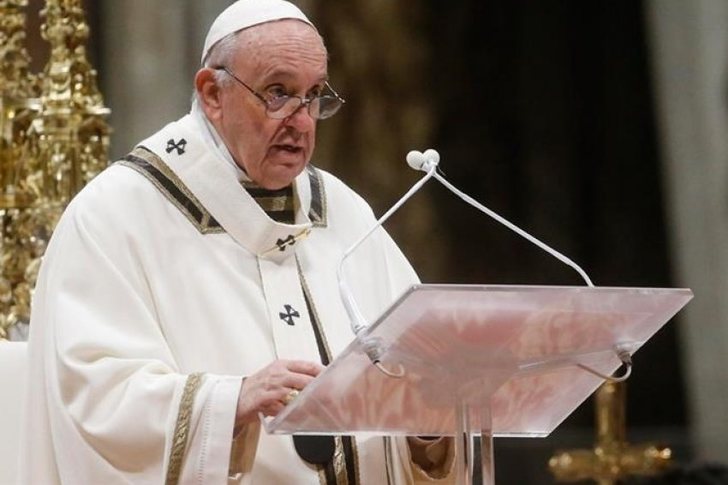
“Kënaqësia seksuale, e cila është një dhuratë nga Zoti, mi...
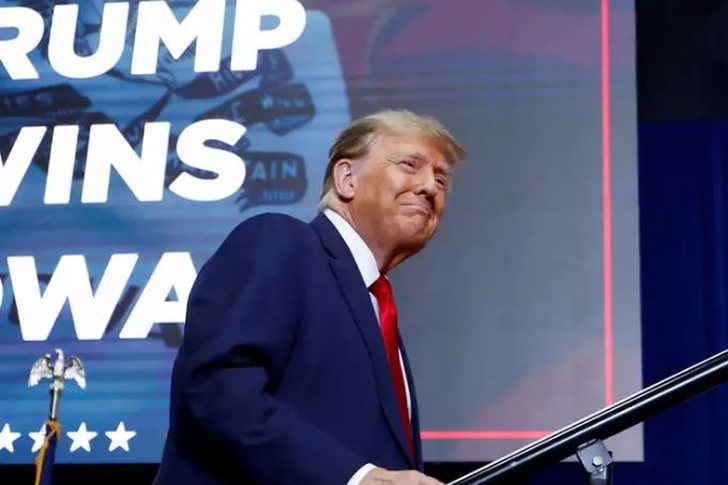
In the first election for the presidential candidate o...

CNA has launched another investigation that could lead to ...

Irfan Hysenbelliu is a businessman that we call "Irfan the...

In March 2026, CNA launched another investigation centered...
The arrested mayor of Tirana, Erion Veliaj, with 13 charge...

The Special Board of Appeal (KPA) decided this Monday ...

The KPA vetting decided this Thursday to dismiss the p...

Suela Salavaçi, a prosecutor in the Prosecutor's Offic...

The Special Board of Appeal reinstated the prosecutor ...
New details from the operation being carried out in Fier t...
The 17-year-old, who was seriously injured yesterday after...
RENEA is headed towards Roskovec after the murder that occ...
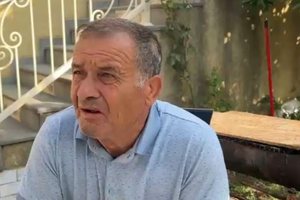
A serious incident occurred in Fier where citizen RB, 35 y...

By noon, cloudiness is expected to prevail in almost all o...

Children without parental care, for whom alternative famil...

On Thursday, our country will be under the influence of st...
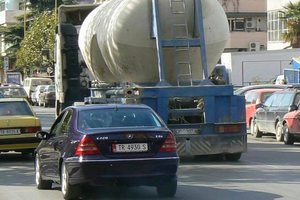
A serious accident that occurred this Wednesday with the c...
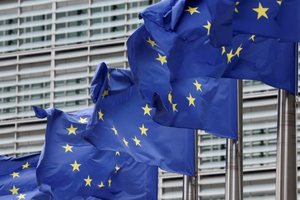
The European Union Office in Kosovo has called on all poli...
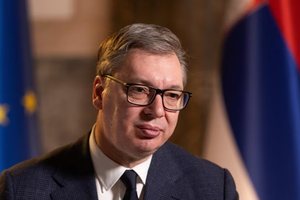
Serbian President Aleksandar Vučić, at a press conference ...
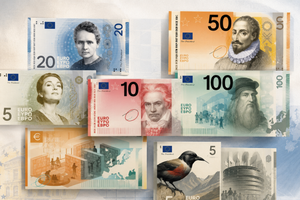
For the first time since the launch of the euro, European ...

Artificial intelligence (AI) models from the American comp...

At a time when industrial products are increasingly taking...

Trust among people is not just a three-syllable word. It c...

Master of humor Todi Llupi has passed away at the age of 7...

The ninth edition of "MIK Festival" kicked off with one of...
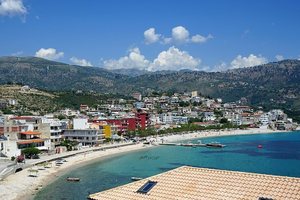
The number of active enterprises in Albania continued to g...
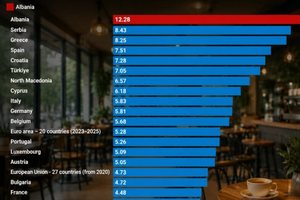
In Albania, the bar-cafe has long become an almost unique ...

This Friday, one US dollar is bought for 81.7 lek and sold...
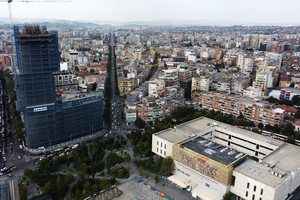
The average sale price of apartments in Tirana reaches rec...