

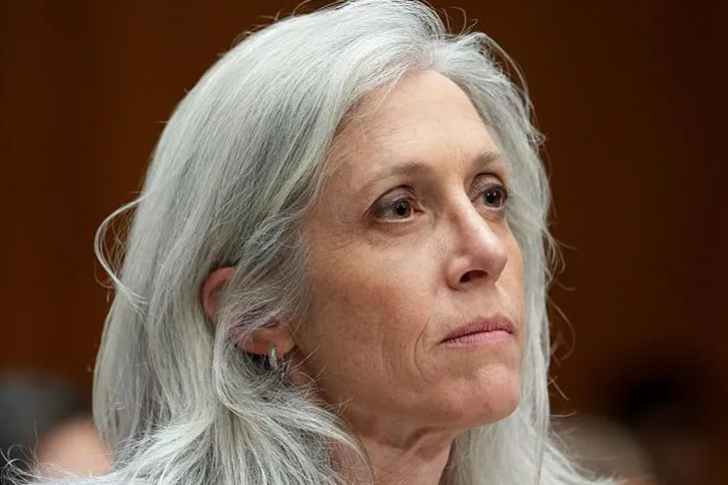
White House fires CDC director, other officials resign from health agency
The White House announced that it has fired the director o...


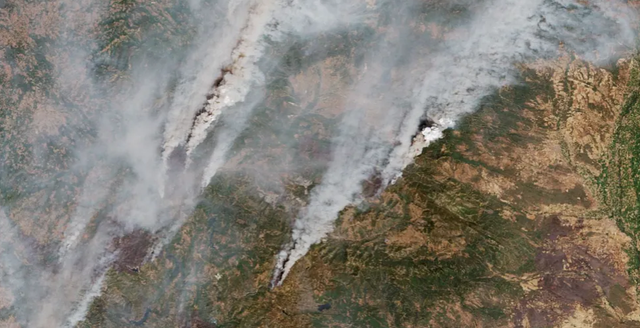
A record one million hectares - equivalent to around half the land area of ??Wales - have burned across the European Union so far this year, making it the worst fire season since records began in 2006.
Spain and Portugal have been particularly hard hit, with approximately 1% of the entire Iberian Peninsula burned, according to EU scientists.
The worsening fire season in the Mediterranean has been directly linked to climate change in a separate study by the World Weather Attribution group at Imperial College London.
Experts warn that more frequent and severe fires across Europe are likely to continue in the future.
More than two-thirds of the burned area in the EU is located in Spain and Portugal alone.
In Spain, more than 400,000 hectares have burned since the beginning of this year until August 26, according to the European Copernicus Forest Fire Information System (EFFIS).
This record is more than six times higher than the Spanish average for this time period between 2006 and 2024.
Neighboring Portugal has also suffered a record burning area of ??270,000 hectares so far - almost five times the average for the same period.
The combined area burned across the Iberian Peninsula this year is 684,000 hectares - four times the area of ??Greater London, and most of it burned in just two weeks.
The fires are concentrated in forest areas of northern Portugal and in the northwestern regions of Spain, Galicia, Asturias and Castile and León.
Protected areas such as the Picos de Europa National Park have been affected, as have major routes on the Camino de Santiago pilgrimage network, which usually attracts more than 100,000 visitors during the summer months.
The events have triggered the largest known deployment of the EU civil protection mechanism's firefighting force.
Smoke from the fires has significantly reduced air quality in the area, with southerly winds carrying the smoke as far as France and the United Kingdom.
Climate change makes the conditions that lead to wildfires more likely, but in a vicious cycle, fires also release more planet-warming carbon dioxide (CO2) into our atmosphere.
CO2 emitted from fires in Spain this year has reached a record 17.68 million tonnes, according to the EU. That is more than any total annual CO2 emissions from fires in the country since 2003, when data was first recorded by satellites.
For comparison, it is more than the total annual CO2 emitted by the entire Croatia in 2023.
Firefighters have been battling blazes across Europe this summer.
Human-caused climate change made fire-prone conditions in Turkey, Greece and Cyprus about 10 times more likely, according to a rapid attribution study by the World Weather Attribution group at Imperial College London.
This was responsible for a 22% increase in extreme weather conditions behind the fires, the WWA said.
It is causing more extreme heat, which dries out vegetation, increasing flammability, said Theodore Keeping, a fire scientist at the Centre for Environmental Policy, Imperial College London.
The continued burning of fossil fuels will lead to more of these extreme fires, researchers warned.
"It was urgent 10 years ago to stop burning fossil fuels," said Dr. Fredi Otto, Professor of Climate Science at Imperial and leader of the WWA, describing it as "deadly for people and ecosystems."
"Today, with 1.3 degrees Celsius of warming [since pre-industrial times], we are seeing new extremes in forest fire behavior that have pushed firefighters to their limits," Mr. Keeping said.
Scientists have begun a rapid analysis of the fires in Spain and Portugal and expect similar findings related to climate change.
Across southern and eastern Europe, rural depopulation is also contributing to intense fires, Mr. Keeping added.
In regions like Spain and Portugal, a growing number of young people are moving to cities in search of more lucrative employment. Once-managed farmland is being abandoned and overgrown, eliminating fire zones and increasing the amount of flammable vegetation susceptible to intense flames./ CNA

The White House announced that it has fired the director o...
EU Commission chief von der Leyen says she is 'unavailable...

A wedding party in northern Turkey reportedly ended in tra...

Turkish police have seized jewelry and antiques worth arou...
The Director of the Institute for Geopolitics in Kosovo, S...
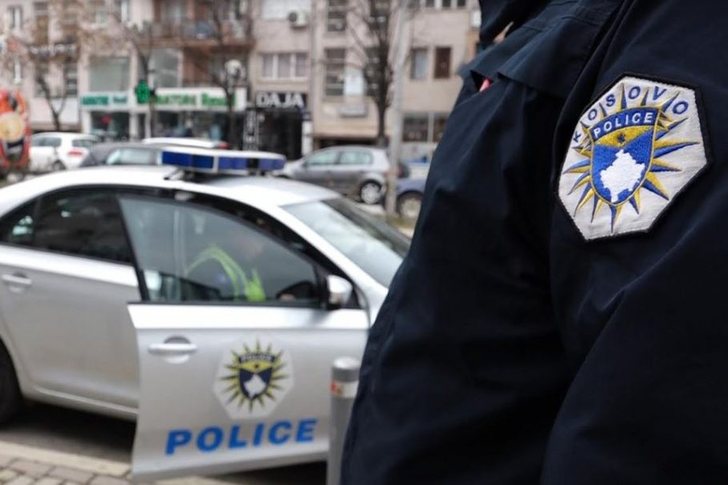
During the morning hours of this morning, the police in Vu...

Several children have been injured after a shooting at a s...

US President Donald Trump called today for federal prosecu...

The priests and nuns of the Church of the Holy Family in G...

US President Donald Trump made at least four attempts to s...

Although more than 140 countries have already recognized P...

Donald Trump's steep 50% tariffs on India have come into e...

US President Donald Trump said today that the federal gove...
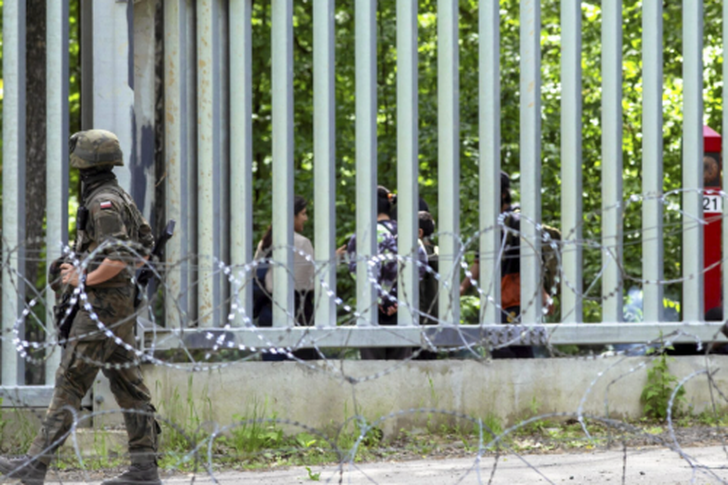
A Polish soldier was hospitalized after a grenade accident...
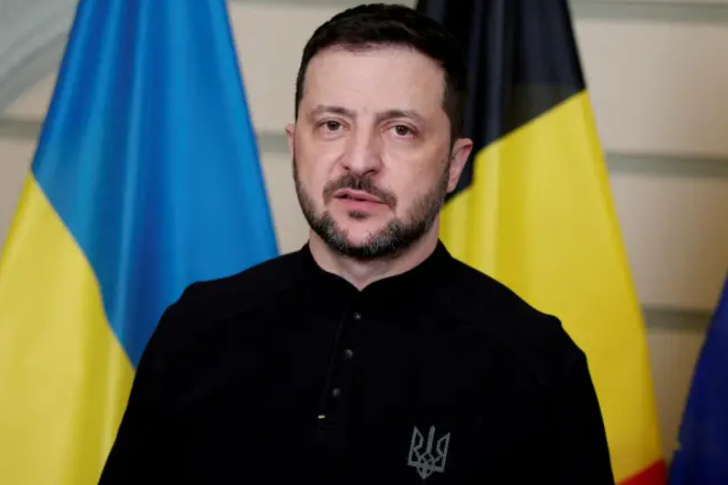
Ukrainian President Volodymyr Zelensky said today that Tur...

US President Donald Trump held a cabinet meeting on Tuesda...
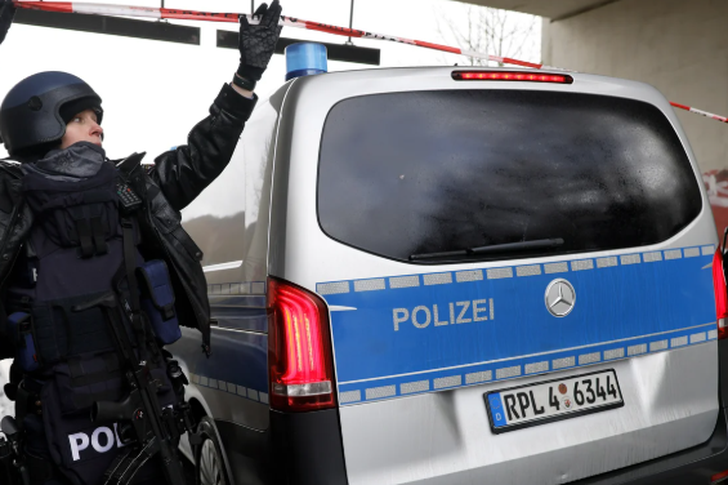
Authorities in Germany today charged a man with murder for...

The President of Kosovo, Vjosa Osmani, has welcomed develo...

US Secretary of State Marco Rubio held a conversation with...

The European Commission today granted Gilead Sciences (GIL...

CNA has launched another investigation that could lead to ...

Irfan Hysenbelliu is a businessman that we call "Irfan the...

In March 2026, CNA launched another investigation centered...
The arrested mayor of Tirana, Erion Veliaj, with 13 charge...

The Special Board of Appeal (KPA) decided this Monday ...

The KPA vetting decided this Thursday to dismiss the p...

Suela Salavaçi, a prosecutor in the Prosecutor's Offic...

The Special Board of Appeal reinstated the prosecutor ...
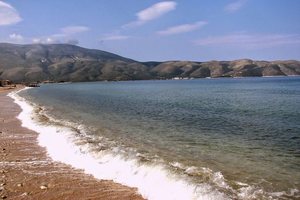
A person has died today on Orikum beach. According to repo...

Footage emerges from the serious accident that occurred th...

A Shkodra traffic police officer was hit with hard objects...
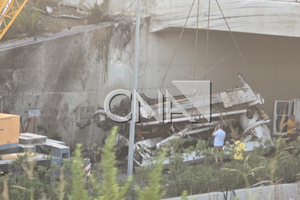
This Wednesday, around 4:00 PM, a serious accident occurre...

Children without parental care, for whom alternative famil...
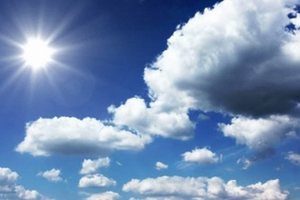
On Thursday, our country will be under the influence of st...
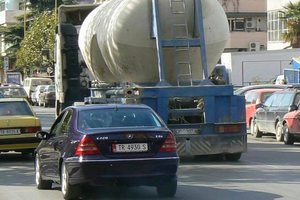
A serious accident that occurred this Wednesday with the c...

The Institute of Geosciences has shared a forecast for wea...

For the first time since the launch of the euro, European ...

Artificial intelligence (AI) models from the American comp...
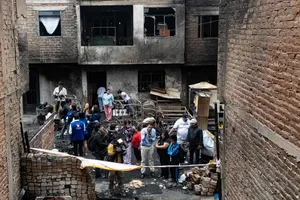
At least 10 people have died after a fire broke out in a h...
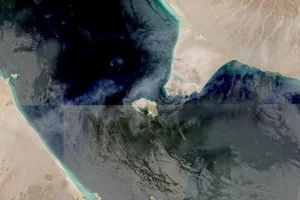
Yemen's Houthis have claimed to have attacked two Saudi oi...

At a time when industrial products are increasingly taking...

Trust among people is not just a three-syllable word. It c...

Master of humor Todi Llupi has passed away at the age of 7...

The ninth edition of "MIK Festival" kicked off with one of...
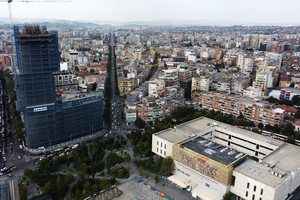
The average sale price of apartments in Tirana reaches rec...

This Thursday, one US dollar is bought for 81.5 lek and so...
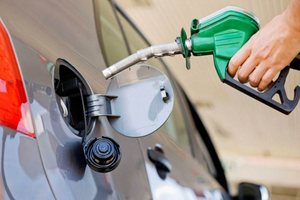
The price of diesel reached 206 lek per liter from 198 lek...

Businesses will no longer be required to simply register t...