

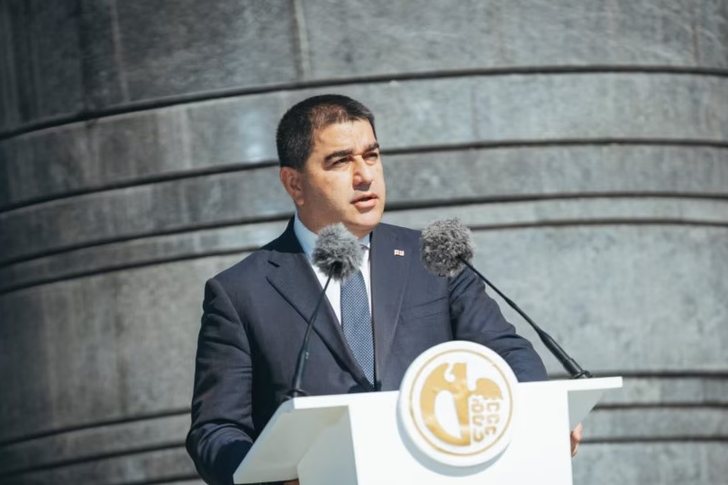
Georgia's ruling party calls for banning three major opposition parties
Georgia's ruling party, Georgian Dream, has asked the ...


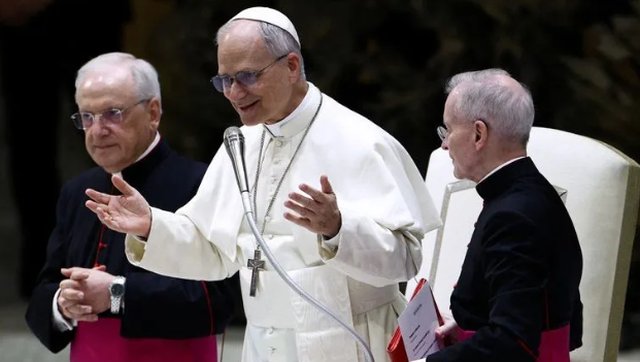
Pope Leo XIV was present at the ceremony celebrating the 60th anniversary of the historic declaration "Nostra Aetate" of the Second Vatican Council.
In his speech, the Pope described interreligious dialogue as a seed of a tree, whose branches offer rich fruits of understanding, friendship, cooperation and peace.
The Pope emphasized that interreligious dialogue is not a tactic or a tool, but a way of life.
Finally, the Pope shared a message to increase prayers at a time of turmoil around the world.
Full speech:
Honorable leaders and representatives of world religions,
Honorable members of the Diplomatic Corps accredited to the Holy See,
Dear brothers and sisters,
Peace be with you!
With joy and deep gratitude, I extend my heartfelt greetings to you and sincerely thank you for your presence at this commemoration of the historic document Nostra Aetate.
The theme of this gathering is "Walking Together in Hope."
Sixty years ago, a seed of hope for interfaith dialogue was planted. Today, your presence testifies that this seed has become a magnificent tree, whose branches spread far and wide, offering shelter and bearing rich fruits of understanding, friendship, cooperation and peace.
For sixty years, men and women have worked to bring Nostra Aetate to life. They watered the seed, tilled the soil, and protected it. Some even gave their lives, martyrs of dialogue, who faced violence and hatred. Today, let us remember them with gratitude. As Christians, together with our brothers and sisters of other religions, we are who we are thanks to their courage, their toil, and their sacrifice.
In this regard, I express my sincere gratitude for your cooperation with the Dicastery for Interreligious Dialogue, with the Commission for Religious Relations with Jews under the Dicastery for Promoting Christian Unity, as well as with the Catholic Church in your countries. Thank you for accepting our invitation and for gracing this occasion with your presence.
Dear brothers and sisters, your friendship and appreciation for the Catholic Church were particularly evident during the recent illness and death of Pope Francis, through your warm messages of condolence, your prayers in your homes, and the presence of those who attended his funeral. The same friendship was also demonstrated by your congratulations upon my election as Pope and the presence of some of you at the Inaugural Mass. All these gestures testify to a deep and lasting bond that unites us; a bond that I deeply cherish.
If the Declaration Nostra Aetate has nurtured the bonds between us, I am convinced that its message remains just as valid today. Let us pause for a moment and reflect on some of its most important lessons:
1. Nostra Aetate reminds us that humanity is growing ever closer, and that the Church's task is to foster unity and love among people and nations.
2. It points out what we all have in common: we belong to one human family — with the same origin and the same ultimate purpose. Every person seeks answers to the great riddles of human existence.
3. Different religions attempt, each in their own way, to respond to the concerns of the human heart, offering teachings, ways of life, and sacred rites that help their followers walk toward peace and understanding.
4. The Catholic Church rejects nothing that is true and holy in these religions, which “reflect a ray of truth that enlightens all men.” She regards them with sincere reverence and invites her sons and daughters, through dialogue and collaboration, to recognize, preserve and promote what is spiritually, morally and culturally good in all peoples.
Finally, we must not forget how Nostra Aetate was developed. Initially, Pope John XXIII commissioned Cardinal Augustin Bea to present a document that would describe a new relationship between the Catholic Church and Judaism. We can say, therefore, that the fourth chapter, dedicated to Judaism, is the heart and generative essence of the entire Declaration. For the first time in the history of the Church, we have a doctrinal text with a theological basis that explains the Jewish roots of Christianity in a biblical way.
At the same time, Nostra Aetate takes a firm stand against all forms of anti-Semitism. In the following chapter, it teaches that we cannot truly call God the Father of all if we refuse to treat with brotherhood or sisterhood every human being created in the image of God. The Church therefore rejects all forms of discrimination or harassment on the grounds of race, color, living conditions, or religion.
This historic document opened our eyes to a simple but profound principle: dialogue is not a tactic or a tool, but a way of life — a journey of the heart that transforms all who participate, both those who listen and those who speak. And we do not make this journey by abandoning our faith, but by standing firm in it. True dialogue begins not with compromise, but with conviction — with the deep roots of faith that give us the strength to reach out in love to others.
Sixty years later, the message of Nostra Aetate remains as urgent as it was then. During his apostolic journey to Singapore, in an interfaith meeting with young people, Pope Francis said: “God is for everyone, and for this reason, we are all children of God” (13 September 2024).
It invites us to look beyond what divides us and discover what unites us. But today, we live in a world where this vision is often obscured. We see walls rising again — between nations, religions, even neighbors. The noise of conflict, the wounds of poverty, and the cry of the earth remind us how fragile the human family remains. Many have grown weary of promises; many have forgotten to hope.
As religious leaders, guided by the wisdom of our traditions, we share a sacred responsibility: to help our people free themselves from the chains of prejudice, anger, and hatred; to help them rise above selfishness and self-centeredness; to help them overcome the greed that destroys the human spirit and the earth. In this way, we can lead them to become prophets of our time—voices that condemn violence and injustice, that heal divisions, and that proclaim peace for all our brothers and sisters.
This year, the Catholic Church celebrates a Jubilee Year of Hope. Both hope and pilgrimage are realities common to all our religious traditions. This is the journey that Nostra Aetate invites us to continue—to walk together in hope. And when we do so, something beautiful happens: hearts open, bridges are built, and new paths appear where none were before. This is not the work of a single religion, a single nation, or a single generation. It is a sacred duty for all humanity—to keep hope, dialogue, and love alive in the heart of the world.
Dear brothers and sisters, at this crucial moment in history, we have been entrusted with a great mission, to reawaken in every person a sense of the human and the sacred. It is for this reason that we have gathered here today, with the great responsibility, as religious leaders, to bring hope to a humanity often tempted by despair.
Let us remember that prayer has the power to transform our hearts, our words, our actions, and our world. It renews us from within, rekindling within us the spirit of hope and love.
Here I recall the words of Saint John Paul II, uttered in Assisi in 1986:
"If the world is to continue to exist, and men and women are to survive in it, the world cannot do without prayer" (Address to Representatives of Christian Churches and World Religions, October 27, 1986).
And now, I invite each of you to pause for a moment in silent prayer.
May peace be upon us and fill our hearts. /CNA

Georgia's ruling party, Georgian Dream, has asked the ...
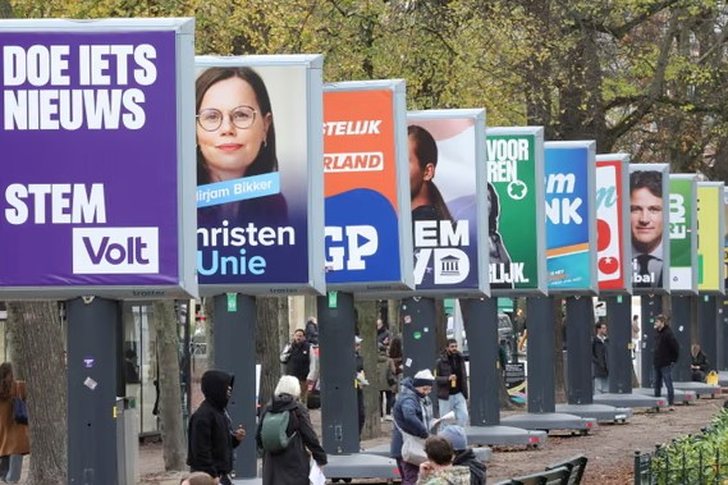
Polls have opened in the Netherlands for parliamentary ele...
Drug smuggling, money laundering, cybercrime: the scale of...

At least 64 people have been killed in a massive police op...
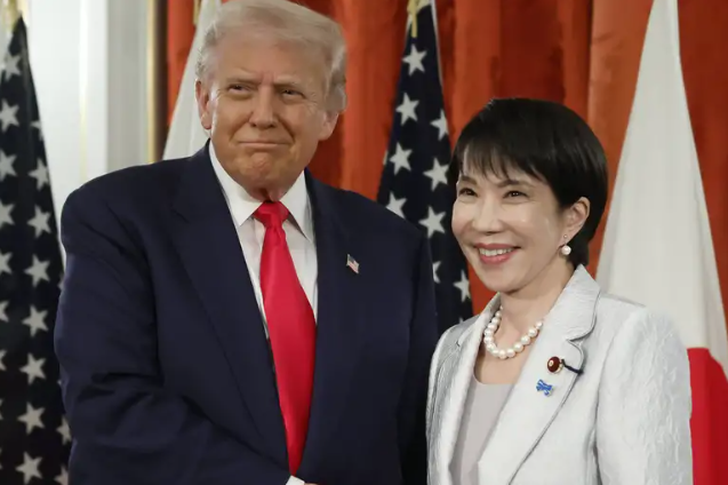
With a state visit to Tokyo, US President Donald Trump dem...
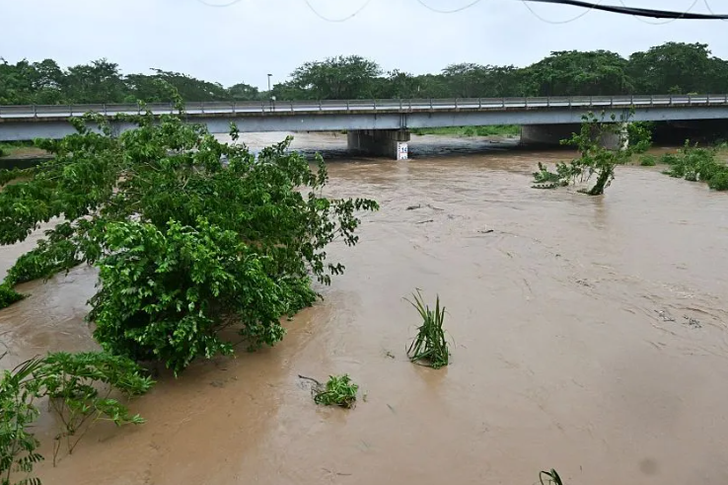
Hurricane Melissa is wreaking havoc in Jamaica as the Cari...
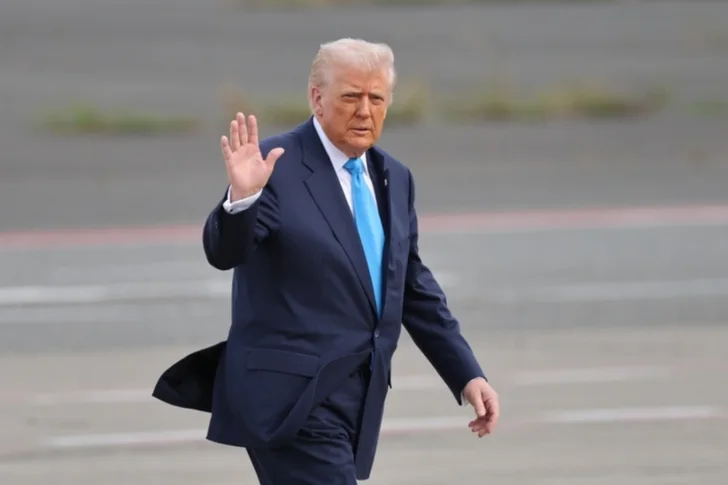
The ceasefire between Israel and Hamas is not in danger of...
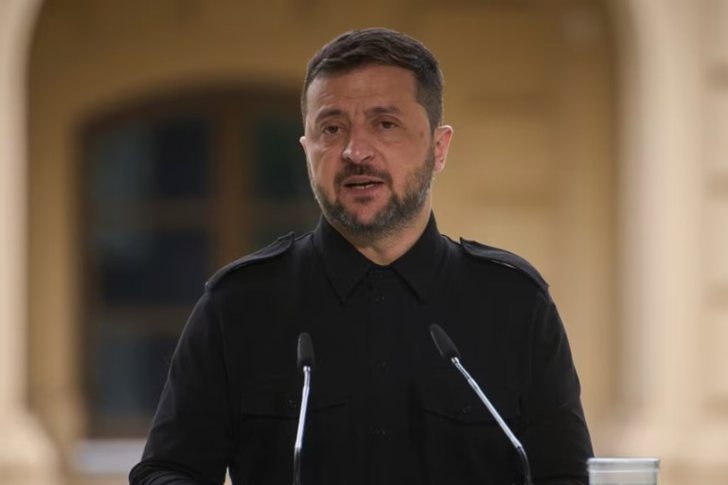
Presidenti i Ukrainës, Volodymyr Zelensky , deklaroi se ës...
Defense Secretary Pete Hegseth said US forces have killed ...
Hamas rejected accusations that its fighters attacked Isra...
64 people, including four police officers, have been kille...
Israel says it will carry out intensive attacks on Hamas i...
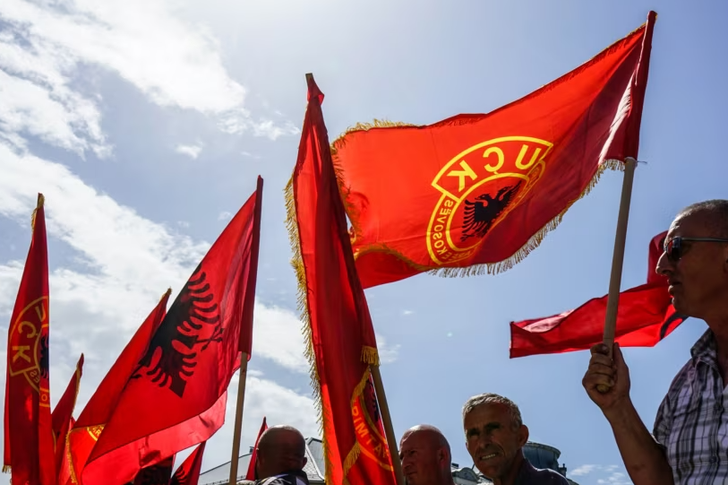
The Supreme Court of Kosovo on Tuesday repealed an article...
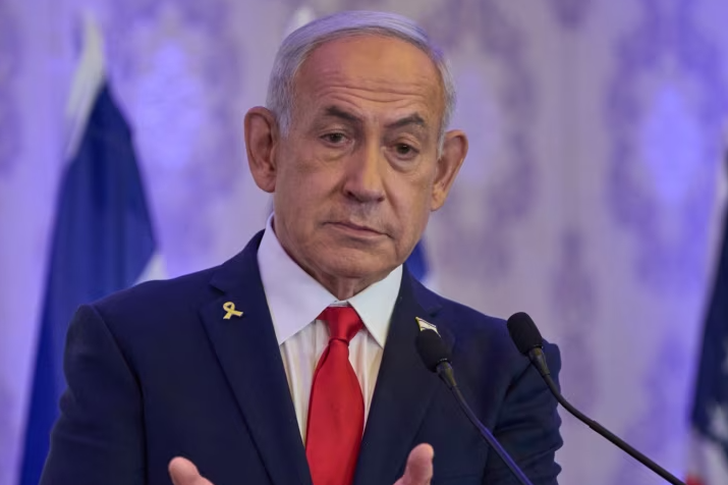
Israeli Prime Minister Benjamin Netanyahu ordered the army...
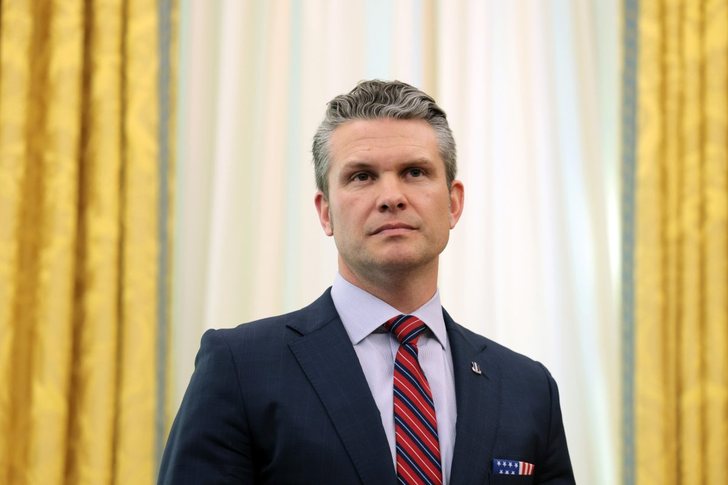
At least 14 people were killed during recent US military s...
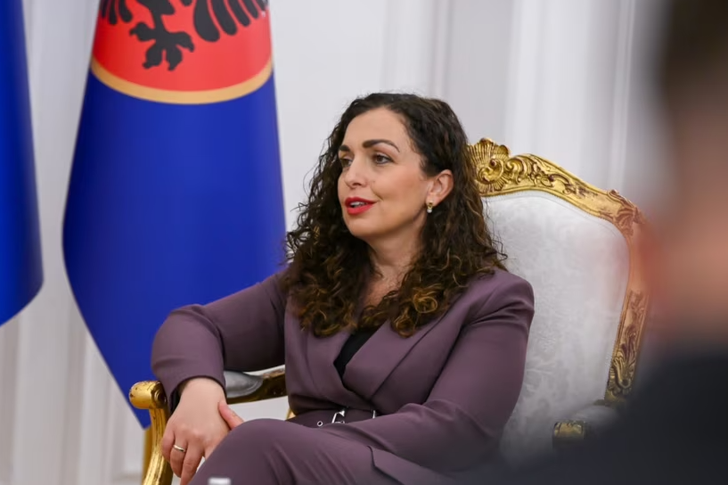
A number of civil society organizations in Kosovo have ask...
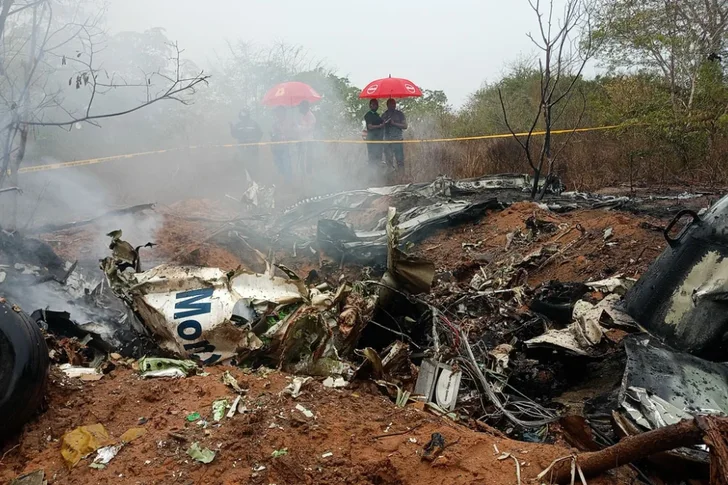
A small plane has crashed in Kenya, killing all on board, ...
Ukrainian President Volodymyr Zelensky said that Ukraine's...

The CEC in Kosovo announced today the date for the second ...
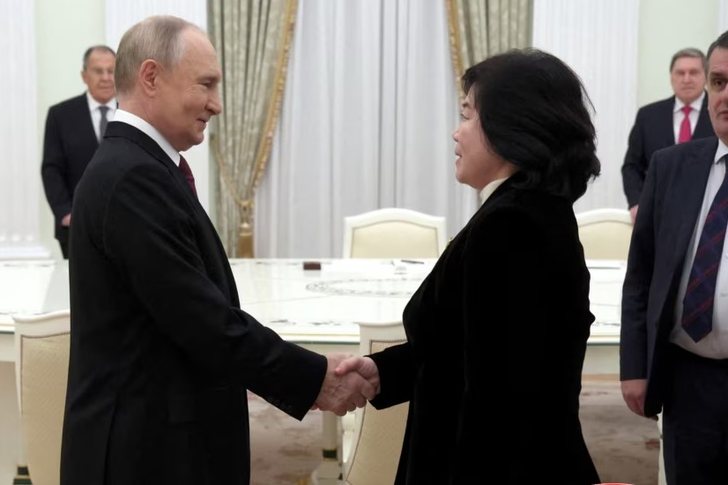
Russian President Vladimir Putin welcomed North Korea's to...

CNA has launched another investigation that could lead to ...

Irfan Hysenbelliu is a businessman that we call "Irfan the...

In March 2026, CNA launched another investigation centered...
The arrested mayor of Tirana, Erion Veliaj, with 13 charge...

The Special Board of Appeal (KPA) decided this Monday ...

The KPA vetting decided this Thursday to dismiss the p...

Suela Salavaçi, a prosecutor in the Prosecutor's Offic...

The Special Board of Appeal reinstated the prosecutor ...
A person has died today on Orikum beach. According to repo...
Footage emerges from the serious accident that occurred th...
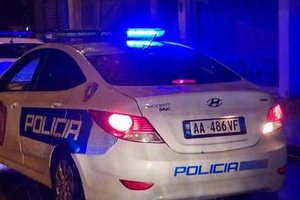
A Shkodra traffic police officer was hit with hard objects...
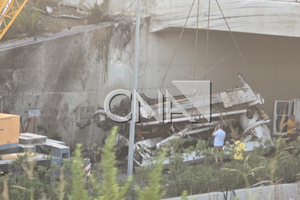
This Wednesday, around 4:00 PM, a serious accident occurre...

Children without parental care, for whom alternative famil...

On Thursday, our country will be under the influence of st...
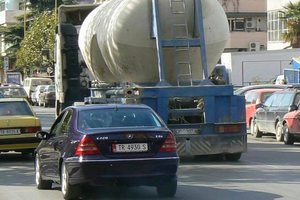
A serious accident that occurred this Wednesday with the c...

The Institute of Geosciences has shared a forecast for wea...

The European Union Office in Kosovo has called on all poli...
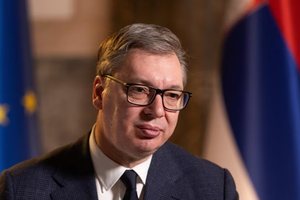
Serbian President Aleksandar Vučić, at a press conference ...

For the first time since the launch of the euro, European ...

Artificial intelligence (AI) models from the American comp...

At a time when industrial products are increasingly taking...

Trust among people is not just a three-syllable word. It c...

Master of humor Todi Llupi has passed away at the age of 7...

The ninth edition of "MIK Festival" kicked off with one of...
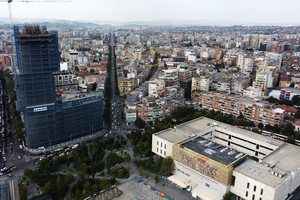
The average sale price of apartments in Tirana reaches rec...

This Thursday, one US dollar is bought for 81.5 lek and so...

The price of diesel reached 206 lek per liter from 198 lek...

Businesses will no longer be required to simply register t...