


Businessman Artur Shehu breaks his silence: I am a long-time land owner in Zvërnec, I don't know the investors at all
Albanian businessman Artur Shehu spoke on the Opinion show...

Albanian businessman Artur Shehu spoke on the Opinion show...

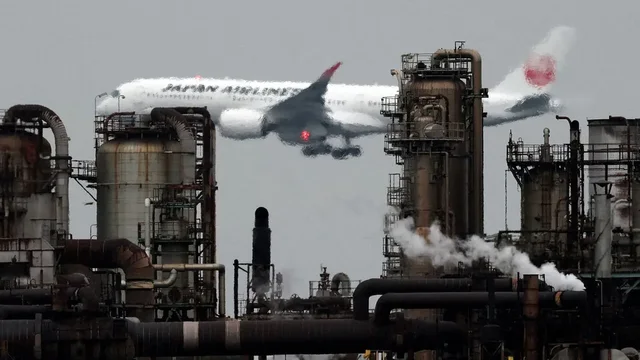
Oil futures traders tend to be optimistic. On April 17, after Iran’s foreign minister declared that the Strait of Hormuz was “fully open,” the price of Brent crude fell 10% to $90 a barrel.
Within hours, Iran changed tack and attacked an Indian tanker. The next trading day, the global benchmark rose by just 5%.
Since then, the price has risen sharply to above $126 a barrel, surpassing its peak in late March, even as a US blockade has stopped more oil from flowing into the Persian Gulf. A few days later, oil fell back below $100 on news of a possible deal.
More than fifty days after the start of the war with Iran, the world has lost 550 million barrels of crude oil from the Persian Gulf, nearly 2% of last year's global production. For every month that Hormuz remains closed, the world is missing 7 million tons of liquefied natural gas (LNG), worth 2% of annual supply.
However, in Western countries, where the largest futures markets are located, the impact remains limited.
Gasoline is a little more expensive, but most families can still afford to drive. Trucks keep rolling. Planes keep flying. Fuel reserves remain near pre-war levels.
This reassuring picture is deeply disorienting. By April 20, the few oil tankers that had passed through Hormuz before the war began had reached their destinations, in Malaysia and California.
There is no longer any buffer left to protect the world from a supply shock, at a time of year when demand from holidaymakers is starting to rise.
To gauge how close the world is to energy catastrophe, The Economist has studied a set of indicators. It shows that serious damage has already been done.
Worse, without a reopening, costs could skyrocket, triggering events that could paralyze the fuel system. Reopening the strait now would narrowly avert disaster. But some of the additional negative impact is already inevitable.
Three factors are pushing the world to the brink of collapse. Oil supplies available for purchase are falling sharply. Refineries are cutting fuel production.
And demand remains artificially high, especially in Europe. For energy markets to balance, something significant has to happen somewhere in a major market.
First, trade. One reason the biggest supply shock in oil history hasn't caused a global panic is that a near-record amount of oil was at sea when the war began. As US warships headed for the Persian Gulf in February, countries in the region increased exports.
After the latest shipments, these additional reserves at sea have been depleted. So have most of the Iranian and Russian oil cargoes, which were waiting at sea but found buyers after America eased sanctions on the two countries.
Total volumes at sea have fallen at a record pace. For jet fuel and gasoline, they are well below historical rates and probably close to the minimum needed for maritime trade to function (see chart 1, top panel).
That leaves Asia, which once accounted for four-fifths of Gulf exports, in a particularly difficult position. Trade inventories in several other Asian countries are falling sharply. South Korea is expected to cut its releases from its strategic stockpile in the coming days.
Japan's will run out in May. Crude oil reserves in Asia, excluding China, fell by 67 million barrels, or 11%, in the month to April 19, according to Kayrros, a company that estimates inventories through satellite imagery.
The shortage of raw material has forced Asian refineries to reduce processing by over 3 million barrels per day, or 10% of their combined capacity.
That could accelerate to 5 million barrels a day in May and, if the strait remains closed, to 10 million barrels a day in July, says Neil Crosby of Sparta Commodities, a data firm. China could help by releasing some of the 1.3 billion barrels of crude it holds in reserve.
Instead, it has suspended exports of refined products. A trader familiar with its energy strategy thinks it will not turn on the taps before a lasting ceasefire.
All of this exacerbates the shortages created by the loss of Gulf exports of finished fuels, on which Asia also depends.
Refined fuel prices are already high. In current trading markets in Asia, gasoline is approaching $120 a barrel, diesel $175, and jet fuel $200, up from $80, $93, and $94, respectively, before the war.
Demand is being matched, in part, by government decisions. Seven countries have mandated work from home and at least five are rationing fuel for vehicles.
High prices are also taking their toll. Small mines, fishing boats and other companies without sufficient oil reserves are working part-time. Faced with the inability to afford the price of light oil, some plastics manufacturers have closed production units.
The combination of state and self-imposed rationing could cause Asian demand for crude oil to shrink by nearly 3 million barrels per day in April, compared with February.
Europe has so far avoided a sharp decline in demand as governments try to preserve citizens' purchasing power. Of the 27 European Union countries, 16 are using taxpayer money or cutting fuel taxes to shield consumers from higher prices.
Për këtë arsye, rafineritë europiane pothuajse nuk e kanë ulur prodhimin. Por, ashtu si homologet e tyre aziatike, edhe ato duhet të blejnë naftë bruto me një kosto shumë më të lartë nga sa sugjerojnë kontratat e së ardhmes për Brent.
Një matës më i mirë është Brent i datuar, çmimi për ngarkesat reale që dorëzohen gjatë javëve të ardhshme. Diferenca mes të dyjave, zakonisht 1 deri në 2 dollarë, u zgjerua shumë në prill, duke reflektuar frikën për mungesa afatshkurtra, sipas Platts, që përpilon këtë standard referues (shih grafikun 1, paneli i poshtëm).
Ajo është ngushtuar që atëherë, por mbetet më e madhe se zakonisht dhe nuk përfshin tarifat e larta të transportit detar dhe kosto të tjera.
Lënda e parë me 130 deri në 150 dollarë për fuçi i ka shtyrë marzhet e rafinerive europiane në territor negativ, vlerëson Benedict George nga Argus Media, një agjenci raportimi çmimesh (shih grafikun 2, paneli i sipërm).
Backwardation ekstrem, situata kur çmimet aktuale të mallrave janë shumë më të larta se ato të kontratave të së ardhmes, ua ul fitimet: ato duhet të paguajnë shtrenjtë për naftën bruto tani, por i shesin produktet e tyre me çmime më të ulëta të kontratave të së ardhmes. Së shpejti, do të duhet të ulin prodhimin.
Nëse Europa vazhdon të subvencionojë konsumin, tregjet do të çrregullohen edhe më shumë. Së pari, çmimet e produkteve do të vazhdojnë të rriten. Amerika, ku kërkesa priret të kërcejë gjatë periudhës së udhëtimeve verore me makinë, do t’i shtyjë ato edhe më lart.
Konkurrenca për LNG-në, mungesa e së cilës deri tani është përthithur kryesisht nga vetëkufizimi i konsumatorëve aziatikë dhe kalimi te qymyri, do të rritet gjithashtu kur Europa të nisë rimbushjen e rezervave të gazit për dimër.
Rezervat që po shterojnë me shpejtësi e përkeqësojnë situatën. Rezervat e Europës për karburantin e avionëve mbulojnë rreth 50 ditë konsum, niveli i tyre mesatar.
Por modelimi i Michelle Brouhard nga Kpler, një kompani të dhënash, për The Economist tregon se rezervat europiane do të bien me shpejtësi nëse flukset përmes Hormuzit nuk normalizohen deri në qershor. Ato në rajone të tjera importuese mund të zhduken edhe më shpejt (shih grafikun 2, paneli i poshtëm).
Perspektiva mund të përkeqësohet nëse Amerika, në përpjekje për të frenuar çmimet e brendshme, ndjek shembullin e Kinës dhe ndalon eksportet e produkteve të rafinuara, të cilat janë rritur me gati gjysmën që nga fillimi i luftës.
Tregjet e kontratave të së ardhmes po e mohojnë gjithë këtë. Edhe nëse Hormuzi do të rihapej sot, do të duheshin muaj që prodhimi i naftës bruto në Gjirin Persik, transporti detar dhe rafinimi të rifillonin plotësisht.
Saad Rahim nga Trafigura, një kompani tregtare, mendon se një humbje kumulative prej 1.5 miliardë fuçish nga Gjiri, ose 5% e prodhimit vjetor global, është pothuajse e pashmangshme.
If the strait remains closed, it could easily double. The last time oil demand fell by 10% in a short time was during the Covid-19 lockdowns in 2020, a shock that also saw global GDP fall by more than 3%. Time is running out to avoid a similar collapse./ The Economist


Recent outbreaks of hantavirus and norovirus on cruise shi...
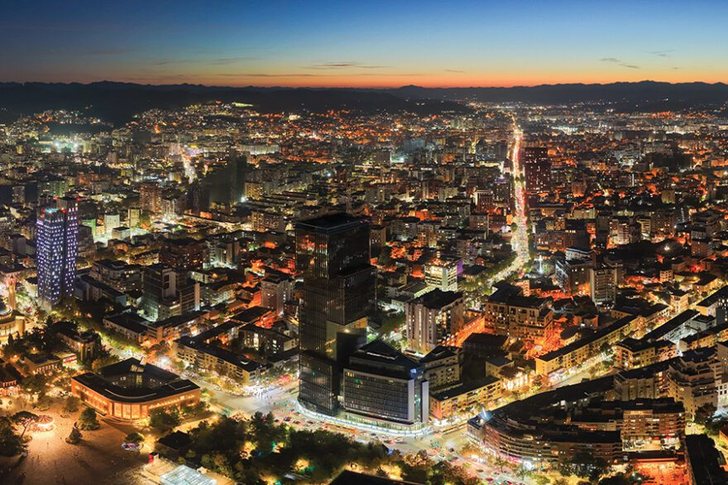
In Tirana, plans to buy a home are closer to illusion than...

Almost a decade ago, when the construction boom, lending p...

This Sunday, the dollar will be exchanged for 81.5 lek whe...
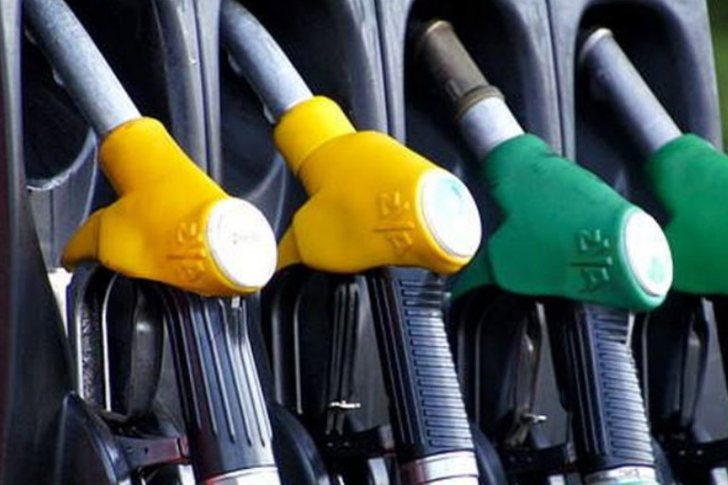
The Transparency Board has set new fuel prices. According...
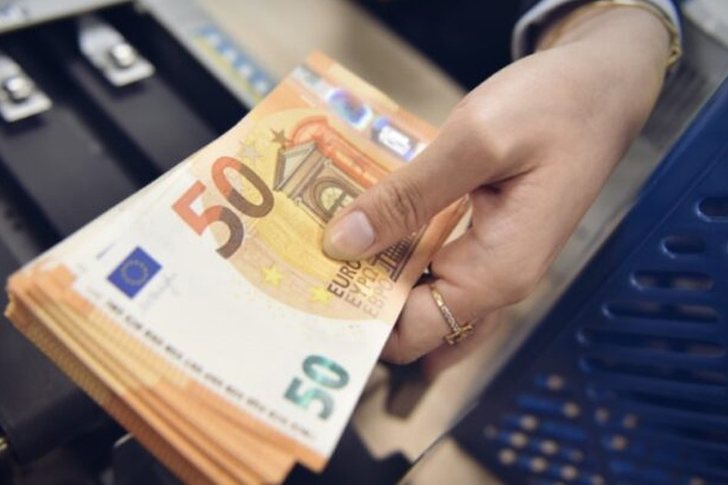
This Saturday, the dollar will be exchanged for 81.5 lek w...
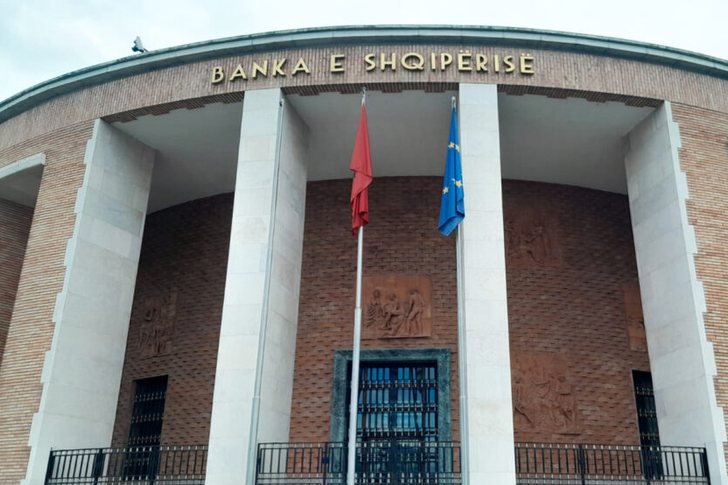
An analysis by the Bank of Albania shows that direct expos...

Punësimi në sektorin bankar u rrit më tej në tremujorin e ...
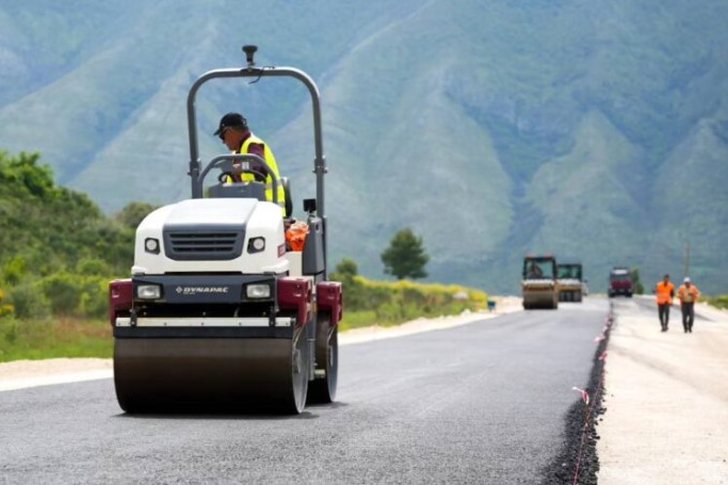
Public investments from foreign funds have marked a signif...

The quality of work is not determined solely by salary, bu...
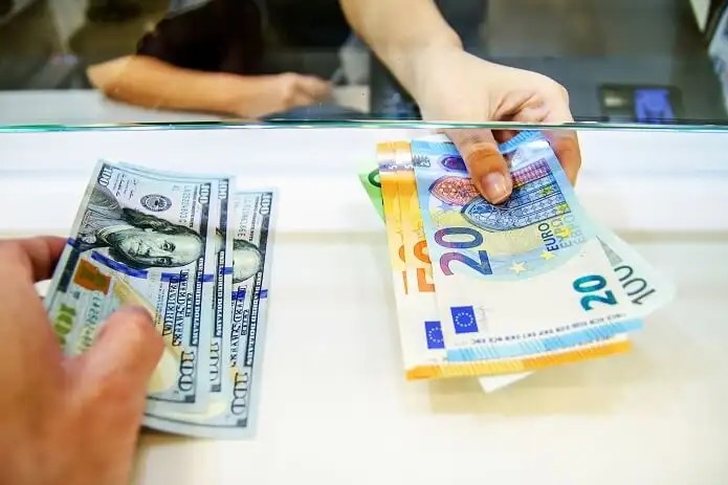
This Friday, the dollar will be exchanged for 81 lek when ...

With its publication in the Official Gazette, the instruct...

According to data from the Bank of Albania, citizens seem ...
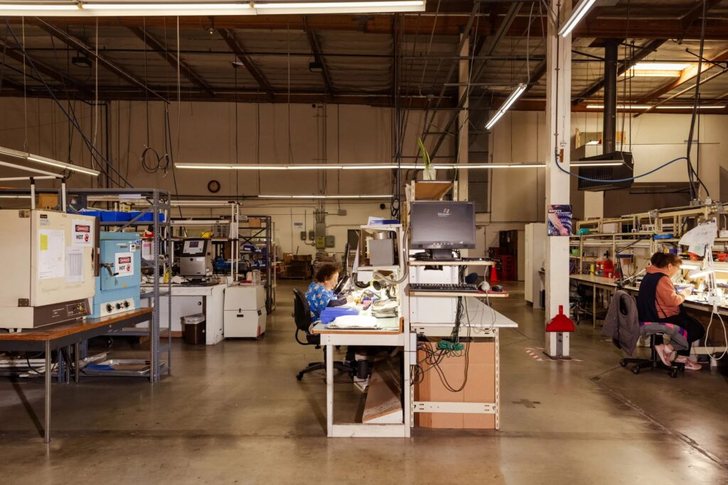
The number of new businesses and applications in the regis...

An unusual inspection appears to have begun in the taxi ma...
This Thursday, the dollar will be exchanged for 80.8 lek w...
The Transparency Board, in its meeting held today, has dec...

Ministri i Financave, Petrit Malaj ka folur për mediet pas...

The Bank of Albania signed today the partnership betwe...

All those individuals, such as those who have dependent ch...

The next case broadcast on the show "Stop", this Thursday,...

The case published this Thursday, June 4, on the show "Sto...

The protests of recent days related to the situation in Zv...

The case addressed this Wednesday, June 3, on the show "St...

The Special Board of Appeal (KPA) decided this Monday ...

The KPA vetting decided this Thursday to dismiss the p...

Suela Salavaçi, a prosecutor in the Prosecutor's Offic...

The Special Board of Appeal reinstated the prosecutor ...
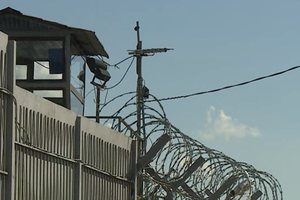
A convict was found dead today in the premises of the Pris...

Several images provided by CNA show the area where this mo...

A quantity of explosive material exploded this morning at ...

The Head of the State Police, Skënder Hita, expressed his ...

For many children and teenagers, the long summer holidays ...
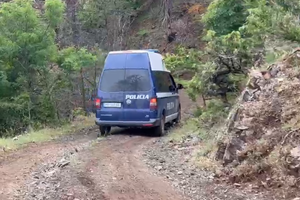
Witnesses in Lozhan, Maliqi, have shared details from the ...

Albania is facing an unprecedented demographic transition,...

On Thursday, our country will be affected by unstable weat...

Russian President Vladimir Putin said the war in Ukraine c...

An extraordinary story of survival has been recorded in Ne...

The Peace Implementation Council in Bosnia and Herzegovina...

John Bolton, the former national security adviser to US Pr...

Korça is ready to open the summer season with one of the c...

Two years after his passing, the renowned Korçë poet Skënd...

The Ethnographic Museum of Berat has opened its doors to v...
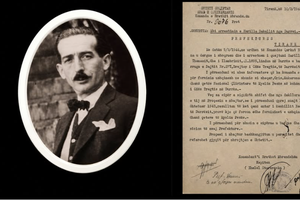
The story of Harilla Bakalli is one of the most chilling t...
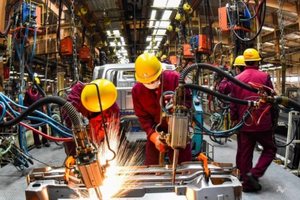
The government aims to transform the country's industrial ...

Kursi i këmbimit të euros me lekun ka rënë më tej këtë jav...

Profit margins in the construction sector have increased s...
The Transparency Board, at its meeting today, decided to i...