


Businessman Artur Shehu breaks his silence: I am a long-time land owner in Zvërnec, I don't know the investors at all
Albanian businessman Artur Shehu spoke on the Opinion show...

Albanian businessman Artur Shehu spoke on the Opinion show...


The stock of unpaid social security obligations of businesses has increased further over the past year, reaching a value of 26.3 billion lek (270 million euros) from 24.4 billion lek in 2024, according to official data from the General Directorate of Taxes.
This expansion of the debt stock by about 1.9 billion lek or 7.8% reflects the increasing difficulties of the private sector to fulfill its legal obligations to employees and the state.
Between 2022 and 2025, the stock of arrears in the form of social security has increased by 28.3%.
The main cause of this negative trend may be the decline in liquidity in the hands of businesses, affected by the increase in operating costs, especially the unilateral increase in the minimum and average wages has created a gap between the liability bill and the solvency of enterprises. Many businesses, faced with financial difficulties, choose to pay the net salary to retain staff, neglecting the payment of contributions, which leads to the inflation of this stock year after year.
Another factor that has contributed to the increase in these liabilities is related to the penalties and late fees that accumulate on existing debt. The increase in the number of businesses that enter bankruptcy proceedings or suspend activity without repaying previous liabilities directly contributes to this figure, making this item an increasingly heavy burden on the economy.
The consequences of this trend are quite serious for businesses, but especially for the social protection scheme. Businesses will be more exposed to fines, blocking of bank accounts and the inability to participate in public tenders or to obtain bank loans. For employees, the increase in unpaid liabilities creates delays or deficiencies in insurance years, jeopardizing their future benefits such as pensions or maternity payments.
Although the law provides for strict penalties, including the blocking of bank accounts (execution orders), liabilities arise the moment an entity declares a payment list in the e-Albania system but fails to pay the monetary value within the legal deadline of the 20th of the following month.
This action immediately generates an unpaid obligation, which begins to grow progressively every day through late payment interest, transforming a simple delay into a long-term debt.
Often, small and medium-sized businesses prioritize daily survival and payments to suppliers, leaving the state as the last creditor in line, with the hope of a later agreement for payment in installments.
This situation is further aggravated by the increase in the minimum wage, which has automatically increased the insurance bill for each employee, causing even those businesses that were once correct to no longer have the working capital to cover the immediate increase in labor costs.
Also, the tax system continues to calculate fines and interest on existing liabilities, even if the business has stopped its activity but has not completed the procedures for total deregistration. This creates a debt-on-debt effect, where the amount increases because old arrears are becoming more expensive to repay./ Monitor


Evisi is dual-employed, in two private companies, as an ad...

This Wednesday, one US dollar is bought for 82.5 lek and s...

Today is the deadline for completing and submitting the An...

The Individual Income Tax Declaration has been the cause o...
The Bank of Albania broke the record for foreign exchange ...

March 31 (today) is the deadline for completing the Annual...
Foreign investors' profits in Albania suffered a slight de...
This Tuesday, one US dollar is bought for 83 lek and sold ...

Lending to the economy returned to growth in February. Acc...
The new reference prices in the districts are expected to ...

The Minister of Finance, Petrit Malaj, announced that the ...

Unlike January, which saw a record increase in savings in ...
This Monday, one US dollar is bought for 82.8 lek and sold...
If there are institutions where complex macroeconomics, en...

According to Eurostat, in 2025, around 47.3% of the electr...

The country's oil supply is at risk. Following yesterday'...
A recent report by the European Bank for Reconstruction an...
The Minister of Economy, Delina Ibrahimaj, stated that the...
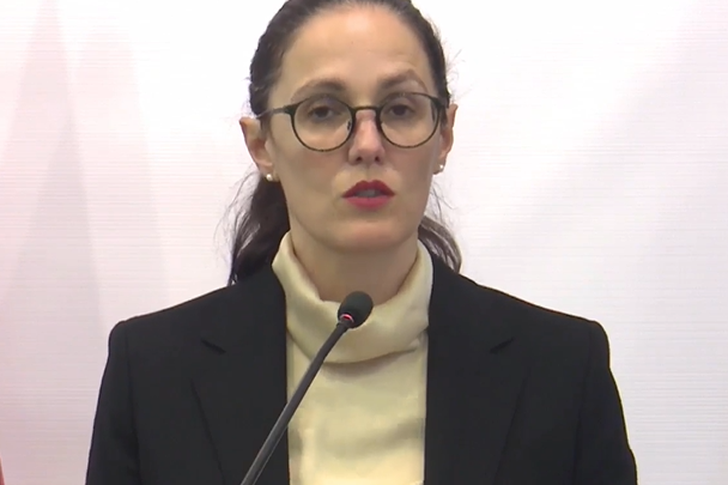
The Minister of Economy, Delina Ibrahimaj, stated that the...

In the domestic market, in addition to the increase in oil...

The next case broadcast on the show "Stop", this Thursday,...
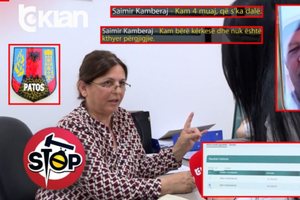
The case published this Thursday, June 4, on the show "Sto...

The protests of recent days related to the situation in Zv...

The case addressed this Wednesday, June 3, on the show "St...

The Special Board of Appeal (KPA) decided this Monday ...

The KPA vetting decided this Thursday to dismiss the p...

Suela Salavaçi, a prosecutor in the Prosecutor's Offic...

The Special Board of Appeal reinstated the prosecutor ...
A convict was found dead today in the premises of the Pris...
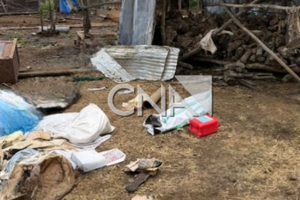
Several images provided by CNA show the area where this mo...

A quantity of explosive material exploded this morning at ...

The Head of the State Police, Skënder Hita, expressed his ...

For many children and teenagers, the long summer holidays ...
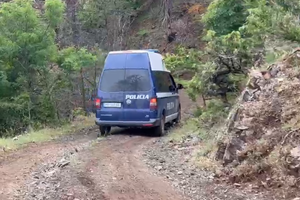
Witnesses in Lozhan, Maliqi, have shared details from the ...

Albania is facing an unprecedented demographic transition,...

On Thursday, our country will be affected by unstable weat...

Russian President Vladimir Putin said the war in Ukraine c...
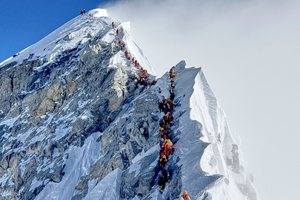
An extraordinary story of survival has been recorded in Ne...

The Peace Implementation Council in Bosnia and Herzegovina...
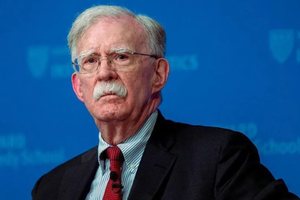
John Bolton, the former national security adviser to US Pr...

Korça is ready to open the summer season with one of the c...

Two years after his passing, the renowned Korçë poet Skënd...

The Ethnographic Museum of Berat has opened its doors to v...
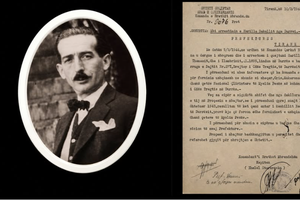
The story of Harilla Bakalli is one of the most chilling t...
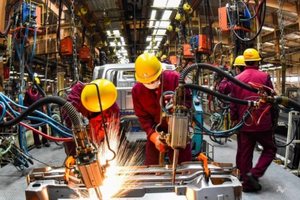
The government aims to transform the country's industrial ...
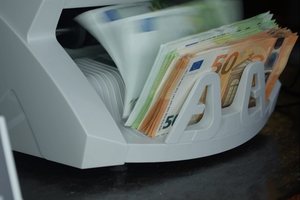
Kursi i këmbimit të euros me lekun ka rënë më tej këtë jav...
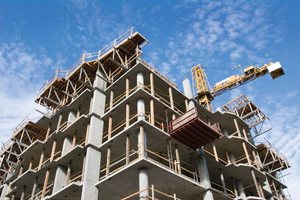
Profit margins in the construction sector have increased s...
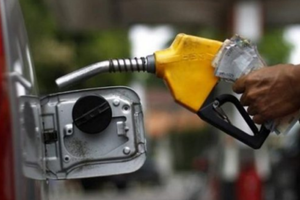
The Transparency Board, at its meeting today, decided to i...