


The budget changes/ Funds for education and health are cut by 34 million euros
Education and health are two underfunded sectors in our co...


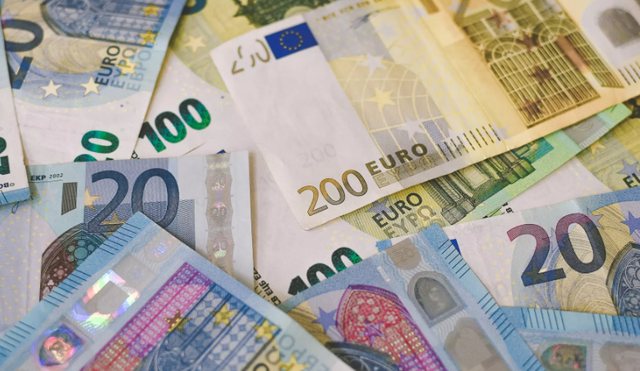
Taking Purchasing Power Standard (PPS) into account, gaps in average annual full-time wages across the EU are narrower than in nominal terms, although significant differences persist and Euronews Business is investigating.
Have you ever wondered which countries pay the best in Europe? Or how does your salary stack up against others in the EU? With living costs varying so much, how does your salary compare when adjusted for purchasing power standards?
There are various indicators for comparing wages and income, but Eurostat's new calculation, the average annual full-time adjusted wage per employee, turns out to be particularly useful. It is estimated from the average gross annual salary for a full-time job.
According to Eurostat, in 2023 the average annual full-time adjusted wage per employee ranged from €13,503 in Bulgaria to €81,064 in Luxembourg, with the EU average being €37,863.
Nine member states reported wages above the EU average, while 17 countries fell below. The Netherlands is not included in the data due to differences in methodology. Apart from Luxembourg, the average adjusted salary was above €50,000 in five other countries. They included: Denmark (€67,604), Ireland (€58,679), Belgium (€57,989), Austria (€54,508) and Germany (€50,988).
Finland, Sweden and France also rank above the EU average.
At the bottom, Bulgaria is followed by Hungary (€16,895), Greece (€17,013), Romania (€17,739), Poland (€18,054) and Slovakia (€19,001), all with annual salaries below €20,000.
Italy and Spain fall below the EU average, with annual salaries of around €32,500.
How do inequalities change when adjusted for purchasing power?
Average wages in purchasing power standard (PPS) provide a fairer comparison as living costs, especially housing costs, vary significantly across European countries.
Purchasing power parity (PPP): eliminates the effect of price level differences between countries". PPP is "an artificial currency unit", where one unit of PPP can theoretically buy the same amount of goods and services in any country.
When looking at the average annual full-time adjusted wage per worker in PPS, the gaps are significantly narrower compared to nominal figures. However, substantial differences remain across the EU. For example, in nominal terms, the highest average wage was six times lower, while this ratio decreases to 2.5 times when adjusted for PPS.
Greece holds the lowest ranking in PPS
The average adjusted annual full-time salary per employee, measured in PPS, ranged from 20,525 in Greece to 53,745 in Luxembourg. In nominal terms, Greece was ranked third from the bottom, but it had the worst result in PPS. In this indicator, only seven countries exceeded the EU average. In addition to Luxembourg, Belgium, Denmark, Germany and Austria reported wages above PPS 45,000.
Ireland and France were the other two countries above the EU average, with PPS wages of 41,581 and 39,110 respectively.
Italy had the lowest salary among the four EU countries, at 33,723 PPS, while Spain recorded a slightly higher figure at 35,774 PPS, both remaining below the EU average.
Main trends in European average wages
Analyzing nominal wages and PPS, the following main findings emerge:
Northern and Western Europe consistently lead average wages, but their advantage narrows in the PPS-adjusted rankings.
Eastern Europe improves slightly in PPS, but average wages remain significantly lower than the EU average in these member states.
Southern Europe struggles on both metrics, with low wages and limited purchasing power.
Sufficient salary to live well in the EU
Eurostat started calculating "adjusted average full-time wages per employee" after the adoption of the Blue Card Directive in 2021. This metric serves as a threshold for granting work permits to highly qualified workers at national level. According to Eurostat data: "Practically, the indicator represents a salary sufficient to live with dignity in a Member State."
Pay is adjusted by converting part-time wages to full-time gross equivalents. Part-time work remains an important trend in Europe. In 2023, 17% of workers aged 20-64 in the EU worked part-time according to Eurostat. This ratio was even higher in some countries, such as Germany with 29% and the Netherlands with 39%./ CNA

Education and health are two underfunded sectors in our co...

Today, on December 24, 2024, in the foreign exchange marke...
On December 31, 2024, the additional term for the concessi...

On December 18, 15.9 billion lek or about 160 million euro...

Today, on December 23, 2024, in the foreign exchange marke...

A "Monitor" survey on the conditions offered by the labor ma...
Today, on December 22, 2024, in the foreign exchange marke...
Today, on December 21, 2024, in the foreign exchange marke...

In the special meeting held yesterday evening, the Council...

The nearest date for the initiation of actions in the SEPA...

As Albania has become an attractive destination for foreig...
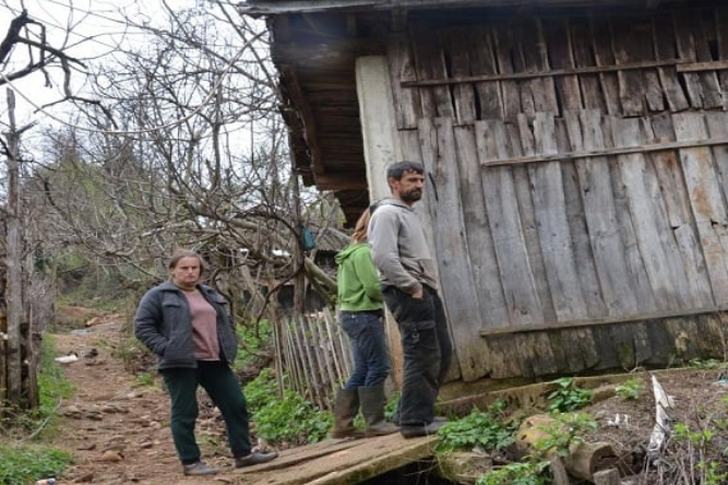
More than 1 million Albanians suffer from a severe form of...

Today, on December 20, 2024, in the foreign exchange marke...
Despite the growth rates of lending, credit to the private...
Until December 18, 2024, 7,157 self-employed businesses ha...
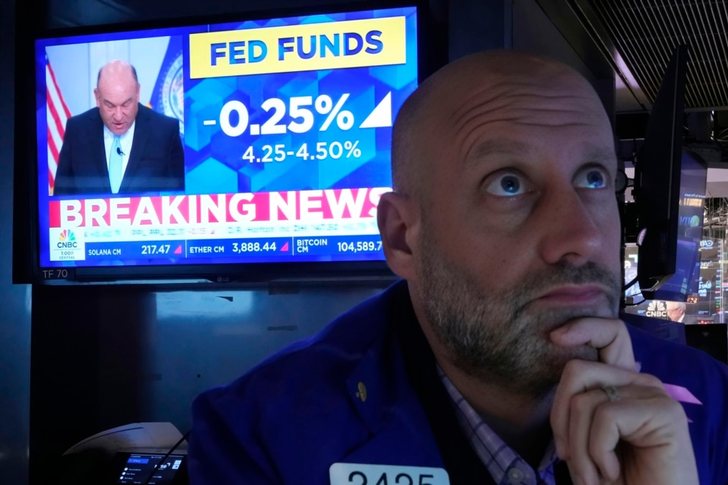
Stocks in the United States fell to one of their lowes...

Today, on December 19, 2024, in the foreign exchange marke...
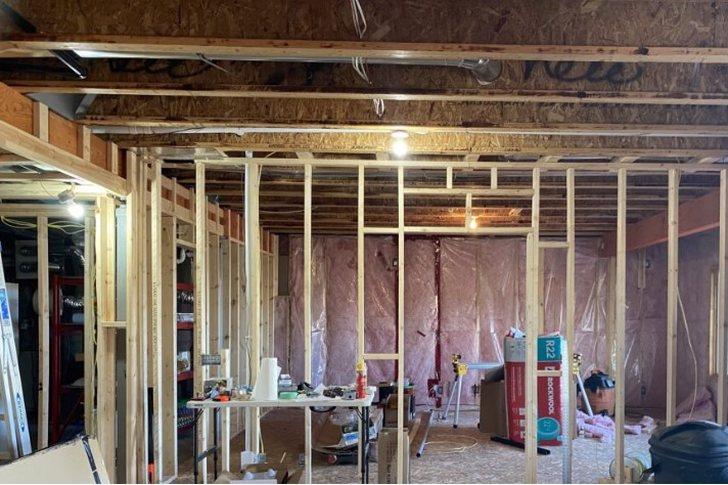
Interventions in housing in function of energy efficiency ...
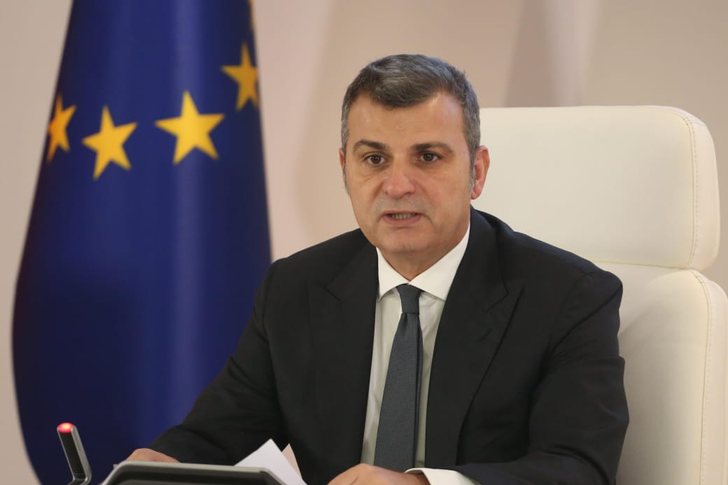
The Bank of Albania has left the basic interest rate f...
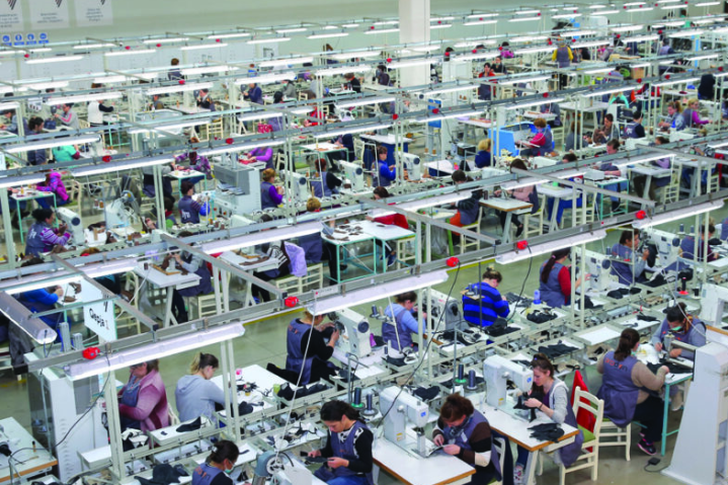
The activities of factories producing clothing and shoes s...

CNA has launched another investigation that could lead to ...

Irfan Hysenbelliu is a businessman that we call "Irfan the...

In March 2026, CNA launched another investigation centered...
The arrested mayor of Tirana, Erion Veliaj, with 13 charge...

The Special Board of Appeal (KPA) decided this Monday ...

The KPA vetting decided this Thursday to dismiss the p...

Suela Salavaçi, a prosecutor in the Prosecutor's Offic...

The Special Board of Appeal reinstated the prosecutor ...

A Shkodra traffic police officer was hit with hard objects...

This Wednesday, around 4:00 PM, a serious accident occurre...

Tirana Police have shared details regarding the accident t...

New details have emerged regarding the accident that occur...
A serious accident that occurred this Wednesday with the c...

The Institute of Geosciences has shared a forecast for wea...
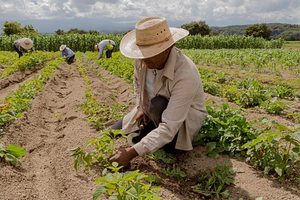
Rising energy and fertilizer prices are expected to contin...

Over 18,000 foreign citizens from 140 countries have appli...

The trial of ousted Venezuelan President Nicolas Maduro on...

US President Donald Trump has issued another warning to Ir...

Prime Minister Andy Burnham has announced that most bus fa...

France's parliament has passed a law to ban social media f...

At a time when industrial products are increasingly taking...

Trust among people is not just a three-syllable word. It c...

Master of humor Todi Llupi has passed away at the age of 7...
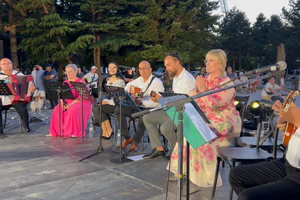
The ninth edition of "MIK Festival" kicked off with one of...
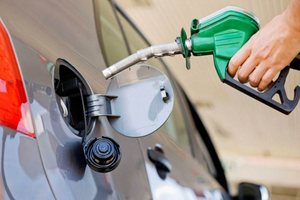
The price of diesel reached 206 lek per liter from 198 lek...

Businesses will no longer be required to simply register t...

Despite economic growth and income in recent years, Albani...

This Wednesday, one US dollar is bought for 81.4 lek and s...