


EUROSTAT: Household appliances, dairy and clothing, the products we buy are more expensive than in Europe
An Italian couple in a video on social networks compared t...


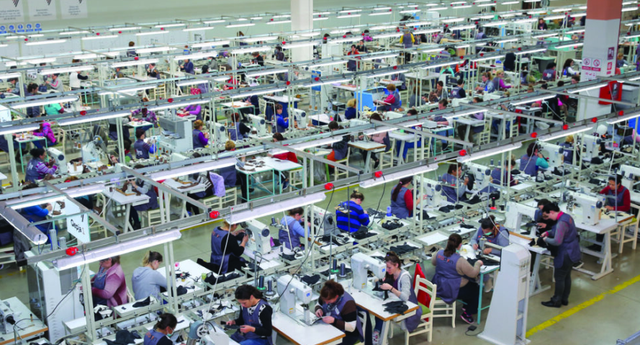
The activities of factories producing clothing and shoes suffered a sharp decline this year in all indicators, production, sales and wages.
According to INSTAT data, in the third quarter of 2024, the employment index in the textile factory industry decreased by 20.8 percent compared to the same period a year ago, while the salary index in the same period decreased by 21%
In shoe factories, the employment index decreased by 11.4 percent, while the wage index decreased by 10 percent.
INSTAT has delayed the publication of employment indicators since the first quarter of 2024, but indirect indices show that employment in fashion factories has fallen by about 20 percent this year. This contraction was announced before by the associations and representatives of the sector.
In the last two years, Albanian producers are going through the most difficult period of the last decade, where the combination of many factors with a negative impact has made the perspective unclear.
The continuous decline of the euro, the increase in labor costs and weak demand in foreign markets have put Albanian factories in all sectors in difficulty. Smaller ones are going bankrupt and many others have changed strategies to adapt to the new situation. Manufacturing for higher value chains is being applied by many manufacturing units to keep revenues under control.
The data of the 11th month of 2024 show that the exports of clothing and shoes decreased by 16.5% in value. The decline of the fashion industry began in the second half of 2023 and continued throughout 2023 and 2024.
The exchange rate and the increase in the minimum wage made Albania uncompetitive. Many contracts were moved from Albania to cheaper destinations.
As production prices in Albania have changed due to the increase in the minimum wage and the fall of the euro at a time when European markets are showing a decrease in demand for clothing from the inflation crisis, Albania's historical customers are moving to other countries where there are cheaper production costs. .
On the other hand, the global map of fashion production is changing. Manufacturers, especially from traditional centers such as India, are expanding their operations to new regions such as Africa, the Middle East, Turkey and Latin America. These moves aim to overcome geographic restrictions in search of lower labor costs, access to raw materials and proximity to consumer markets in Europe and America.
This geographic diversification is partly a response to supply chain disruptions during the pandemic and ongoing geopolitical tensions.
As machines are taking over more and more tasks traditionally performed by humans, they require qualified employees to lead them./ Monitor Magazine

An Italian couple in a video on social networks compared t...

Today, on December 18, 2024, in the foreign exchange marke...
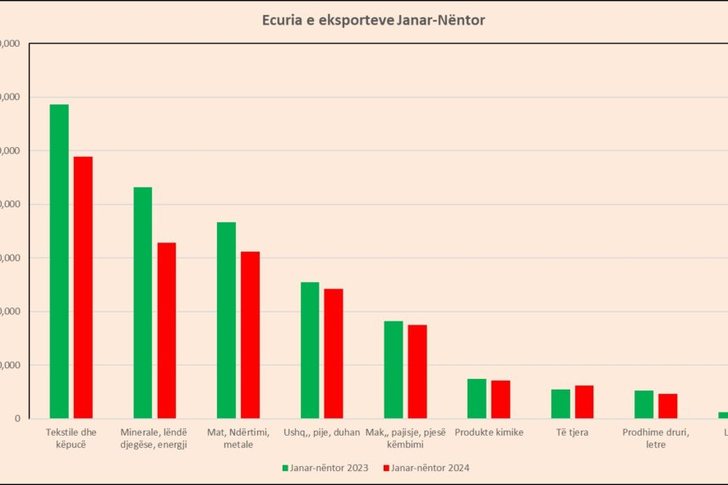
Exports have continued with their shrinking trend in Novem...

Although salaries, especially in the state sector, are con...

The Albanian government will issue for the first time in 2...
Today, on December 17, 2024, in the foreign exchange marke...

In the conditions of the contraction of production in some...

The Albanian Association of Banks is finalizing the drafti...

The selling price of coffee on foreign exchanges is reachi...

Today, on December 16, 2024, the US dollar is bought a...
Today, on December 15, 2024, the US dollar is bought at 93...

China contributed two-thirds of global electric vehicle sa...

From April 1, 2023, the minimum wage increased from ALL 34...

Today, on December 14, 2024, the US dollar is bought at 92...

Calculated for the first time the average prices of the sa...

Today, on December 13, 2024, the US dollar is bought at 92...
After concluding the contract for the first phase of the i...
While the government two years ago entered into a feverish...

Today, on December 12, 2024, the US dollar is bought at 92...

Today, on December 11, 2024, the US dollar is bought at 92...

CNA has launched another investigation that could lead to ...

Irfan Hysenbelliu is a businessman that we call "Irfan the...

In March 2026, CNA launched another investigation centered...
The arrested mayor of Tirana, Erion Veliaj, with 13 charge...

The Special Board of Appeal (KPA) decided this Monday ...

The KPA vetting decided this Thursday to dismiss the p...

Suela Salavaçi, a prosecutor in the Prosecutor's Offic...

The Special Board of Appeal reinstated the prosecutor ...

Footage emerges from the serious accident that occurred th...

A Shkodra traffic police officer was hit with hard objects...

This Wednesday, around 4:00 PM, a serious accident occurre...

Tirana Police have shared details regarding the accident t...

A serious accident that occurred this Wednesday with the c...

The Institute of Geosciences has shared a forecast for wea...
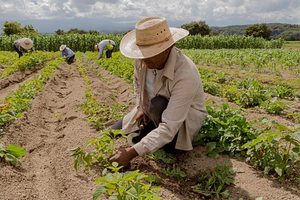
Rising energy and fertilizer prices are expected to contin...

Over 18,000 foreign citizens from 140 countries have appli...

The trial of ousted Venezuelan President Nicolas Maduro on...

US President Donald Trump has issued another warning to Ir...

Prime Minister Andy Burnham has announced that most bus fa...

France's parliament has passed a law to ban social media f...

At a time when industrial products are increasingly taking...

Trust among people is not just a three-syllable word. It c...

Master of humor Todi Llupi has passed away at the age of 7...

The ninth edition of "MIK Festival" kicked off with one of...

The price of diesel reached 206 lek per liter from 198 lek...

Businesses will no longer be required to simply register t...

Despite economic growth and income in recent years, Albani...

This Wednesday, one US dollar is bought for 81.4 lek and s...