

Foreign Currencies Deepen Decline/ Exchange Rate, November 26, 2024
Today in the foreign exchange market, the US dollar is bou...


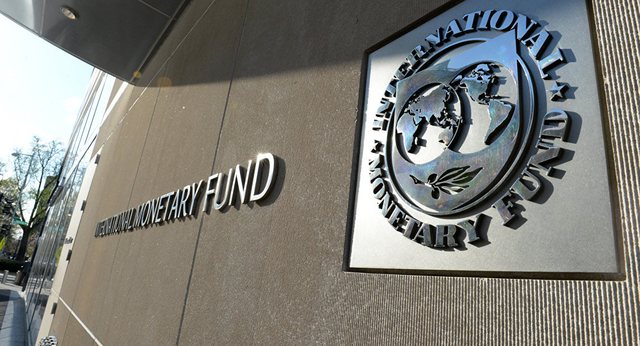
The International Monetary Fund team for Albania has completed the visit held in Tirana on November 13-21, within the framework of Article IV.
After the end of the visit, the IMF issued a statement regarding the situation in Albania.
The IMF says the economy has performed positively overall, but there are still significant challenges.
The International Monetary Fund states that deficiencies in governance and institutional weaknesses present obstacles to the business environment.
Excerpt from the statement:
The Albanian economy has shown a strong performance during the last years, supported by prudent macroeconomic policies. Economic growth has already exceeded its trend before the pandemic, thanks to the development of tourism. Prudent fiscal policies contributed to a significant reduction in public debt, while proactive monetary policy, the decline in global commodity prices and the stable appreciation of the lek have facilitated the slowdown in inflation. The outlook for economic growth is expected to remain strong and the risks surrounding this forecast are balanced.
Despite the overall positive economic picture, structural challenges remain significant. GDP per capita continues to be about a quarter of US and EU-15 levels, due to rapid population aging and immigration. Despite significant progress in rule of law reforms, governance deficiencies and institutional weaknesses present obstacles to the business environment.
Achieving sustainable and inclusive growth will require overcoming structural deficiencies while maintaining hard-won macroeconomic gains. Ambitious revenue reforms and strengthening debt management are essential for maintaining fiscal sustainability and coping with long-term spending pressures. An evidence-based approach to monetary policy remains key to price stability, complemented by a free exchange rate regime as a shock absorber. Maintaining financial stability will require a further strengthening of the supervision and regulation of banking and non-banking institutions and further deepening of the financial market. The removal of barriers to firm growth, the transition to higher value-added production and ongoing reforms in governance will be fundamental to ensure maximum benefits from EU membership.
The Albanian economy is on track to become one of the fastest growing economies in Europe by 2024. After growing by 3.9 percent in 2023, IMF staff predict real GDP growth of 3.6 percent in 2024, driven by domestic demand, tourism and construction activity. Growth for the period 2025-2029 is expected to remain strong, at around 3½ percent, supported by domestic demand and tourism, given competitive prices and the improvement of the capacity of this sector. Inflation at the end of 2024 is expected to be around 2 percent, below the 3 percent target of the Bank of Albania (BSh). Although the core effects of the significant decline in monthly inflation in early 2024 will temporarily increase inflation during the first half of 2025, a sustained return to target is not expected before 2026, given the high degree of inertia in the process of inflation in Albania. The current account deficit is forecast to reach 3.4 percent for 2024 and is expected to increase slightly in the medium term, due to higher imports driven by large public investment projects.
The risks surrounding this forecast are generally balanced. Increased geopolitical tensions and softening global growth could slow domestic growth, while rising commodity prices or repeated weather-related shocks could raise electricity prices and fuel inflation again. Weakening demand for tourism, following such global shocks, could result in exchange rate depreciation and a downturn in the real estate sector, negatively impacting the financial and public sectors, given the still significant level of debt in foreign currency. On the positive side, tourism activity may continue to perform beyond expectations. Broad-based structural reforms in the context of the EU accession process—not yet part of the IMF staff's baseline scenario—would significantly boost growth.
Strengthening fiscal revenue, credibility and transparency to ensure inclusive growth
The authorities are expected to exceed the budget target for 2024 and aim for a more relaxed fiscal stance in 2025. With revenues on track thanks to favorable economic conditions and delays in the execution of capital expenditure, a primary surplus for 2024 is expected to be around 0.5 percent of GDP, slightly higher than the budget target of 0.3 percent of GDP. The 2025 budget aims for a zero primary balance. IMF staff anticipates limited fiscal consolidation going forward, with the primary balance expected to hover around zero for the 2026-2029 period and with authorities continuing to enforce fiscal rules. The public debt, which is expected to be around 56 percent by the end of 2024, is expected to be reduced to 50 percent in 2029 and is estimated to be stable in the medium term.
A stronger fiscal effort than currently projected would reduce gross financing needs and increase resilience to fiscal risks. To this end, the IMF staff recommends for the period 2025-29 a slight primary surplus of about ¼ percent of GDP—which would result in a broadly neutral fiscal stance from 2026 onwards. This will require additional net fiscal measures of around 1 percent of GDP, including reforms in revenue administration and tax policy and efforts to produce higher efficiency in spending, including through further digitalization. Furthermore, improvements made in the framework of public investment management will facilitate spending that impacts growth in education, infrastructure, health care and climate action. These policies should be accompanied by continuous strengthening of public debt management to extend maturity.
A credible medium-term strategy is needed for sustainable revenue growth. The authorities are about to adopt their Medium Term Revenue Strategy (MTSR). Achieving the projected revenue growth (2½ percent of GDP) will require the resolute implementation of administrative measures and further reforms in tax policy. Strengthening the IT infrastructure, improving the use of data and increasing staff and capacity would help to close the tax compliance gap in the fields of tourism, construction and among wealthy individuals. The rationalization of the tax structure and the reduction of exemptions, especially for VAT, will increase efficiency and expand the tax base. Efforts to restructure the tax regime for the self-employed should be resumed, accompanied by an earlier-than-planned abolition of the zero tax rate for small businesses. The preparatory work for the drafting of a new property tax law, including the establishment of the fiscal cadastre and property assessment procedures, must be completed on time./ CNA

Today in the foreign exchange market, the US dollar is bou...

Today in the foreign exchange market, the US dollar is bou...

Today in the foreign exchange market, the US dollar is bou...
There is a reason why everyone is "rushing" to invest in c...

Today in the foreign exchange market, the US dollar is bou...

Today in the foreign exchange market, the US dollar is bou...
Despite the fact that almost every action with the adminis...
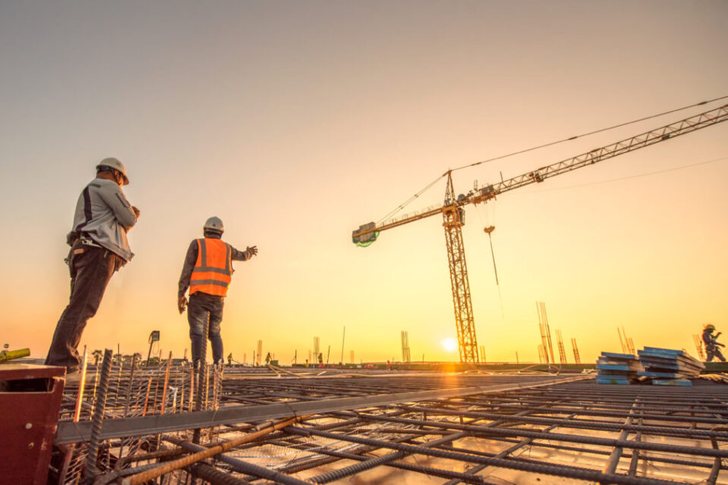
The vast majority of investments in the economy continue t...
Today in the foreign exchange market, the US dollar is...

The Supervisory Council of the Bank of Albania approve...
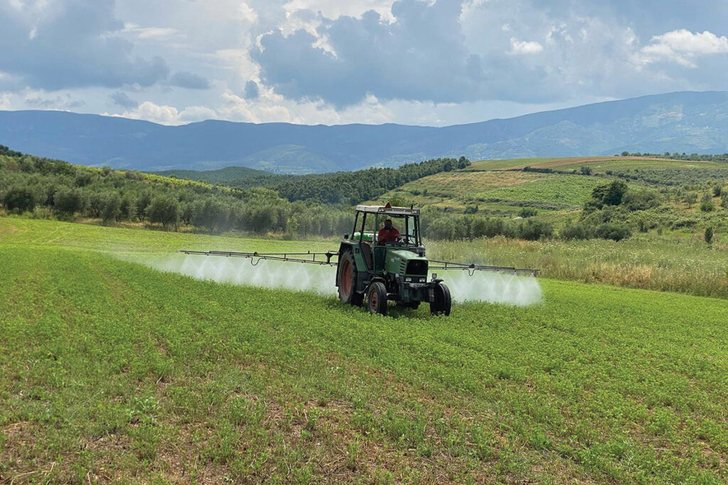
In addition to the Government of Albania providing the low...
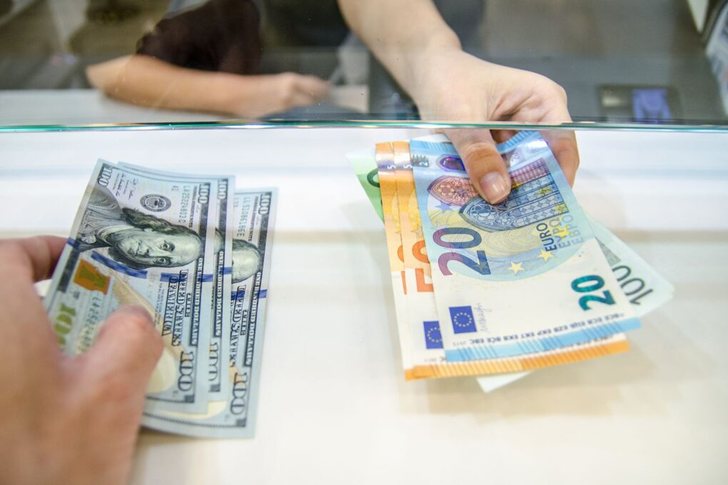
Currency trading continued to grow rapidly in the third qu...
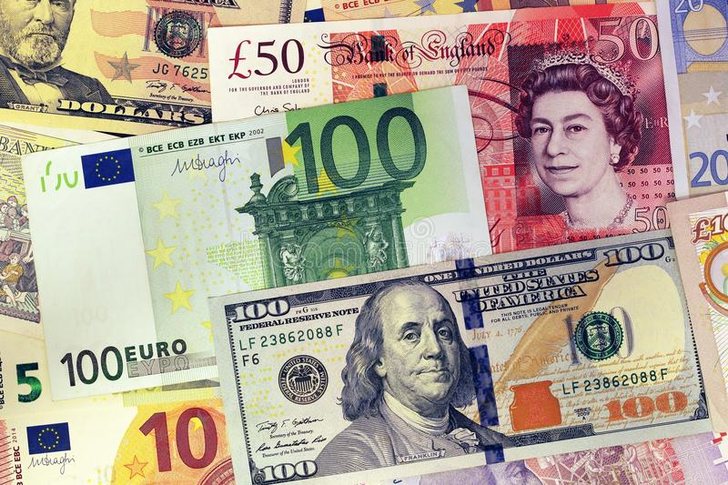
Today, on November 20, 2024, in the foreign exchange marke...
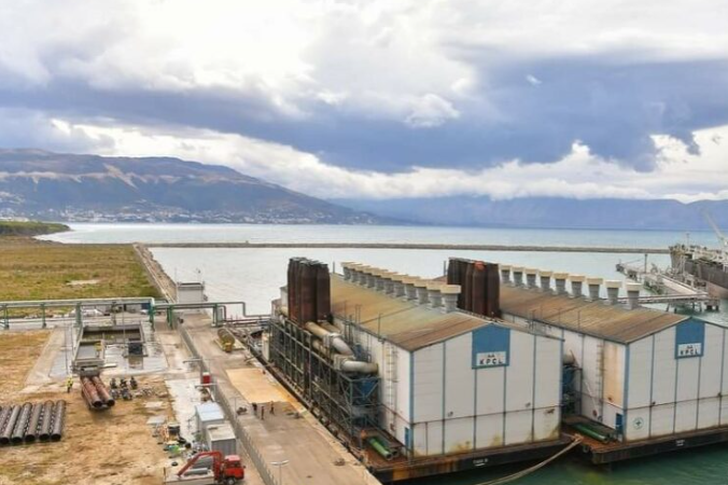
The Public Procurement Commission has asked the Albanian E...
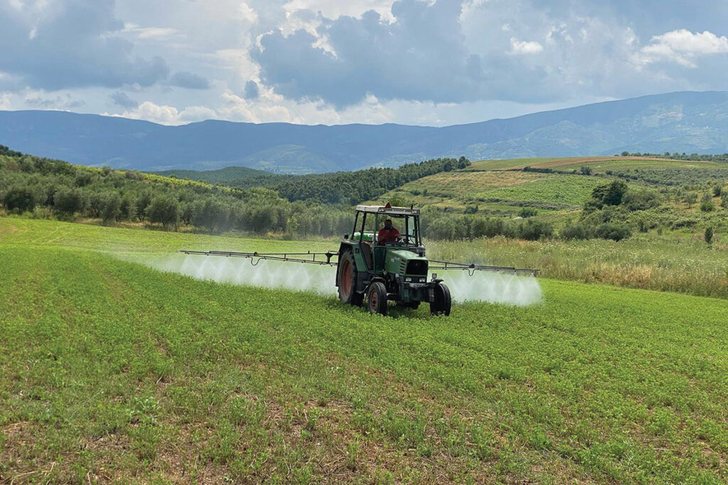
At the end of the discussion in principle of the 2025 draf...
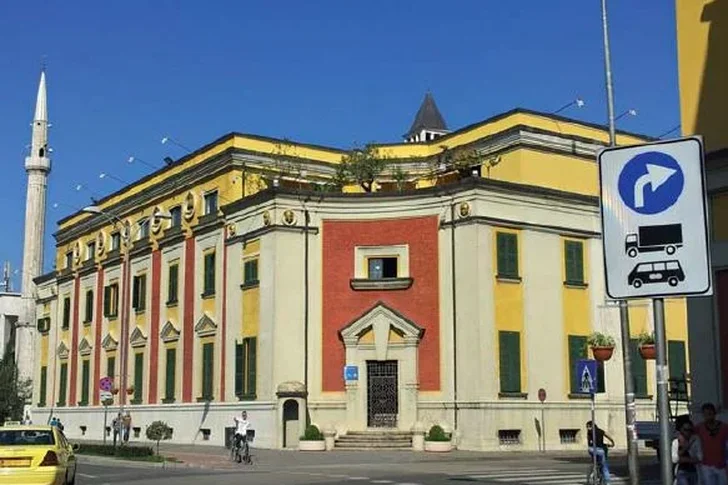
The curse of being poor is haunting the small municipaliti...

Today in the foreign exchange market, the US dollar is bou...

The growth of the unit labor cost indicator slowed again i...

Today in the foreign exchange market, the US dollar is bou...

The Deputy Minister of Economy, Culture and Innovation, Ol...

CNA has launched another investigation that could lead to ...

Irfan Hysenbelliu is a businessman that we call "Irfan the...

In March 2026, CNA launched another investigation centered...
The arrested mayor of Tirana, Erion Veliaj, with 13 charge...

The Special Board of Appeal (KPA) decided this Monday ...

The KPA vetting decided this Thursday to dismiss the p...

Suela Salavaçi, a prosecutor in the Prosecutor's Offic...

The Special Board of Appeal reinstated the prosecutor ...

Footage emerges from the serious accident that occurred th...

A Shkodra traffic police officer was hit with hard objects...
This Wednesday, around 4:00 PM, a serious accident occurre...

Tirana Police have shared details regarding the accident t...
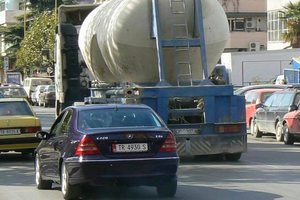
A serious accident that occurred this Wednesday with the c...

The Institute of Geosciences has shared a forecast for wea...
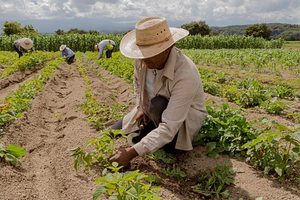
Rising energy and fertilizer prices are expected to contin...

Over 18,000 foreign citizens from 140 countries have appli...
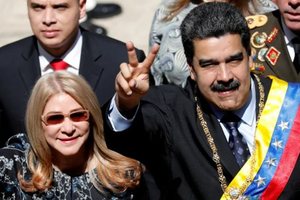
The trial of ousted Venezuelan President Nicolas Maduro on...
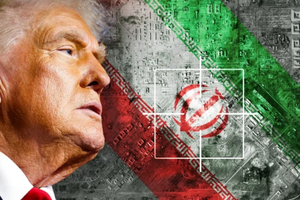
US President Donald Trump has issued another warning to Ir...
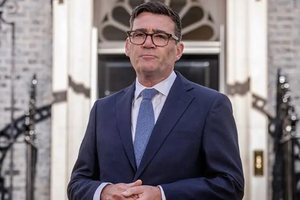
Prime Minister Andy Burnham has announced that most bus fa...

France's parliament has passed a law to ban social media f...

At a time when industrial products are increasingly taking...

Trust among people is not just a three-syllable word. It c...

Master of humor Todi Llupi has passed away at the age of 7...

The ninth edition of "MIK Festival" kicked off with one of...
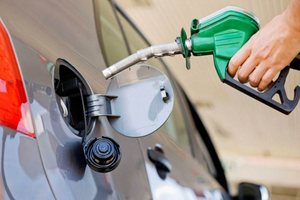
The price of diesel reached 206 lek per liter from 198 lek...

Businesses will no longer be required to simply register t...

Despite economic growth and income in recent years, Albani...

This Wednesday, one US dollar is bought for 81.4 lek and s...