


Fire on the southern ring road of Elbasan/ Explosions during the operation to extinguish the flames
A fire has engulfed a plot of land on the southern ring ro...

A fire has engulfed a plot of land on the southern ring ro...

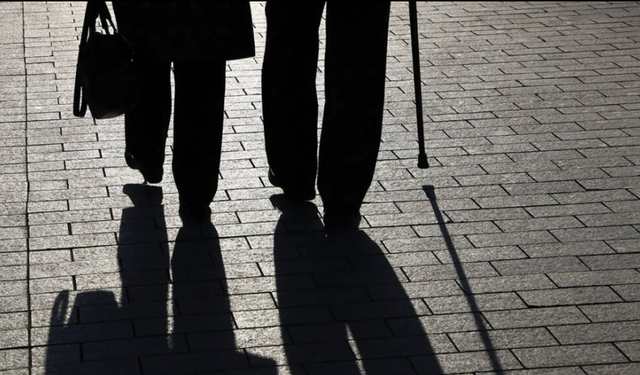
In 1993, Albania adopted the Social Security Law, which reformed the old scheme, establishing the principle of social justice: "Pay today to receive tomorrow". Since then there have been several revisions and a new reform in 2014. Already, a new reform has begun to be drafted, as Taxes have launched an action against informality in the labor market, demanding the declaration of real wages.
However, these reforms have failed to provide dignified benefits for pensioners, since the value of the pension (about 9 thousand lek per month, the minimum, and about 16 thousand, the average) is mostly below the poverty level today ($6.7 per day according to the World Bank).
About 25% of the population today is of retirement age. More than half of current retirees in the country receive partial pensions because they do not meet the criteria for the appropriate years of work, according to official data from the Social Security Institute. There are two main reasons that have led to this situation:
First, the demographic aspect, due to erroneous population projections, for the number of contributors and beneficiaries, which have always been higher than reality. Population projections have been subject to high margins of error, as a result of ongoing cycles of emigration and high informality in the labor market, which has not been reduced.
Secondly, the schemes were deformed, since they were not based on the contributory principle, to have fair benefits, which pays insurance as much as you work, not encouraging high-paid people to declare the real level. This does not incentivize current employees to pay insurance on real wages.
Income from social security and health contributions at the end of 2023 was 5.4% of the Gross Domestic Product, a slight improvement from the 4.4% that this indicator was in 2014, but which remains much lower than the regional average. of about 10% of GDP and the European one, which is over 12%, according to the IMF. Informality in the labor market is estimated in the country by international institutions between 30-50%.
Taking part of the salary in hand has been and remains (albeit decreasing) a common practice in many companies. Employees, in general, are not motivated to seek insurance because they do not see receiving benefits in return. Employers, some of them lack culture and pressure from institutions, some of them find it impossible, due to the artificial increase of the minimum wage, not accompanied by productivity.
Immigration, meanwhile, has turned into a vicious circle for the system, as it affects negatively in several directions. A recent survey by "Monitor" found the lack of an adequate health system in the country as one of the main reasons for leaving. The departure of employees, on the one hand, reduces the number of contributors in the country and on the other hand, increases the pressure on finances, due to the bilateral agreements that the government is signing with many countries where there are Albanian immigrants.
In fact, for today's pensioners' misery, a large part of the blame lies with the Government. A significant portion of unpaid insurance liabilities belong to public entities, according to data from Taxation and
State High Control. The responsible state institutions have not worked systematically and efficiently, allowing many employees to continue working entirely or partially in the black. They have proved unable to reduce informality in the labor market, causing a large part of those who retire today to benefit from partial pensions. On the other hand, the government has failed to create suitable working and living conditions, which has encouraged emigration, which continues even though Albania's economy is flourishing on paper.
And most importantly, the government has abused the trust of voters, by misusing taxpayers' money, especially in health concessions, setting the most wrong possible example for its citizens, who hoped for a dignified life at every stage and public services. of European standards. These are additional factors that affect the reduction of the value of the pension and health insurance, as long as it has to be paid out of pocket, or the solution is seen to run away.
The data of the World Bank show that Albania has the highest payment for out-of-pocket expenses in Europe, where out of 100 lek, 60% are paid by themselves, about 6 percentage points more than in 2000. In contrast, the state is financing and less and less for the health well-being of its citizens, with 39.7% of the total expenditure on health, from 46.5% in 2000.
Today, the government is not accountable for its failure and incompetence in regulating the situation. It seems that the solution will again be found by increasing the burden on those left to work, fueling a "rift" between pension contributors and beneficiaries and warning of punitive actions. Such methods of action always bring failure in the medium term./ Monitor magazine


Today, on October 28, 2024, in the foreign exchange market...
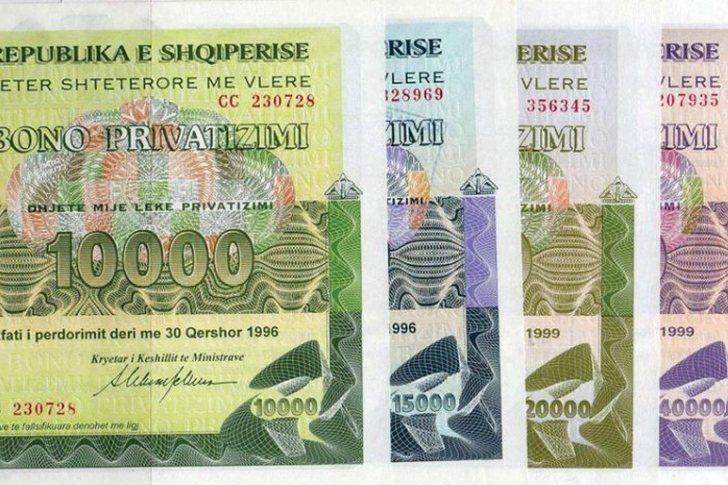
According to official data, the Albanian state has produce...

Today, on October 27, 2024, in the foreign exchange ma...
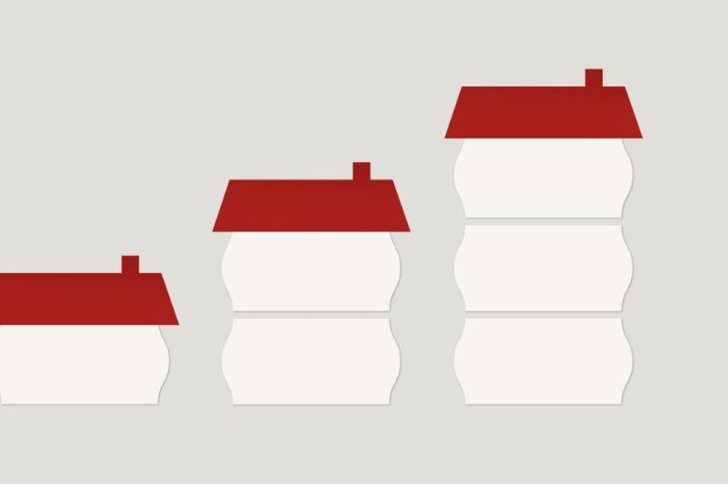
After the financial crisis of 2007-09, global house prices...

Today, on October 26, 2024, in the foreign exchange market...
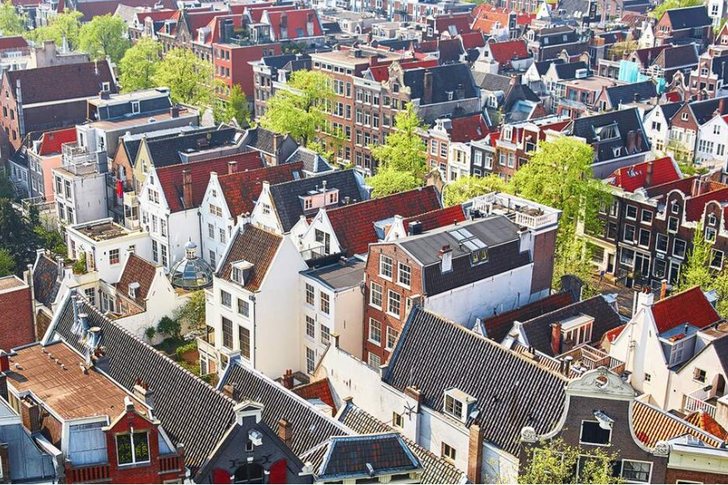
The Housing Trends 2024 report, compiled by real estate ag...
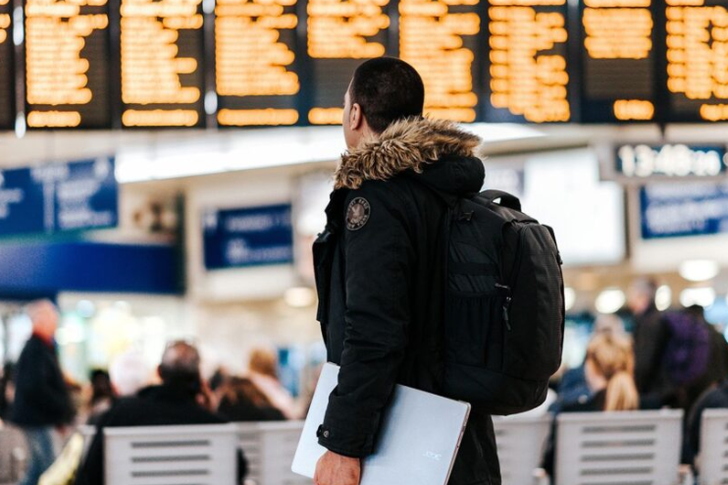
Albania is not only not benefiting from the trend of nears...

Today, on October 25, 2024, in the foreign exchange market...

The 10-year bond yield fell again at the October auction. ...

New home loan interest rates in lek fell again in August, ...
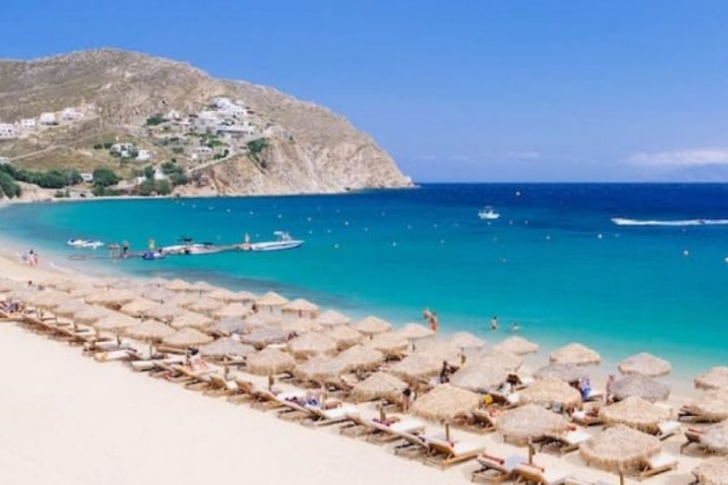
As it was warned, on the coastline, only accommodation str...
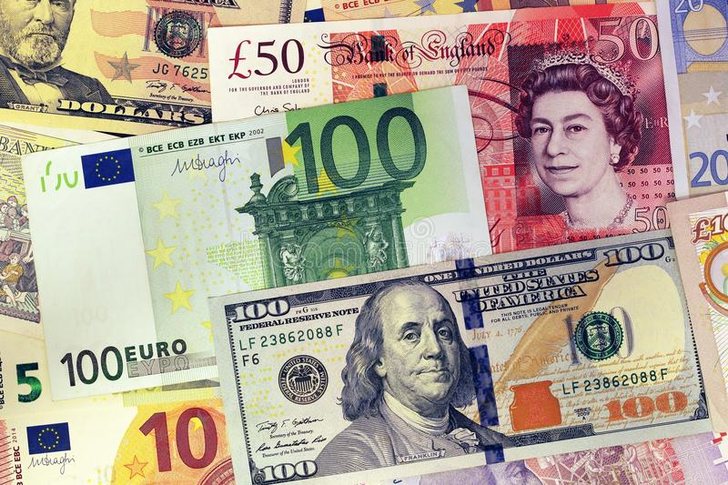
Today, on October 24, 2024, in the foreign exchange market...
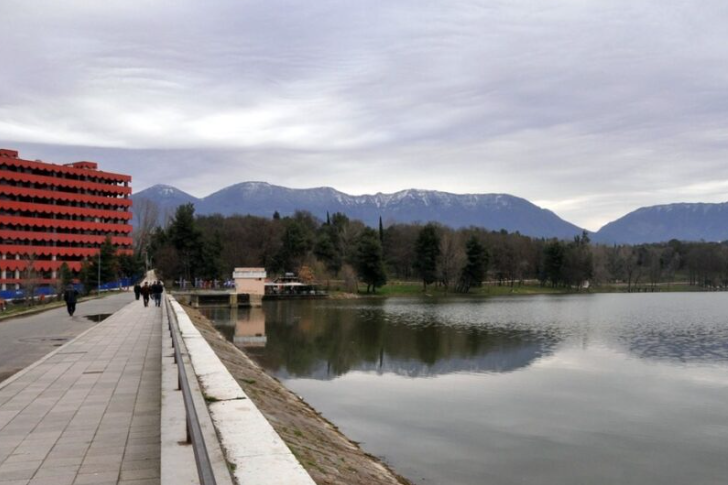
Climate changes, but also the most extreme natural phenome...
Today, on October 23, 2024, in the foreign exchange market...

The expenses of Albanians for health are increasing year a...
The Bank of Albania continued its purchase program in the ...

In the foreign exchange market, today, October 22, 2024, t...
After the dismissal of the lawsuit by the Constitutional C...
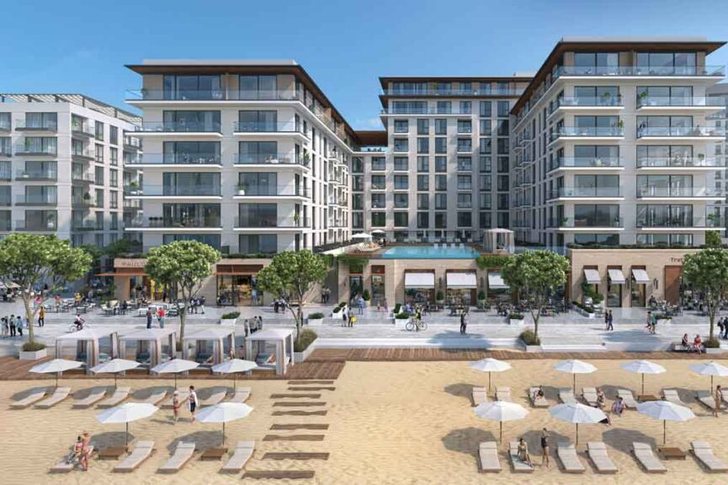
A large investment advertised as strategic of 2 billion eu...
In the foreign exchange market, today, October 20, 2024, t...

CNA has launched another investigation that could lead to ...

Irfan Hysenbelliu is a businessman that we call "Irfan the...

In March 2026, CNA launched another investigation centered...
The arrested mayor of Tirana, Erion Veliaj, with 13 charge...

The Special Board of Appeal (KPA) decided this Monday ...

The KPA vetting decided this Thursday to dismiss the p...

Suela Salavaçi, a prosecutor in the Prosecutor's Offic...

The Special Board of Appeal reinstated the prosecutor ...
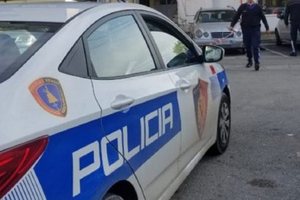
A serious incident occurred this Tuesday in the Yrshek are...
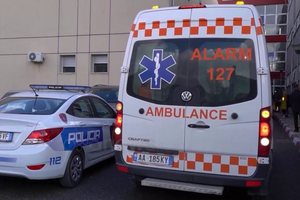
An accident occurred this Tuesday on "Dituria" street in K...
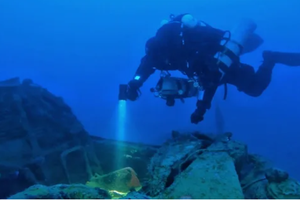
A tourist has lost her life on Orikum beach, where she was...

Two people were arrested and two others were prosecuted af...
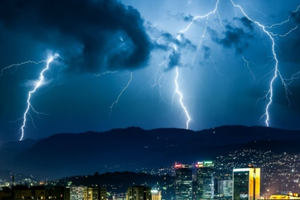
All of Southern Europe will face changing weather conditio...
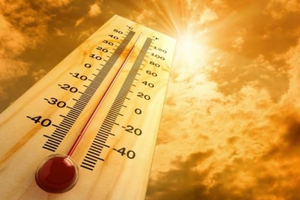
Albania was hit by temperatures significantly higher than ...

For the first time, Pogradec welcomed the Inter-Lake Chess...
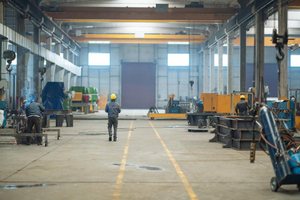
Albania has achieved a record for the employment of foreig...
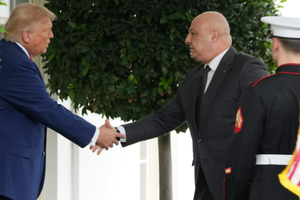
US President Donald Trump hosted the Lebanese president at...
The European Union has criticized the decision of the acti...
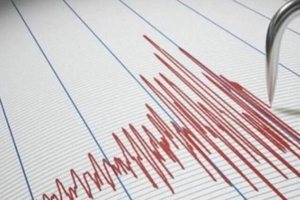
An earthquake measuring 5.0 on the Richter scale struck so...
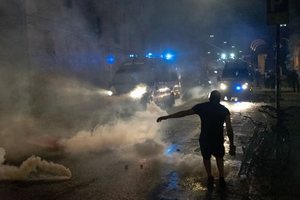
Clashes between police and protesters have erupted in the ...

At a time when industrial products are increasingly taking...

Trust among people is not just a three-syllable word. It c...

Master of humor Todi Llupi has passed away at the age of 7...

The ninth edition of "MIK Festival" kicked off with one of...
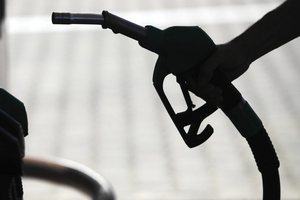
The Centralized Purchasing Operator recently opened a tend...
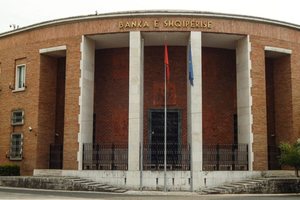
The new draft law "On the Bank of Albania" provides that t...
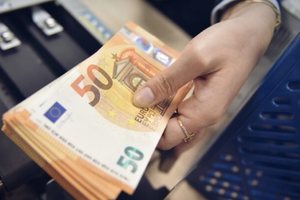
This Tuesday, one US dollar is bought for 81.2 lek and sol...
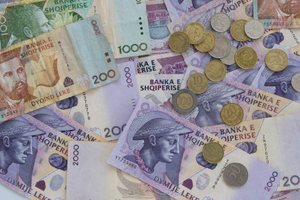
Deputy Minister of Economy and Innovation, Enkelejd Musabe...