

The government increased the country's defense budget by 108 million euros
In the 2026 budget revisions, the Ministry of Defense budg...


If coordinated policies are not undertaken by the Bank of Albania and the Government to support the productive and exporting sectors, the risk is that the country will enter a cycle where growth relies less and less on production and more and more on imports, consumption and non-productive sectors.
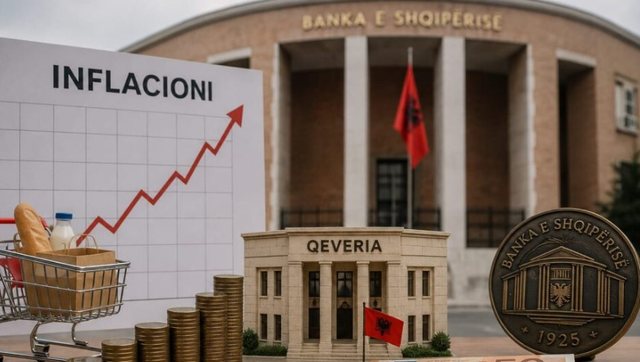
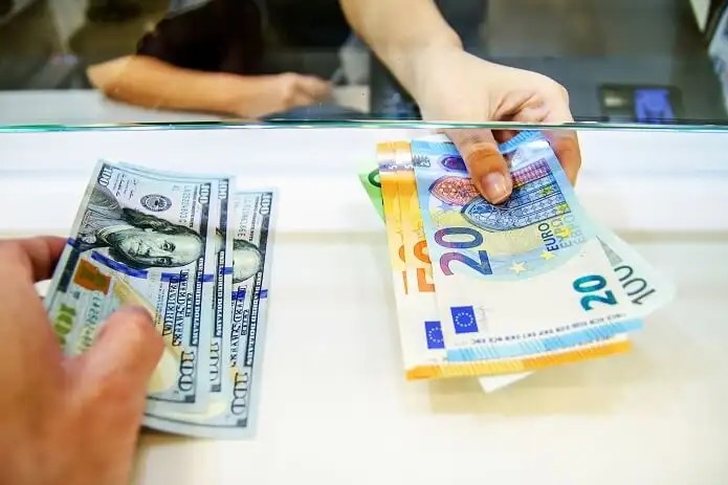
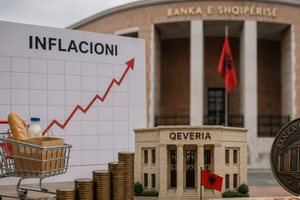
The latest INSTAT data show that inflation in Albania has increased from 2.4% to 3.2%, while the euro continues to remain at historic lows against the lek. In economic theory, a stronger domestic currency should reduce the cost of imports, ease inflationary pressures and improve the purchasing power of citizens. However, Albanian reality is proving the opposite.
Today, the Albanian economy is facing a paradox: the lek is strengthening, but the cost of living is not decreasing. On the contrary, prices continue to rise, while sectors that produce, export and create jobs are losing competitiveness.
The structure of inflation clearly shows that the main pressures no longer stem from imported goods, but from the economy's internal costs. Rising wages, chronic labor shortages, transportation costs, rising prices for services, and low market efficiency have neutralized the benefits that a strong lek should theoretically bring.
On the other hand, the appreciation of the lek has directly hit Albanian exporters. The manufacturing industry, agro-processing and domestic production are facing a contraction in lek revenues, while production costs continue to rise. Profits have shrunk, investments have been curbed and many companies are being forced to reduce activity or lose contracts in international markets.
At the same time, importers have benefited from the favorable exchange rate, expanding their market share.
Imported products have become relatively more competitive, while domestic producers are losing ground in the Albanian market as well. This creates an imbalance that, if it continues, risks weakening the productive base of the economy.
In this situation, the question arises: is the exchange rate simply the result of market forces, or does it require a more active response from economic institutions?
The role of the Bank of Albania is not limited to keeping inflation close to target. It also has the responsibility to monitor the effects that the exchange rate is producing on financial stability, the competitiveness of the economy and strategic production sectors. Even when the exchange rate is determined by the market, its impact on the real economy should be part of institutional analysis and communication.
Equally important is the role of the Government, which must build policies that support domestic production and exports. Fiscal incentives for manufacturing sectors, investments in technology and innovation, reduction of administrative costs, increased productivity, and support for exporting businesses are measures that can mitigate the effects of a strong lek. In their absence, the economy risks relying increasingly on consumption and imports, instead of creating value through production.
What is worrying is the fact that the benefits from the strengthening of the lek are not being distributed evenly. The consumer is not benefiting from a significant reduction in prices, while producers and exporters are bearing a disproportionate share of the cost of this development. This shows that the problem lies not only in the exchange rate, but also in the market structure, the level of competition and the ability of the economy to transmit monetary benefits to citizens.
At a time when European Union countries and the United States are implementing policies to restore production, strengthen national industry, and reduce dependence on imports, Albania cannot rely solely on a strong currency as an indicator of success. An economy does not become more competitive simply because its currency strengthens; it becomes stronger when it produces more, exports more, and creates more value added.
If coordinated policies are not undertaken by the Bank of Albania and the Government to support the productive and exporting sectors, the risk is that the country will enter a cycle where growth relies less and less on production and more and more on imports, consumption and non-productive sectors. Such a model may yield short-term results, but in the long term it undermines the competitiveness, employment, investments and development potential of the Albanian economy./ Monitor
Opinion from Florian Zekja, representative of Manifaktura

In the 2026 budget revisions, the Ministry of Defense budg...
Although about 6 months have passed since the start of the...
Vegetable prices marked a strong increase in June, precise...
This Thursday, one US dollar is bought for 81.5 lek and so...
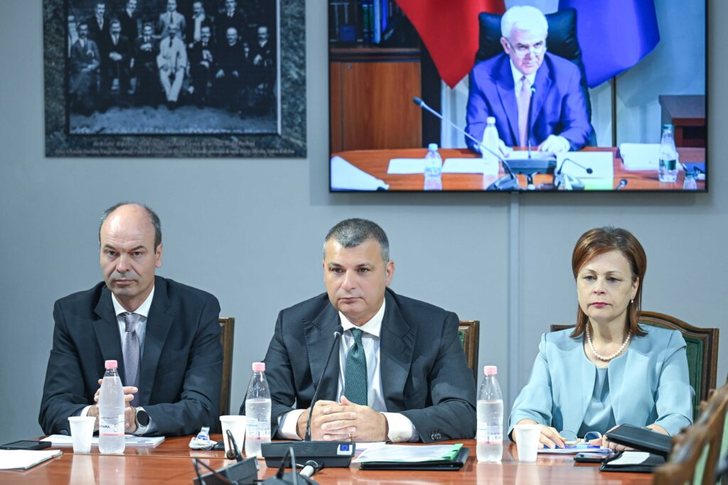
The Governor of the Bank of Albania, Gent Sejko, stated th...
The latest data published by the Institute of Statistics f...
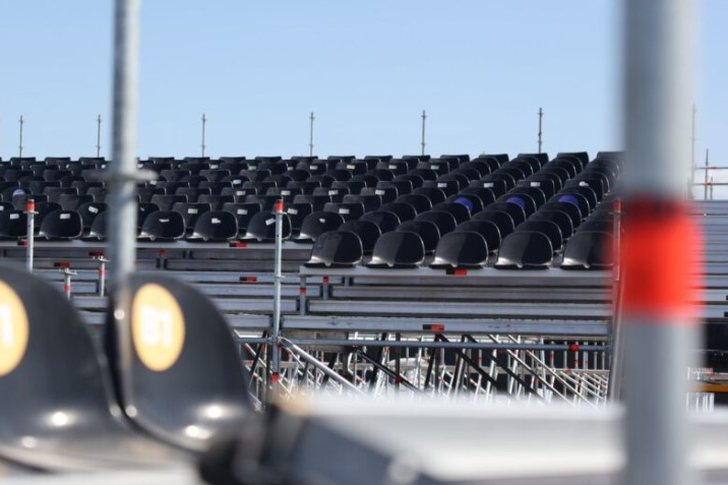
The government is providing 4 million euros for an event t...
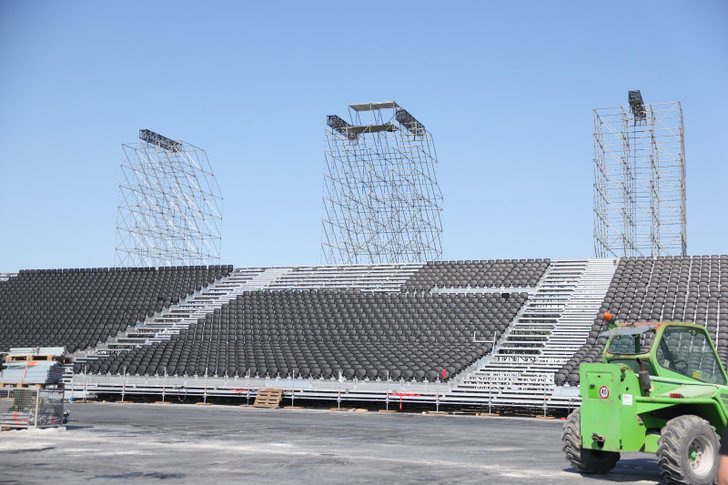
A few days before Kanye West's concert in Tirana, the publ...

The lack of local labor is increasingly pushing Albanian b...
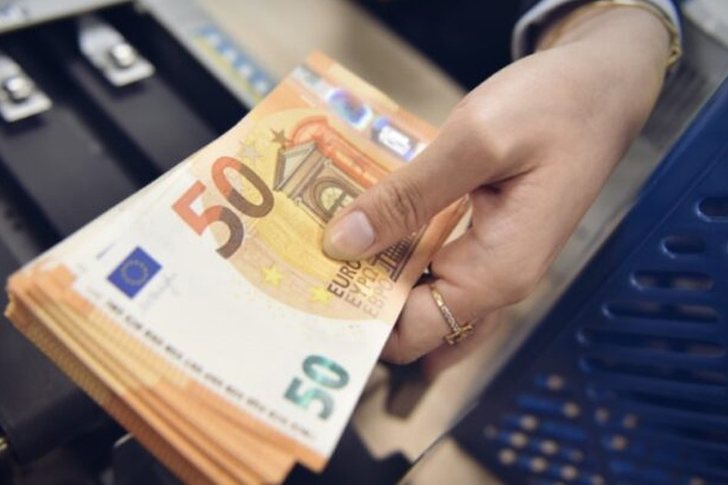
This Wednesday, one US dollar is bought for 81.2 lek and s...
The country recently closed a nearly decade-long program f...
While the total number of deaths fell in 2025, those from ...
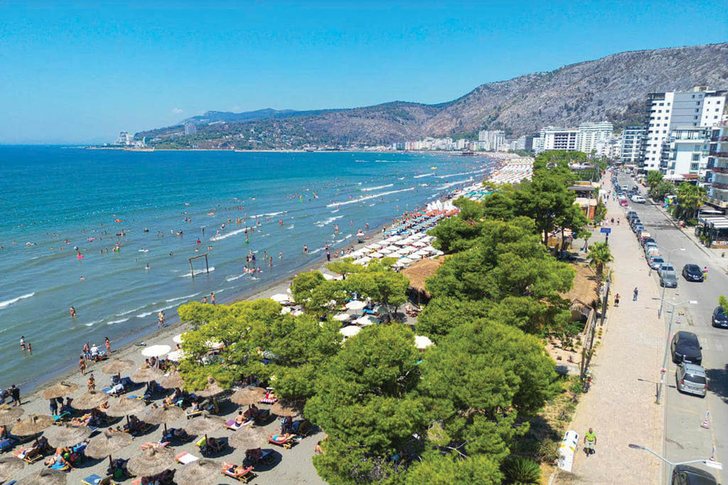
Turizmi në Shqipëri vijon të jetë i përqendruar kryesisht ...
The debate continues between the National Business Center ...

Since the launch of the real estate revaluation process in...
This Monday, one US dollar is bought for 81.2 lek and sold...
This Sunday, one US dollar is bought for 81.3 lek and sold...
When it comes to 10 key economic issues, the debate in Alban...
This Saturday, one US dollar is bought for 81.3 lek and so...
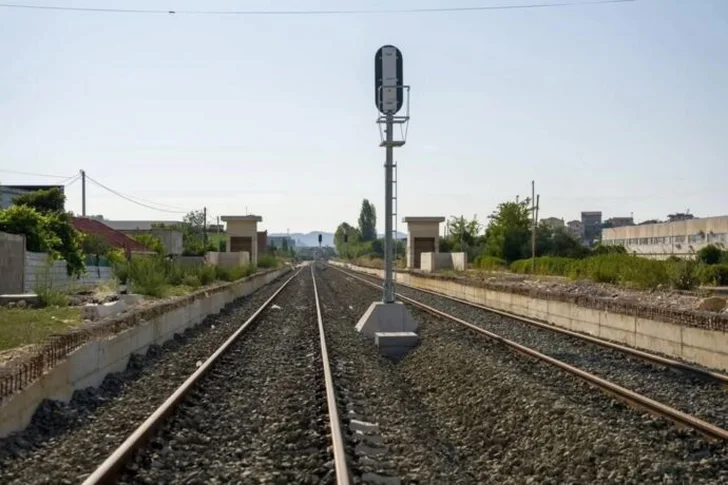
The loan agreement for the electrification of the Tirana-D...

For 6 months now, CNA has been sending several letters to ...
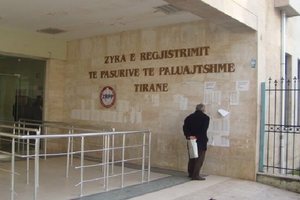
The word "fatherland" with properties is not enough. The m...

The justice reform claimed that it would bring faster, fai...
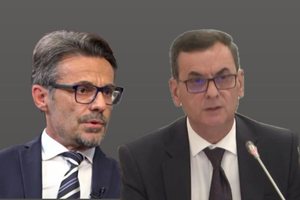
The Justice Reform and the vetting process were trumpeted ...

The Special Board of Appeal (KPA) decided this Monday ...

The KPA vetting decided this Thursday to dismiss the p...

Suela Salavaçi, a prosecutor in the Prosecutor's Offic...

The Special Board of Appeal reinstated the prosecutor ...

A serious incident occurred today in the "Mark Lula" neigh...
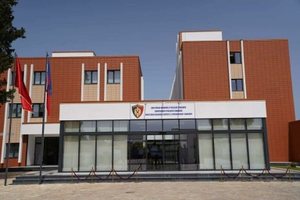
A serious incident has occurred in Shkodra. A man is repor...

The appeal of the Special Court against Corruption and Org...
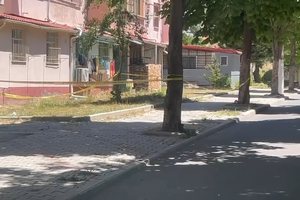
A stabbing occurred today in the city of Korça, near the "...

Emigration, an aging population, and low participation in ...

Today, our country will be affected by relatively stable w...
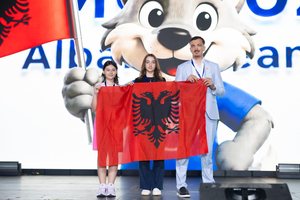
Albania has been awarded two medals of honor at the awards...
Today our country will be affected by relatively unstable ...
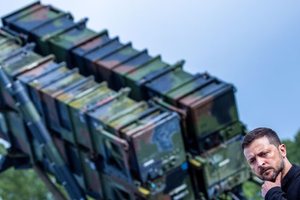
On the day Russia bombed Kiev for the third time in a week...
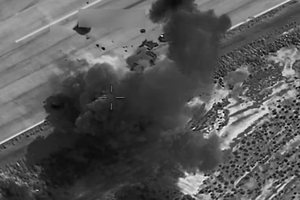
Ushtria amerikane njoftoi të mërkurën se ka kryer sulme të...
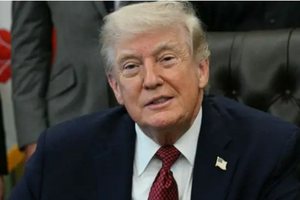
US President Donald Trump closed the NATO summit with a mo...

The trend of German companies moving abroad is weakening. ...

The German Embassy in Tirana has invited the Albanian publ...

Professor and literature scholar Ali Xhiku has passed away...
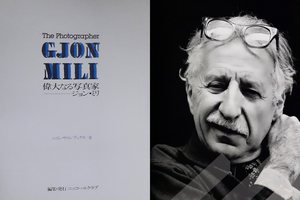
During my research into the life and artistic photographic...

This year's edition of the Gjon Mili International Video A...
If coordinated policies are not undertaken by the Bank of ...
In the 2026 budget revisions, the Ministry of Defense budg...
Although about 6 months have passed since the start of the...
Vegetable prices marked a strong increase in June, precise...