


Euro and pound at historic low / Exchange rate, 4 September 2024
Today, September 4, 2024, in the foreign exchange mark...


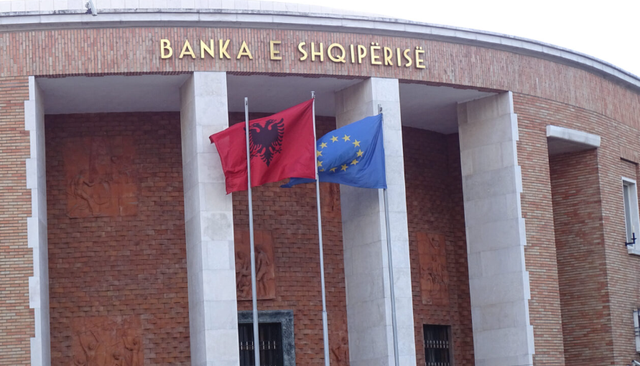
The Bank of Albania has prepared for the first time a guide for commercial banks, on Banks should integrate climate risks in the general framework of risk management, to avoid unexpected losses. Risks related to the climate and the environment can have a direct impact on the business activity of banks. Banks must identify risks arising from climate change and environmental degradation at the level of key sectors or geographic areas as well as at the level of products and services it offers or plans to offer, taking into consideration that some of these risks may materialize over a period of time medium or long term.
Climate and environmental risks can affect, for example, economic growth, employment or property prices at a national, regional or local level. Weather events can cause droughts or floods that affect a region's agricultural production, housing demand or collateral value, nationally, regionally or locally. In parallel, competition is affected by the development of a green financing market and consumer preferences shift from high-carbon or otherwise polluting goods and services to low-carbon or otherwise "green" products and services.
In identifying risks, a bank can categorize its customers or portfolios according to climate risk exposures. For example, geographic clustering can help identify exposures that are exposed to high physical hazards, such as high risk of flooding or drought. Banks must also consider the impact that their development strategy and business model may have on the environment, for example, through measuring and limiting greenhouse gas emissions or the resource efficiency of its core portfolios, or arising from their activities.
On this basis, banks should take steps to mitigate transition risks, for example gradual reduction or even with Banks should assess whether to develop sustainable products that are considered to be more resistant to climate and environmental risks. These include products commonly labeled as "green".
Banks can use such products as a tool to achieve its climate and environmental risk objectives and adjust its business model and portfolio composition. For example, the bank may set strategic targets or limits regarding its exposures to certain economic activities or sectors.
Further, the bank should bear in mind that setting strategic objectives is likely to change its overall risk profile, resulting in the need to review its risk appetite./ Monitor Magazine

Today, September 4, 2024, in the foreign exchange mark...
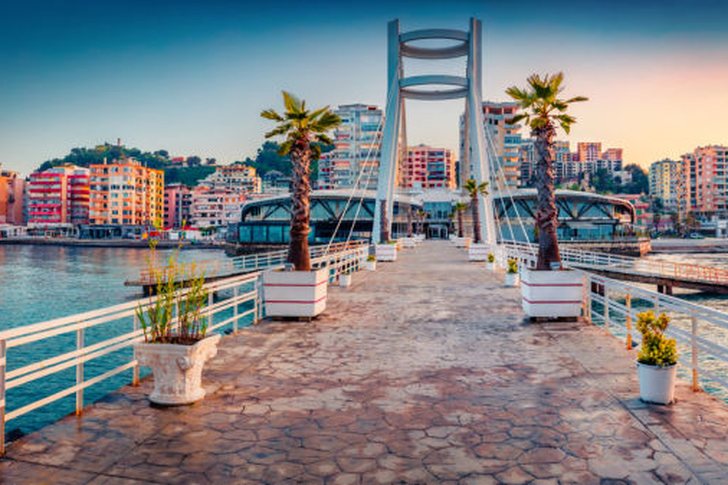
Analyzing the prices of tourist packages according to ...
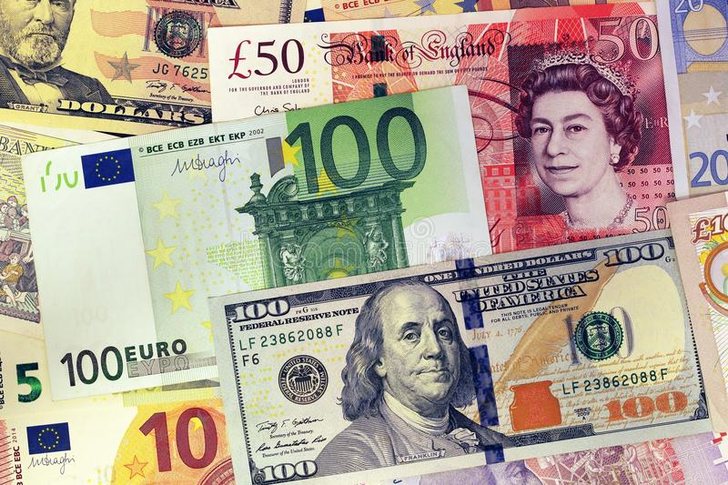
Today, September 3, 2024, in the foreign exchange mark...

With the latest budget changes, the government increas...

The Electronic and Postal Communications Authority (AKEP) ...

Today, September 2, 2024, in the foreign exchange mark...

Today, on September 1, 2024, in the foreign exchange m...

By 2022, the available data suggested that real estate...
Today, on August 31, 2024, in the foreign exchange mar...
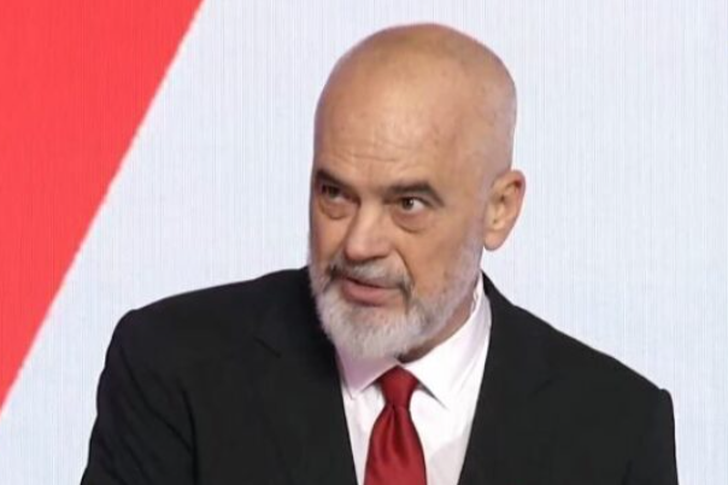
Today, Prime Minister Edi Rama will travel to Prague t...
Today, on August 30, 2024, in the foreign exchange mar...
Today, on August 29, 2024, in the foreign exchange mar...
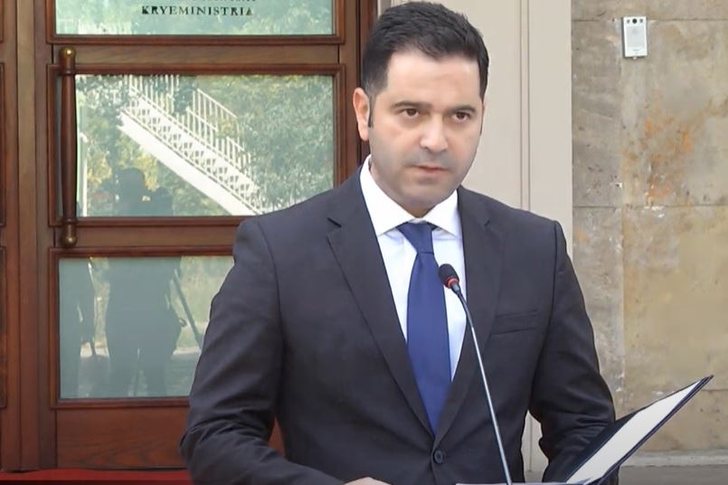
In a statement after the government meeting, Finance Minis...
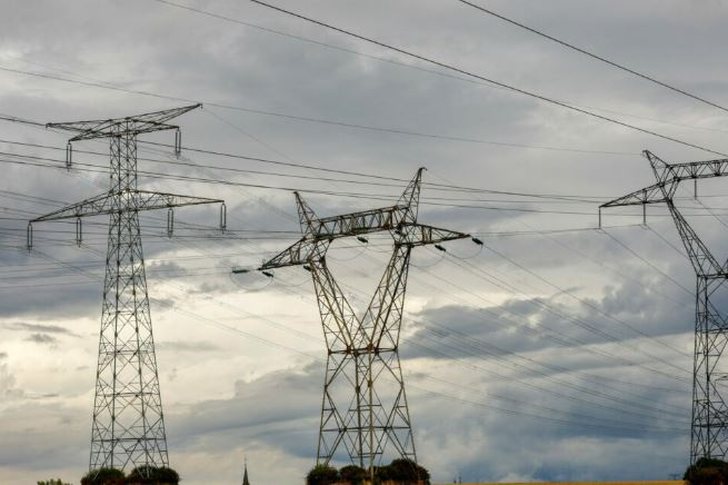
The water situation in 2024 has not turned out to be a...
Today, on August 28, 2024, in the foreign exchange mar...

Public debt risk indicators this year appear to be decreas...
Today, on August 27, 2024, in the foreign exchange mar...
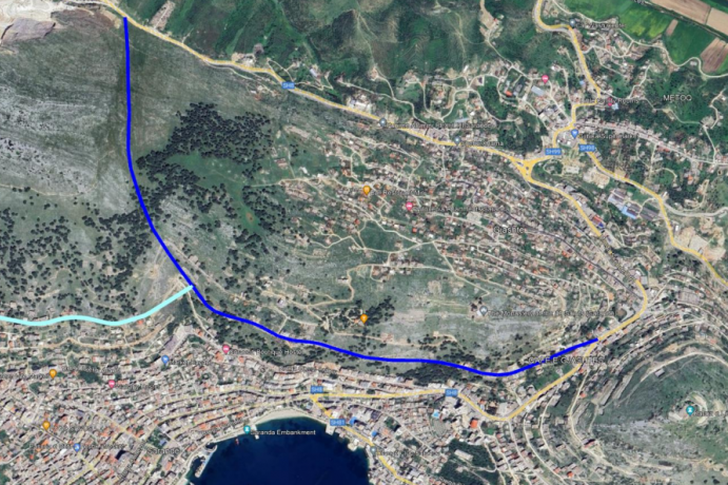
The Albanian Road Authority opened the public procurement ...
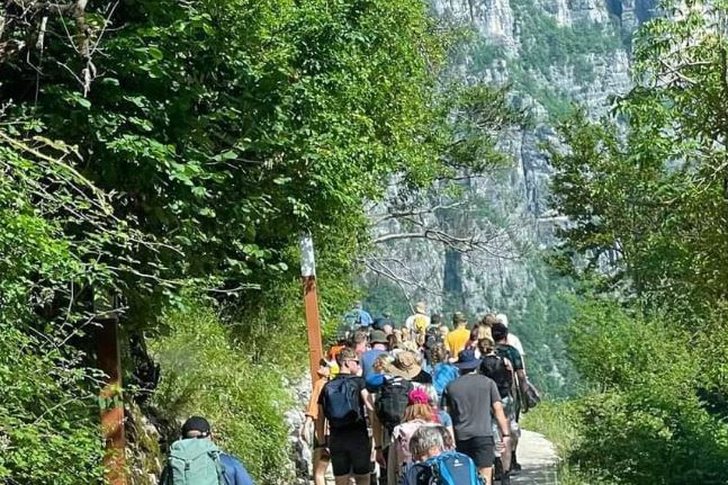
After months of double-digit growth, tourism in July grew ...

The 15-year bond yield fell further at this week's auction...

CNA has launched another investigation that could lead to ...

Irfan Hysenbelliu is a businessman that we call "Irfan the...
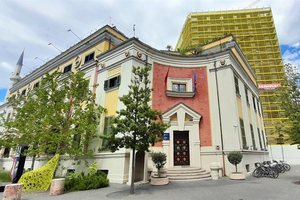
In March 2026, CNA launched another investigation centered...
The arrested mayor of Tirana, Erion Veliaj, with 13 charge...

The Special Board of Appeal (KPA) decided this Monday ...

The KPA vetting decided this Thursday to dismiss the p...

Suela Salavaçi, a prosecutor in the Prosecutor's Offic...

The Special Board of Appeal reinstated the prosecutor ...

A road accident occurred this evening on Nikolla Zoraqi St...

Three people were shot and wounded in Elbasan last night b...

A serious incident occurred this Tuesday in the Yrshek are...

An accident occurred this Tuesday on "Dituria" street in K...
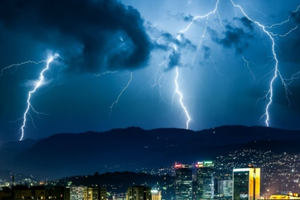
All of Southern Europe will face changing weather conditio...
Albania was hit by temperatures significantly higher than ...

For the first time, Pogradec welcomed the Inter-Lake Chess...

Albania has achieved a record for the employment of foreig...

US Secretary of State Marco Rubio arrived in Manila on Jul...

In the space of a few days, Ukrainian President Volodymyr ...

The spokesman for the Iranian Foreign Ministry warned Bulg...
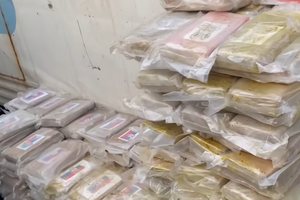
Autoritetet italiane sekuestruan pako me afër 800 kilogram...

At a time when industrial products are increasingly taking...

Trust among people is not just a three-syllable word. It c...

Master of humor Todi Llupi has passed away at the age of 7...

The ninth edition of "MIK Festival" kicked off with one of...

Construction company licenses will have a validity period ...
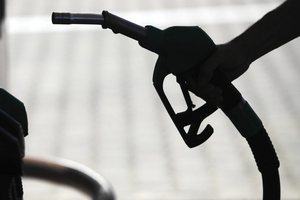
The Centralized Purchasing Operator recently opened a tend...
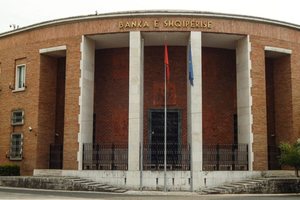
The new draft law "On the Bank of Albania" provides that t...
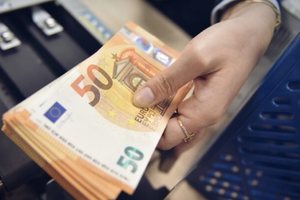
This Tuesday, one US dollar is bought for 81.2 lek and sol...