

EDITORIAL/ "Mr. Prosecutor, you are a criminal and a finer"
Anyone who drops this title calls it insulting. Blackmail,...


The presidential and parliamentary elections of May 14, 2023 in Turkey can be considered the most important in the country's history. They coincide with the 100th anniversary of the creation of the modern Republic of Turkey and on the eve of entering the second century of its existence.
The elections are also decisive for the formulation of geopolitical relations, powers and balance of a country with the greatest political impact in a geographical space between Germany and India. Especially in the context of the war taking place in Europe, as a result of the invasion of Ukraine by Russia.
Therefore, the decision that the Turks will take will not only reflect who will lead the country, but also the path that Turkey will follow as a member of NATO and the G-20, in the Balkans, the Mediterranean and the Middle East.
Earthquake and Power
In February, Turkey was hit by one of the worst earthquakes in its history. The number of dead reached over 50,000. Since the 1999 earthquake, which killed more than 17,000 people, Turkey has experienced a huge construction boom. It has become a major player in terms of humanitarian aid and an increasingly important regional military power.
At the time, widespread criticism of mismanagement and lack of state capacity during and after the earthquake, as well as the economic crisis that followed it in 2001, contributed to tectonic changes in the political landscape. The most important of them was the rise to power of the Justice and Development Party (AKP), which has been ruling the country since 2002.
But the lessons learned from the 1999 earthquake seem to have been forgotten. The February earthquake proved precisely the low degree of applicability of the law and policies implemented during the last two decades. The earthquake brought back into the public debate the criticism of the connection between the "rentier system of construction" and the financing of political life; lack of law enforcement; the weakness of state capacities; and the inadequate response of the army as a result of its overload from international campaigns.
In addition to human disasters, the inevitable legacy of earthquakes is their economic damage. The affected areas in the south and east of Turkey are about 15% of the country's population, which contributes to approximately 9% of GDP. Turkey is facing the consequences of the earthquake at a time when the economy is experiencing the highest inflation rates in the world, as a result of the application of an economic policy based on stimulating growth and curbing unemployment, at the expense of macroeconomic stability and inflation control .
The manner of administration of the consequences of the earthquake is expected to have an impact on the May 14 presidential and parliamentary elections. Initially in the region that was hit by the earthquake, where there is an urgent need for the provision of basic services. This will be an urgent challenge for any government that emerges from the elections. In a broader plan, the platform for preparing Turkey's main metropolises for possible earthquakes is important. Which is expected to have an impact on the voters since the areas where the majority of the electorate lives, such as Istanbul, Izmir, and to some extent Ankara, are seismic areas.
If the polls prove correct, the election could mark the end of President Erdo?an's more than 20-year rule. But, as we have seen in similar contests in polarized societies, the US, Israel or Brazil, the results could defy the polls, giving Erdo?an another term. Polls also show that the differences between the two main candidates Erdo?an and Kilicdaro?lu are not such as to enable the election of the president in the first round. We will probably learn the final result in the second round, two weeks later. Likewise, no option is excluded, including political coexistence between a president and parliament from different sides of the political spectrum.
The uniqueness of the position of the President
The struggle for the post of the president is the result of Turkish political history. Many of Erdo?an's 11 predecessors came and went without fanfare. Some of whom, like himself, were supported by major political parties. They tended to stay in power longer, until the military replaced them or they died unexpectedly.
Erdo?an is the first Turkish president elected by the people and not by the parliament. He led the country's transformation from a parliamentary to a presidential system. In the 2017 referendum, constitutional amendments were approved, which eliminated the function of the prime minister and transformed Turkey into a presidential system. Turkish presidents installed in that post after coups or with the support of the army adapted the institutions to their will, but lacked political parties to connect them with public opinion.
While presidents who led political parties enjoyed the support of citizens, they never had the influence that Erdo?an has on state institutions. In this regard, Erdo?an is unique because of his control over state institutions, dominance of the political scene, and a significant number of followers who do not want to see him relinquish power.
Erdogan's main challenger, the head of the Republican People's Party, Kilicdaro?lu, has been the main opposition leader in the country for 13 years. It represents a broad opposition bloc that brings together parties and groups across ideological differences. Kiliçdaro?lu is an experienced politician, former civil servant, representative of the middle class, who is criticized for his soft language of communication. Liberal in his worldview for a Turkey closer to Western values, in contrast to Erdo?an's socially conservative views, Kiliçdaro?lu's video message about religious affiliation broke the record for views on the Twitter platform.
Kiliçdaro?lu has focused on corruption and social welfare issues, stressing that he will cut off the flow of money going to a group of big businessmen supportive of President Erdo?an. He has pledged to exercise power in a collegial manner, including some of the leaders of the political opposition as vice-presidents. It is difficult to predict the durability of an anti-Erdo?an coalition. However, the case of Israel showed that the anti-Netanyahu coalition was short-term, which enabled the latter to return to power.
Erdo?an's success and political career is linked to the development and well-being of the Turkish people. May 14 is an exception. As it will be the first electoral confrontation under the conditions of a difficult economic situation that Turkey is going through. 12 million voters aged 18-30 have not experienced an economic crisis before. Therefore, their vote seems to be decisive for the direction of power in Turkey.
Conflicting visions in foreign policy
Turkey is between two conflicting visions: continuity and change. If President Erdo?an wins another five-year term, we will have a continuation of the more balanced approach between the West and other countries in the East of Turkey, where Turkey has tried to create almost a space of strategic autonomy.
President Erdo?an is the only G-20 leader who maintains good relations with both the President of Ukraine and the President of Russia, which helped him broker a historic Black Sea wheat deal, along with the Secretary of General of the UN. He has maintained constant contact with the Europeans and the Americans, providing significant military support to Ukraine. The impact on the future of Syria, where the Americans continue to have troops stationed, also makes it essential to be engaged by major players in the Middle East. Also, President Erdo?an has significantly improved relations with the Saudi Crown Prince and the United Arab Emirates.
If K?l?çdaro?lu wins, based on the political program of the opposition, it is expected to reaffirm Turkey's western affiliation, rebuild Turkey's ties with the West, and support democratic reforms in the country, to expand the scope of fundamental freedoms and improve the standards of the state. law, which can have a positive impact in relation to this foreign policy objective.
In a country with an imperial tradition and strong feelings of sovereignty, any intervention by the West in the election campaign creates the opposite effect. However, the West must prepare to respond to the geopolitical moment that may result after the end of the electoral process, and not make the mistake of the past with Turkey, but treat it as a valuable ally. The most important change that can happen is related to security and protection. Ankara will move towards the normalization of relations with NATO and the EU, but the differences in attitudes regarding Cyprus and Syria will continue.
The policy towards Russia will be more cautious considering the economic interests. Ankara may consider ending the presence on Turkish soil of Russian S-400 missiles. It will not join the Western sanctions policy against Russia because of the need to have a diplomatic engagement with Russia regarding Syria. Normalizing relations between Turkey and Syria would bring increasing difficulties for the anti-ISIL alliance, as the presence of US and allied forces in and around Syria would be contested.
At the same time, Ankara would come under immediate pressure from Damascus and Moscow to withdraw its forces from the four areas where they are currently deployed. Furthermore, a policy aimed at repatriating Syrian refugees would raise the issue of the lack of an internationally agreed legal framework for such a massive population transfer. This, in turn, would have an impact on the EU-Turkey refugee pact.
Sweden's NATO membership is expected to be reconsidered after the elections. The new government would like to resolve this before the Vilnius Summit, knowing that this summit will be the first major international event for the new Turkish government. Also, Ankara could establish a significant military involvement in the alliance's operations on its eastern flank, from Estonia to Romania.
Overall, the differences in foreign and security policy between the West and Turkey will not disappear even if Kilicdaro?lu wins. But the EU's reactivation of the visa liberalization process and Turkey's accession process would mark an improvement and gradual return of the latter to an architecture of the rule of law, closer to Western standards.
Albanian-Turkish relations in the background of the elections in Turkey
Due to the dimension of Albanian-Turkish relations, it is normal to raise the issue of the impact of this relationship by a possible political change in Turkey. The debate is mistakenly oriented to proper names and the connection with the politics of the day, and not to the dimension of the relationship between our states and peoples.
Albania and Turkey are friendly countries with an interconnected history and interwoven human relations. Turkey is a strategic regional partner for Albania, not only because of the history between our two peoples, but also for projecting the power that Turkey has, as a member of NATO, G-20, in the Balkans and the Mediterranean. This is the reason that in 2013, Turkey was included in the list of strategic partners in the region.
Turkish investments account for a significant share of foreign investments in Albania. Turkey is one of the main trade partners, although the trade deficit is deep, as far as our exports to Turkey are concerned. Turkish assistance for the modernization of the armed forces and the increase of security capacities over three decades has also proved valuable.
In particular, Turkey's commitment stands out in difficult days for Albania, such as the tragic events of 1997; assistance for coping with the humanitarian crisis as a result of the war in Kosovo, during the years 1998-1999; assistance in coping with the emergency and the devastating consequences of the 2019 earthquake; health aid during the COVID-19 pandemic, as well as the valuable contribution to the reconstruction process, giving an added value to the friendship between our two peoples.
Although in a smaller dimension and weight, Albania's aid to Turkey also stands out in difficult days for the Turkish people, such as the situation with the devastating earthquake of February this year.
From the above, it can be said that the formalization of the Albania-Turkey strategic partnership is a delayed act. It is enough to recall here the fact that Turkey has created a deep cooperation network with 27 different countries of the world, in accordance with its profile as a transcontinental country.
Strategic partnership does not mean alignment of visions or elimination of differences, but implies the need to be involved in more structured dialogue processes where the interests of the parties are examined and implemented. For example, there has been a High Level Council between Turkey and Greece since 2010, while the differences between these states are well known.
Despite the strategic relationship, Albania and Turkey are not aligned on all issues in foreign and security policy. In quite a few cases in the international arena, Albania and Turkey have shared different positions. It is a well-known fact that Albania's decision-making is always aligned with that of the EU and guided by international commitments. The same can be said about the cultural differences between us that are reflected in the state-religion-nation-political ideology relations. Therefore, on the one hand, we must show gratitude for the support that Turkey has given us, but on the other hand, we must be careful not to allow the transfer of the influence of internal politics to interstate relations.
Critics of Turkey's engagement in the region mistakenly place it in the same basket as the engagement of foreign powers, which pursue a divisive agenda in our region. Geographically, a part of Turkey's territory, with tremendous political influence, is part of the Balkans. So, Turkey is not an external actor. It should not be forgotten that Turkey and the Balkans share the experience of modernization, Europeanization, nation and state building, which has been accompanied by uncertainty and trauma. The Balkans have been central to the Ottoman Empire's interaction with the West and modernization efforts. After the creation of nation-states in the Balkans that accompanied the fall of the Ottoman Empire, Turkey continued its bilateral and multilateral engagement in the region, despite the waves of geopolitics.
As a member of NATO, a candidate for membership in the EU and above all a party to the Customs Union with the EU, Turkey sees with interest the membership of the countries of the Western Balkans in the EU, also as an opportunity for market expansion. Romania, Bulgaria and Greece, three member countries of the EU and part of the Balkans, have Turkey as one of the main importers.
Complicated relations with the West, the freezing of the EU membership process and the dramatic developments around Turkey have naturally reawakened the latter's imperial impulses. Coincidence or not, the freezing of the Europeanization process of Turkey now coincides with the freezing of the Europeanization process of the countries of the Western Balkans. Regardless of the effect of the above trends on Turkey and the countries of the Western Balkans, institutional interaction, political relations and economic exchanges with the EU remain strong. This creates space for greater interaction between the EU and Turkey in our region as well, considering its complementary role to that of the EU.
Seen in this context, we should see our bilateral relations freed from the emotions of the day's politics and electoral processes, as this relationship is further strengthened if it rests on mutual interest and demands, consolidating our European belonging and secularism, as DNA of our nation.
*The analysis is a publication of the "Friedrich Ebert" Foundation Friedrich-Ebert-Stiftung Tirana.

Anyone who drops this title calls it insulting. Blackmail,...
The two prosecutors of SPAK, who have in their hands t...

The duration of court proceedings after 2016 has doubl...
The head of SPAK, Altin Dumani, came as a strong, true...
Many Albanians, even the majority, know Dritëro Agolli...
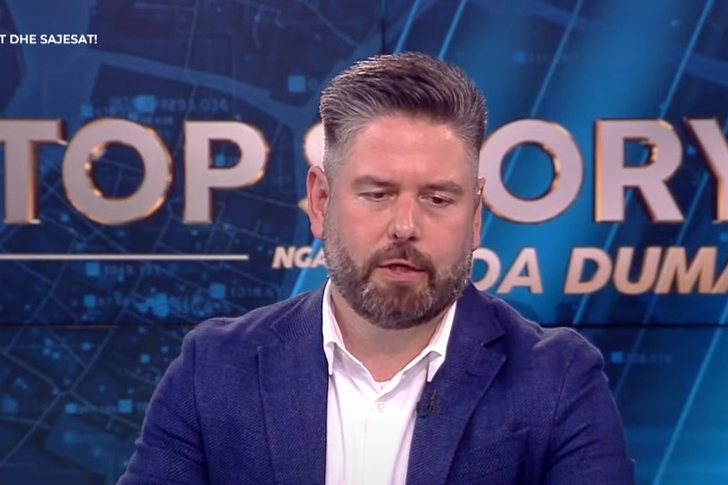
The administrator of the Tirana incinerator company, H...
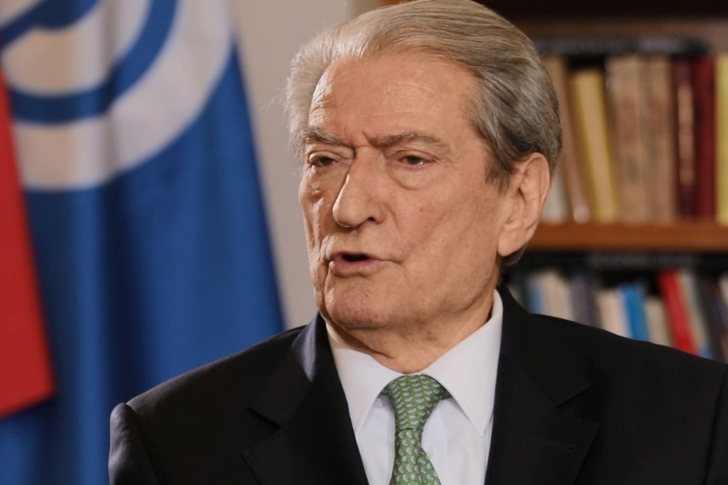
Yesterday, in a television appearance, Sali Berisha in...
Former Prime Minister Sali Berisha today made strong a...
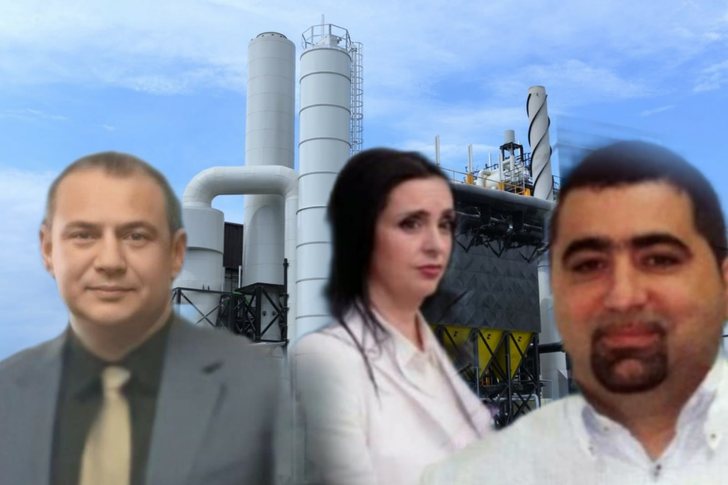
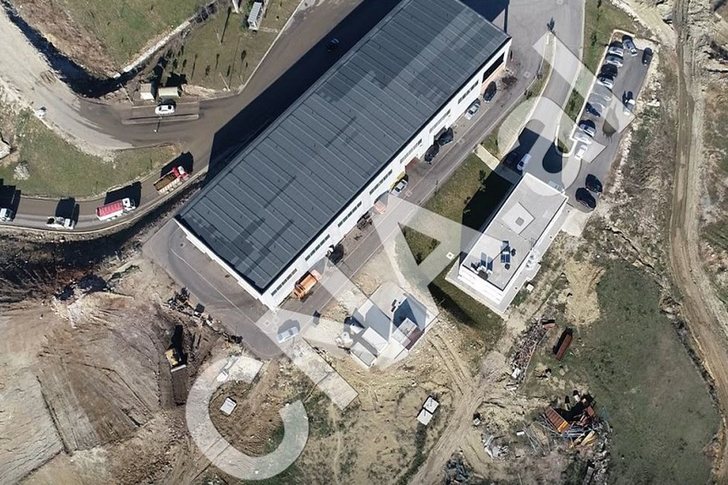
The incinerators, which are also called the affair of the ...
The US ambassador, Yuri Kim, has constantly been part ...
Once again Berisha's Democratic Party has entered into...
SPAK prosecutors have started investigations for three...
Carlo Bollino, botuesi i “Shqiptarja.com”, doli ...
Mirel Mërtiri, apo “truri i inceneratorëve”, siç e ka ...
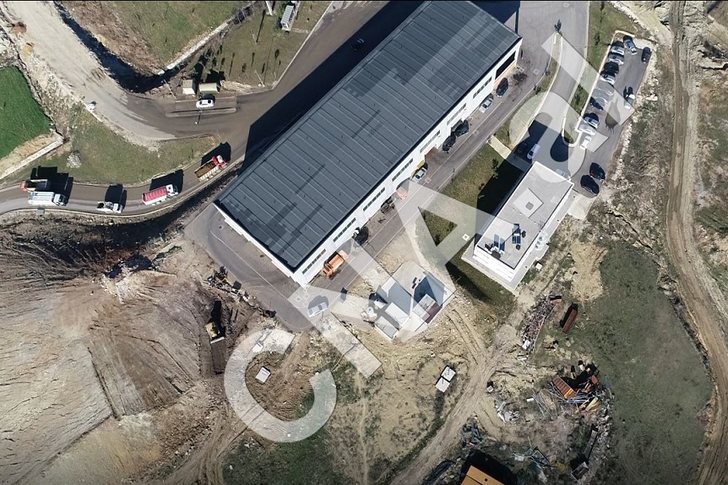
On January 30, 2017, at 4:00 p.m., 5 people entered the pr...
There are tens of millions of Albanian euros, which ha...
All these months, Enkeljd Alibej has done nothing but filled...

Since March 14, Enkelejd Alibeaj has received not only the...
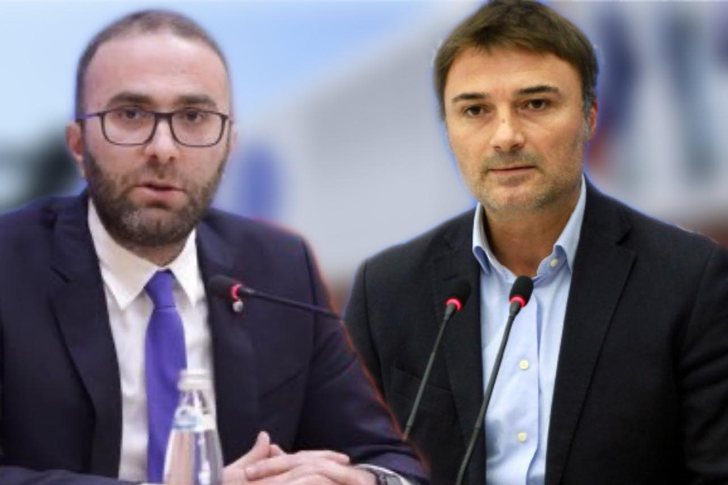
Ka një zgjidhje për heronjtë e Vulës që tani po përdri...
Sot mediat u rikthyen sërish te një lajm i vjetër, hetimi ...
Irfan Hysenbelliu claims to be a big businessman, an hones...

The murder of officer Enea Mekolli in the line of duty has...
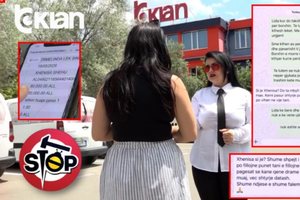
The next case broadcast on the show "Stop", this Thursday,...
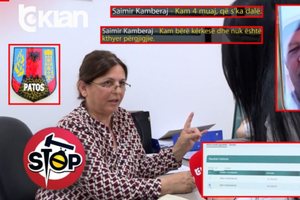
The case published this Thursday, June 4, on the show "Sto...

The Special Board of Appeal (KPA) decided this Monday ...

The KPA vetting decided this Thursday to dismiss the p...

Suela Salavaçi, a prosecutor in the Prosecutor's Offic...

The Special Board of Appeal reinstated the prosecutor ...
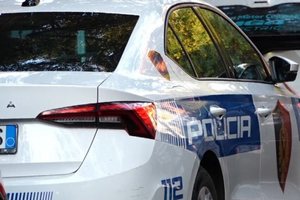
A 38-year-old man was arrested today near the Kamza turnof...

A money changer in Durrës lost 60 thousand euros after bei...
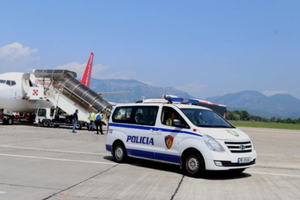
The 6 citizens captured in Dubai, members of criminal grou...
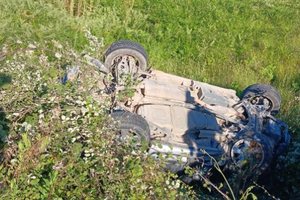
A serious accident occurred on the Kardhiq-Delvinë axis, i...
Today our country will be affected by stable weather condi...

For many children and teenagers, the long summer holidays ...
Albania is facing an unprecedented demographic transition,...
On Thursday, our country will be affected by unstable weat...
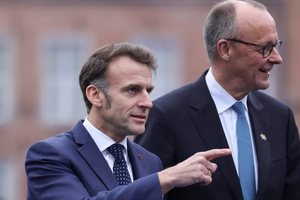
On the eve of the EU-Western Balkans summit, Germany and F...
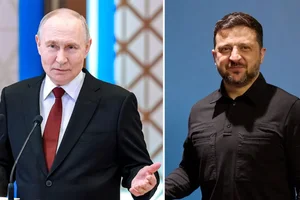
Russian President Vladimir Putin said the war in Ukraine c...
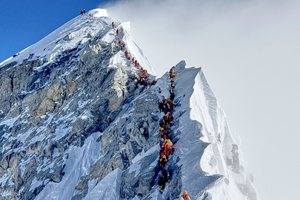
An extraordinary story of survival has been recorded in Ne...
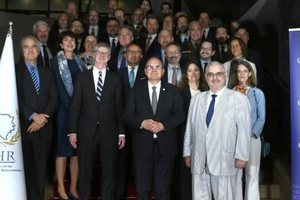
The Peace Implementation Council in Bosnia and Herzegovina...
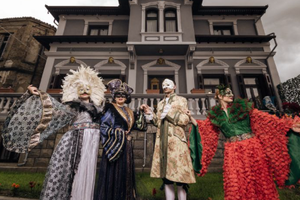
Korça is ready to open the summer season with one of the c...
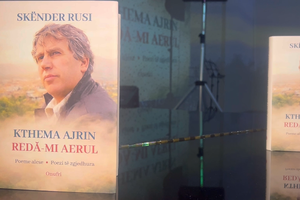
Two years after his passing, the renowned Korçë poet Skënd...
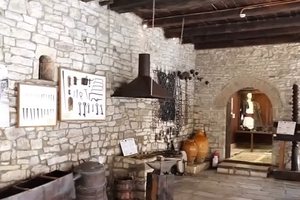
The Ethnographic Museum of Berat has opened its doors to v...
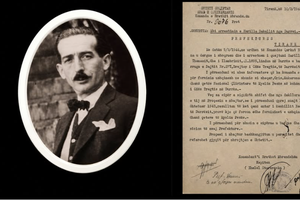
The story of Harilla Bakalli is one of the most chilling t...
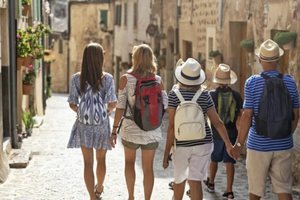
Despite years of efforts at regional cooperation and free ...
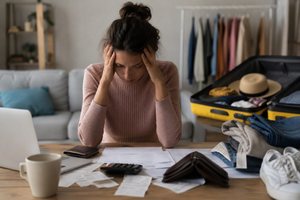
Albania is the country with the highest level of severe ma...

This Friday, one US dollar is bought for 81.3 lek and sold...
The government aims to transform the country's industrial ...