

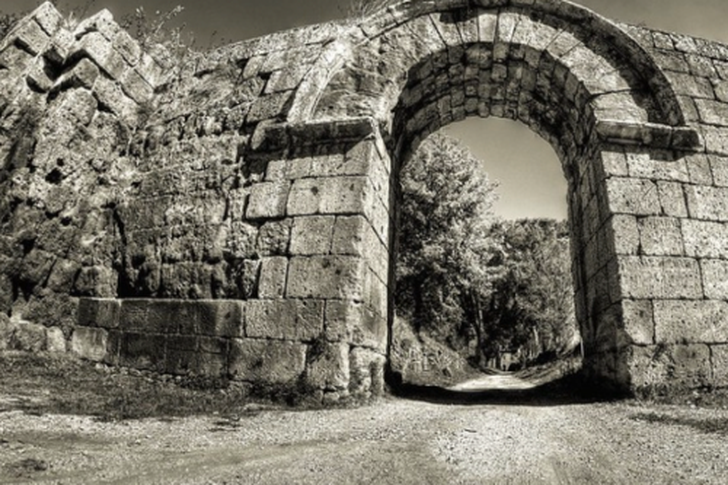
Small mistakes that changed history: 4 cases when coincidence decided the fate of the world
History is not always changed by big decisions or well-tho...


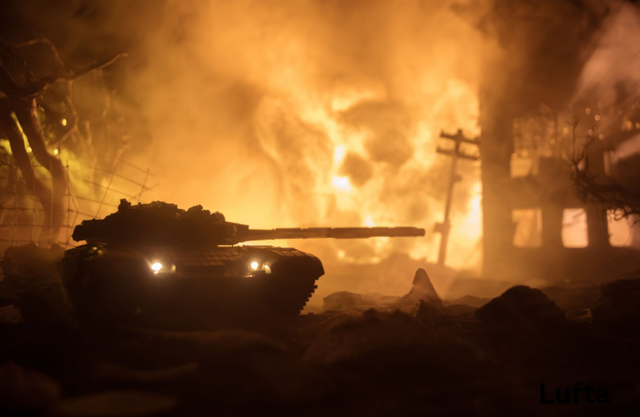
From Vietnam to Afghanistan, to Iran and Ukraine. When conflicts, underestimated, defy predictions
“Pyrrhic victory” is a popular expression to describe a success in battle, achieved at such a high cost that it soon turns into a defeat. History is full of examples of wars that began with victorious battles but ended badly, as well as of conflicts won, the economic and human cost of which was then paid for by entire generations.
In school, we study the Napoleonic Wars and the disastrous Russian campaign, the long and unpredictable resistance of Troy, the wars of conquest of Alexander the Great, which ended badly after the hero's sudden death. In more recent times, we can recall the failed military operations of the United States in Vietnam, Afghanistan and Iraq, to ??which Iran will most likely have to be added. The same considerations apply to the Russian invasion of Ukraine, intended four years ago as a safe walk towards regime change in Kiev, but which turned into an endless war of positions, with hundreds of thousands killed.
The moral is quite simple, and it is surprising that politicians and military strategists continue to take it so little into account. It is as if the certainty of one's own military superiority and the political or ideological "nobility" of motives automatically provide the keys to success, preferably rapid.
In reality, no war continues and ends according to the scenario with which it was conceived and launched. The variables, the means and forms of enemy resistance, the ability of the attacked population to adapt, the meteorological conditions, the reaction of domestic public opinion, the underestimation of the opponent's arsenal, can be endless. They subvert strategies and force changes along the way, which sometimes complicate the situation even more.
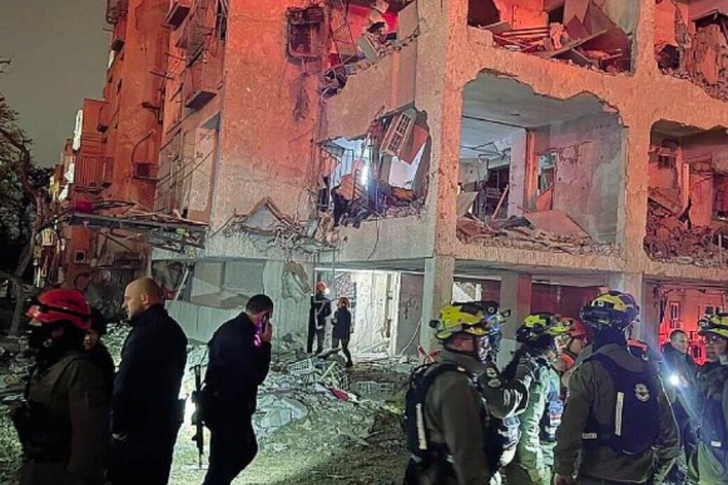
In Iran, Washington and Tel Aviv think they are fighting a state, an army, and a regime that they have, in a way, already beaten on the head. In reality, they are facing the world's largest parallel militia, trained by decades of foreign and domestic conflicts for endless resistance. Once again, the lessons of the post-9/11 war on terror, which ended in the disasters of Afghanistan and Iraq, seem to have failed.
The American-led coalition in 2003 overthrew Saddam Hussein's regime for a few weeks, but then sank into the terrorist quagmire that shook Iraq and spread to Syria. Regime change in Kabul ended with the return of the Taliban and the catastrophic withdrawal of American forces, ordered by President Joe Biden. Today, in Iran, Donald Trump has been drawn into a strategic failure by Israel, which pursues different objectives and in opposition to Washington. The massive bombings and assassinations of regime figures have undoubtedly weakened the country, but it remains an illusion to talk about surrender. This is because the weight of the "state militia", the Pasdaran, militarily weaker, but trained for resistance and capable, as has been seen, of paralyzing the world energy market, has been underestimated.
Moreover, they control the domestic energy market, the military apparatus, and the traffic that arises from sanctions. An internal uprising may still be possible, but in the face of the Pasdaran network, the risk of a catastrophic civil war is extremely high.
On the Ukrainian front, the war has entered its fifth year and there is still no possible way out. Here too, it is worth reflecting on what factors, beyond military force, can influence the outcome of a war.
In Ukraine, not only Russian President Vladimir Putin, but the vast majority of politicians, analysts and commentators overestimated Russian military power and underestimated that of Ukraine. Socio-political factors are often left out of the calculation of the risks of starting a conflict. As a result, Russia, considered a great power, should have quickly defeated the smaller Ukrainian power. In reality, it turned out that Ukraine, with the support of Western weapons, perhaps not foreseen by the Kremlin, developed a great capacity for resistance and patriotic sacrifice, while the Russian superpower was forced to change its battle plans along the way, after realizing major material and strategic shortcomings.
History leaves us with a long list of failed attempts at regime change and the export of democracy. It makes you wonder whether leaders have complete and reliable information, whether the circle of advisors truly responds to the interests of the nation, whether the intelligence services always do their job, or whether, as has sometimes happened, they are bypassed to suit the whims of the boss. / Corriere della Sera – Bota.al

History is not always changed by big decisions or well-tho...
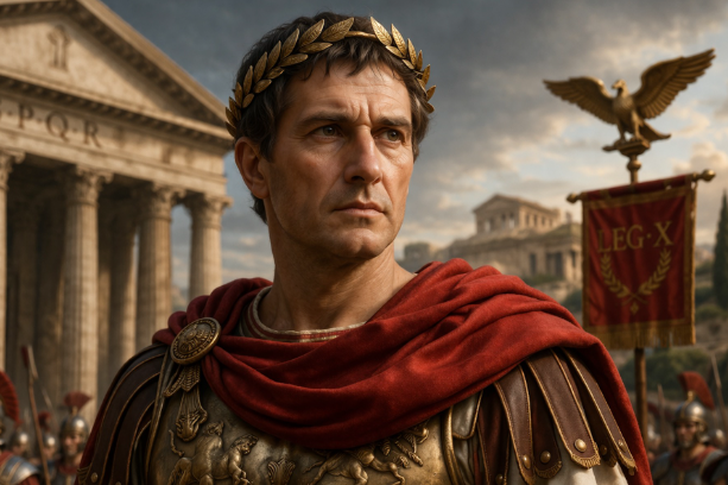
Julius Caesar is not just a name in the history books. He ...

The dog is perhaps the only species on the planet that has...

Many people do not regret the mistakes they made in life, ...

Success is rarely a coincidence. In most cases, it is the ...

Depression is not just a bad day. It is not even a tempora...
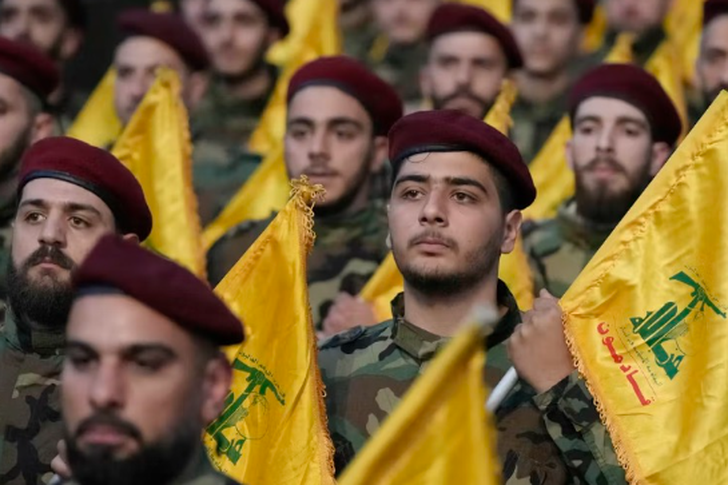
In Beirut, the capital of Lebanon, an Israeli strike this ...
Donald Trump announces that he has "wiped Iran off the map...

On social media, what seems like the majority opinion is o...

Beyond the official history we know, there is another worl...

Amiens is a historic city with a strong cultural heritage,...
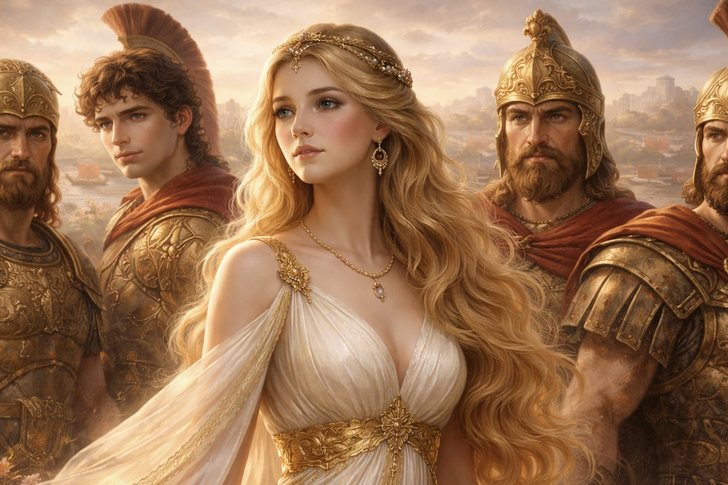
We all know the story. Helen of Troy, the face that launch...
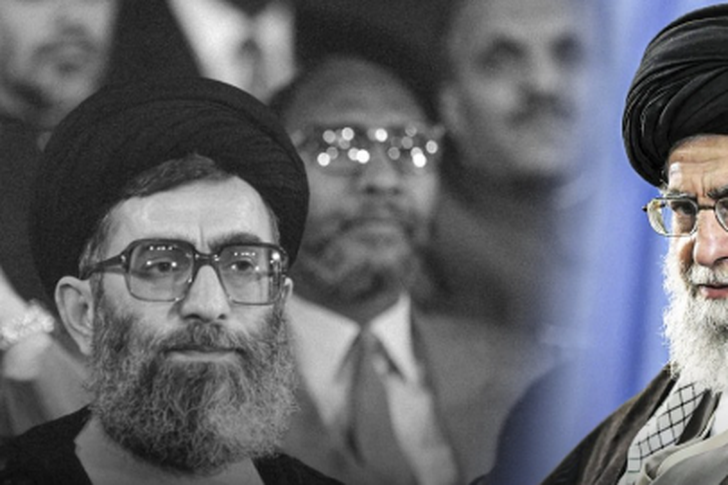
Ayatollah Ali Khamenei, Iran's Supreme Leader since 1989, ...

In recent months, social media has been awash with videos ...
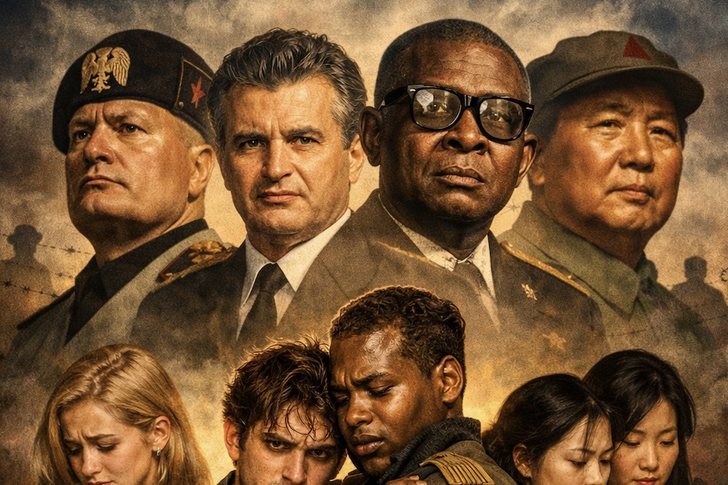
What's it like to grow up as the children of dictators? Am...

Researchers have uncovered key insights about Saturn's mys...
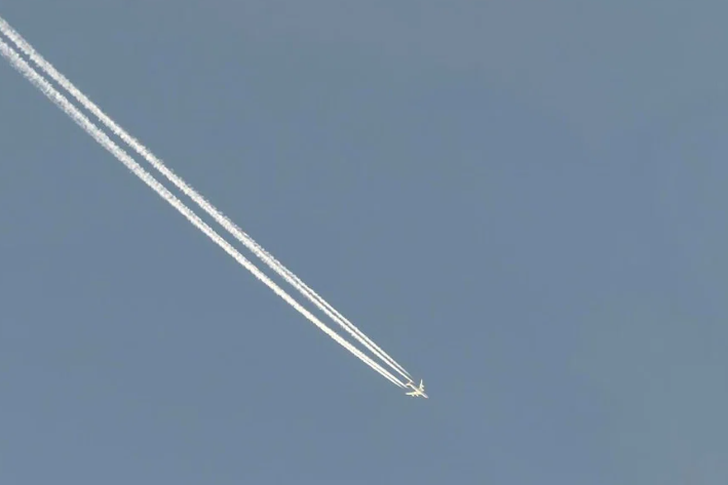
The white streaks left by planes as they fly high in the s...
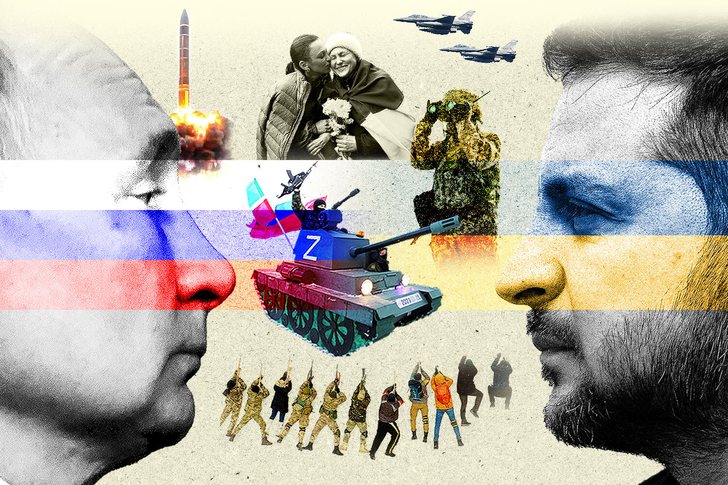
This February 24th marks the fourth anniversary of the Rus...
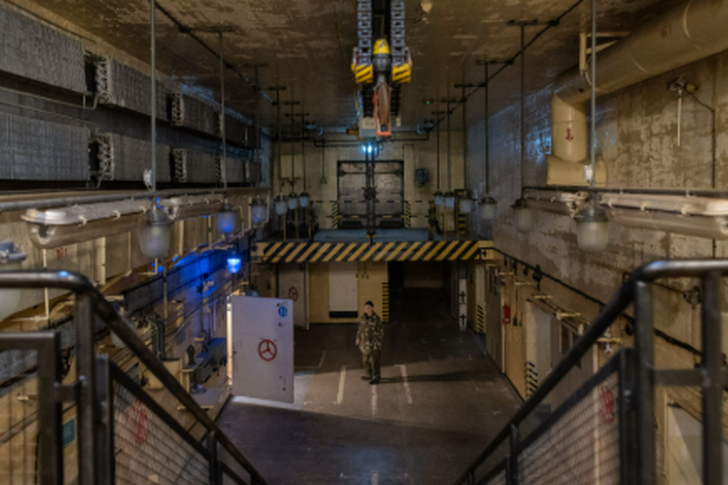
Estonia is building hundreds of bunkers along its eastern ...
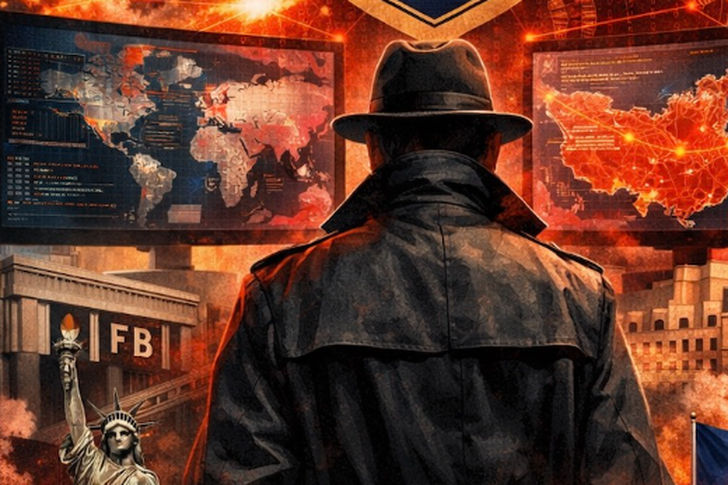
The Chinese MSS, with 800,000 agents and global operations...
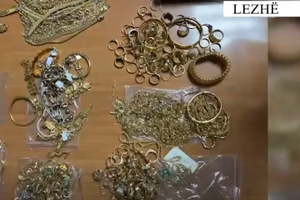
A 39-year-old citizen has been arrested in Lezha, after se...

CNA has launched another investigation that could lead to ...

Irfan Hysenbelliu is a businessman that we call "Irfan the...

In March 2026, CNA launched another investigation centered...

The Special Board of Appeal (KPA) decided this Monday ...

The KPA vetting decided this Thursday to dismiss the p...

Suela Salavaçi, a prosecutor in the Prosecutor's Offic...

The Special Board of Appeal reinstated the prosecutor ...

A serious incident occurred in Lushnje, where citizen IY, ...

As a result of the investigative and procedural actions ca...

A conflict for weak motives was recorded today in the vill...

An accident involving three vehicles occurred a few minute...

Today, our country will be under the influence of stable a...

By noon, cloudiness is expected to prevail in almost all o...

Children without parental care, for whom alternative famil...
On Thursday, our country will be under the influence of st...
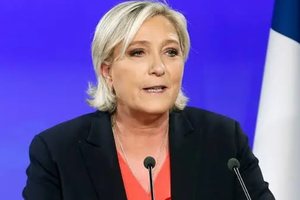
Marine Le Pen is entering the decisive phase of the presid...
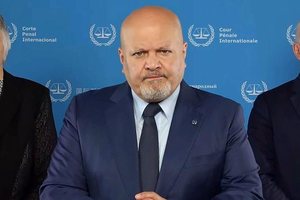
Member states of the International Criminal Court voted to...

From the declining role of exports to new public investmen...

South Korea is becoming one of the most sought-after desti...
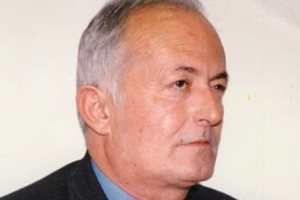
Two windows, a century of history and the metaphysics of p...
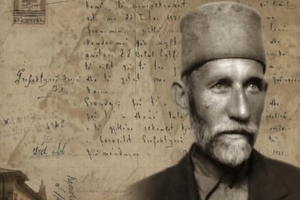
In my research at the Central State Archives, specifically...

At a time when industrial products are increasingly taking...

Trust among people is not just a three-syllable word. It c...
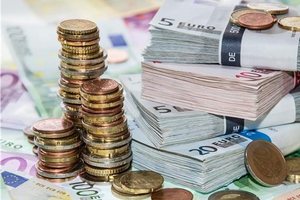
This Saturday, one US dollar is bought for 81.7 lek and so...

War, weather and supply disruptions could send gas prices ...
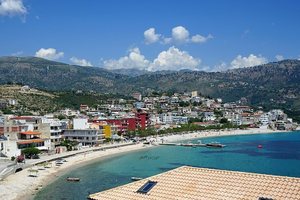
The number of active enterprises in Albania continued to g...
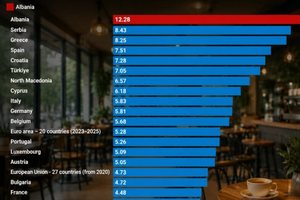
In Albania, the bar-cafe has long become an almost unique ...