


6 of the most incredible places in the world to dive
From the kaleidoscopic reefs of Fiji to the shark-filled p...


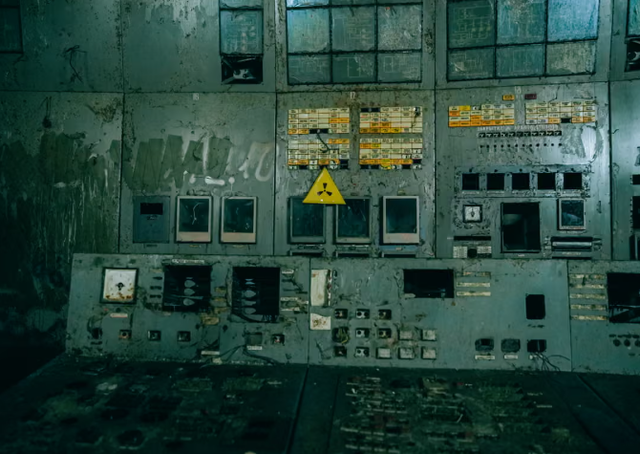
Reactor number 4, which exploded on April 26, 1986 at Chernobyl, marked the worst nuclear accident to date.
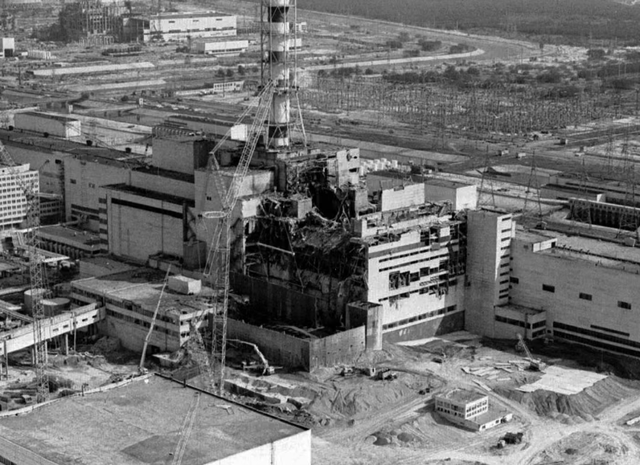
Up close, the NCG sarcophagus looks almost makeshift, massive slabs stacked like giant building blocks, with rust glistening at the joints. Inside, 180 tons of nuclear fuel and four to five tons of radioactive dust remain trapped.
The NSC was built to buy time: to allow the unstable sarcophagus to be safely dismantled over decades, while protecting itself from the consequences in the event of a collapse.
Chernobyl was occupied in the first weeks of the Russian invasion of Ukraine in 2022, with a drone attack on the facility three years later.
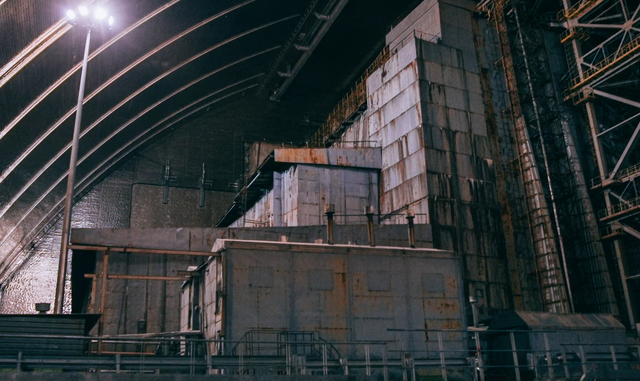
At the northwest corner of the roof, a temporary patch marks the spot where a cheap $20,000 Russian drone ripped through the structure on February 14, 2025, blasting a hole in the arch and compromising the very function for which the arch was built.
"If the sarcophagus collapses, over a hundred tons of nuclear fuel will be released into the air," said the plant's general director, Serhii Tarakanov.
A full overhaul is required within four years, Ukrainian officials and Western experts say, or the NSC's 100-year lifespan can no longer be guaranteed. It is estimated to cost up to 500 million euros (£432 million), money that the financially strapped Ukrainian government has yet to find.
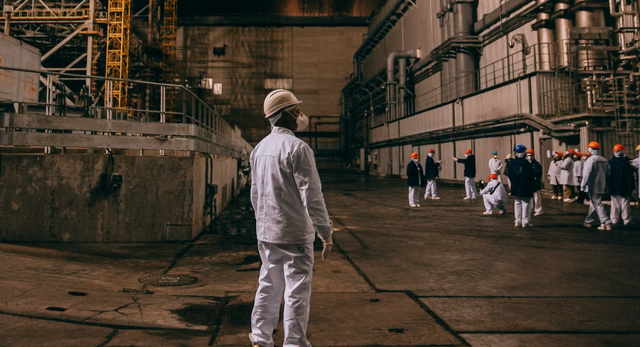
Meanwhile, the war continues in Ukraine and Russia has repeatedly launched drones and missiles along flight paths near the Chernobyl nuclear power plant, increasing the risk of another disaster.
On the 40th anniversary of the Chernobyl disaster, one of the most vulnerable places in the world remains under threat.
If the sarcophagus collapses, whether from an impact, structural failure or time, experts say it would release another cloud of radioactive particles into the air with no protective measures to contain it.
"The collapse of the sarcophagus would be a major risk to those working at the Chernobyl plant and would delay dealing with the disaster for many more years," said Shaun Burnie, a senior nuclear specialist at Greenpeace.
Beyond the financial and war costs, there is the question of how to repair the containment building. The high levels of radiation directly above the damaged area mean that workers can legally spend no more than about 20 hours a year in that area before reaching their annual dose limit.
Twenty-eight people died from acute radiation sickness in the weeks that followed. About 116,000 were evacuated. Radioactive particles spread northwest across Europe. The disaster was first discovered not in the Soviet Union, but in Sweden a few days later, when a worker at a nuclear power plant set off radiation alarms on his way to work.
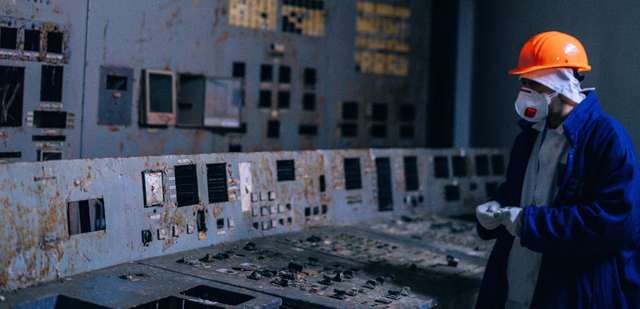
In his book on Chernobyl, Ukrainian historian Serhii Plokhy argues that the disaster helped create a modern Ukrainian national consciousness by exposing the failures of the Soviet system. For many, he writes, it was a moment of rupture: a sudden clarity about the nature of the system they lived under.
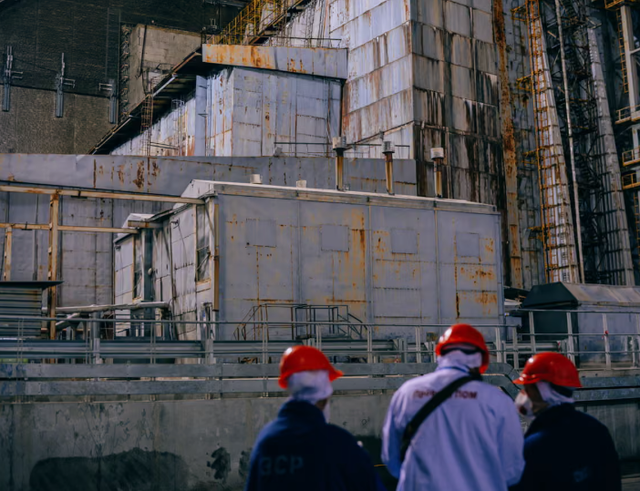
The full-scale invasion of Russia in 2022 was another moment of national unity, and again Chernobyl was included in it. Russian forces crossed the border on February 24, 2022, and moved directly into the plant, using the route through Belarus that passes within kilometers of the exclusion zone.
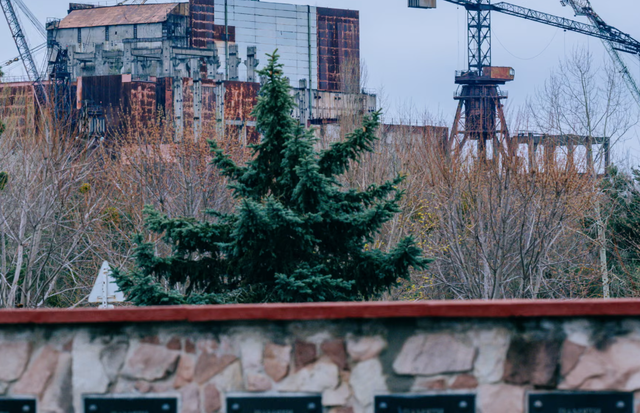
Upon entering the 1,000-square-mile exclusion zone, the first thing you notice is the army, checkpoints, soldiers, the occasional armored vehicle. If you walk deeper, the forest invades you, pine trees stretch out on either side, small villages appear through the tree line. The houses are abandoned and small signs on some of the doors note how many people once lived there./The Guardian

From the kaleidoscopic reefs of Fiji to the shark-filled p...
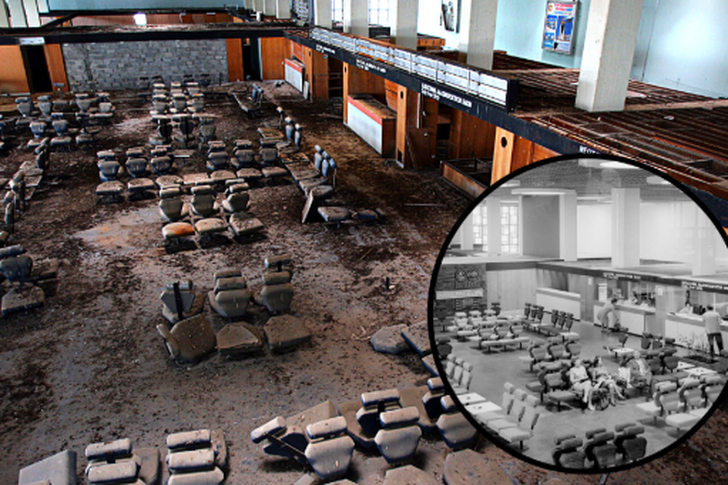
All over the world, over the past five decades, there have...

Cinema-inspired tourism, known as “set-jetting,” is set to...

A new scientific study has shed light on one of history's ...

Often, very often, we commemorate history by exalting a si...
There are people who are part of our lives every day… and ...
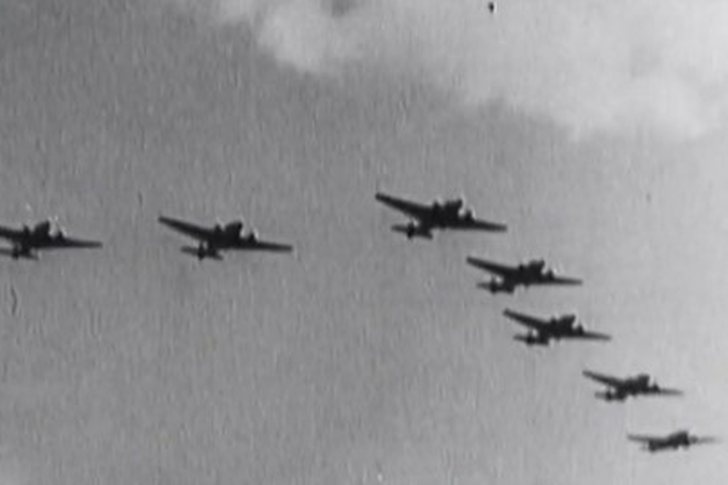
On April 9, history has recorded significant events around...

The 2026 FIFA World Cup will take place from June 11 to Ju...
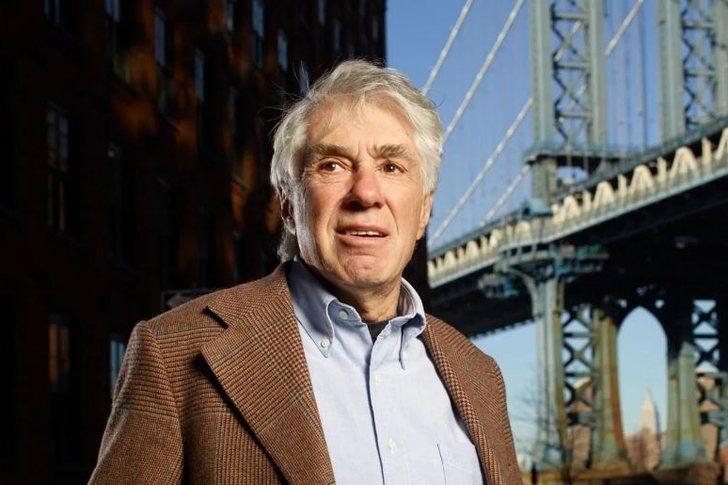
The billionaire who revitalized Brooklyn's waterfront went...
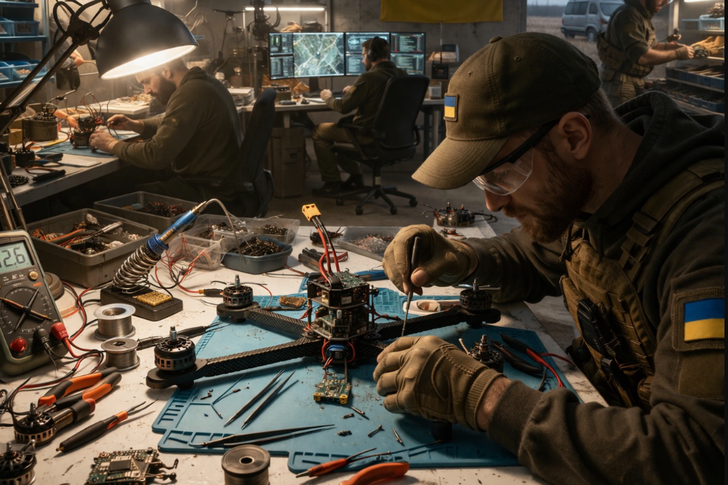
When I first visited Kiev in May 2023, the Ukrainian capit...
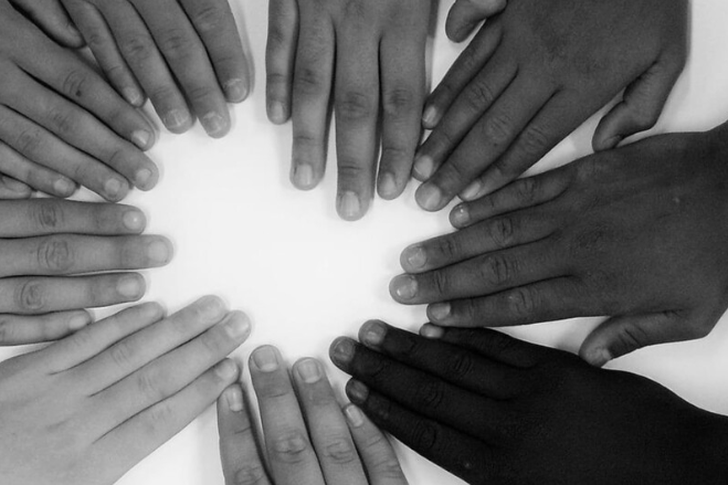
Often used interchangeably, the concepts of “state” and “n...
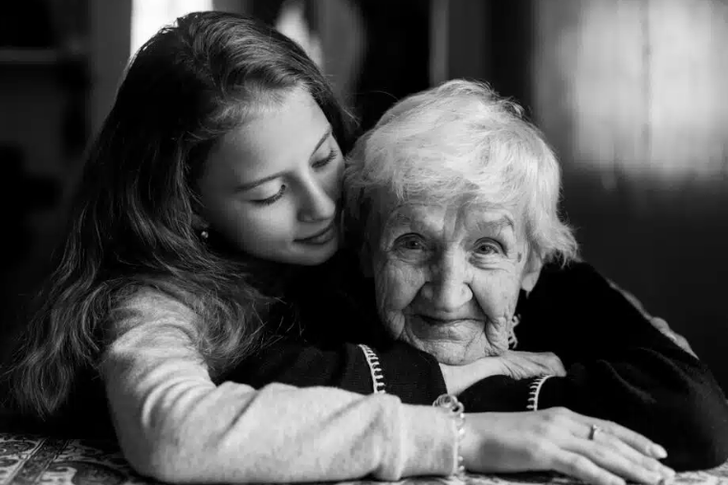
The Silent Generation, the generation born between the 192...

The consumption of pork is one of the most controversial t...
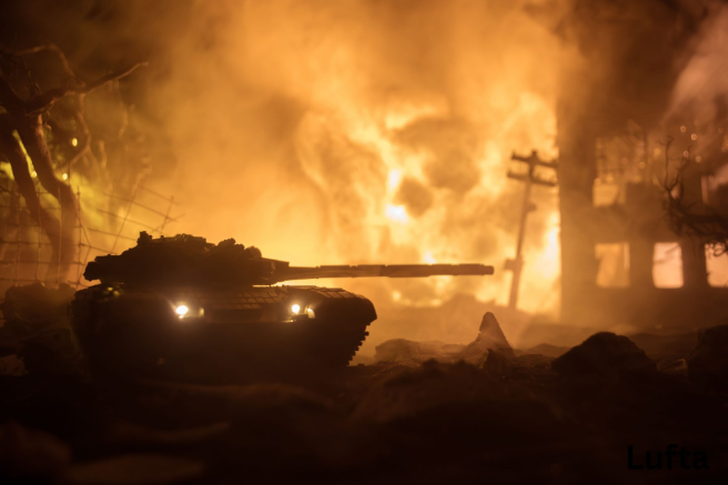
From Vietnam to Afghanistan, to Iran and Ukraine. When con...
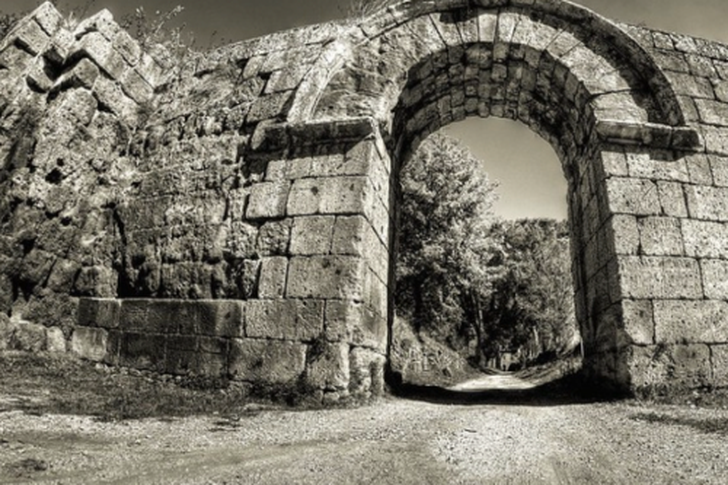
History is not always changed by big decisions or well-tho...
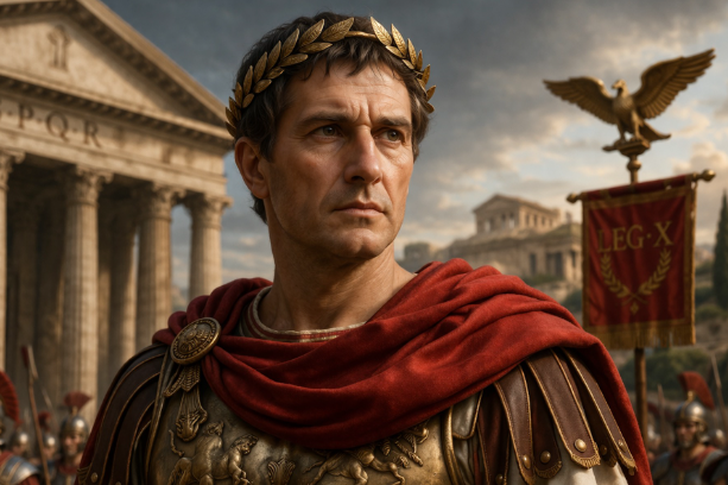
Julius Caesar is not just a name in the history books. He ...
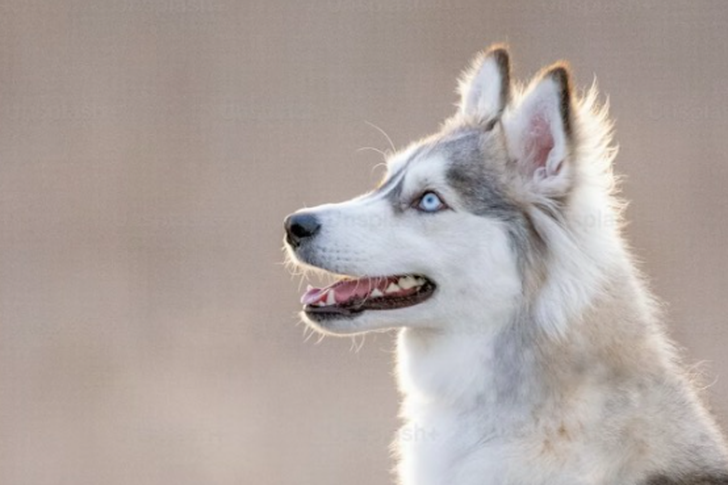
The dog is perhaps the only species on the planet that has...
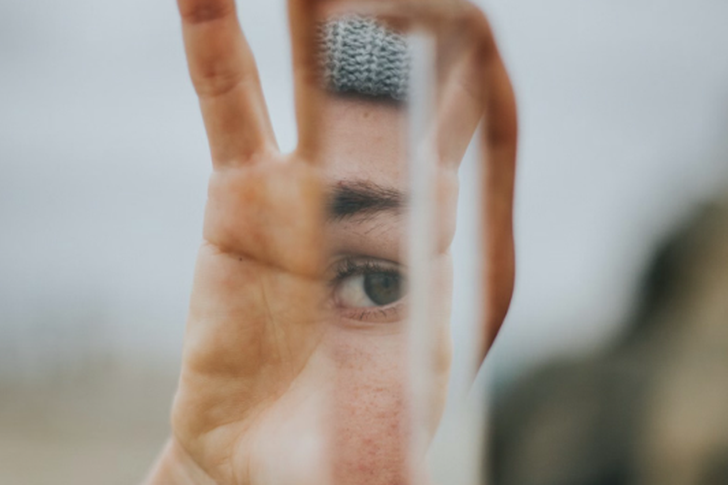
Many people do not regret the mistakes they made in life, ...

Success is rarely a coincidence. In most cases, it is the ...
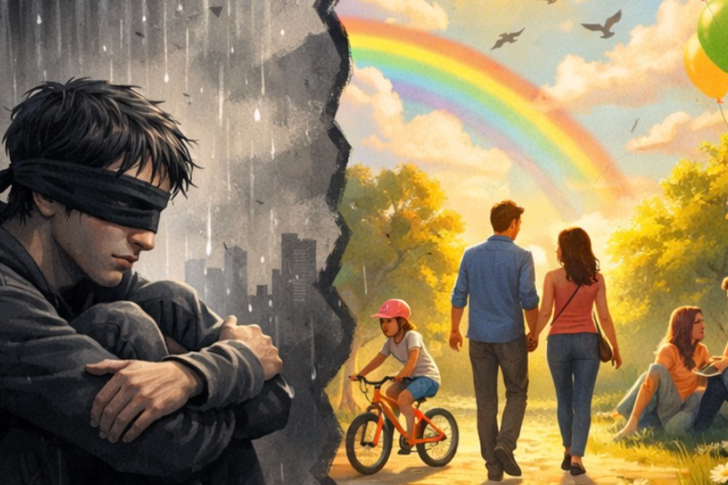
Depression is not just a bad day. It is not even a tempora...
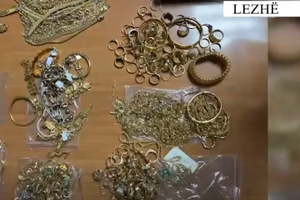
A 39-year-old citizen has been arrested in Lezha, after se...

CNA has launched another investigation that could lead to ...

Irfan Hysenbelliu is a businessman that we call "Irfan the...

In March 2026, CNA launched another investigation centered...

The Special Board of Appeal (KPA) decided this Monday ...

The KPA vetting decided this Thursday to dismiss the p...

Suela Salavaçi, a prosecutor in the Prosecutor's Offic...

The Special Board of Appeal reinstated the prosecutor ...
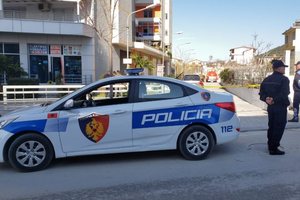
A serious incident occurred in Lushnje, where citizen IY, ...
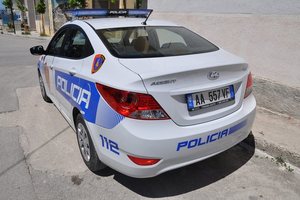
As a result of the investigative and procedural actions ca...
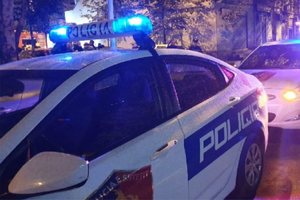
A conflict for weak motives was recorded today in the vill...
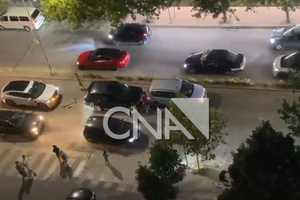
An accident involving three vehicles occurred a few minute...
Today, our country will be under the influence of stable a...

By noon, cloudiness is expected to prevail in almost all o...

Children without parental care, for whom alternative famil...
On Thursday, our country will be under the influence of st...

Marine Le Pen is entering the decisive phase of the presid...
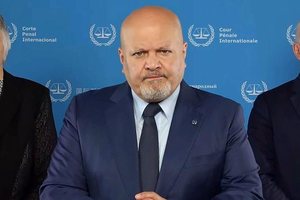
Member states of the International Criminal Court voted to...
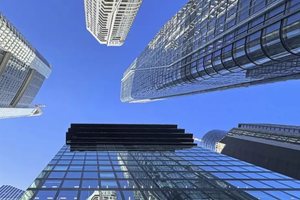
From the declining role of exports to new public investmen...
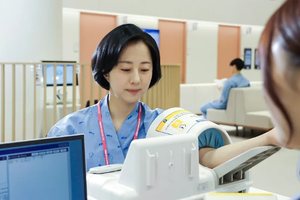
South Korea is becoming one of the most sought-after desti...
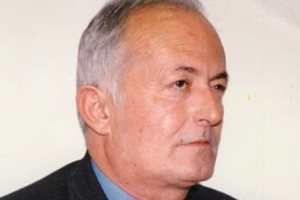
Two windows, a century of history and the metaphysics of p...
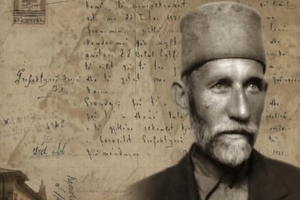
In my research at the Central State Archives, specifically...

At a time when industrial products are increasingly taking...

Trust among people is not just a three-syllable word. It c...
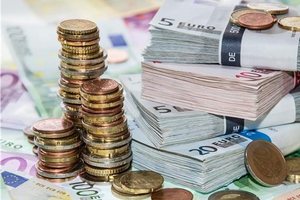
This Saturday, one US dollar is bought for 81.7 lek and so...
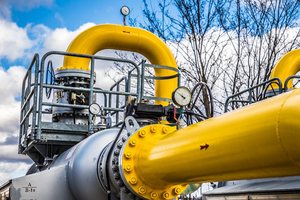
War, weather and supply disruptions could send gas prices ...
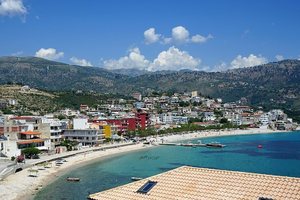
The number of active enterprises in Albania continued to g...
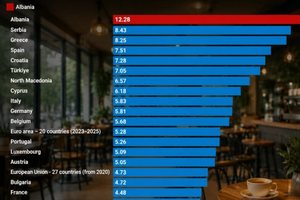
In Albania, the bar-cafe has long become an almost unique ...