


Erion Veliaj's shadows in protest
Veliaj through Arta Dade rejects Edi Rama'...

Veliaj through Arta Dade rejects Edi Rama'...


A comparative study on the scientific diasporas of Albania, Kosovo and North Macedonia revealed a large and disturbing brain drain from these countries. The authors of the study claimed for the Voice of America that this phenomenon is more widespread in Albania and Kosovo, and less so in North Macedonia. The reasons for not returning for most of the respondents are the career and better life abroad, while as prerequisites for returning they list the reduction of corruption, economic and political stability, as well as investments and reforms in education.
The authors in this study call the departure of those educated at high academic levels or brain drain scientific diaspora.
They surveyed online and directly interviewed nearly 1,100 doctors and doctoral students from Albania, 427 from Kosovo and 72 from North Macedonia. The younger ages of the interviewed scientists belong to Kosovo, in relation to Albania and North Macedonia.
The co-author of the study, Russell King, from the University of Sussex in the United Kingdom, told the Voice of America that the exodus of researchers is greater from Albania and Kosovo and less from Macedonia, while the return after studying abroad is weak in Albania, but somewhat stronger in Kosovo and North Macedonia.
"We found a significant brain drain especially from Albania and Kosovo, and maybe less from North Macedonia. This is reflected in the large number of people working and studying abroad and the low level of people intending to return. Most of the scientific diaspora of Albania especially do not want to return, they are academics, scientists, who work abroad in academic institutions and private companies at high levels, they are well integrated there and the intention to return is quite low", says study co-author Russell King.
Most of the respondents say they are undecided to return to their homeland, while those who have decided not to return mostly belong to Albania. The study notes that scholars from Kosovo and North Macedonia express more desire to return to their homeland and have greater trust in the government and in their future return.
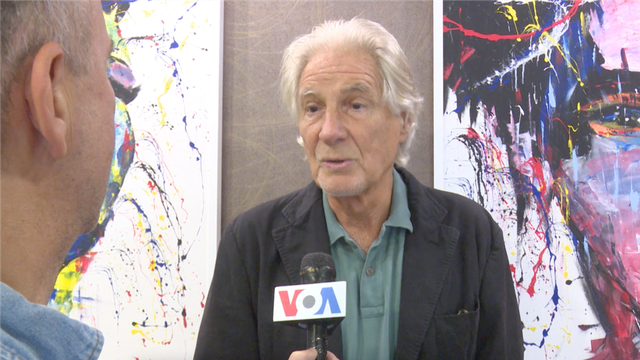
"What stands out from the study of the Albanian scientific diaspora, the desire to return is greater in Kosovo and North Macedonia, about 36 percent, but very little in Albania, about 17 percent. However, the Albanian scientific diaspora wants to cooperate to the extent of over 90 percent with the institutions wherever they are in Albania, Kosovo and North Macedonia", says Ilir Gëdeshi, co-author of the study, head of the Center for Economic and Social Studies, for the Voice of America. .
The study data were published today during a conference in Tirana, supported by the CEI Central European Initiative.
Among the reasons for returning, respondents list the insistence of parents and family that they return, limited opportunities for a scientific career and difficult job market in the host country. On the other hand, in the study, the doctoral respondents also list the preconditions that, according to them, must exist in their country to consider returning.
At the top of these prerequisites for returning to the homeland, the respondents list the reduction of the level of corruption, economic and political stability, better wages, investments in education and scientific research, reforming universities and research institutes, a higher security social, public order strengthening, and environmental and infrastructural improvement.
"Many of the interviewees said that they do not see a future in Albania at this time, because many things there need to be changed, and they list the reform of universities, more wages and working conditions, as well as being critical of the widespread corruption in Albanian society at all levels," said Mr. King.
Researchers originating from Albania were interviewed, among others, 873 doctors and 102 doctoral students, of which nearly 2 thirds are women and one third are men.
Among the respondents originating from Kosovo, there are 290 doctors and 120 doctoral students, divided almost equally by gender. While among the interviewees originating from North Macedonia, there are 63 doctors and 9 doctoral students, almost equal in gender numbers.
The majority of respondents from all three countries study natural sciences, economics, sociology, medicine, engineering and computer science.
As the main reason for emigration, they list doctoral studies, encouraged by scholarships from host institutions in the USA and Western Europe. It is also due to economic reasons, the few opportunities for scientific research in their countries.
Most of the respondents are employed in universities and scientific institutions, in private firms, public institutions and self-employment.
"They see a series of obstacles in Albania, so the level of those who want to return is smaller, but they want to cooperate with the institutions in Albania, Kosovo and North Macedonia, so efforts must be made to reduce the obstacles from the side of the institutions, because the scientific diaspora wants to cooperate. We must bear in mind that over 60 percent of the Albanian diaspora work in universities and scientific institutions of the most developed countries of the West. A human asset has been created from these 3 countries ready to contribute to the country of origin", said Mr. Gëdeshi.
The study notes that as far as researchers from Albania are concerned, after leaving for a first study destination such as Italy, Greece, Turkey and Bulgaria, a significant part of them move back to the USA, Canada, Switzerland and Great Britain.
While researchers from Kosovo move in a second phase from Turkey, France, Italy and Slovenia to Switzerland, Austria and Great Britain.
Researchers from North Macedonia move from Italy, Turkey and the USA as their first destination, later towards Switzerland and Germany.
However, the vast majority expressed their willingness to cooperate with the scientific institutions of their countries with joint research projects, lectures, consultations for the government and the private sector, participation in conferences, support for young students.
Like most of the Western Balkans, Albania, Kosovo and North Macedonia have had some of the highest emigration rates in Europe in recent decades.
Potential emigration, i.e. the percentage of the population thinking of migrating, is also high and growing, mainly among young people, adults and those with higher education.
Albania especially stands out for the emigration of people with higher education, who, according to statistics, make up about 40 percent of emigrants./ VOA

Members of the opposition opposed the candidacy of Bes...
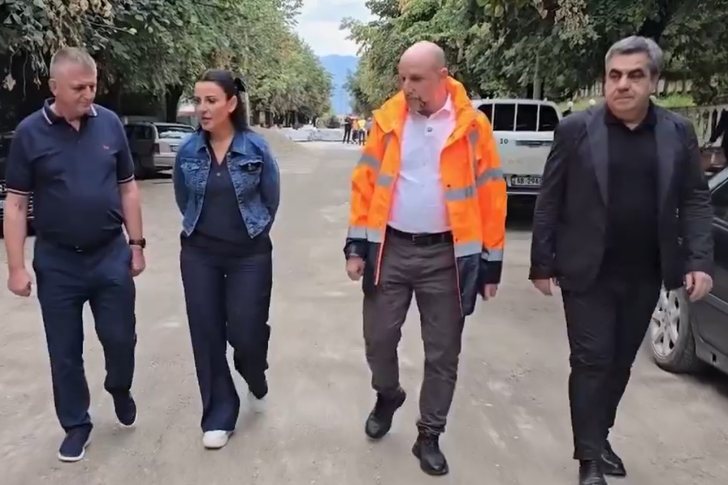
In the city of Peshkopia, work has started on the urban re...

GJKKO has returned to SPAK the file against doctor E...
Today, the OSCE Presence supported the Commissioner fo...

With the departure of Alfred Peza, the situation in th...
The State Police has come out with an important announ...
Lawyer Jamarbër Malltezi has spoken about SPAK's accus...
The Ministry of Education and Sports has reacted in relati...
The minister with three portfolios, of Economy, Cultur...
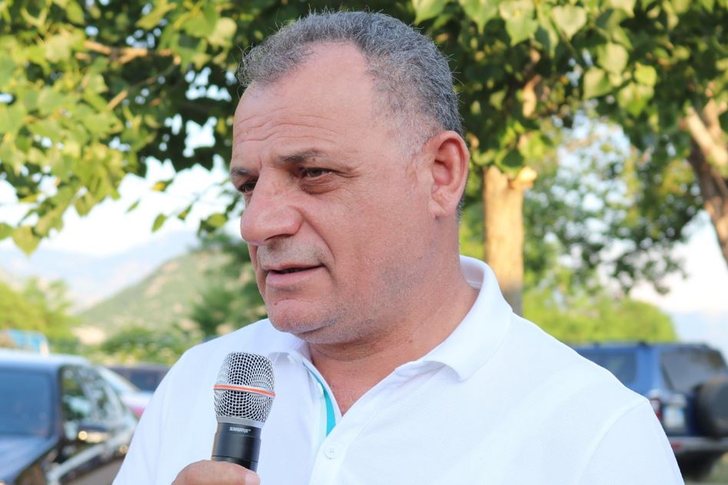
A few days ago, CNA published the details of the entire in...

Journalist Sokol Bregu said on MCN TV that by November...
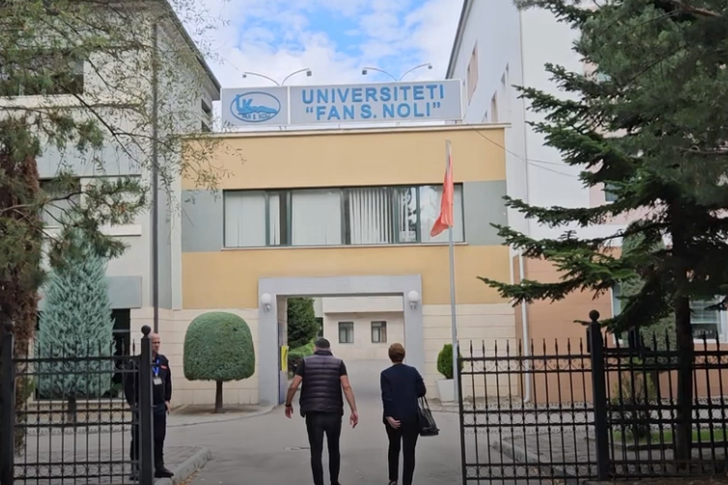
The Rector of Fan Noli University of Korça, Lorenc Ekonomi...
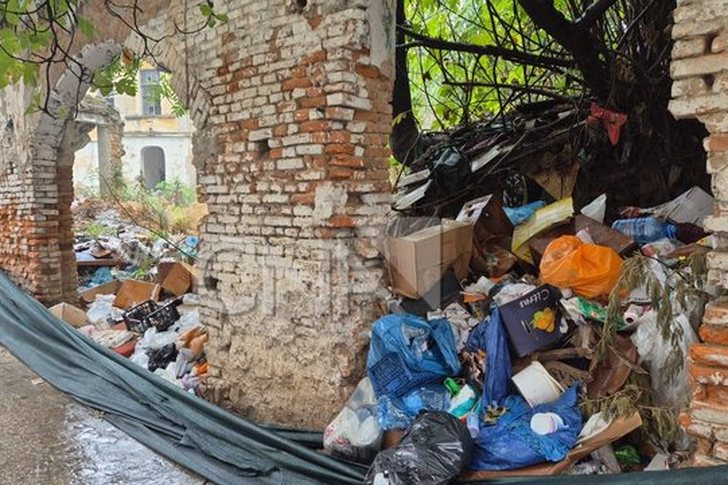
Tirana has been under the rule of garbage for weeks. Every...
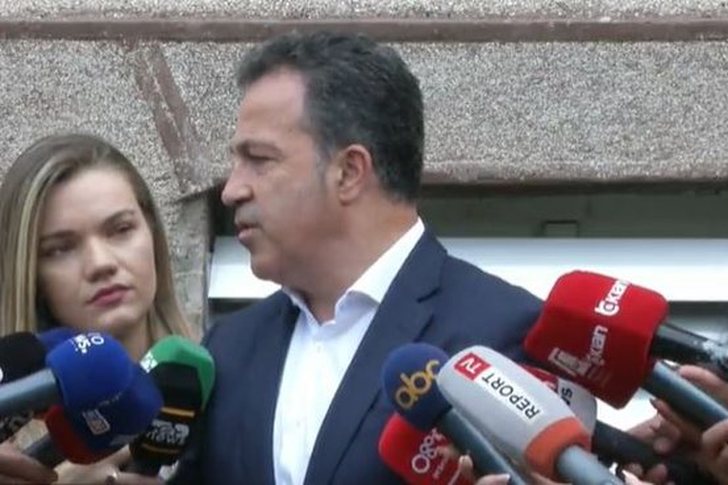
Clashes, tensions and debates took place today at the ...
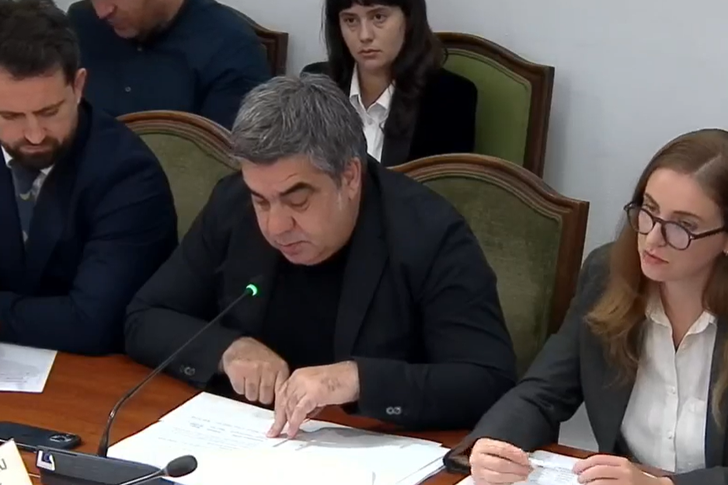
"Sometimes you are the last to find out when you are appoi...
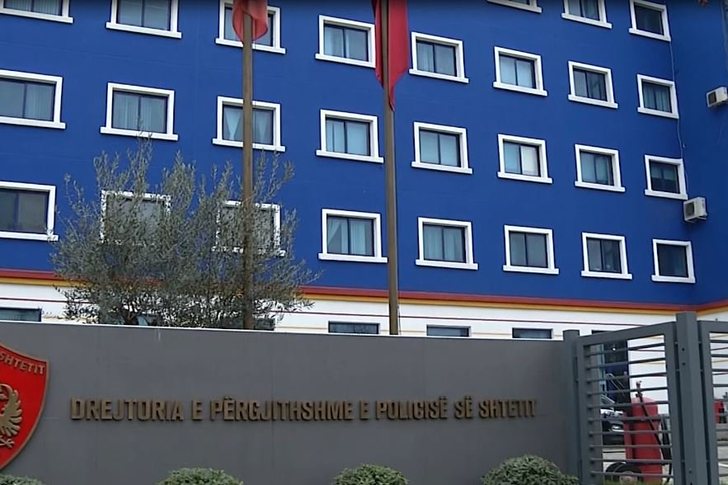
Tomorrow ends the official 7-day deadline for submission o...

BKH has received the phones of the former director of the ...

The host of the show "Albanian History" Alma Çupi has rais...
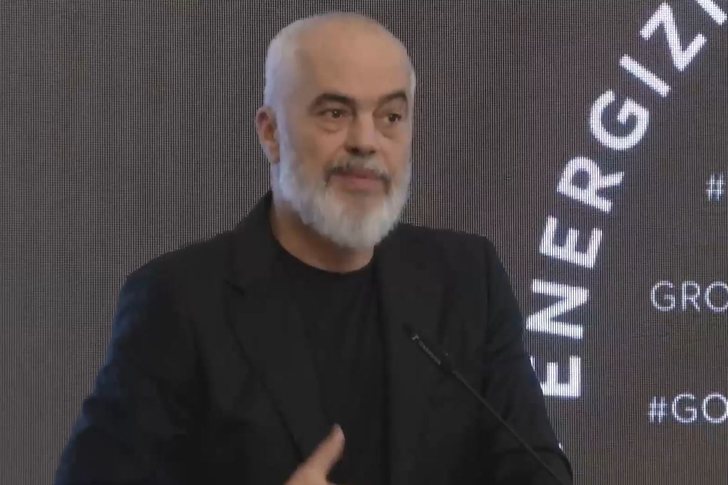
Prime Minister Edi Rama was present at the opening of ...

Journalist Klodiana Lala revealed on MCN Tv, details f...

There have been 12 days of protests in the capital, which ...
Dritan Prençi is the SPAK prosecutor who is sleeping on th...
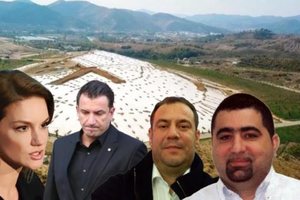
The in-depth investigations that SPAK conducted into Ajola...
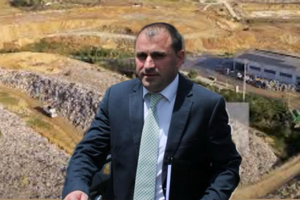
SPAK's standards, the way it investigates, how it secures ...

The Special Board of Appeal (KPA) decided this Monday ...

The KPA vetting decided this Thursday to dismiss the p...

Suela Salavaçi, a prosecutor in the Prosecutor's Offic...

The Special Board of Appeal reinstated the prosecutor ...

Policia e Vlorës ka finalizuar operacionin e koduar “Sigur...

New details have emerged regarding the serious accident th...
An Albanian businessman was arrested this afternoon in Gre...
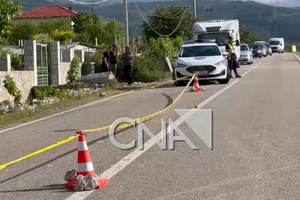
A serious accident has occurred on the Korça-Ersekë axis, ...
Today our country will be affected by stable weather condi...
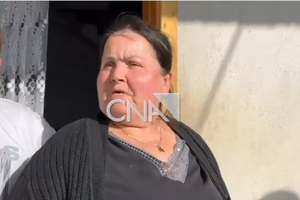
A tragic accident occurred this Friday afternoon in Kameni...

Today our country will be affected by unstable weather con...

On Thursday, our country will be affected by relatively un...
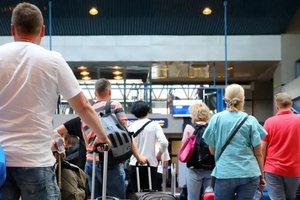
Good news for those who fly: After years of negotiations, ...
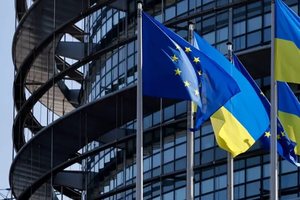
It took more than two years, but now the EU can begin acce...
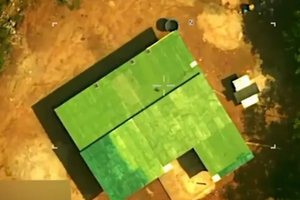
US President Donald Trump announced that the US military h...
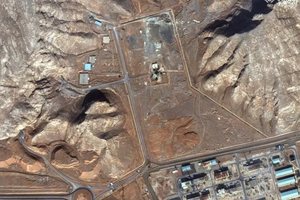
Iran has taken new measures to strengthen the protection o...
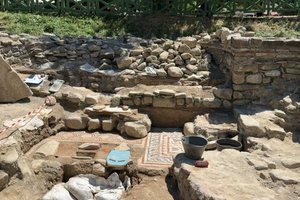
Several archaeological excavations conducted during this s...

At the Museum of Fine Arts in Chambéry, France, an exhibit...

Korça has transformed this weekend into the capital of cel...

Korça is ready to open the summer season with one of the c...

This Saturday, one US dollar is bought for 81.5 lek and so...
The Governor of the Bank of Albania, Gent Sejko, shared to...

Business lending has increased in the first half of this y...

The labor market has shown worrying trends in early 2026. ...