


"Diella", finding in the image... a difficult test in practice
The news that Albania created a ministerial post for Artif...


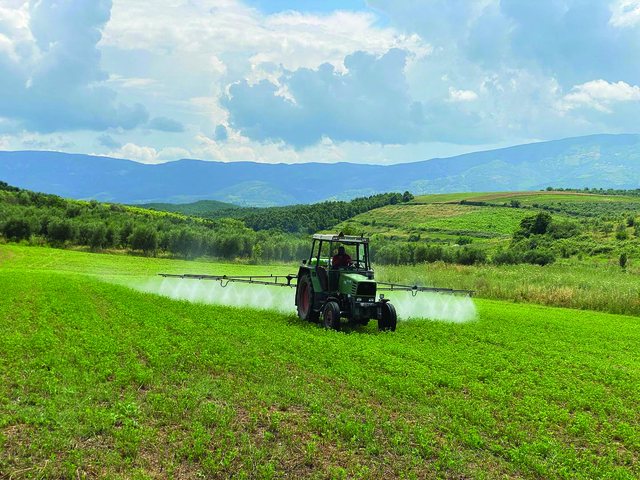
The sources of economic growth are running out and are currently based on unsustainable sectors. Industry and agriculture, which have long been the basis of production, employment, and exports, are officially in recession.
The latest INSTAT data on GDP performance in the second quarter of 2025 show that the agricultural sector, which also includes forestry and fishing, decreased by -2.5% compared to the same period a year earlier, while industry fell by -1.8% in the same period.
Together, agriculture and industry were responsible for 47 percent of total employment in the country in 2024. Also, the export basket is dominated by these sectors.
Agriculture in a nosedive after the pandemic
Published data on the real GDP growth rate in agriculture indicate a continued downward trend after 2020.
In 2019, agriculture had a positive performance, with growth from 1.8% to 4.3% in the first three quarters, while at the end of the year it fell slightly to -1.6%.
The year 2020 started with a strong growth of 5.2% in the first quarter, followed by +3.6% in the second quarter, but the decline began in the second half of 2020 and did not stop (see chart below).
By 2021, the crisis had deepened. The first and second quarters saw declines of -1.6% and -3.8%, followed by -1.1%, leading to a -1.6% annual decline in output this year.
The year 2022 further deepened the decline by -4.8%. The same situation with production contraction continued in 2023 and 2024, by -1.3% and -2%, respectively.
The two main factors that have led to a decline in agricultural production are low funding for the sector and population decline in rural areas.
Albania offers the lowest funding for agriculture compared to other countries in the region, while the European Union has blocked IPARD funds due to corrupt practices it found in the allocation of funds in Albania.
On the other hand, the rural population, according to census data, has declined by about 20 percent, a rate higher than the average for cities.
Despite the decline, agriculture is one of the main sectors of the economy and the largest employer.
Industry in third year of decline
The industry sector recorded an annual decline of -1.8% in the second quarter of 2025, continuing the contraction trend since 2023.
This quarter, the deterioration of the manufacturing industry has been curbed and the decline of heavy industry has deepened.
The manufacturing industry remained in the red in April-June 2025, down from a decline of -5.5% in the first quarter and -3.3% in the same period of 2024.
Meanwhile, heavy industry has deepened the biggest decline this year, as production volumes are declining due to low prices in international markets.
Industry, and especially manufacturing, experienced periods of strong growth, with peaks of over 20 to 30 percent, driven by the post-pandemic recovery and high demand from foreign markets. The pace remained positive in 2023, but more moderate.
This trend was reversed in 2024, when all four quarters recorded contractions in industrial production, with rates reaching -8 percent. In the first two quarters of 2025, industry and manufacturing continued to decline again, confirming a prolonged structural crisis.
The causes are related to both internal and external factors. Rising wage costs and exchange rate losses on the one hand and shrinking external demand on the other have reduced the competitiveness of many enterprises, which have gone bankrupt.
Furthermore, the structure of Albanian industry remains fragile, focused mainly on low-value-added products that react quickly to market fluctuations.
This development is concerning, as the manufacturing industry remains one of the most important sectors for employment and exports for the country.
If the downward trend continues, it could become a significant drag on overall economic growth, dampening the positive impact of other sectors such as tourism and construction, which have kept GDP growth alive in recent years./ Monitor

The news that Albania created a ministerial post for Artif...
Journalist Artan Hoxha, in a television appearance on the ...
Journalist Klodiana Lala, in a television appearance, prov...
Journalist Artan Hoxha, in a television appearance, spoke ...

Journalist Klodiana Lala spoke in a television appearance ...
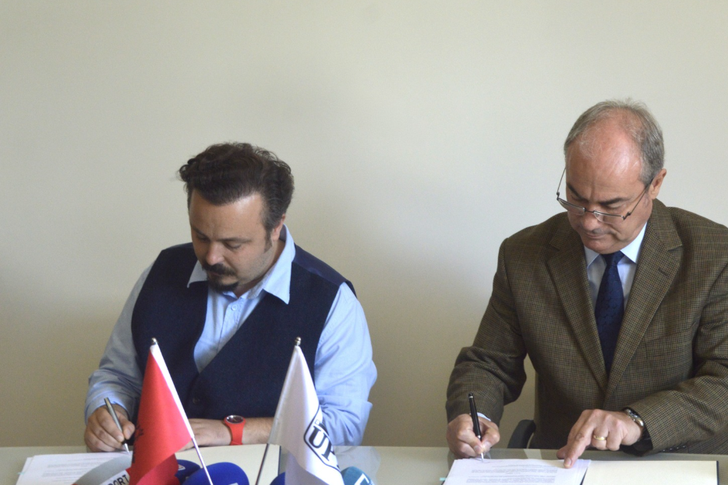
This Monday, a cooperation protocol was signed by Eljan Ta...
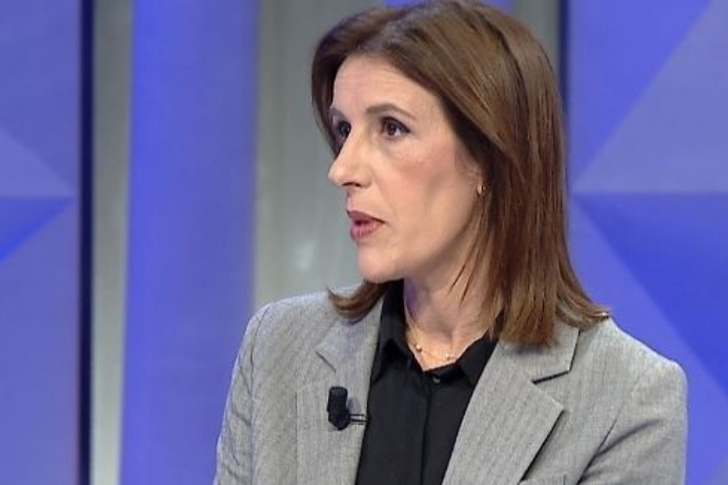
Journalist Klodiana Lala, invited to MCN TV, spoke about t...
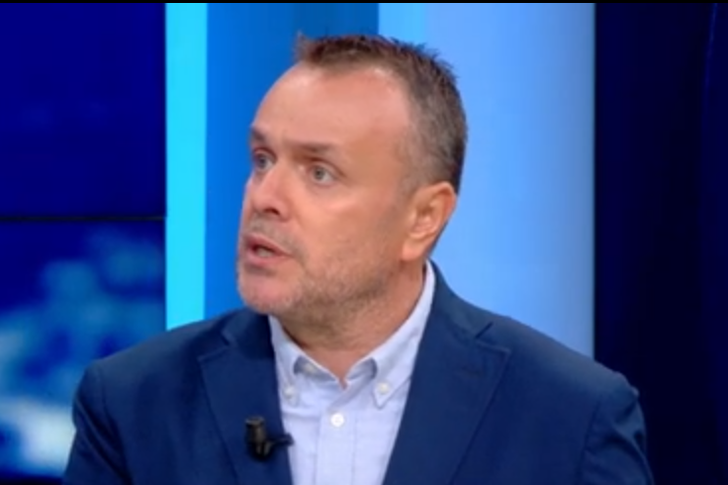
Criminal expert Ervin Karamuço has shared details related ...
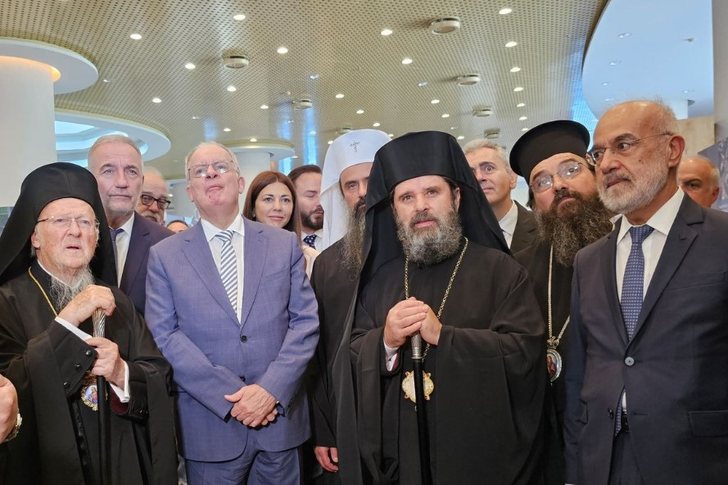
The Archbishop of Tirana, Durrës and all Albania, Joan, is...

The Special Prosecution Office against Corruption and Orga...
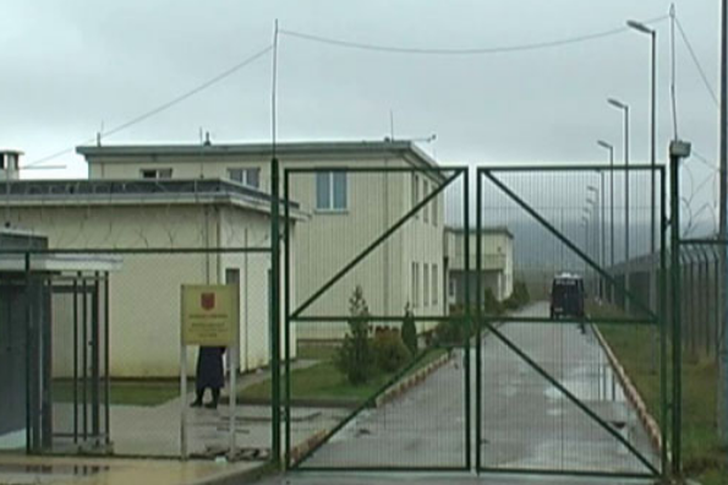
Sources indicate that about 1 week ago, a search was condu...
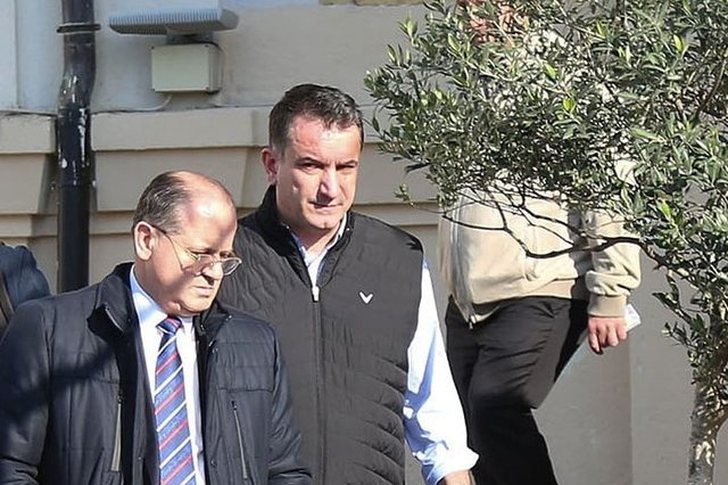
The preliminary hearing for former Tirana mayor Erion Veli...
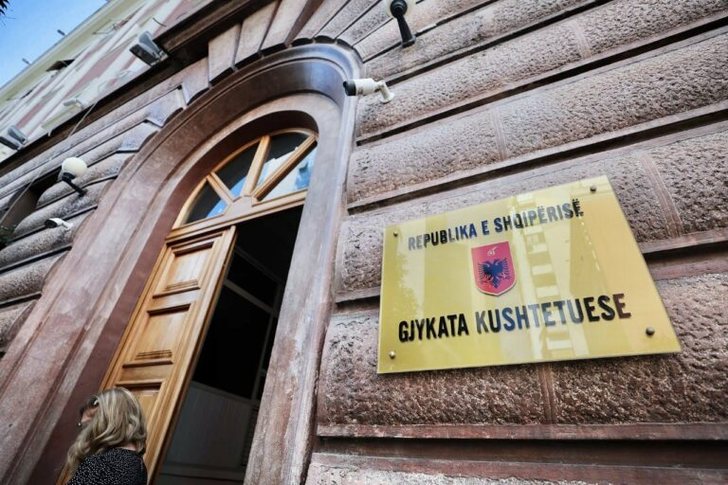
The Constitutional Court has selected Judge Sonila Bejtjan...
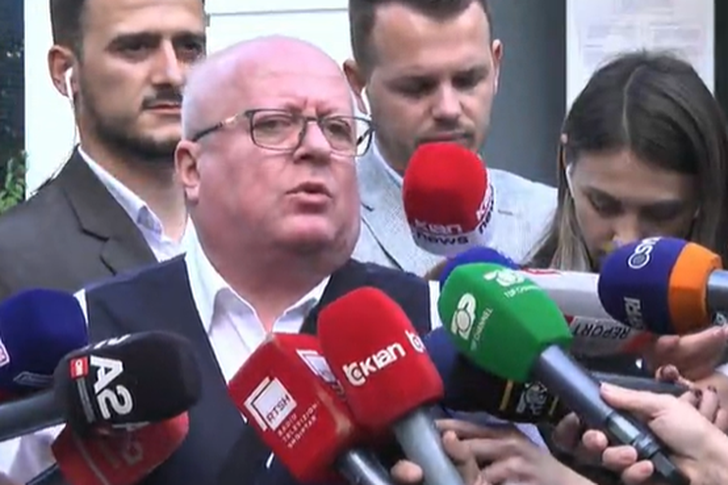
In the next court session on the "Partizani" case, lawyer ...
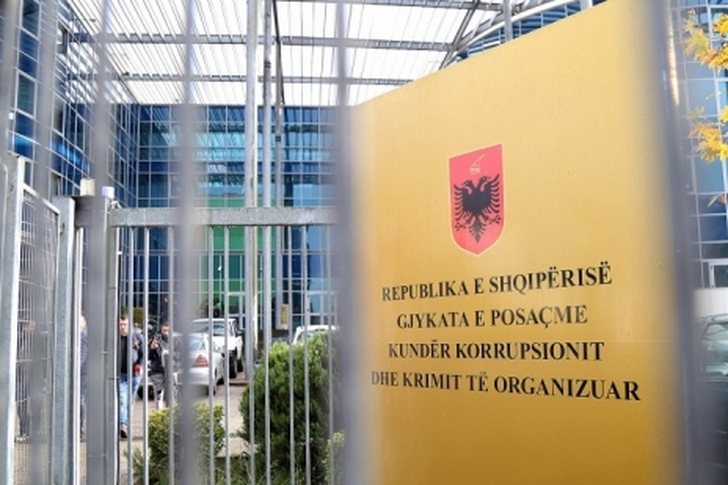
The hearing for the "Partizani" file has been postponed to...

Archbishop of Tirana, Durrës and all of Albania, Joan is p...
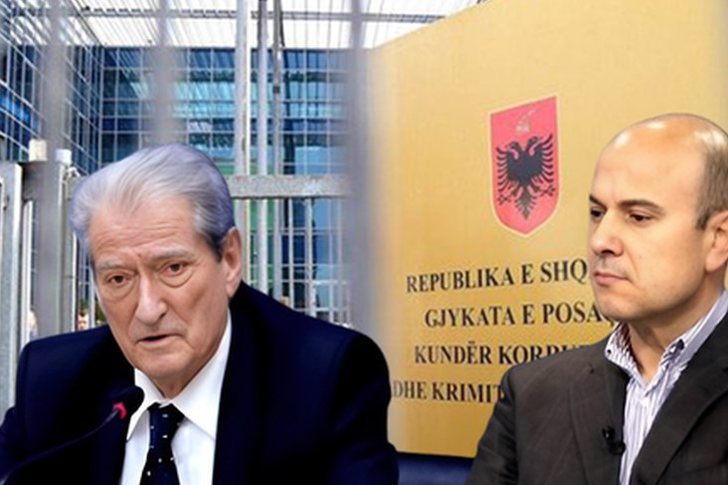
A hearing is being held at the GJKKO in charge of the defe...
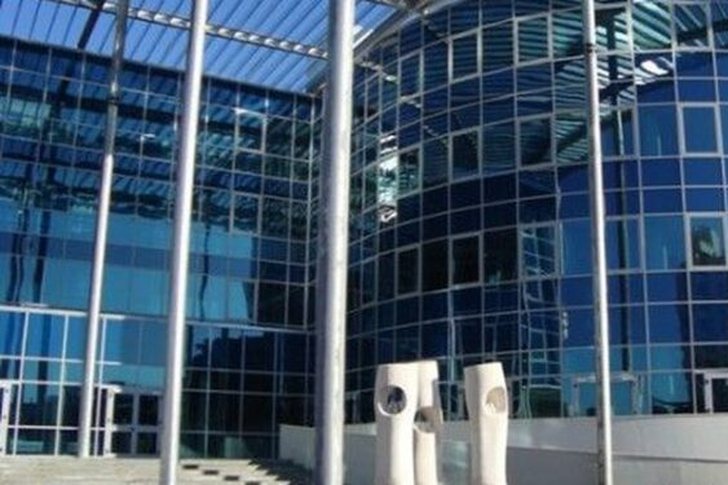
The Special Court against Corruption and Organized Crime i...
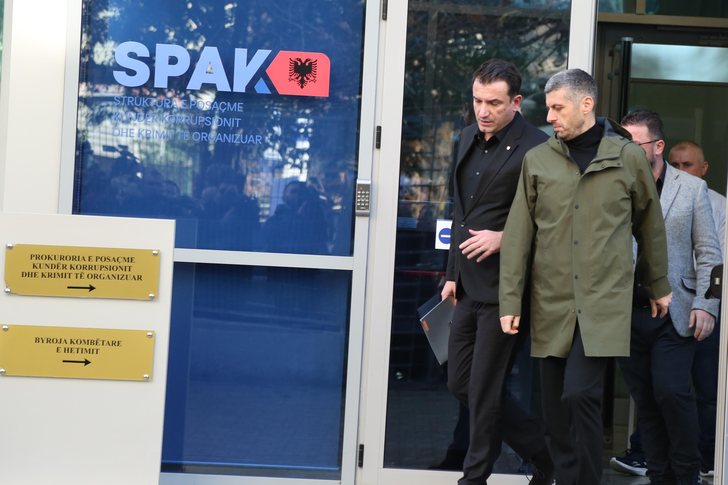
Erion Veliaj's former legal director, Alban Dokushi, whom ...
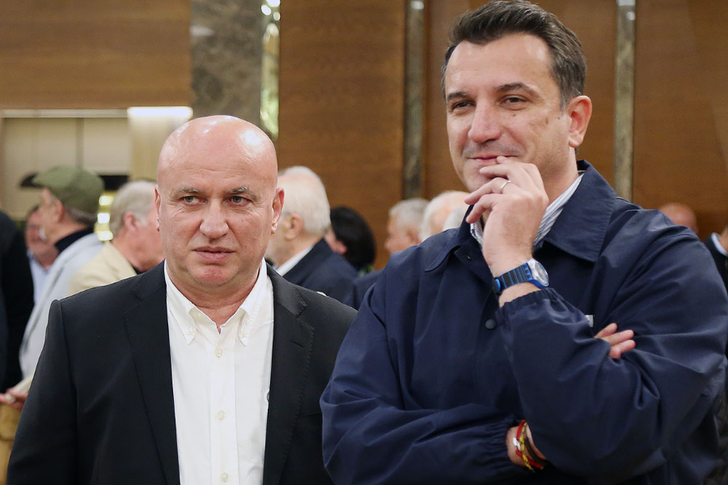
Today, at 12:00, a preliminary hearing will be held at the...

CNA has launched another investigation that could lead to ...

Irfan Hysenbelliu is a businessman that we call "Irfan the...

In March 2026, CNA launched another investigation centered...
The arrested mayor of Tirana, Erion Veliaj, with 13 charge...

The Special Board of Appeal (KPA) decided this Monday ...

The KPA vetting decided this Thursday to dismiss the p...

Suela Salavaçi, a prosecutor in the Prosecutor's Offic...

The Special Board of Appeal reinstated the prosecutor ...

A road accident occurred this evening on Nikolla Zoraqi St...

Three people were shot and wounded in Elbasan last night b...
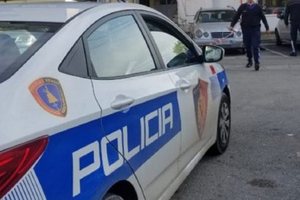
A serious incident occurred this Tuesday in the Yrshek are...

An accident occurred this Tuesday on "Dituria" street in K...
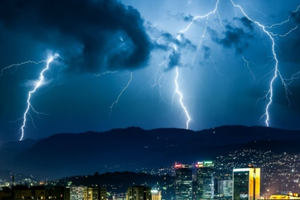
All of Southern Europe will face changing weather conditio...
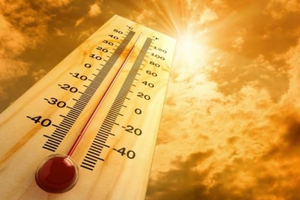
Albania was hit by temperatures significantly higher than ...

For the first time, Pogradec welcomed the Inter-Lake Chess...
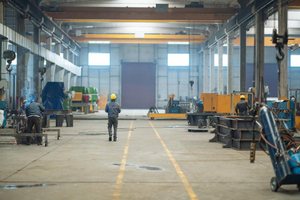
Albania has achieved a record for the employment of foreig...

US Secretary of State Marco Rubio arrived in Manila on Jul...
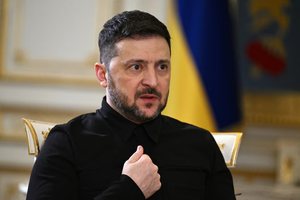
In the space of a few days, Ukrainian President Volodymyr ...
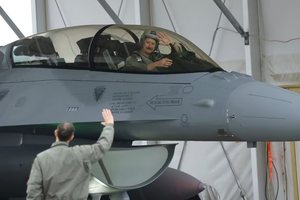
The spokesman for the Iranian Foreign Ministry warned Bulg...
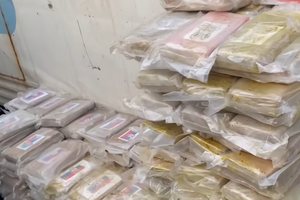
Autoritetet italiane sekuestruan pako me afër 800 kilogram...

At a time when industrial products are increasingly taking...

Trust among people is not just a three-syllable word. It c...

Master of humor Todi Llupi has passed away at the age of 7...

The ninth edition of "MIK Festival" kicked off with one of...
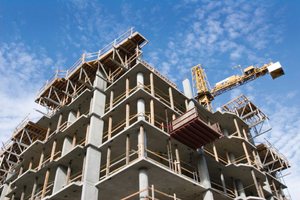
Construction company licenses will have a validity period ...
The Centralized Purchasing Operator recently opened a tend...
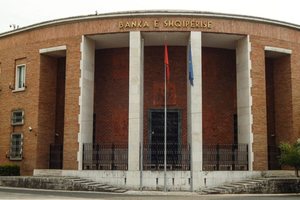
The new draft law "On the Bank of Albania" provides that t...
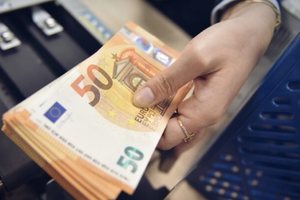
This Tuesday, one US dollar is bought for 81.2 lek and sol...