

The prices for licenses increase/ DPSHTRR issues new fees
The General Directorate of Road Transport Services (DP...


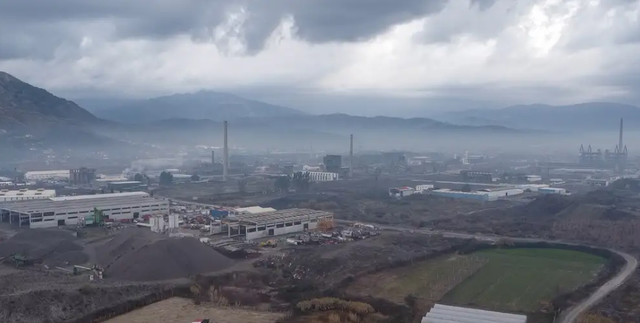
Tirana and Elbasan lead the list of the most polluted cities in Albania. The main source of air pollution is the construction sector, aging vehicles and heavy industry.
Volunteers of the "Green lungs for our cities" project in Albania have been on the ground since 2017 to monitor air quality in Tirana, where there is the largest concentration of residents, buildings and vehicles. In the last three years, they have continuously monitored the air quality in Tirana, then extending to the cities of Elbasan, Durrës, and Shkodra through 1,200 different monitoring points.
Rodion Gjoka, environmental expert and member of the EU-funded project since its inception, says that all of Tirana is now polluted. "Every major intersection within the two or three main rings of Tirana is a 'hotspot' in terms of the generation of pollution coming from vehicles. The least polluted areas in the city are the areas where the rulers have chosen to live, so 'Rolling Hill's and the villages that are located on the outskirts of Tirana. All the rest that live in Tirana, and from the very fact of the topographical characteristics that Tirana has, which is located in a pit field, causes the pollution to accumulate and stay for a long period" .
Sensitive above the permitted EU and WHO norms
In the findings made these years in Tirana, Rodioni and his team list as problematic nitrogen dioxide (NO2) that is emitted from the burning of fuels and PM2.5, a solid particle with a diameter of 2.5 microns that is mainly generated by the construction sector and combustion of fuel, which are significantly above the allowed rates of the EU and WHO.
"The main source of air pollution is the diffuse sources that generally come from the car exhausts that move around Tirana. In Tirana, over 200,000 cars move a day, most of which, and why this ratio has changed in recent years, are engines that are outdated, so they are Euro3, Euro4, there are also Euro 5, Euro6 but most of them are outdated engines that do not burn the fuel until the end. Then there is the quality of the fuel. No matter how good it may be engine, if the quality of the fuel is bad, certainly many of the radicals or partial particles of the fuel molecule will be released as pollutants in the gas, and here are all nitrogen dioxides, sulfur dioxide, lead and all other metals heavy ones that are suspended in the air. This is one side, and the other side that is diffuse in one way or another is this big construction boom in Tirana, which affects the particles or solid particles that suspended in the air, which are PM2.5 and PM10. These are generally inert materials, dust, sand, everything that has to do with the construction sector which is already diffuse unfortunately because we don't have a certain area where it is built in Tirana, but it is built everywhere" - says Olsi Nika, expert the environment from the Eco Albania association.
PM2.5, the particle that everyone avoids
Pollutants measured by the National Environment Agency are PM2.5, PM10, particles with a diameter of 10 microns caused by the construction industry, landfills, waste burning, sulfur dioxide, (SO2), which is emitted by burning fossil fuels and mineral melting, nitrogen dioxide, carbon monoxide (C0) emitted from incomplete combustion of fuels and benzene, emitted from burning coal and oil as well as aging car engines.
The National Environment Agency, the main institution for monitoring the environment and air quality, acknowledges the high levels of pollution in Tirana, but avoids mentioning PM2.5, the most dangerous particle found in the air, according to experts. WHO guidelines state that the annual average concentrations of PM2.5 should not exceed 5 micrograms per cubic meter (µg/m 3), but in the reality of Tirana, they often exceed 10 times the allowed rate.
"It turns out that in Tirana we are above the European Union norms for PM10 and for NO2, which is nitrogen dioxide. These are both parameters that are the main source of pollution from construction and road traffic, while in Elbasan we only exceed PM10. PM10 is somewhere in the value of 10% above the norm of the European Union. Regarding nitrogen dioxide, it is in high values ??but it is within the allowed norm. We see that we have the presence of NO2 in our measurements, but it is within the allowed norm", says Vanela Gjeci , Head of Sector at the National Environment Agency.
Elbasan: The level of lead and other heavy metals is problematic
Nikolla Civici ka drejtuar për shumë vite Insitutin e Fizikës Bërthamore të Zbatuar në Universitetin e Tiranës. Në periudhën 2014-2018, ky institucion ka monitoruar rregullisht cilësinë e ajrit në të gjithë Shqipërinë. "Parametrat që ne analizonim ishin PM10, PM2.5, niveli i plumbit dhe metaleve të tjerë të rëndë. Përgjithësisht situata gjatë këtyre viteve ka qenë problematike me plumbin në Elbasan. Kryesisht ishin emetimet e Uzinës Metalurgjike atje, që kur frynin erërat në një drejtim të caktuar, e çonin gjithë tymin në qytetin e Elbasanit. Ndërsa për Tiranën, problematik ka qenë PM2.5. PM2.5 pothuajse gjithmonë, në pjesën më të madhe të ditëve të vitit, ka qenë mbi nivelet e lejuara. Grimcat e PM10-ës kryesisht janë grimca të mëdha të cilat frenohen në pjesën e sipërme të frymëmarrjes dhe nuk kanë ndonjë rrezikshmëri aq të lartë saç janë grimcat me dimension 2.5 sepse ato depërtojnë në mushkëri kështu që janë të më të rrezikshmet. Zakonisht për këto vendosen limite të rrepta të cilat ekzistojnë edhe në legjislacionin tonë. Ulja e tyre është shumë e vështirë qoftë nga emetuesit, qoftë nga burime të tjera nga të cilat ato vijnë” – thotë Prof.Dr. Civici.
Sistem ekonomik i ndërtuar mbi ndotjen
Për Ervin Gocin, pedagog dhe një ndër zërat më të fortë të shoqërisë civile, sidomos kundër betonizimit të Tiranës, autoriteteve nuk u leverdis të pranojnë shifrat përtej çdo norme. "Po të pranosh realitetin do t'u thuash njerëzve: Ju kërcënoheni nga vdekja. Dhe kjo është jo vetëm një përgjegjësi e institucioneve që me plot gojën e quaj kriminale, sepse të luash me shëndetin e qytetarëve është kriminale dhe jam 1000% i sigurt se ata e dinë këtë gjë. Problemi më i madh nuk është se Tirana është e ndotur tani. Problemi më i madh për mua është që këtu është vendosur një sistem ekonomik i cili është i ndërtuar mbi ndotjen. Ne po e paguajmë me mushkëritë tona. Pse? Sepse që në momentin që ti thua që unë 60% të taksave të qytetit do t'i nxjerr nga ndërtimi u thua qytetarëve që "përgatituni, bëhuni gati ,sepse këtu do të derdhen mijëra kub beton”. Dhe mijëra kub beton ne e dimë shumë që është ndotje”. Në Zvicër, Kompania IQAir, një ndër më seriozet në botë për matjen e cilësisë së ajrit, monitoron situatën në mbi 140 shtete të botës. Drejtuesi i saj, Frank Hammes, thotë se nga gjashtë ndotësit kryesorë që masin qeveritë, PM2.5 është ai më i rrezikshmi, i cili gjendet dhe në Ballkan. "Të dhënat që kemi nga Shqipëria për momentin janë të dhëna satelitore dhe këto të dhëna nuk janë të besueshme përsa i përket kohës dhe saktësisë, krahasuar me të dhënat që merren nga stacionet. Në mënyrë që ne të kuptojmë se çfarë po ndodh na nevojiten të dhëna nga stacionet, por fatkeqësisht për momentin nuk i kemi në këto qytete, Tiranë dhe Elbasan. Ne nuk i përfshijmë të dhënat satelitore. I japim në kohë reale si të dhëna por nuk i përfshijmë në raportin vjetor për cilësinë e ajrit, sepse nuk janë të besueshme.”
Institucionet e bëjnë veshin shurdh
Ne iu drejtuam për intervistë zyrës së shtypit në Bashkinë Tiranë, në lidhje me këtë temë. Nuk morëm asnjëherë përgjigje. Refuzim morëm edhe nga Instituti i Shëndetit Publik. Ky institucion, që ka përgjegjësinë e monitorimit të shëndetit të popullatës, pranoi zyrtarisht se "gjatë kësaj periudhe nuk janë zhvilluar studime të detajuara”, pa përcaktuar kohëzgjatjen e periudhës.
Një tjetër problematikë e krijuar me matjen e cilësisë së ajrit në Shqipëri, gjatë viteve të fundit ka qenë edhe mangësia në monitorim dhe informacion. Agjencia Europiane e Mjedisit, agjenci e Bashkimit Europian që ofron informacion të pavarur mbi mjedisin, thotë se: "Fatkeqësisht Shqipëria nuk ka raportuar të dhëna mbi cilësinë e ajrit që nga viti 2019, kur na janë raportuar matje vetëm nga një stacion monitorimi i PM2.5. Për ndotësit e tjerë të ajrit ne nuk disponojmë të dhëna, të paktën që nga viti 2017”. Agjencia Kombëtare e Mjedisit pranon që matjet kanë qenë të pjesshme, por vetëm për vitet 2019-2022.
Viktimat e ajrit të ndotur
Sipas Agjencisë Europiane të Mjedisit, "Shqipëria ka shkallën më të lartë të vdekjeve në rajon, për 100 mijë banorë, si pasojë e ekspozimit ndaj ozonit”, që krijohet nga kombinimi i gazrave të dëmshëm që emetojnë automjetet nga mosdjegia e plotë e karburantit apo cilësia e dobët e tij, në ditët me temperatura shumë të larta. Sipas të dhënave të të njëjtit institucion, në periudhën 2017-2021 në Shqipëri kanë humbur jetën 5.410 vetë, si pasojë e ekspozimit afatgjatë ndaj PM2.5 e dioksidit të azotit dhe ekspozimit afatshkurtër ndaj ozonit.
Mjeku pneumolog Ardian Jorgji, thekson se ajri, toka dhe uji i ndotur shkaktojnë shumë çrregullime, duke nisur nga sëmundjet e lëkurës, çrregullimet nervore, sëmundjet e aparatit respirator që nga fenomenet alergjike, astma, bronkitet, sëmundjet kronike të mushkërisë, deri dhe kanceri, sëmundjet kardiovaskulare, sëmundjet hepatike, ato renale, diabetike, endokrinologjike dhe të rrugëve urinare.
Kur bën krahasimin e rasteve ndër vite, mjeku Jorgji vëren shtim të tyre në punën e tij të përditshme. "Tendenca është në rritje. Jo vetëm numri, por po shikoj gjithnjë e më tepër mosha të reja të ndikuara nga këto ndryshime. Po jap një faktor të thjeshtë. Të tërë jemi dëshmitarë, të paktën vizualë, të shtimit të sasisë së polenit në qytet. Nga ana shkencore, është provuar që ka një paralelizëm për sa i përket shtimit të dioksidit të karbonit dhe shtimit të polenit në ajër. Fenomenet alergjike janë shtuara në masë. Fëmijët me probleme që në moshën fëminore mund të justifikohen deri diku nga ana shkencore nëpërmjet trashëgimisë por nuk mjafton. Është përpara nesh fakti që ndotja jo vetëm është e pranishme por edhe e shtuar ndër vite”.
Ndotje e shtuar ndër vite
Unfortunately, the 68-year-old Bedrie Gërduqi, a resident near the former Metallurgical Plant in Elbasan, finds in herself the variety of diseases. "All allergies are the children and us. All the sneezing, we get the flu very often. The old age is affected by every disease in the bones, in the heart, in the lungs.
People cannot be filled with breath. They are blocked. I'm sick too. With lungs, with diabetes, with tension, with heart, with everything. There is no one right here, in this neighborhood we live in. We are fine, but the children... As soon as the child is born, he is blocked, you will take him to the hospital once every two weeks" - she expresses worriedly.
Solution or road of no return?
"We have to look for solutions. One of the solutions is to reduce the use of cars. But in my judgment I do not believe that the solution is not what is being propagated, that is to use more bicycles. It is definitely good for the environment and for everyone, but bicycles are not it must be an alternative use of using the car. It must be an alternative means of using public transport, so the solution must be found in public transport which must be effective, efficient and as less polluting as they are big polluters When we talk about obsolete cars or engines, they are the first to be seen" - says Olsi Nika from "Eco Albania".
The head of IQAir, Hammes, sees the turning point for improving the situation in governments. "Usually our message to governments is: Air pollution is a joint effort, and reducing air pollution and having cleaner air is really a public health need. Governments often think that identifying air pollution can be a problem. But I think it's better to identify and work together with everyone to solve the situation."
For physicist Civici, cooperation between institutions and investments are the key to improving the situation. "First, we need a better cooperation between the institutions, because the Environment Agency is not able to cover all the problems of air pollution, either in Tirana or in the whole of Albania. And on the other hand, we need a financing serious so that all those stations that will be erected, and those stations that are and maybe not working now, are put into operation and perform the task for which they were purchased, that is, to measure pollution parameters and at the same time to force the decision-makers to demand the implementation of the limits they have set themselves"./ DW

The General Directorate of Road Transport Services (DP...
Even this evening, dozens of citizens and exponents of the...
The court of Lezha upheld the suspension of 11 Cadastre em...
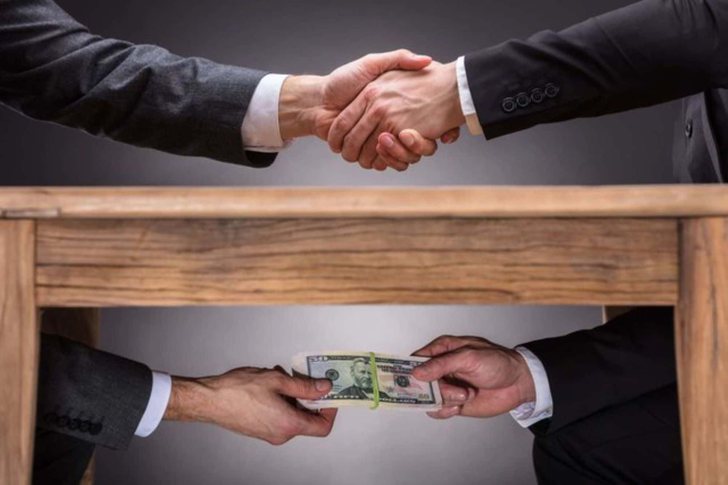
"Transparency International" has published the report on t...
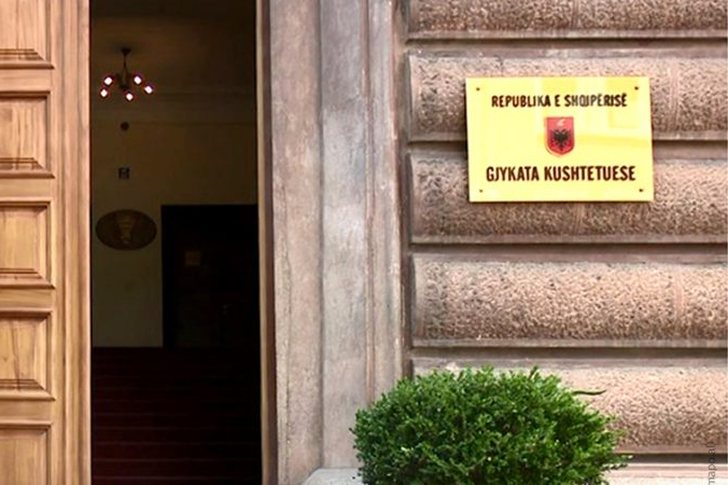
The Constitutional Court has not accepted to cancel th...
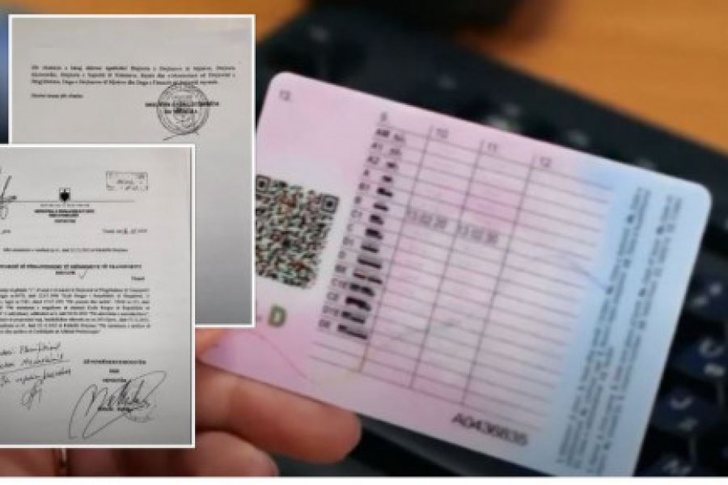
Që nga 16 Janari tashmë tarifat e shërbimeve për paten...
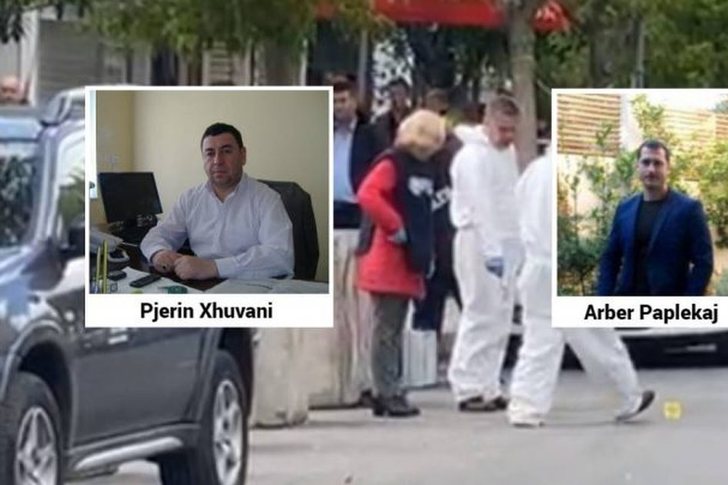
In the Court of Appeal, the court session has started agai...
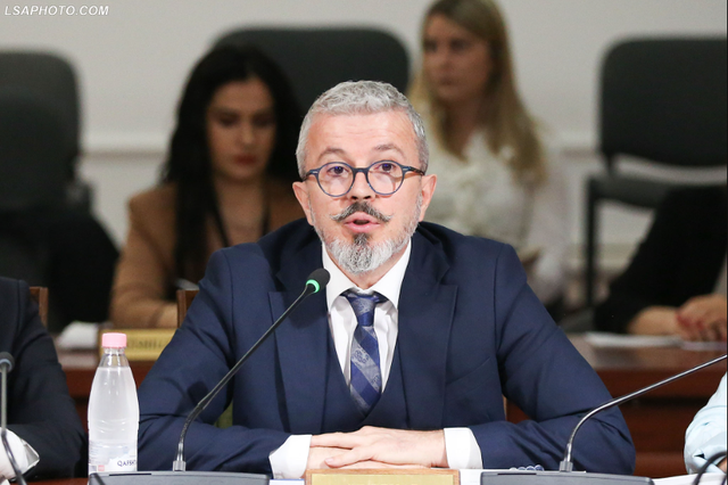
Alfred Balla, the shadow minister of Renaissance at th...

Kreu i Partisë së Lirisë, Ilir Meta sot në një deklara...
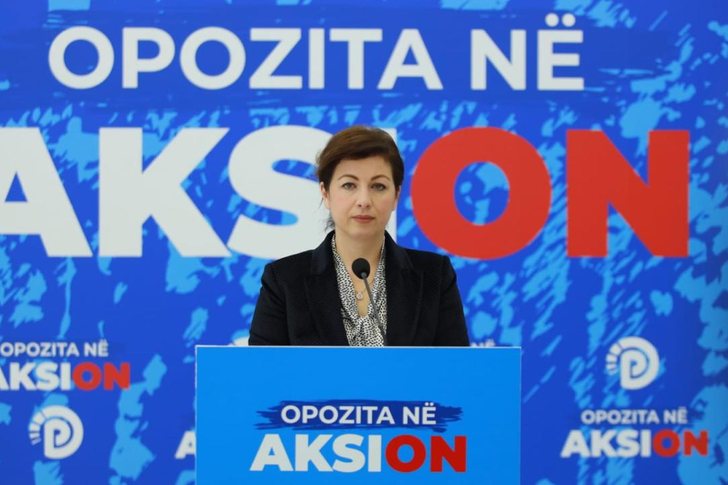
Deputetja Lindita Metaliaj, në një deklaratë për media...

This Tuesday, January 30, 2024, we are introducing you to ...
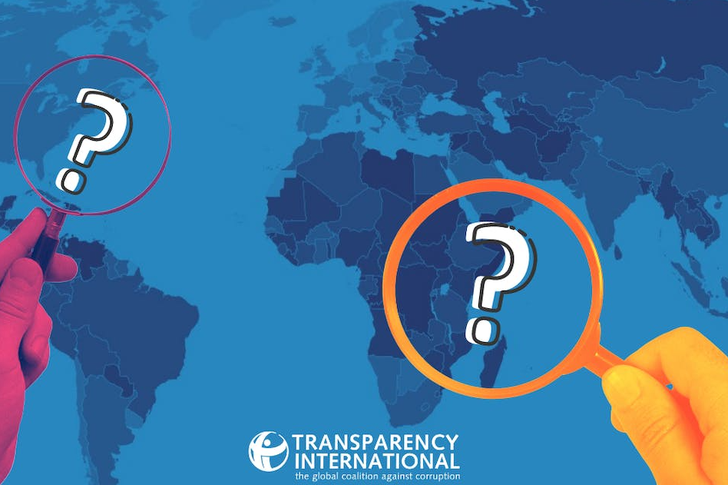
Transparency International ka publikuar raportin për Indek...
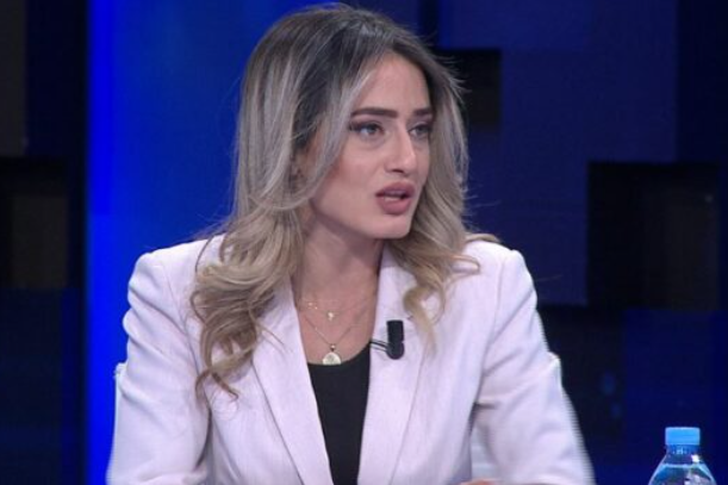
Journalist Glidona Daci has told about the mental stat...

Gazetarja Klodiana Lala ka zbuluar detaje të tjera në lidh...
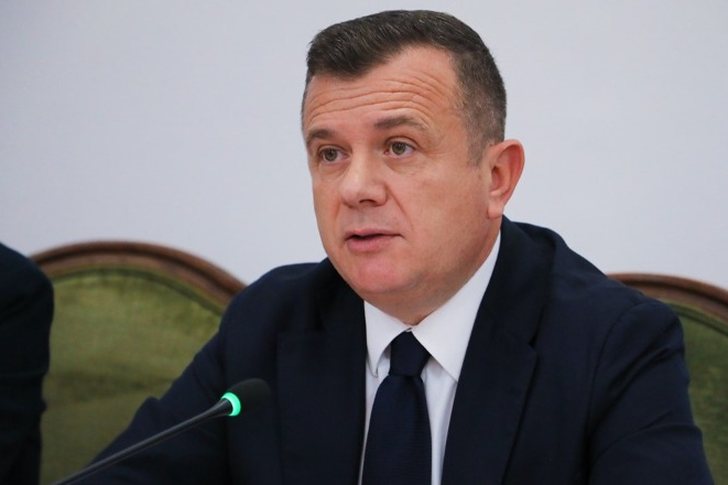
Interior Minister Taulant Balla, referring to the init...

Investigative journalist Artan Hoxha has spoken about ...
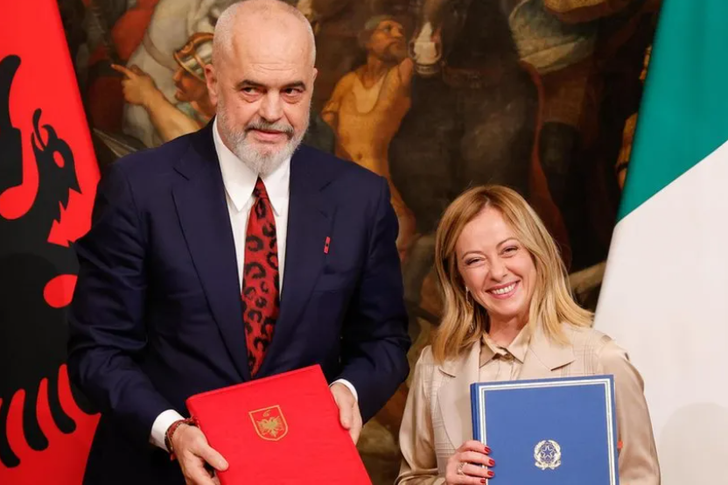
The BBC has devoted an article to the decision of the Cons...
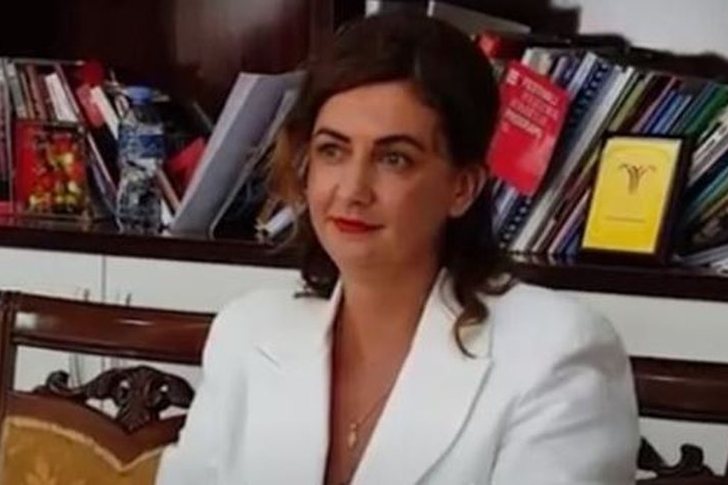
It seems that there is a rift with the Socialist Party and...
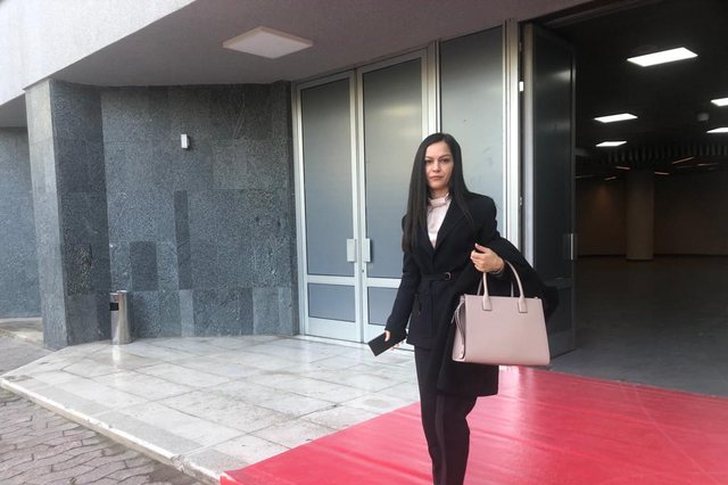
Kolegji i Posaçëm i Apelimit ka shkarkuar prokuroren Mario...
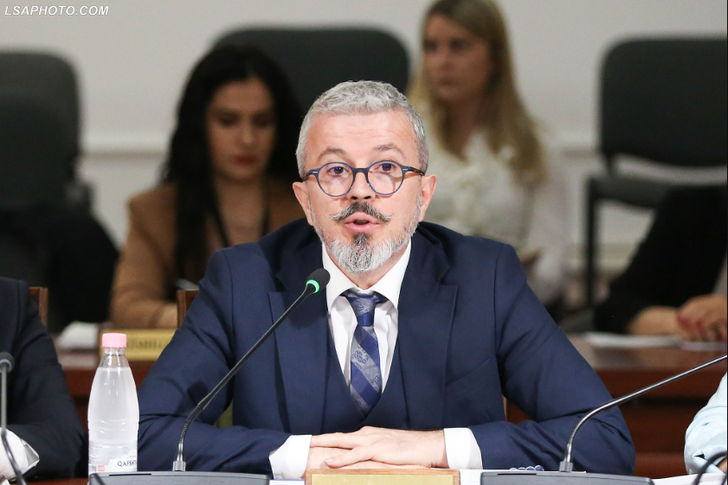
Kreu i KLP-së, përfaqësuesi apo ministri hije i Rilind...
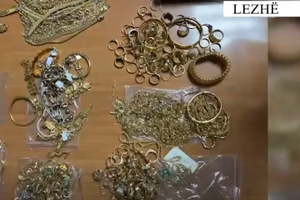
A 39-year-old citizen has been arrested in Lezha, after se...

CNA has launched another investigation that could lead to ...

Irfan Hysenbelliu is a businessman that we call "Irfan the...

In March 2026, CNA launched another investigation centered...

The Special Board of Appeal (KPA) decided this Monday ...

The KPA vetting decided this Thursday to dismiss the p...

Suela Salavaçi, a prosecutor in the Prosecutor's Offic...

The Special Board of Appeal reinstated the prosecutor ...
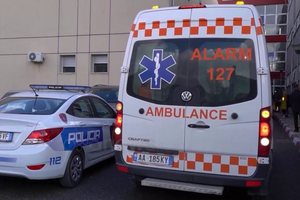
Several gunshots were reported today in the village of Gjo...
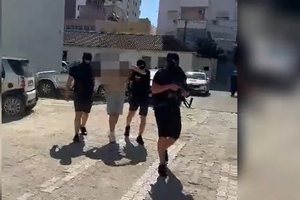
Following the successive operations carried out by the ope...
The Police Supervision Agency has seized the service weapo...
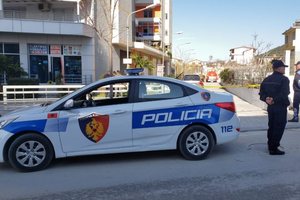
A serious incident occurred in Lushnje, where citizen IY, ...
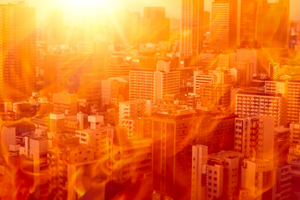
As the year 2026 is in its second half, the world is exper...
Today, our country will be under the influence of stable a...

By noon, cloudiness is expected to prevail in almost all o...

Children without parental care, for whom alternative famil...
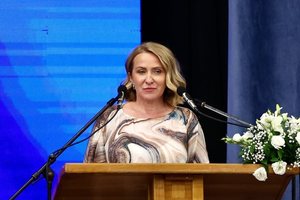
Serbia's Minister of State Administration and Local Self-G...
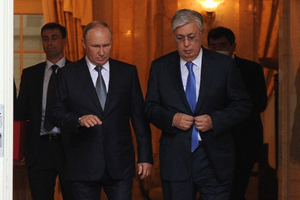
Kazakh President Kassym-Jomart Tokayev shared some critici...
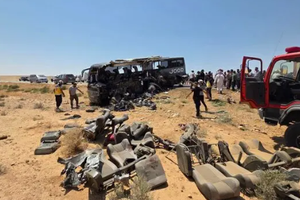
Thirty-five people were killed and 30 others were injured ...

US President Donald Trump has announced that he will seek ...
Two windows, a century of history and the metaphysics of p...
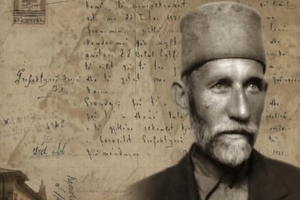
In my research at the Central State Archives, specifically...

At a time when industrial products are increasingly taking...

Trust among people is not just a three-syllable word. It c...
This Saturday, one US dollar is bought for 81.7 lek and so...
War, weather and supply disruptions could send gas prices ...
The number of active enterprises in Albania continued to g...
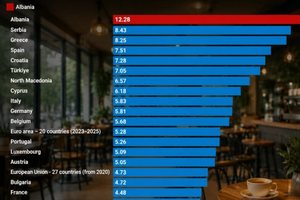
In Albania, the bar-cafe has long become an almost unique ...