


Murder of the officer/ Enea Mekolli's uncle raises accusations: They were without any kind of protection
The uncle of the murdered officer, Enea Mekolli, Hazbi Mek...

The uncle of the murdered officer, Enea Mekolli, Hazbi Mek...

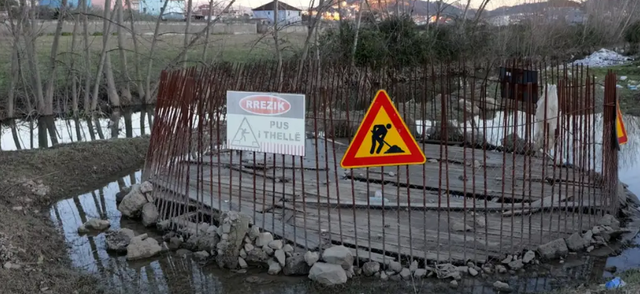
Urban wastewater treatment should be a public, centralized, and monitored function. Its fragmentation into hundreds of individual plants increases the risk of silent pollution.
At the end of 2023, Albania woke up to an "environmental emergency". The government warned that the waters along the coast were being polluted to alarming levels, threatening public health and the country's tourist image. The solution was announced quickly and decisively: a normative act as an urgent intervention to stop coastal pollution. But while the emergency was declared in the name of the environment, the consequences fell elsewhere.
Just a few weeks later, a joint directive from the two ministries, the Ministry of Infrastructure and Energy and the Ministry of Tourism and Environment, forced tourist operators along the coastline to install private wastewater treatment plants, even when these businesses were connected to the public water supply and sewage network and regularly paid for this service. The imposed cost ranged from 40 thousand to 150 thousand euros per entity, an unaffordable burden for many small and medium-sized operators.
Massive checks and fines at the peak of the tourist season
"The task force inspectors launched mass checks at the height of the tourist season. They imposed selective fines, often without giving clear explanations," says the owner of a small hotel in the south, who does not want to be identified.
Dozens of businesses were thus faced with two choices: to urgently invest in private plants or face penalties that risked closing down their activities. And while the official narrative was clear: whoever opposes the measure opposes environmental protection, the practice of implementation on the ground shows a different reality. Under the banner of environmental protection, a mechanism was built to extort money from the pockets of many tourist businesses, so that it would go into the pockets of only a few firms that sell wastewater treatment plants. And the "environmental emergency" began to take the form of another crisis: economic and legal for thousands of operators.
According to open data, since the adoption of the normative act on the protection of waters from pollution by entities at the end of 2023 until August 2025, a total of 115 administrative measures have been imposed, while the market for private plants flourished at a suspicious pace.
Many of the tourism businesses went to court because they had been fined, even though some of them had contracts with private operators for the installation of plants, or with the water supply and sewage company for the processing of wastewater.
Urban water treatment not in line with European standards
Environmental experts warned that the imposed model did not comply with European standards. Urban water treatment, according to EU legislation and consolidated practices, is a public, centralized and monitored function. Its fragmentation into hundreds of individual plants not only does not guarantee improvement in water quality, but also increases the risk of silent pollution and makes institutional control almost impossible - says Olsi Nika from the Eco Albania organization.
Meanwhile, the main water pollutants, untreated urban discharges, dysfunctional public facilities and industrial pollution, remained outside the focus of the emergency. Instead of investing in the repair and construction of public facilities, the burden was shifted to a certain category of businesses, mainly coastal ones.
Polluted waters do not recognize administrative or seasonal boundaries. They collect in urban networks, flow through river basins and flow into the sea, regardless of their origin. According to experts, the fact that measures were not taken to address urban pollution within the country's territory, nor industrial discharges or the operation of inefficient water supply systems, makes one think that the goal was not to systematically clean the waters, but to place a direct burden on a certain category of businesses.
Environmental experts also emphasize that the decentralization of water treatment through individual plants increases the risk of malfunction, makes institutional monitoring practically impossible, and creates a cumulative pollution effect, which in many cases can be more harmful than the existing public system.
Decline in investments in wastewater treatment plants
In 2023, when the government's initiative to transfer the burden of wastewater treatment to the private sector was launched, Albania was promoted as a tourist success story with over 9 million visitors, even though the quality of bathing water reached the worst level in the last decade. According to a report by the Supreme State Audit, investments in urban wastewater treatment plants have been declining year by year, while public funds have been used mainly to keep existing plants in operation, not to build new capacities.
According to the existing legal framework, urban water treatment is a public function, carried out by water supply and sewage companies under the jurisdiction of municipalities. The explanatory material of Normative Act No. 8/2023 itself clearly acknowledges that the main problem is related to areas: "partially covered by a sewage network" and where entities "use inappropriate individual solutions, such as septic tanks".
The Albanian government has invested over 112 million euros in the construction of wastewater treatment plants, while another 100 million were spent on a plant that is not functional, like the one in Kashari.
In the latest report of the European Environment Agency (EEA) (June 2025), which monitors natural waters - coastal, lake and river - Albania is ranked at the bottom of the list. Only 41.2 percent of the 119 analyzed sea, lake or river waters in Albania received a "passing grade" from the EUA./ DW

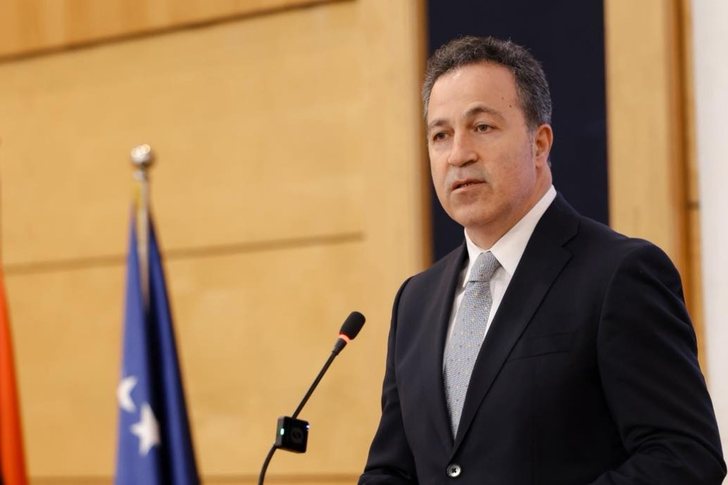
The Speaker of the Parliament, Niko Peleshi, conveyed cong...
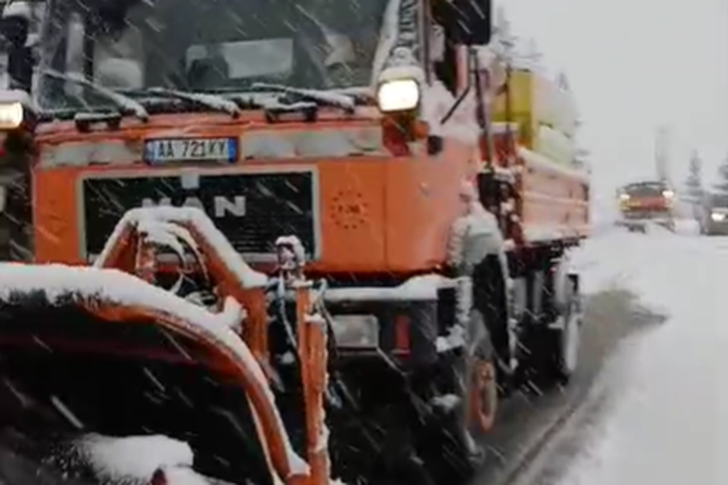
Rainfall during the night has been accompanied by a drop i...
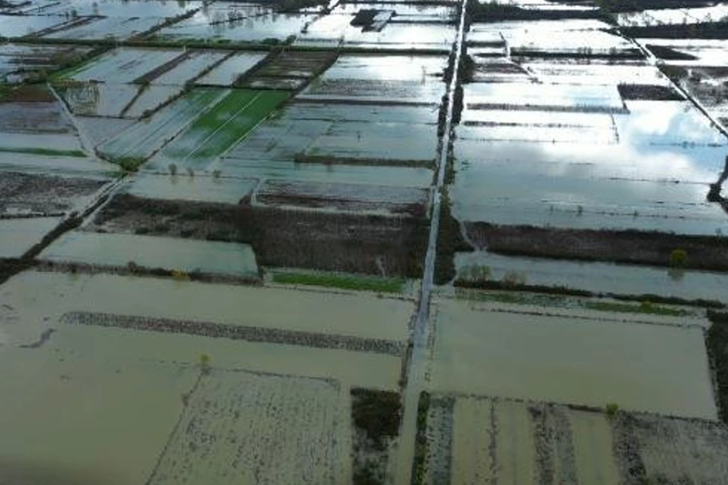
The intense rainfall of the last 24 hours and the incr...

Mabco company spokesperson Ornela Çuçi spoke on the "Opini...

Journalist Blendi Fevziu spoke today on the show "The Unex...

Ish-prokurori Eugen Beçi u shpreh sot lidhur me efektet li...
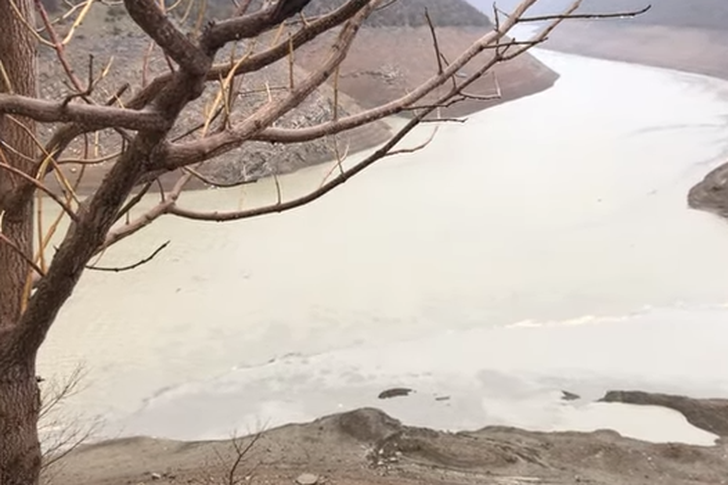
Since this Monday morning, controlled discharges have begu...

Federal prosecutors have requested life imprisonment for F...
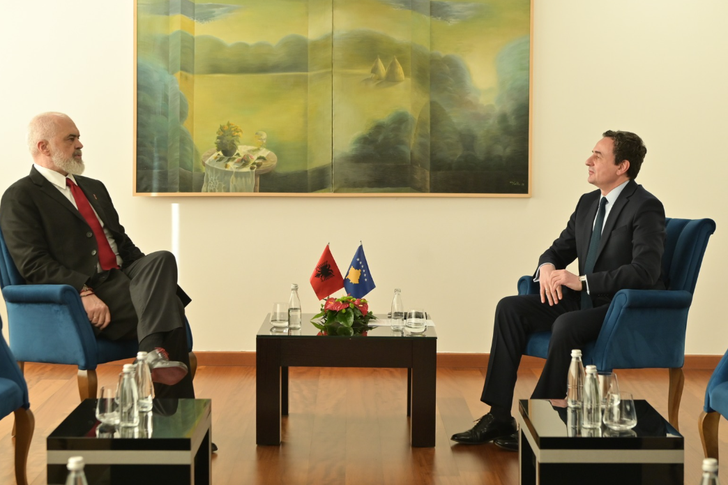
Kosovo Prime Minister Albin Kurti hosted Prime Minister Ed...
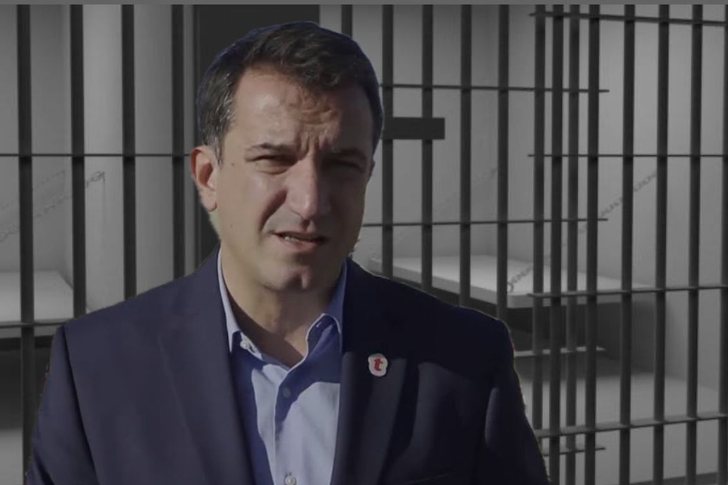
A survey conducted by CNA highlighted the largely negative...
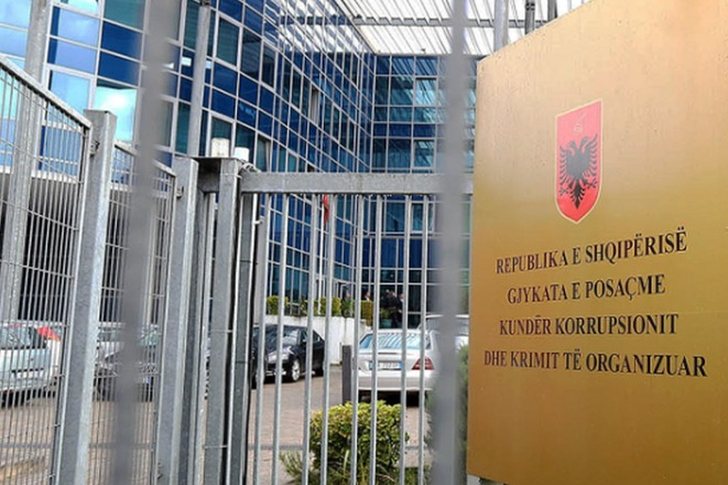
The Special Court has sentenced the former head of the Lus...
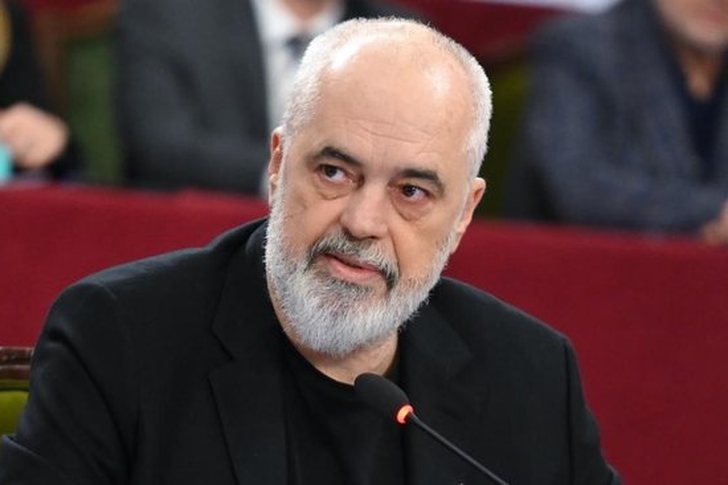
Lawyer Bledar Dervishaj spoke on television about the prop...
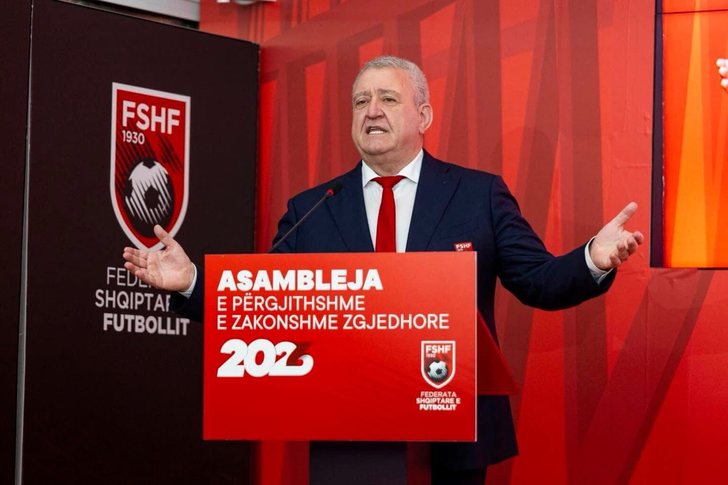
The Chairman of the Socialist Party Parliamentary Group, T...
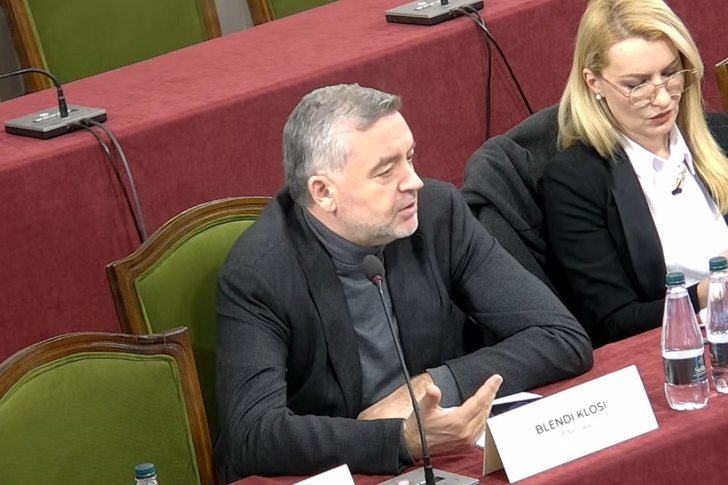
SP Secretary General Blendi Klosi delivered his speech at ...
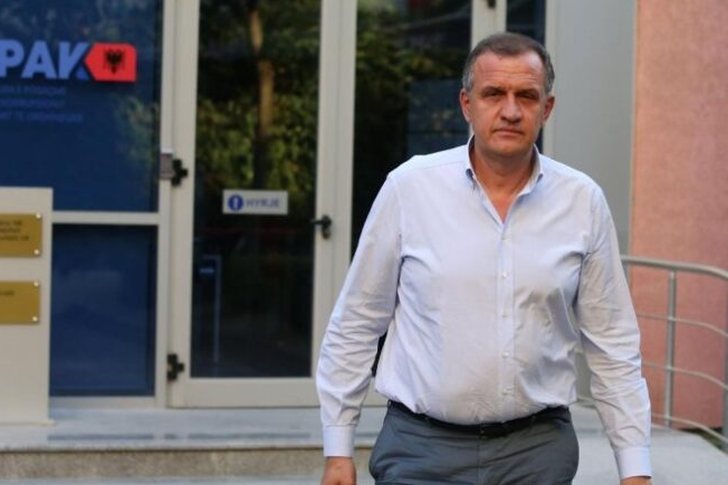
The court hearing against former Minister of Health, Ilir ...

MP Xhelal Mziu stated in the Territorial Reform Committee ...

Prime Minister Edi Rama is present at the promotion of the...
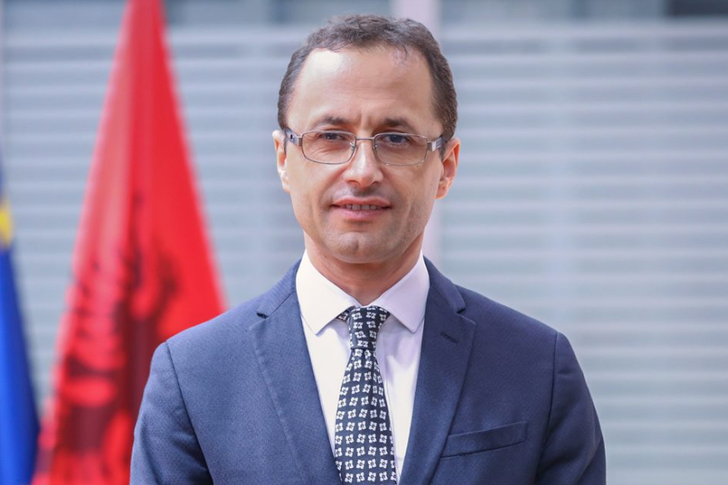
DP leader Sali Berisha, in a statement to the media, has l...

Eva Dumani's return to Albania this Saturday from the infa...

CNA Media, a media window that reflects the work of a team...

The murder of officer Enea Mekolli in the line of duty has...

The next case broadcast on the show "Stop", this Thursday,...
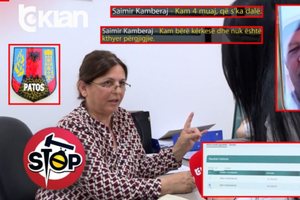
The case published this Thursday, June 4, on the show "Sto...

The protests of recent days related to the situation in Zv...

The Special Board of Appeal (KPA) decided this Monday ...

The KPA vetting decided this Thursday to dismiss the p...

Suela Salavaçi, a prosecutor in the Prosecutor's Offic...

The Special Board of Appeal reinstated the prosecutor ...

A money changer in Durrës lost 60 thousand euros after bei...
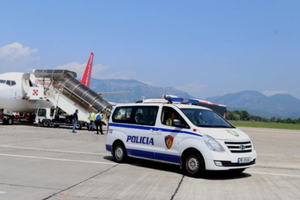
The 6 citizens captured in Dubai, members of criminal grou...
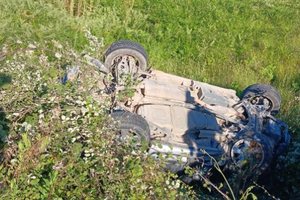
A serious accident occurred on the Kardhiq-Delvinë axis, i...
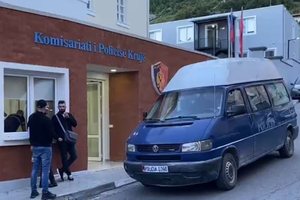
Authorities have conducted a large-scale anti-drug operati...
Today our country will be affected by stable weather condi...

For many children and teenagers, the long summer holidays ...

Albania is facing an unprecedented demographic transition,...
On Thursday, our country will be affected by unstable weat...

Russian President Vladimir Putin said the war in Ukraine c...
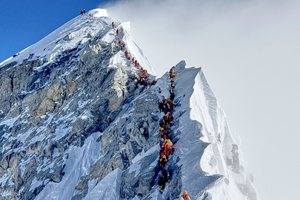
An extraordinary story of survival has been recorded in Ne...
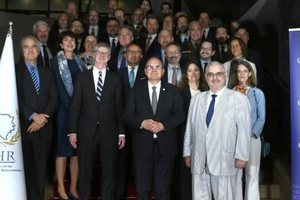
The Peace Implementation Council in Bosnia and Herzegovina...
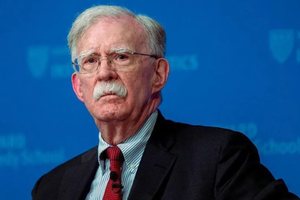
John Bolton, the former national security adviser to US Pr...

Korça is ready to open the summer season with one of the c...

Two years after his passing, the renowned Korçë poet Skënd...
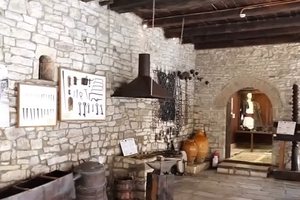
The Ethnographic Museum of Berat has opened its doors to v...
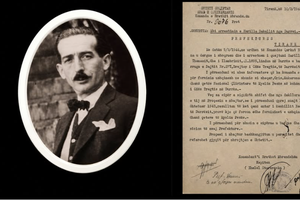
The story of Harilla Bakalli is one of the most chilling t...

Despite years of efforts at regional cooperation and free ...

Albania is the country with the highest level of severe ma...

This Friday, one US dollar is bought for 81.3 lek and sold...
The government aims to transform the country's industrial ...