


Cash deposits at ATMs are increasing for the seventh year in a row
Automatic deposit of money in ATMs is increasing for t...


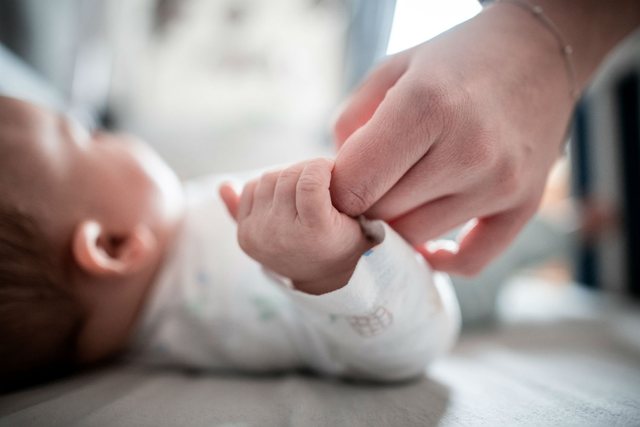
Albania is facing the phenomenon of a decrease in births for three decades, but in some districts the decline is much sharper than the national average.
The official INSTAT data show that in the first 6 months of the year, births on a national scale fell by 5.1%, but for the counties of Vlora, Gjirokastra and Kukës, the contraction was 2-3 times greater.
Vlora recorded the biggest drop in babies born in the first 6 months, about 16% less than in the same period a year ago. In this district in the first half of 2024, only 468 babies were born out of 556 that were born in 2023 in the same period.
After Vlora, the biggest drop in births was in the Gjirokastra District with about 14%. In this district in January-June 2024, 144 babies were born out of 167 that were born in the first 6 months of 2023.
The district of Kukës was ranked third for the high rate of decline in births with 2024. In January-June, 318 babies were born in this district with a 9.4% decrease compared to the first 6 months.
Also, the drop in births above the national average was also present in the districts of Lezha, Berat, Shkodra and Durrës.

While in Tirana, Elbasan, Fier and Korça, births fell by less than 5%.
Korça County had the lowest drop in births with only -2.3, followed by Fieri with -3.7%.
Fertility rates have fallen steadily over these three decades, but in the last two years, they have accelerated, signaling a worsening of the phenomenon in the coming years.
In 2023, just 22,210 babies were born across the country, the lowest level since 1934 when official annual data was reported.
Demographers and sociologists are concerned that births in Albania have fallen beyond all predictions.
The pessimistic scenario for population progress until 2060 developed by INSTAT predicted that in 2023, 27,281 babies would be born, but in reality about 20% less are being born.
The 2019-2031 population projections from INSTAT did not take into consideration the high immigration rates and the decline in fertility, so the demographic indicators have had a higher deterioration compared to all scenarios.
Experts claim that the policy is too late to implement a set of measures, which should focus on curbing immigration and identifying tools that can help young couples have children./ Monitor.al

Automatic deposit of money in ATMs is increasing for t...

This Tuesday we are introducing you to some of the mai...

The head of the Democratic Party, Sali Berisha, spoke ...
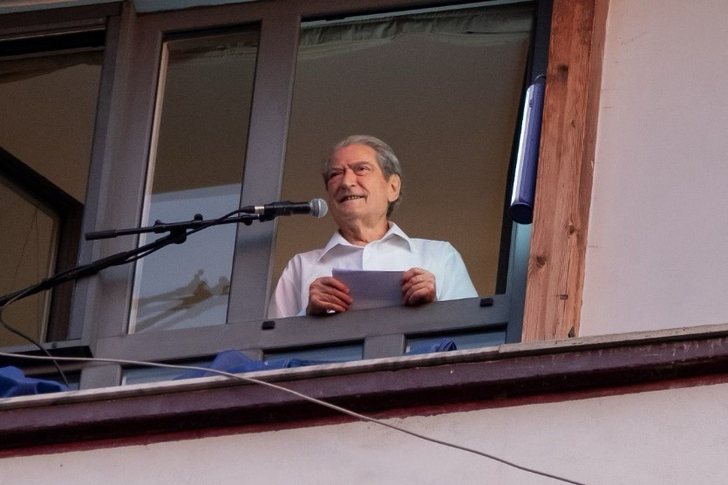
The head of the DP Sali Berisha has supported the prot...
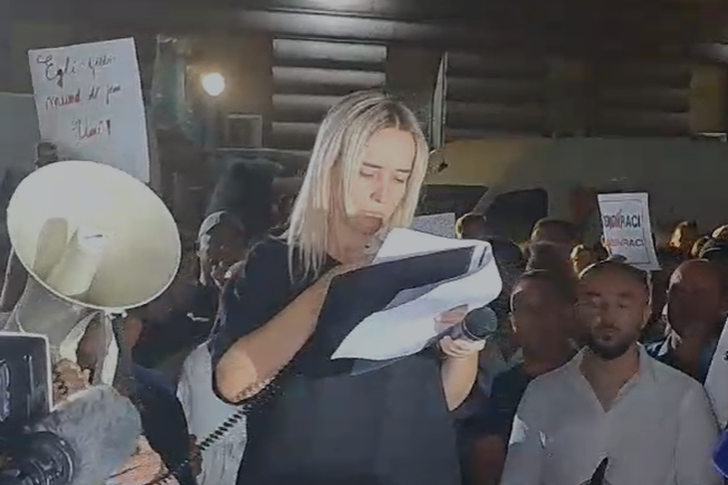
Egli Proga's sister, Jonida Proga, spoke in front of the p...
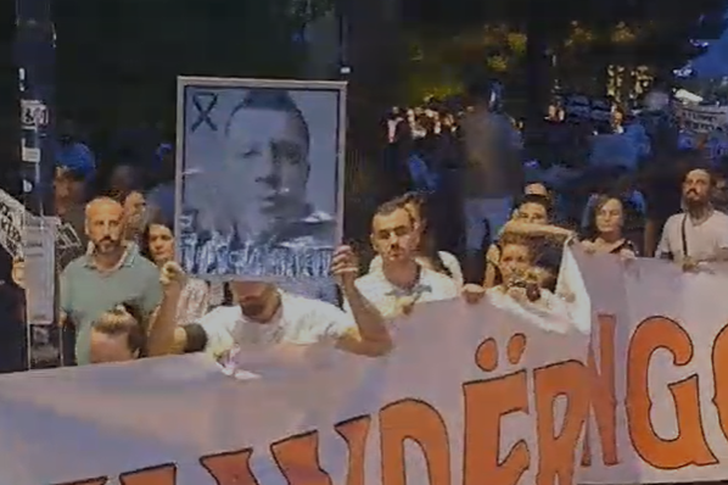
Protesters with banners in their hands headed towards ...
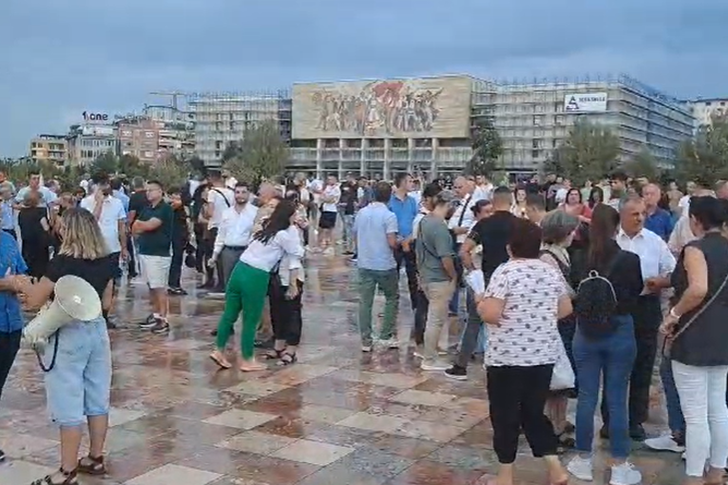
Citizens have gathered in Skënderbej Square where the marc...

The member of the PD Municipal Council, Dorjan Teliti,...

5 fiery nights ended yesterday evening in Korça. The "Beer...
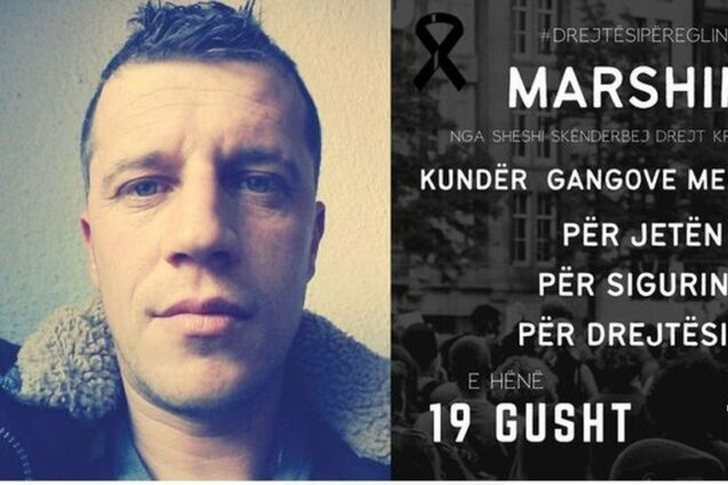
Today, at 7:30 p.m., there will be a march from Skënderbej...
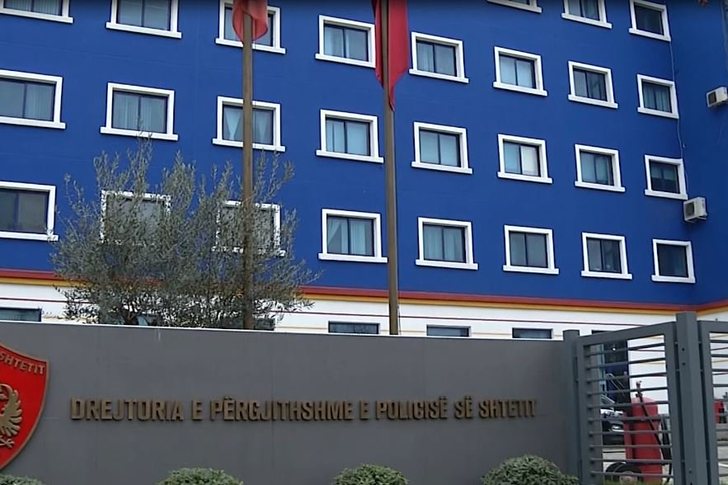
Due to the development of a rally today at 19:30, schedule...
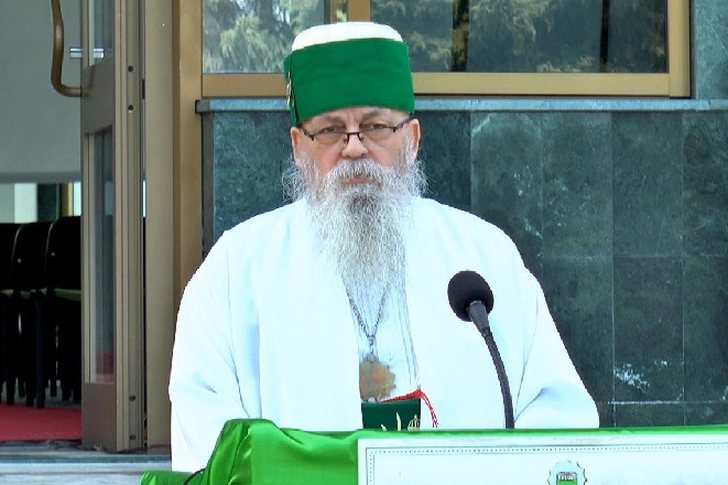
The pilgrimage to Malin e Tomorri started on August 15...
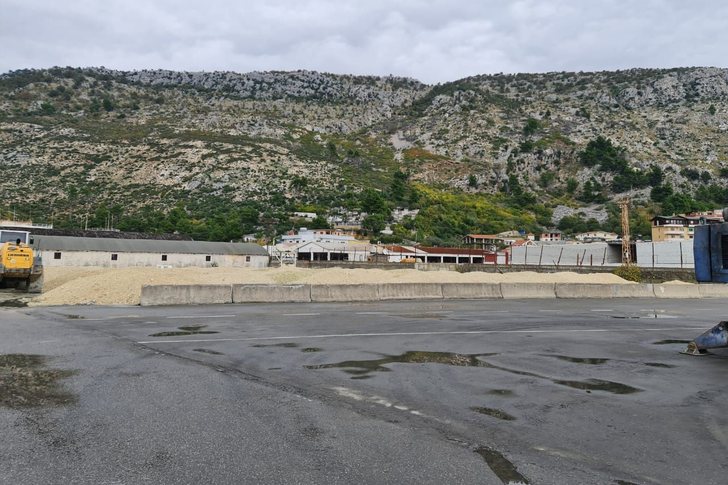
On Tuesday, August 20, about 500 people will arrive at...
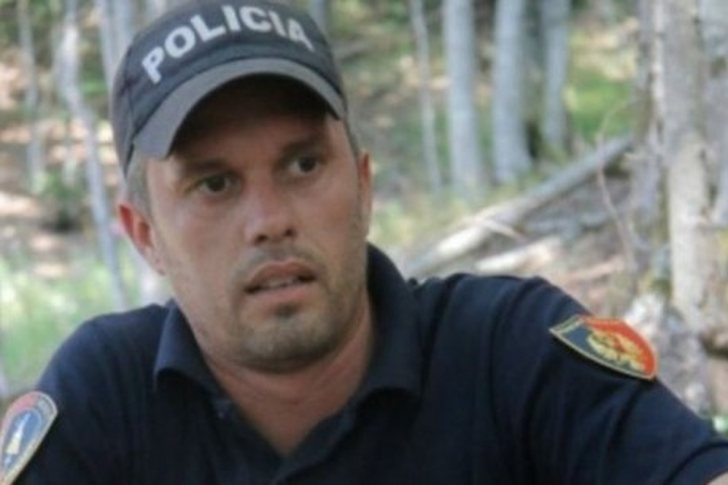
Saimir Rrustemi, the commissioner dismissed on suspici...
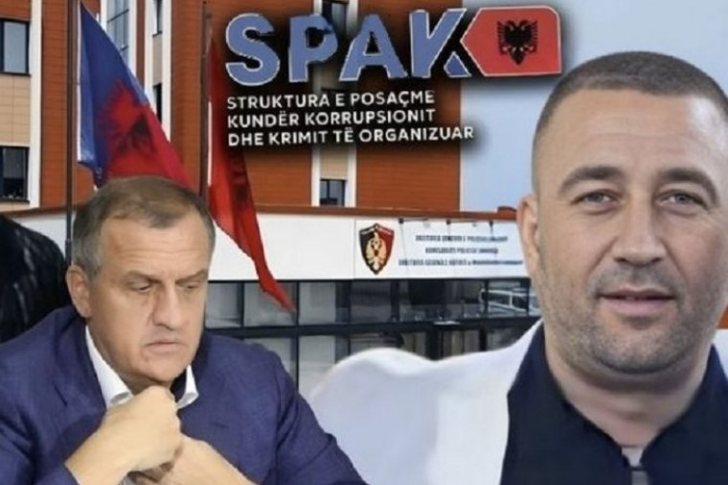
While in September 2020, Ilir Beqaj was appointed as t...
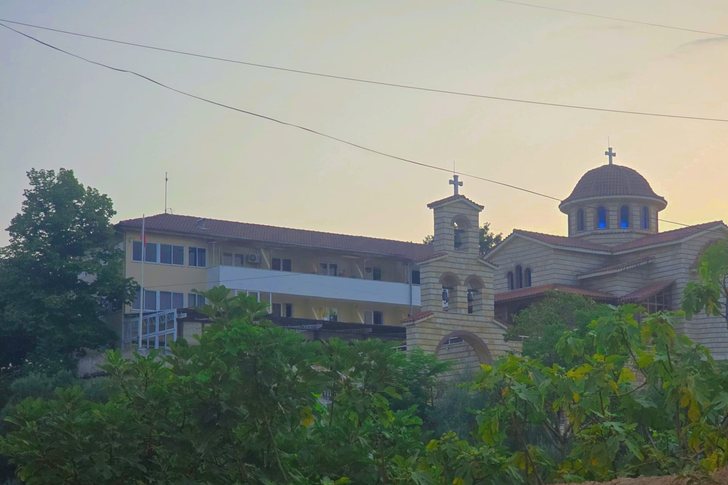
Registrations for the 2024-2025 academic year have begun a...
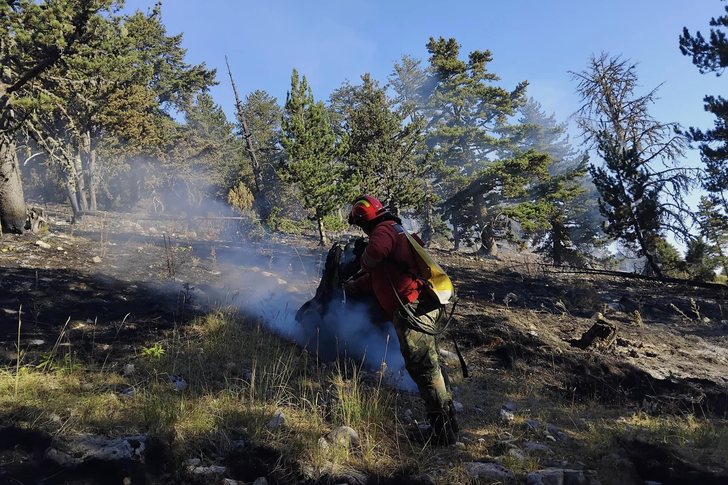
The rains yesterday have helped to put out many fires in o...

The population of Albania has decreased rapidly in the las...
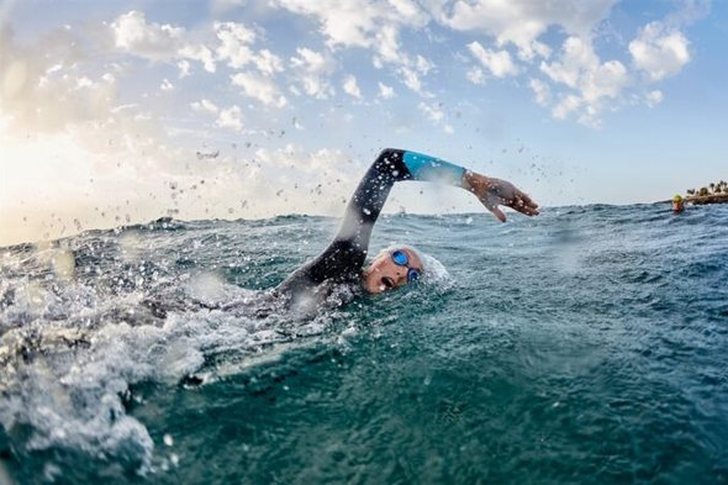
Eva Buzo, the Albanian by profession, returned to the ...
This Monday we are introducing you to some of the main pre...

Irfan Hysenbelliu claims to be a big businessman, an hones...

The murder of officer Enea Mekolli in the line of duty has...
The next case broadcast on the show "Stop", this Thursday,...
The case published this Thursday, June 4, on the show "Sto...

The Special Board of Appeal (KPA) decided this Monday ...

The KPA vetting decided this Thursday to dismiss the p...

Suela Salavaçi, a prosecutor in the Prosecutor's Offic...

The Special Board of Appeal reinstated the prosecutor ...
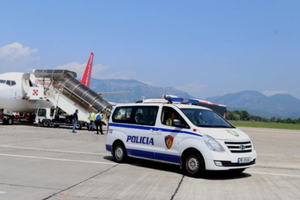
Following the cooperation of Interpol Tirana with Interpol...

An accident occurred this Saturday morning at Shkëmbi i Ka...
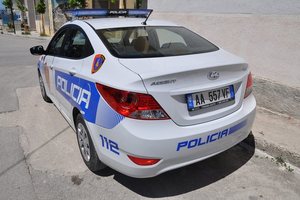
A TNT explosion occurred in Lezha in the early hours of th...

A massive brawl was recorded on Friday evening in Saranda,...
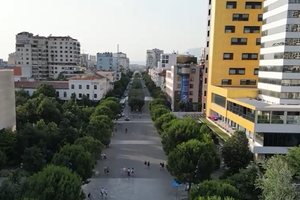
Albanians are officially the hardest working people in Eur...

This Saturday will be characterized by mostly clear weathe...
Today our country will be affected by stable weather condi...

For many children and teenagers, the long summer holidays ...

Millions of Europeans still apply for jobs without knowing...

Following the Covid-19 pandemic, the World Health Organiza...
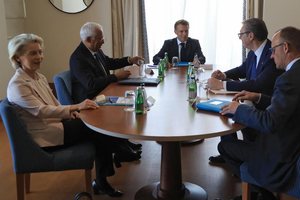
Leaders of the European Union and Western Balkan countries...
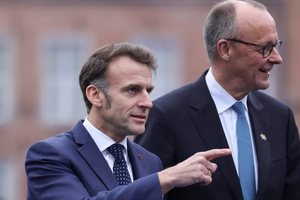
On the eve of the EU-Western Balkans summit, Germany and F...

Korça is ready to open the summer season with one of the c...

Two years after his passing, the renowned Korçë poet Skënd...
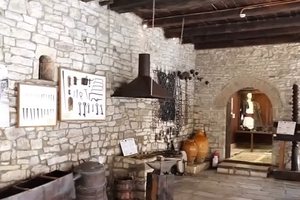
The Ethnographic Museum of Berat has opened its doors to v...
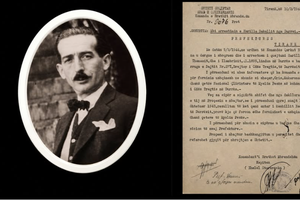
The story of Harilla Bakalli is one of the most chilling t...

The Transparency Board, in today's meeting, decided to red...

This Saturday, one US dollar is bought for 81.4 lek and so...
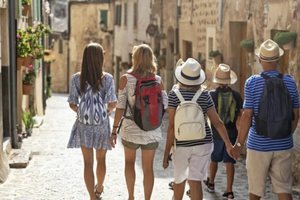
Despite years of efforts at regional cooperation and free ...

Albania is the country with the highest level of severe ma...