


SPAK raid/ Criminal group's scheme, drug money investments revealed
New details have emerged regarding the SPAK operation agai...

New details have emerged regarding the SPAK operation agai...

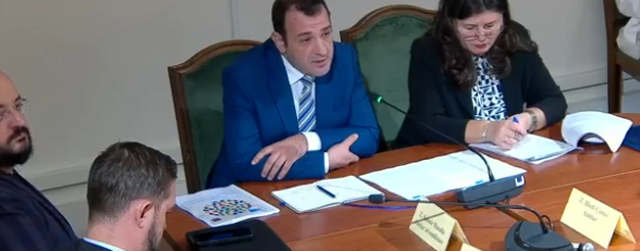
The Commissioner for Protection from Discrimination, Robert Gajda, has presented the annual report for 2024 to the Parliamentary Committee on Human Rights and Public Media.
Gajda said that hate speech in traditional and digital media remains problematic, as the institution does not have the human capacity to track the latter.
"We experience difficulties with hate speech on digital media because we lack capacity and ignorance. They still remain unregulated by law."
We can't find them even though we've been monitoring. The most discriminated groups are the most targeted, we don't have the capacity for comments.
"The law is not related to personal aspects, we monitor the public moment and the negative comparisons that are made in the media ," Gajda told the commission.
Gajda said that hate speech is problematic because it leads to crimes caused by it, and for this reason, a working group has been established in cooperation with the AMA and the Media Council.
"Hate speech is a cause of hate crimes. We have a joint working group with the AP, the AMA and the Media Council"|.
The Commissioner said that the focus is on the most targeted groups:
"Not all social groups are discriminated against. The focus remains on women, the LGBTQ group, Roma, Egyptians."
Gajda raised the issues of the lack of cooperation between the Assembly and local government.
"There has never been an agreement between the Commissioner and the Assembly on what will be considered adjudicated, the 56% figure you refer to is less. We have been exposed in local government and we have no other form than a fine to force local government to implement the decision."
Commissioner Gajda also said that the decisions remain unimplemented because they go to court and require time for review.
"The majority of decisions remain unimplemented because they are reviewed in the courts, and when they go to the Court of Appeal, it takes years for decisions to be made.
We have approached the Assembly for legal changes and they have not been considered nor has a hearing been held, we do not have frequent requests but when we have identified discrimination we have requested changes. Implementation remains a technical problem.
A lot can be done here because we are in the monitoring process, we have a big challenge because we are not a body that issues recommendations but are quasi-courts, a decision that is not appealed is considered adjudicated.
"We do not have a plan of measures with the AMA, but decisions on hate speech in the media are sent with decisions," Gajda said in his speech./ CNA

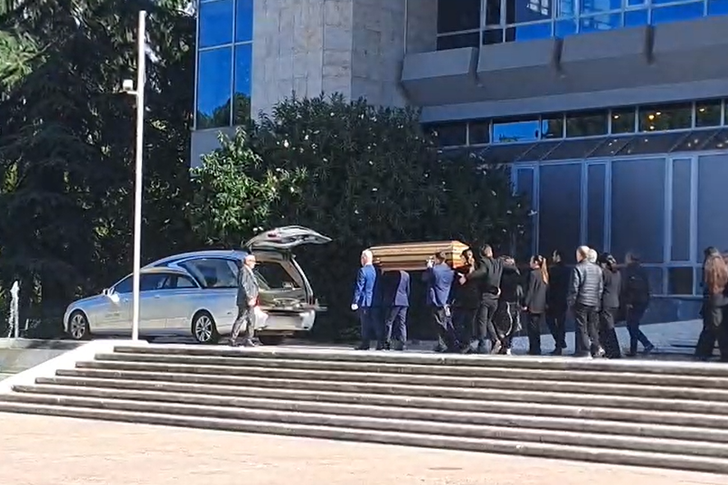
The state tribute ceremony for judge Astrit Kalaja conclud...
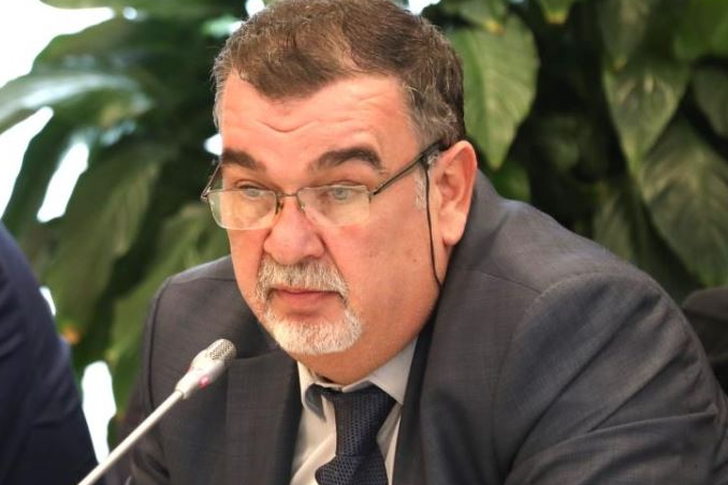
The country's prosecutors have sent a request to Chief Pro...
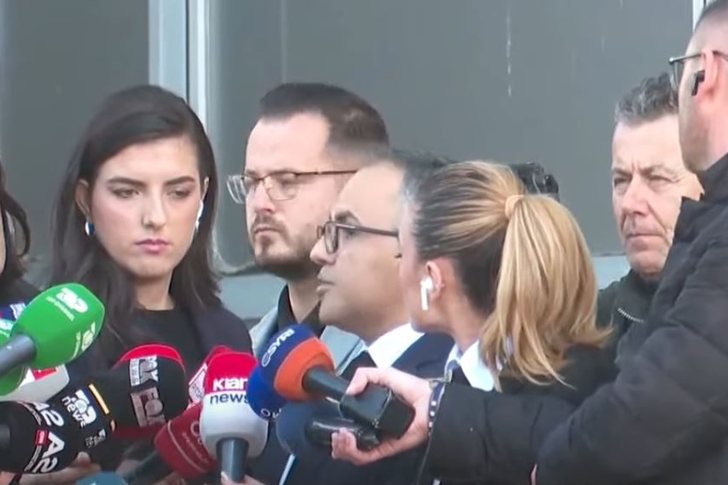
The Head of the High Judicial Council, Ilir Rusi, particip...
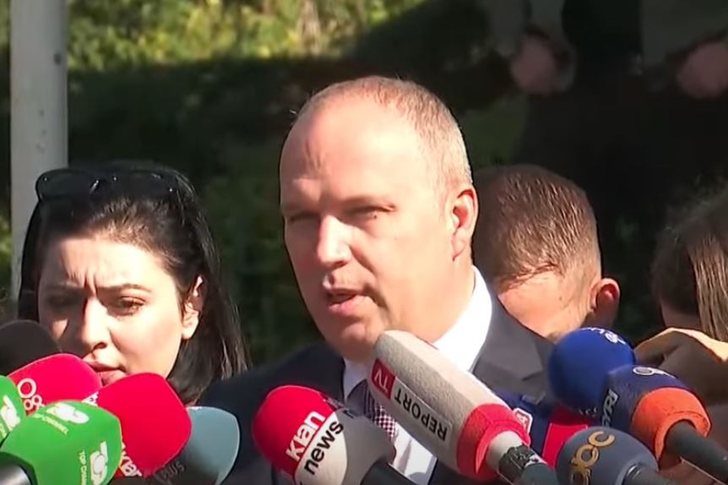
The Head of the Special Court, Erion Bani, was present at ...
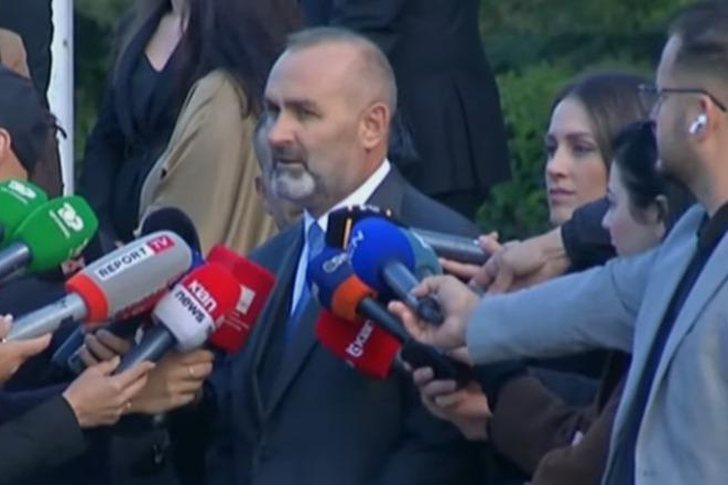
The Chairman of the Laws Committee, Ulsi Manja, after payi...
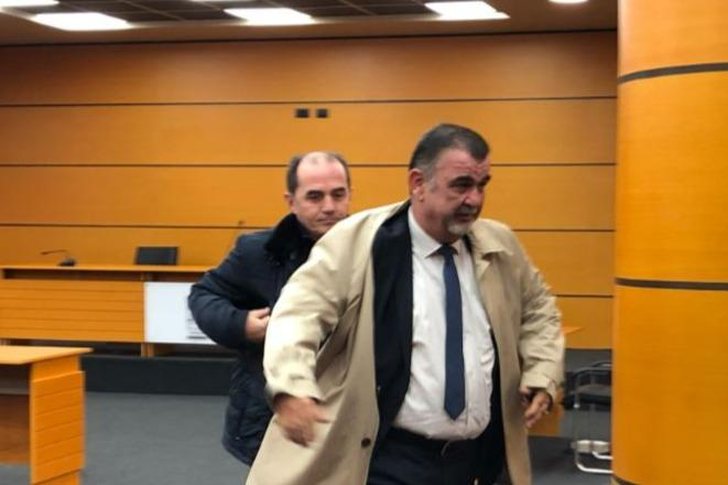
The Head of the Chamber of Advocates, Maks Haxhia, paid ho...
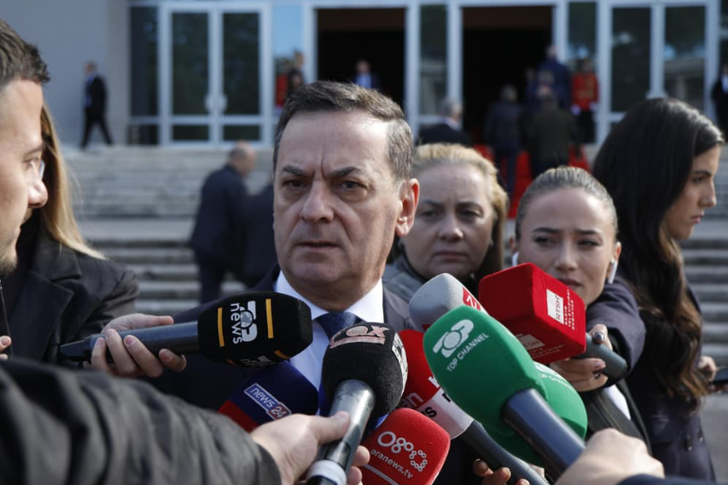
The President of the Supreme Court, Sokol Sadushi, partici...
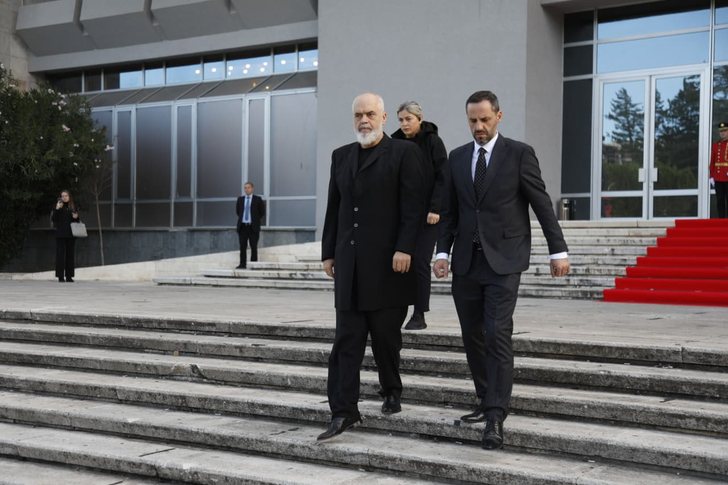
The Prime Minister of Albania, Edi Rama, participated in t...
Four prosecutors have so far submitted applications to the...
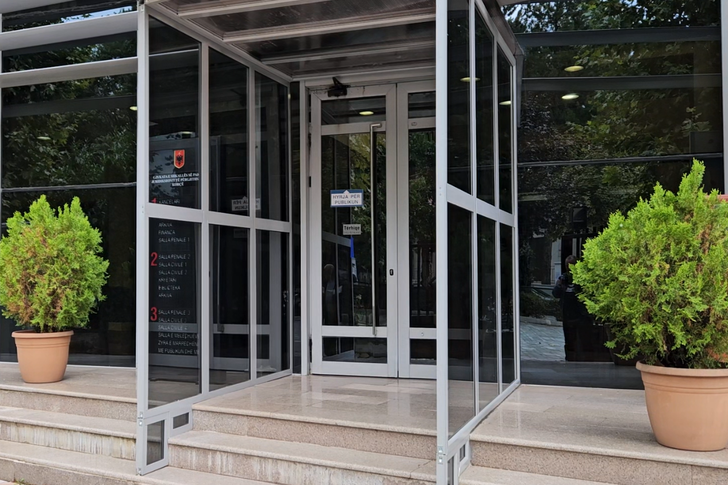
The serious incident that occurred in the premises of the ...

I don't know Gjon Shkambi or Gjovalin Shkambi; I know Pal ...
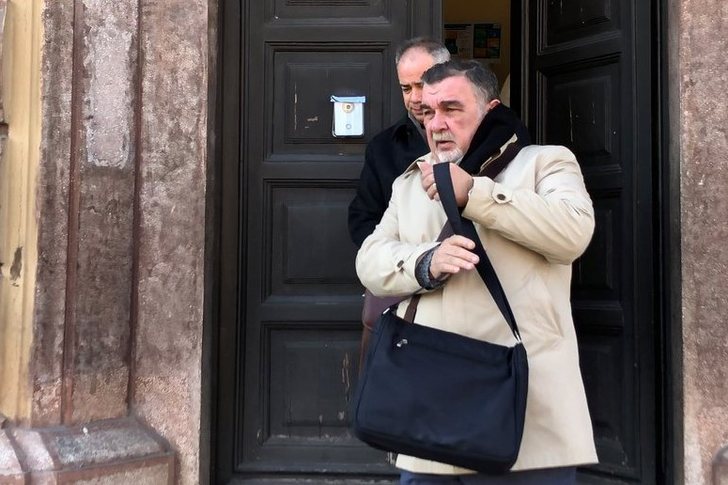
Judge Astrit Kalaja, murdered in the courtroom by Elvis Sh...

Today is the deadline for applications for prosecutors who...

This Wednesday, we are introducing you to some of the main...
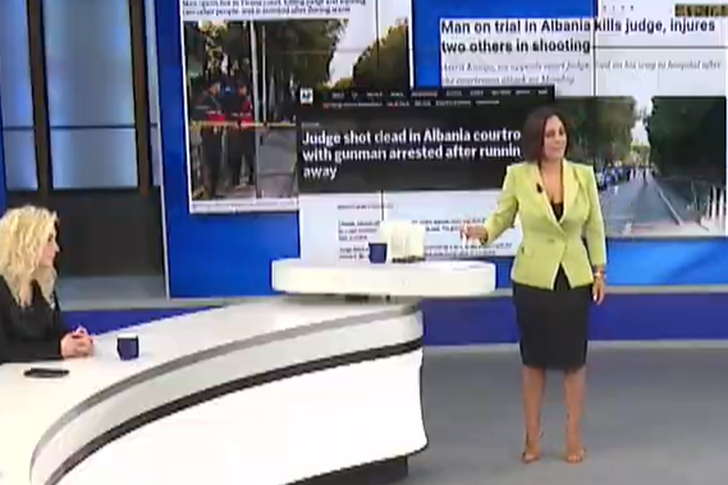
The head of the Criminal Lawyers Association, Joana Qelesh...
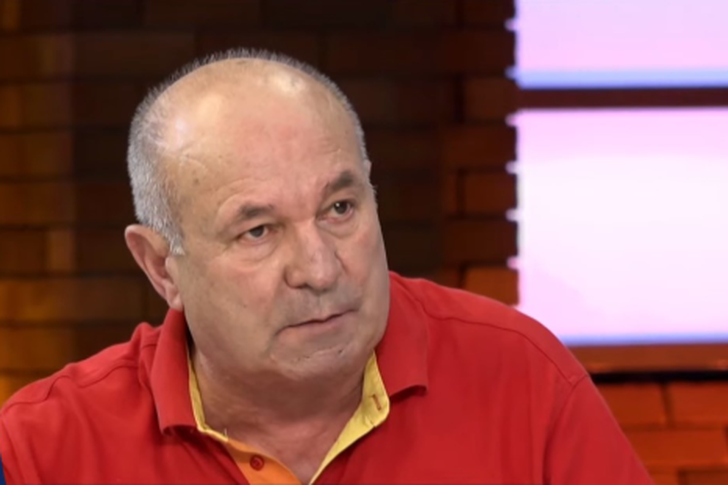
Sociologist Gëzim Tushi today shared several sociological ...
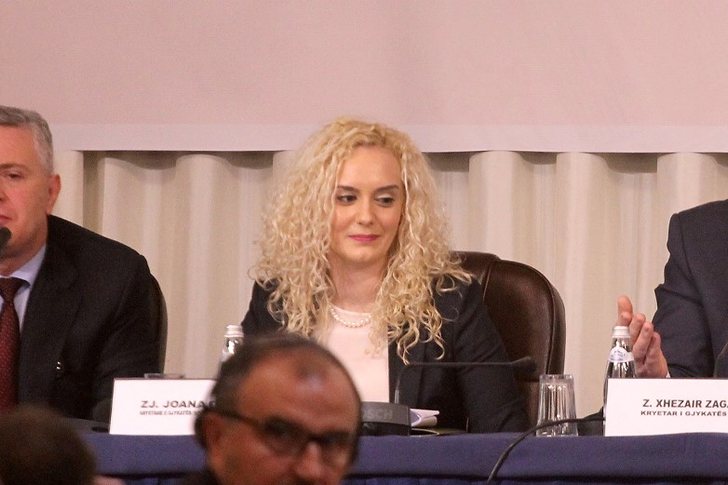
The President of the Chamber of Advocates, Joana Qeles...
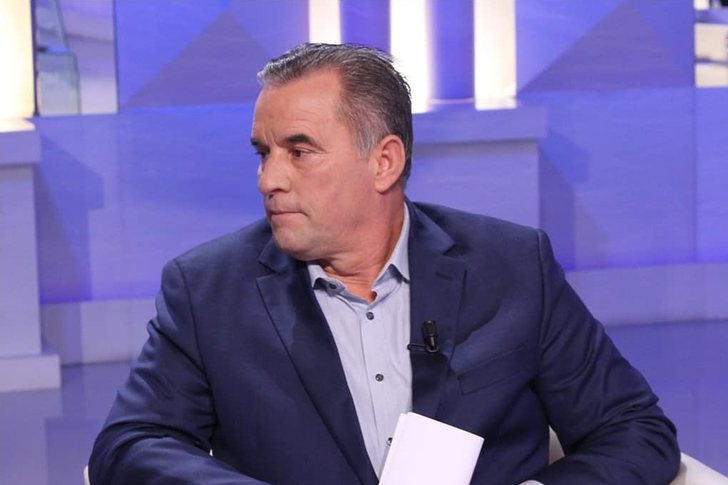
Former police chief Shemsi Prençi shared today details of...

The Head of the Foreign Policy Department at the Democrati...
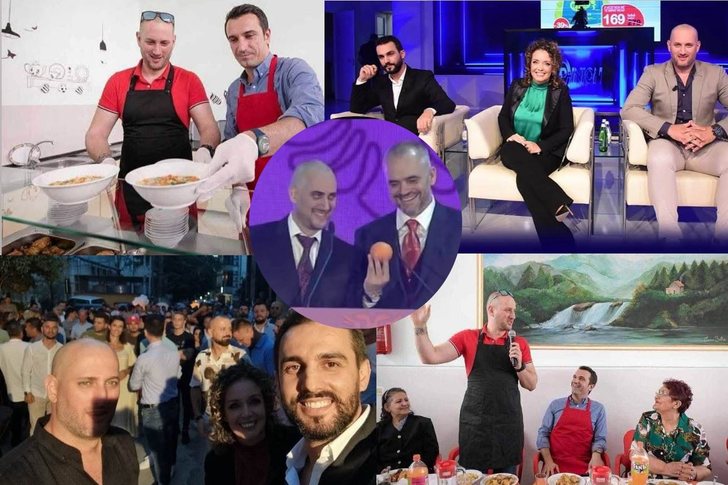
The Democratic Party announced a few days ago that Florjan...
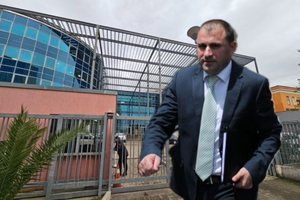
Dritan Prençi is the SPAK prosecutor who is sleeping on th...
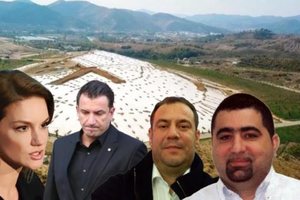
The in-depth investigations that SPAK conducted into Ajola...
SPAK's standards, the way it investigates, how it secures ...

Irfan Hysenbelliu claims to be a big businessman, an hones...

The Special Board of Appeal (KPA) decided this Monday ...

The KPA vetting decided this Thursday to dismiss the p...

Suela Salavaçi, a prosecutor in the Prosecutor's Offic...

The Special Board of Appeal reinstated the prosecutor ...

Korça Police have identified and declared citizen Gj.Ç wan...

In Korça, a 4-year-old child accidentally falls from the s...
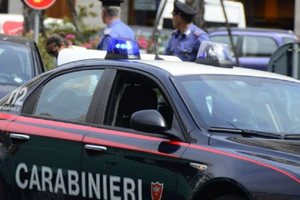
A 33-year-old Albanian citizen was arrested in Italy after...
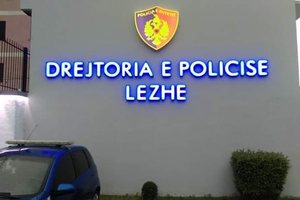
One of the perpetrators of the explosion that occurred yes...

Today our country will be affected by unstable weather con...

On Thursday, our country will be affected by relatively un...

Albania is facing a deep demographic crisis where official...
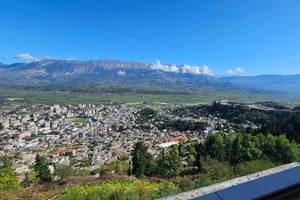
This Wednesday, our country will be affected by relatively...

The global economy is expected to face its biggest slowdow...
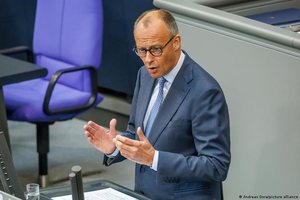
German Chancellor Friedrich Merz (CDU) defended his govern...

US President Donald Trump has made a post on Truth Social ...

US President Donald Trump announced today that he was canc...

At the Museum of Fine Arts in Chambéry, France, an exhibit...

Korça has transformed this weekend into the capital of cel...

Korça is ready to open the summer season with one of the c...

Two years after his passing, the renowned Korçë poet Skënd...

The number of new retirees in the social security scheme i...
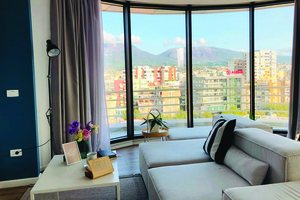
The average rent for apartments in Tirana for 2026 has rea...

This Friday, one US dollar is bought for 81.8 lek and sold...

The price of gold fell to its lowest level in more than si...