


Temperatures are rising/ Today's weather
This Saturday will be characterized by mostly clear weathe...

This Saturday will be characterized by mostly clear weathe...

This Sunday is the second of the Triodion and a Divine Liturgy was held at the "Resurrection of Christ" Church in Tirana, presided over by the Archbishop of Tirana, Durrës and All Albania, His Beatitude, Joan.
In his speech, the Archbishop emphasized that repentance in the Orthodox sense is not just a simple regret, counting all sins, but a great change.
According to the Archbishop, no matter how many sins a person has committed, if he repents, then God will forgive him. And not only will He forgive us, but He will clothe him with His bright robe and fill him with His grace.
Full sermon:
On the second Sunday of the Triodion, the Church continues again the theme of repentance, because the whole of Great Lent is a journey towards repentance; and repentance is a journey towards union with God. Today's parable is one of the most beautiful parts of the Gospel, perhaps the most touching. Never has a story been told so touching and so profound. It is one of the parables that has been preached more than any other parable, because its meaning is for each of us. The themes that this parable touches on in a few lines are very broad, very deep and very necessary for our lives.
First, the parable shows something very special. You heard the parable, but I will mention some very important points. The younger son asked his father for his inheritance, saying, "Give me my share, I will take it and go away." This happens all the time when people think they can separate themselves from everyone else and achieve everything they have in mind. Here we are dealing with the theme of freedom. God created us free - to have the freedom to unite with God, but also the freedom to sin. And freedom, which is the greatest gift that God has given to people, can be an extraordinary blessing or it can turn into a heavy burden for those who do not know how to use it. The limitations that God often gives us are not to narrow and limit our freedom, but are to help us. Just as a doctor often gives us a diet; he does not give it to us to torment us, but to heal us. And people who see restrictions as obstacles to freedom do not really understand what it means to limit freedom. The restrictions that God gives for many things such as: do not steal, do not kill, do not commit adultery and many, many others, are not to limit freedom. We must always keep this in mind: Restrictions are to save us and to protect us. I often compare it with an example. You have seen mountain roads that have a wall or an obstacle on the side. They are not to limit the freedom of the driver, but they are to protect him from falling off the cliff. Therefore, all the restrictions that God gives are to help us.
The story of the Prodigal Son, which can be explained on different levels, can also be explained on the level of the entire history of humanity, because this story is for all people: It is my story, your story, and the story of all people who have ever existed. The parable says that after receiving his wealth, which he thought he had from his inheritance, he went to a distant land.
What is a faraway place? A faraway place in the deep Christian and religious sense is a place far from God, an exile, a place of exile, where precisely people have been separated from their real nature. Because this nature that we see today that gets sick, dies and is destroyed, is not the nature with which God created us. God created us with the potential to be immortal, but by being separated from Life with a capital J, we cannot live - because people are not autonomous beings. We are not autonomous beings; we have no life in ourselves if we do not feed. Here, if we stay for some time without bread, without water, without air... we will surely die. The only one who has life in himself is God.
As long as we are connected to Him, we have life. When we are separated from Him, we are in a distant place. And this distant place is not a good place, it is a place where people can have endless suffering. Therefore, the son, after squandering all his wealth in a debauched life, was left with nothing. The parable shows that he went to a citizen of that kingdom. The Fathers of the Church explain that he went to people, demons who are far from human nature, and he put him to guard pigs. This was a great insult in Israel at that time, because pork could not be consumed for them and they did not keep pigs. From a boy who had wealth, he became a servant and this shows precisely his great moral degradation, so much so that he wanted to eat the things that were for the pigs, but they did not give him either.
At this moment is the most beautiful part of the Gospel and the most significant for us. The parable says: The boy came to his senses. What does 'he came to his senses' mean? We all know that when a person is not in his senses, it means that he is crazy. Because away from God and living in sin, our mind is darkened and we do not have a completely complete mind. Things may seem right, but the device is broken. Just like a device that measures medical tests.
If it breaks down, it can produce results and you can say, "Here's what the machine produced." Of course, it produces results, but they are wrong, because the machine is broken. That's why when a person is not in his right mind, he does not reason in the right way, as God could enlighten him.
He came to himself and what did he remember? He remembered his Father's house, saying that in my father's house even the servants had more than enough bread, while I am dying of hunger here. This memory is very important in the spiritual life. We often mention it, because it is important, when we say that man is created in the image of God and within the soul of every person there is a longing for God. If that longing is not ignited, the path of repentance will not begin. If we do not remember what we really are, we will not change our lives. Therefore, often even great disasters, such as the one that happened to the son, who was left with nothing and hungry, made it remember. Deep inside every person, without exception, whoever he is, the light of the icon of God is lit, but our many sins, our departure from God, have covered this thing from us. And the path of repentance begins precisely when we remember this thing. If we do not long for God, it is very difficult to repent.
Repentance in the Orthodox sense is not just a simple regret, counting all the sins we have committed. Repentance is a great change, and the son not only remembered, but also began to act. He said: “I will arise and go to my father, and will say to him, ‘Father, I have sinned against heaven and in your sight, and am no longer worthy to be called your son. Make me as one of your hired servants’” (Luke 15:18-19).
Dhe ashtu bëri, u nis. Pjesa në vazhdim tregon përsëri diçka të mrekullueshme: Dashurinë pa kushte të atit, e cila simbolizon Dashurinë e Perëndisë, që na do, jo se jemi të mirë, por se Ai është i mirë. Dhe kur e pa së largu djalin duke ardhur, paravolia tregon që i ati filloi të vraponte. Në atë kohë nëse një i moshuar vraponte quhej si turp. Vrapimi ishte vetëm për fëmijët edhe për të rinjtë. Por ati nga dashuria e madhe që pati për të birin vrapoi, e përqafoi dhe e puthi dhe nuk e la as të mbaronte fjalën që donte të thoshte i biri, i cili filloi të thoshte që mëkatova kundër qiellit dhe kundër teje dhe s'jam i denjë të quhem biri yt. Ai urdhëroi shërbëtorët që ta vishnin, madje ta vishnin me rrobën më të ndritshme, t’i vendosnin unazën në dorë dhe t'i vishnin edhe sandallet. Të gjitha veshje janë simbolika, për të treguar përmbushjen e këtij njeriu.
Prishja e rrobës do të thotë prishja e ndriçimit që kishim kur u krijuam. Veshja e një rrobe të ndritshme është si veshja e rrobës së Pagëzimit, e cila tregon përsëri pajtimin me Perëndinë dhe unaza është një bashkim i thellë me Perëndinë. Gjithçka që përdoret në fjalët e paravolisë është e matur edhe shumë domethënëse.
Por ndodhi diçka tjetër. Pasi filluan të festonin, u ther viçi i majmë dhe të gjithë filluan të këndonin, të gëzoheshin, të hidhnin valle, djali i madh u kthye nga ara. Ai dëgjoi këngët dhe vallet dhe pyet një nga shërbëtorët se çfarë ka ndodhur. Dhe ata i thanë që vëllai yt u kthye dhe ati nga dashuria e madhe theri dhe viçin e majmë dhe po bën festë shumë të madhe.
Djali i madh u zemërua dhe nuk donte të hynte. I ati doli për ta thirrur dhe ai nuk pranoi. Madje i thotë disa fjalë shumë të rënda: "Unë të kam shërbyer gjatë gjithë kohës. Nuk më ke dhënë asnjë kec, për ta ngrënë dhe për t’u gëzuar së bashku me miqtë e mi. Ndërsa kur erdhi yt bir që e harxhoi të gjithë pasurinë e tij me prostituta, there viçin e majmë dhe bëre një darkë shumë të madhe. Dhe ati i përgjigjet dhe i thotë: Bir, vëllai yt ishte i humbur dhe u gjet, ishte i vdekur dhe u ngjall dhe gjithë sa janë të miat janë dhe të tuat (shih Llk.15:29-32).
Çfarë përfaqëson realisht djali i madh? Djali i madh shpeshherë përfaqëson ato tipe njerëzish që ndoshta e ndjekin besimin nga jashtë, por jo nga brenda. Ata ndjekin ritet e besimit, mund të vijnë në kishë, marrin pjesë në Meshë, ndezin qirinj. Mund t'i bëjnë të gjitha, por zemra e tyre nuk është zbutur dhe nuk ka dashuri. Ai ndau shumë gjëra me atin, po s'kishte ndarë gjënë më të rëndësishme: Dashurinë e pakufijshme të Perëndisë.
Paravolia e sotme, siç thonë shumë nga Etërit, ndoshta nuk mund të quhet e Djalit Plangprishës, por duhet të quhet paravolia e Atit shumë dhembshur, e Atit që ishte plot me dashuri. Sepse falja nuk është thjesht drejtësi në kuptimin e drejtësisë së njerëzve. Falja e kapërcen atë. Dhe Zoti na fal, pikërisht, sepse na do. Nëse do të bënte Zoti drejtësi, nuk do na falte. Omelitë (fjalimet) dhe librat e famshëm të shën Isaak Sirianit, të cilin e citoj shpesh, sepse është një nga Etërit më të mëdhenj shpirtërorë të Kishës Orthodokse, janë burim drejtimi në jetën shpirtërore. Ai i provokonte ndonjëherë nxënësit e tij dhe iu thoshte:
- Ju mendoni që Zoti është i drejtë?
- Po, i përgjigjeshin ata.
- Jo, thoshte ai.
Ata shtangeshin dhe thoshnin:
- Si ka mundësi që Perëndia mos të jetë i drejtë?
Dhe shenjti vazhdonte duke thënë këto fjalë:
- Nëse Perëndia do të ishte i drejtë, unë dhe ju do të ishim tani në ferr. Perëndia është zemërdhembshur dhe kushdo që bëhet i ngjashëm me Perëndinë, e pastron zemrën e tij dhe ka dashuri.
Në vend që vëllai të gëzohej se u gjet vëllai tjetër, se ishte i vdekur dhe u ngjall, atë e kapi një zemërim i madh. Prandaj, njerëzit mund të vijnë në kishë shpeshherë, mund ta ndjekin besimin nga jashtë dhe zemërohen shumë kundër të tjerëve. Madje kanë një mëri të madhe. Të gjithë ata që shajnë, të gjithë ata njerëz që kundërshtojnë të gjithë të tjeret, nuk iu është zbutur zemra e tyre nga hiri i Perëndisë. Zoti do që të bëhemi të ngjashëm me Të, të kemi dashurinë e Perëndisë. Sepse Perëndia fal, ngaqë është i mirë. Shën Joan Gojarti thotë disa fjalë shumë të bukura në lidhje me këtë: Asnjë mëkat nuk mund ta mundë dashurinë e Perëndisë - qofshin imoralë, kurorëshkelës - nëse do të pendoheni, Perëndia do t’ju presë krahëhapur dhe jo vetëm që do t’ju pastrojë, por do t’ju thërrasë dhe do t’ju bëjë si miqtë e tij. Nëse do të kemi guximin për t'u rrëfyer dhe për ta pranuar fajin tonë e për t'u kthyer, sepse çdo mëkat i parrëfyer, i papenduar është ai që e shkatërron jetën tonë. Pendimi nuk është vetëm keqardhja, pendimi është fillimi i rrugës për t'u kthyer drejt shtëpisë së Atit.
Prandaj dhe jeta e njeriut është një udhëtim, një udhëtim për të shkuar përsëri për të takuar pikërisht atdheun tënd të vërtetë që është pranë Perëndisë. Ai është atdheu shpirtëror i të gjithë njerëzve. Ai është atdheu që njerëzimi humbi dhe shkoi në një vend të largët, në një tokë ku mbizotëron mëkati. Prandaj dhe pendimi është kthim në shtëpinë e Atit dhe ky kthim ka një domethënie shumë të madhe, sepse i jep jetës sonë një qëllim.
Because what is today's civilization famous for? No one has a purpose for his existence; No one asks about the purpose of his existence. And today there are not only no answers, but there are no questions either. Questions arise precisely when we begin to understand that we are in a distant place and begin to understand that we are separated from God. And if we are ignited by the longing for the kingdom of heaven, - which each of us has within him, but is covered by darkness, - and if we are illuminated by Him, He will fill our lives with joy; and our life will become an extraordinarily beautiful journey. On the way we will encounter crosses, but we have faith, as the Lord says: “In the world you will have tribulation, but take heart, I have overcome the world” (Jn 16:33). And every person who begins the journey towards his true home near the Father, our God, will undoubtedly encounter many crosses along the way, but the grace of God will give him strength and will constantly illuminate him, and this journey will be a very beautiful journey and will fulfill our being. Therefore, before we begin Great Lent, the Church reminds us precisely of these parables that are very profound and very useful for each of us.
Let us try to ignite in our souls the longing for the Father's house. And let us begin the journey to go to Him. No matter how many sins we have committed, God, if we repent, will forgive us. And not only will He forgive us, but He will clothe us with His bright garment and fill us with His grace. Amen./CNA

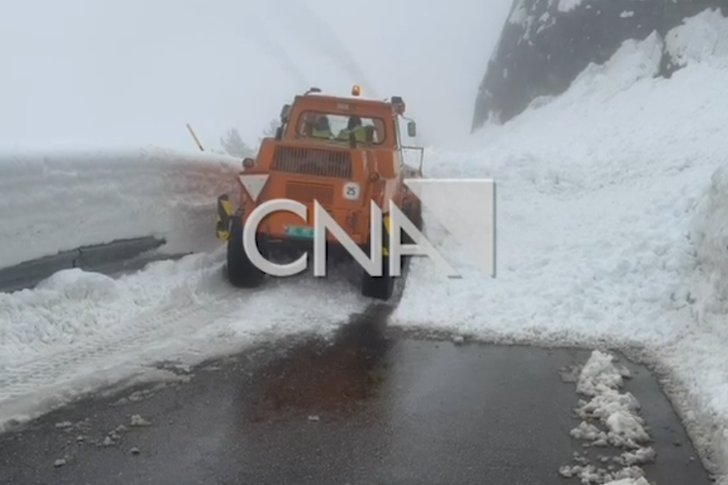
The significant drop in temperatures in the north of the c...
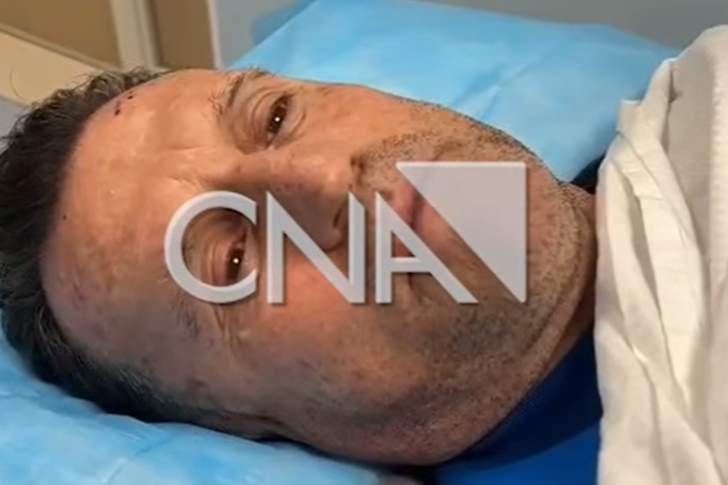
CNA has obtained the statement of lawyer Kujtim Cakrani re...

Zbardhet dëshmia e avokatit Kujtim Cakranit pasi u dhunua ...
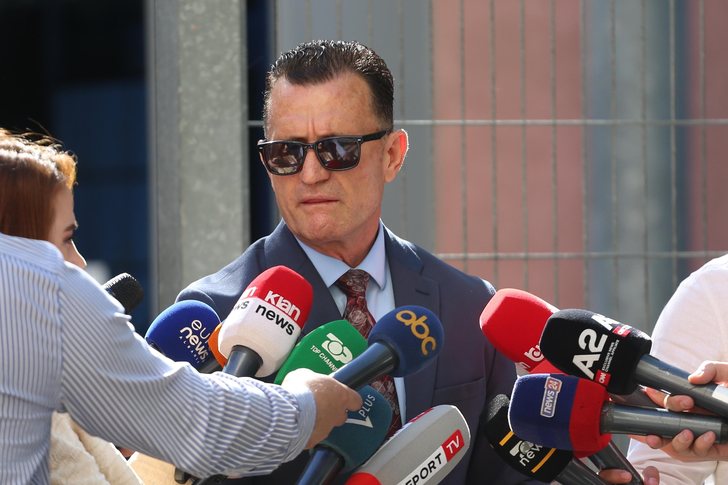
The lawyer of the President of the Liberal Party, Ilir Met...

DP MP Belind Këlliçi has reacted to Prime Minister Edi Ram...

Prime Minister Edi Rama also spoke about the government's ...
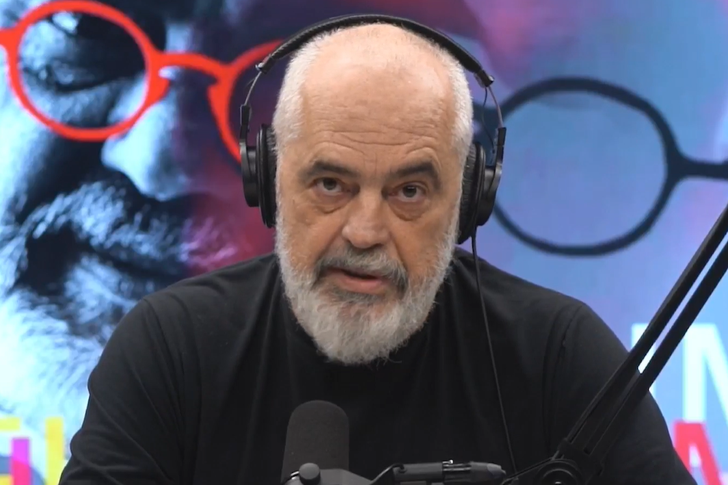
Prime Minister Edi Rama declared that the government has t...
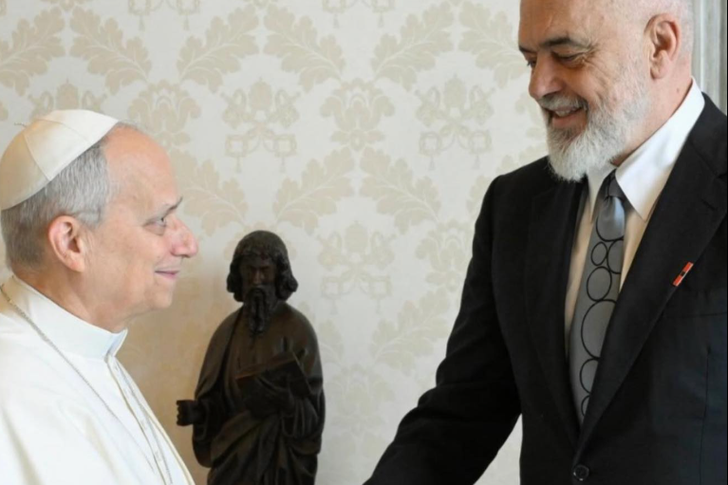
Prime Minister Edi Rama has shared his experiences during ...
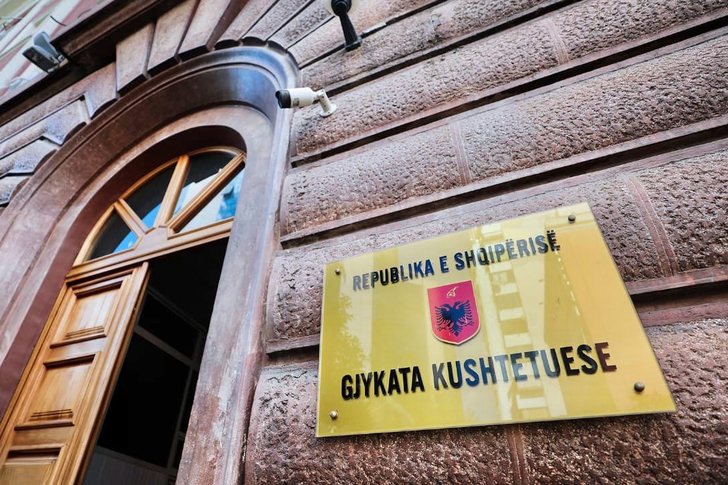
Prime Minister Edi Rama has reacted to the Constitutional ...
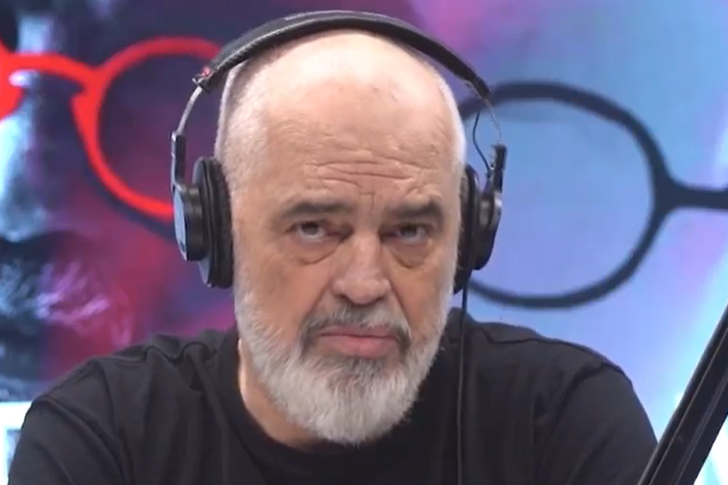
Prime Minister Edi Rama has been firm regarding the judges...
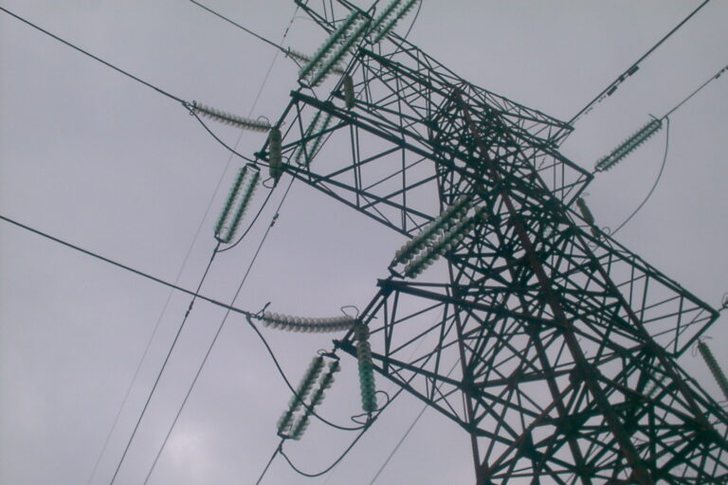
Several villages in the Lezha region continue to be withou...
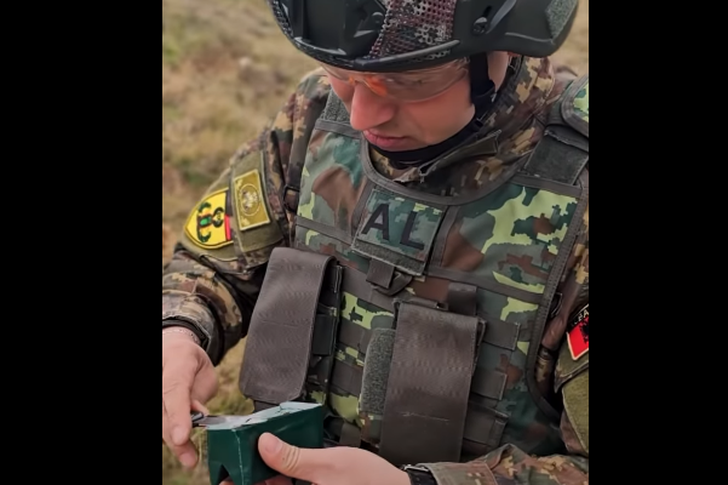
A joint training between the United States of America and ...
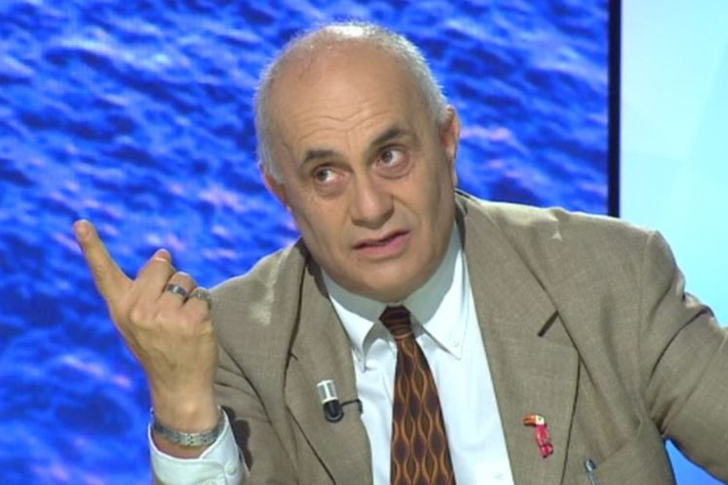
Academic Artan Fuga has shared a position following the Co...
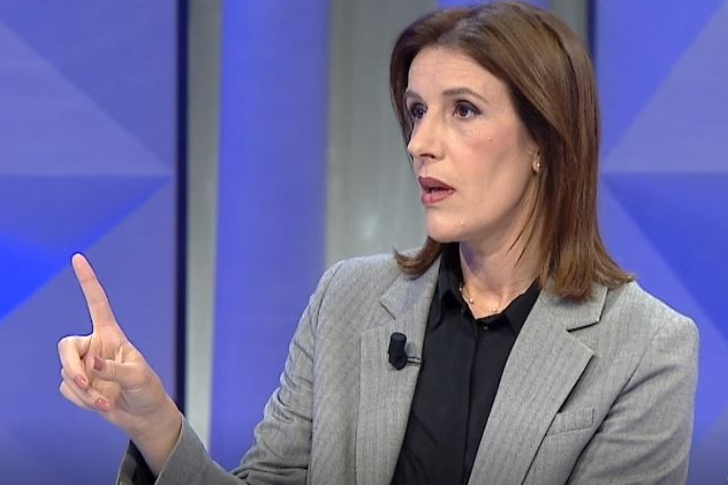
Journalist Klodiana Lala stopped today for an analysis fol...

The Geoscience Institute has shared a forecast for this we...
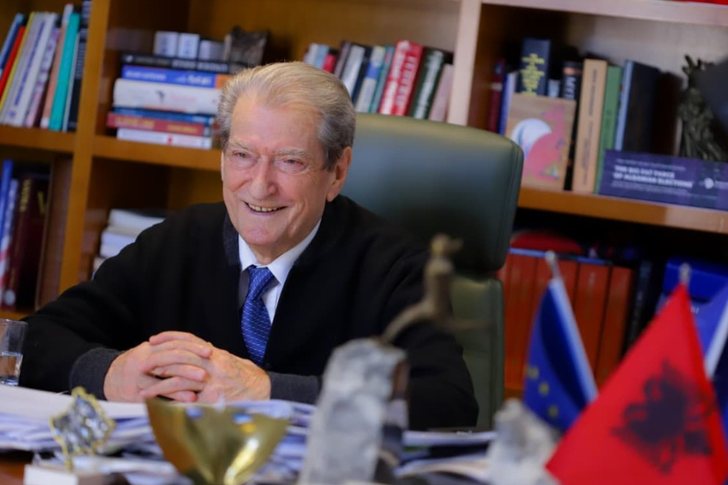
Kryetari i PD-së, Sali Berisha ka folur në komunikimin e s...
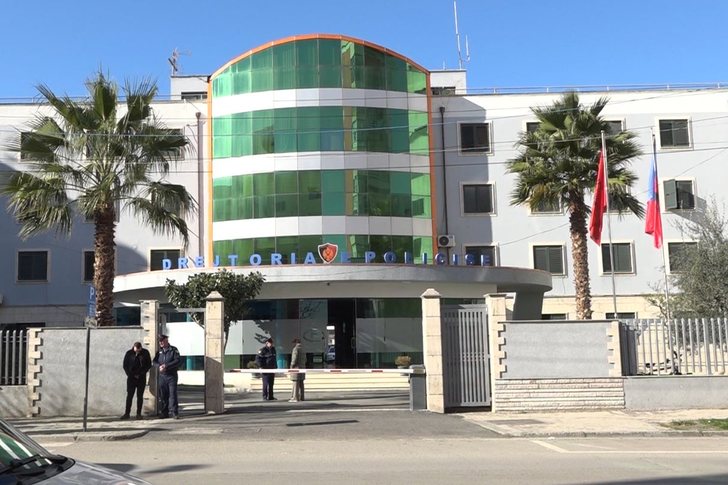
Six people wanted for various criminal offenses have been ...
The Special Prosecution Office has closed the investigatio...

The decline in exports to Serbia, Kosovo and North Macedon...

The opening ceremony of the "Milano Cortina 2026" Winter O...
Irfan Hysenbelliu claims to be a big businessman, an hones...
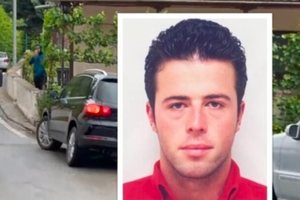
The murder of officer Enea Mekolli in the line of duty has...
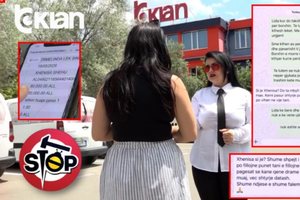
The next case broadcast on the show "Stop", this Thursday,...
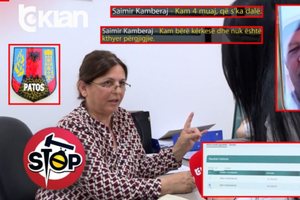
The case published this Thursday, June 4, on the show "Sto...

The Special Board of Appeal (KPA) decided this Monday ...

The KPA vetting decided this Thursday to dismiss the p...

Suela Salavaçi, a prosecutor in the Prosecutor's Offic...

The Special Board of Appeal reinstated the prosecutor ...
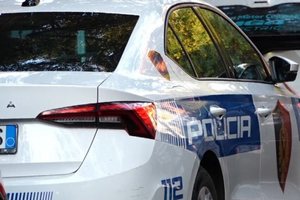
A 38-year-old man was arrested today near the Kamza turnof...

A money changer in Durrës lost 60 thousand euros after bei...
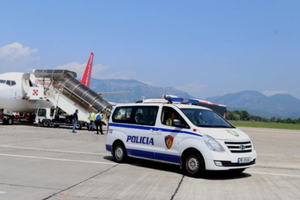
The 6 citizens captured in Dubai, members of criminal grou...
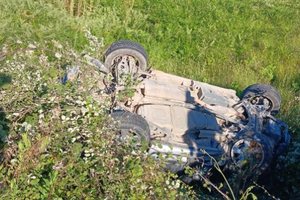
A serious accident occurred on the Kardhiq-Delvinë axis, i...
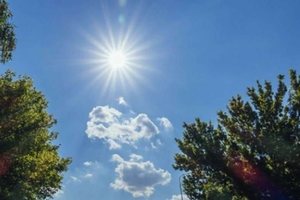
This Saturday will be characterized by mostly clear weathe...
Today our country will be affected by stable weather condi...

For many children and teenagers, the long summer holidays ...

Albania is facing an unprecedented demographic transition,...
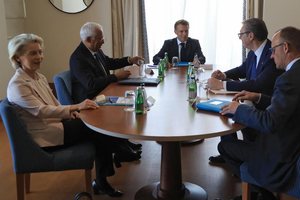
Leaders of the European Union and Western Balkan countries...
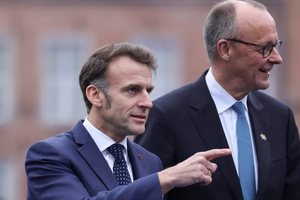
On the eve of the EU-Western Balkans summit, Germany and F...

Russian President Vladimir Putin said the war in Ukraine c...
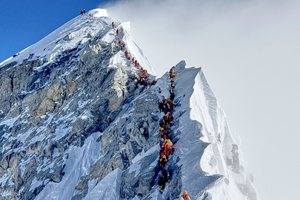
An extraordinary story of survival has been recorded in Ne...
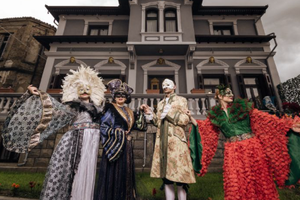
Korça is ready to open the summer season with one of the c...
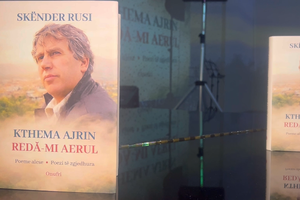
Two years after his passing, the renowned Korçë poet Skënd...
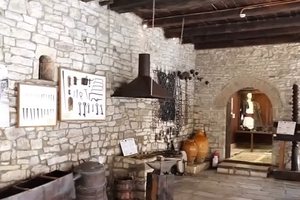
The Ethnographic Museum of Berat has opened its doors to v...
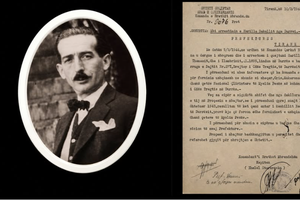
The story of Harilla Bakalli is one of the most chilling t...

This Saturday, one US dollar is bought for 81.4 lek and so...
Despite years of efforts at regional cooperation and free ...

Albania is the country with the highest level of severe ma...

This Friday, one US dollar is bought for 81.3 lek and sold...